The Ocean’s Secret: How Phytoplankton Outshines Trees in Oxygen Production
Marine Science

The Ocean’s Secret: How Phytoplankton Outshines Trees in Oxygen Production

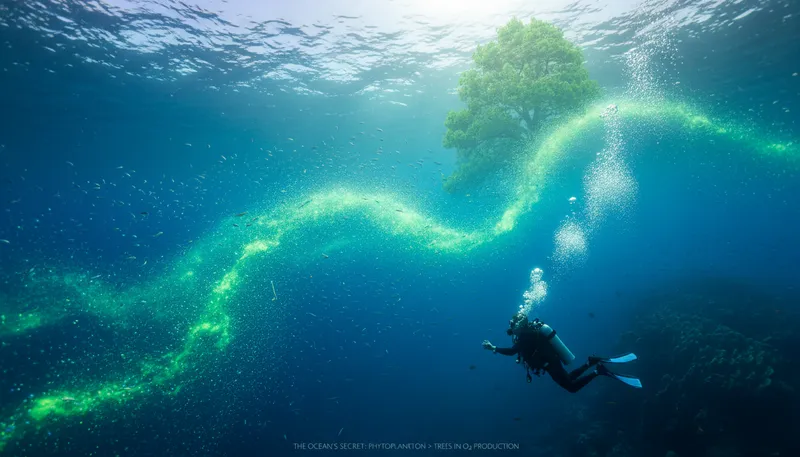
Beneath the waves, tiny phytoplankton are the true powerhouses of Earth’s oxygen supply, producing more than all the world’s forests combined. These microscopic organisms drift in the sunlit ocean, quietly generating 50% to 80% of the oxygen we breathe through photosynthesis. Every breath you take - on land or underwater - owes a debt to these invisible heroes of the sea.

How Scuba Diving Boosts Mental Health and Reduces Stress
Scuba Diving

How Scuba Diving Boosts Mental Health and Reduces Stress

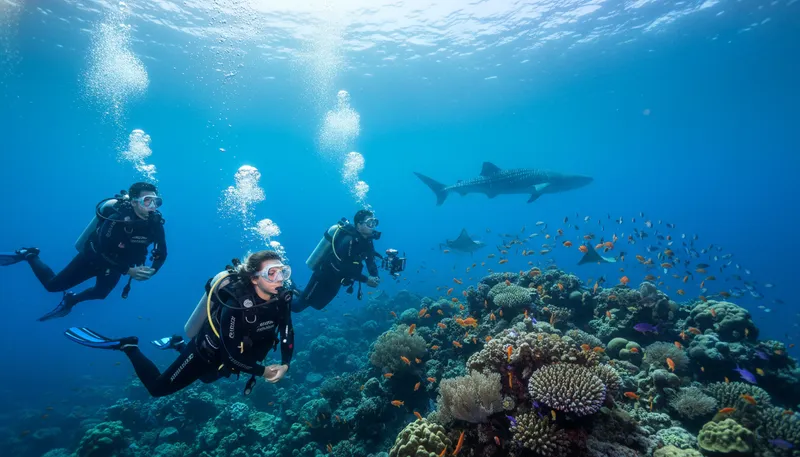
Scuba diving isn’t just about exploring the ocean’s wonders - it’s also a powerful boost for mental health. Studies show that diving can reduce stress, anxiety, and depression, while improving mood and mindfulness. The combination of deep breathing, focus, and immersion in nature creates a calming, meditative experience that leaves divers feeling refreshed and more at ease.

World Fisheries Day: Promoting Responsible Fishing and Marine Conservation for Global Food Security
Marine News

World Fisheries Day: Promoting Responsible Fishing and Marine Conservation for Global Food Security

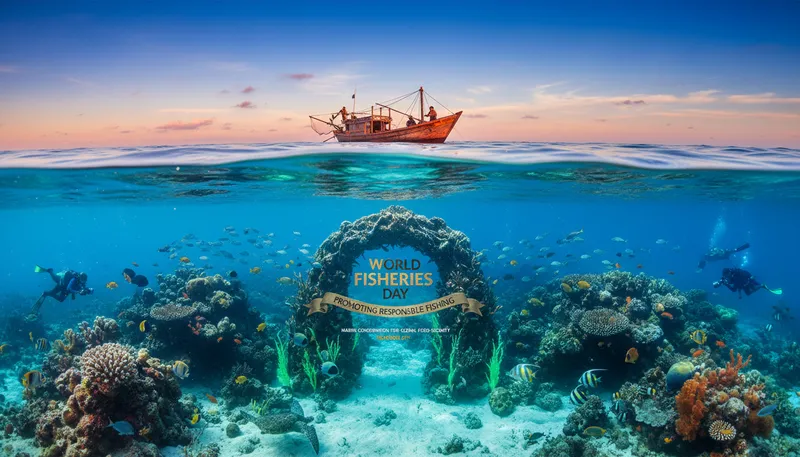
World Fisheries Day, observed every November 21st, celebrates the essential role fisheries play in global food security, livelihoods, and healthy marine ecosystems. It raises awareness about challenges like overfishing, habitat loss, pollution, and illegal fishing while promoting sustainable and responsible fishing practices worldwide. This day unites fishing communities, governments, and organizations in commitment to preserving aquatic resources for future generations.

Red Sea Endemic Species: A Guide to Photographing Unique Marine Life Found Nowhere Else
Creatures

Red Sea Endemic Species: A Guide to Photographing Unique Marine Life Found Nowhere Else

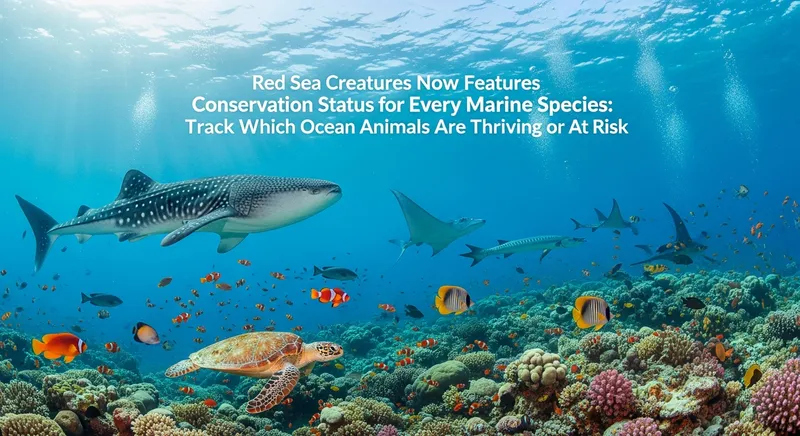
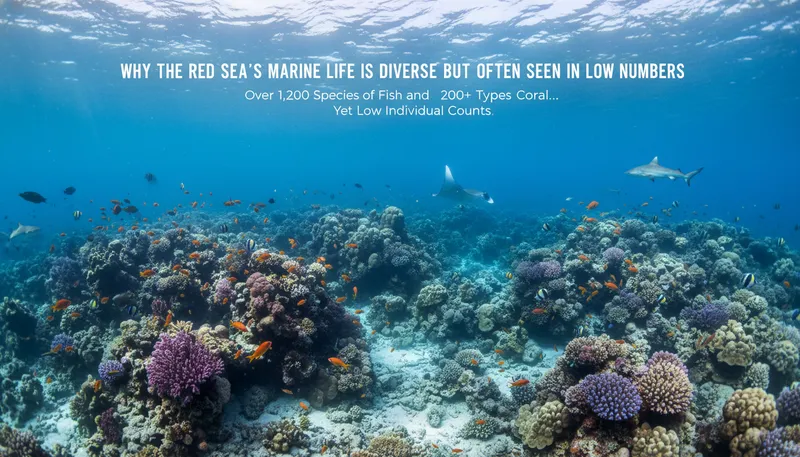
The Red Sea stands as one of the world's most extraordinary marine destinations, hosting over 1,200 species of fish, with approximately 15 percent found nowhere else on Earth. This underwater paradise features more than 200 types of coral creating intricate ecosystems that support thousands of marine organisms in crystal-clear waters. For scuba divers and underwater photographers, the Red Sea represents an unparalleled opportunity to encounter and document these unique endemic species that have evolved in isolation for millions of years, making it a premier destination for capturing marine life that exists nowhere else in the world.

Fangs vs. Toxins: A Diver's Guide to Identifying Venomous vs. Poisonous Marine Life
Creatures

Fangs vs. Toxins: A Diver's Guide to Identifying Venomous vs. Poisonous Marine Life

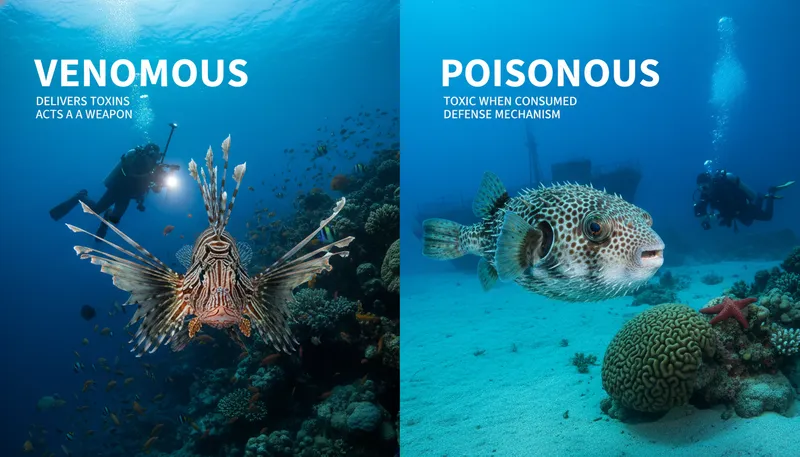
Diving into the ocean reveals incredible creatures, but some pack a dangerous punch - venomous and poisonous marine life. Venomous animals, like lionfish and box jellyfish, inject toxins through bites or stings, while poisonous ones, such as pufferfish and certain nudibranchs, are harmful when touched or eaten. Knowing the difference helps keep every underwater adventure safe and exciting.

Exploring the Unique Marine Biodiversity of the Red Sea: A Diver's and Naturalist's Guide
Red Sea

Exploring the Unique Marine Biodiversity of the Red Sea: A Diver's and Naturalist's Guide

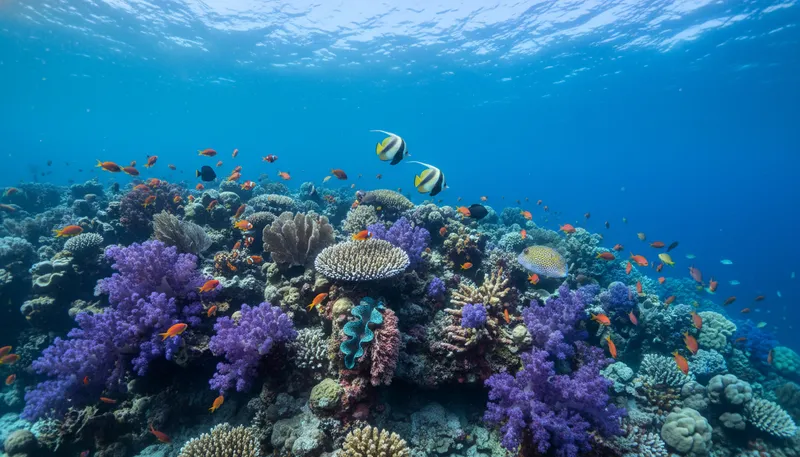
The Red Sea is a unique underwater paradise renowned for its extraordinary biodiversity, hosting over 1,200 species of fish and more than 200 types of coral. Its crystal-clear waters and vibrant coral reefs create an exceptional habitat that supports a wealth of marine life, including many species found nowhere else on Earth. This remarkable ecosystem attracts divers, scientists, and photographers eager to explore one of the richest and most resilient marine environments globally.

Gentle Giants: Understanding the Migration Patterns and Behavior of Whale Sharks
Creatures

Gentle Giants: Understanding the Migration Patterns and Behavior of Whale Sharks

The whale shark, the largest fish on Earth, fascinates experts and ocean lovers with its immense size and mysterious migration patterns across warm tropical waters. These gentle giants travel thousands of kilometers, following seasonal changes in water temperature and food availability, often gathering in rich feeding grounds during plankton blooms. Understanding their movement is crucial for marine conservation and reveals the complexity of their role in ocean ecosystems.

Equipment on a Budget: Getting Started with Underwater Photography Without Breaking the Bank

Equipment on a Budget: Getting Started with Underwater Photography Without Breaking the Bank

Underwater photography offers an exciting way to capture the vibrant marine world, but many assume it requires expensive specialized equipment. The good news is that you can start this rewarding hobby on a budget by making smart choices about gear. From affordable waterproof cameras like the Olympus Tough TG-6 to compact systems with dedicated housings, beginners can assemble an effective setup without breaking the bank while still capturing stunning underwater images.

From Fishing Village to Dive Capital: The Rise of Hurghada's Diving Industry
Red Sea

From Fishing Village to Dive Capital: The Rise of Hurghada's Diving Industry

Hurghada’s remarkable journey from a quiet fishing village in the early 1900s to a vibrant dive capital began with oil discoveries and blossomed in the 1980s when divers uncovered its spectacular Red Sea coral reefs. Today, it attracts thousands worldwide who come to explore its rich marine life and unique underwater landscapes, embodying a story of natural wonder, economic transformation, and dedicated conservation efforts. This evolution highlights not only Hurghada’s local history but also the global rise of recreational diving.