PADI Certification Levels Explained: A Guide for Aspiring Scuba Divers

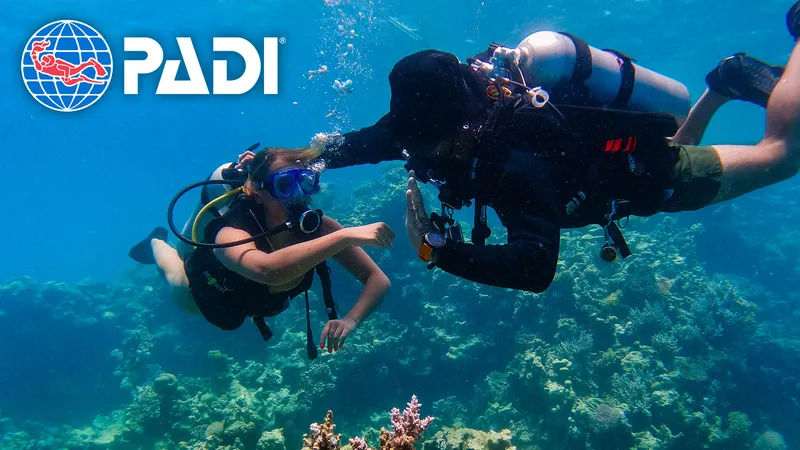
Whether you're dreaming of your first plunge beneath the waves or aiming to capture vibrant coral reefs on camera, understanding the different PADI certification levels is your key to unlocking the underwater world safely and confidently. The Professional Association of Diving Instructors (PADI) has designed a clear, step-by-step pathway that guides you from beginner to experienced diver, helping you build skills and explore new environments along the way.
Starting Out: Your First Steps Into Scuba Diving
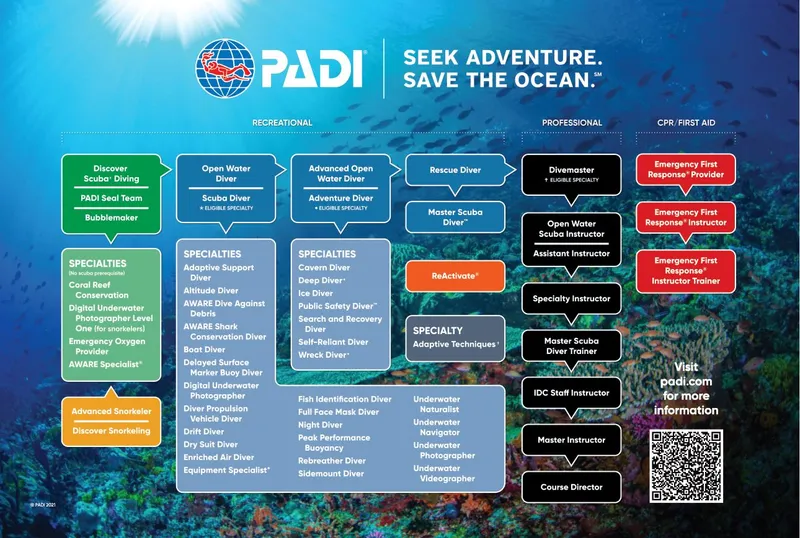
Every diving adventure kicks off with an entry-level certification. You have two main options here: the PADI Scuba Diver and the Open Water Diver courses. If you’re pressed for time or want a gentle introduction, the PADI Scuba Diver course is perfect. It allows you to dive under professional supervision to a maximum depth of about 12 meters (40 feet). But here’s the catch - you must always be accompanied by a pro, so you won’t be diving independently yet[5].
For those who want to dive a bit deeper - both literally and figuratively - the Open Water Diver certification is the global gold standard that opens up the ocean's vast playground. This course usually takes three to four days and includes theory lessons, pool training, and at least four open water dives. Once certified, you can dive independently with a buddy to depths of 18 meters (60 feet), giving you access to more exciting dive sites and experiences. It’s the solid foundation every serious diver needs to build competence and confidence[1][6].
Advancing Your Diving Skills
After mastering the basics, the journey gets even more thrilling with the Advanced Open Water Diver course. Think of this as your gateway to new underwater adventures - from navigating the seafloor like a pro and exploring depths up to 30 meters (100 feet) to trying night dives that reveal a whole new nocturnal ecosystem. Spanning two to three days, it’s a fantastic way to expand your skills and comfort underwater.
If you’re passionate about marine biology or eager to snag incredible underwater photographs, this is where your training really pays off. Specialty courses available through PADI let you sharpen specific skills like underwater photography, wreck exploration, or search and recovery - all tailored in short, focused sessions that you can take anytime after your Open Water certification[1][4][5].
Building Confidence and Leadership: Rescue and Divemaster Levels
If you want to dive with greater assurance and help others while underwater, the Rescue Diver course is a game changer. Often hailed as one of the most rewarding and exhilarating courses, it teaches you how to recognize and manage potential diving emergencies, perform self-rescue, and assist fellow divers in distress. Through a mix of classroom theory, pool drills, and open water scenarios, you’ll gain invaluable skills that make every dive safer and more enjoyable[1][3][4].
For those with a professional bent - maybe you dream of leading dive tours or assisting instructors - the journey continues with the Divemaster certification. You’ll need to be at least 18 years old with prior certifications and logged dives (minimum 40). Divemasters are trusted dive leaders who guide certified divers and support diving courses, stepping into the spotlight as key members of the diving community[2][3].
The Pinnacle: Master Scuba Diver
Reaching Master Scuba Diver status is like earning a black belt in recreational scuba diving. It’s the highest certification non-professional divers can achieve and reflects a wealth of experience and expertise. To earn this prestigious rating, divers must complete five specialty courses, hold a Rescue Diver certification, and log significant dives. This level signals you’re an expert recreational diver, ready for almost any diving situation - whether you’re studying marine life or perfecting your underwater photography[1][5].
The Professional Path: Instructors, MSDT, and Beyond
For divers who aspire to turn their passion into a career, PADI offers advanced professional certifications that go well beyond recreational diving levels. Becoming a PADI Instructor is a major milestone, allowing you to teach and certify new divers worldwide. To qualify, you'll first need to complete the Divemaster certification and then enroll in the Instructor Development Course (IDC), which provides comprehensive training on teaching techniques, dive theory, and student supervision. PADI Instructors play a crucial role in growing the dive community, leading courses, and ensuring diver safety with their in-depth knowledge and experience[2][3].
Taking your professional development further, the Master Scuba Diver Trainer (MSDT) rating recognizes instructors who have certified multiple specialty divers and helped numerous students reach Master Scuba Diver status. Achieving the MSDT level reflects both versatile teaching skills and significant experience across a variety of specialty courses, such as underwater photography, deep diving, night diving, and more. This credential opens opportunities to teach a wider range of specialty courses and become a respected leader in the diving education field[1][5].
Beyond MSDT, PADI offers additional pathways to enhance your skills and career options, including IDC Staff Instructor, Course Director, and specialist instructor roles. These levels involve more instructional responsibilities, leadership, and mentoring future instructors. Altogether, the professional PADI certifications form a structured career ladder for those passionate about diving, whether aiming to teach locally or travel the globe sharing the wonders of the underwater world[2].
Why PADI Certification Is a Must for Marine Biologists and Underwater Photographers
For marine biologists, mastering PADI certifications means more than just enjoying the ocean - it’s about exploring and researching marine environments with safety and precision. Higher certifications let you dive longer, handle complex gear, and adapt quickly to underwater challenges, all crucial for scientific work.
Underwater photographers also reap huge benefits from progressive PADI training. Courses like Advanced and Rescue teach excellent buoyancy control and deepen your dive capabilities, so you can maneuver gracefully to capture stunning, disturbance-free images of marine life.
A Passport to the Underwater World
In the end, PADI’s tiered certification system offers a clear, empowering roadmap from novice to expert diver. Whether your passion is recreational diving, marine biology, or capturing breathtaking underwater photos, these certifications open doors to countless underwater wonders. So, what are you waiting for? Your next dive adventure - and all the incredible marine life you'll discover - is just a course away!
References
PADI Divemaster and underwater storyteller with over 7 years of hands-on Red Sea diving experience, documenting marine life, mapping dive sites, and promoting responsible ocean conservation.