World Fisheries Day: Promoting Responsible Fishing and Marine Conservation for Global Food Security

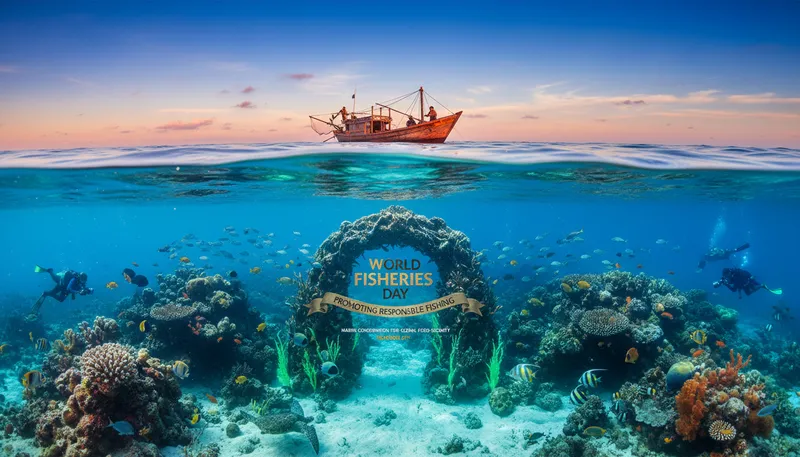
World Fisheries Day, observed annually on November 21st, is a global event dedicated to celebrating the vital role fisheries play in human life, raising awareness about the challenges they face, and promoting sustainable fishing practices. It recognizes the indispensable contribution of the fishing sector to food security, livelihoods, and marine ecosystem health worldwide.
The Significance of World Fisheries Day
Fishing communities, governments, non-governmental organizations, and stakeholders worldwide observe World Fisheries Day to emphasize:
- The critical importance of fish and aquatic ecosystems as a source of food and economic livelihood.
- The urgent need to address problems such as overfishing, habitat degradation, pollution, illegal fishing, and climate change impacts.
- The interconnectedness of aquatic environments - rivers, lakes, and oceans - and the necessity of coordinated measures for their responsible management[1][2][3].
Fish and fisheries contribute approximately 25% of animal protein to the global population’s diet, with nearly 200 million people directly or indirectly employed in the fishing industry[2]. This highlights fisheries as a cornerstone for global food security and social well-being.
Origins and History
World Fisheries Day was first established in 1997 during the World Forum of Fish Harvesters & Fish Workers in New Delhi, India. Representatives from 18 countries signed a declaration advocating for sustainable fishing policies and international mandates to preserve marine resources. The day has since become an annual observance to:
- Show solidarity with fishermen and fish farmers.
- Promote human rights and better working conditions in fisheries.
- Combat illegal, unreported, and unregulated (IUU) fishing practices[2][4].
The day was also formally recognized in 1998, underscoring respect for fishers worldwide and the essential services they provide to society[5].
Objectives and Core Themes
World Fisheries Day aims to foster:
- Sustainable fish stock management: Ensuring shark and other species catches are biologically sustainable and economically rational.
- Conservation of biodiversity: Protecting vulnerable species and critical habitats.
- Reduction of waste and bycatch: Promoting full utilization of catches to minimize discards, in line with the Code of Conduct for Responsible Fisheries.
- Stakeholder collaboration: Enhancing consultation among governments, communities, researchers, and fishery operators.
- Combating illegal fishing: Addressing IUU fishing to safeguard marine resources and support law-abiding industry participants[1][4].
The broader goal is to maintain marine ecosystem structure and function, preventing the decline of fish populations while supporting dependent human communities.
Challenges Addressed on World Fisheries Day
- Overfishing: Over two-thirds of global fisheries are either overfished or fully harvested, with a substantial number in decline due to habitat loss, pollution, and climate change[1][6].
- Climate change impacts: Warming oceans threaten fish populations and coral reef ecosystems that are crucial for biodiversity. However, sustainable fisheries management can help mitigate these effects and aid in reef recovery[6].
- Illegal Fishing: IUU fishing causes ecological damage and economic losses, threatening food security and fair market conditions[4].
- Social and Economic Issues: Fishers face job insecurity, poor working conditions, and separation from families, challenges acknowledged and addressed within the broader context of sustainable fisheries[5].
The Role of Fisheries in Global Food Security and Conservation
Fisheries contribute beyond just food:
- They generate jobs and income essential for coastal and rural communities.
- They maintain cultural traditions and identities.
- They provide products ranging from medicines to clothing.
- Healthy fish stocks support ecosystem resilience critical for overall ocean health[7].
Responsible fisheries practices promoted on World Fisheries Day are integral to ensuring these multifaceted benefits continue sustainably into the future.
How World Fisheries Day Is Observed
Globally, stakeholders participate through:
- Awareness campaigns and educational activities highlighting sustainable fishing.
- Policy dialogues and cooperative international actions to improve governance and enforcement.
- Celebrations honoring fishermen’s contributions and reinforcing their role in sustainable development.
- Scientific assessments and reports that guide fisheries management and climate adaptation strategies[1][2][3][4].
Institutions such as NOAA (National Oceanic and Atmospheric Administration) and regional fisheries bodies actively use this day to renew commitments to sustainable ocean stewardship[4][8].
Taking Action: Promoting Sustainability and Conservation
On World Fisheries Day, all individuals - from fishers to consumers - are encouraged to:
- Support sustainable seafood choices certified by conservation organizations.
- Advocate for marine protected areas and habitat restoration.
- Reduce plastic pollution and other contaminants threatening marine life.
- Engage with policies and community efforts to eliminate IUU fishing.
- Increase awareness of climate change impacts on marine ecosystems and fisheries[6][7].
Seasonal Fishing Ban in Egypt’s Red Sea
To protect marine biodiversity and sustain local fish populations, Egyptian authorities have enforced a seasonal ban on fishing in the Red Sea. Each year, all commercial and recreational fishing activities - along with the trade of Red Sea fish - are prohibited from early May until mid-July, corresponding to the critical breeding season for many species. This move is part of a wider commitment to environmental conservation and responsible tourism in regions such as Hurghada, the Gulf of Suez, and South Sinai.[15]
During the moratorium, fishing boats found in violation risk license suspension, equipment confiscation, and legal prosecution, with repeat offenses leading to harsher penalties. These measures aim to safeguard the delicate Red Sea ecosystem, ensuring healthy fish stocks and supporting the long-term sustainability of the local fishing industry and tourism economy.
Conclusion
World Fisheries Day on November 21 is a vital observance that underscores the importance of responsible fishing practices and marine conservation to safeguard fisheries as a sustainable, renewable resource. It revitalizes global efforts to ensure healthy fish populations, resilient aquatic ecosystems, and the livelihoods of millions who depend on them - ultimately securing food and economic security for generations to come.
Celebrating World Fisheries Day is an affirmation of our shared responsibility to protect the oceans, support fishermen, and achieve sustainable fisheries management worldwide.
References
PADI Divemaster and underwater storyteller with over 7 years of hands-on Red Sea diving experience, documenting marine life, mapping dive sites, and promoting responsible ocean conservation.