Equipment on a Budget: Getting Started with Underwater Photography Without Breaking the Bank

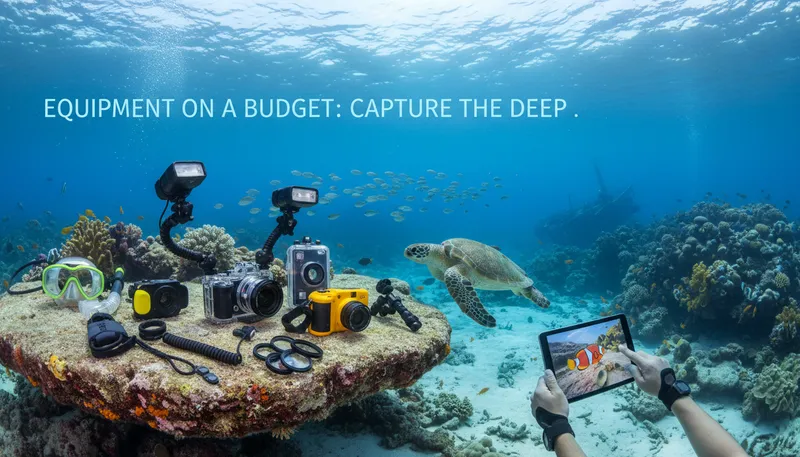
Underwater photography is a captivating way for scuba divers, marine biologists, and enthusiasts to explore and document the vibrant life beneath the waves. However, the perception that this hobby demands expensive, specialized gear can deter many from taking the plunge. Fortunately, getting started with underwater photography doesn’t have to break the bank. With thoughtful choices and a focus on value, you can assemble an effective setup on a budget.
Choosing Your Camera: The Heart of Your Setup
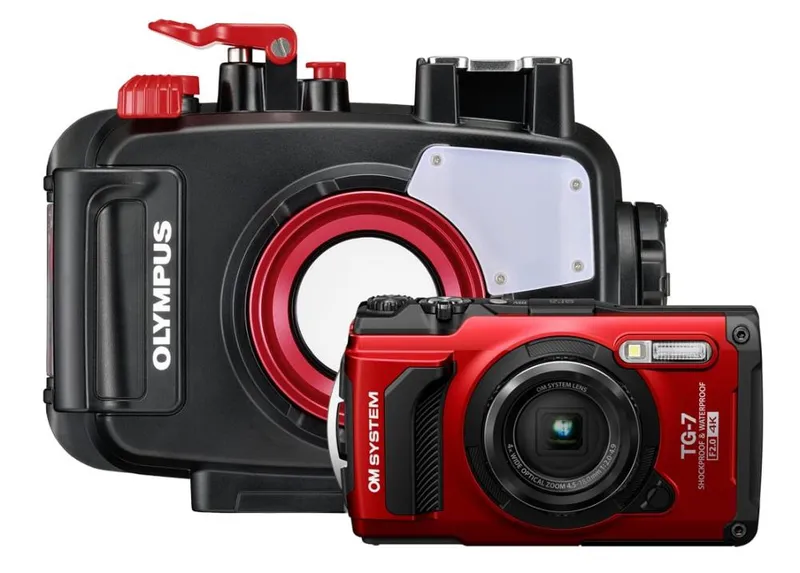
For beginners and casual divers, the most cost-effective starting point is often a waterproof point-and-shoot camera. Models like the Olympus Tough TG-7 (with underwater housing) offer excellent durability and decent image quality for around $500 to $1,000, embodying a compact, all-in-one solution that's easy to carry and clip onto your BCD (Buoyancy Control Device). This route is particularly attractive for those just testing the waters of underwater photography or prioritizing convenience over advanced controls. GoPro action cameras, such as the Hero 12 or Hero 13, also serve as versatile alternatives, boasting waterproof capabilities and video features, although extending their depth capability typically requires affordable external housing[1][4].
Advancing to Compact Cameras in Housings
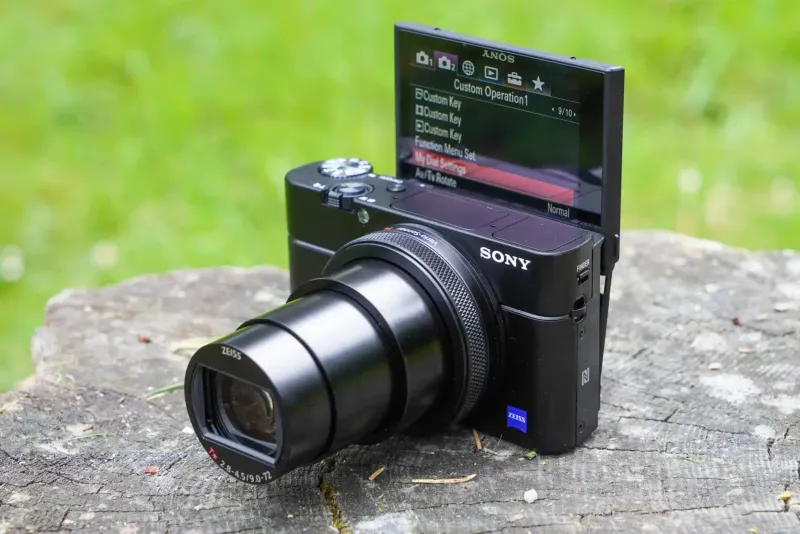
Once you’re ready to invest a bit more, compact cameras with dedicated underwater housings represent a significant step up in image quality and creative control. Cameras like the Sony RX100 series or the Olympus OM-D E-M10 IV paired with affordable housings offer excellent results for budgets ranging from $1,000 to $2,000. These systems provide better sensors and lenses, allowing sharper images and more manual settings than entry-level point-and-shoots. They also support accessories like strobes and focusing lights, essential for vibrant and well-lit underwater photos. Importantly, when purchasing housings - a critical barrier between your equipment and water - it's wise to buy new to ensure reliability and avoid costly water damage[1][2][3].
Divevolk: The Best iPhone Housing for Underwater Photos and Videos
For those looking to leverage their iPhones for underwater photography without investing in a dedicated underwater camera, Divevolk offers an excellent solution. Divevolk manufactures robust underwater housings designed specifically for various iPhone models, enabling users to capture stunning photos and videos beneath the surface. These housings protect your device against water pressure and damage while maintaining full touchscreen functionality, making it an accessible and budget-friendly entry point into underwater imaging.
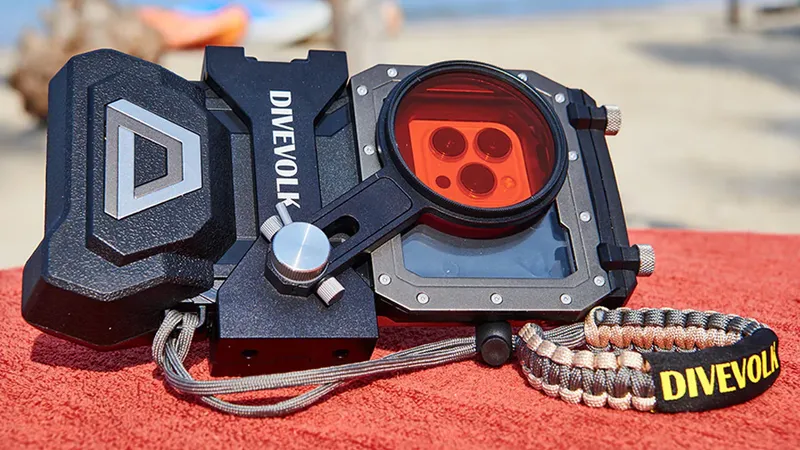
Divevolk housings are particularly appealing for casual divers and enthusiasts who want to bring the convenience and advanced photography capabilities of their iPhone underwater. iPhones excel at capturing high-resolution images and 4K video, and when paired with an underwater housing like Divevolk's, divers can explore macro life, vibrant coral reefs, and underwater environments with remarkable image quality. This approach saves the cost of purchasing separate camera gear and housing, offering a compact, lightweight alternative that integrates seamlessly into dive setups.
While iPhone housings may not offer the extensive manual controls and accessory compatibility of dedicated underwater camera systems, they are a smart choice for beginners on a budget who want to start shooting underwater right away. Additionally, Divevolk housings typically come at a fraction of the price of traditional underwater housings and support quick deployment and ease of use, making them perfect for travel and spontaneous dives. If your goal is to start capturing underwater moments without breaking the bank, using your iPhone with a Divevolk housing is a practical and versatile option.
Get your own Divevolk housing with 6% discount!
Lighting: Unlocking Color and Detail
Underwater light quickly diminishes with depth, causing colors to fade and images to look dull. Investing in lighting accessories such as strobes or video lights can vastly improve photo quality. Beginners can start with a single strobe to emphasize macro subjects, while more advanced setups use dual strobes for balanced illumination. While strobes can be costly, buying used lighting gear (excluding housings) is a practical way to save money without compromising performance. Quality lighting enhances detail, contrast, and true colors, which is crucial for marine biologists documenting species and divers wanting vivid memories[1][3].
Additional Tips for Budget Underwater Photography
- Buy Used Where It Makes Sense: Purchasing used strobes, arms, and other non-waterproof gear can reduce costs. Avoid secondhand housings to prevent risks of leaks or failures underwater[1].
- Start Small and Upgrade Gradually: Beginning with a simple point-and-shoot or compact camera allows you to build confidence and understand your photographic preferences before investing in advanced systems[2].
- Consider Workshop and Experience Investment: Sometimes, putting money into learning how to use your gear effectively or joining a dive trip with photography focus delivers higher returns than immediate spending on expensive equipment[2].
- Think About Versatility: Cameras like the Canon EOS R100 system offer affordable professional-quality options with interchangeable ports and lenses, providing room to grow your underwater capabilities without outgrowing your gear quickly[5].
For Marine Biologists and Enthusiasts
Reliable imaging equipment can support research, species identification, and behavioral studies. Prioritize robustness, ease of use, and image clarity. Compact mirrorless cameras with housing and lighting tend to balance quality and practicality well. Getting started on a budget means you can acquire tools suited for both documentation and exploration without the pressure of high initial investment.
For Photographers
Photographers transitioning underwater will appreciate the significance of lighting and housing quality. While DSLRs and full-frame mirrorless setups offer superior image quality, they require a considerably larger budget ($3,000+ easily). For budget-conscious photographers, starting with compact systems and upgrading lighting and lenses over time is a solid strategy[1][3].
In conclusion, underwater photography is accessible at multiple budget tiers. By selecting the right camera, careful investment in housings and lighting, and leveraging used gear wisely, you can enjoy this fascinating hobby or profession without overspending. Dive in, experiment, and let the ocean inspire your creativity.
References
PADI Divemaster and underwater storyteller with over 7 years of hands-on Red Sea diving experience, documenting marine life, mapping dive sites, and promoting responsible ocean conservation.