How Scuba Diving Boosts Mental Health and Reduces Stress

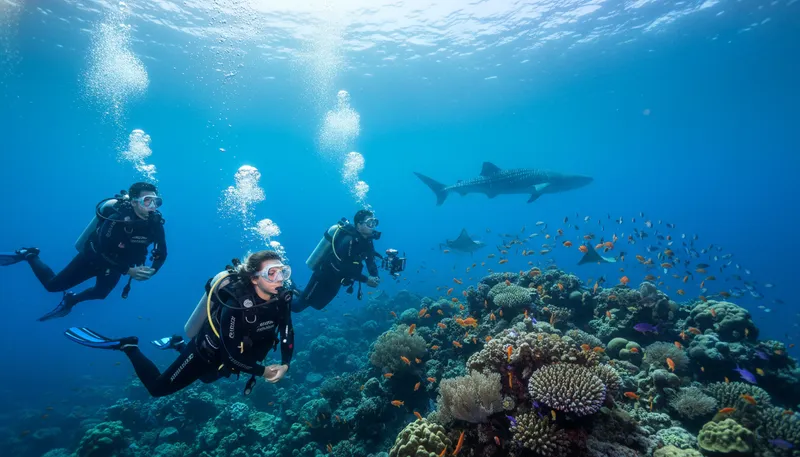
Scuba diving is often celebrated for its breathtaking underwater vistas and the thrill of exploring marine life, but its profound impact on mental health is a lesser-known yet equally remarkable benefit. Whether you're a seasoned diver, a marine biologist, an underwater photographer, or simply an enthusiast, the mental and emotional rewards of diving are accessible to all who venture beneath the waves [1].
The Science Behind Diving and Mental Well-being
Research has consistently shown that scuba diving can significantly enhance mental well-being and reduce stress. In a study involving 176 divers, participants reported improved mental health and reduced stress after just two diving sessions [1]. The unique combination of physical activity, mindfulness, and immersion in nature creates a powerful therapeutic effect. Diving has been found to improve mood, reduce anxiety, and even alleviate symptoms of depression [2].
Mindfulness and the Underwater Experience
Scuba diving is a natural mindfulness practice. Once submerged, divers focus on their breathing, their surroundings, and the present moment, which helps quiet the mind and reduce anxiety [2]. The slow, deep breaths required for diving activate the parasympathetic nervous system, promoting relaxation and a sense of calm [3]. This meditative state is further enhanced by the sensory experience of being underwater, where the sounds of the surface world fade away, allowing divers to escape daily stressors and immerse themselves in the beauty of the marine environment [4].
Benefits for Divers, Biologists, and Photographers
For scuba divers, the act of diving itself is a mental health break from the pressures of everyday life. The need to concentrate on details like depth, distance, and temperature helps shift focus away from worries and onto the task at hand, resulting in lower levels of stress and anxiety [4]. Marine biologists and enthusiasts benefit from the opportunity to observe and study marine life in a serene and peaceful setting, which can foster a sense of purpose and connection to nature [5]. Underwater photographers find that the process of capturing the beauty of the ocean encourages mindfulness and provides a creative outlet that can be deeply therapeutic [4].
Scuba Diving as Therapy
Scuba diving has also shown promise as a therapeutic intervention for individuals with post-traumatic stress disorder (PTSD). Studies have found that diving can reduce symptoms of anxiety, depression, and PTSD, particularly among military veterans [3]. The calming and sensory experience of being underwater, combined with the social aspects of diving, promotes relaxation, a sense of control, and improved overall well-being [3].
Physical Activity and Mental Health
Scuba diving is not only a mental workout but also a physical one. The activity burns calories, promotes the release of endorphins, and improves concentration, energy, and mood [4]. The combination of physical exertion and the peaceful underwater environment creates a holistic approach to mental health that is both enjoyable and effective [4].
Conclusion
Scuba diving offers a unique blend of physical activity, mindfulness, and connection to nature that can significantly boost mental health and reduce stress. Whether you're diving for recreation, research, or photography, the underwater world provides a sanctuary where the mind can find peace and the spirit can be renewed [1][2][3][4][5].
References
PADI Divemaster and underwater storyteller with over 7 years of hands-on Red Sea diving experience, documenting marine life, mapping dive sites, and promoting responsible ocean conservation.