Top 5 Invasive Species Threats Spotted by Divers This Year

As scuba divers plunge into vibrant underwater worlds, they've increasingly encountered aggressive invaders reshaping marine ecosystems. This year, 2025, reports from dive sites across the Atlantic, Caribbean, Pacific islands, and California waters highlight five standout invasive species threats, confirmed through diver sightings and scientific monitoring, posing risks to reefs, biodiversity, and dive experiences.
1. Lionfish: The Voracious Reef Predator
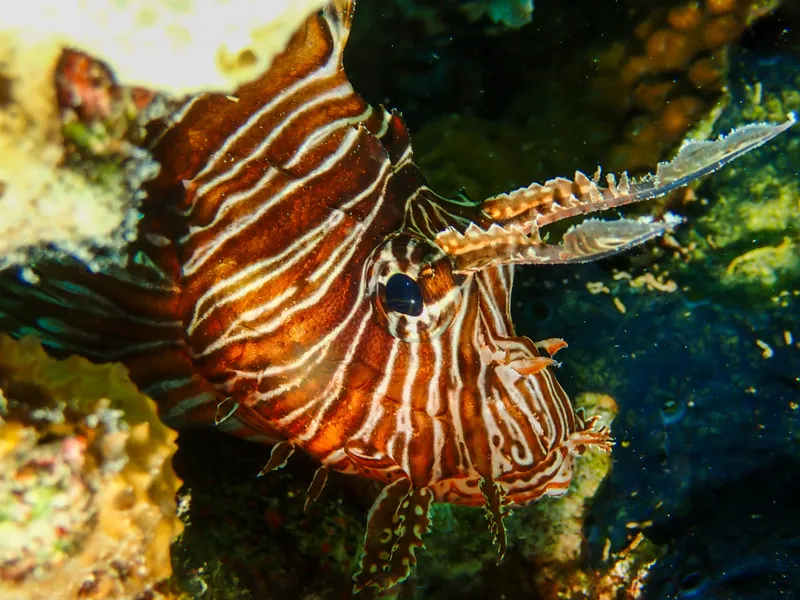
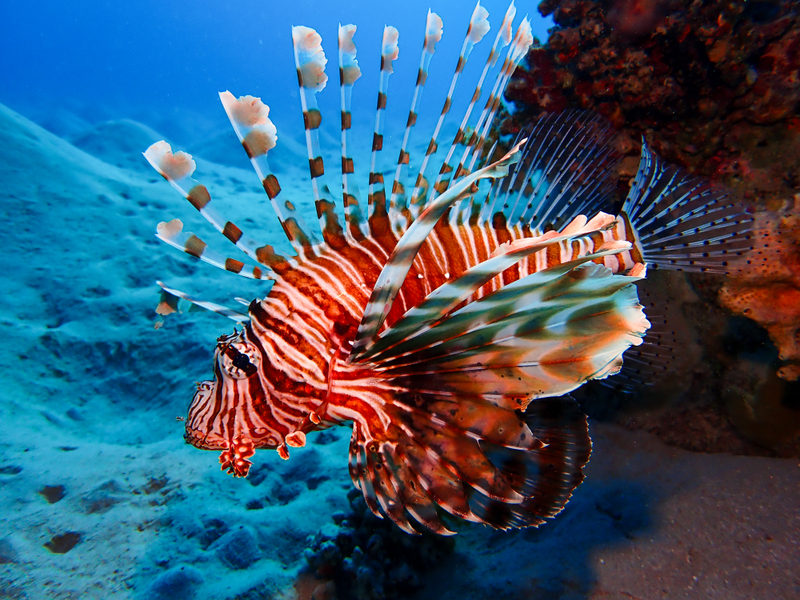
Lionfish (Pterois volitans, Pterois miles), originating from the Indo-Pacific, dominate as the top spotted threat in the western North Atlantic, Gulf of America, and Caribbean coral reefs. Divers report dense schools devouring native fish, with populations expanding at astonishing speeds, reducing local fish stocks by up to 80% in some areas.[2][4] These striped predators with venomous spines not only prey on juveniles but also disrupt food webs by eating herbivores, allowing algae to smother corals already stressed by climate change and overfishing.[2][4] For divers and marine biologists, lionfish hunts have become a frontline defense - NOAA encourages spearfishing during dives to cull populations, turning enthusiasts into eco-warriors while capturing dramatic underwater photos of the takedowns.[2]
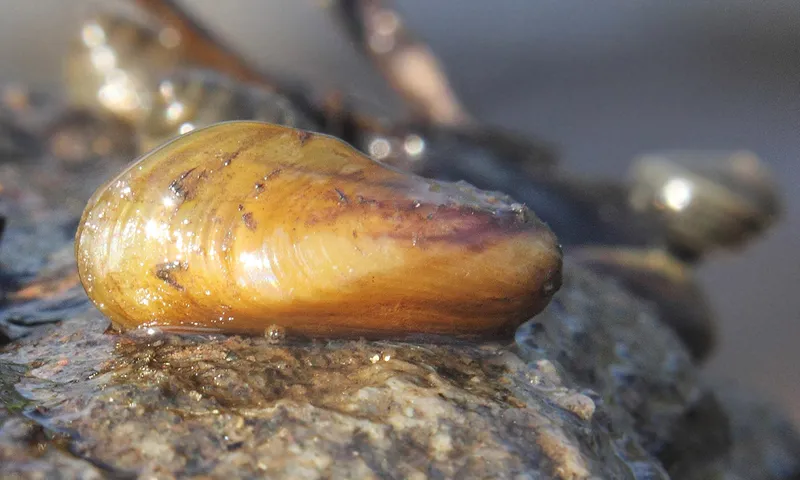
2. Golden Mussels: The Delta's Rapid Colonizers
First detected in California's Delta in late 2024, golden mussels (Limnoperna fortunei) exploded in 2025, shocking divers with encrusted rocks and infrastructure along dive-accessible shipping channels. Their voracious filtering of plankton outcompetes natives, threatening water supplies, farms, and endangered fish, with populations multiplying rapidly in just one year.[3] Scuba explorers in the Delta report 'gut punch' densities clogging pumps and smothering habitats, likened to bedbugs hitchhiking on gear - prompting warnings to clean equipment thoroughly post-dive.[3] Photographers note their golden sheen makes for striking macro shots, but biologists warn of $1.6 billion annual North American costs from such mussels.[3]
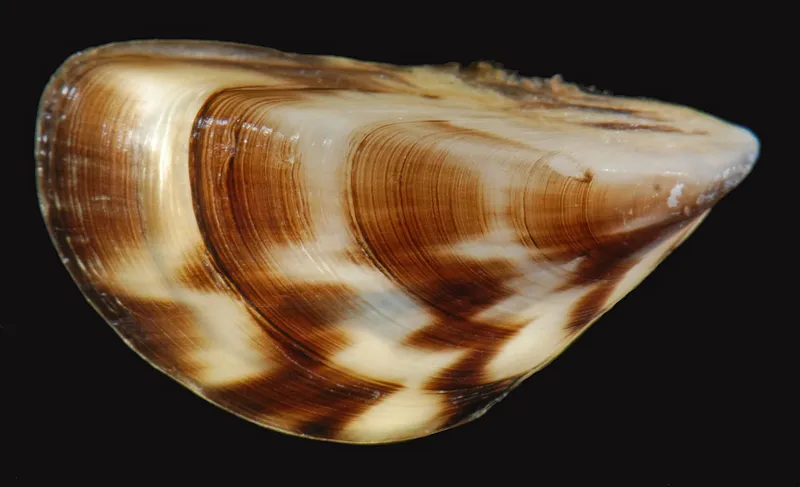
3. Zebra Mussels: Freshwater Invaders Creeping Seaward
Zebra mussels (Dreissena polymorpha), Eastern European natives, continue plaguing U.S. waters, with divers spotting thick clusters on wrecks and reefs in 2025 symposia-highlighted areas like the Delta.[6] They filter out plankton essential for native species, suffocate mussels by attachment, and clog infrastructure, costing billions.[4] Marine biologists tracking via dive surveys emphasize their role in biodiversity loss, while divers must scrub gear to prevent spread - ideal for close-up photography of their striped shells against submerged metal.[4][6]
4. Asian Kelp (Undaria): The Shading Forest Builder
Undaria pinnatifida, the Asian kelp, forms dense underwater forests spotted by Pacific divers this year, shading out native algae and altering habitats globally.[4] In U.S.-affiliated islands, it threatens coral reefs alongside other invasives, impacting tourism and biodiversity.[1][4] Divers and biologists note its rapid spread via hull fouling, advising port inspections; photographers love its flowing fronds for ethereal wide-angle shots, but it outcompetes locals, cascading through food webs.[1][4]

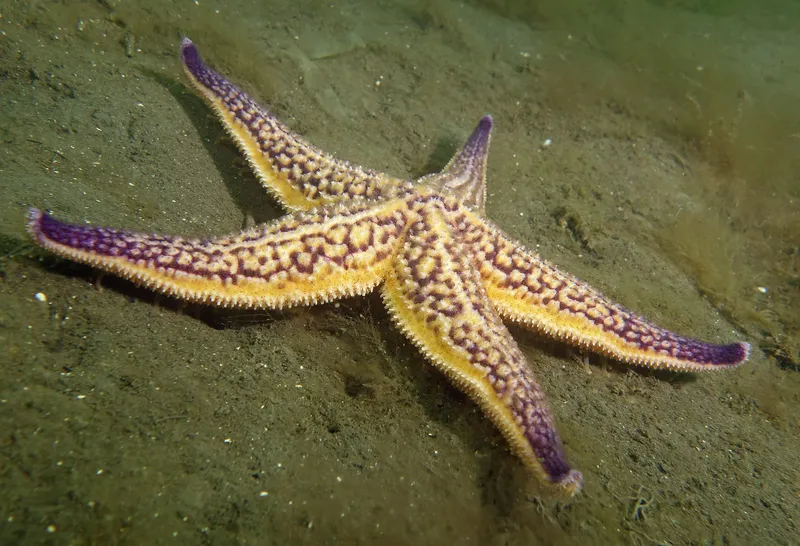
5. Northern Pacific Seastar: Shellfish Devastator
The Northern Pacific seastar (Asterias amurensis) ravaged shellfish beds in 2025 dive reports from Australian-influenced Pacific zones, now pressing U.S. marine edges.[4] Divers witness it preying on natives lacking defenses, devastating populations and altering ecosystems - much like lionfish in reefs.[4] For enthusiasts, it's a macro photography gem with its vivid orange arms, but marine biologists stress monitoring via citizen dive logs to predict spreads, especially amid warming seas accelerating invasions.[4][7]
Why Divers Are Key to the Fight
These sightings underscore divers' role as early detectors - your logs fuel models for tomorrow's management, as at the 2025 Delta Symposium.[6] Clean gear, report via apps, and join lionfish challenges to protect reefs.[2] Marine biosecurity investments are urged for islands' corals, vital for global biodiversity.[1][8] Photographers, document ethically to raise awareness without aiding spread. Together, we safeguard the oceans we explore.
References
PADI Divemaster and underwater storyteller with over 7 years of hands-on Red Sea diving experience, documenting marine life, mapping dive sites, and promoting responsible ocean conservation.