Solar-Powered Sea Slugs: How These Remarkable Creatures Harness Sunlight for Energy Through Kleptoplasty

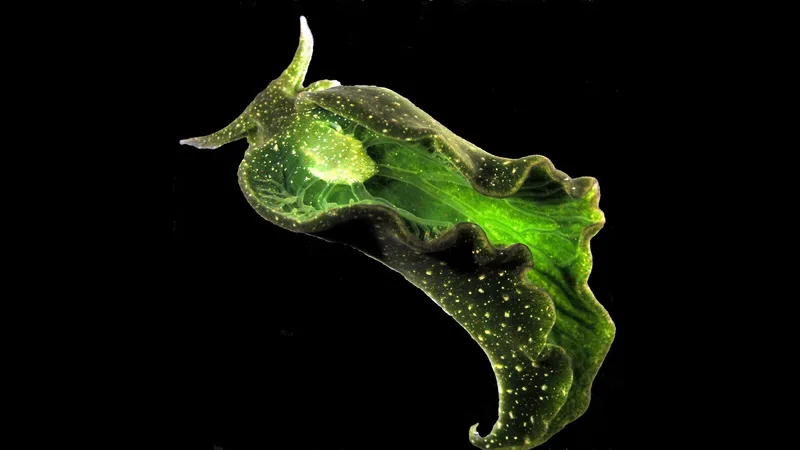
Solar-powered sea slugs are a fascinating group of marine creatures that blur the line between animals and plants by harnessing the power of sunlight for energy. These small, often bright green slugs have developed a remarkable ability to steal chloroplasts - the tiny solar panels used by algae for photosynthesis - and incorporate them into their own bodies to produce energy, effectively becoming “solar-powered.”
How Do Solar-Powered Sea Slugs Work?
These sea slugs, especially species in the Sacoglossa order like Elysia chlorotica, feed on specific algae such as the brown alga Vaucheria litorea. Unlike typical herbivores that digest all parts of their plant food, these slugs carefully extract and retain the chloroplasts from the algae cells, storing them inside specialized cells lining their digestive system.
Once inside the slug’s body, these chloroplasts continue to photosynthesize, converting sunlight into sugars and nutrients that the slug can use. This means the slugs can survive for months without eating additional food because they rely on the energy produced by the stolen chloroplasts. It’s like these animals have equipped themselves with natural solar panels![1][2]
Scientific Insights and Genetic Adaptations
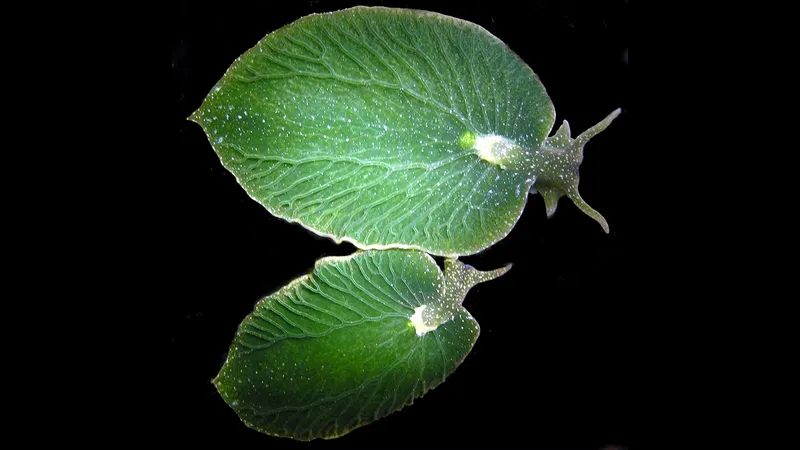
Recent research using RNA sequencing reveals that the slugs don’t passively harbor these chloroplasts. Instead, they actively support and protect them from being broken down, and they turn on specific genes to make full use of the photosynthetic products. This kind of symbiotic behavior is somewhat similar to how corals maintain algae to gain nutrients, though in slugs, the chloroplasts are "stolen" rather than housing whole algae cells.[1]
Survival Strategy and Ecological Importance
This solar-powered capability allows slugs like Elysia timida and Plakobranchus ocellatus to endure long periods of food scarcity. Experiments blocking their photosynthesis show that while the slugs survive longer using these chloroplasts, they also have other biochemical strategies to endure starvation when sunlight or food isn’t available.[3]
Besides nutrition, the green coloration provided by the chloroplasts helps camouflage these slugs in their algae-rich habitats like seagrass beds and reef environments, which offer protection from predators.[6]
The Challenge: Population Decline
Despite their extraordinary adaptation, some solar-powered sea slug populations are declining. This is partly due to habitat loss, pollution, and changing ocean conditions that affect their algal food sources. As these algae become scarcer, the slugs lose access to the chloroplasts needed for their solar-powered lifestyle, threatening their survival.[1]
Why Should We Care?
- Unique biological innovation: These slugs demonstrate one of the only known examples of animals harnessing photosynthesis, offering insights into symbiosis and energy use.
- Environmental indicators: Their presence reflects healthy coastal ecosystems, and their decline signals environmental stress that could affect other marine life.
- Potential inspirations: Understanding how these animals incorporate and use solar energy might inspire advances in sustainable green energy for humans.
Incredible Examples from Nature
Other species, such as those in the genus Phyllodesmium and Pteraeolidia, adopt a similar approach by hosting living algae called zooxanthellae within their tissues, creating a symbiotic relationship that sustains them.[4][5]
Some solar-powered sea slugs are small, often only a few centimeters long, but their complex biology is a testament to nature’s creativity in finding survival strategies in diverse environments.[2]
In short, the solar-powered sea slug is a remarkable example of nature's ingenuity, blending animal and plant characteristics to thrive in coastal waters. Protecting these unique creatures and their habitats is crucial to preserving the fascinating biodiversity of our oceans.
References
PADI Divemaster and underwater storyteller with over 7 years of hands-on Red Sea diving experience, documenting marine life, mapping dive sites, and promoting responsible ocean conservation.