How the Geographic Cone Snail Stuns Prey by Releasing Insulin into Water Before Harpooning Fish with Deadly Neurotoxins

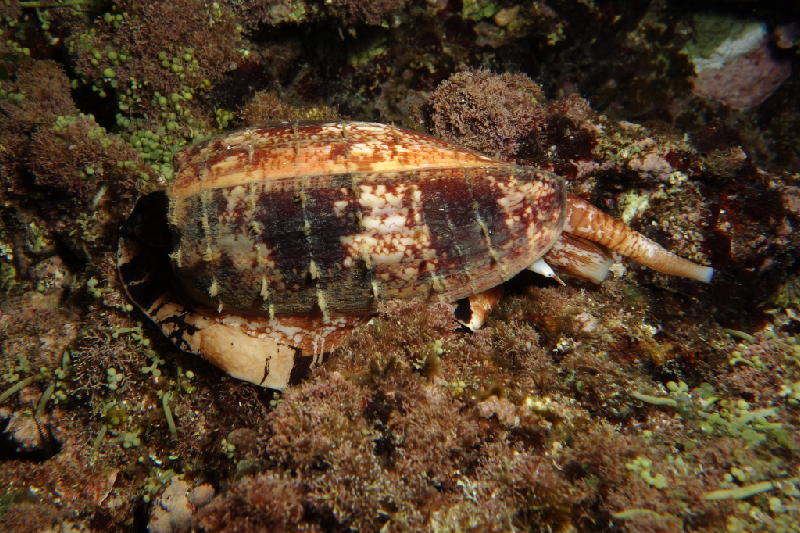
The Geographic Cone Snail: A Master Predator of the Indo-Pacific
The geographic cone snail (Conus geographus) is one of the most fascinating and deadly marine predators in the tropical and subtropical Indo-Pacific region. Known for its strikingly patterned shell, this predatory snail employs a unique and highly effective hunting strategy: it releases insulin into the water to stun prey, then swiftly moves in to engulf the fish and harpoon it with deadly neurotoxins.
Geographic Distribution and Habitat
The geographic cone snail is indigenous to the Indo-Pacific, particularly along northern Australia’s coasts - ranging from Queensland to Western Australia - and has also been sighted in New Caledonia and other tropical coral reef environments[1]. It inhabits the sublittoral epipelagic zone, often found near coral reefs and sandy substrates where its prey congregates[1].
Unique Hunting Strategy: Using Insulin as a Prey-Stunning Agent
What sets Conus geographus apart from many marine predators is its remarkable method to incapacitate prey even before direct contact:
-
Insulin Release: The snail releases a potent form of insulin into the surrounding water. This insulin acts as a chemical weapon that dramatically lowers blood sugar levels in nearby fish, causing a state of hypoglycemic shock[5].
-
Prey Stun Effect: This biochemical trick effectively puts the target fish into a stunned, lethargic state - rendering them slow and vulnerable.
-
This extraordinary use of insulin, a hormone typically involved in glucose regulation, is a striking example of how venomous animals co-opt normal biological molecules for predatory purposes. It allows the cone snail to immobilize fish before striking[5].
Hunting and Immobilization: Harpoon and Neurotoxins
Once the prey is stunned, the geographic cone snail employs a highly evolved physical and biochemical weaponry system:
The Harpoon-like Radular Tooth
-
The snail's radular tooth is a hollow, barbed dart, housed in the proboscis (an extendable tubular mouthpart).
-
When hunting, the snail rapidly extends its proboscis and fires the radular tooth like a harpoon into the prey[4][6].
-
This harpoon injects a venom cocktail containing deadly neurotoxins directly into the fish, causing rapid paralysis.
Neurotoxin Cocktail
-
The venom includes various conotoxins, which are specialized peptides that block ion channels essential for nerve and muscle function.
-
Different conotoxins in the venom work synergistically to rapidly paralyze the fish, preventing escape[2][4].
Mechanics of the Strike
-
The venom delivery is powered by hydrostatic pressure built within the proboscis. A sphincter valve and muscular constrictions create the pressure that propels the harpoon and venom with great speed and force[3][6][7].
-
This system allows the snail, despite being slow-moving itself, to strike with extraordinary speed and precision.
After the Strike: Engulfing the Prey
-
Once immobilized by insulin and neurotoxins, the fish is slowly reeled in by the attached radular tooth’s tether or simply engulfed whole by the snail[4][5].
-
The snail then uses digestive enzymes to begin external digestion before ingestion[1].
Behavior and Ecology
-
The geographic cone snail is primarily nocturnal, hiding buried in sand during the day for protection and active hunting at night[1].
-
It is an aggressive predator with a high potency venom that has caused human fatalities when handled carelessly[4].
-
Its hunting involves complex sensory mechanisms including chemoreception to detect prey, and possibly territorial behaviors in males[1].
Summary of the Geographic Cone Snail’s Hunting Process
| Step | Description |
|---|---|
| 1. Detect Prey | Uses chemoreception and tactile senses to sense fish |
| 2. Release Insulin | Releases insulin into water to induce hypoglycemic shock |
| 3. Approach Prey | Moves closer while prey is immobilized |
| 4. Harpoon Strike | Fires venomous radular tooth injecting neurotoxins |
| 5. Immobilization | Neurotoxins cause rapid paralysis |
| 6. Capture and Ingestion | Engulfs prey whole with the mouth |
Importance of Studying Geographic Cone Snails
Researchers are fascinated by Conus geographus for multiple reasons:
-
Its unique use of insulin in predation advances understanding of biochemical weapon evolution.
-
The variety of conotoxins it produces are valuable for pharmacological research, especially in pain management and neurological diseases.
-
Understanding its venom delivery system offers insight into rapid strike mechanics and hydrostatic pressure use in a soft-bodied invertebrate[2][7].
The geographic cone snail exemplifies the extraordinary adaptations marine animals have evolved to survive and hunt in complex ocean ecosystems. Its blend of biochemical and mechanical precision makes it a lethal and remarkable predator of the coral reef.
References
PADI Divemaster and underwater storyteller with over 7 years of hands-on Red Sea diving experience, documenting marine life, mapping dive sites, and promoting responsible ocean conservation.