2025 Shark Attack Statistics: Global Trends and Key Insights

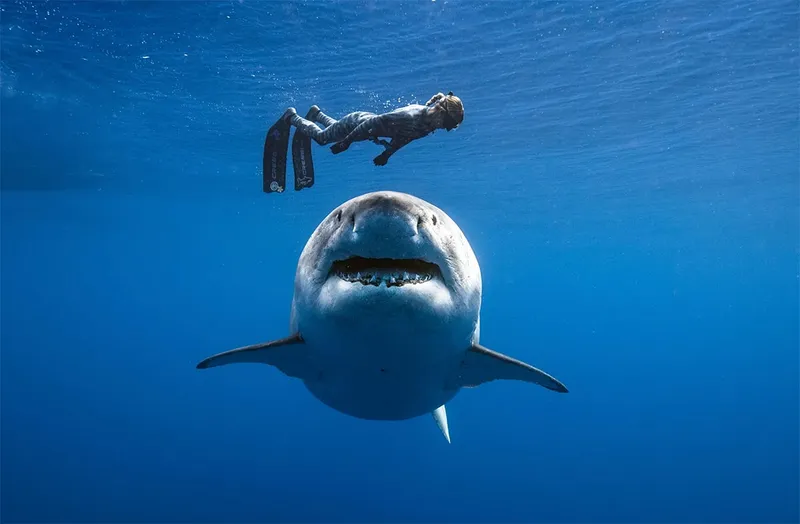
Shark attacks in 2025 have totaled 68 publicly reported and verified bites worldwide as of December 24, with 11 provoked incidents and 11 fatalities.[2] These figures align closely with historical averages of around 63 unprovoked attacks annually, though fatality rates remain a concern in hotspots like Australia and the United States.[1][2]
Overview of 2025 Global Statistics
Throughout 2025, shark-human interactions continued a pattern of relative stability compared to prior years, but with elevated fatalities in certain regions. Key highlights include:
- Total bites: 68 worldwide, including both unprovoked and provoked cases.[2]
- Provoked attacks: 11, often involving human activities like fishing or feeding sharks.[2]
- Fatalities: 11 confirmed deaths, exceeding the typical annual average of 6 unprovoked fatalities.[1][2]
- Comparison to averages: Similar to the 2018-2022 average of 63 unprovoked bites per year, though 2023 saw 69 unprovoked and 14 total deaths.[1]
While attacks are rare - odds of a fatal encounter stand at about 1 in 4,332,817 - they cluster in coastal areas with high human-shark overlap, such as beaches during peak summer months like September.[1]
Regional Breakdown: Top Hotspots in 2025
The United States and Australia dominated 2025 statistics, accounting for the majority of incidents. Below is a detailed summary by key locations.
United States (28 Bites, 1 Fatal)
The U.S. led with 28 shark attack bites, representing a significant portion of global cases and consistent with its historical lead.[2] Florida remained the epicenter.
| State | Total Bites | Provoked | Fatal |
|---|---|---|---|
| Florida | 15 | 4 | 0 |
| Hawaii | 3 | 2 | 0 |
| California | 4 | - | 1 |
| Texas | 2 | - | 0 |
| North Carolina | 2 | - | 0 |
| South Carolina | 2 | - | 0 |
| New York | 1 | - | 0 |
| Total | 28 | 5 | 1 |
Florida's 15 bites highlight its status as a global leader, though none were fatal this year.[2] California's single fatality underscores risks in cooler waters frequented by great whites.[2]
Australia (15 Bites, 5 Fatal)
Australia ranked second in total bites but first in fatalities, claiming 15 bites and 5 deaths - 40% of global fatalities despite only 22% of attacks.[1][2] Regional details:
| Region | Total Bites | Provoked | Fatal |
|---|---|---|---|
| New South Wales | 5 | 0 | 2 |
| Queensland | 4 | 1 | 1 |
| Western Australia | 3 | 0 | 1 |
| Total | 15 | 1 | 5 |
Western Australia and New South Wales saw the highest risks, often involving bull or white sharks.[1][2] This continues Australia's trend as the world leader in fatal attacks.[4]
Other Regions
- Limited reports from Africa, Asia, and Pacific Islands, aligning with lower historical totals.[4]
- No major incidents noted in the Red Sea or Middle East in 2025 data, though global trends show sporadic activity in Africa (e.g., 347 total unprovoked attacks since 1958).[4]
Historical Context and Long-Term Trends
2025 figures build on decades of data:
- Lifetime totals (1958-2023): U.S. leads with 1,106 unprovoked attacks (37 fatal); Australia follows with 647 (261 fatal).[4]
- Recent years: 2024 had 47 unprovoked cases globally (7 fatal), with U.S. at 28 (1 fatal).[5] 2023 saw 69 unprovoked bites and 14 deaths.[1]
- Declining trend: Worldwide incidents have dropped over the past decade, with 57 unprovoked bites in 2022.[4]
- Peak months: September sees the highest activity due to warmer waters drawing both humans and sharks.[1]
Surfers accounted for 58% of attacks in some years, like 2016.[4] Great white and bull sharks were linked to most 2023 fatalities.[1]
Factors Influencing 2025 Attacks
- Human behavior: Provoked bites often stem from baited lines or spearfishing; unprovoked cases rise with beachgoers in shallow waters.[2][3]
- Environmental drivers: Climate shifts bring sharks closer to shores during peak swimming seasons.[3]
- Species involved: White sharks dominated Australian fatalities; Galapagos sharks noted in Hawaii.[3]
Safety Tips for Red Sea and Global Waters
For swimmers, divers, and beachgoers - especially in shark-prone areas like the Red Sea:
- Avoid dawn/dusk swims when sharks hunt.
- Stay in groups and near lifeguards.
- Refrain from wearing shiny jewelry or splashing excessively.
- Exit water if schools of fish flee or baitfish are present.
These stats emphasize sharks' low threat level: you're far safer in the ocean than on roads. Data from the International Shark Attack File (ISAF) and Tracking Sharks ensures accuracy as 2025 concludes.[1][2]
References
PADI Divemaster and underwater storyteller with over 7 years of hands-on Red Sea diving experience, documenting marine life, mapping dive sites, and promoting responsible ocean conservation.