Diving into History: Exploring the Wreck of the Ancient Egyptian Pleasure Barge in Alexandria Harbour

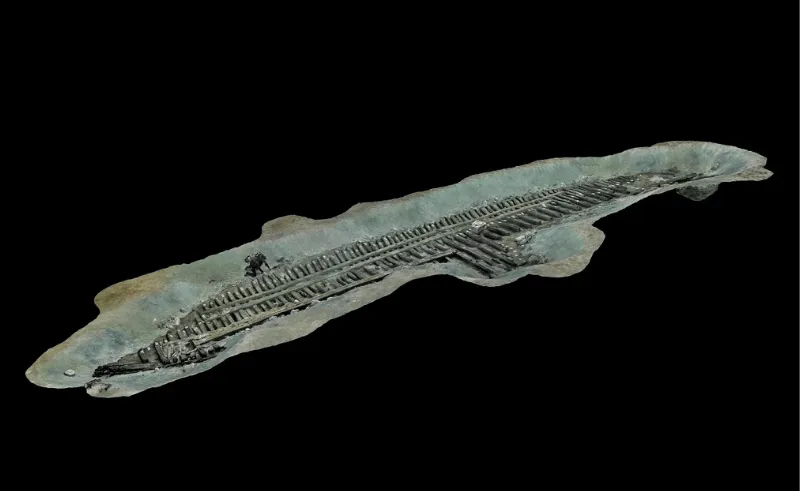
Off the coast of Alexandria, Egypt, lies a remarkable archaeological treasure that offers a unique glimpse into the luxurious leisure activities of ancient Egyptian elites - a 35-meter-long pleasure barge dating back to the 1st century A.D. This ancient vessel, recently discovered near Alexandria’s ancient port in the submerged harbour of the Royal Island of Antirhodos, is the first known thalamegos, a type of lavish boat described by classical sources, notably the geographer Strabo. The wreck provides an extraordinary opportunity for scuba divers, marine biologists, and underwater photographers to engage with a fascinating intersection of history, marine ecology, and art.
The Discovery and Its Historical Significance
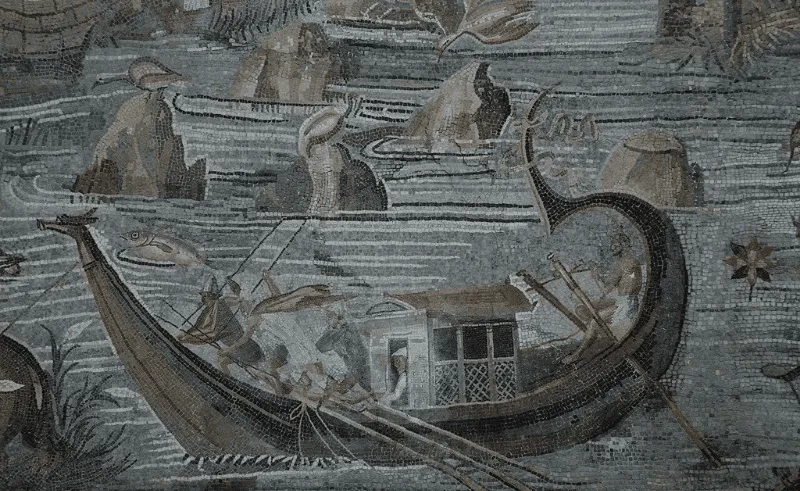
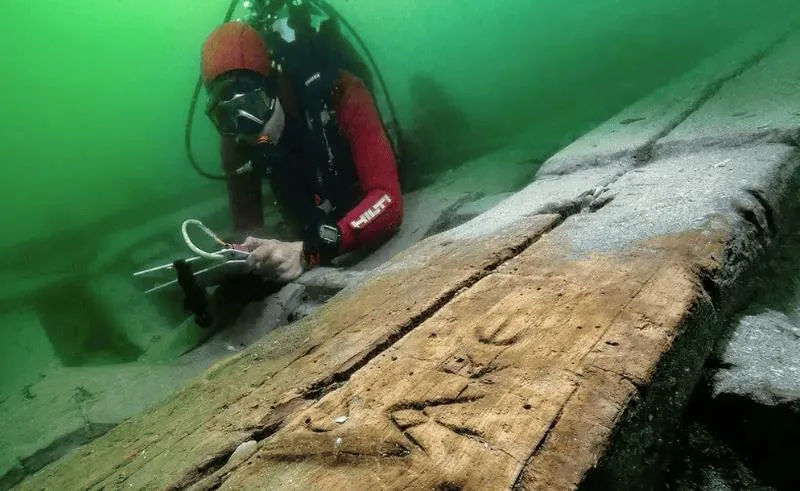
The pleasure barge was located off Alexandria’s coast, preserved remarkably well with its wooden structure and adorned with Greek graffiti on the vessel's carling, highlighting the cultural blend present in this key Mediterranean hub. Measuring approximately 115 feet (35 meters) long and 7 meters wide, the vessel is consistent with descriptions from antiquity and is depicted in historic mosaics such as the Nile Mosaic of Palestrina. This discovery not only enriches our understanding of ancient Egyptian maritime life but also the social dynamics of Mediterranean elites who enjoyed lavish entertainments on the water[1][2][3].
This is the first time such a boat has been discovered in Egypt. The flat-bottomed hull of the barge appears specifically designed to accommodate a lavish “central pavilion,” a signature feature of these ceremonial craft. Researchers propose two interpretations for the ship's final moments: it either sank during the catastrophic destruction of the nearby Temple of Isis around AD 50, or it was used as part of the annual Navigatio Iside procession, where the richly decorated vessel represented the goddess’s “solar barque.” This discovery offers a fascinating glimpse into the luxurious life and religious rituals on the waterways of early Roman Egypt.
What Scuba Divers Should Expect
Diving at this site offers a rare chance to explore a sunken royal pleasure craft. Divers should prepare for moderate depths and varying visibility depending on sea conditions in Alexandria Harbour. The wooden timbers and artifacts may still be partially intact, creating an evocative setting. However, due to conservation efforts, direct contact with sensitive parts of the wreck may be restricted, so divers should prioritize responsible diving practices and closely follow guidelines provided by local authorities and archaeological teams involved in the site's protection.
Marine Biology and Ecology Around the Wreck
The wreck has evolved into an artificial reef, supporting a diverse range of marine life. Barnacles, corals, and sponges colonize the sunken boat, attracting schooling fish and other marine organisms. For marine biologists, studying this site offers insights into how ancient wooden structures influence underwater ecosystems and biodiversity within the Mediterranean. The balance between preserving the archaeological integrity and understanding ecological succession presents an interesting challenge for ongoing research.
Photographic Opportunities Underwater
For photographers, the site represents a captivating blend of history and nature. The interplay of sunlight filtering through the clear Mediterranean waters and the textures of ancient wood juxtaposed with vibrant marine life creates compelling compositions. Careful use of lighting, especially strobe lights or video lights, can enhance details on the wreck’s surfaces and reveal the artistic markings such as the Greek graffiti etched into the timber. Patience is essential to capture scenes with minimal particles and calm surroundings to produce crisp, evocative images.
Conclusion
The exploration of the ancient Egyptian pleasure barge in Alexandria Harbour is a multidisciplinary adventure that combines the thrill of scuba diving, the intrigue of historical discovery, the richness of marine ecosystems, and the art of underwater photography. Whether you are a diver eager to navigate through history, a marine biologist studying artificial reefs, or a photographer aiming to capture the magic beneath the waves, this site exemplifies the wondrous connections between past and present beneath the Mediterranean surface.
References
PADI Divemaster and underwater storyteller with over 7 years of hands-on Red Sea diving experience, documenting marine life, mapping dive sites, and promoting responsible ocean conservation.