World Oyster Day
Why It Matters
Oysters do two jobs at once. Each adult filters several litres of water an hour, stripping out plankton, silt and excess nitrogen - the nutrient that drives algal blooms and the low-oxygen water left behind when they collapse. And because they cement to each other, they build: generation on generation of shells becomes a reef that shelters worms, crabs, brittle stars and juvenile fish. Remove the oysters and both the filtering and the habitat go with them. An estimated 85 per cent of the world's oyster reefs have been lost, making them one of the most heavily depleted marine habitats on record.
Oysters in the Red Sea
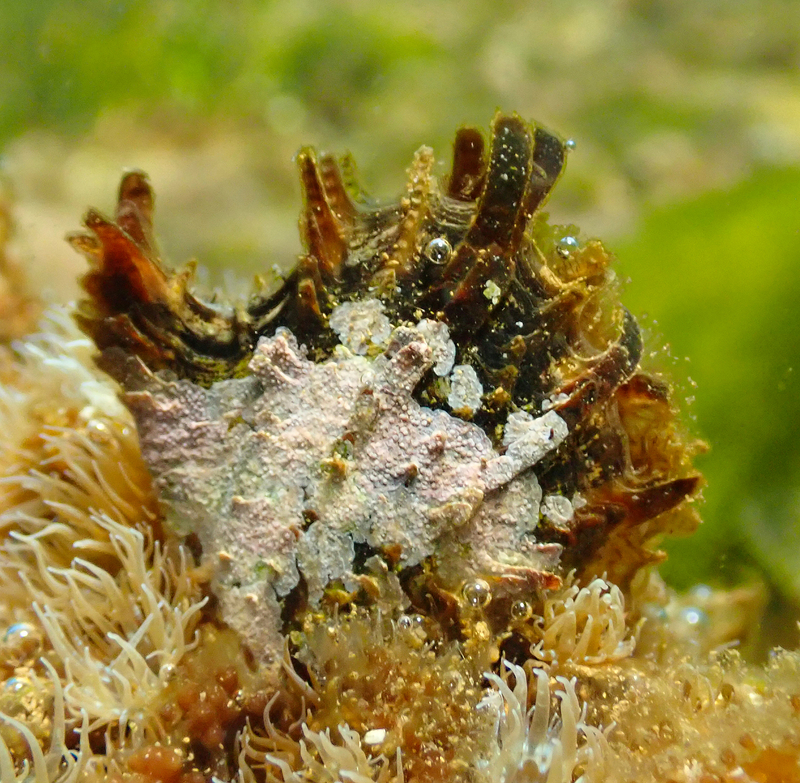
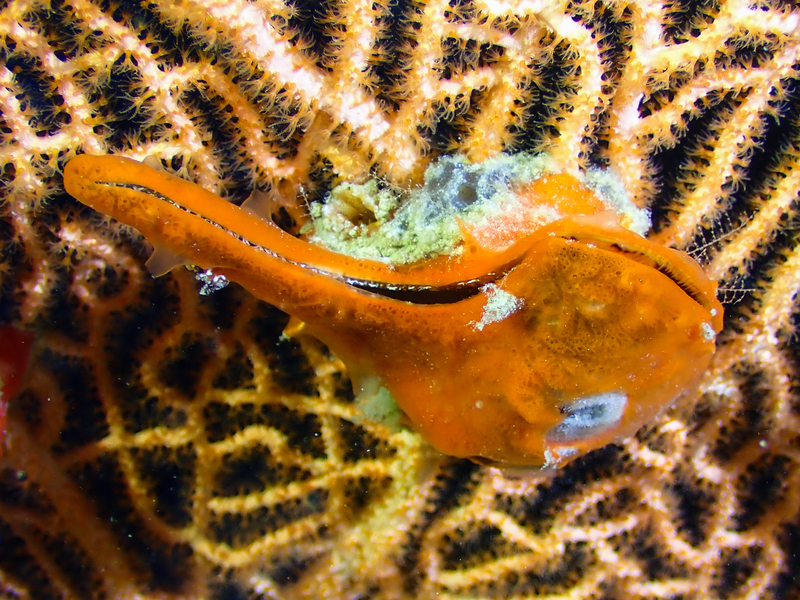
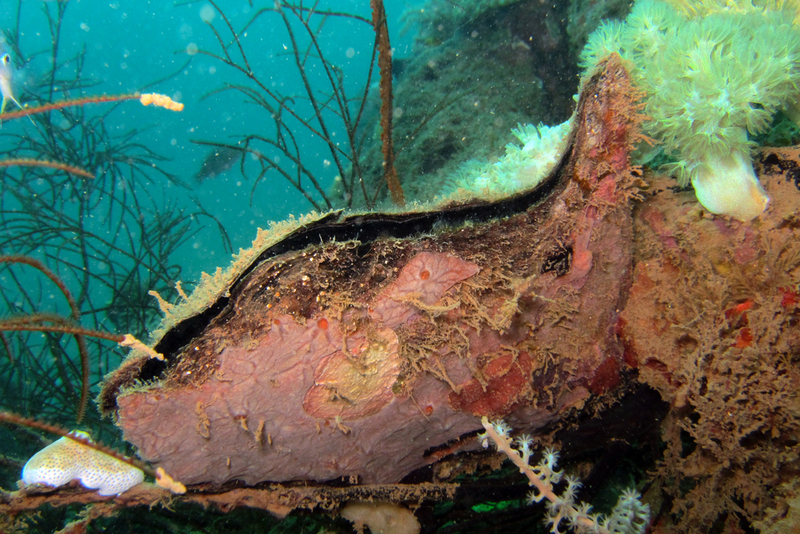
The Red Sea has no cold-water oyster beds, but it has plenty of oysters. Rock oysters crust the intertidal zone, the cock's comb and leaf oysters sit on coral rock and gorgonian branches, the giant honeycomb oyster grows to 30 cm (12 in) in reef walls, and winged and hammer oysters hang from sea whips and rubble. The pearl oysters matter historically: beds around the Dahlak Archipelago and the Farasan Islands supported a pearl fishery for centuries, and the Rayed Pearl Oyster was among the first species to pass through the Suez Canal into the Mediterranean.
Changing Sex
Most oysters begin adult life as males and later spawn as females, and many switch back and forth more than once depending on temperature, food supply and their own condition. A single female can release tens of millions of eggs in one spawning, of which a handful survive to settle. The larvae drift for two to three weeks before finding a hard surface, cementing down head-first, and never moving again.
How to Get Involved
Restoration projects worldwide collect shells from restaurants and return them to the water as settlement surfaces for the next generation. On the reef, the useful contribution is smaller and simpler: leave living shells where they are, keep fins clear of encrusted walls where the animals are set, and record what is seen. Sightings logged with photographs are worth more than shells taken home - a Red Sea oyster is usually identified by the shape of its gape, and that only exists while the animal is alive.
Keep the atlas free
Red Sea Creatures is an independent, ad-light field atlas. A small tip keeps it growing.