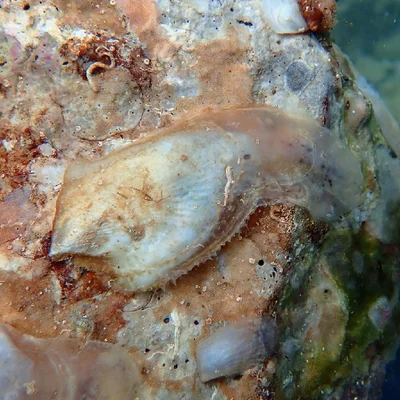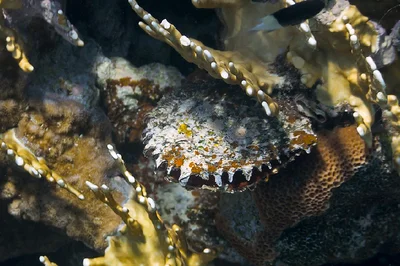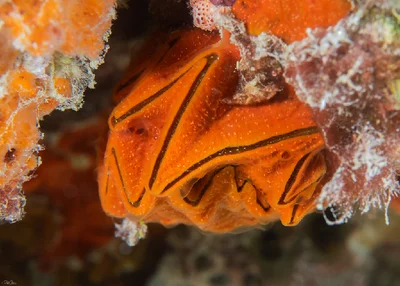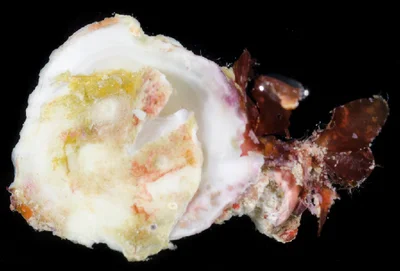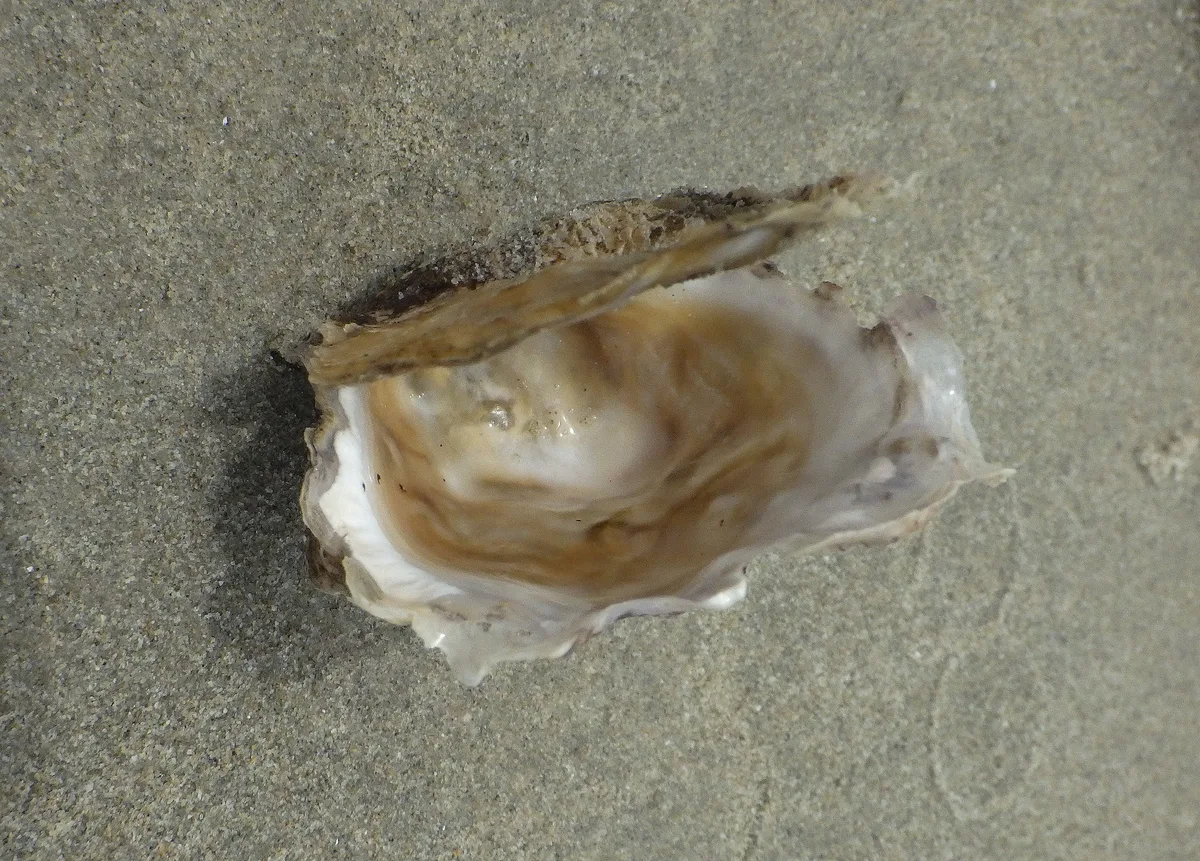
A heavy, deeply cupped rock oyster that lives cemented to bare stone in the tidal zone, where it forms crusts and dense beds rather than growing as scattered individuals. The lower valve is thick and hollowed out, the upper flat enough to work as a lid, and small blunt teeth run along the inside of the margin. The outside is gray and irregular, sculpted by whatever it grew against; the interior is white with a dark border. Height reaches about 10 cm (4 in), though crowded animals stay smaller and grow taller than wide.
The species tolerates hours of exposure to air, closing its valves to hold water inside and reopening to filter as soon as the tide returns - which is why it dominates the splash and intertidal zone while other oysters stay submerged. It settles on shoreline rock, reef flats, jetty pilings and mangrove roots down to about 5 m (16 ft). Along the 🌊 Red Sea coast it is harvested locally for food and used as bait, and its shells build up into hard, sharp pavements that are easy to cut a hand or a fin on.
- cemented to bare rock in the tidal zone, often in dense beds
- deeply cupped lower valve with a flat lid-like upper valve
- margin with small blunt teeth; interior white, dark at the edge