Red Sea Diving First Aid: Saltwater vs Freshwater for Wounds and Stings

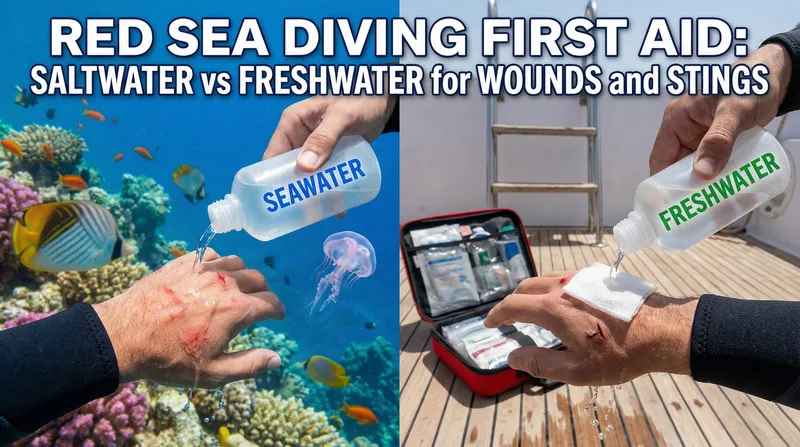
Diving in the Red Sea means sharing the water with an incredible variety of marine life - and sometimes that life fights back. Knowing when to rinse a wound with saltwater and when to use freshwater is a key part of safe first aid for divers.
Before you start any wound care, make the diver safe: end the dive, remove them from the water, monitor breathing and consciousness, and be ready to call for emergency medical help or DAN. Serious symptoms such as trouble breathing, chest pain, weakness, loss of consciousness, or rapidly spreading swelling are always a reason to treat the situation as an emergency.
The second step is simple first aid. Control any serious bleeding with direct pressure, then decide which water you should use to rinse the injury. Correct rinsing helps to reduce pain and toxin load and lowers the risk of infection until the diver can reach a doctor or a recompression facility.
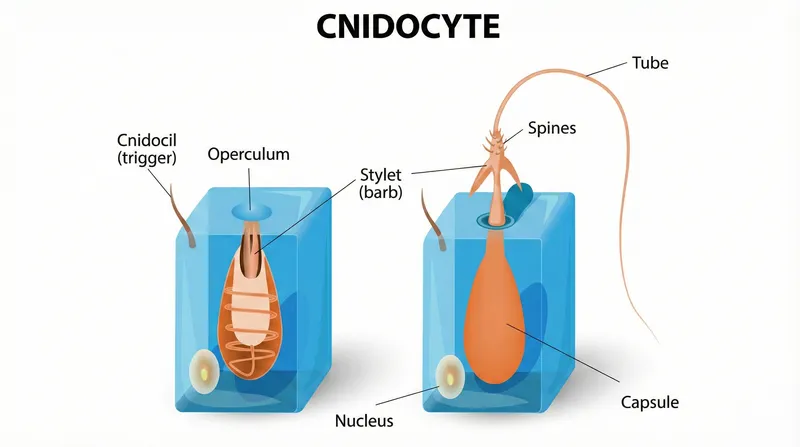
Use freshwater for wounds without cnidocytes
We use freshwater to rinse wounds that are not caused by animals with stinging cells (cnidocytes). Typical examples are punctures and cuts from sea urchins, stingrays, lionfish and other fish, and any other “ordinary” trauma such as cuts on rocks, ladders or boat equipment. Freshwater helps to mechanically wash out sand, slime, fragments of spines and bacteria, making later medical treatment easier and safer.
After rinsing with clean freshwater, gently dry the area if possible and cover it with a sterile or at least clean dressing. Do not close deep puncture wounds tightly; instead, protect them and seek medical assessment, because these injuries have a higher risk of infection and sometimes require antibiotics, imaging or surgical cleaning.
Use saltwater for cnidarian stings
If the injury is caused by a cnidarian - an animal that uses cnidocytes to deliver venom - you should avoid freshwater at first and rinse with seawater instead. This group includes jellyfish, sea anemones, corals, cubozoans such as box jellyfish and hydrozoans such as the Portuguese man‑o‑war. On the skin of the diver there are often still intact stinging cells that can fire again.
Cnidocytes are adapted to live in saltwater. When they suddenly meet freshwater, they sense it as a threat and discharge, injecting more toxin into the skin. This is why an eager rinse in freshwater can actually worsen pain and swelling after a jellyfish or coral sting. Using seawater keeps the osmotic conditions similar to their normal environment and reduces the chance of further activation.
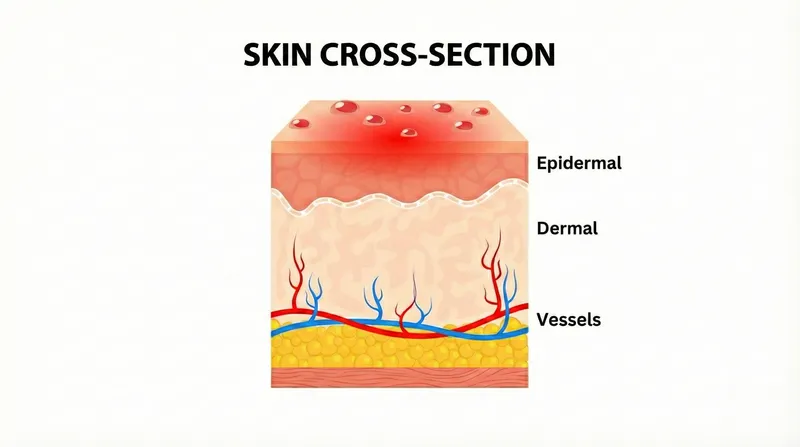
How to use vinegar correctly
Vinegar, which contains acetic acid, can help to deactivate cnidocytes on the skin for some species of jellyfish and related animals. It should be used locally and briefly: soak the affected area with vinegar for about 30 seconds, then stop. Longer soaking is not recommended because the acidic solution can irritate or even burn the skin, especially on sensitive body parts or in children.
After this short vinegar application, you can continue to rinse with seawater and carefully remove visible tentacles or surface material. Never rub the area with bare hands or a towel, because this can mechanically trigger more stinging cells. Instead, use tweezers, a gloved hand or a flat object such as the edge of a plastic card to gently lift away adherent material.
Why freshwater can worsen cnidarian stings
When we rinse a jellyfish or coral sting with freshwater too early, the remaining cnidocytes react as if they are under attack. This osmotic shock makes them discharge and inject additional venom into the skin, which in turn can intensify pain, redness, swelling and systemic symptoms. A diver who initially has only local discomfort may deteriorate after an inappropriate freshwater rinse.
For this reason, the safe rule is: if you suspect a cnidarian sting and are not completely sure the injury is something else, start with seawater and vinegar where recommended, and only move to freshwater washing later, when you are confident that the stinging cells have been deactivated and removed. This approach lowers the risk of escalating a mild sting into a more serious envenomation.
When you should always seek medical help
Some situations after marine injuries call for medical evaluation regardless of how well first aid was performed. These include any signs of breathing difficulty, chest tightness, pronounced weakness, confusion, collapse or changes in consciousness. Widespread rash, swelling of the face or tongue and rapidly worsening pain or redness suggest a strong allergic or systemic reaction.
Divers should also seek medical advice after significant injuries from stingrays, lionfish, cone snails or large jellyfish, as well as when puncture wounds involve joints, tendons or the face. Neurological symptoms such as numbness, paralysis, visual changes or difficulty speaking after a dive may indicate decompression illness rather than a simple sting, and require urgent assessment in a facility experienced with diving medicine.
DAN emergency hotline and help for Red Sea divers
Wherever you dive, you can always call DAN for medical assistance. Their doctors are trained in diving medicine and can coordinate with local hospitals that may not have much experience with diving‑related injuries. They can also help you decide whether a diver needs evacuation or treatment in a hyperbaric chamber.
DAN provides 24/7 regional emergency numbers and a main international line that can be dialed or reached via modern calling apps. For divers in Egypt - including Hurghada, Sharm El Sheikh, Marsa Alam and Dahab - the safest practice is to use the DAN international emergency number (+1-919-684-9111) and local ambulance services, and to know in advance where the nearest recompression chamber or dive clinic is located in your area. Checking this information with your dive centre and on the official DAN website or app before you dive makes responding to an accident much faster and more efficient.
Good preparation, a clear understanding of when to choose saltwater or freshwater and quick access to expert medical advice turn a stressful marine injury into a manageable incident and help keep Red Sea diving as safe and enjoyable as possible.
A huge shoutout to Dr. Mel for that awesome Instagram post - it totally sparked this article!
PADI Divemaster and underwater storyteller with over 7 years of hands-on Red Sea diving experience, documenting marine life, mapping dive sites, and promoting responsible ocean conservation.