Top Dive Destinations for Marine Biologists and Wildlife Enthusiasts

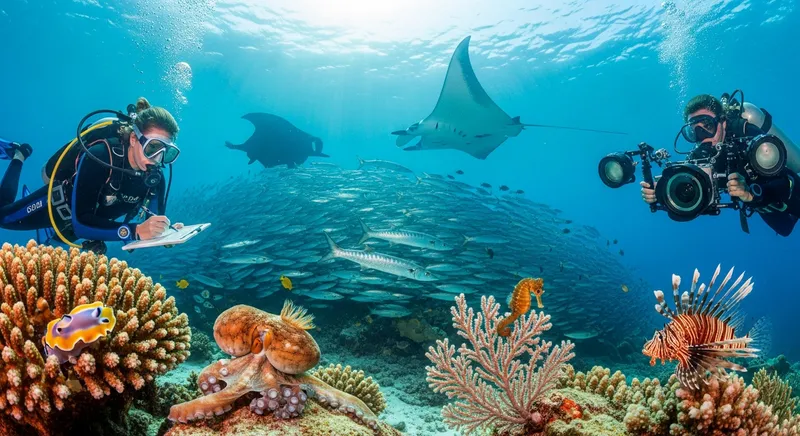
Explore the world's premier dive sites where marine biologists, wildlife enthusiasts, and scuba divers converge to witness extraordinary biodiversity. These destinations offer unparalleled opportunities to observe macro critters, megafauna, and thriving ecosystems, with added appeal for underwater photographers capturing nature's hidden wonders.
Bunaken National Marine Park and Lembeh Strait, Indonesia
Indonesia stands out as a macro diving paradise, perfect for marine biologists studying tiny, bizarre creatures. Bunaken National Marine Park boasts vibrant reefs teeming with nudibranchs, seahorses, and pygmy seahorses, ideal for close-up observations and photography[1]. Nearby, the Lembeh Strait is renowned for its 'muck diving,' where enthusiasts can spot rare species like mimic octopuses and mandarin fish in silty bottoms, offering endless research and photographic potential[1]. Alor and Tulamben add to Indonesia's allure with diverse macro life, making it a must-visit for detailed marine studies[1].
Egypt: Red Sea Wonders for Reef Researchers and Photographers
Egypt's Red Sea coast, particularly sites like the SS Thistlegorm wreck and Ras Mohammed National Park, serves as a premier destination for marine biologists and wildlife enthusiasts seeking vibrant coral reefs and diverse marine life. The Thistlegorm, a WWII cargo ship sunk in 1941, has evolved into an artificial reef teeming with batfish, lionfish, and schools of trevallies, offering endless opportunities for studying shipwreck ecosystems and predator-prey interactions. Nearby Sha'ab Ali and Gordon Reef feature thriving hard coral gardens populated by moray eels, scorpionfish, and nudibranchs, ideal for macro photography and detailed biodiversity surveys[5].
Marine biologists are drawn to the Red Sea's exceptional water clarity - often exceeding 30 meters - and nutrient-rich currents that support over 1,000 fish species and 200 coral types, fostering research on reef resilience amid climate pressures. Drift dives along walls at sites like Elphinstone Reef (Sha’ab Abu Hamra) reveal hammerhead and grey reef sharks, eagle rays, and turtles, providing prime conditions for behavioral observations and wide-angle shots. Liveaboards from Hurghada or Sharm El Sheikh maximize access to remote pinnacles, blending scientific data collection with thrilling pelagic encounters[2][5].
For underwater photographers, Egypt's combination of dramatic topography, colorful reef fish, and accessible shore dives at Dahab makes it a hotspot for capturing nature's underwater artistry. Conservation efforts, such as those protecting dugongs and whale sharks in the northern Red Sea, allow enthusiasts to contribute to monitoring programs while immersing in ecosystems that rival the world's best[3]. This destination educates and inspires, perfect for those studying coral health and megafauna migrations.
British Columbia, Canada
For cold-water diving aficionados, British Columbia delivers a spectacle of invertebrate diversity, favored by Jacques Cousteau. Shore dives reveal colorful sponges, wolf eels, and giant Pacific octopuses in wrecks like Porteau Cove, where these massive cephalopods thrive - prime for behavioral observations and wide-angle photography[2]. Marine biologists appreciate the accessibility and abundance, allowing repeated visits to track populations without boat dependency[2].
Galapagos Islands, Ecuador
The Galapagos Islands represent the pinnacle for big-animal encounters, akin to a 'grand finale' in wildlife diving. Expect hammerhead sharks, whale sharks, sea lions, and marine iguanas in dramatic volcanic seascapes, drawing researchers on liveaboards[2][5]. Kayaking between dives enhances surface-level fauna views, like penguins and iguanas, enriching holistic studies for biologists and photographers seeking epic pelagic shots[5].
Fiji
Fiji captivates with over 1,000 fish species and hundreds of corals, plus shark encounters that thrill wildlife enthusiasts. Marine conservation programs in villages like Silana allow divers to contribute to reef monitoring while hiking Tova mountain, blending science with adventure[3]. Photographers love the technicolor reefs, and biologists gain hands-on PADI Divemaster experience amid Fiji's hospitality[3].
St. Eustatius, Caribbean
This tiny 8-square-mile island protects its coastline to 90 feet within a marine park, featuring muck dives, lava canyons, and seahorses clinging to corals. The leeward side's ecosystem diversity suits marine biologists surveying multiple habitats, while photographers capture intimate macro scenes in crystal waters[2].
Costa Rica
In Costa Rica's Tortuguero, scuba divers join marine biologists in turtle conservation amid thriving reefs and wrecks. Volunteer to protect nesting green sea turtles, combining dives with eco-tourism in national parks - ideal for enthusiasts passionate about hands-on wildlife protection[5]. Underwater photographers document these gentle giants in their natural habitat.
Additional Gems: Seychelles, Thailand, and More
Seychelles' Baie Ternay Marine National Park offers rays, dolphins, and sharks near beaches, supporting conservation internships[3]. Thailand's Phang Nga reveals octopuses, turtles, and anemones, with dive shop experience for aspiring professionals[3]. For variety, Bali pairs serene coral gardens and manta rays with yoga retreats, restoring body and mind between research dives[5].
Tips for Divers, Biologists, and Photographers
- Choose liveaboards for remote sites like Galapagos to maximize dive time and research access.
- Pack macro lenses for Indonesia's critters and wide-angle gear for British Columbia's octopuses.
- Join conservation programs in Fiji or Costa Rica to contribute data while diving.
- Respect marine parks: no-touch policies preserve habitats for future studies.
These destinations not only thrill but educate, fostering a deeper connection to ocean life for all enthusiasts.
References
PADI Divemaster and underwater storyteller with over 7 years of hands-on Red Sea diving experience, documenting marine life, mapping dive sites, and promoting responsible ocean conservation.