The World’s Most Endangered Marine Mammal Is Having Babies Again

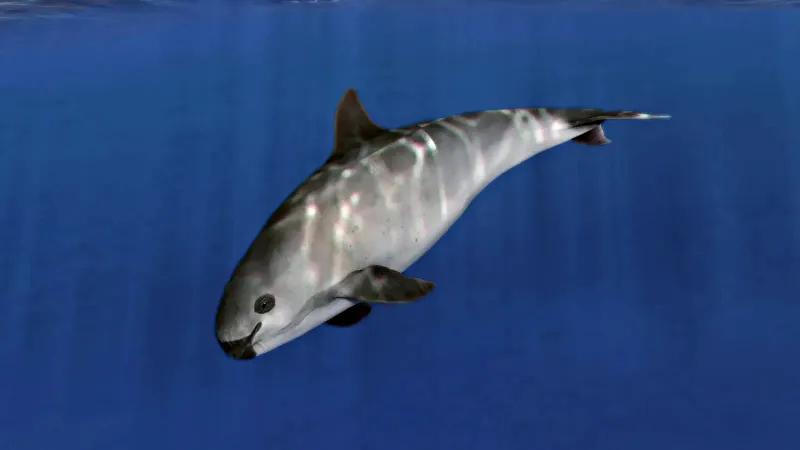
Imagine a tiny porpoise, barely bigger than a dog, with a shy smile and dark rings around its eyes. It’s called the vaquita, and it’s the rarest marine mammal on the planet. For years, scientists feared we’d never see a new vaquita calf again. But now, something incredible has happened - the vaquita is having babies.
A Glimmer of Hope in the Gulf of California
Every year, a team of scientists, conservationists, and the Mexican Navy heads out into the northern Gulf of California, scanning the waters for any sign of these elusive creatures. This year’s survey, conducted from May to September 2025, brought news that made hearts race: researchers spotted between 7 and 10 vaquitas, including several mother-and-calf pairs.
That might not sound like much, but for a species that was down to just eight individuals last year - with no calves seen at all - this is a huge deal. It’s the first time in years that multiple calves have been documented, and it’s the strongest sign yet that the vaquita is fighting back.
Why the Vaquita Matters
The vaquita (Phocoena sinus) is found only in this one small stretch of the Gulf of California, off the coast of Mexico. It’s a creature of mystery, rarely seen and even more rarely photographed. But its story is a powerful reminder of what’s at stake when we lose a species.
- The vaquita is the smallest cetacean in the world, reaching just 1.5 meters in length.
- It’s known for its shy nature and tendency to avoid boats.
- Its population has plummeted by over 99% since the 1990s, mostly due to entanglement in illegal fishing nets.
For decades, the vaquita was on the brink of extinction. The numbers kept dropping, and hope was fading. But now, thanks to relentless conservation efforts, the decline has slowed - and the species is showing signs of recovery.
How Conservation Is Making a Difference
The turnaround didn’t happen by accident. It’s the result of years of hard work by organizations like the Sea Shepherd Conservation Society, the Mexican government, and local communities. Their efforts include:
- 24/7 patrols in the vaquita refuge to remove illegal gillnets.
- Collaboration with the Mexican Navy to enforce fishing bans.
- Community outreach and education to promote sustainable fishing practices.
These actions have given the vaquita a fighting chance. And now, with new calves being born, it’s clear that the species is not giving up.
Every Baby Is a Lifeline
With fewer than 10 vaquitas left, every new calf is a lifeline. It’s a reminder that even the most endangered species can bounce back - if we give them the chance. But the fight isn’t over. The threat of illegal fishing still looms, and the vaquita’s future remains uncertain.
Still, the sight of a mother vaquita swimming with her calf is a powerful symbol of hope. It’s a reminder that conservation works, and that every effort counts.
Let’s Keep Their Story Alive
The vaquita’s story is far from finished. With continued protection and support, this tiny porpoise might just survive. And who knows? Maybe one day, we’ll see more than just a handful of vaquitas in the Gulf of California.
For now, let’s celebrate this small victory. Let’s keep their story alive, and let’s keep fighting for the world’s most endangered marine mammal.
References
PADI Divemaster and underwater storyteller with over 7 years of hands-on Red Sea diving experience, documenting marine life, mapping dive sites, and promoting responsible ocean conservation.