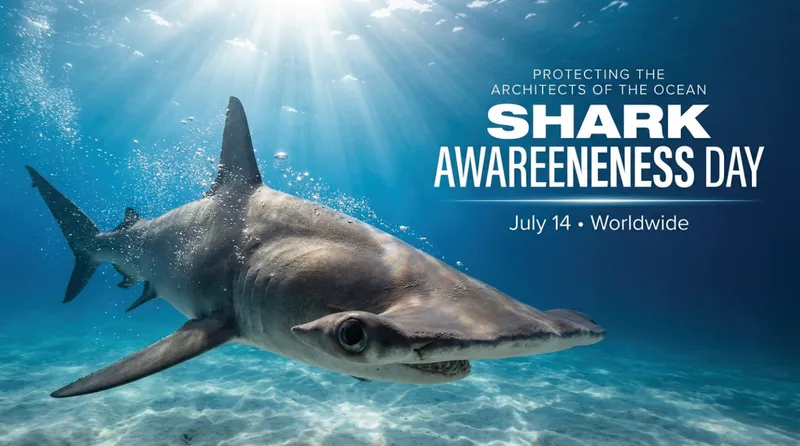
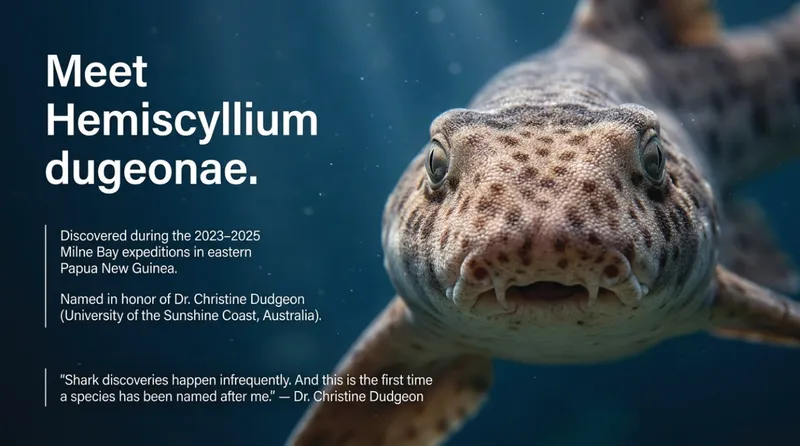
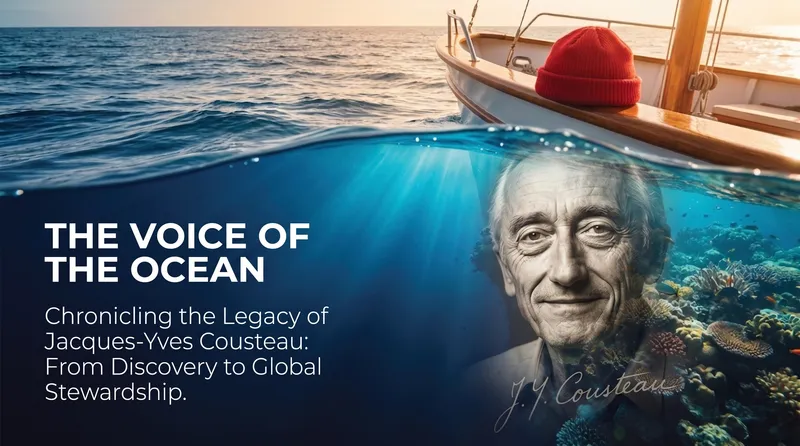
Michael Wafaa: Red Sea Shark Conservationist, Dive Guide & Ocean Advocate

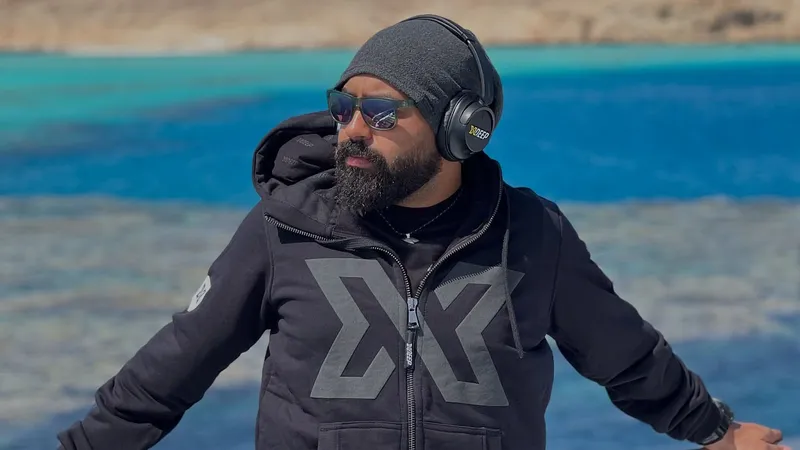
Michael Wafaa is a renowned PADI & SDI Scuba Instructor, a dedicated Shark Conservation Awareness Instructor, and the founder of the Red Sea Sharks Discovery Project. His work and passion center on shark conservation and marine ecosystem advocacy, particularly in the diverse and ecologically significant marine environment of the Red Sea[1][4].
About Michael Wafaa
Michael has built his career around both practical diving excellence and marine conservation education. With certifications from internationally recognized diving organizations, he uses his skills to connect people with the ocean and foster a deeper respect for its creatures, especially sharks. His expertise and knowledge enable him to lead dive tours that are not only thrilling but also deeply informative, promoting ocean awareness and sustainability among divers and tourists alike[1].
The Red Sea Sharks Discovery Project
Michael founded the Red Sea Sharks Discovery Project to shine a spotlight on the vital role sharks play in the Red Sea’s underwater ecosystem. This project focuses on:
- Researching various shark species that inhabit the Red Sea, including lesser-known sharks and the more common species such as the Oceanic Whitetip Shark.
- Educating local communities and visitors about shark biology, behavior, and the crucial ecological roles they fulfill.
- Promoting conservation efforts that protect sharks from threats like overfishing and habitat degradation[1][4].
The project highlights that sharks are apex predators crucial to maintaining balanced marine food webs and healthy coral reef ecosystems in the Red Sea[2].
The Importance of Sharks in the Red Sea Ecosystem
Through his conservation work, Michael emphasizes several key ecological functions of sharks:
- Regulating fish populations: Sharks control species at different trophic levels, preventing dominance of certain fish that could harm coral reef biodiversity.
- Protecting coral reefs: By maintaining herbivorous fish in balance, sharks indirectly help keep algae levels low, promoting coral growth and vibrant reef health.
- Supporting eco-tourism: Healthy shark populations attract divers and snorkelers worldwide, contributing economically to the local communities depending on sustainable marine tourism[2].
Michael Wafaa’s Role as a Dive Guide and Ocean Advocate
As a dive guide, Michael combines his technical skills with conservation advocacy, helping divers appreciate sharks as more than just thrilling creatures but as essential components of marine ecosystems. His approach respects responsible diving principles, discouraging harmful interactions such as baiting or harassment of sharks, which aligns with broader marine tourism sustainability goals[3].
As an ocean advocate, he encourages actions everyone can take to protect sharks and the ocean, including:
- Choosing sustainable seafood to reduce shark bycatch.
- Avoiding products derived from sharks, like shark fin products.
- Reducing plastic waste which impacts marine life.
- Supporting conservation organizations financially or through volunteering.
- Educating others about the importance of shark conservation.
- Supporting laws and petitions that protect sharks from finning and overfishing[3].
How to Support Michael Wafaa’s Mission
- Join his educational dives and conservation programs in the Red Sea.
- Contribute to the Red Sea Sharks Discovery Project, which funds research, outreach, and protection initiatives.
- Spread awareness through social media and community engagement about the critical role sharks serve.
- Practice responsible diving and eco-friendly tourism when visiting shark habitats.
By following these steps, divers and ocean lovers can actively support Michael’s vision of a thriving, balanced Red Sea ecosystem where sharks continue to play their natural role[1][2][3].
Michael Wafaa’s contribution as a shark conservationist, professional dive guide, and passionate ocean advocate is instrumental in safeguarding the Red Sea’s unique marine biodiversity. His efforts help ensure that sharks are respected not only as top predators but as vital guardians of coral reef health and marine ecosystem resilience.
References
PADI Divemaster and underwater storyteller with over 7 years of hands-on Red Sea diving experience, documenting marine life, mapping dive sites, and promoting responsible ocean conservation.