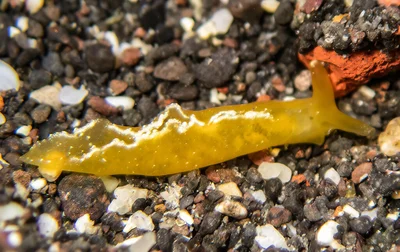
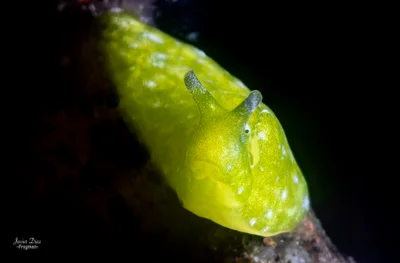
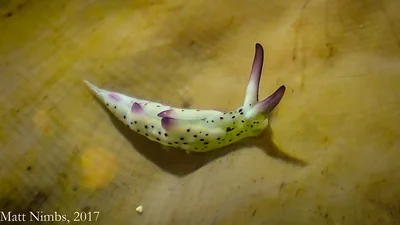
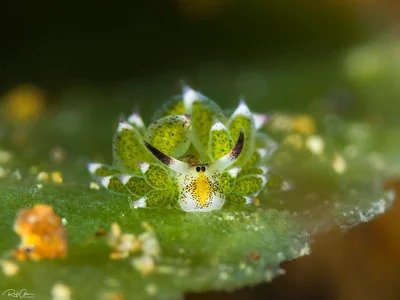
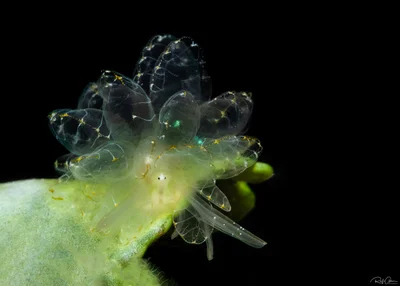
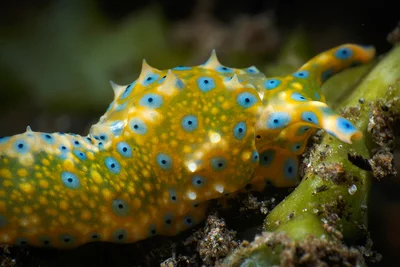
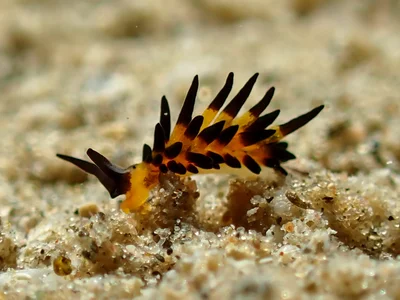
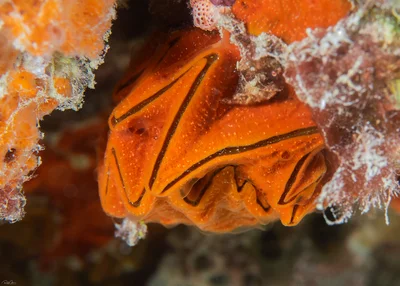
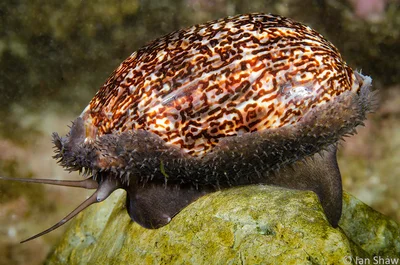
These slugs run on sunlight using machinery they did not build. A sacoglossan feeds by punching a single tooth through the wall of an algal cell and drinking the contents, and rather than digesting everything it takes, it keeps the chloroplasts. They are moved into the lining of the gut, which branches through the whole body like a tree, and there they go on photosynthesizing, in some species for weeks. A well fed slug can then live a long time without eating anything, powered by an alga that is no longer alive. The group name, Sacoglossa, means sac tongue, for the pouch where the animal stores the teeth it has blunted instead of dropping them.
No other animal manages this. Corals and giant clams keep whole algal cells alive as lodgers, which is a very different thing from lifting out one organelle and running it yourself, because a chloroplast normally depends on a steady supply of proteins from the algal nucleus it has been separated from. How the slugs keep them working is still argued over. It is also why so much of this group is green: the color is the crop rather than the animal.
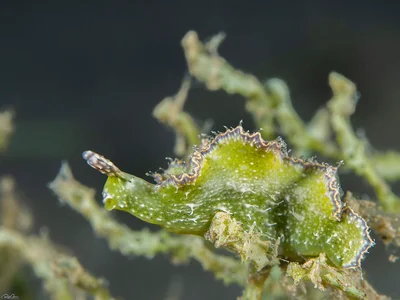
One of them can be beheaded and walk away from it. In a Japanese laboratory, individuals of Elysia marginata, a species listed on this coast, cut through their own necks, and the head crawled off and regrew a complete new body, heart included, in about three weeks. The old body went on moving for days. A head that can photosynthesize does not need a gut to stay alive while it builds one, which is the leading explanation.
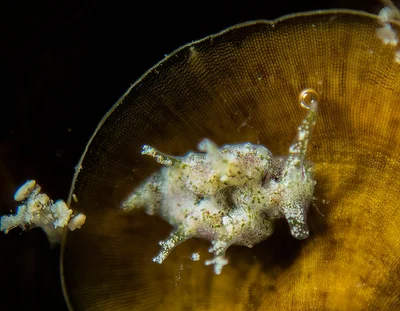
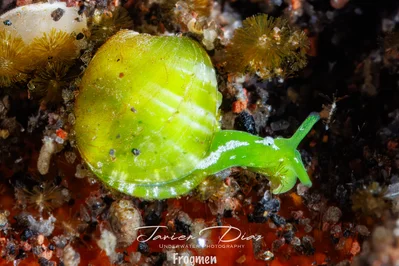
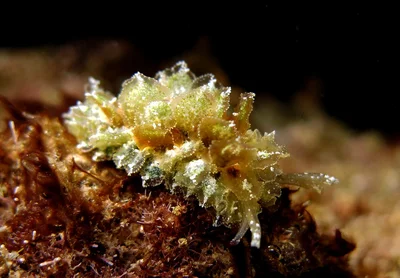
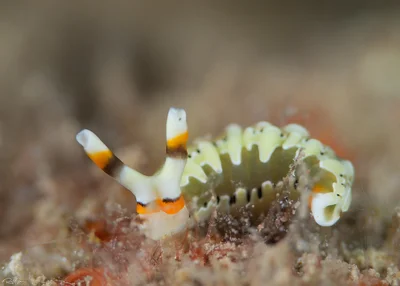
Sixteen species are listed in this catalogue and almost every one is tied to a particular green alga, so finding them means searching the weed, Halimeda and Caulerpa and Bryopsis, from a few centimeters away. Some carry leaf shaped flaps and pass for a piece of the plant they are draining. One still has a real two valved shell and looks like a small clam that decided to crawl.
How to recognise sap-sucking slugs
InvertebrateNot a fish - coral, mollusc, crustacean, echinoderm and other invertebrate groups.
- drains algal cells and keeps the chloroplasts, so most are green
- small, typically 1-5 cm
- body form varies: side flaps, leaf-like cerata, or even a two-valved shell
- almost always sitting on the green alga it feeds from