Palytoxin (PTX)
One of the most poisonous non-protein substances known, carried by common zoanthids - and it has hospitalized people who only cleaned an aquarium.
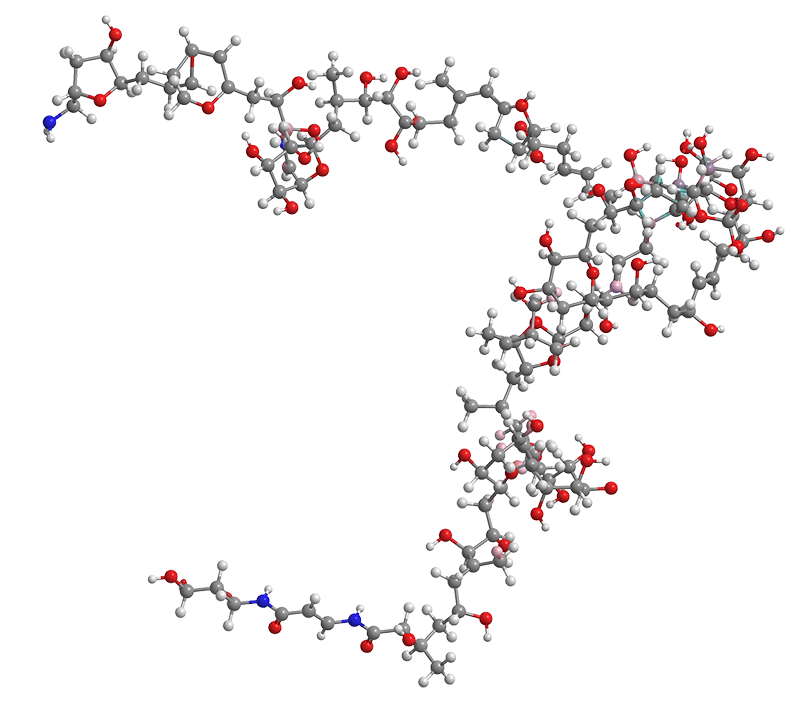
Palytoxin is one of the most poisonous non-protein substances known. For a laboratory mouse the lethal dose is about 150 nanograms per kilogram of body weight injected into the bloodstream; scaled up, that puts a fatal amount for an adult human in the range of a few micrograms - far less than a single grain of salt, and nothing you could see without a microscope. Only a handful of natural substances are more potent.
It was isolated in 1971 from a soft coral, Palythoa toxica, growing in one bay on Maui. Hawaiians had known about that spot long before chemists: they called the growth limu-make-o-Hana, the deadly seaweed of Hana, and the place was treated as forbidden ground.
The coral is not really the manufacturer. The toxin is made by microscopic algae - dinoflagellates of the genus Ostreopsis - that live inside it, and the polyp simply stores what they produce. The molecule itself is enormous by natural standards, a chain of 129 carbon atoms, and reproducing it in a laboratory took chemists more than a decade.
Its effect is disturbingly simple. Every cell in your body runs a pump that pushes sodium out and potassium in, and that difference is what nerves and muscles work on. Palytoxin locks the pump open, turning it into a hole: potassium leaks out, sodium floods in, and cells lose the charge they depend on. The result is muscle breakdown, irregular heartbeat and fluid filling the lungs. There is no antidote - treatment can only support the body while it clears the toxin.
People are poisoned in three ways. By eating fish or crabs that have accumulated it. Through cuts, which is how aquarium keepers get it while handling zoanthid rock bare-handed. And by breathing it in: scrubbing or scalding such rock releases a fine mist, and whole households have ended up in hospital that way. Where Ostreopsis blooms in warm shallow water, the spray alone is enough - a bloom off Genoa in 2005 sent hundreds of beachgoers to doctors with breathing trouble, none of whom had gone swimming.
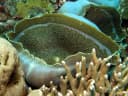
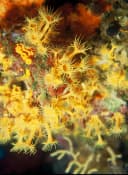
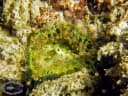
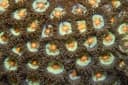
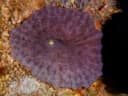
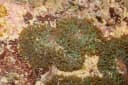
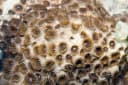
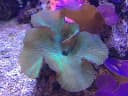
Zoanthids and corallimorphs carrying palytoxin are common on shallow reefs and look entirely harmless. Touching them underwater is not the problem: intact skin is a good barrier, and the risk begins with an open wound, a kitchen, or an aquarium bucket.
First aid
- On skin: rinse thoroughly with plenty of water. Cover any cut before handling zoanthid rock, and see a doctor if the toxin got into an open wound.
- In the eyes: irrigate with clean water or saline for a full 15 minutes and go to a doctor. Eye exposure is the one that damages permanently.
- Breathed in - the aquarium case, from scalding or scrubbing live rock: fresh air at once, and medical help for coughing, chest tightness or fever. Ventilate the room and leave it.
- Eaten: hospital, immediately.
There is no antidote. Treatment is supportive, which is a reason to go early rather than to wait and see.
Found in10