Pharaoh Cuttlefish
Pharaoh Cuttlefish
Pharaoh Cuttlefish
Pharaoh Cuttlefish
Pharaoh Cuttlefish
Pharaoh Cuttlefish
Pharaoh Cuttlefish
Pharaoh Cuttlefish
Pharaoh Cuttlefish
Pharaoh Cuttlefish
Invertebrate · Molluscs · Cephalopods

Pharaoh Cuttlefish

Sepia pharaonis Ehrenberg, 1831
syn. Crumenasepia hulliana, Crumenasepia ursulae, Sepia (Acanthosepion) pharaonis, Sepia formosana, Sepia framea, Sepia hulliana +7 more
33 - 43 cm5 kg1-130 m
1467

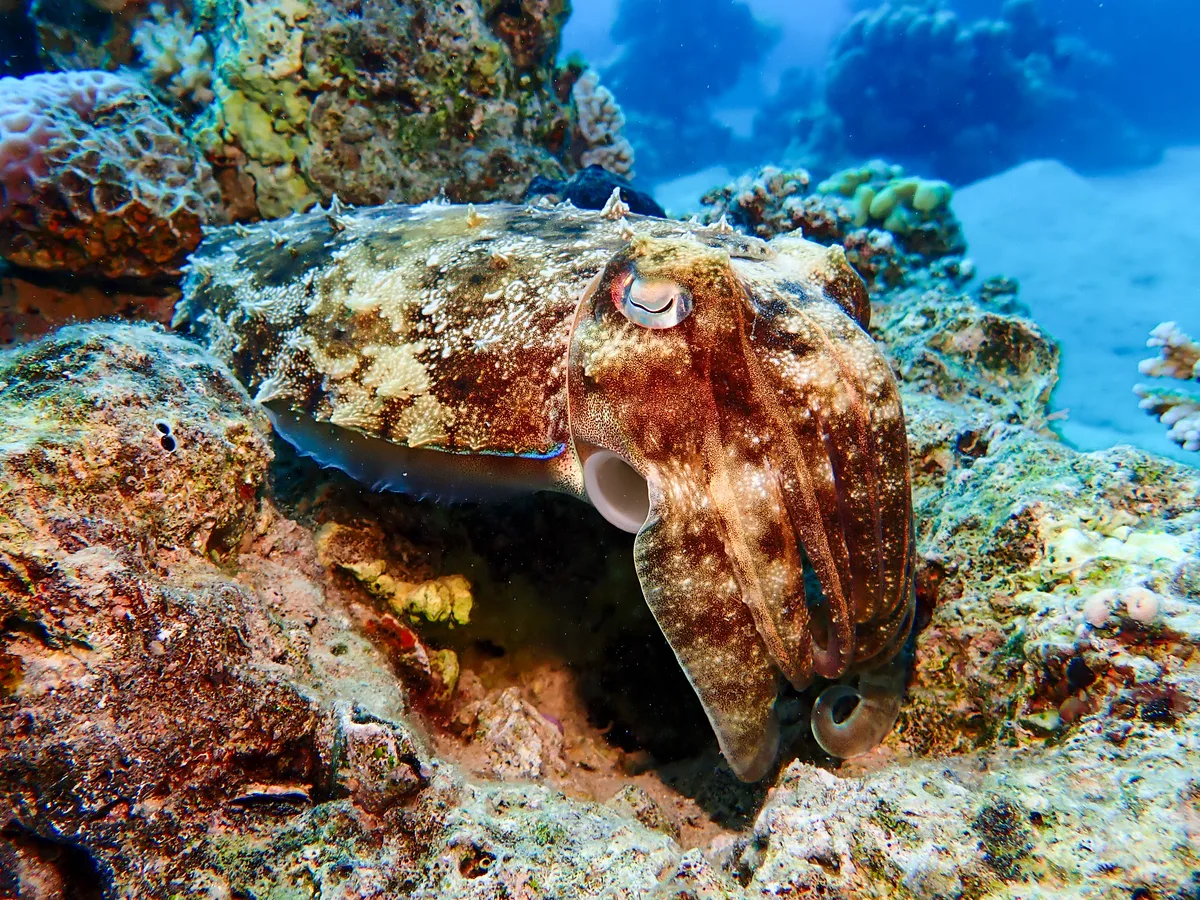
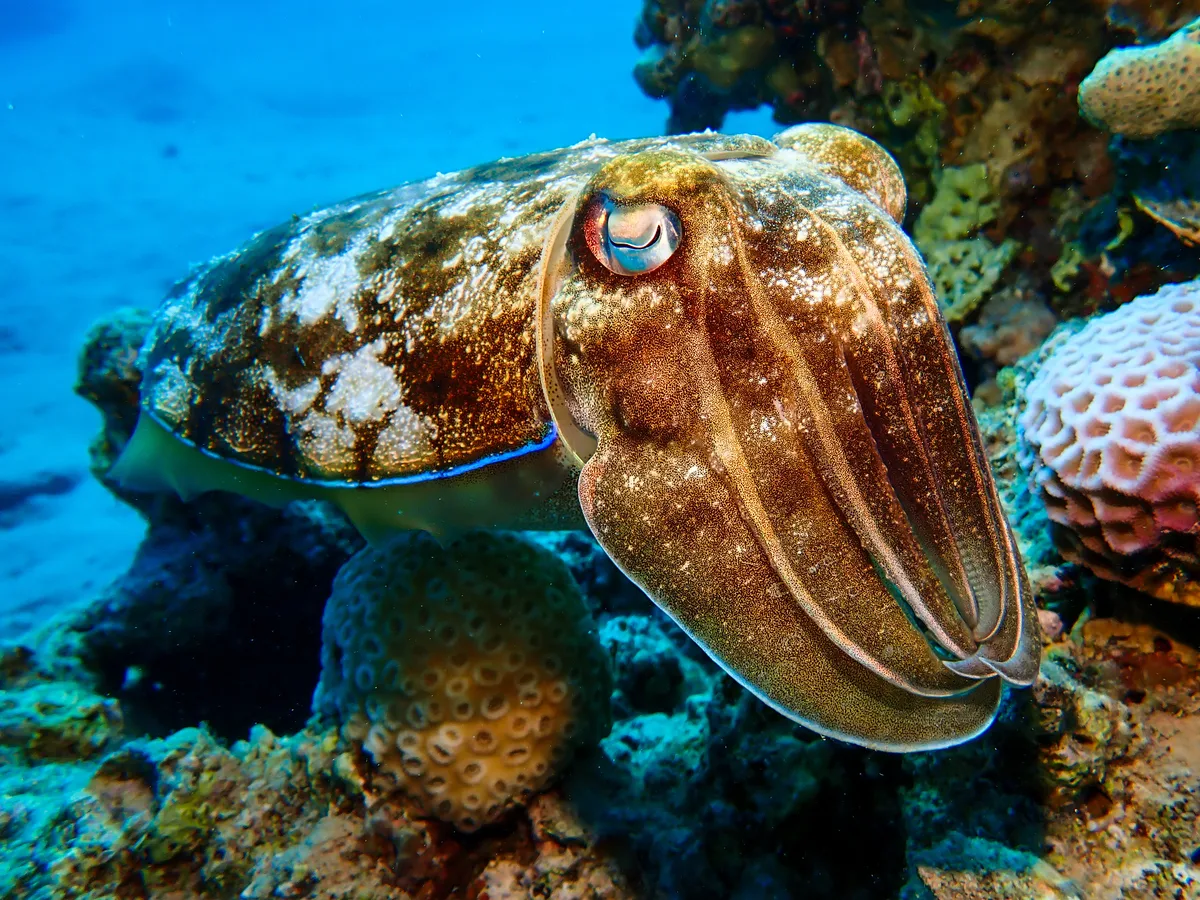
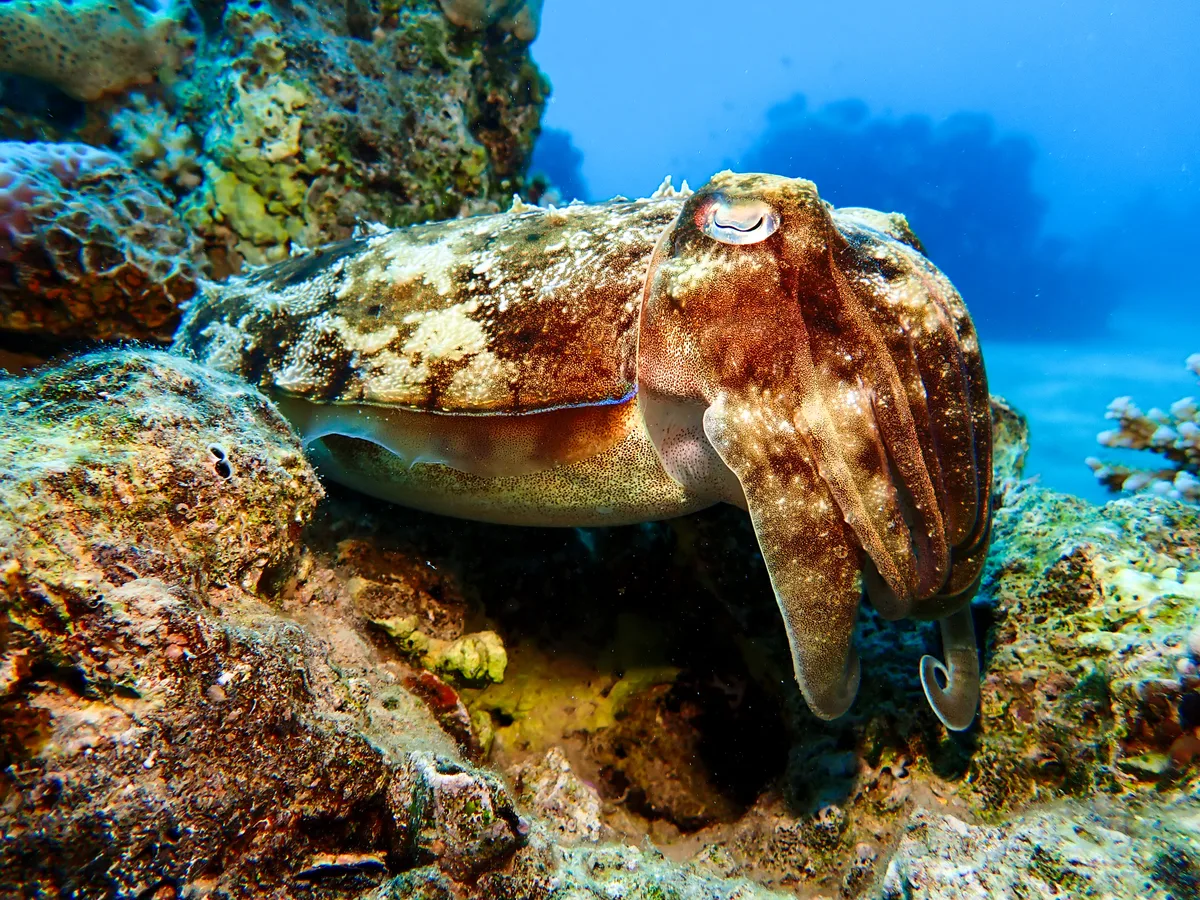
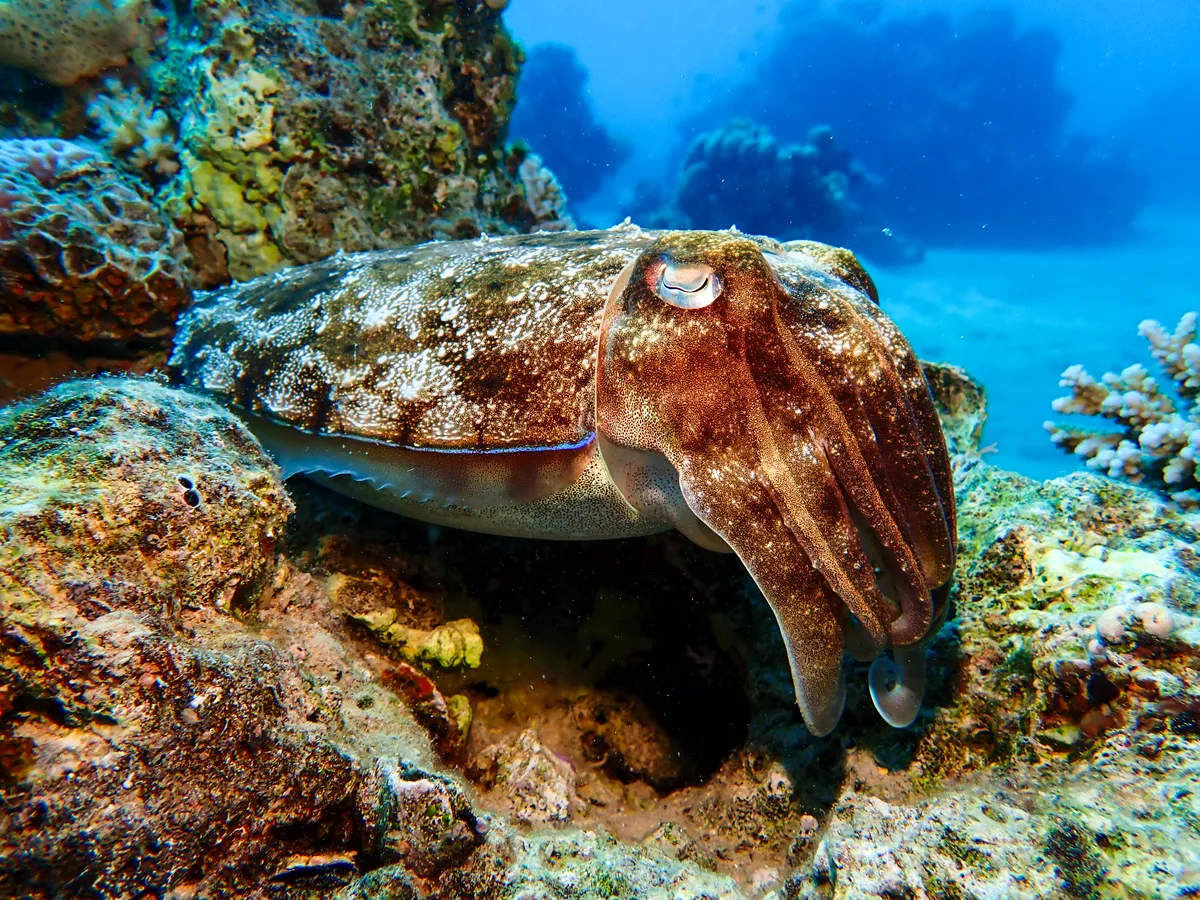
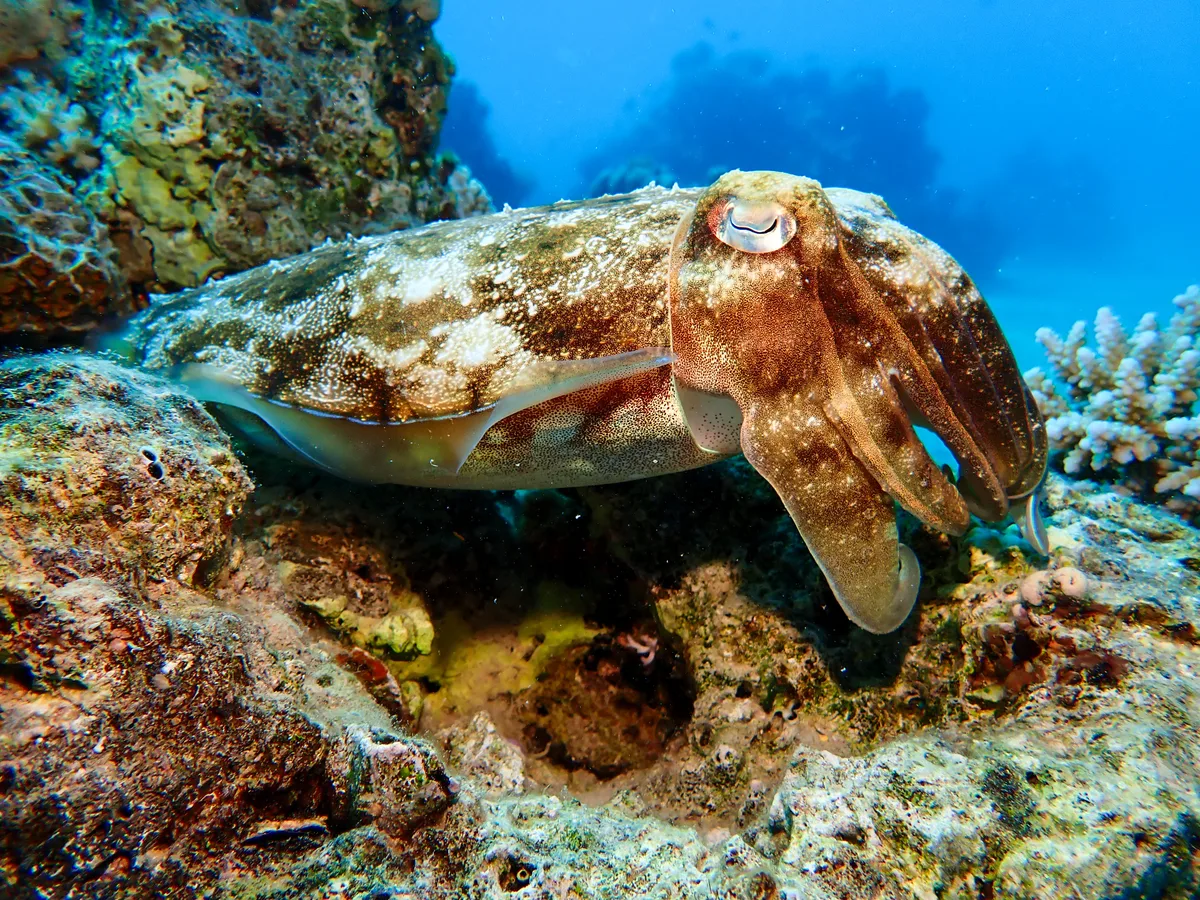
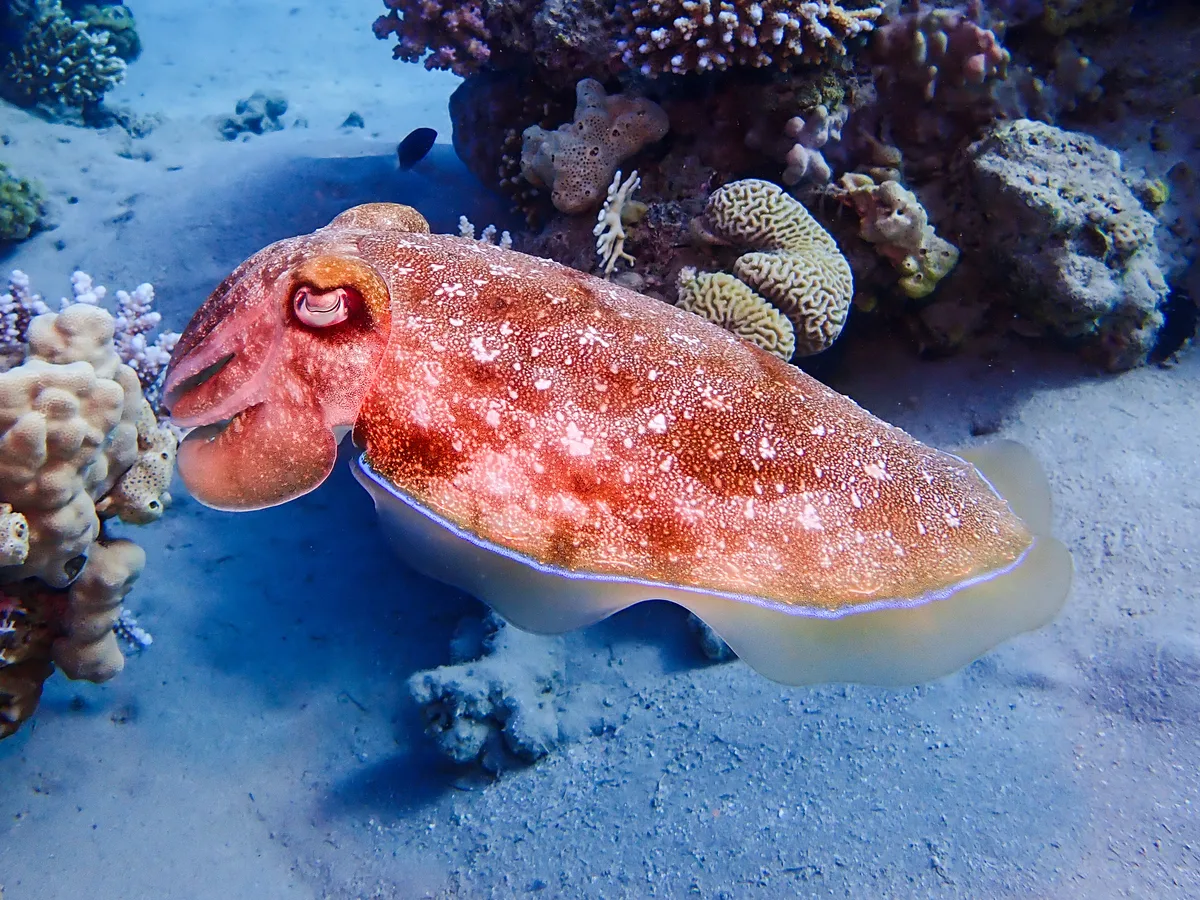
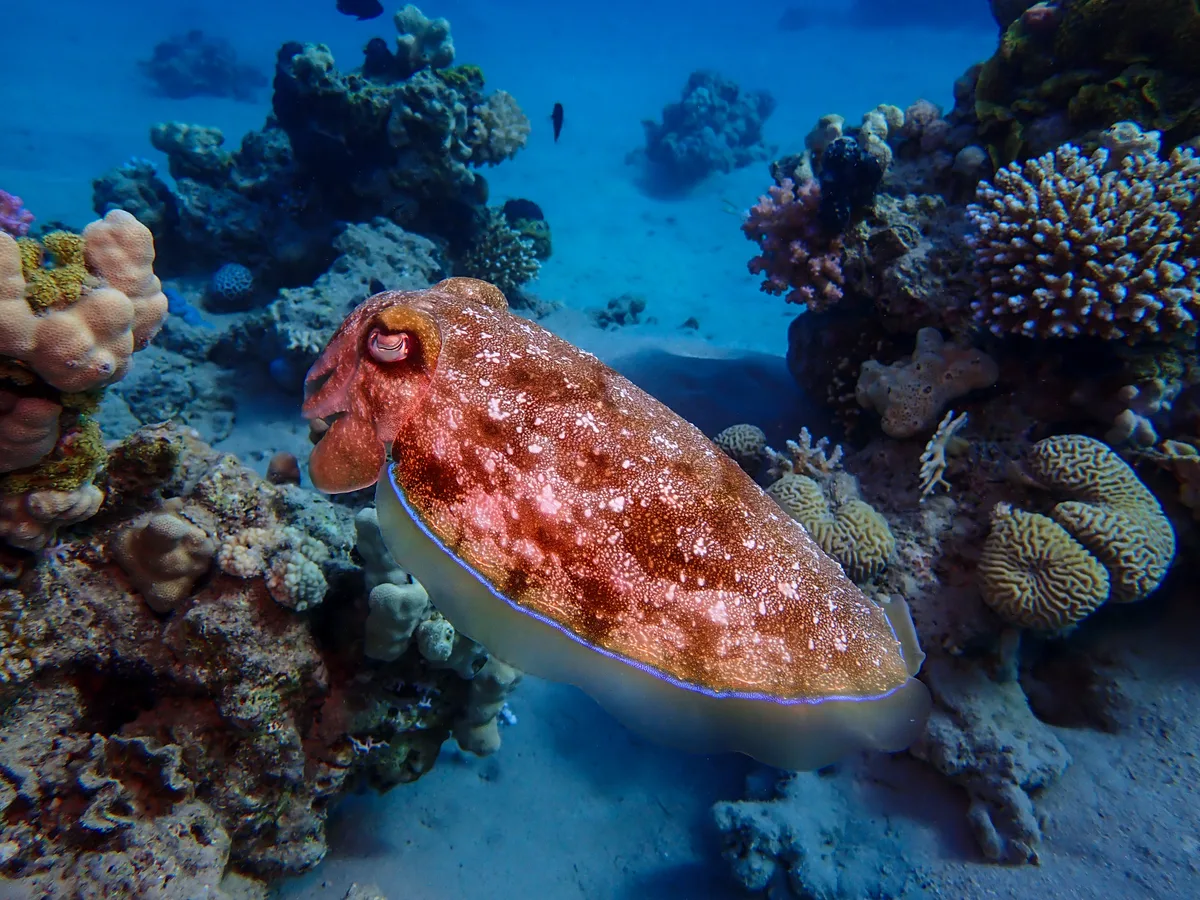
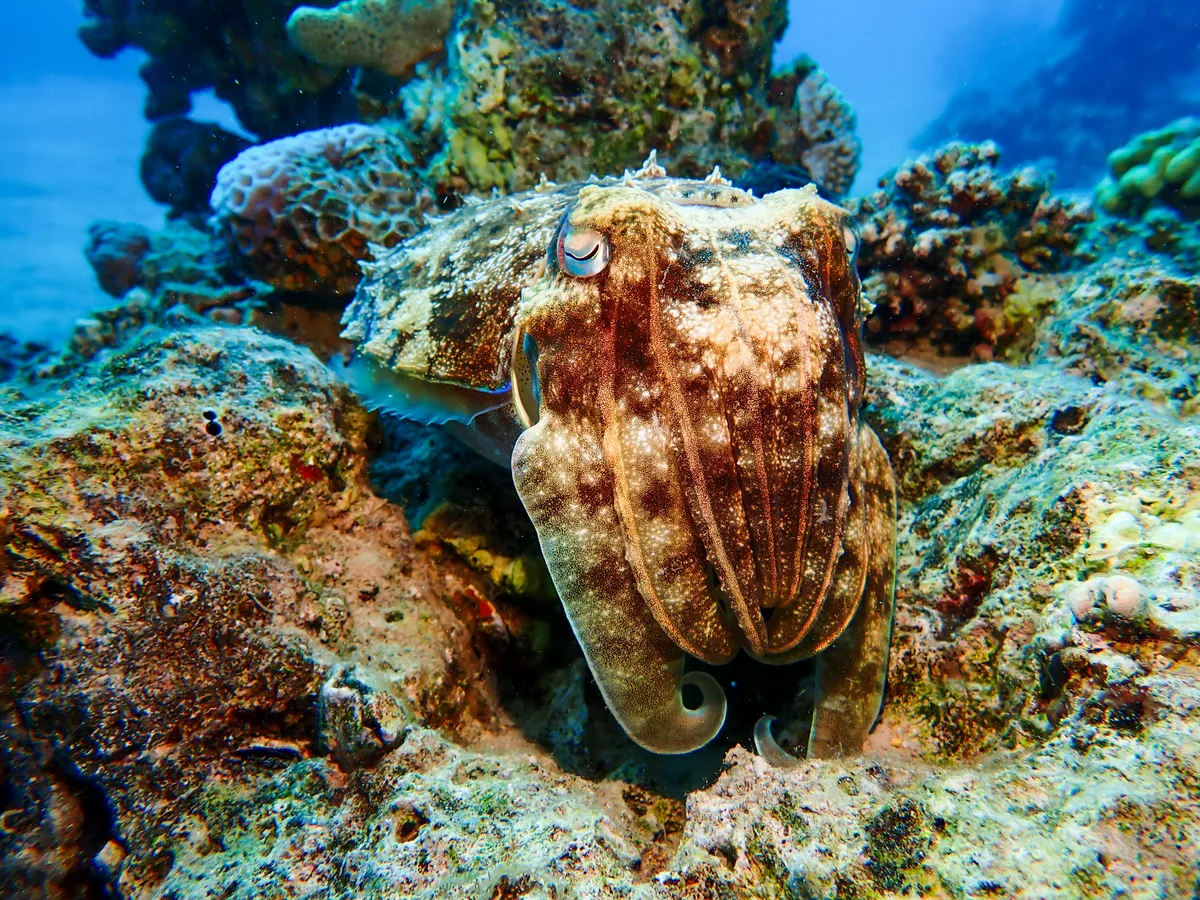
The Pharaoh Cuttlefish (Sepia pharaonis) is a fascinating marine creature commonly found in the warm, tropical waters of the 🌊 Red Sea. It is aptly named after ancient 🇪🇬 Egyptian pharaohs, reflecting its majestic size and striking appearance. Typically inhabiting depths from 1 to 130 meters (3.3 to 426 feet), the cuttlefish is often found up to 40 meters (131 feet) deep. Males grow up to 43 centimeters (17 inches) in mantle length, while females reach about 33 centimeters (13 inches). They can weigh up to 5 kilograms (11 pounds).

This species is important to both industrial and local fisheries, thriving particularly in the Gulf and the Andaman Sea. Owing to its economic value, it has been successfully cultivated and commercial breeding techniques are advancing. The Pharaoh Cuttlefish's range extends from the 🌊 Red Sea to 🇯🇵 Japan and 🇦🇺 Australia, as well as in the Mediterranean Sea.

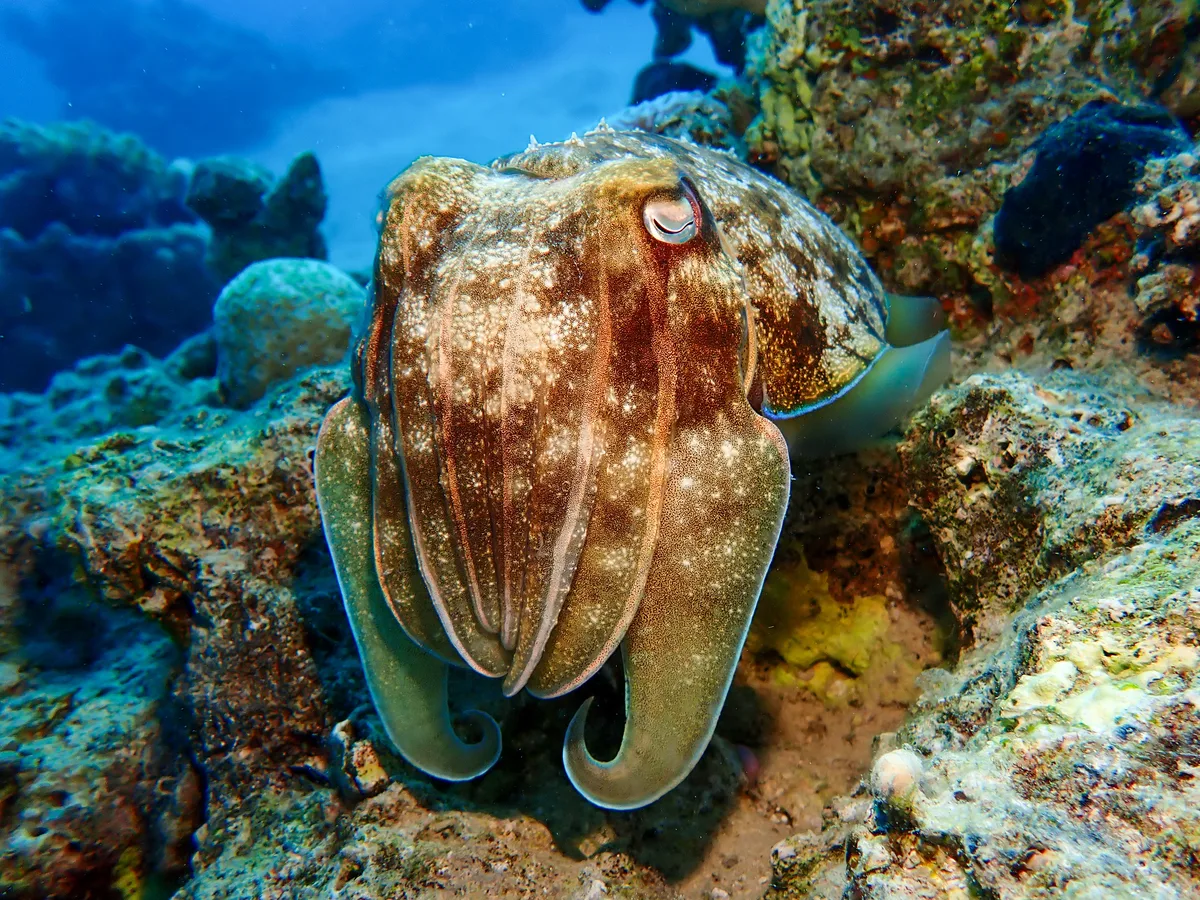
Characterized by its oval mantle and distinctive W-shaped pupils, the Pharaoh Cuttlefish can change its skin color and pattern almost instantaneously. This remarkable ability to camouflage serves both as a defense mechanism and a hunting strategy, allowing it to blend seamlessly with its surroundings. The cuttlebone, an internal shell unique to cuttlefish, provides buoyancy control, enabling the creature to effortlessly hover or move through the water.

In their natural habitat, Pharaoh Cuttlefish are active hunters, preying on crustaceans, small fish, and other molluscs. They often use their elongated tentacles to swiftly capture prey. Mating is an elaborate process, with males performing vibrant displays and dances to attract females. After mating, females lay eggs in hidden spots to ensure their safety during development.

The Pharaoh Cuttlefish is not only a subject of interest for those in the field of marine biology but also for divers, who are captivated by its behavior and striking beauty. Despite its size, it often appears quite indifferent to human presence, making encounters with it one of the highlights of underwater exploration in the vibrant and diverse ecosystem of the 🌊 Red Sea.

Why it's threatened

Biological resource use
Intentional use: (subsistence/small scale) [harvest] · Intentional use: (large scale) [harvest] · Unintentional effects: (subsistence/small scale) [harvest] · Unintentional effects: (large scale) [harvest]
Climate change & severe weather
Habitat shifting & alteration · Other impacts

Ocean acidification caused by increased levels of carbon dioxide in the atmosphere is potentially a threat to all cuttlefish. Studies have shown that under high pCO2 concentrations, cuttlefishes actually lay down a denser cuttlebone which is likely to negatively affect buoyancy regulation (Gutowska et al. 2010). This species potentially represents a species complex (Norman 2003, Reid et al. 2005). Its tasty flesh and abundance means its a commercially important fishery species throughout its geographic range (Reid et al. 2005). It is caught during the spawning season off Thailand and Iran with traps baited with eggs (Reid et al. 2005).

Threat classification from the IUCN Red List.
Comments

Please, sign in to leave a comment

Continue with a social account — yours will be created automatically.

No comments yet — be the first.

Last Update: June 28, 2026