Tree-spot Dascylus
Tree-spot Dascylus
Tree-spot Dascylus
Tree-spot Dascylus
Tree-spot Dascylus
Tree-spot Dascylus
Tree-spot Dascylus
Fishes · Bony fishes · Pomacentridae

Tree-spot Dascylus

Dascyllus trimaculatus (Rüppell, 1829)
syn. Dascyllus axillaris, Dascyllus niger, Dascyllus trimaculatum, Dascyllus unicolor, Pomacentrus nuchalis, Pomacentrus trimaculatus +1 more
13 cm1-55 mVulnerable
855

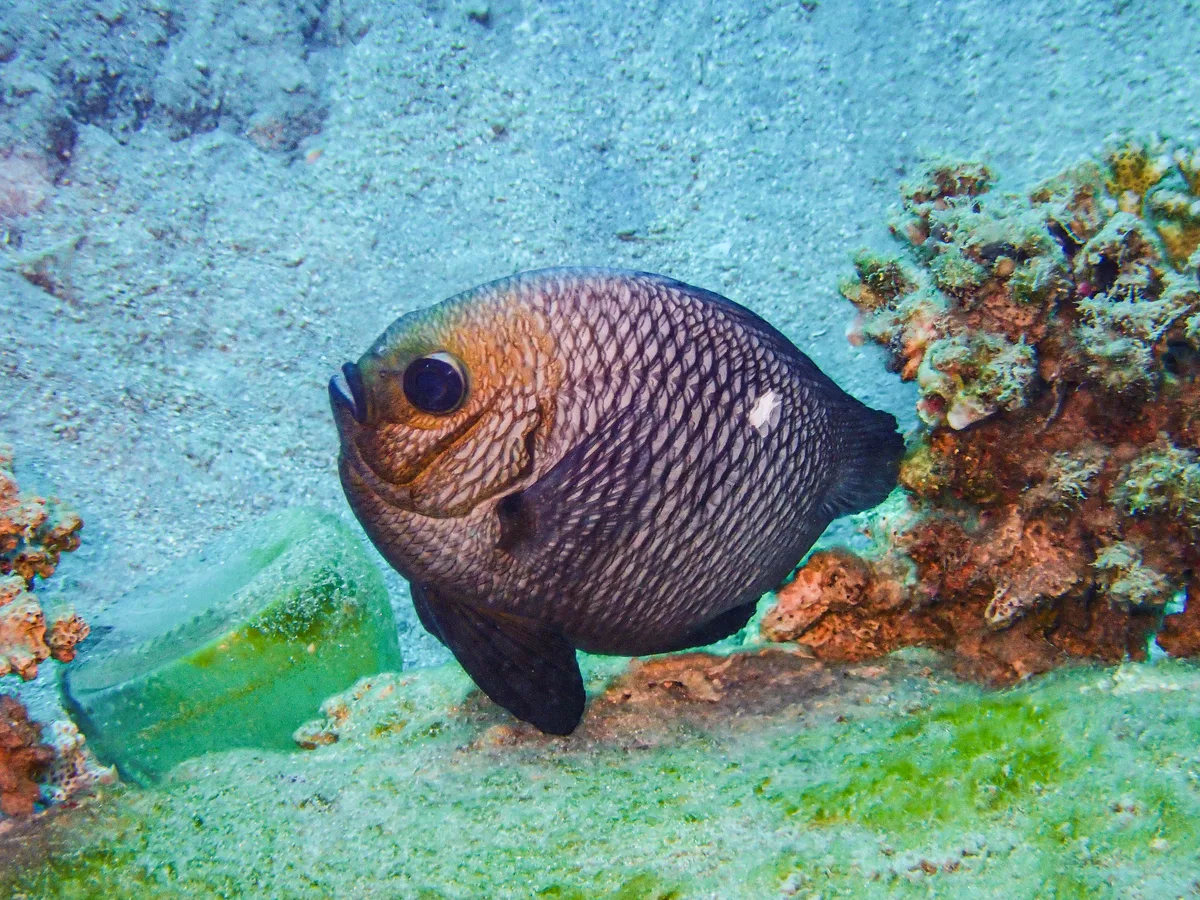
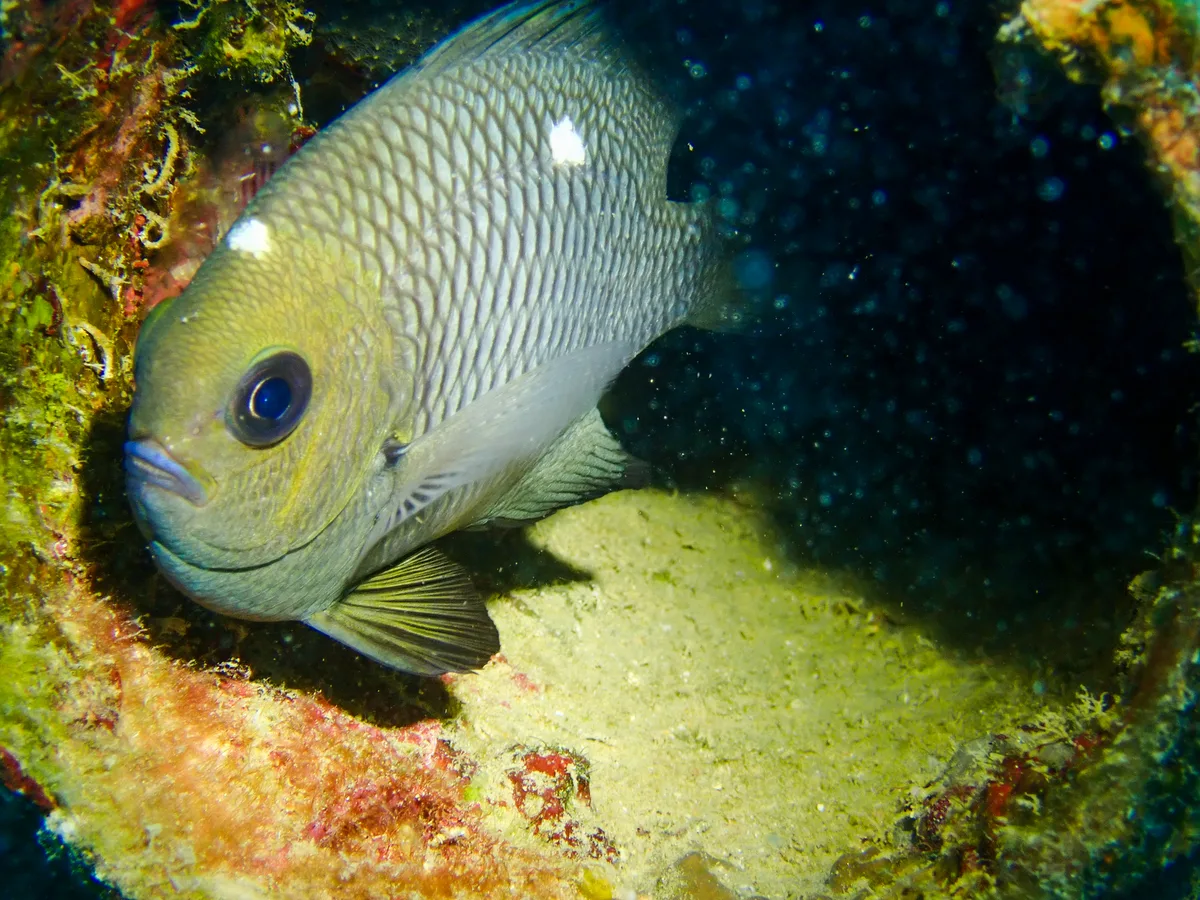
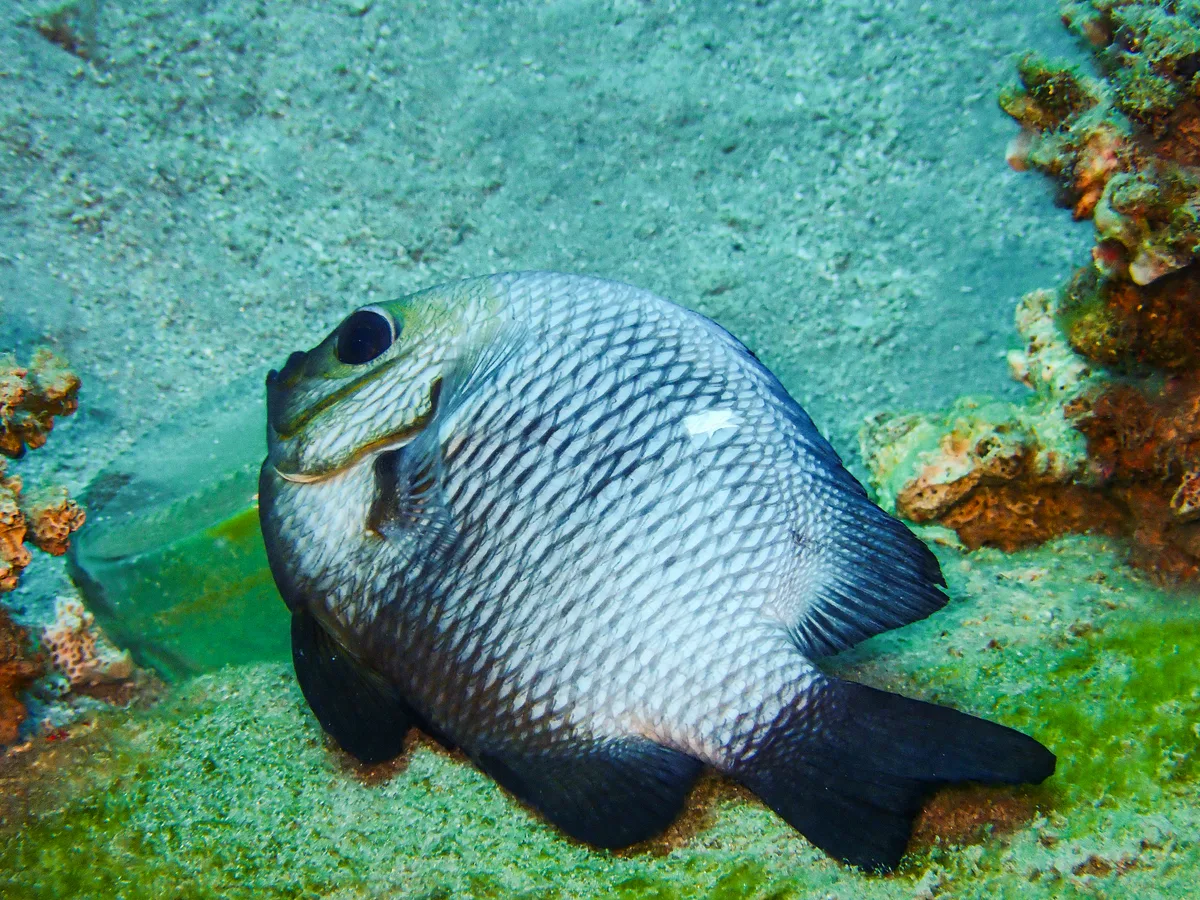
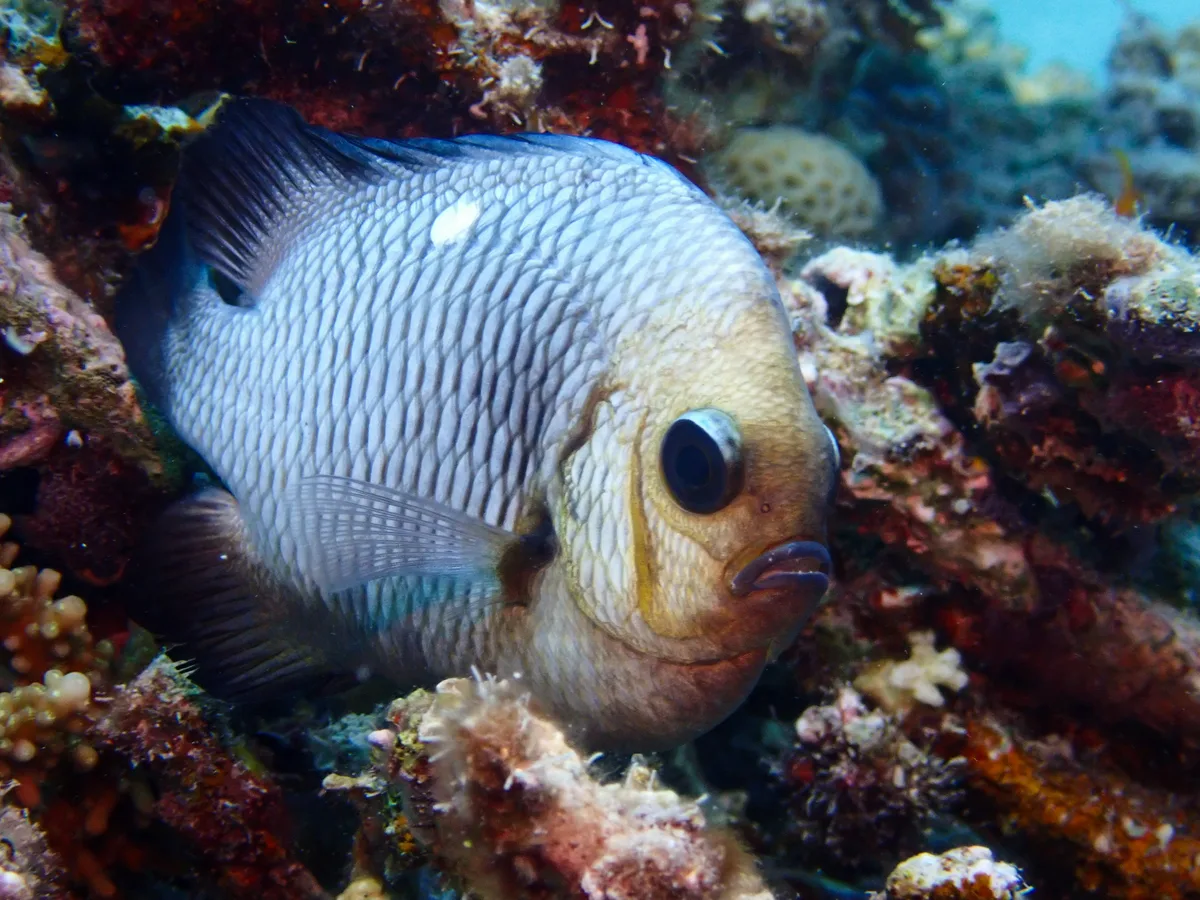
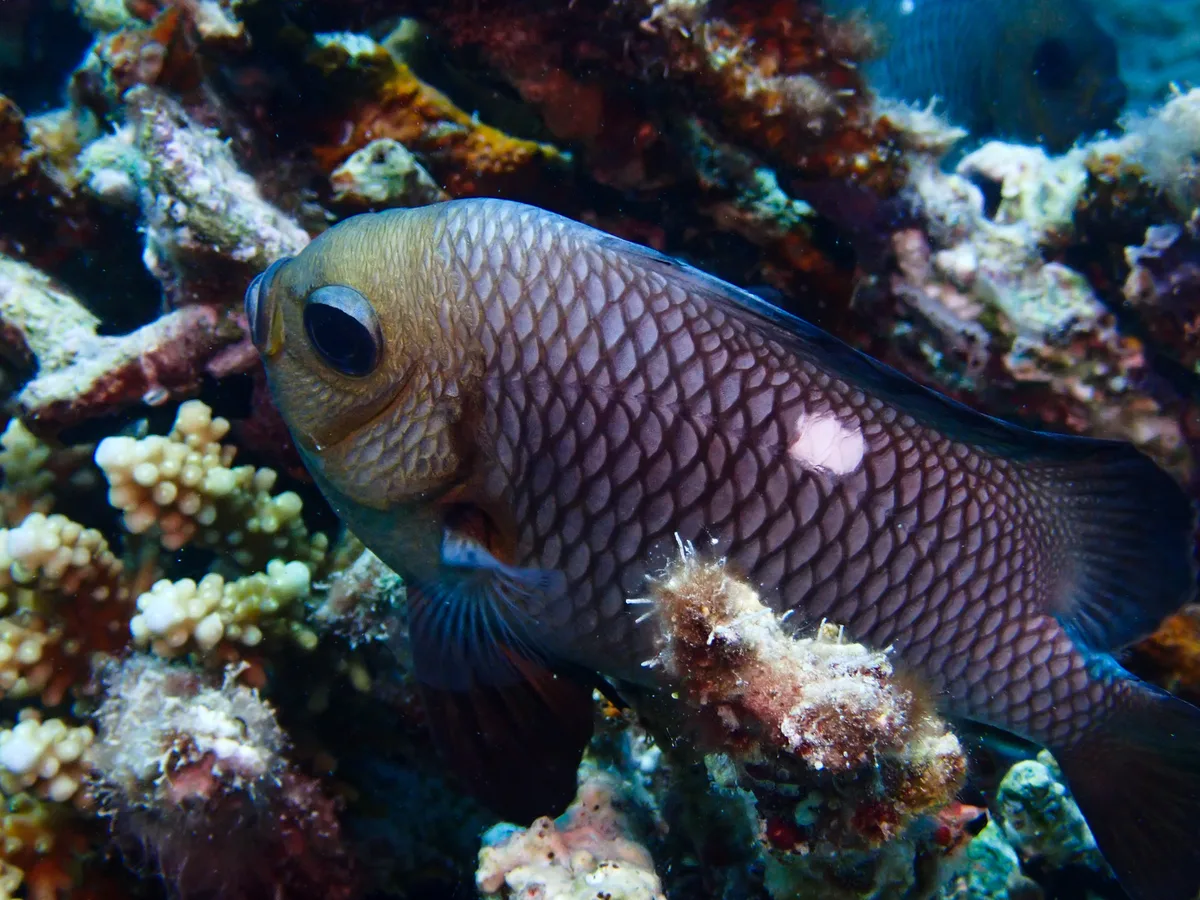
The threespot dascyllus (Dascyllus trimaculatus), also known as the domino damsel or domino, belongs to the Pomacentridae family. It is native to the Indo-Pacific region, spanning from the 🌊 Red Sea and East Africa to the Pitcairn Islands, southern 🇯🇵 Japan, and 🇦🇺 Australia. It can also be found in certain areas of the 🇵🇭 Philippines.

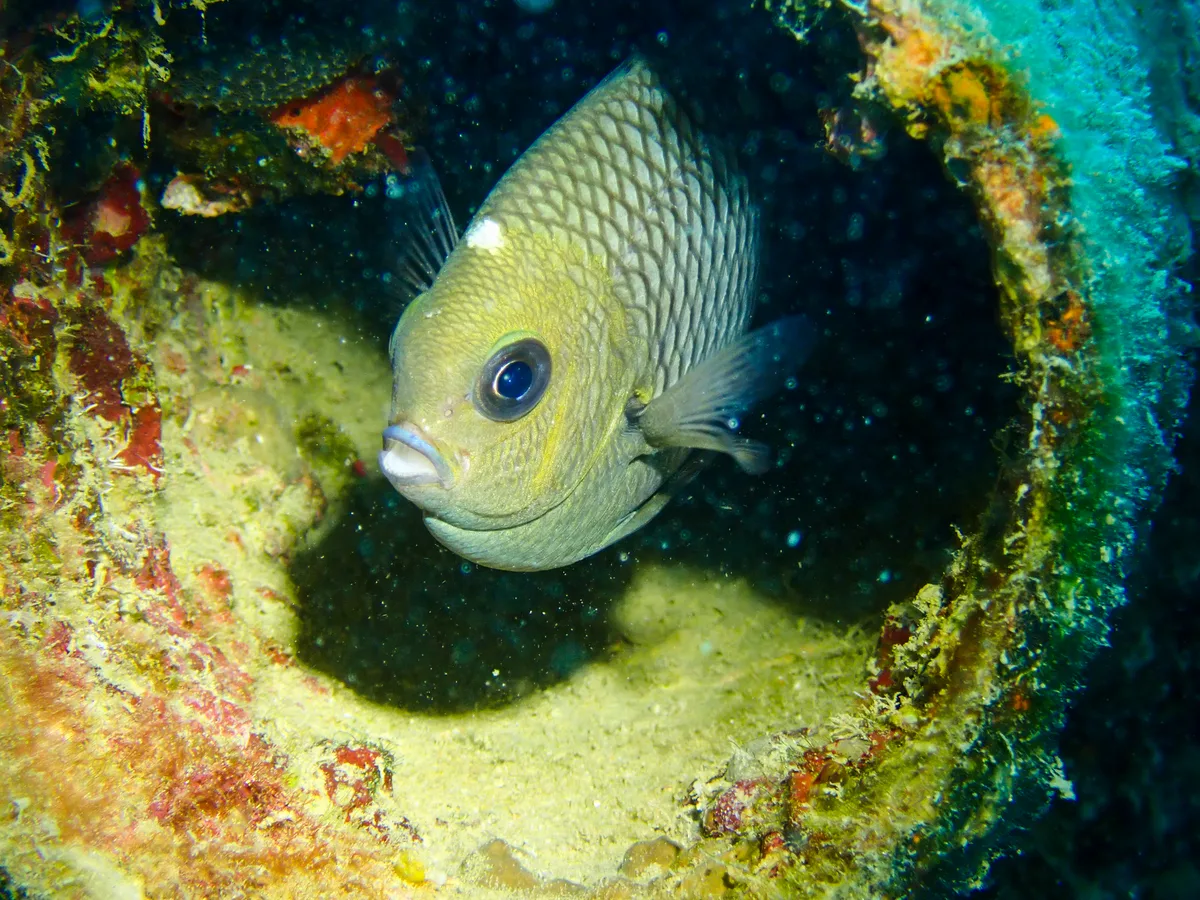
This species typically has a grey to black body with two lateral white spots and one spot between the eyes, resembling the pattern on a domino, hence its name. Growing to a maximum length of 13 cm, the coloration of the threespot dascyllus may vary, with the forehead spot occasionally absent and the lateral spots reduced in size. Its diet consists of algae, copepods, and other planktonic crustaceans.

In general, adult threespot dascyllus individuals form small groups around coral heads or large rocks. Juveniles, on the other hand, may be found near large sea anemones or seeking shelter within the spines of diadema sea urchins or branching corals. It is possible to locate this species at depths of up to 55 meters.

The term "trimaculatus" originates from the Latin words "tri" (meaning three) and "maculatus" (meaning spotted), describing the fish's three white spots. This characteristic also explains its common name, "domino."

Why it's threatened

Residential & commercial development
Housing & urban areas · Commercial & industrial areas · Tourism & recreation areas
Human intrusions & disturbance
Work & other activities
Climate change & severe weather
Temperature extremes
Other
Other threat

In the Persian Gulf, substantial sea bottom dredging, resulting in changes of water flow and sedimentation rates, for industrial, infrastructure-based, and residential and tourism development along the coast have caused deterioration in most benthic habitats (Sheppard et al. 2010). Coral assemblages in the Persian Gulf, are estimated (likely overestimated) to have a total area of occupancy of 700 km². Al-Ghadban and Price (2002) determined that by the early 1990s, 40% of most of the Persian Gulf states' coasts had been developed in some way. It is not known whether or not D. trimaculatus is directly affected by coastal development, but due to the large-scale of coastal development throughout the Persian Gulf and given the habitat preferences of the species, it is likely that it is impacted negatively in some parts of the region. As a result of increasing sea surface temperatures, coral bleaching events have also increased in frequency over the past few decades (Burt et al. 2014), degrading coral assemblages in the Persian Gulf, especially those found nearshore in the southern Persian Gulf. This is likely to also have a negative impact on this species.

Threat classification from the IUCN Red List.

Comments

Please, sign in to leave a comment

Continue with a social account — yours will be created automatically.

No comments yet — be the first.

Last Update: June 28, 2026