Clear water is not the good water. It is the empty water.
Visibility on a coral reef is high because there is almost nothing suspended in it: the famous clarity of this sea is a symptom of very low nutrient levels, and the reef survives in it by recycling everything internally and by the partnership between corals and their algae. Move into a sheltered inner bay where the water is green and murky, and what is blocking the light is plankton and organic material, which is food.
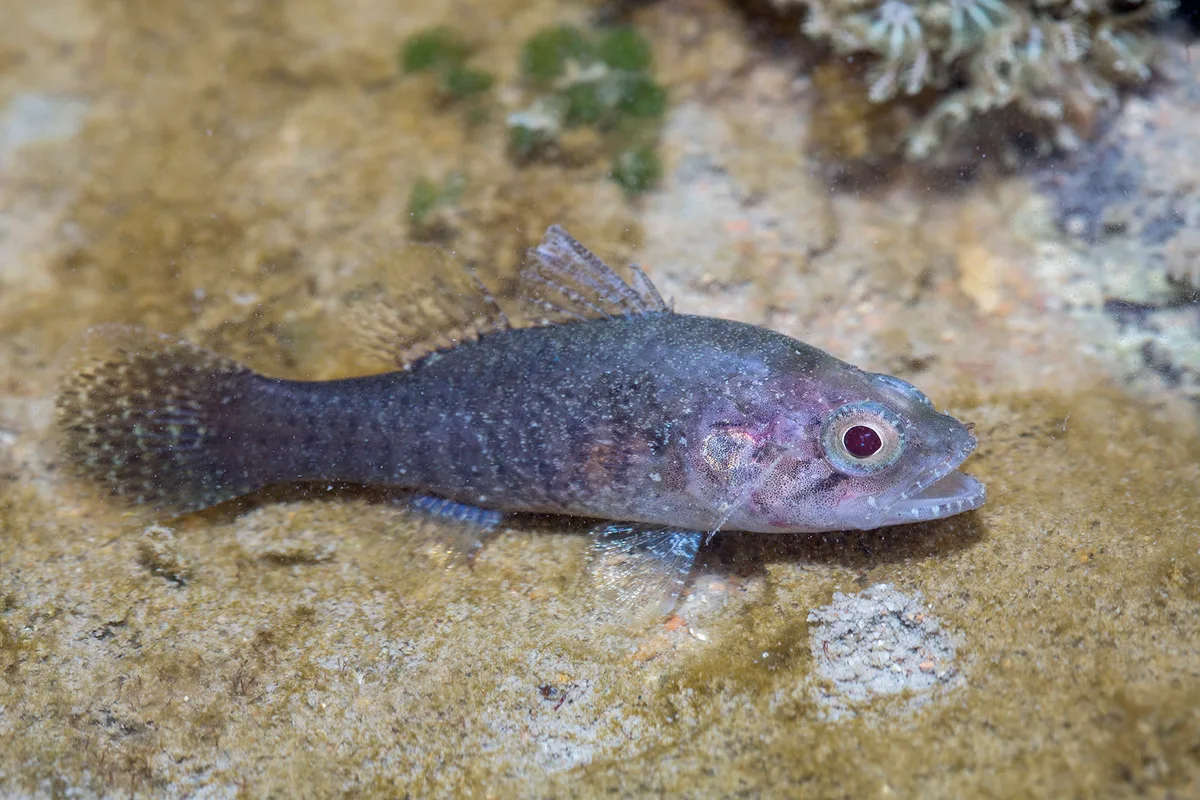
So the turbid shallows have more to eat and fewer competitors, at the cost of unstable temperature, unstable salinity, silt, and low oxygen at midday. Some animals take that trade, and this cardinalfish is one of them: it lives in inner bays and shallow lagoons over dead reef, rubble and seagrass, in exactly the water most divers would call disappointing.
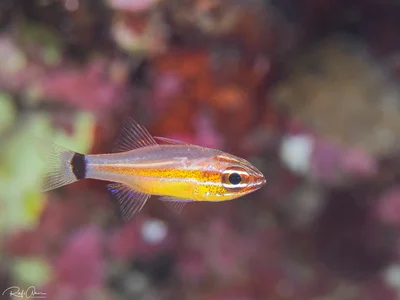
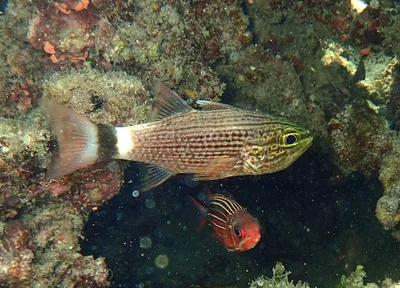
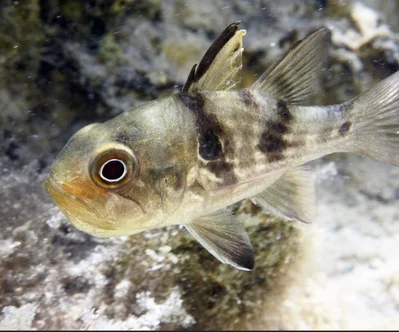
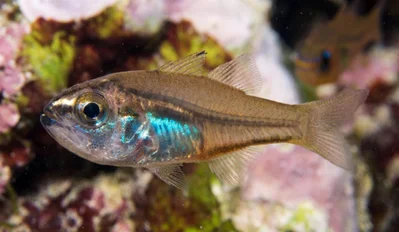
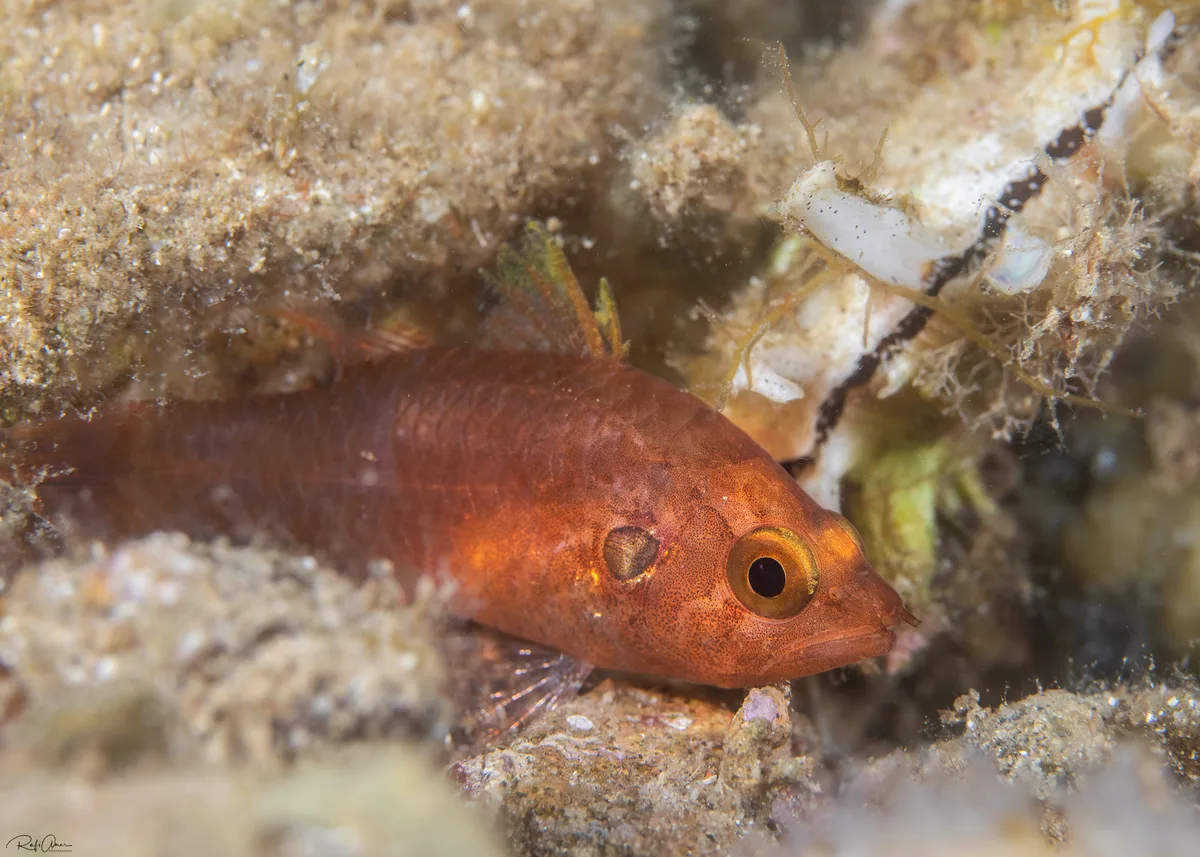
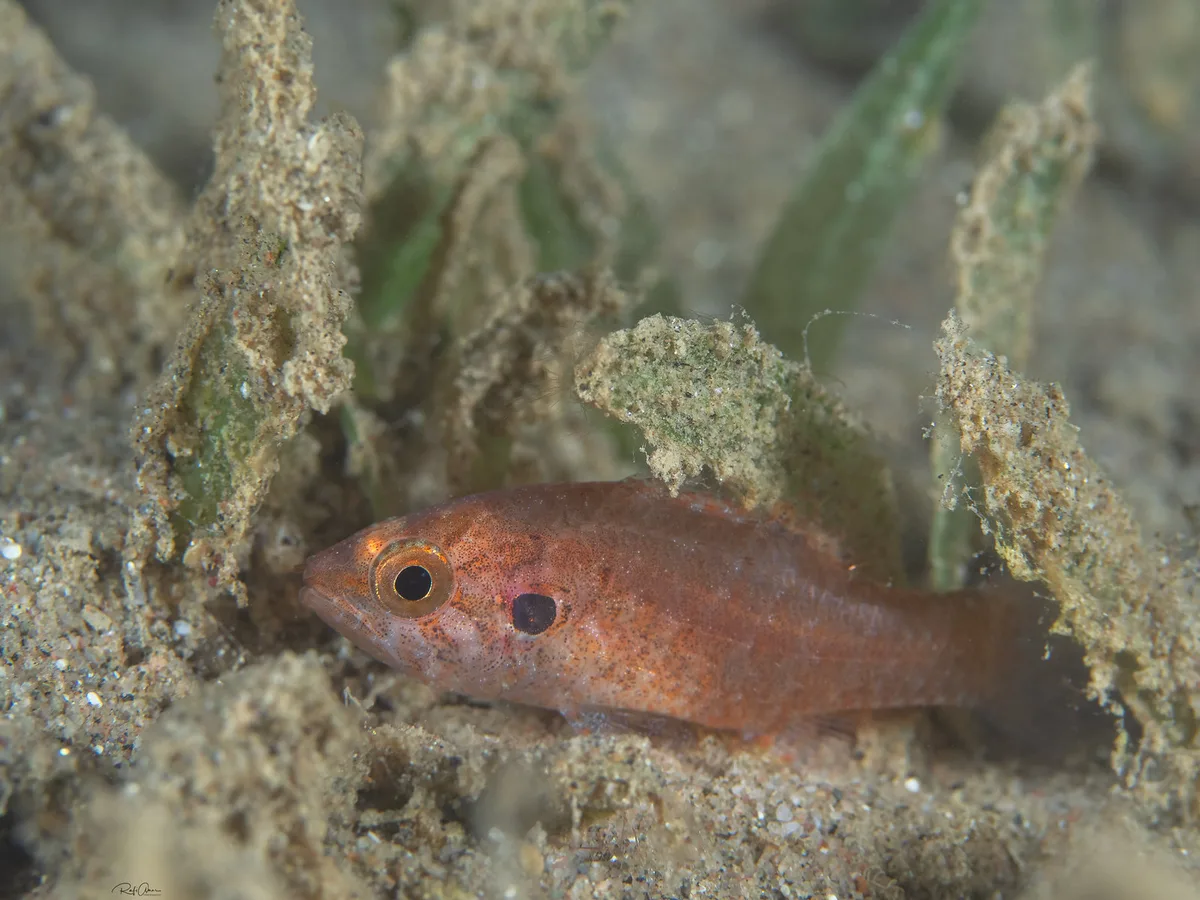
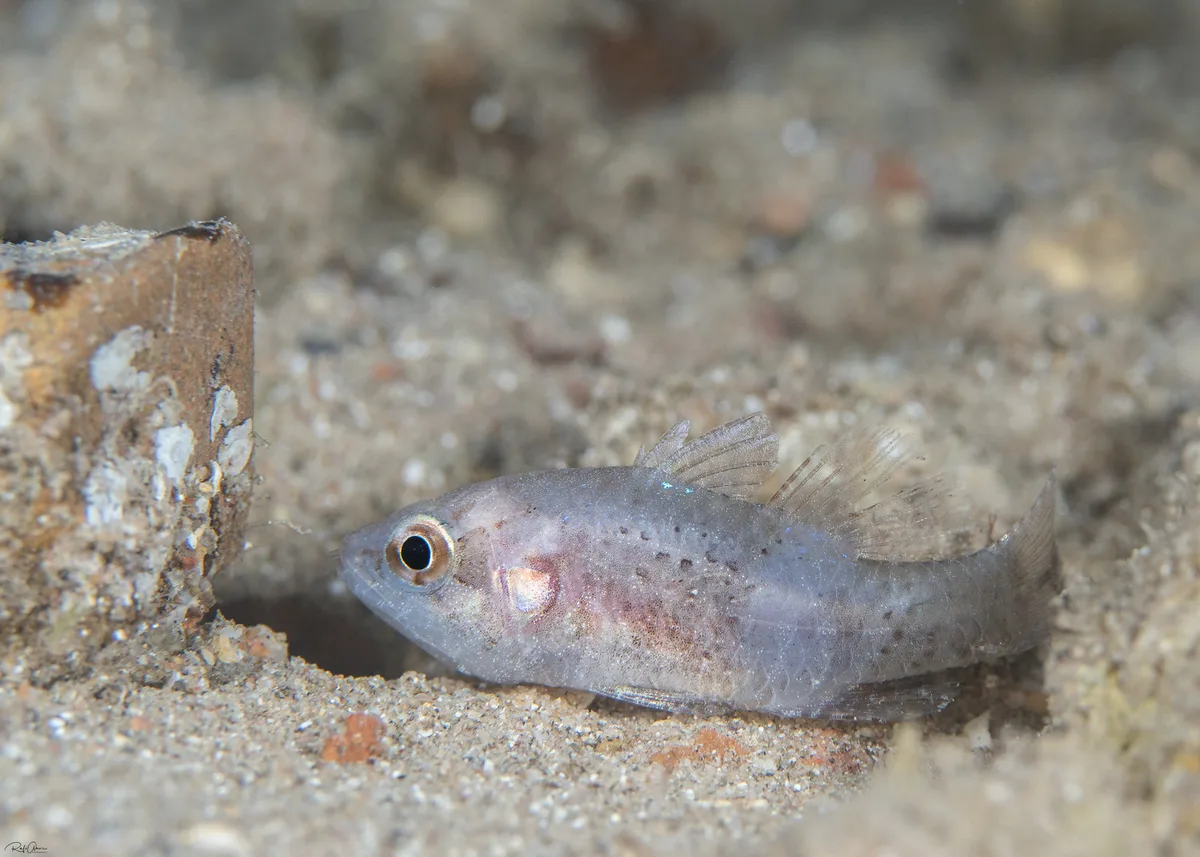
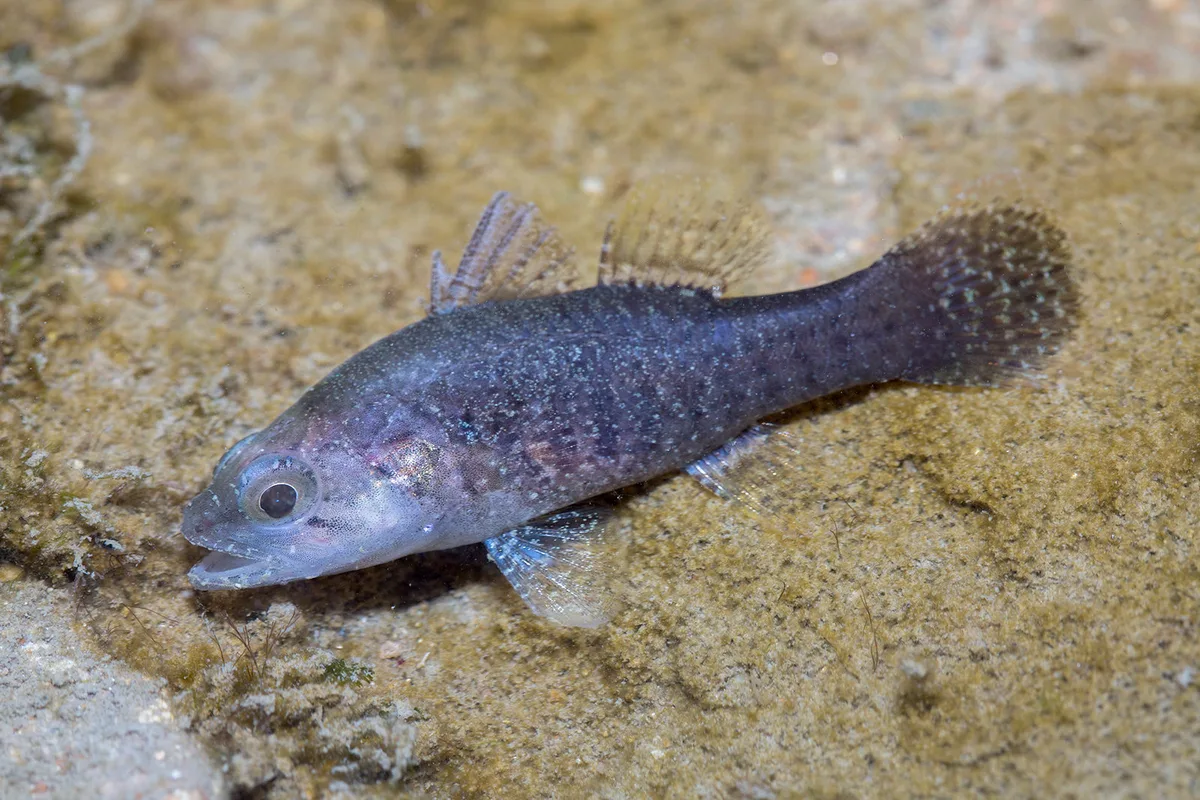
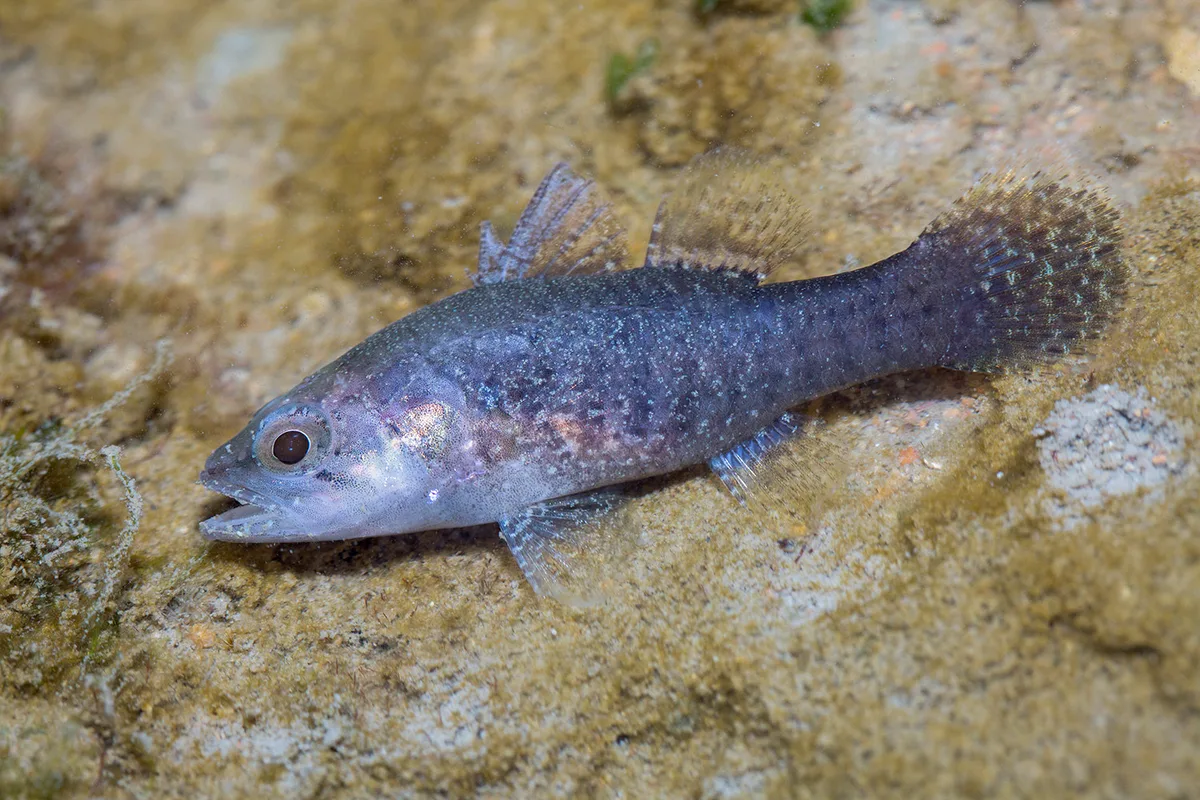
It is a brown, finely peppered fish with the family's false eye on the gill cover, out at night for small crustaceans, and it is common in a habitat nobody photographs.
- brown body finely peppered with darker speckles
- ocellus on the gill cover
- in murky sheltered water rather than on clear reef
- up to 8 cm