National Dolphin Day
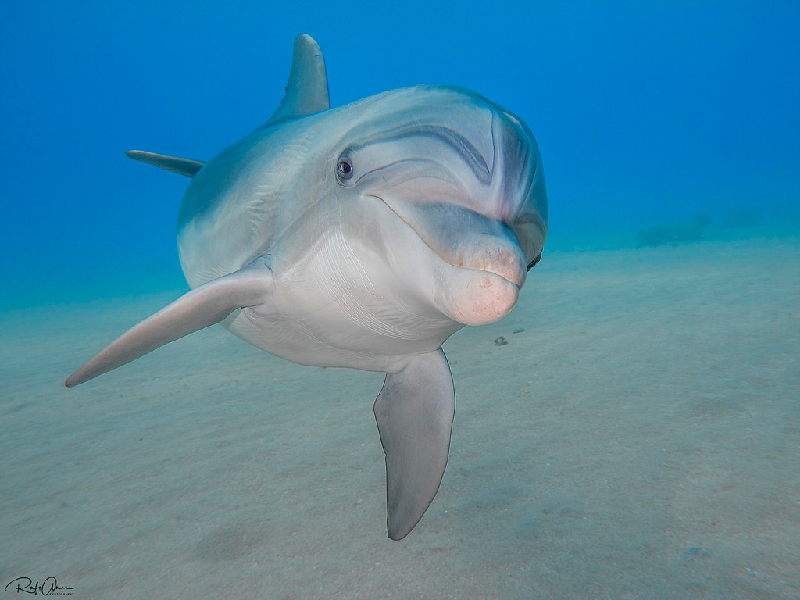
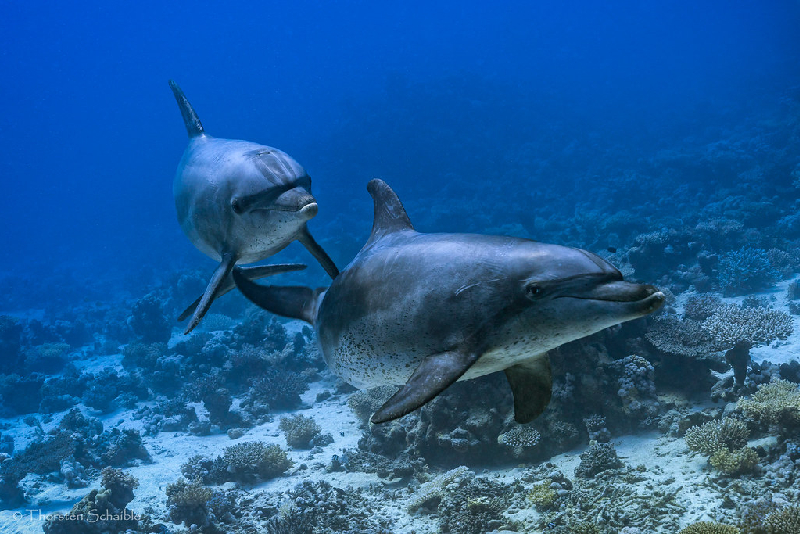
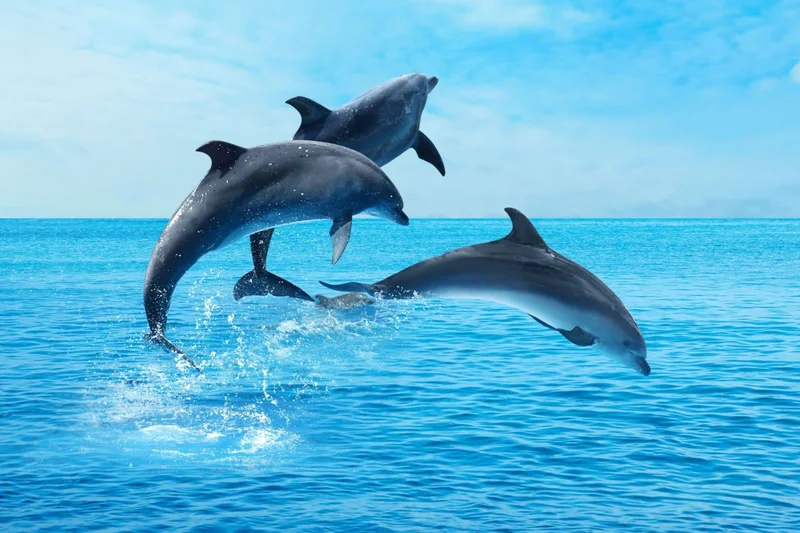
National Dolphin Day, celebrated annually on April 14, is a global observance dedicated to honoring one of the ocean's most intelligent and charismatic mammals. This special day brings together marine enthusiasts, conservation advocates, and ocean lovers to celebrate dolphins, raise awareness about the challenges they face, and inspire action to protect these remarkable creatures and their marine habitats. Dolphins warm our hearts with their playful nature and seemingly joyful demeanor, and these energetic cetaceans provide far more than just entertainment - they play a crucial role in maintaining the health and balance of our ocean ecosystems.
About Dolphins
Dolphins are highly intelligent, social mammals belonging to the cetacean family, closely related to whales and porpoises. With over 40 different species found worldwide, dolphins display remarkable diversity in size, coloration, and behavior - ranging from just 4 feet to over 30 feet in length. What makes dolphins truly extraordinary is their sophisticated intelligence and complex social structures. They form communities called pods that can include up to a thousand individuals, and their young remain with their mothers for as long as eight years. Dolphins possess an incredible biological advantage: built-in sonar that allows them to use echolocation to navigate, communicate, and hunt. They even call each other by individualized names, demonstrating a level of social sophistication that rivals many land mammals and provides scientists with valuable insights into understanding our own human behavior and communication.
Why National Dolphin Day Matters
National Dolphin Day serves a vital conservation purpose in our increasingly threatened marine world. Dolphins face mounting pressures from habitat degradation, pollution, overfishing, climate change, vessel strikes, and fishing net entanglement, with thousands of bottlenose dolphins accidentally drowning in fishing equipment each year. By celebrating this day, we raise critical awareness about these challenges and the urgent need to protect both dolphins and the ocean ecosystems they depend upon. The observance also highlights how dolphins serve as indicators of ocean health - their well-being directly reflects the state of marine environments, making their protection essential for understanding and preserving our planet's biodiversity.
How to Participate
There are meaningful ways to honor and support dolphins on April 14: Learn about dolphins by exploring the diversity of dolphin species, their behaviors, and their role in marine ecosystems. Watch documentaries to deepen your understanding of these intelligent creatures. Share knowledge on social media using #NationalDolphinDay to educate others about dolphins and ocean conservation. Adopt a dolphin through reputable wildlife organizations like the WWF, which supports critical conservation projects and helps fishing fleets transition to sustainable practices - many adoption programs provide fact packs, certificates, and regular updates on your adopted dolphin. Support conservation efforts by donating to marine organizations, reducing ocean plastic consumption, and advocating for sustainable fishing practices that protect dolphins and their habitats.
History and Legacy
Dolphins have captured human imagination for millennia, appearing in ancient Mediterranean myths as protectors and guides for sailors, symbolizing luck and good fortune. In modern times, the beloved character Flipper introduced dolphins to popular culture in the 1960s, sparking worldwide fascination with these marine mammals. One remarkable ambassador was Nellie, born in captivity in 1953, who became the world's oldest dolphin and Jacksonville University's mascot, inspiring generations to appreciate dolphins' intelligence through educational programs and performances at Marineland in Florida. National Dolphin Day now stands as a platform for continuing this legacy of appreciation while emphasizing the urgent conservation message that these incredible creatures need our protection to ensure their survival for future generations.
Keep the atlas free
Red Sea Creatures is an independent, ad-light field atlas. A small tip keeps it growing.