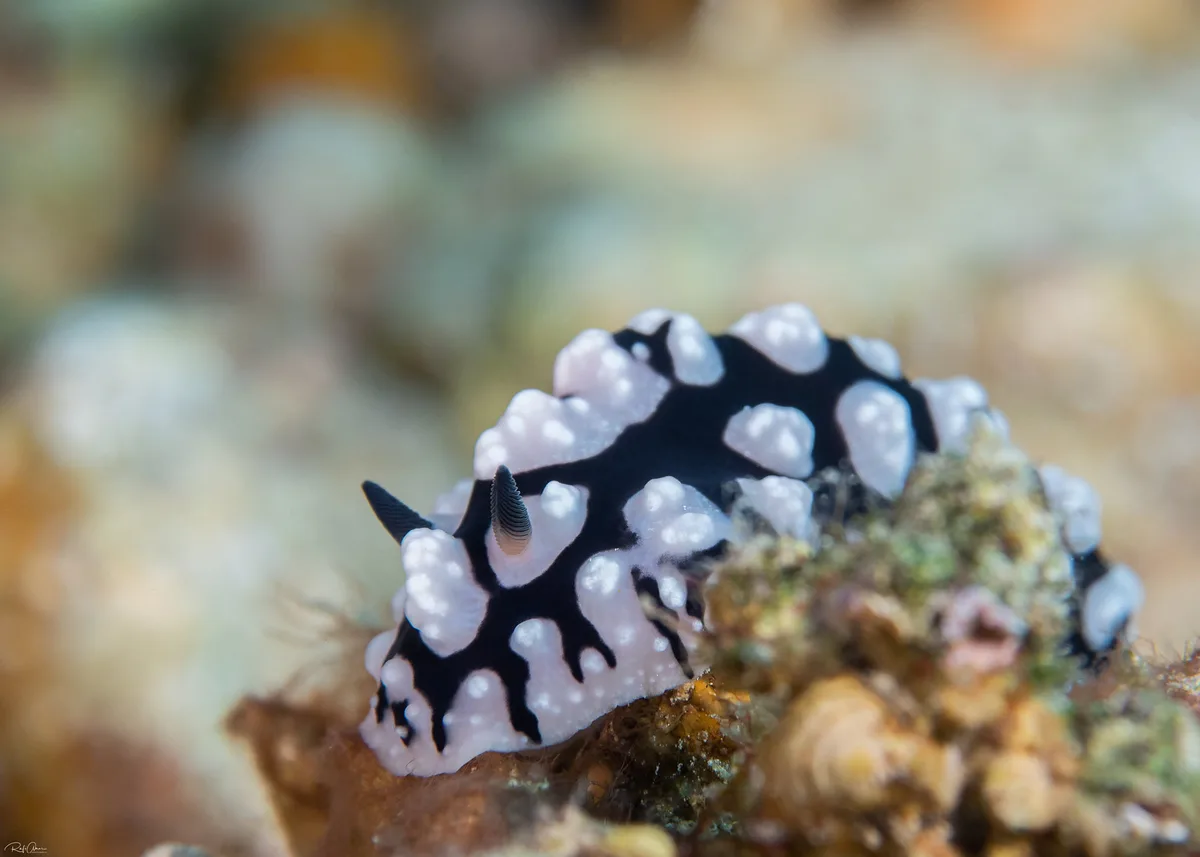
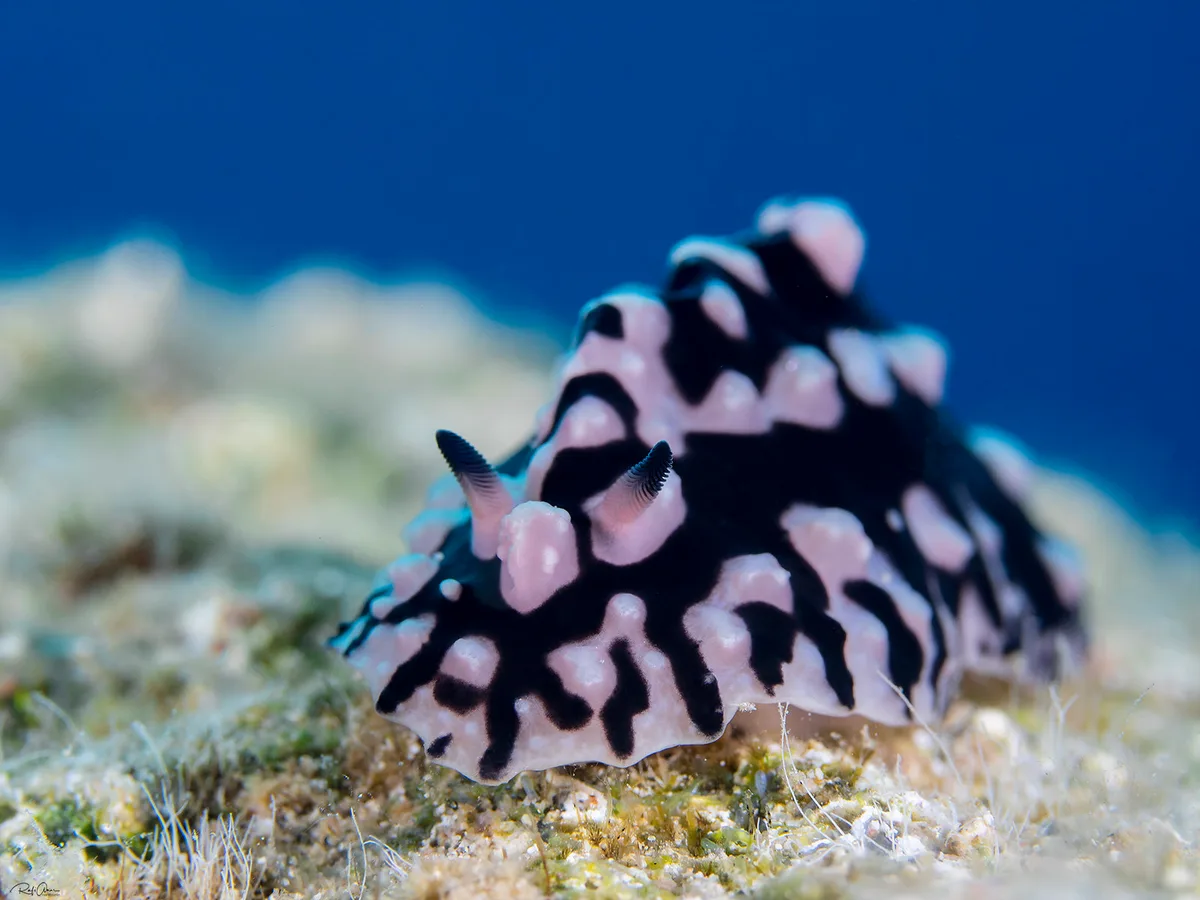
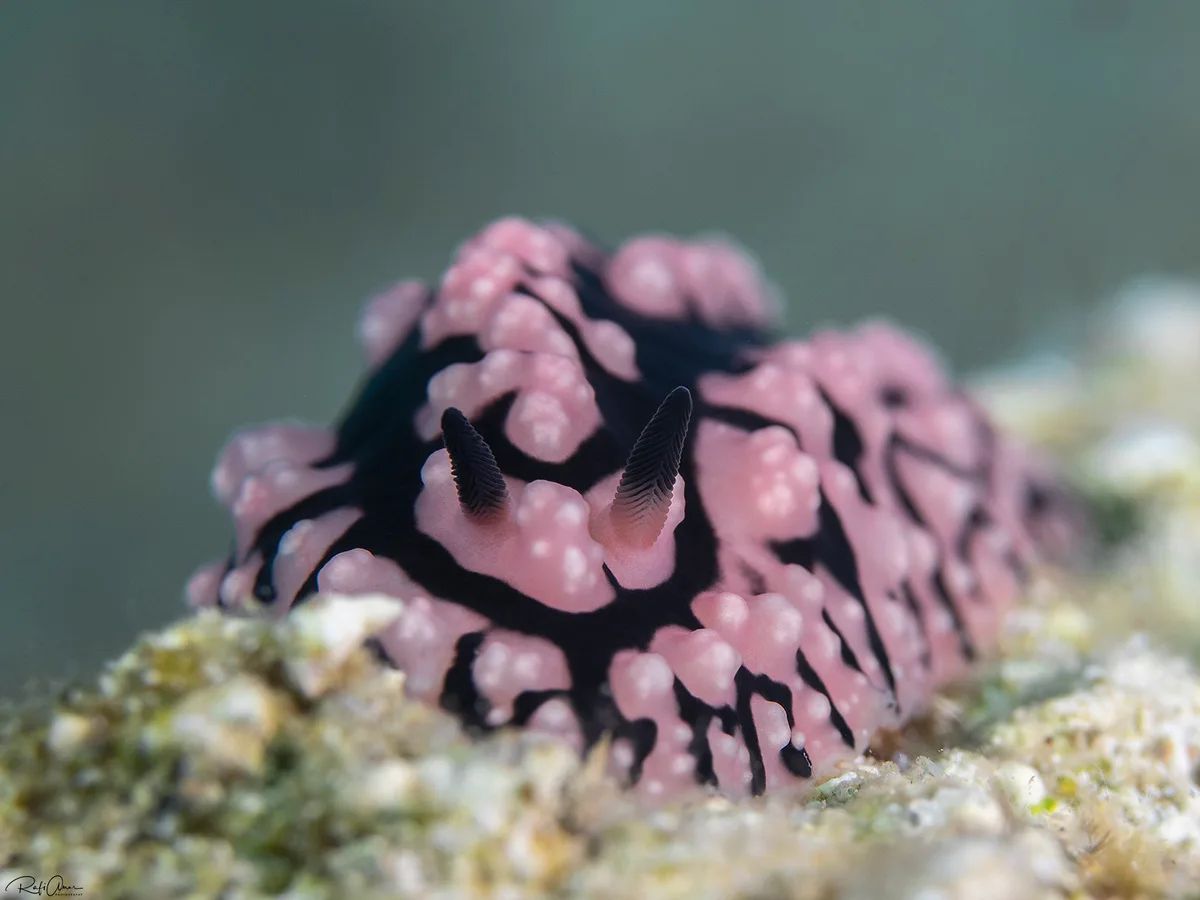
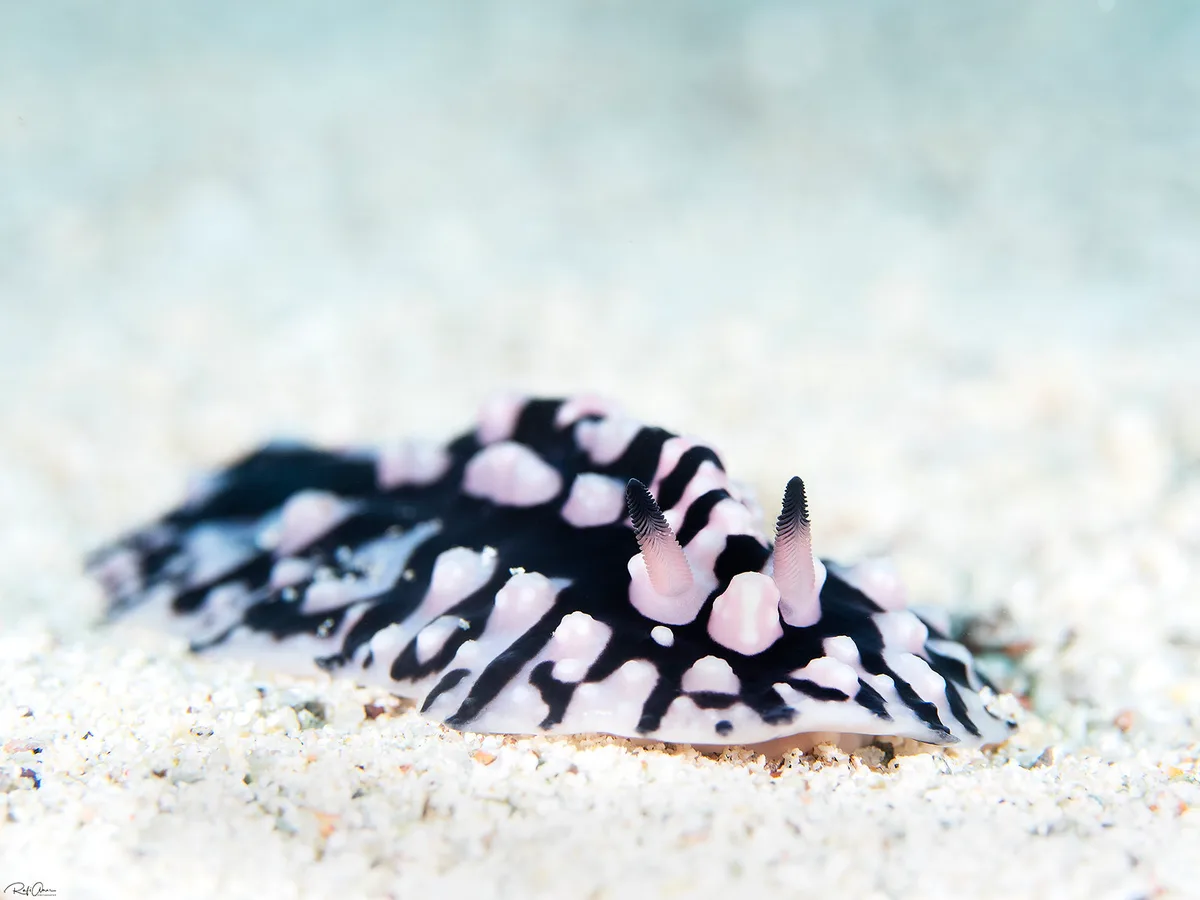
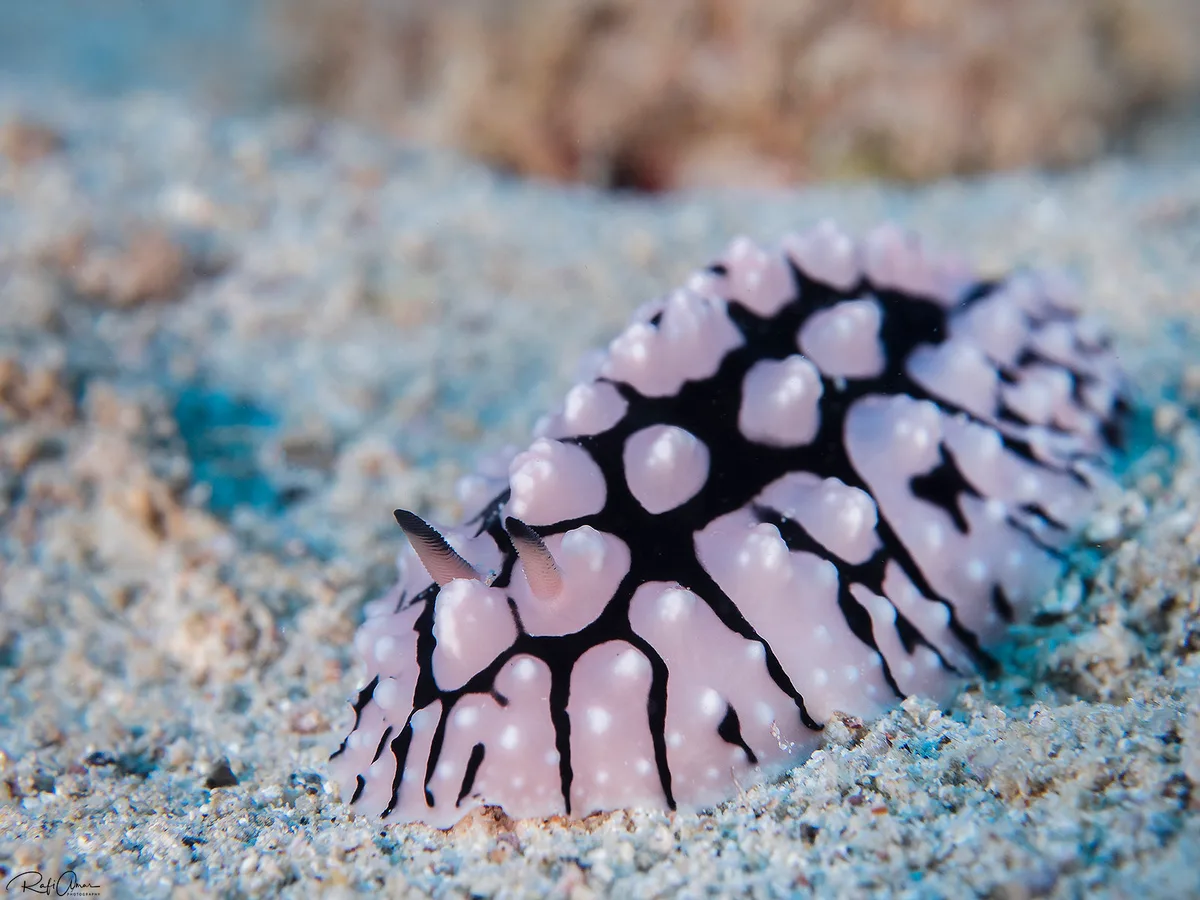
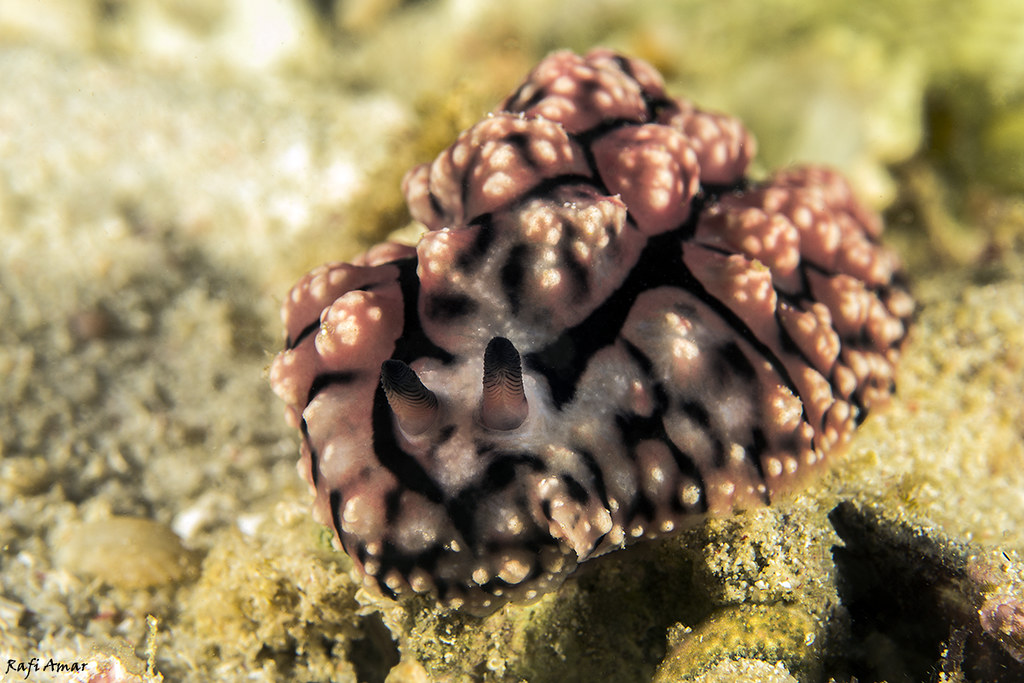
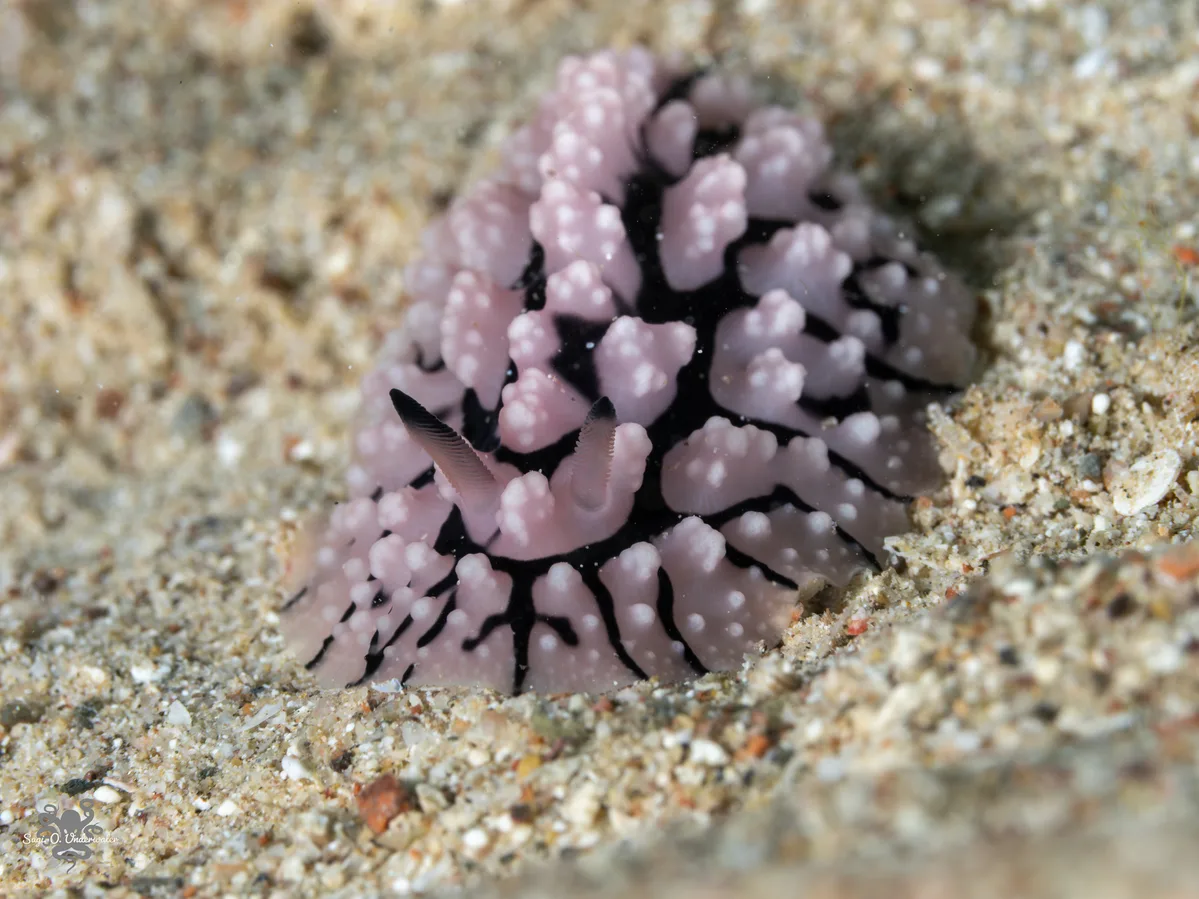
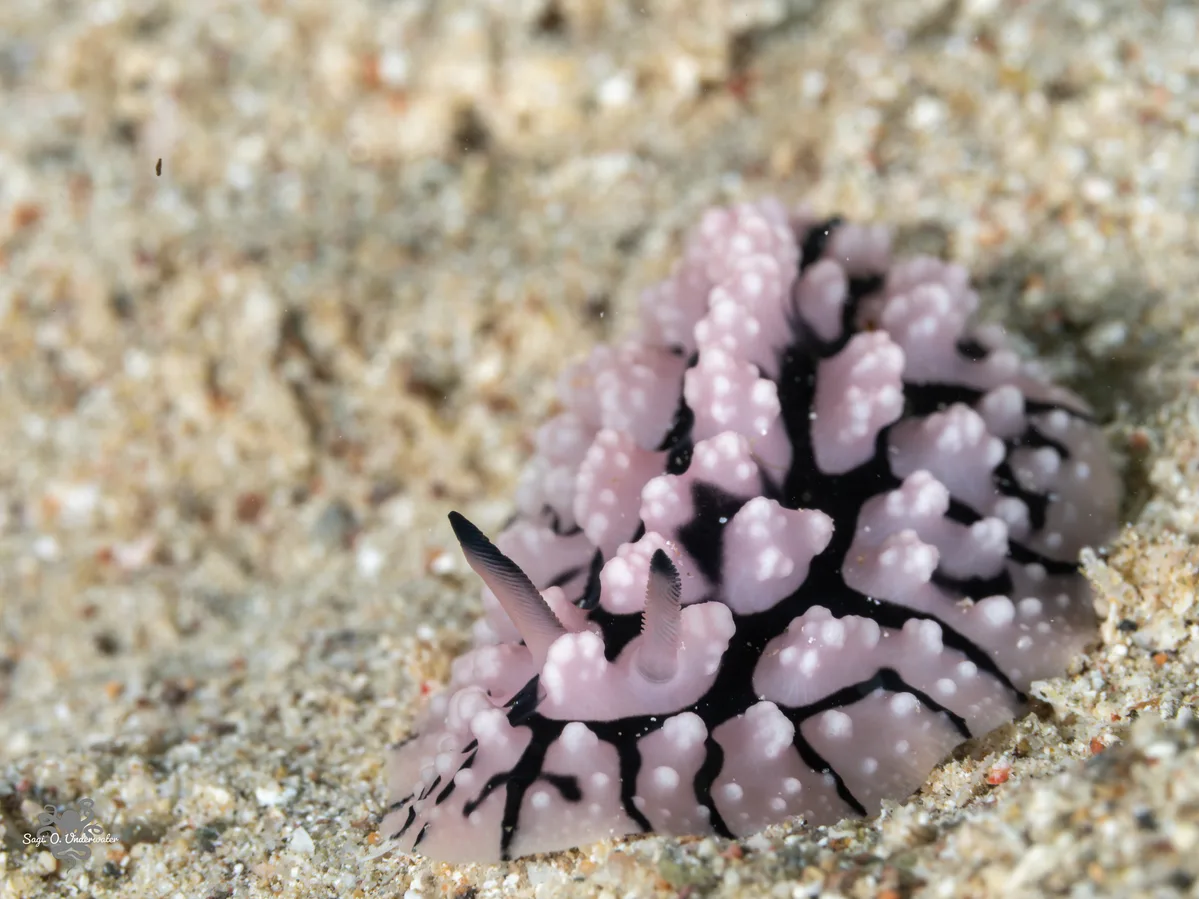
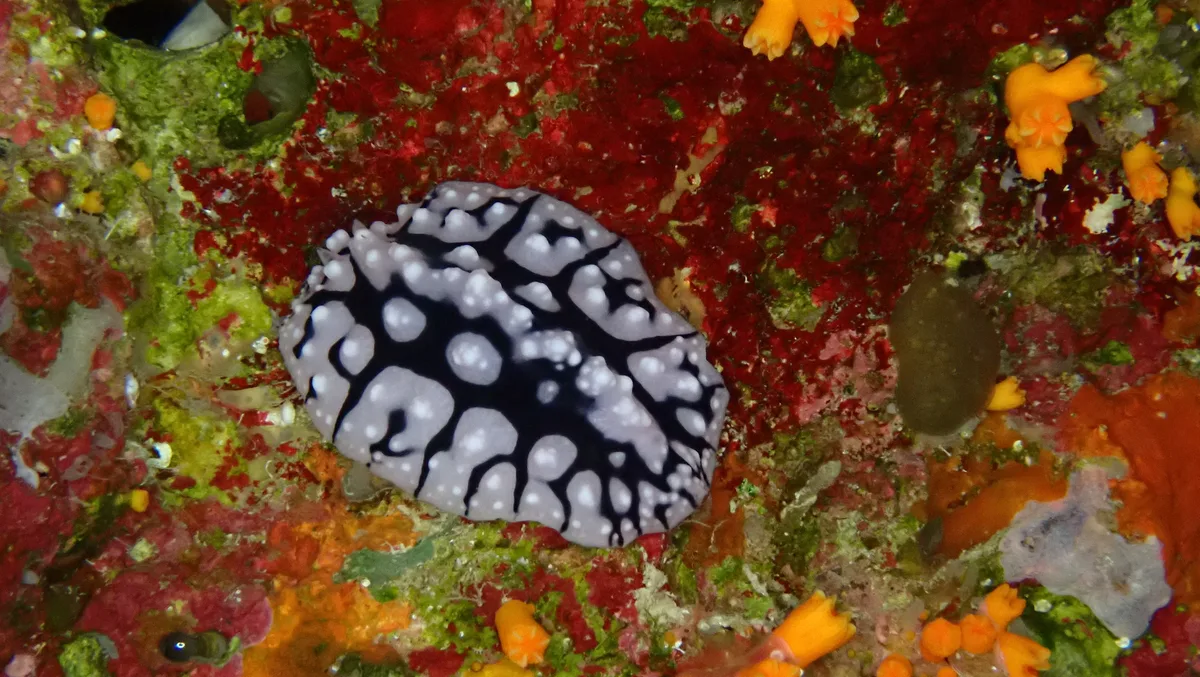
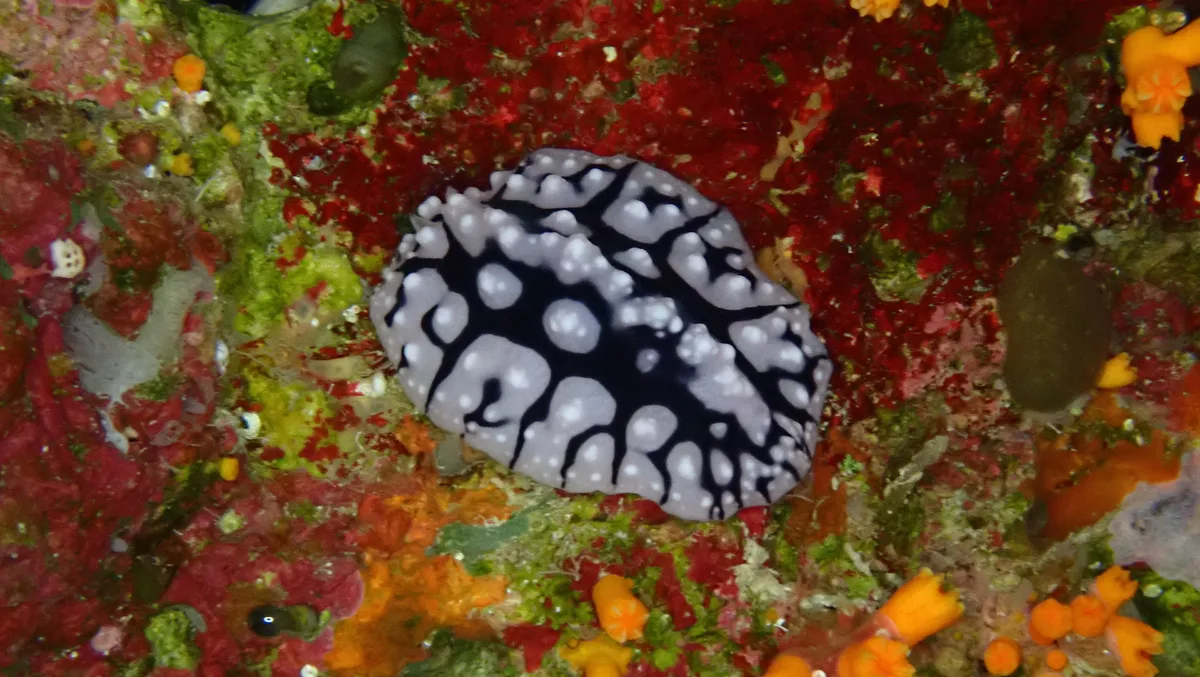
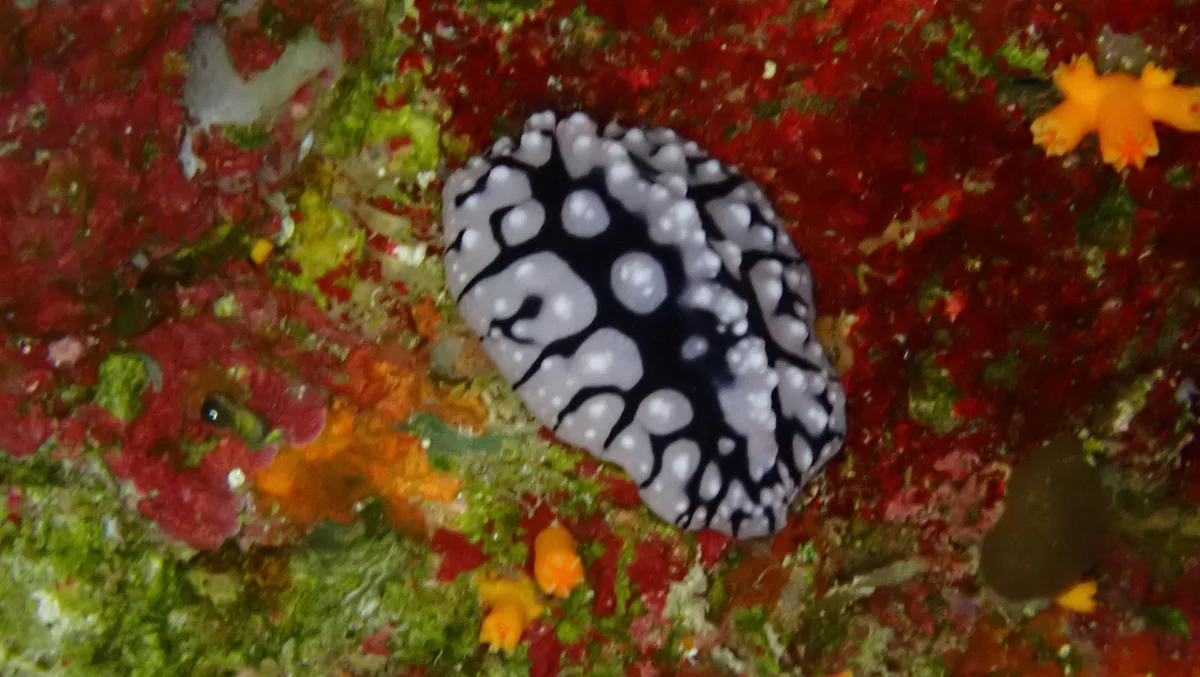
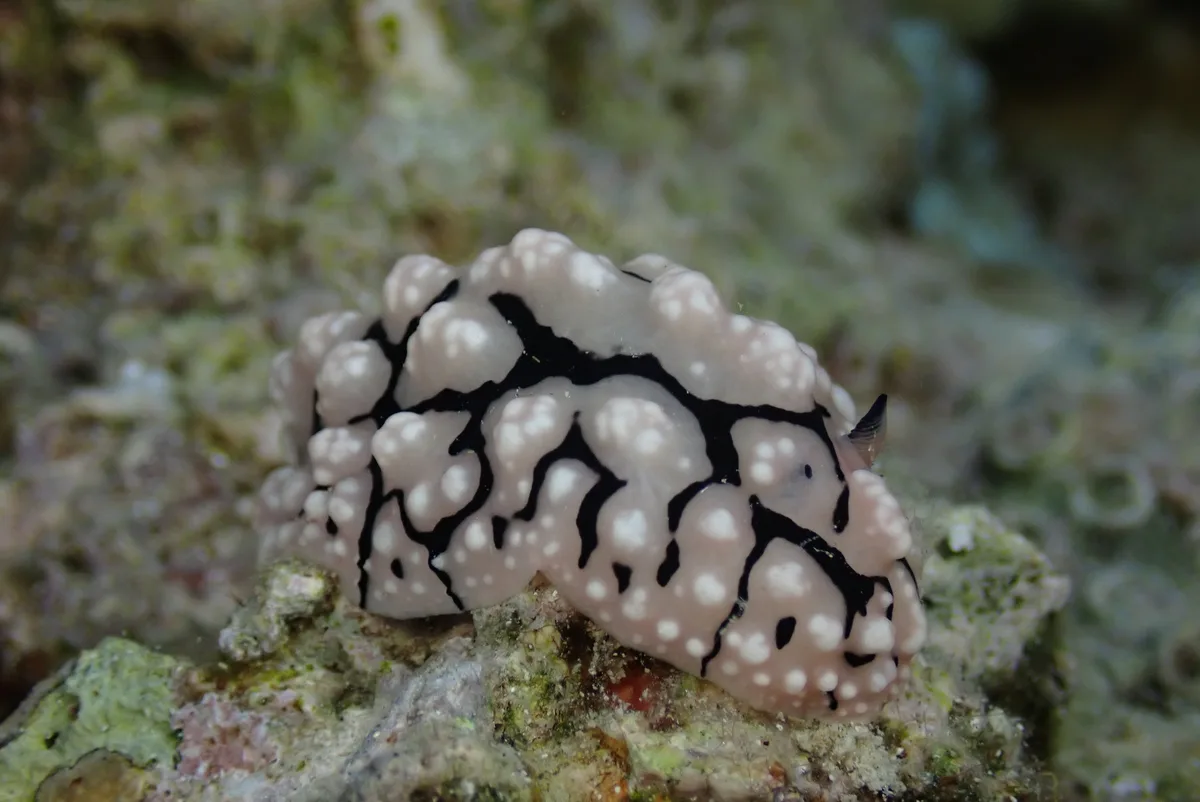
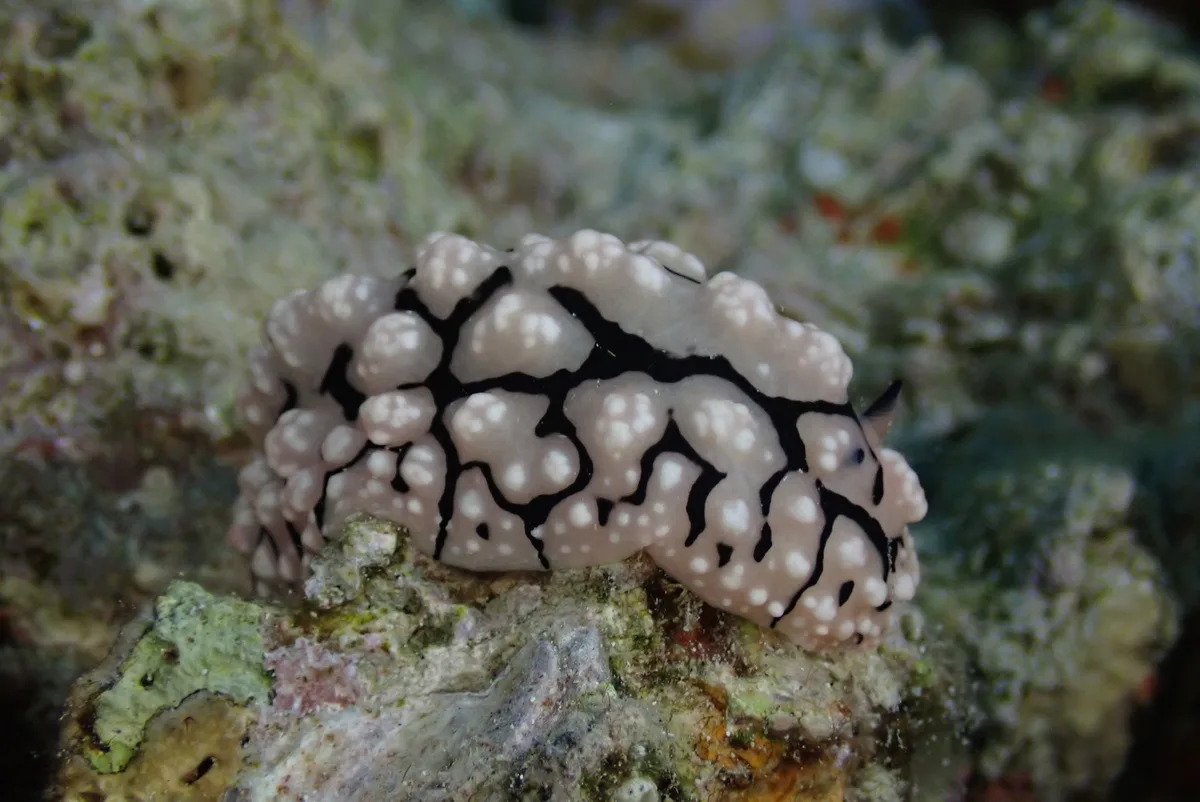
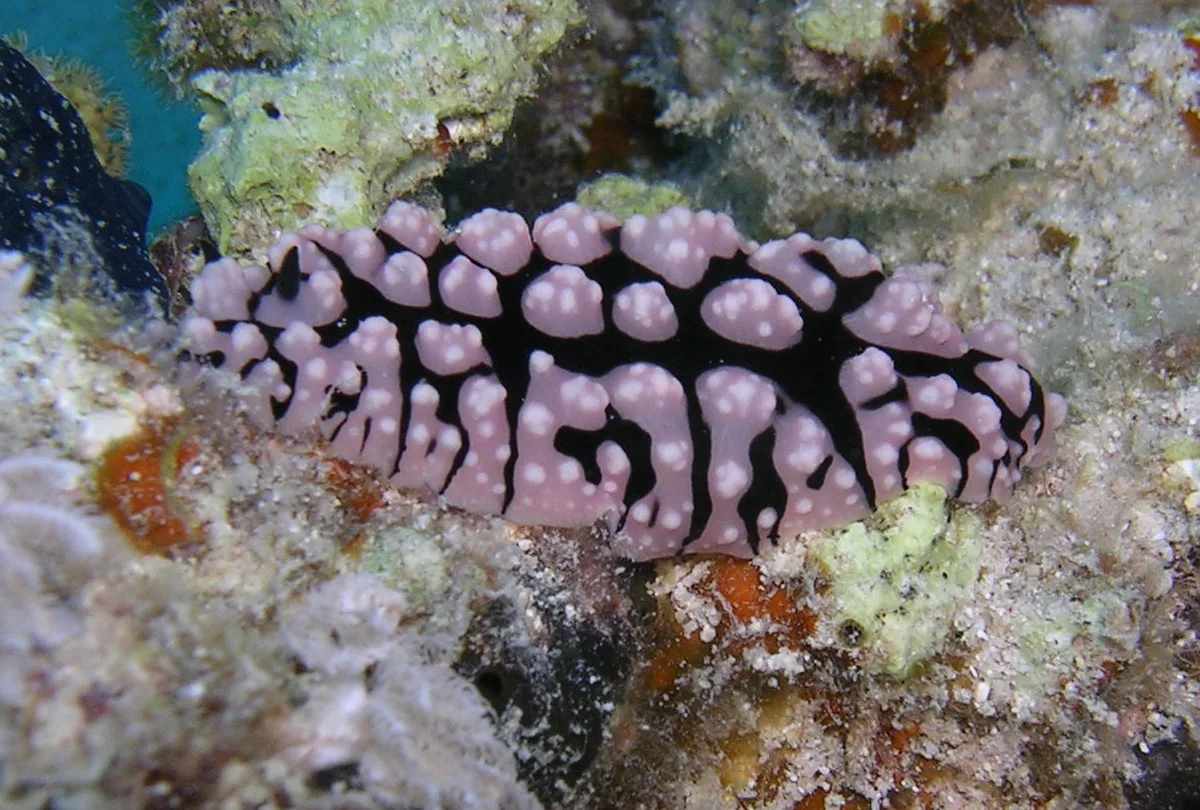
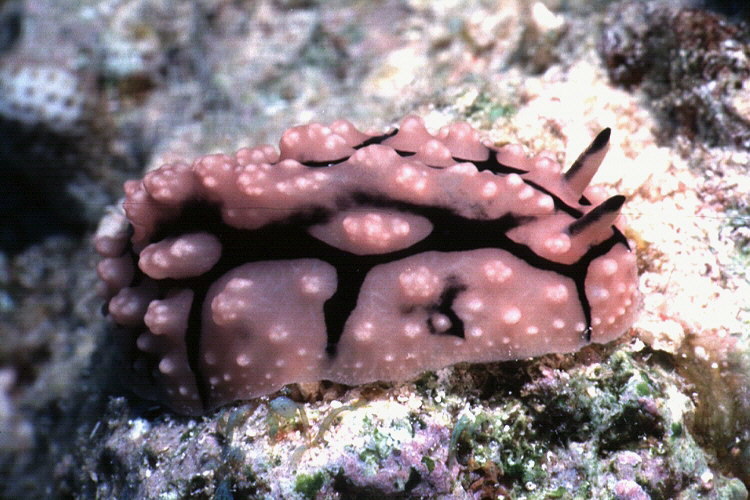
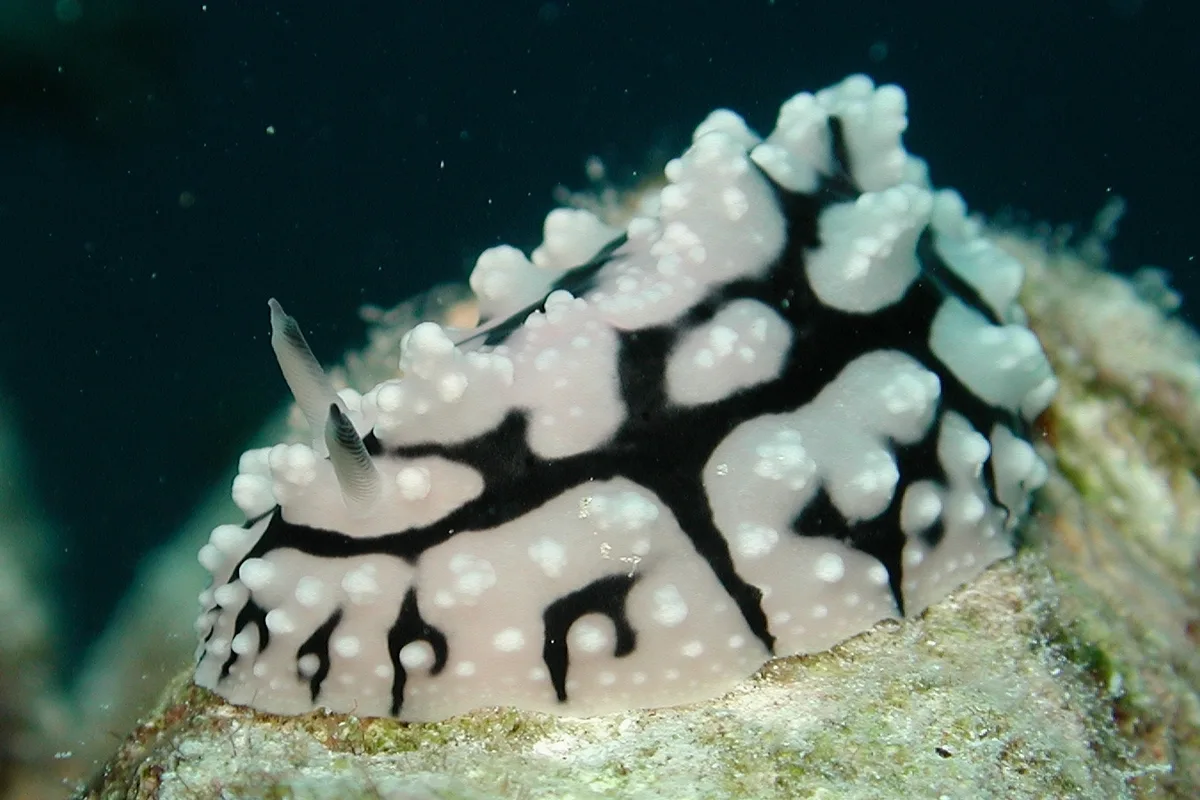
This one is named after the peninsula, described from it, and so far found nowhere else.
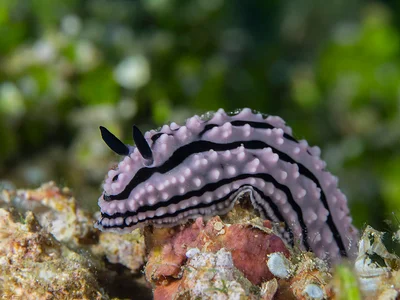
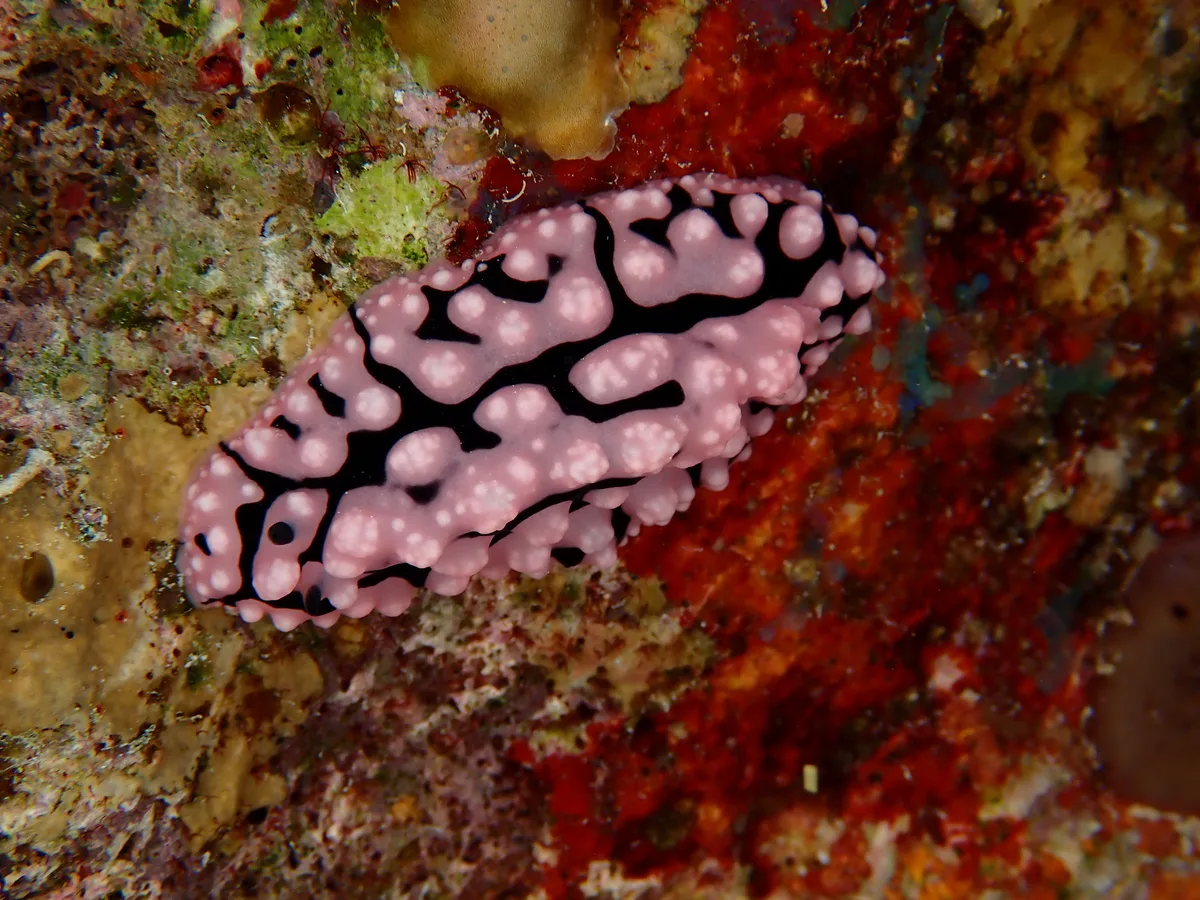
It is pink to pale rose with black lines running over the ridges, up to eight centimeters, with black tips to the rhinophores. Like the rest of its family it has no gill plume on the back; the breathing surfaces are hidden under the mantle rim.
What makes phyllidiids worth a warning rather than only a photograph is what they do when handled. The compounds they carry are spread through the whole body and released into the water when the animal is disturbed, and in a small volume that is lethal. The literature on this is mostly written by aquarium keepers, who lost entire tanks to a single slug arriving on live rock, and the recommendation everywhere is to leave them where they are. Underwater it does not matter: the sea is large and the animal is not aggressive. In a bucket or a photo tank it matters a great deal.
Which also explains why an animal this conspicuous crawls about on open rock in daylight. It is not hiding because it does not need to, and it will not move away from a camera.
Records are thin, and this is a species where a dated photograph still adds something to the map.
- pink to pale rose ground crossed by black lines
- rhinophores black at the tips
- firm ridged body with no gill plume on the back
- found in the Red Sea and nowhere else