Phyllidiella zeylanica - Domino Nudibranch
Phyllidiella zeylanica
Phyllidiella zeylanica 01
Phyllidiella zeylanica - 62FV+GRW, Andaman and Nicobar Islands 744202, India
Phyllidiella zeylanica - Nosy-Be, Madagascar
Phyllidiella zeylanica - eThekwini, ZA-NL, ZA
Phyllidiella zeylanica - Kilifi, KE
Phyllidiella zeylanica - Desroches Island, Aquarium Beach
Poisonous© Rafi Amar
Invertebrate · Molluscs · Nudibranch

Angular Wart Slug

Phyllidiella zeylanica (Kelaart, 1858)
syn. Phyllidia catena, Phyllidia seriata, Phyllidia zeylanica, Phyllidia zeylanicus
up to 8 cmPoisonous
0

Three genera of wart slug live on this reef and they are told apart by their bumps.

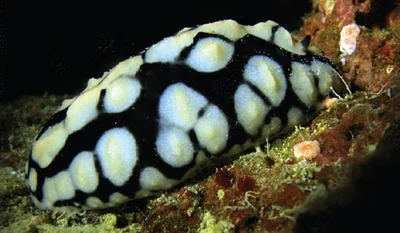
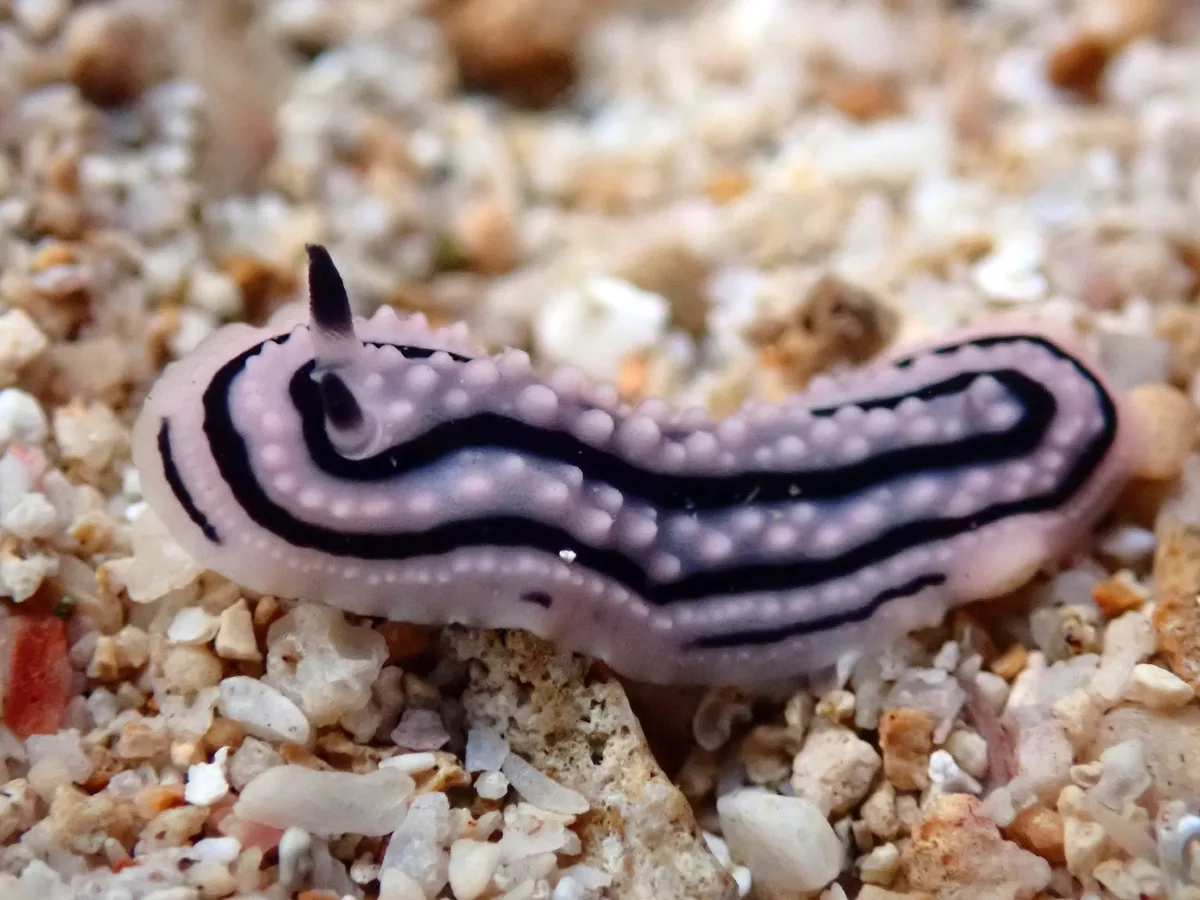
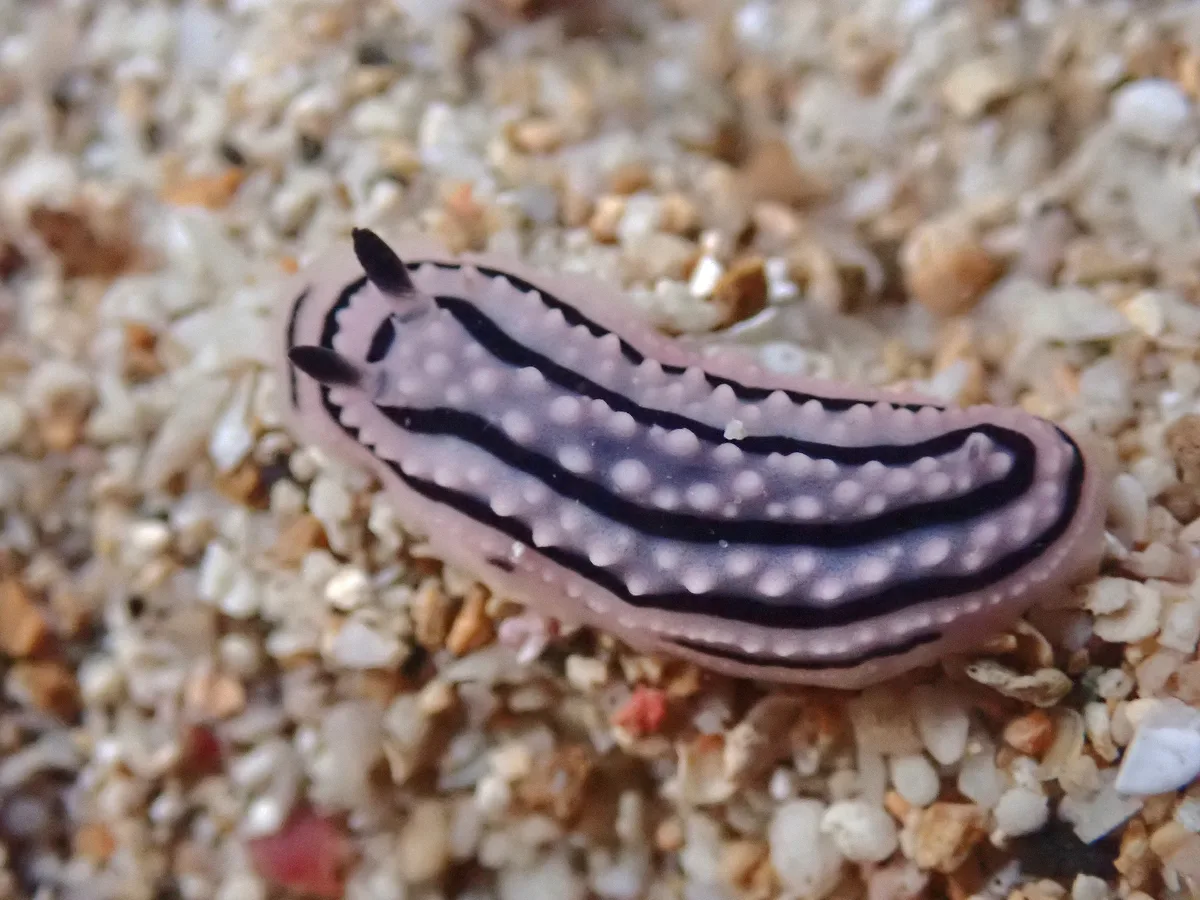
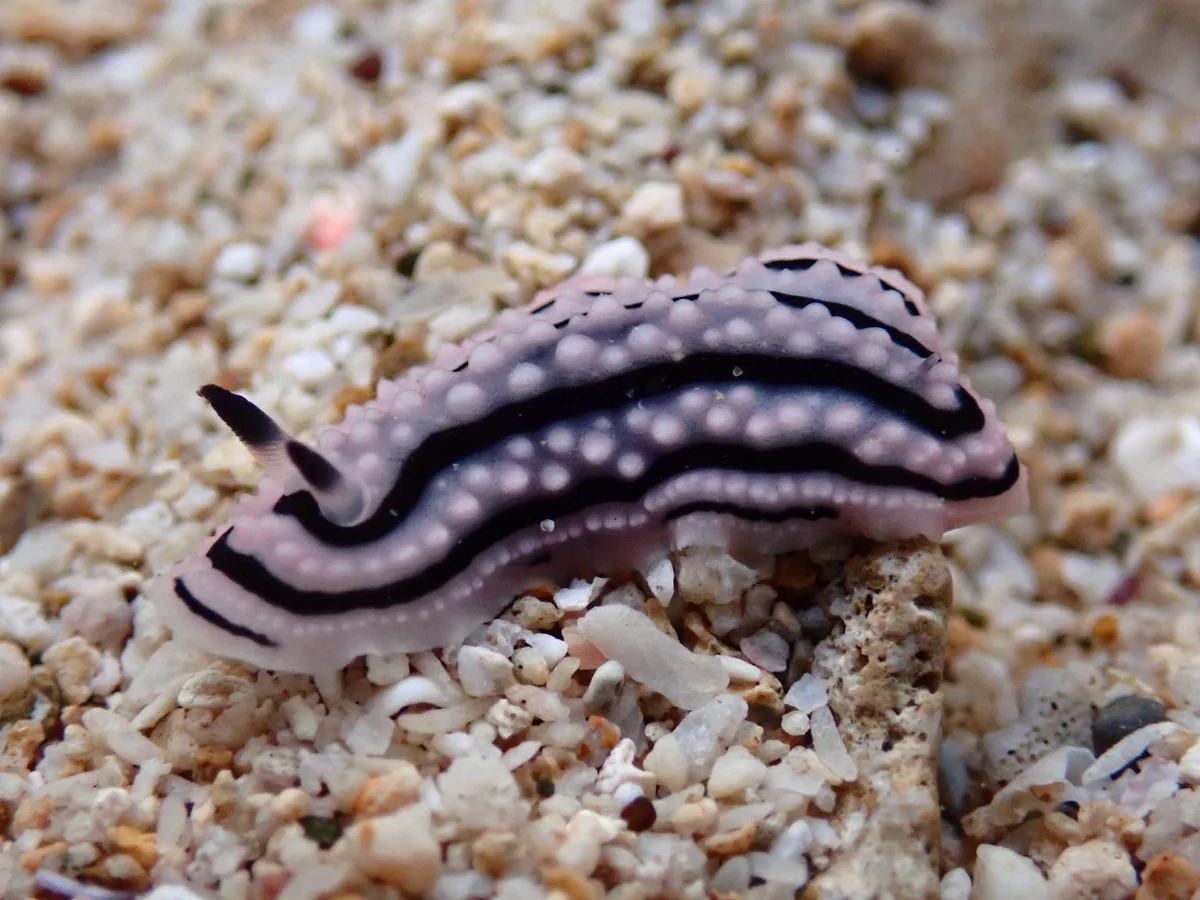
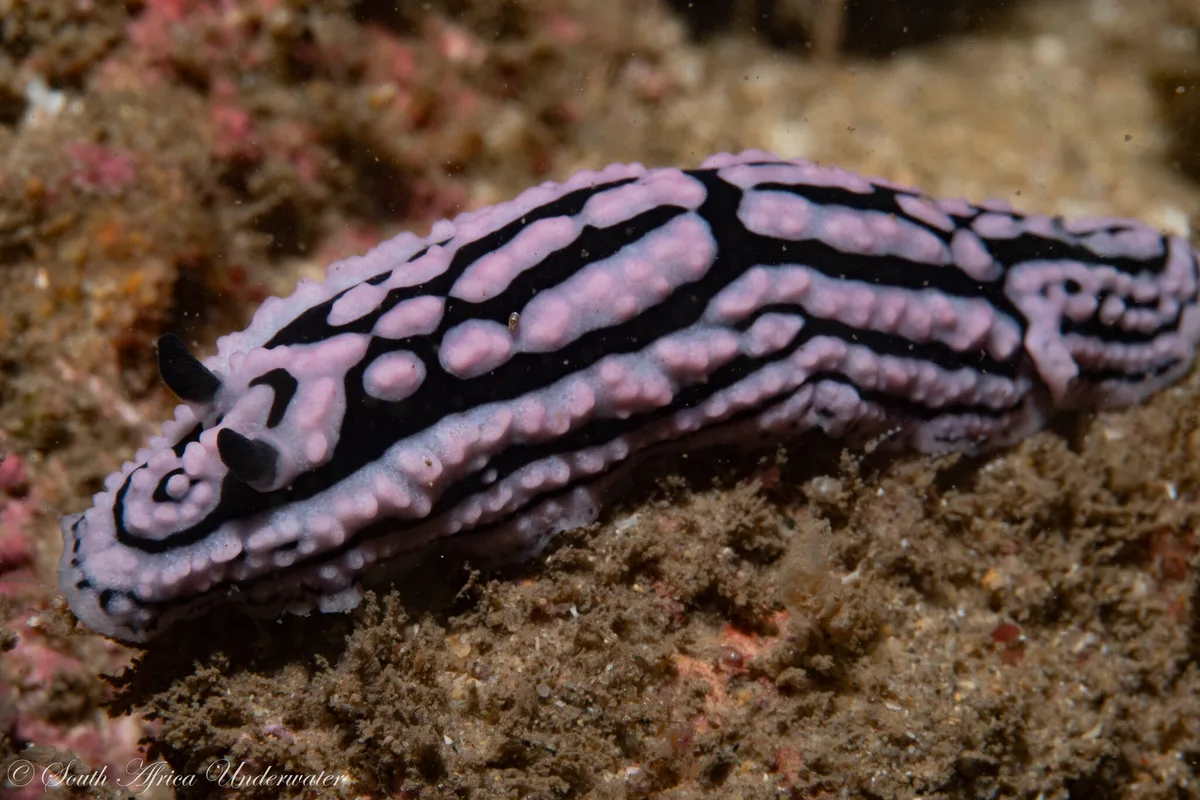
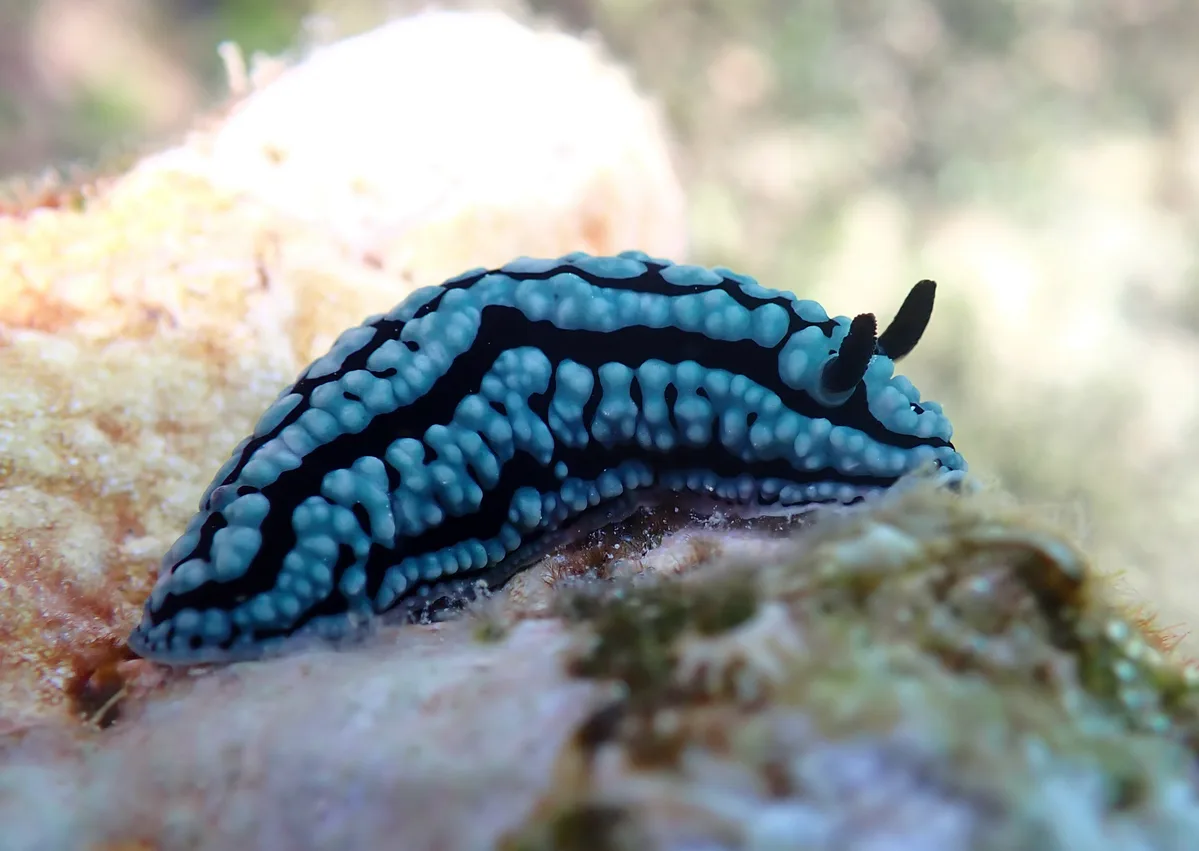
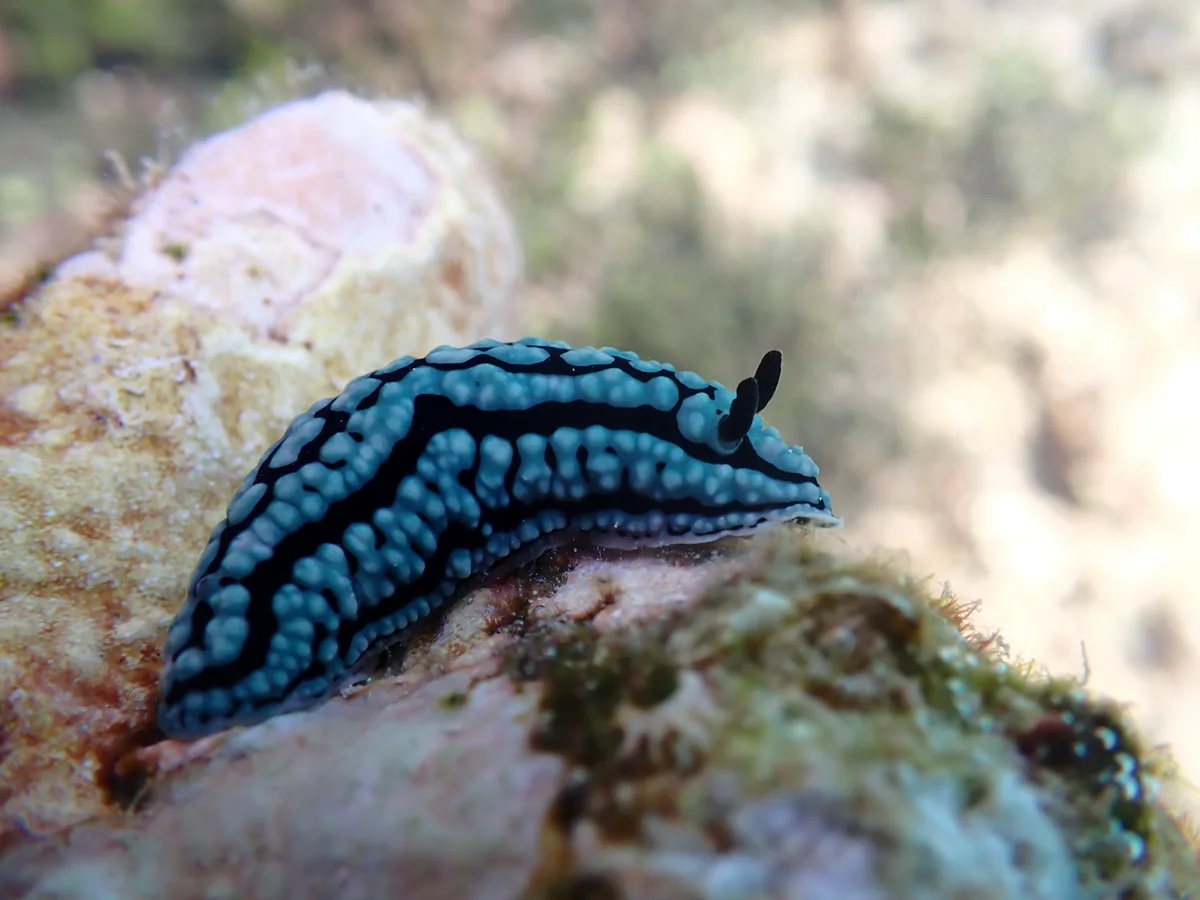
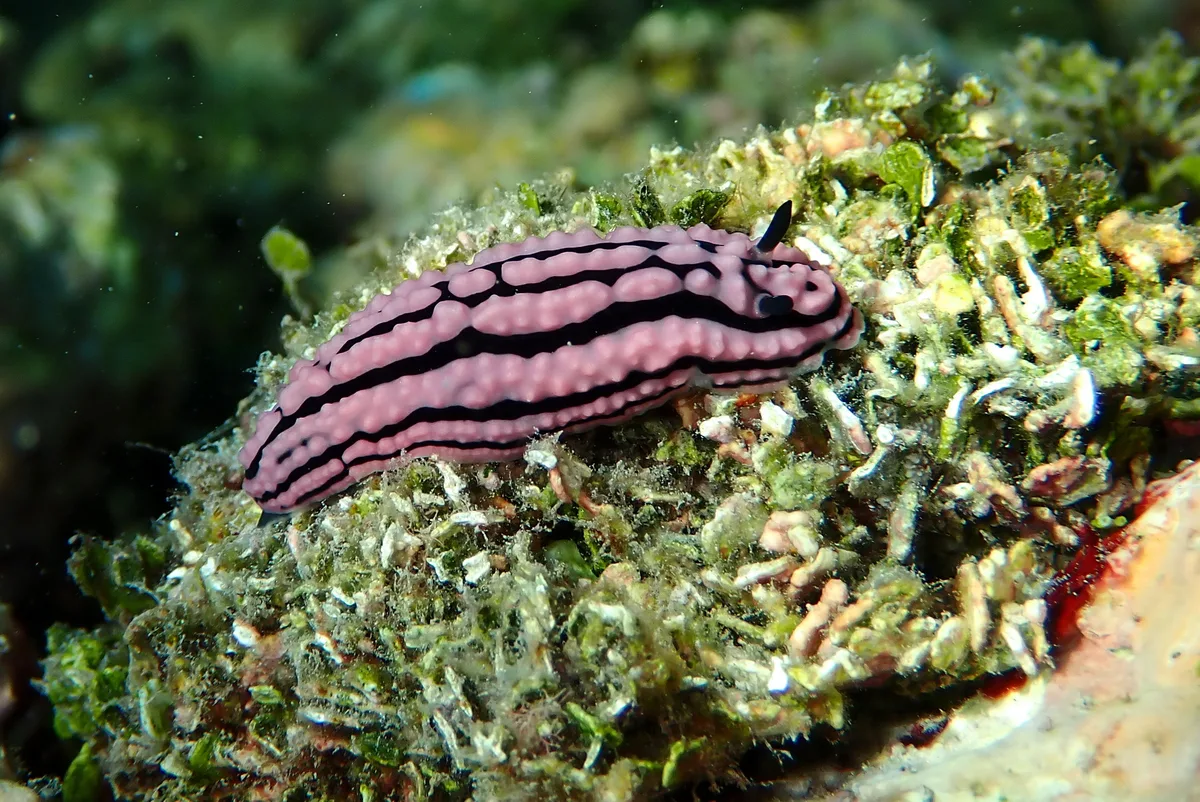
It sounds like hair-splitting and it is the only thing that works. Phyllidia carries tubercles standing separately, often capped in yellow, with the ridges broken between them. Phyllidiella has the tubercles fused into continuous ridges running the length of the back, and the black pigment lies in the grooves between the ridges rather than on top of them. Phyllidiopsis is smoother again, with the pattern in lines rather than in lumps. Once seen side by side the three are obvious; from memory they are not.

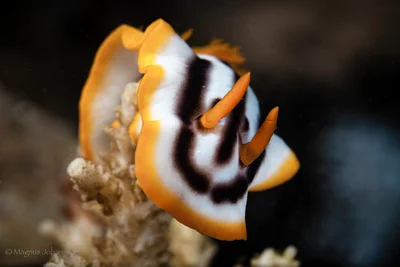
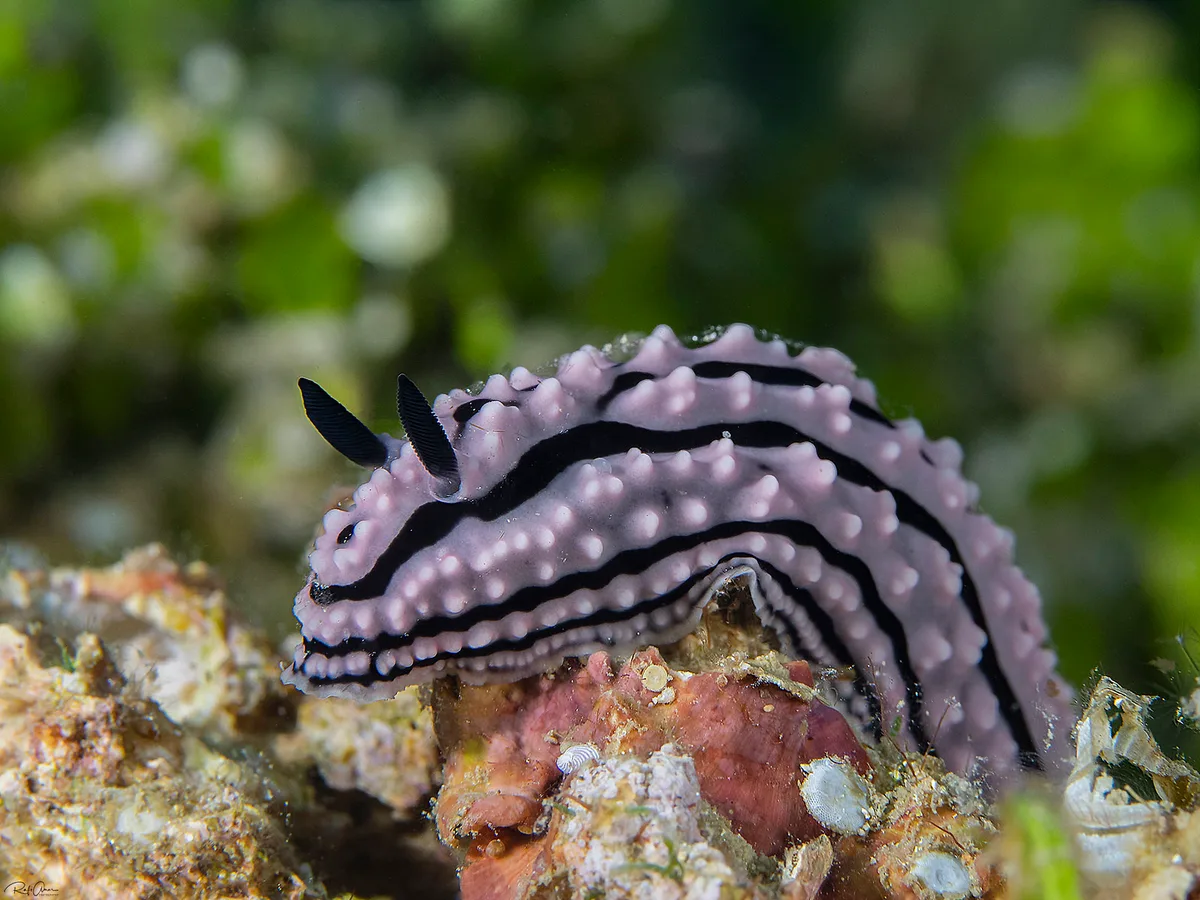
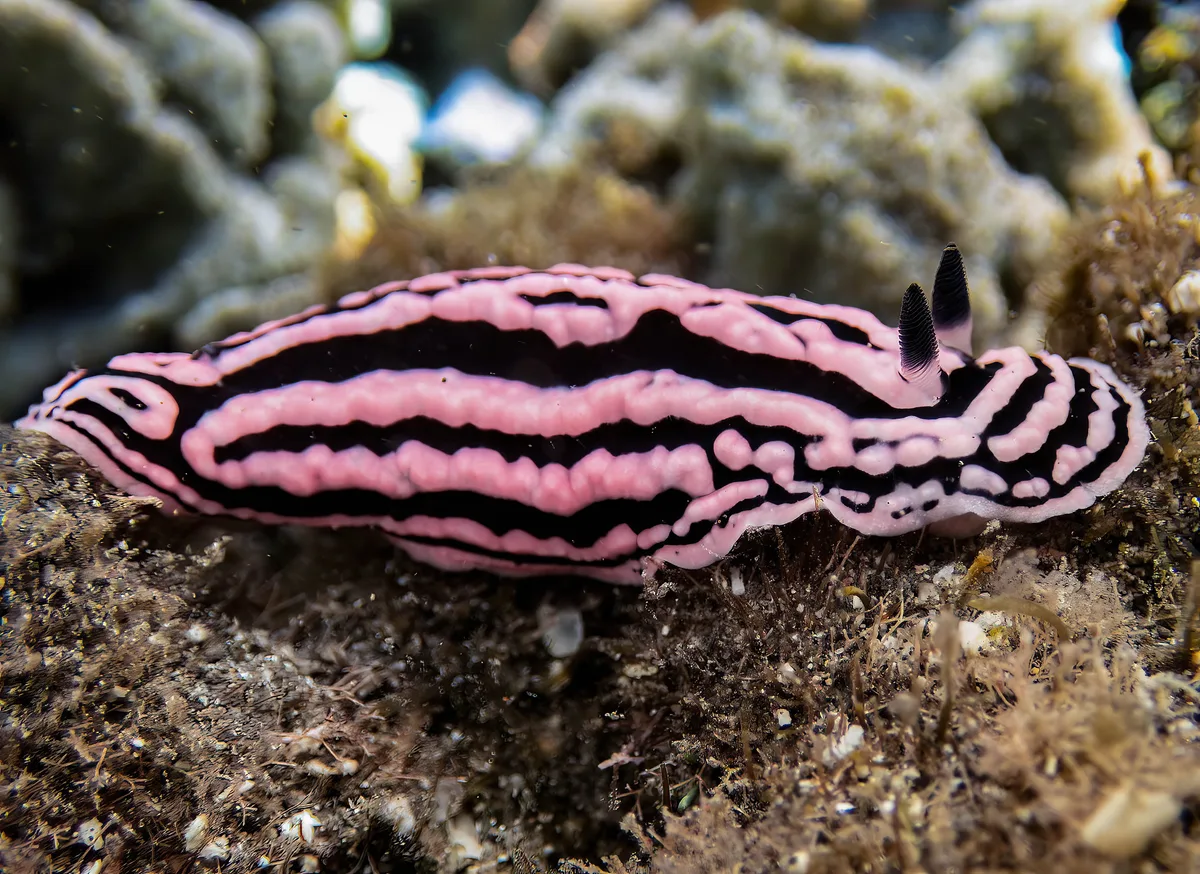
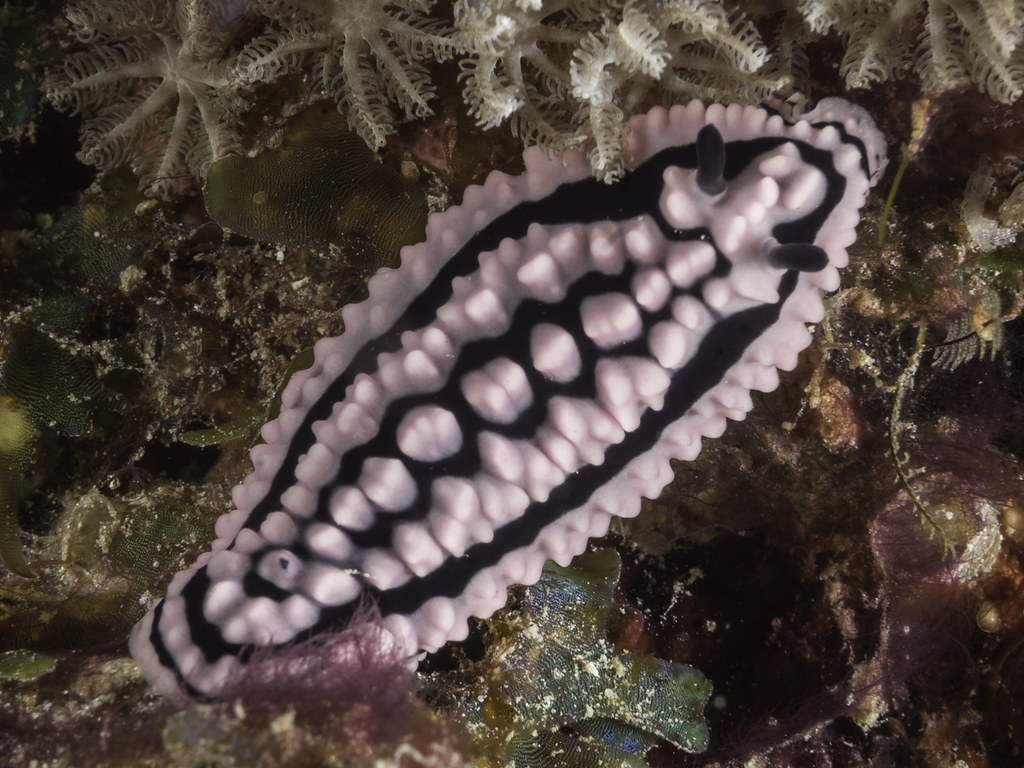
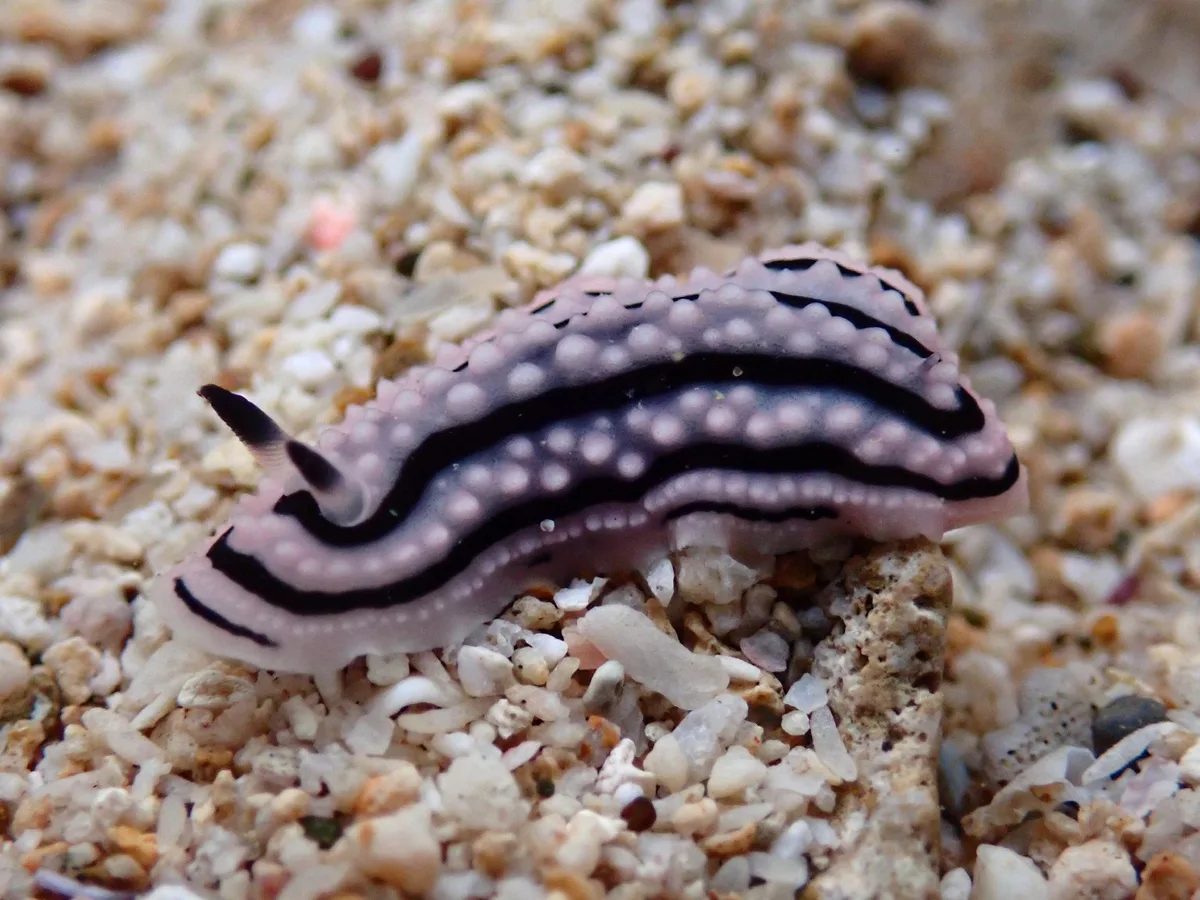
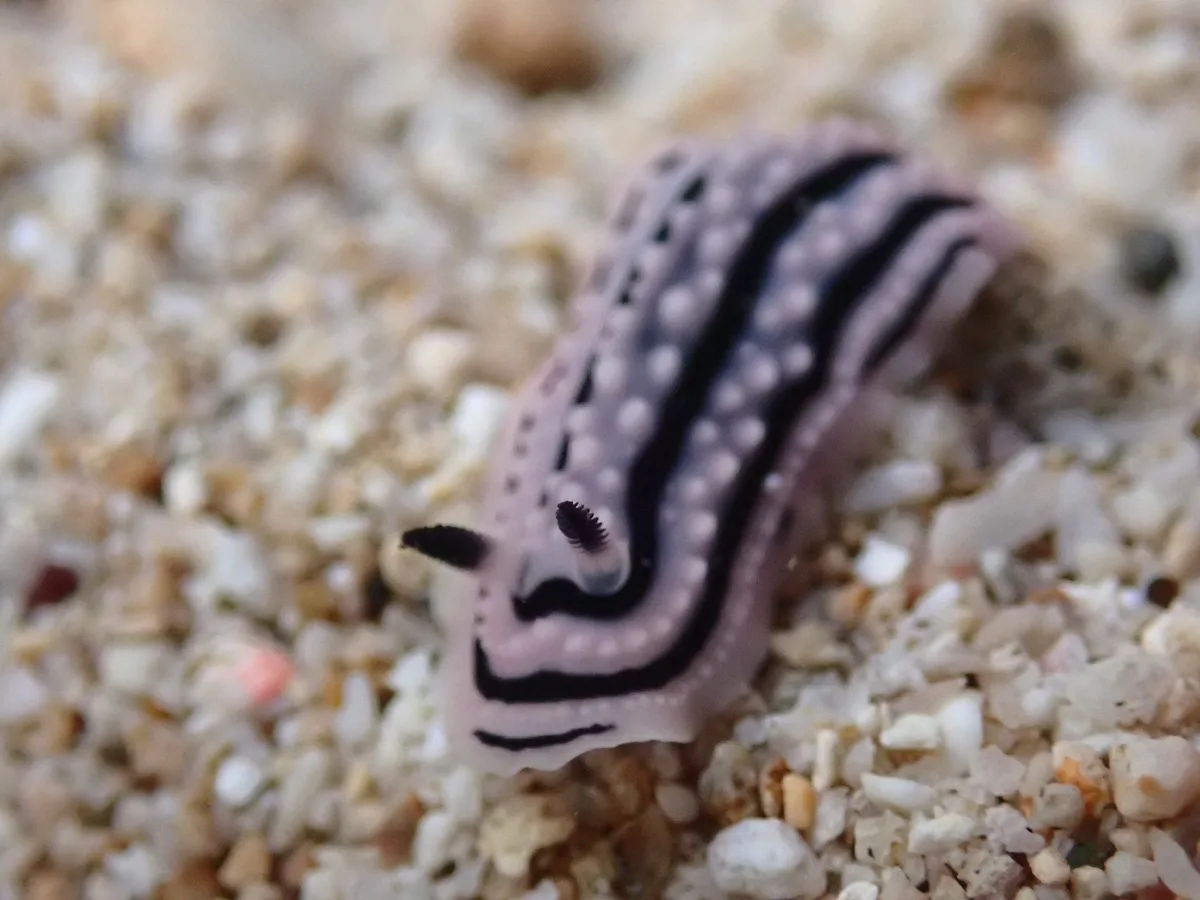
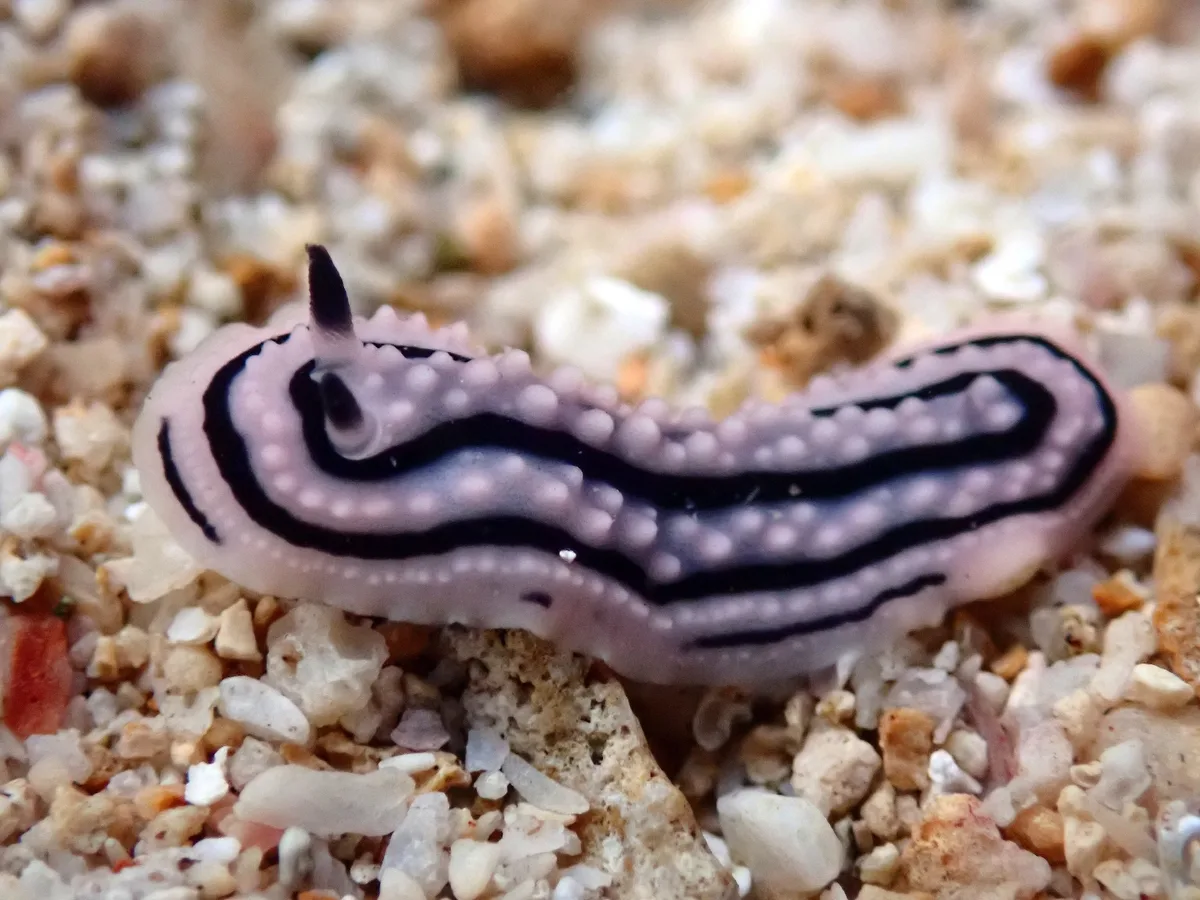
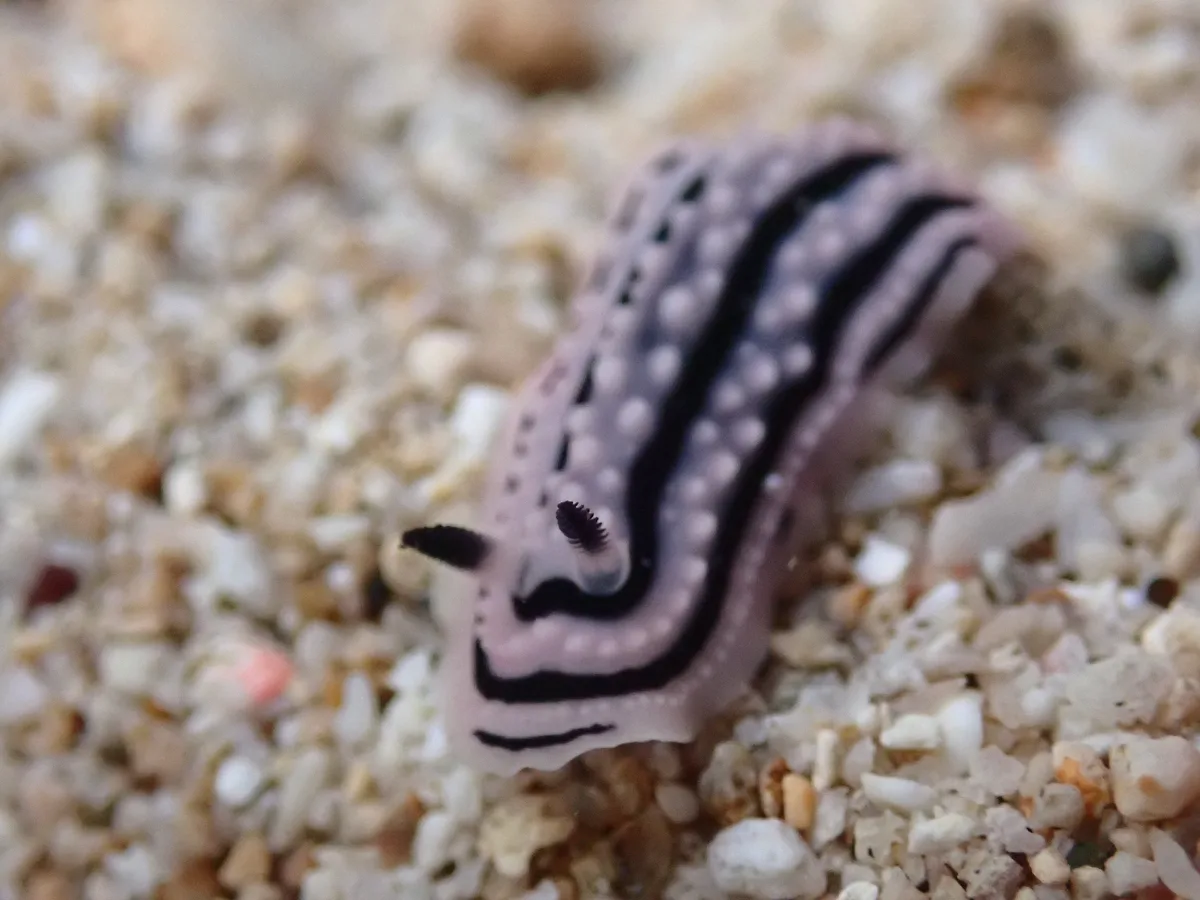
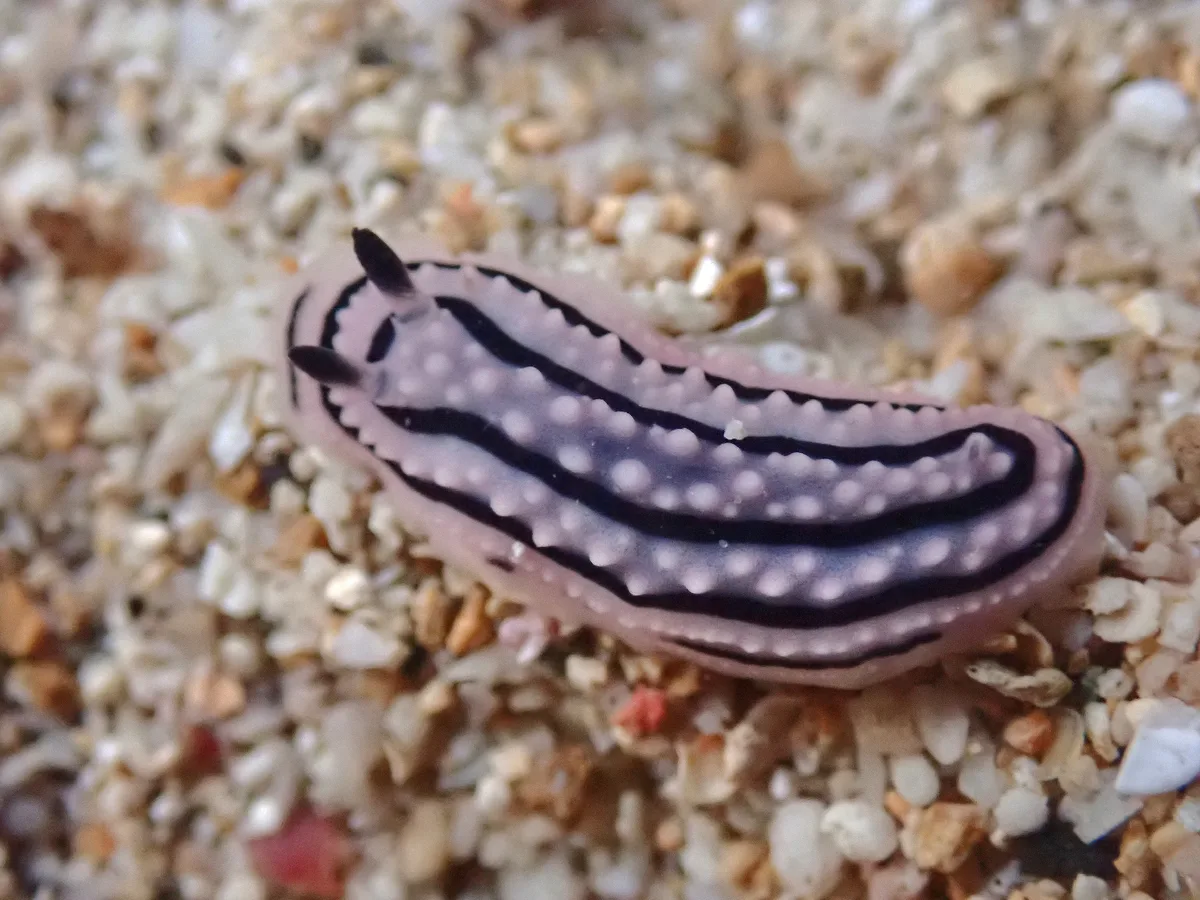
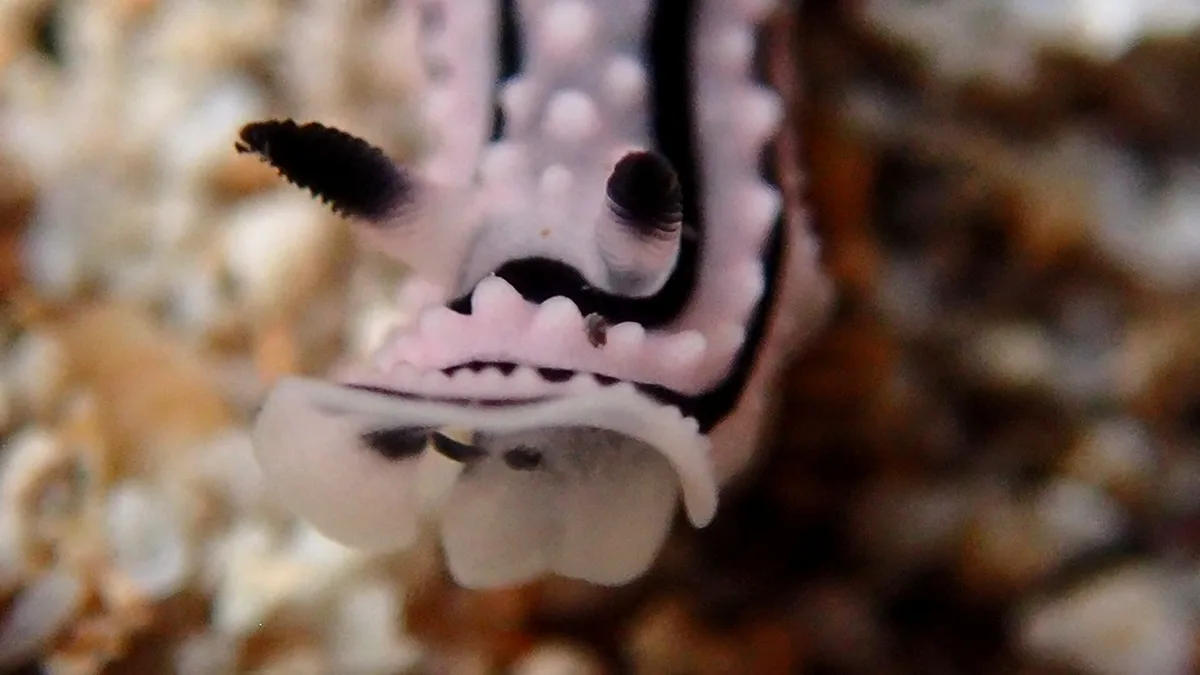
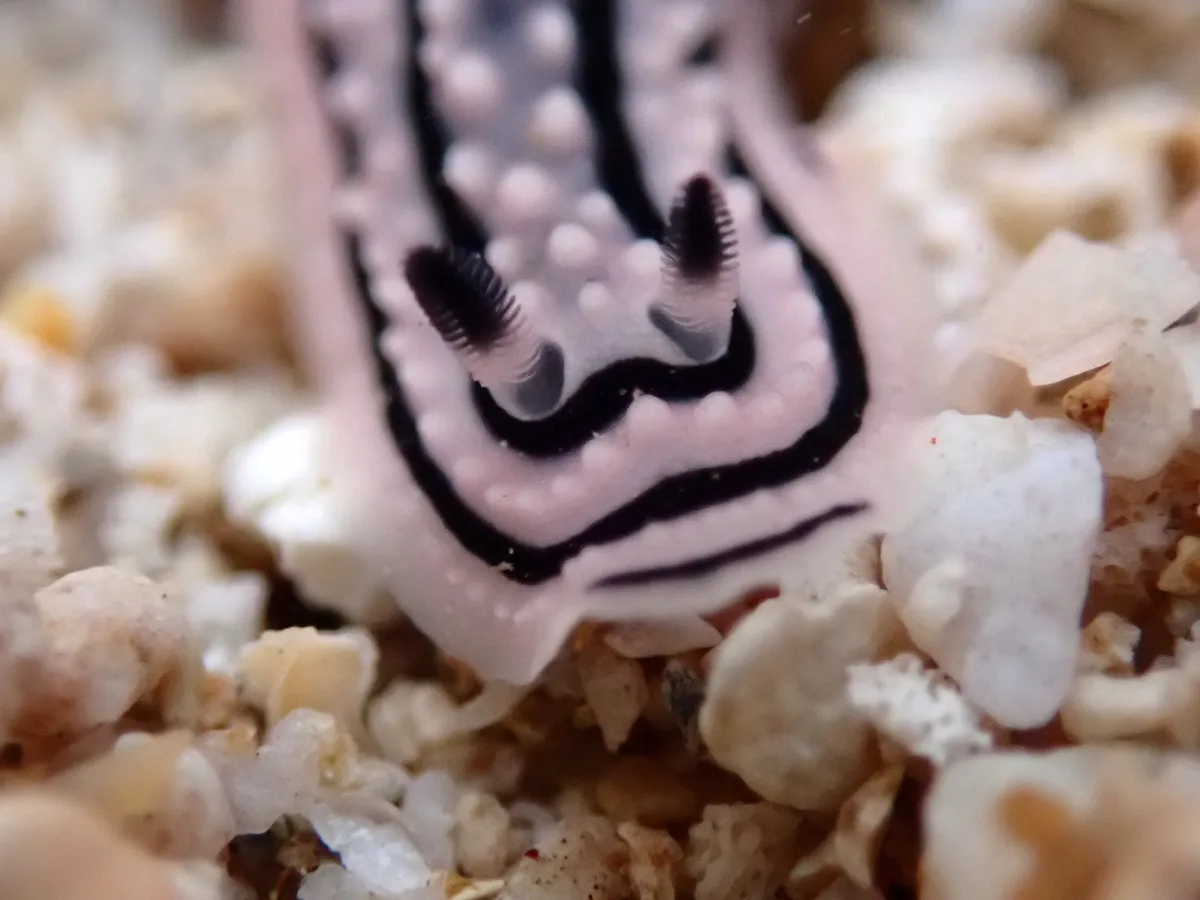
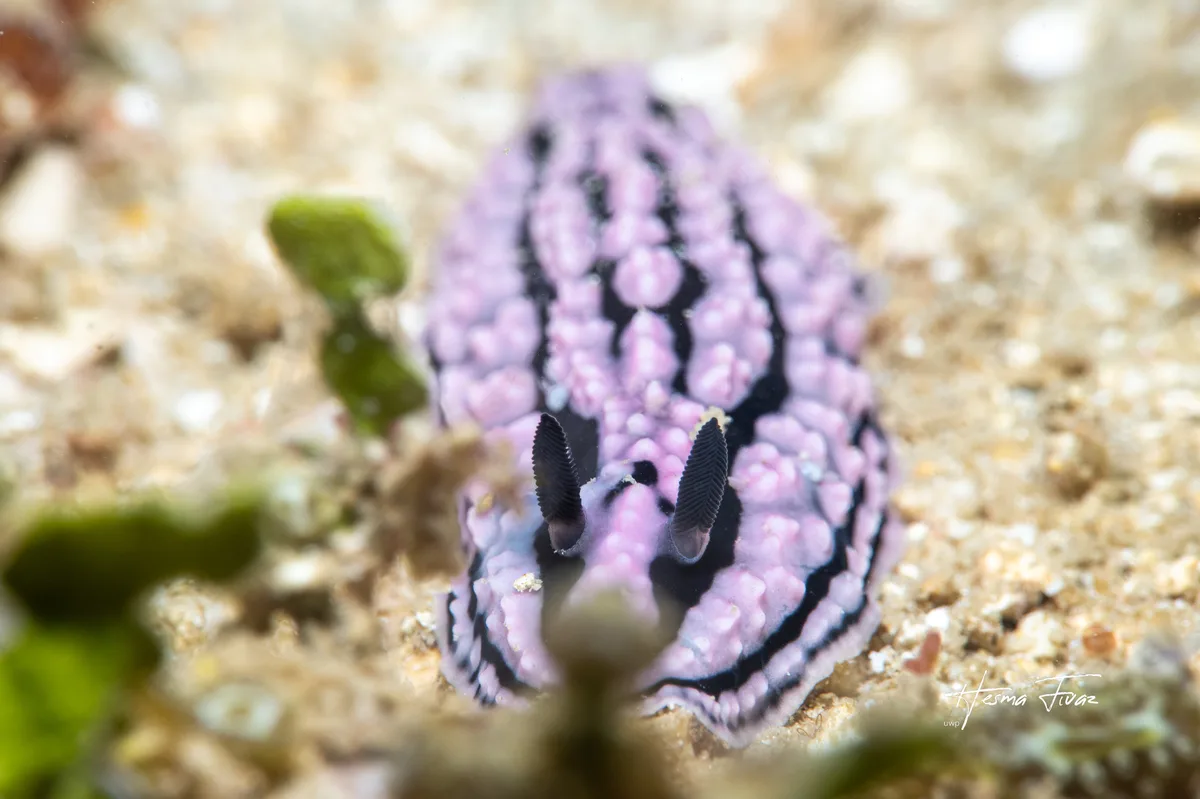
This is a Phyllidiella: pink ridges outlined in black, the black sitting in the channels between, with pink rhinophores. Up to eight centimeters, which makes it one of the larger slugs anyone will photograph here.

The rest is the family. No gill plume on the back, a firm body that holds its shape, chemistry carried through the whole animal rather than only at the margin, and no reason at all to hide, which is why they are among the easiest sea slugs to find and photograph on a reef where most of the others are two centimeters long and under a rock.

How to recognise it
  • pink ridges outlined in black, the black running between them rather than over them
  • rhinophores pink
  • ridges arranged in rows down the back rather than as scattered lumps
  • up to 8 cm

Comments

Please, sign in to leave a comment

Continue with a social account - yours will be created automatically.

No comments yet — be the first.

Last Update: August 25, 2026