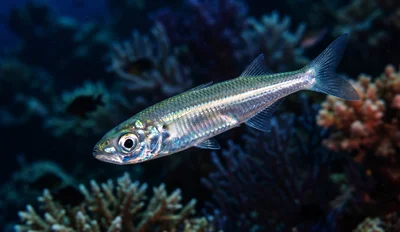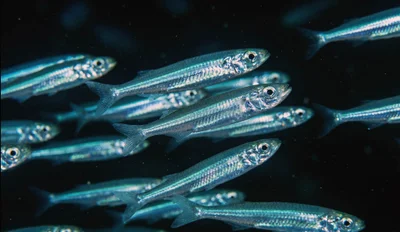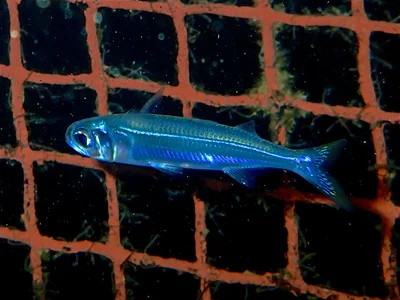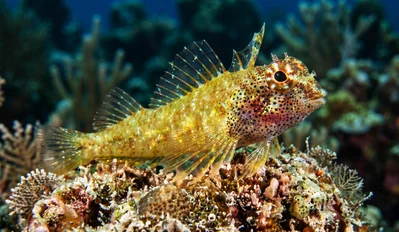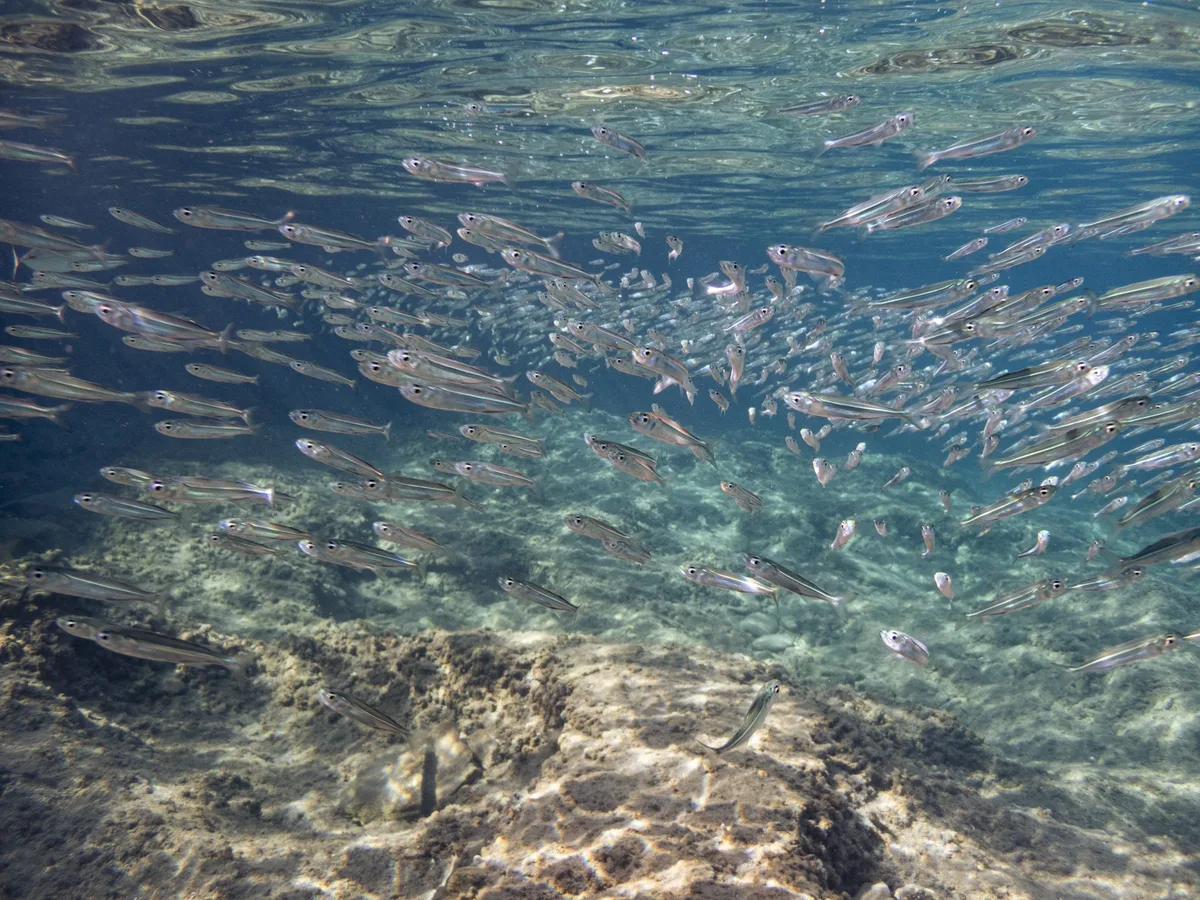
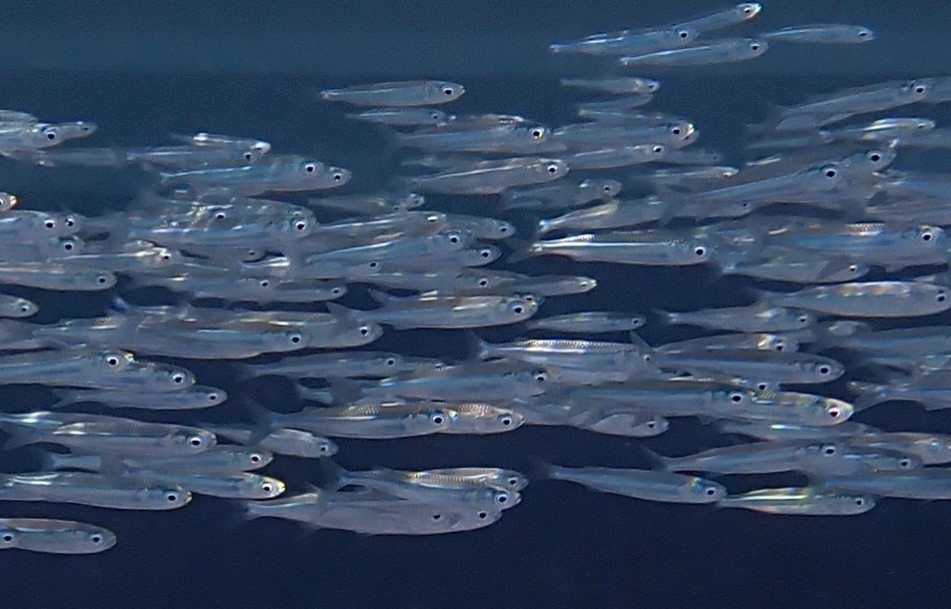
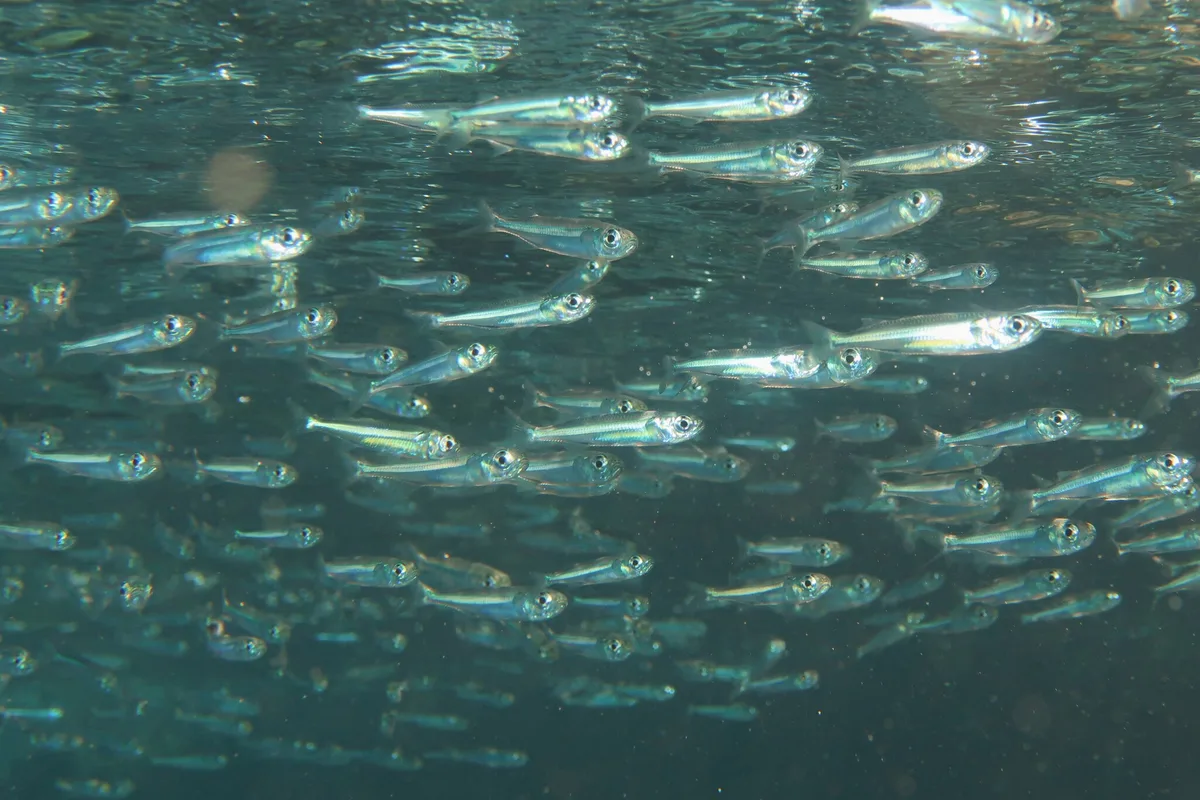
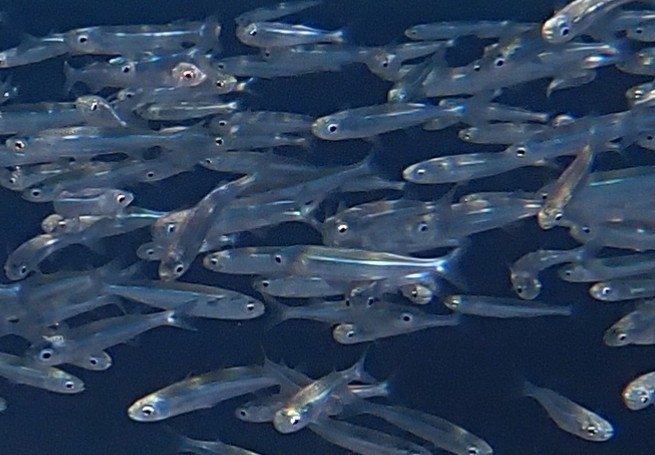
A fish that occurs naturally in this sea and nowhere else, and that now also lives along the coasts of 🇮🇱 Israel, Lebanon, 🇹🇷 Turkey, Greece, Libya and 🇹🇳 Tunisia.
Both things are true. It evolved here, it is native to no other sea, and it went through the Suez Canal (🇪🇬 Egypt) and colonized the eastern Mediterranean, where it is now abundant. The reference books have to write the contradiction out in full: 🌊 Red Sea endemic, Lessepsian migrant. An endemic that emigrated.
What made it able to is what makes it unremarkable at home. It is small, it schools, it eats plankton, it spawns readily, it tolerates warm salty water and harbors and it needs no particular habitat beyond surface water with food in it. Species like that are the ones that travel: the specialists stay put, and the generalists end up on the other side of a canal running a new sea.
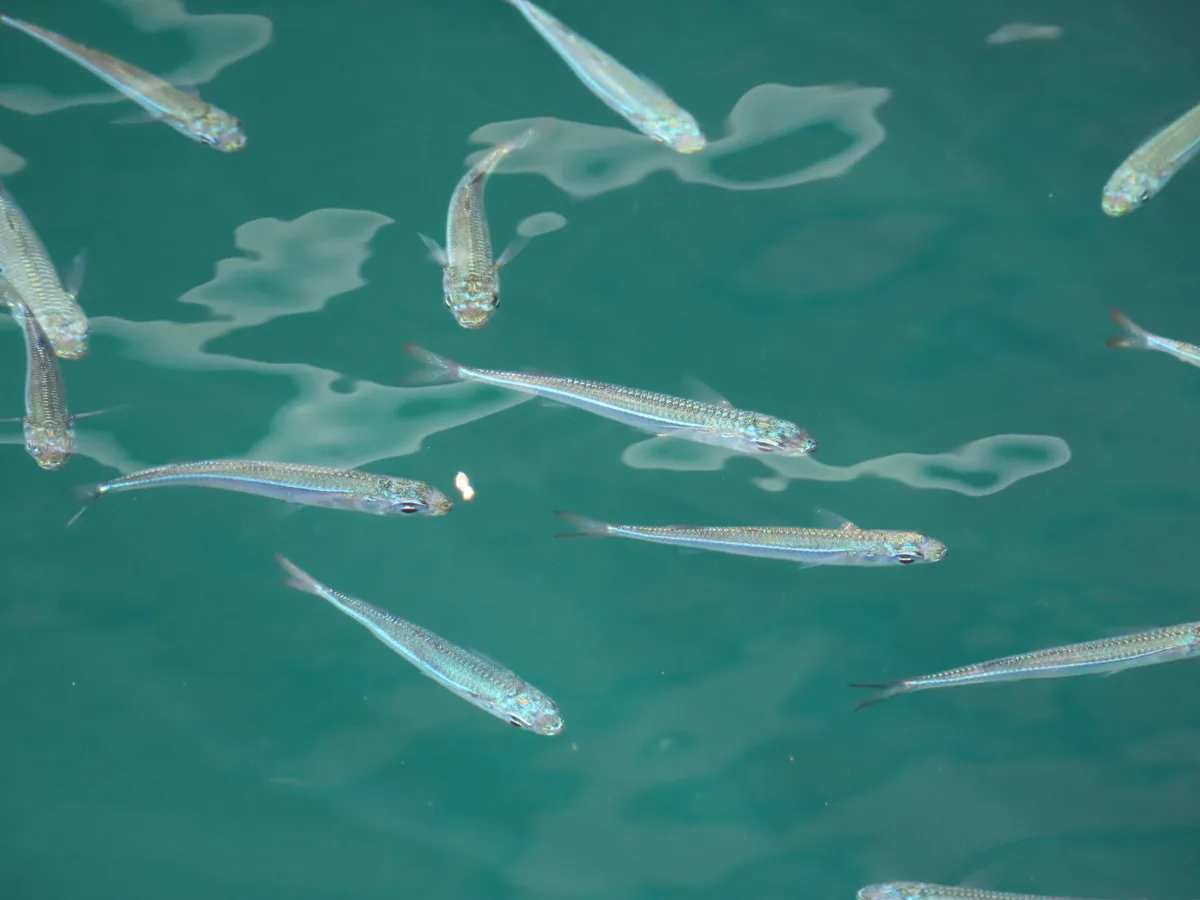
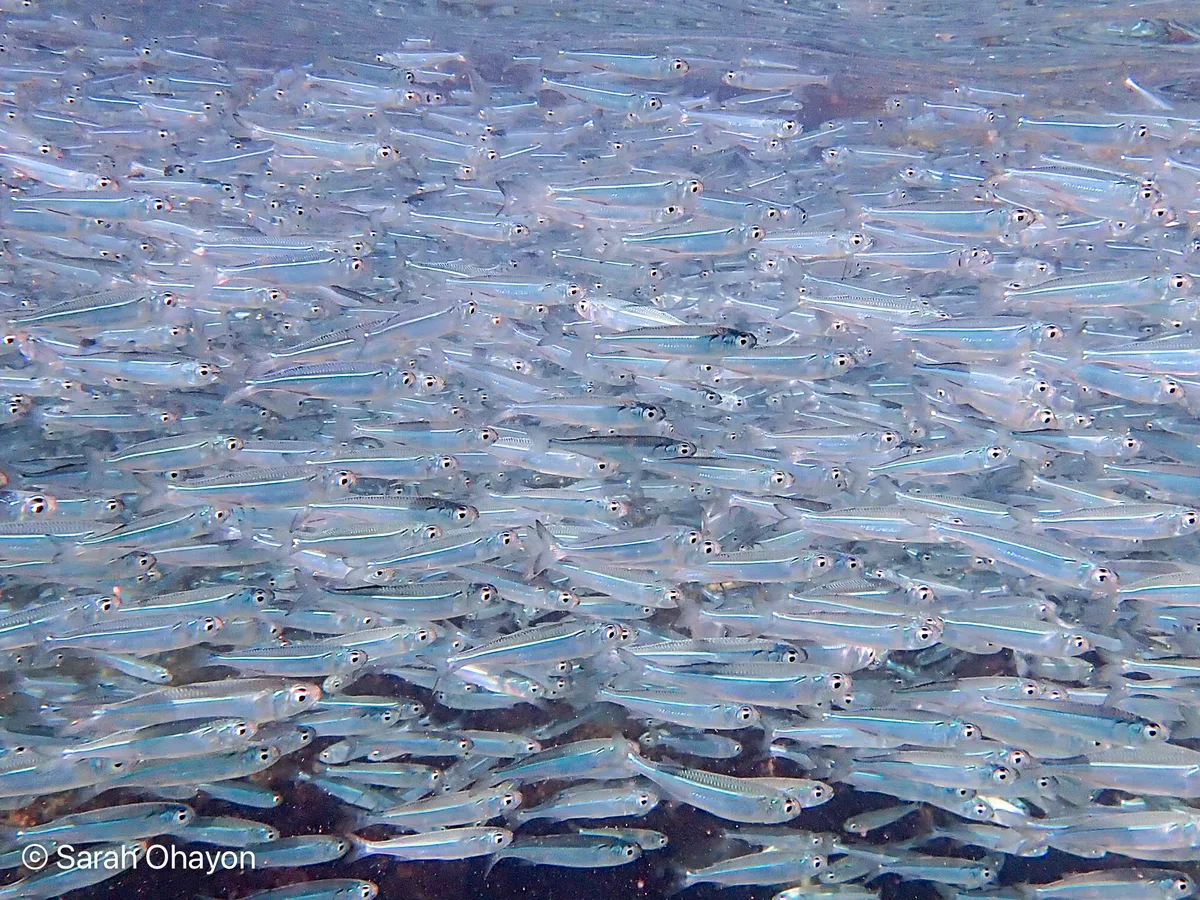
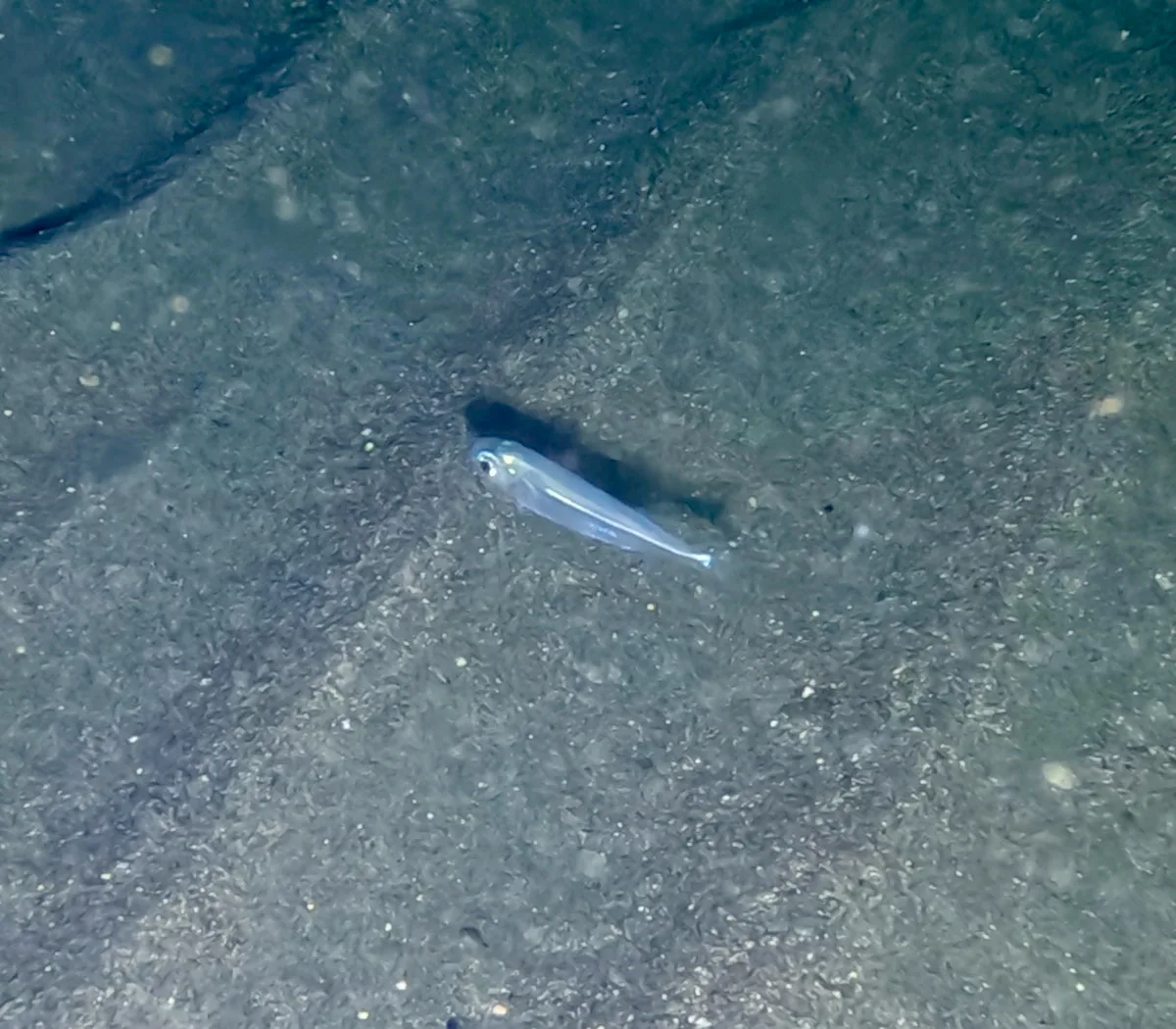
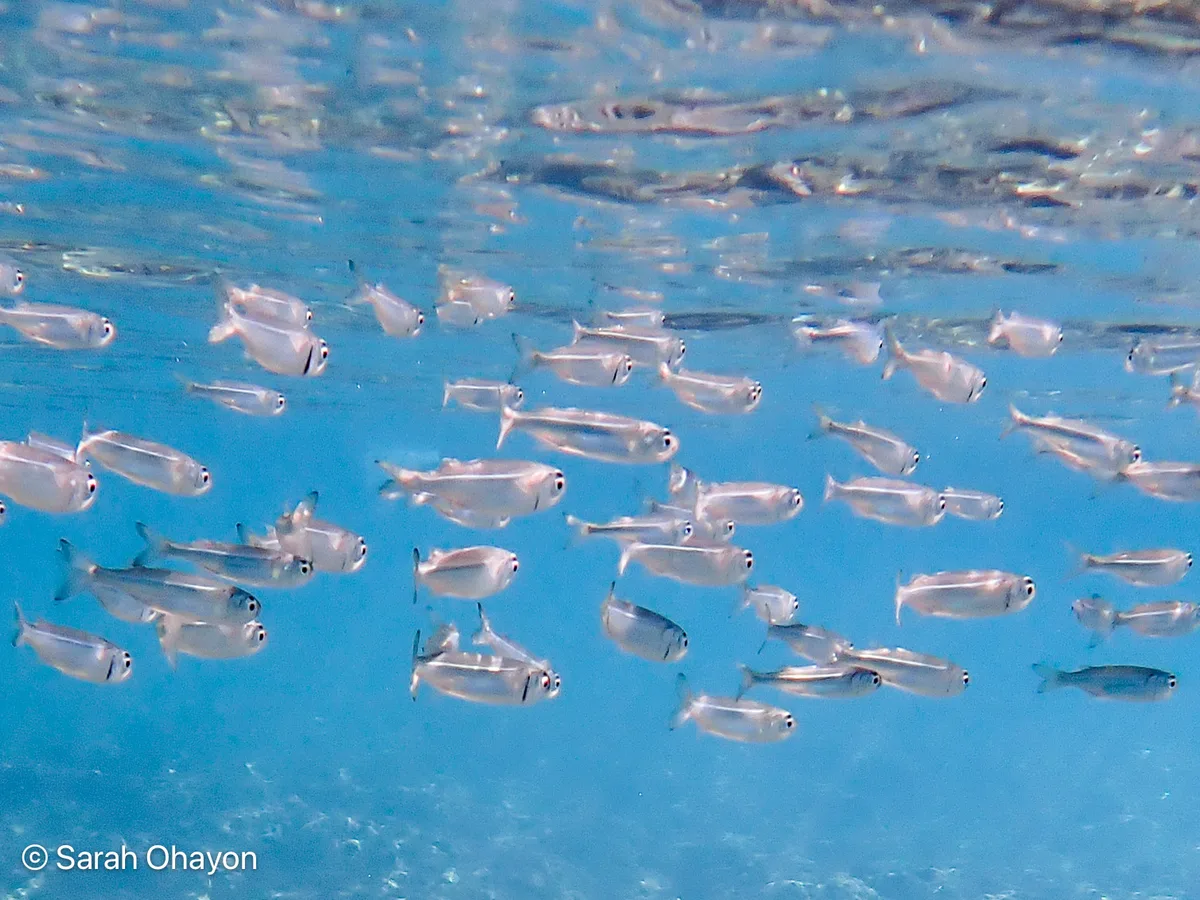
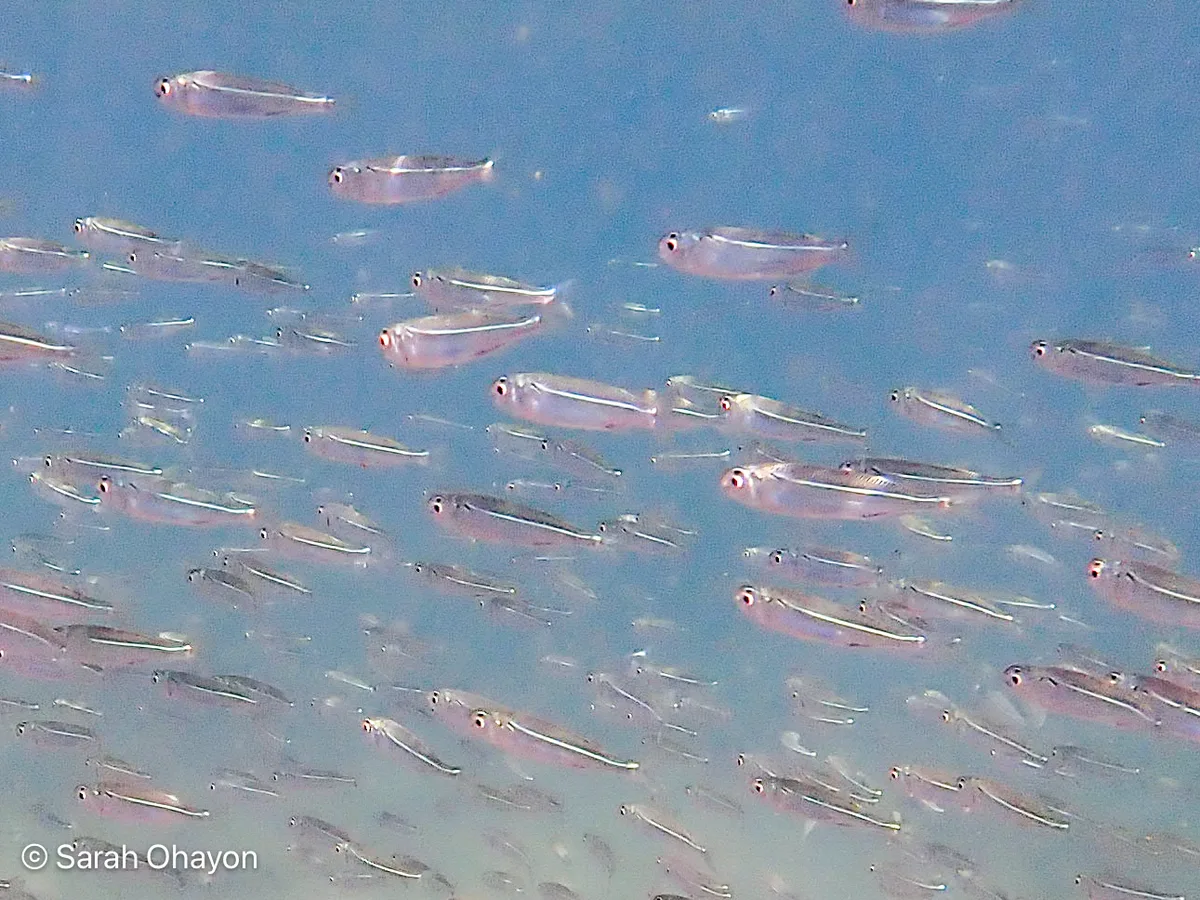
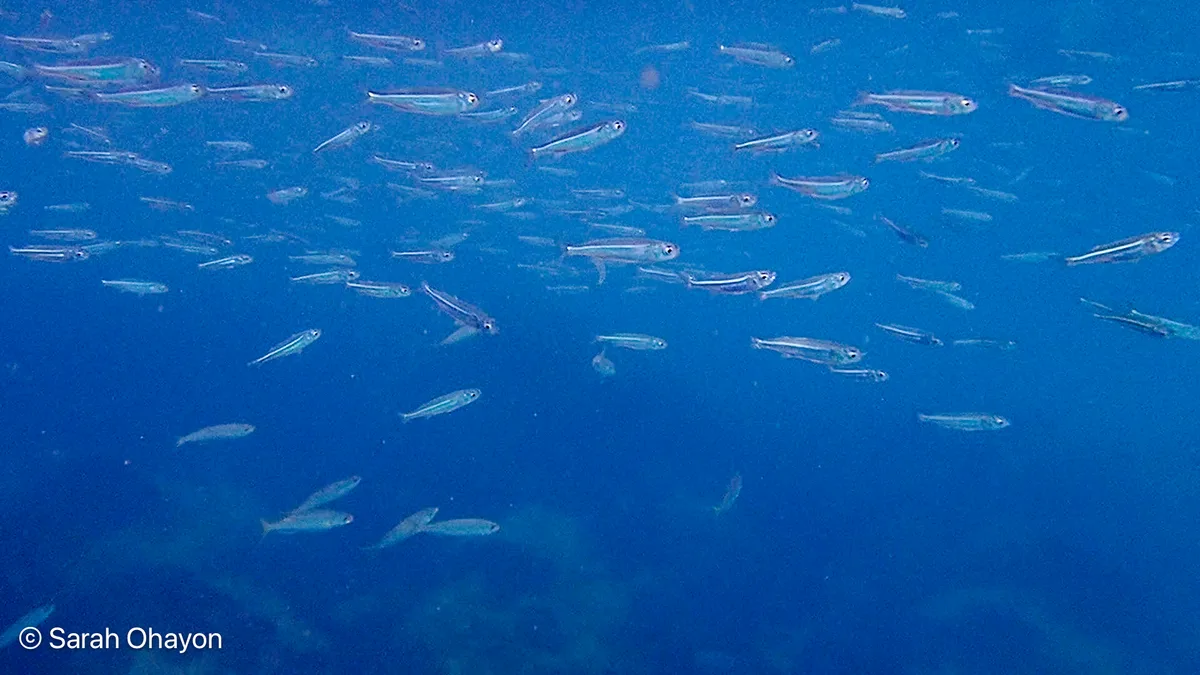
At home it is one of the two common silversides, in dense schools around jetties and moored boats, told from the robust silverside by a thinner silver stripe along the side and a smaller body.
It is also, as the traffic goes, one of the ones that arrived early and stayed.
The genus. Atherinomorus Fowler 1903 - [h]omorus (having the same borders with). ETYFish
The species. Atherinomorus forskalii (Rüppell 1838) - Honours Swedish explorer and naturalist Peter Forsskål. ETYFish
- narrow silver stripe along the side, thinner than in the robust silverside
- small, up to 11 cm, translucent with a silver belly
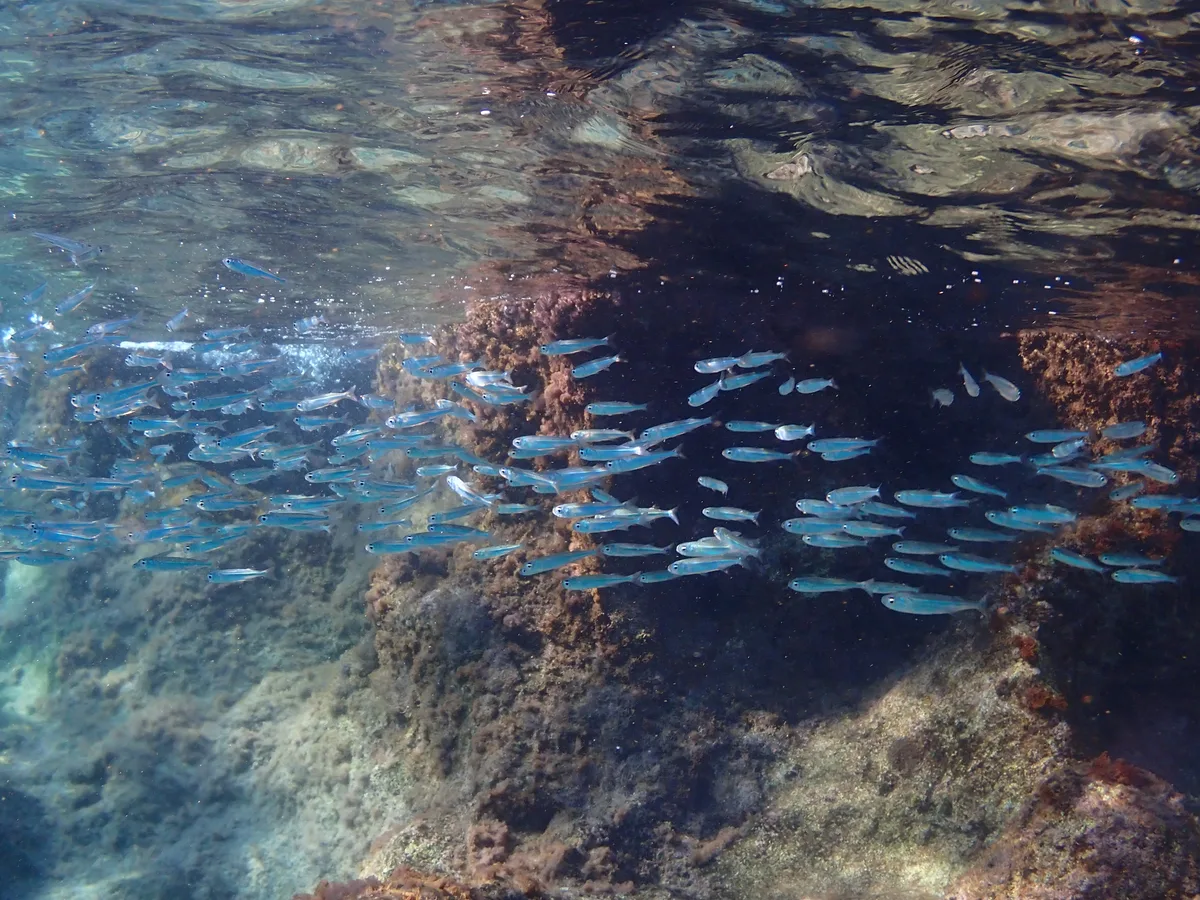
- dense schools at the surface, often around jetties and moored boats
- up to 11 cm