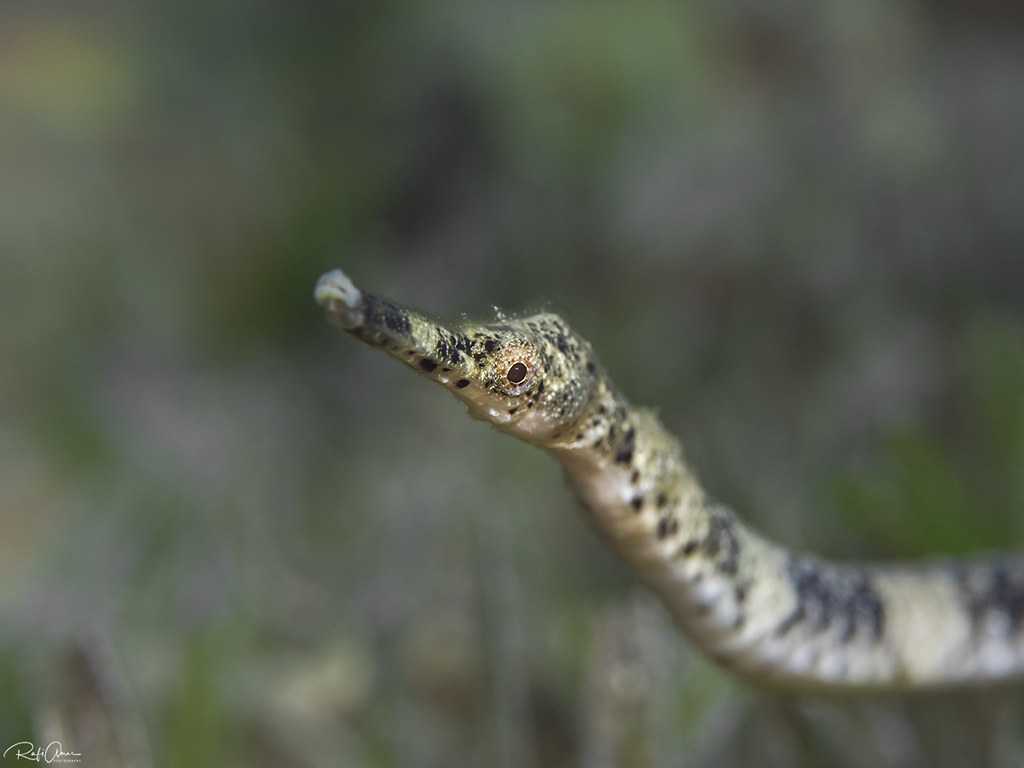
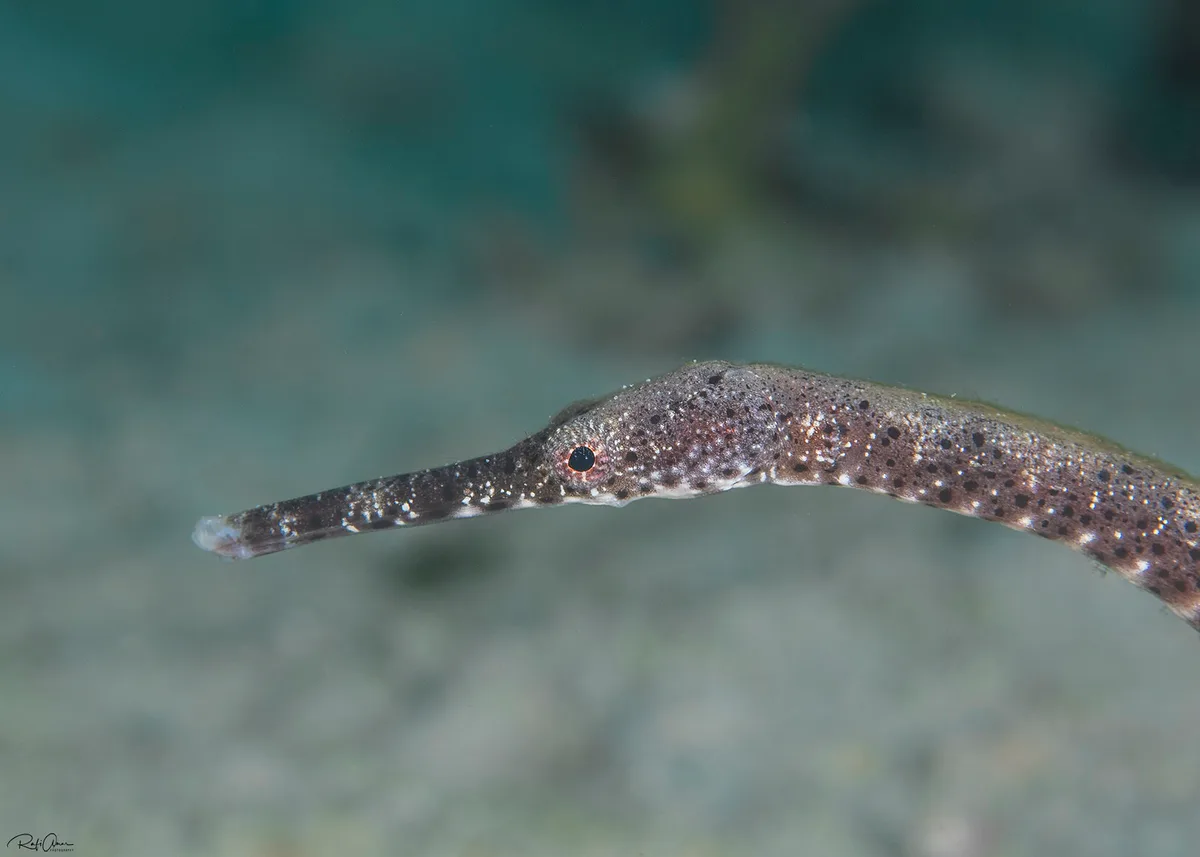
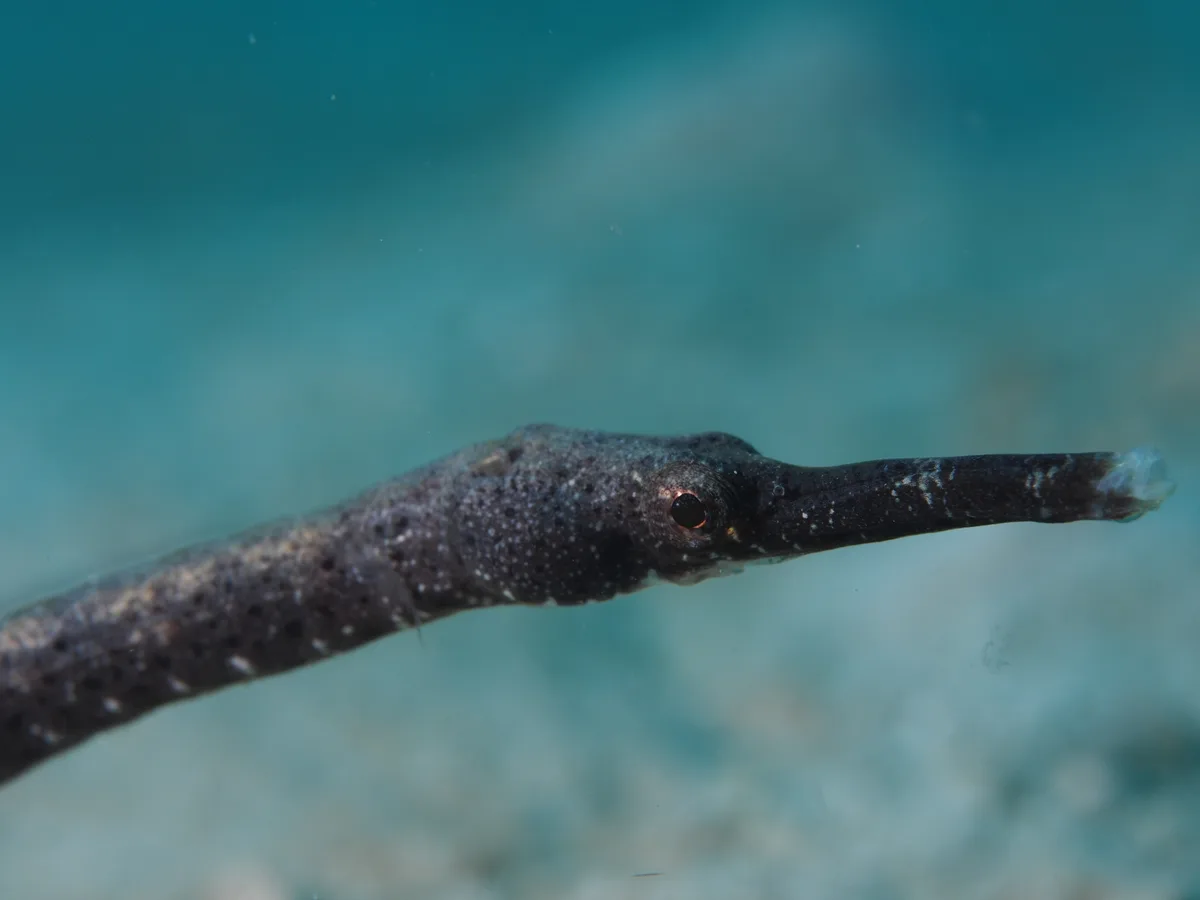
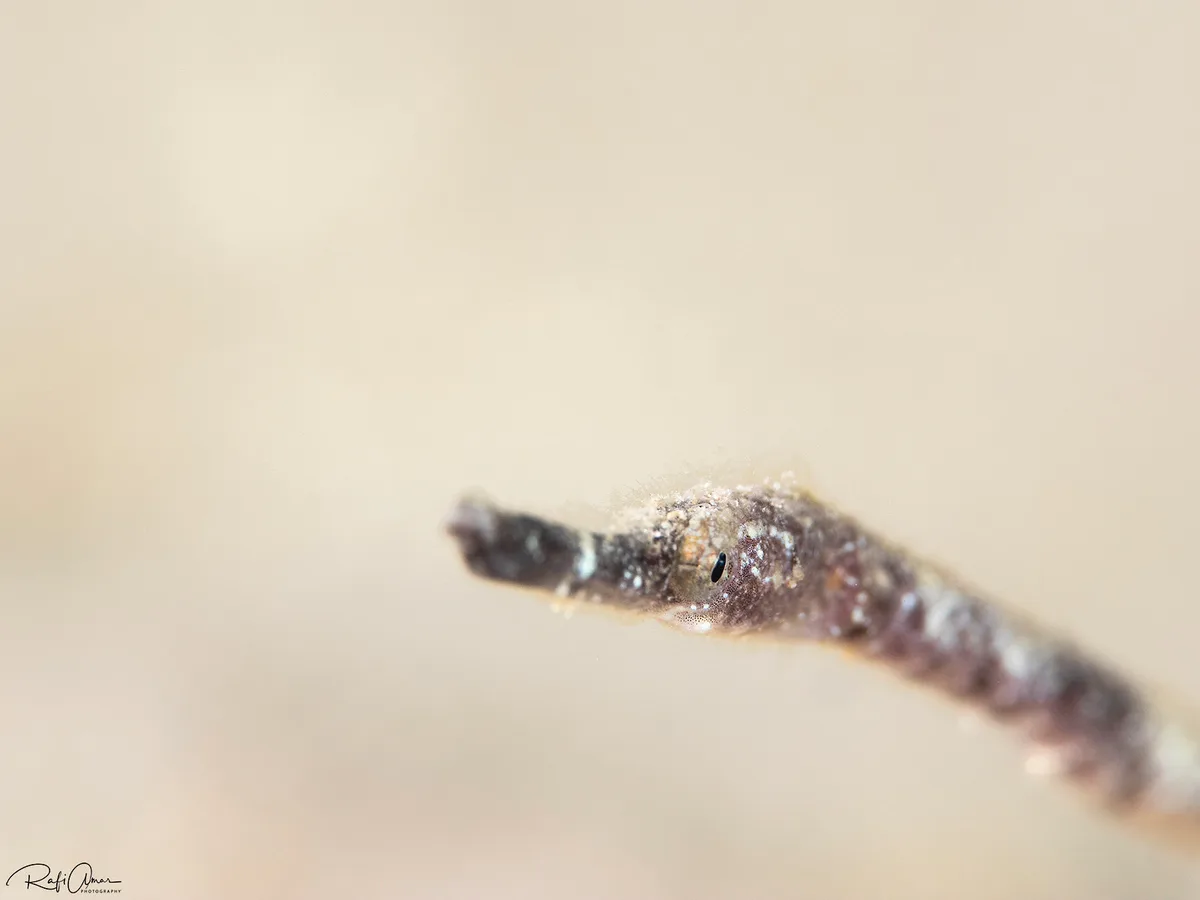
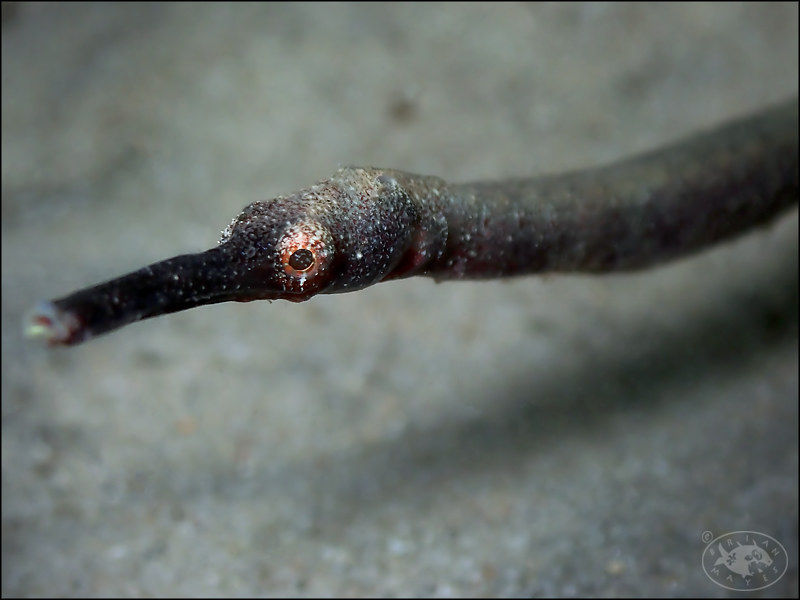
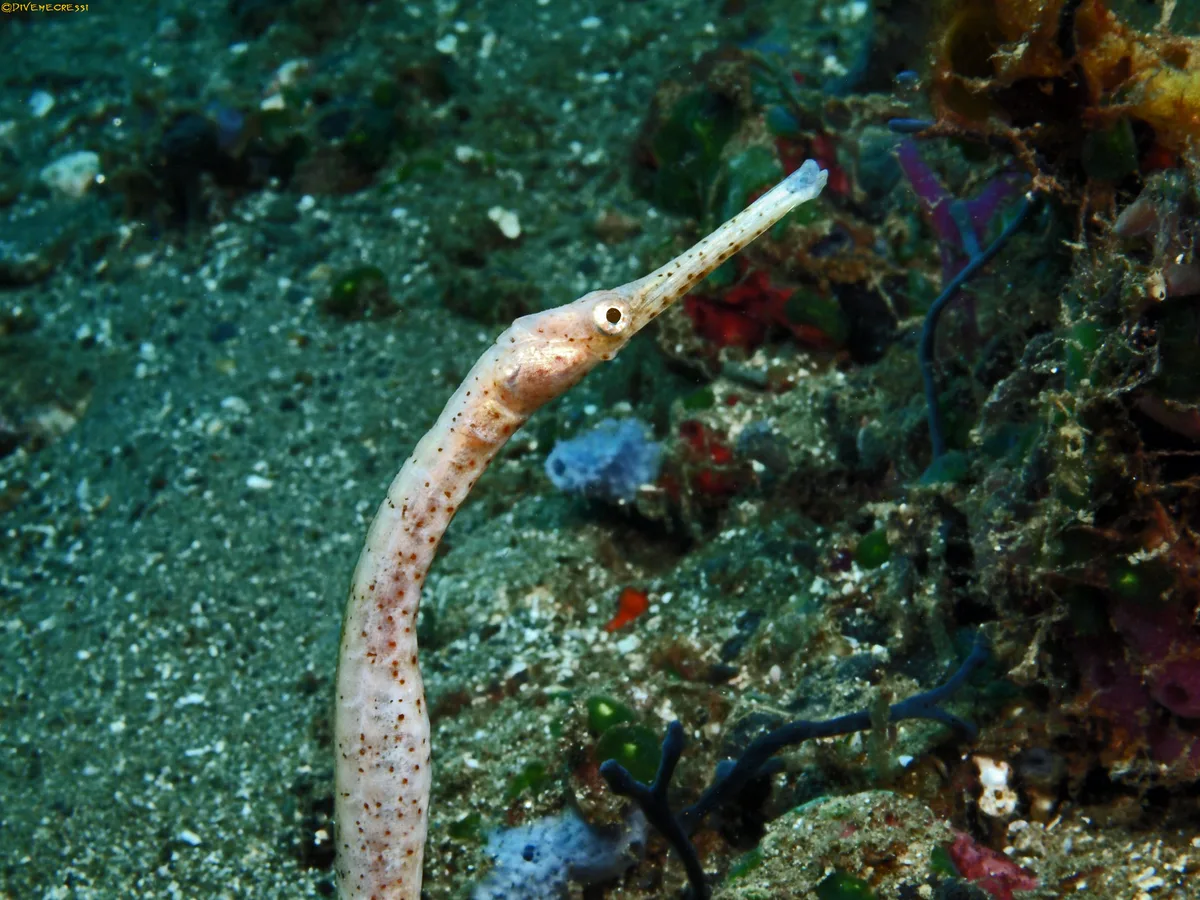
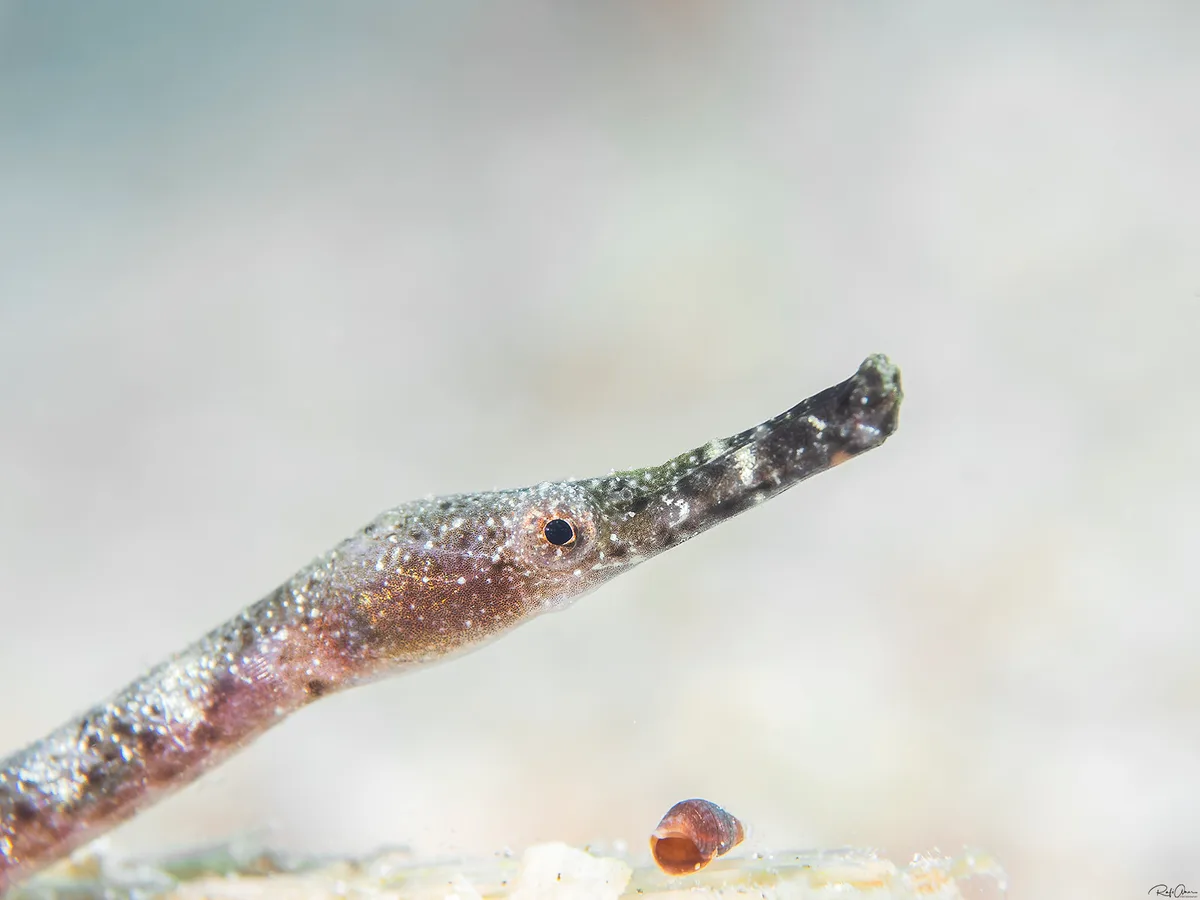
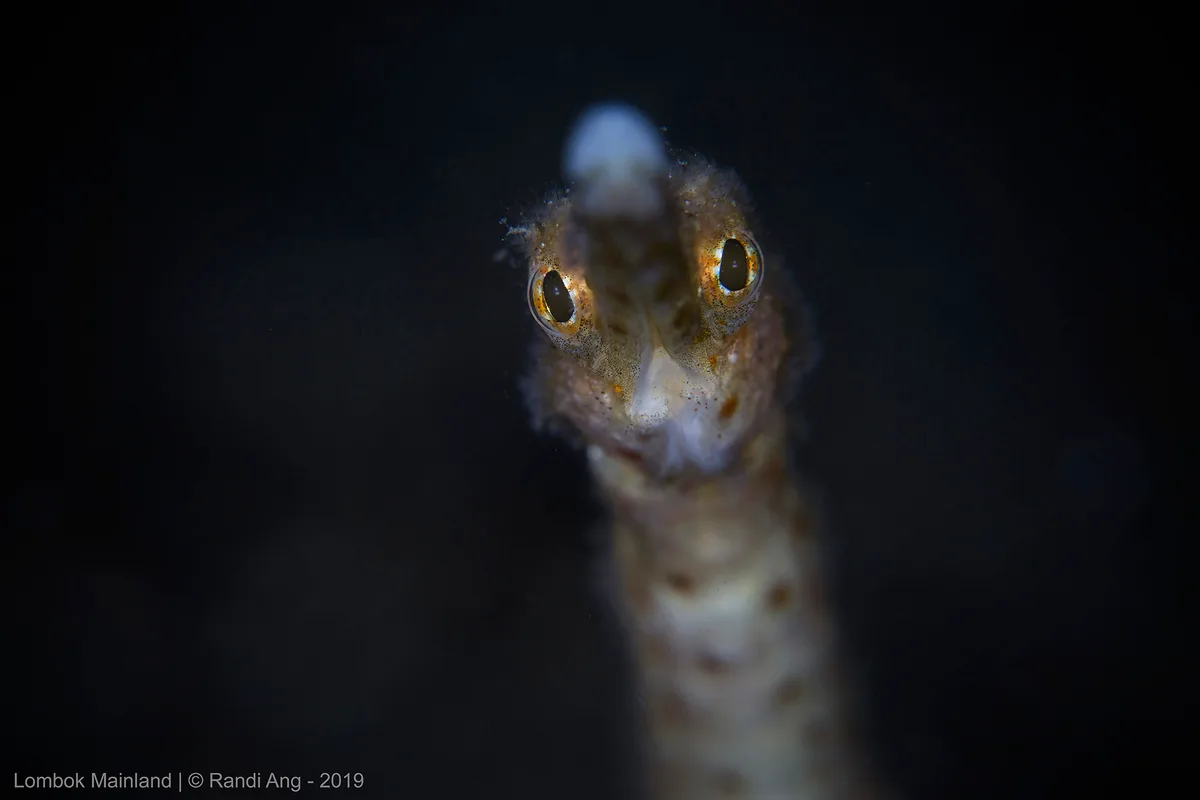
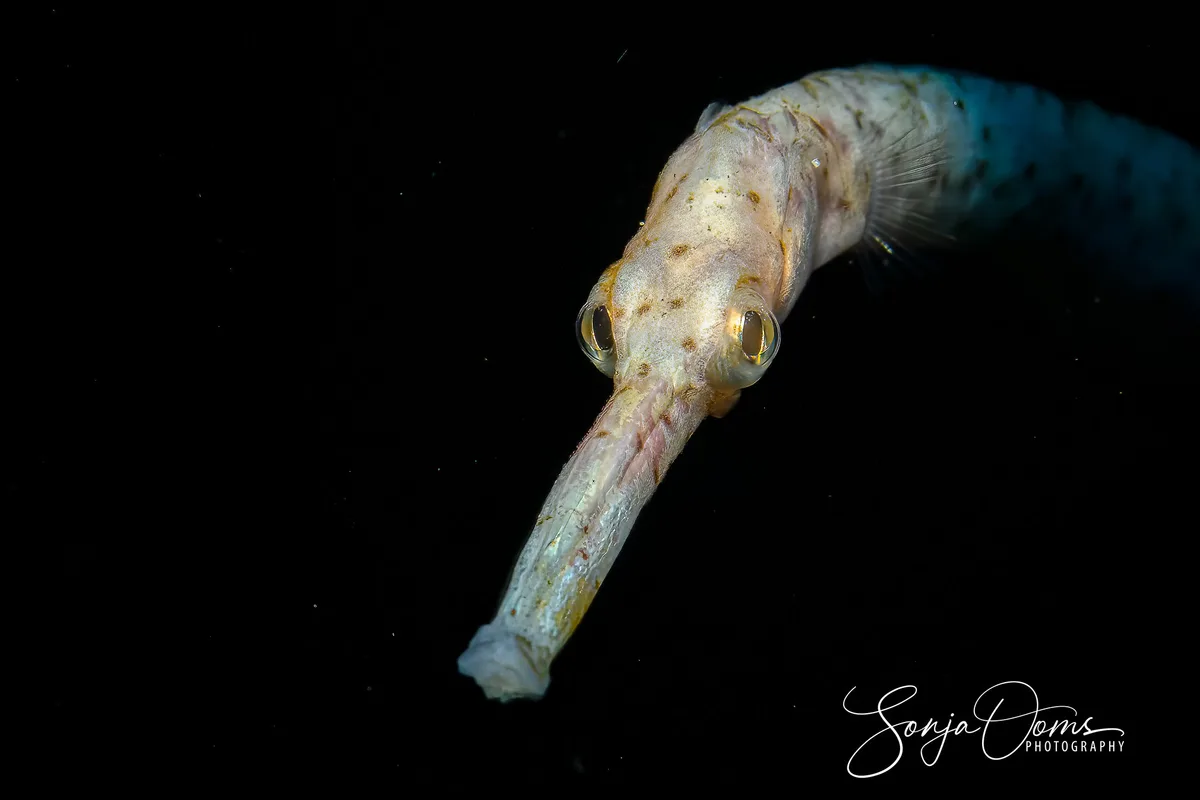
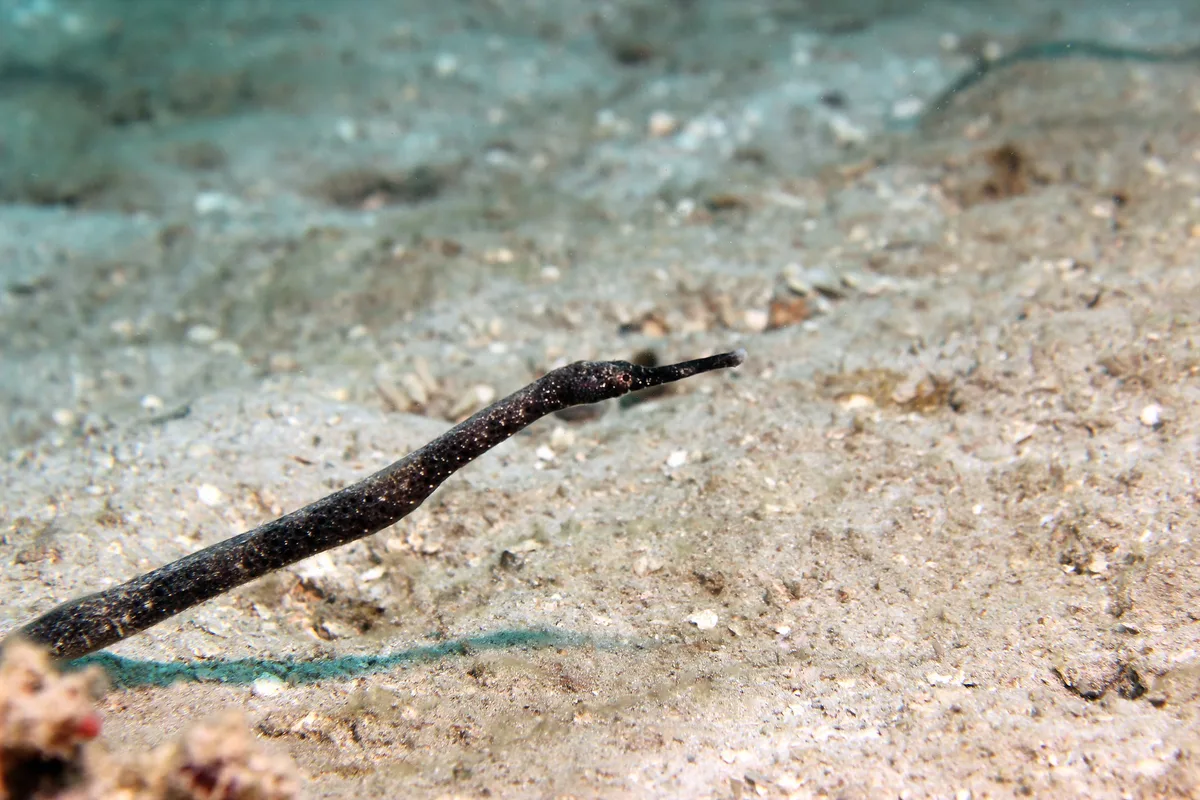
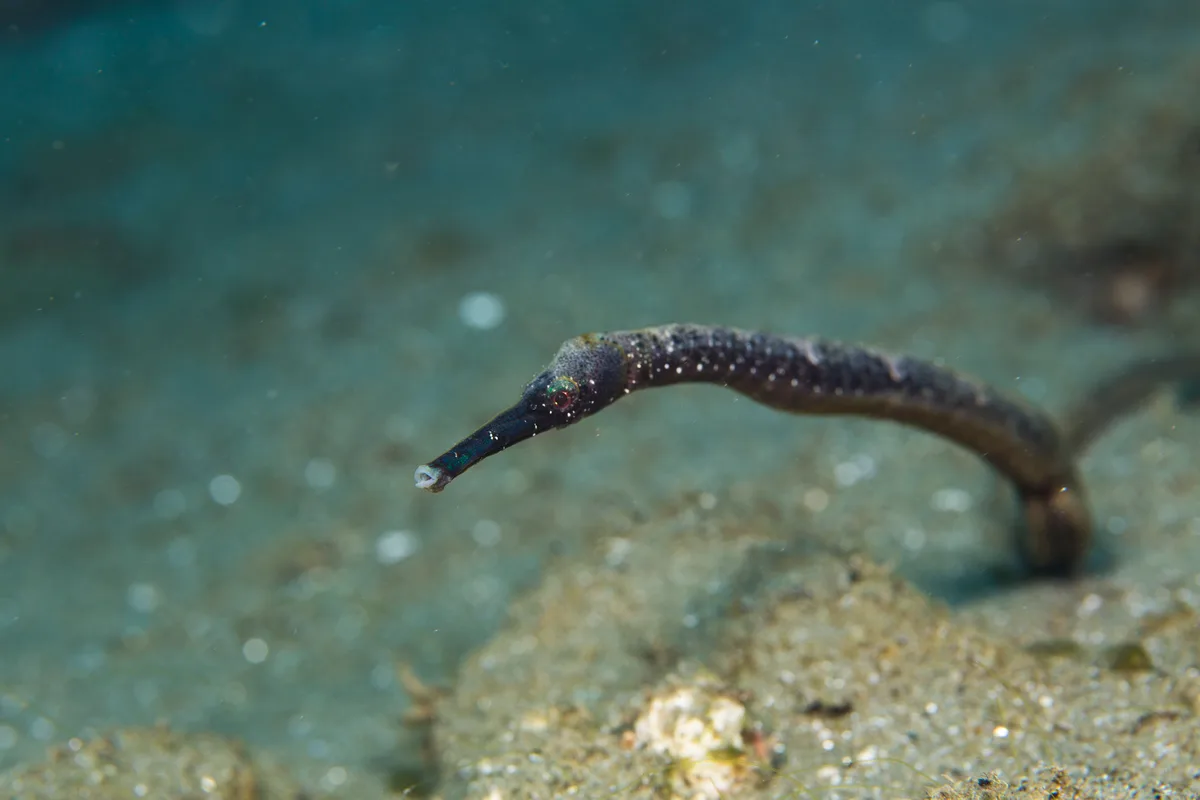
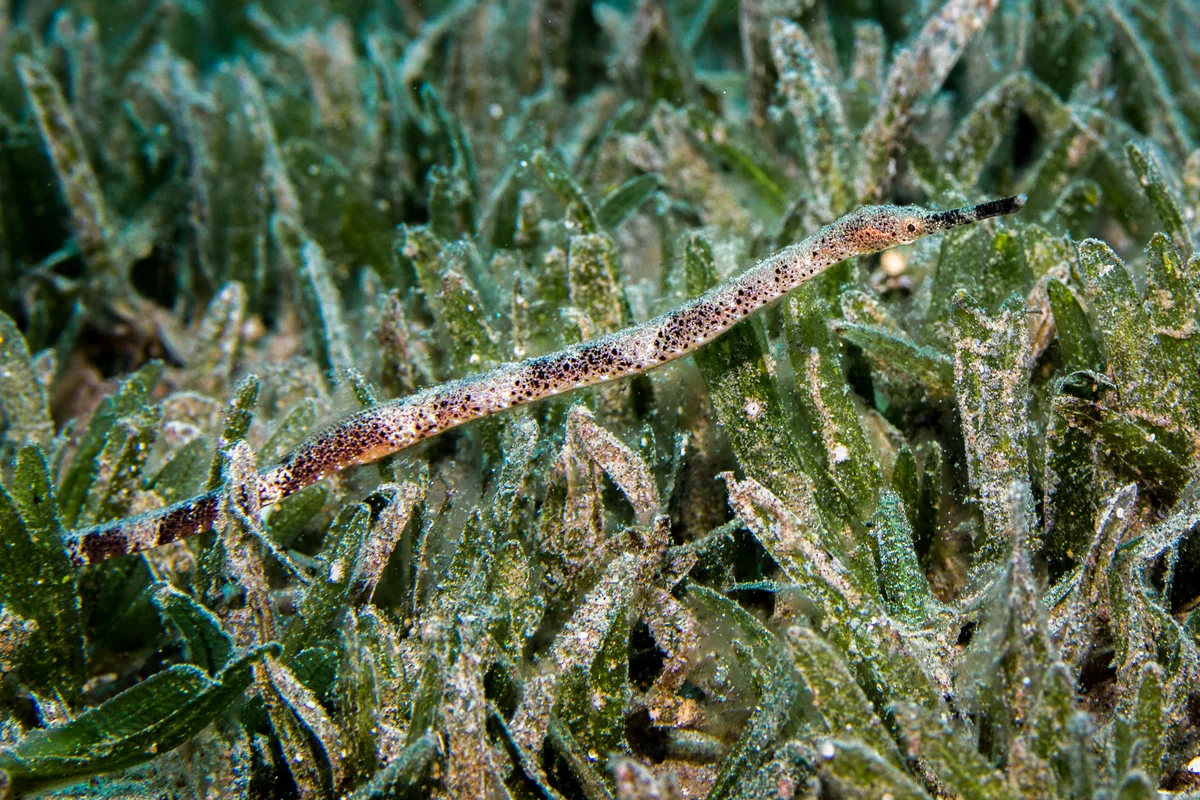
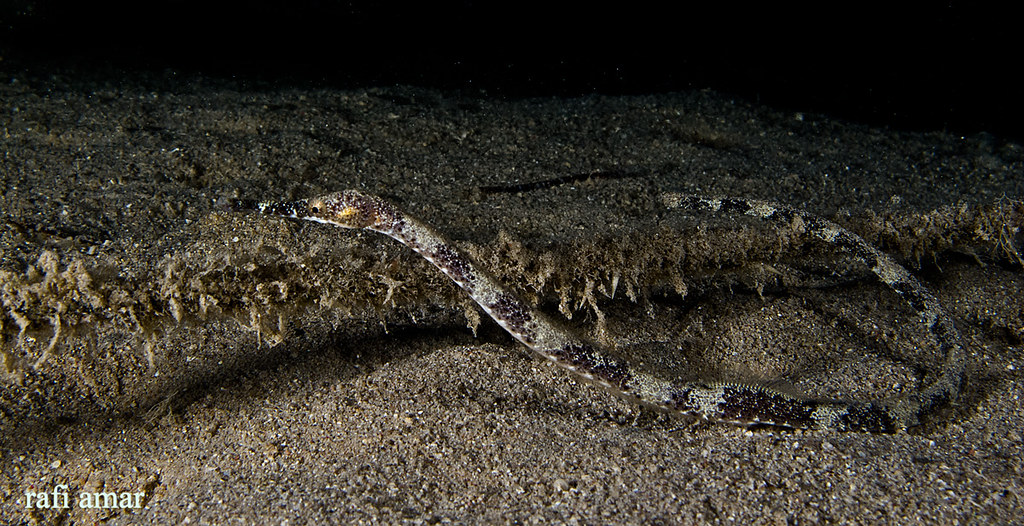
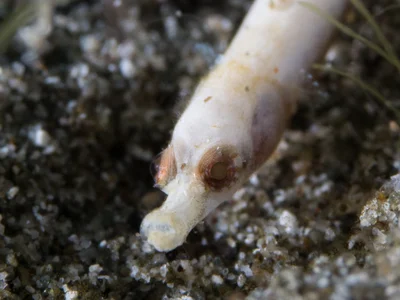
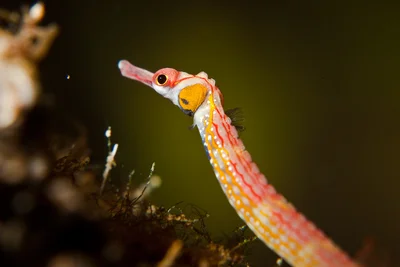
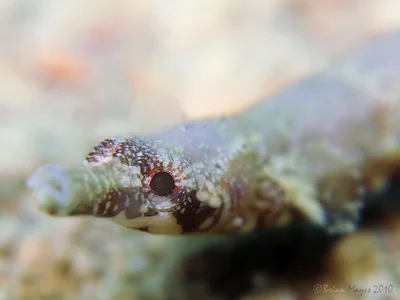
The Bentstick Pipefish is threatened primarily by being caught as bycatch in commercial trawl fisheries (Lim et al. 2011) and by habitat degradation due to climate change and human activities.
As with any reef-associated species, this pipefish is suffering habitat loss and degradation. Global coral reef cover is threatened by destructive fishing practices (blast and poison fishing), coastal development, pollution (e.g., agricultural runoff, wastewater), sedimentation, and climate change (Eddy et al. 2021, Hughes et al. 2003, Selgrath et al. 2018). From 2005 to 2019, global hard coral reductions were estimated to be 13.7% (Souter et al. 2021). In a study by Halpern et al. (2008), it was found that rocky reefs are predicted to experience extremely high cumulative effects from anthropogenic activities relative to other marine ecosystems.
The Bentstick Pipefish occurs in seven of the ten regions denoted by the Global Coral Reef Monitoring Network (i.e. Australia, East Asia, Eastern Tropical Pacific (ETP), Pacific, Red Sea and Gulf of Aden (PERSGA), South Asia, and Western Indian Ocean). These seven regions contribute to over 88% of global coral reefs and, in 2020, were all reported to be under long-term decline, where region-specific loss ranged from 0.1 to 8.7% since 2005 (Souter et al. 2021). Another review study that incorporated studies written in Indonesian found limited evidence for declines in Indonesian corals since the 1990s (Razak et al. 2024).
Seagrass beds are declining globally (Waycott et al. 2009). Water quality (e.g., algal blooms, ocean acidification, sedimentation) and coastal development (e.g., port construction, land-use change, dredging) are the most well-attributed drivers of seagrass declines (Dunic et al. 2021). Hydrology (e.g., coastal erosion, flooding), storms, poor land management, and aquaculture are other threats to global seagrass beds (Dunic et al. 2021, Van Niekerk et al. 2019). Seagrass beds may also be threatened by higher temperatures from climate change, for example, by increasing grazing pressures from poleward shifts in tropical herbivores (Duarte et al. 2018). From 1880 to 2016, global seagrass extent is estimated to have declined by 19.1% (Dunic et al. 2021). Although the decline in global seagrass cover is evident, data is only available for one-tenth of estimates in global extent (Dunic et al. 2021).
In the Indo-Pacific specifically, fishery overexploitation is also increasingly threatening seagrass beds (Unsworth and Cullen 2010). The Bentstick Pipefish occurs in one of the seven seagrass bioregions depicted by Dunic et al. (2021). Net seagrass area for this bioregion, the Tropical Indo-Pacific, has exhibited a decline of 16.2% from 1945 to 2016.
However, this pipefish is able to utilize other non-declining habitats. Further research will be needed to understand the importance of each habitat in each life stage, and how their declines affect the population trend.