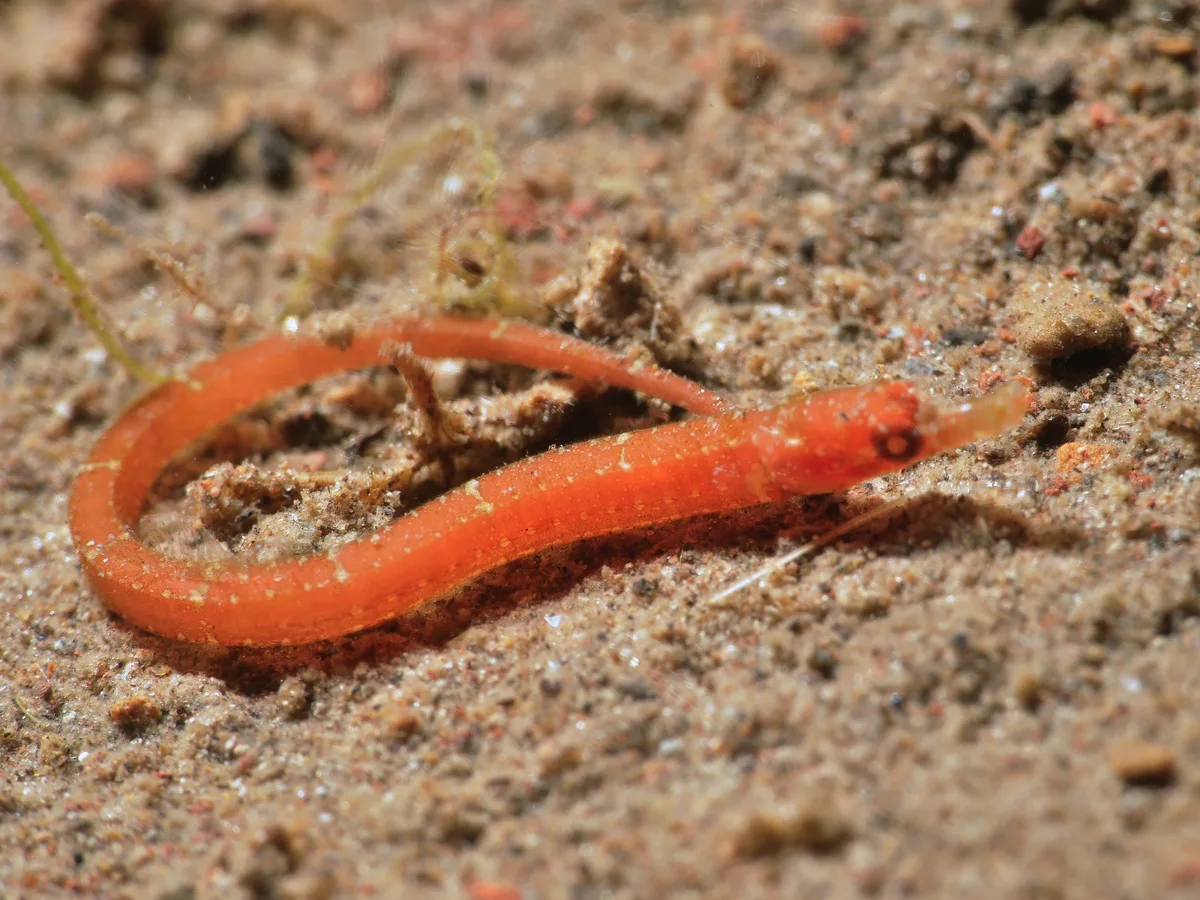
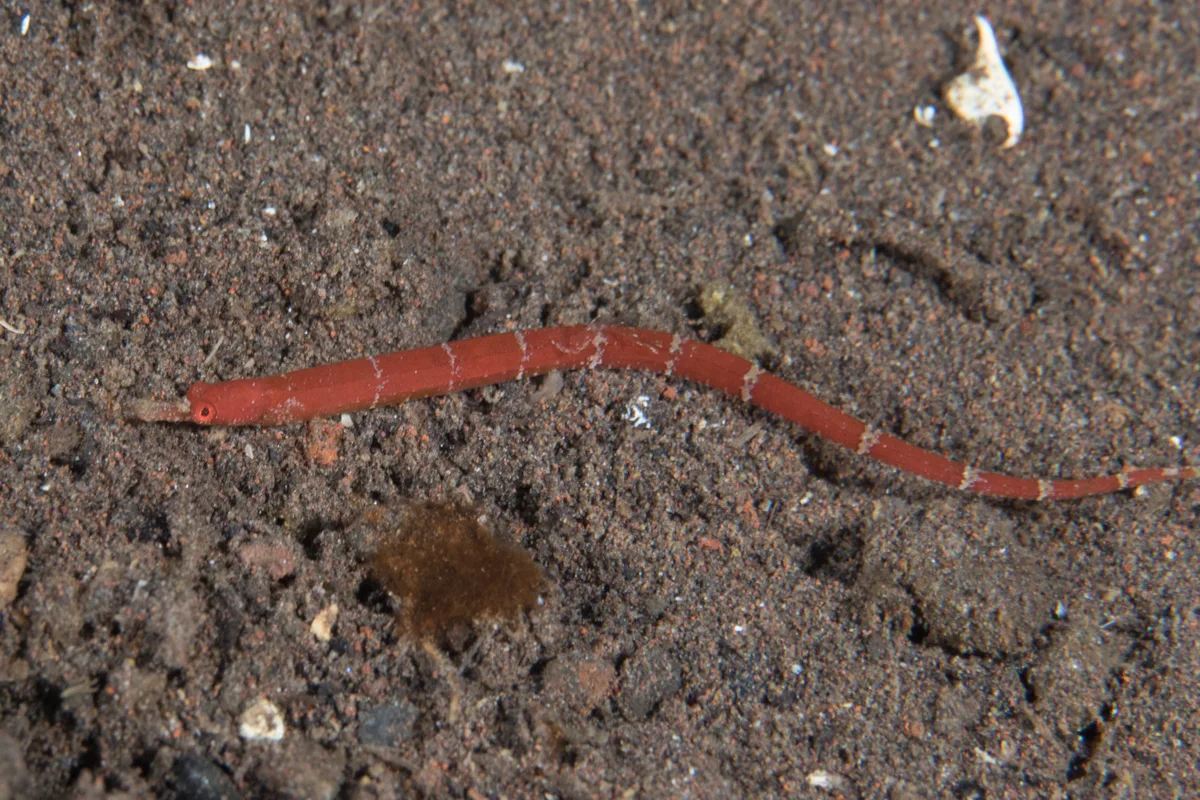
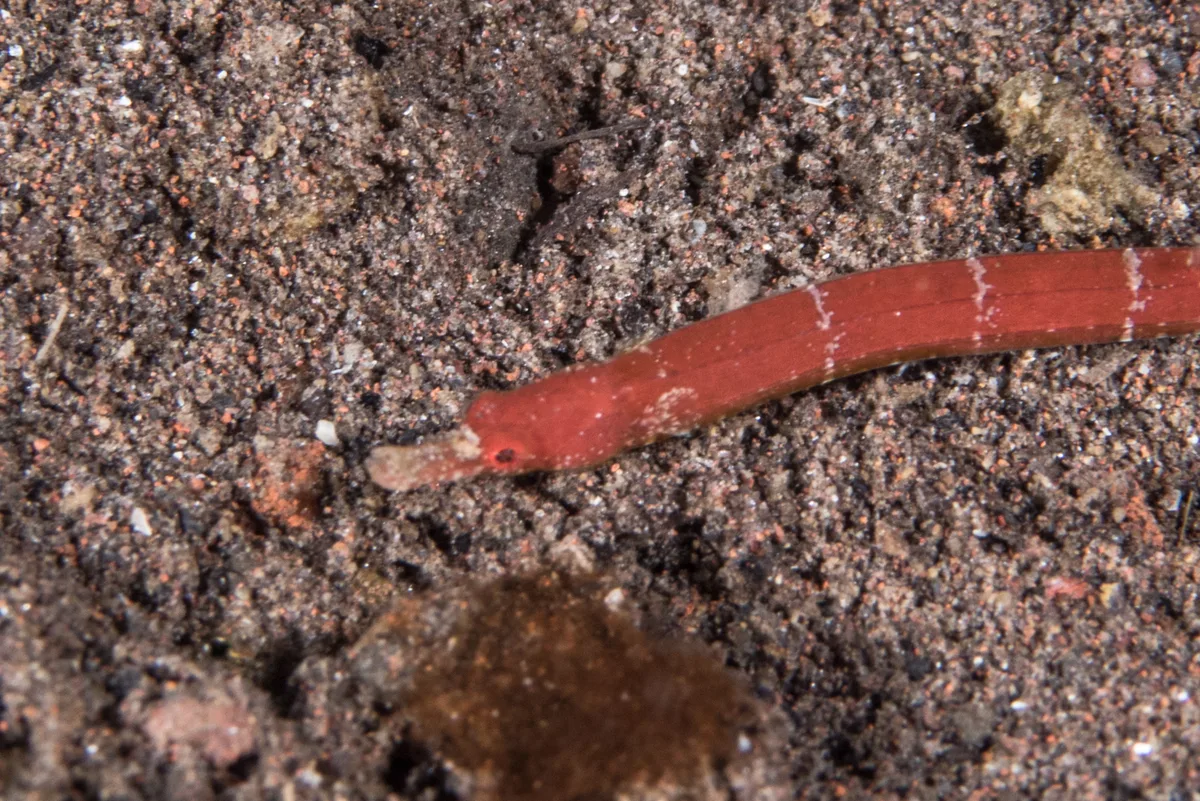
Max Weber’s Pipefish
© S. Bogorodsky
Fishes · Bony fishes · Pipefishes

Max Weber’s Pipefish

Cosmocampus maxweberi (Whitley, 1933)
syn. Syngnathus maxweberi
10 cm1-36 mLeast Concern
682

The Cosmocampus maxweberi, commonly referred to as Maxweber's pipefish, is a marine species within the family Syngnathidae. Its distribution spans the 🌊 Red Sea, extending from Sumatra (🇮🇩 Indonesia) to 🇹🇴 Tonga and 🇼🇸 Samoa, and reaching from the 🇲🇭 Marshall Islands to the Great Barrier Reef. Adult individuals inhabit reef environments and reef-rubble down to depths of 36 meters, whereas the planktonic juveniles are typically observed within the upper 85 meters of water columns ranging from 1500 to 2000 meters deep. The diet of adult Maxweber’s pipefish likely consists of small crustaceans, akin to other species within the pipefish group, and they can reach up to 10 centimeters in length. This species is ovoviviparous, with males assuming the role of carrying eggs until the offspring are born live.

The species’ specific name is a tribute to the German-Dutch zoologist and biogeographer Max Carl Wilhelm Weber (1852–1937).

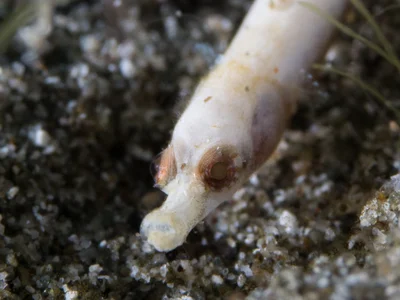
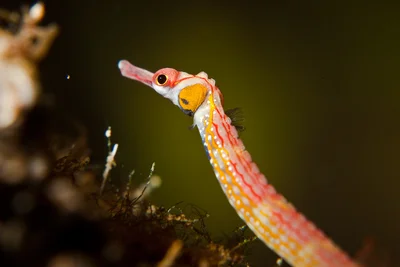
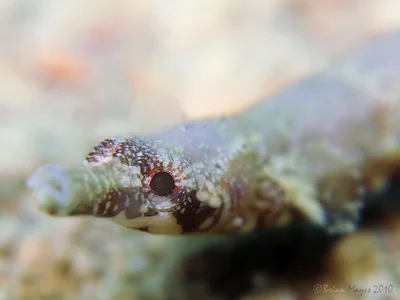
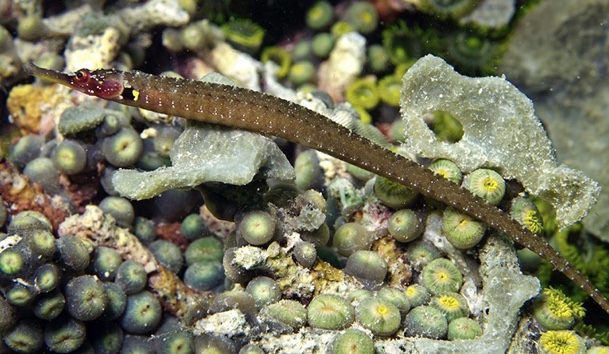
In terms of appearance, the Cosmocampus maxweberi exhibits a color palette ranging from pale red to tan, accented by a distinct dark lateral stripe on the snout and brown markings on the head. Additionally, it may feature dark brown bars along its ventral and lower sides.

Why it's threatened

Residential & commercial development
Housing & urban areas · Commercial & industrial areas · Tourism & recreation areas
Biological resource use
Unintentional effects: (subsistence/small scale) [harvest] · Unintentional effects: (large scale) [harvest]
Pollution
Sewage · Run-off · Nutrient loads · Soil erosion, sedimentation
Climate change & severe weather
Habitat shifting & alteration · Temperature extremes

Cosmocampus maxweberi is threatened by coral reef habitat loss. Reefs in the region declined by 1% per year for 20 years from 1984-2004 (Bruno and Selig 2007), and declines are ongoing (De'Ath et al. 2012). This decline in coral reefs is a result of many factors, including pollution and sedimentation from coastal development, destructive fishing practices such as dynamite fishing and bottom trawling, and the effects of climate change such as ocean acidification and rising sea temperatures (Bruno and Selig 2007, Carpenter et al. 2008). This coral decline is not thought to have occurred on a timescale that is relevant to three generations for this species, and C. mabxweberi can also use coral rubble as habitat.

The species may also be at risk directly due to collection for the aquarium trade (Krause 2011), but this has not been quantified and effects on wild populations are unclear.

Threat classification from the IUCN Red List.

Comments

Please, sign in to leave a comment

Continue with a social account — yours will be created automatically.

No comments yet — be the first.

Last Update: June 28, 2026