Little Dragonfish
Little Dragonfish
Little Dragonfish
Little Dragonfish
Little Dragonfish
Little Dragonfish
Little Dragonfish
Little Dragonfish
Little Dragonfish
Little Dragonfish
Little Dragonfish
Little Dragonfish
Little Dragonfish
Fishes · Bony fishes · Pegasuses

Little Dragonfish

Eurypegasus draconis (Linnaeus, 1766)
syn. Cataphractus draco, Europegasus draconis, Pegassus draco, Pegasus draco, Pegasus draconis, Pegasus latirostris +5 more
9 cmLeast Concern
1659

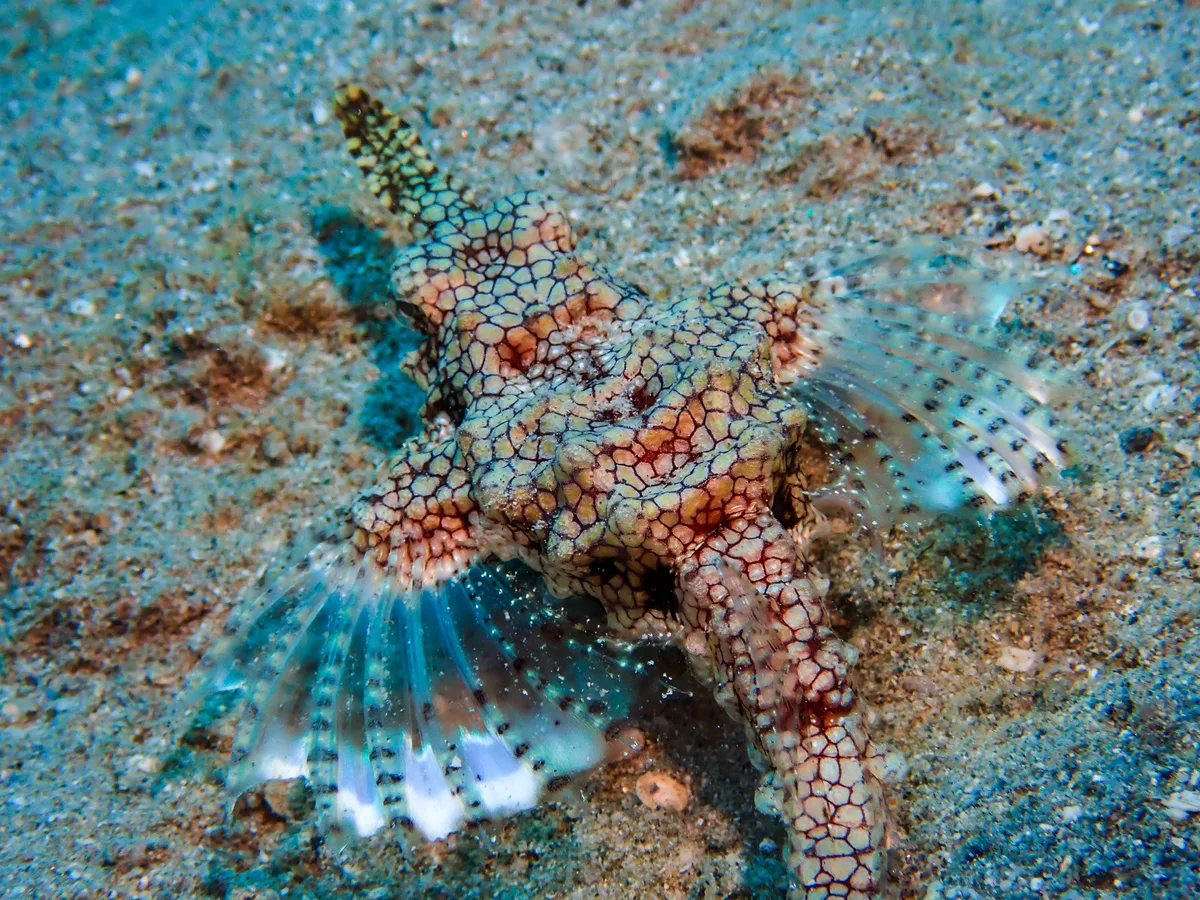
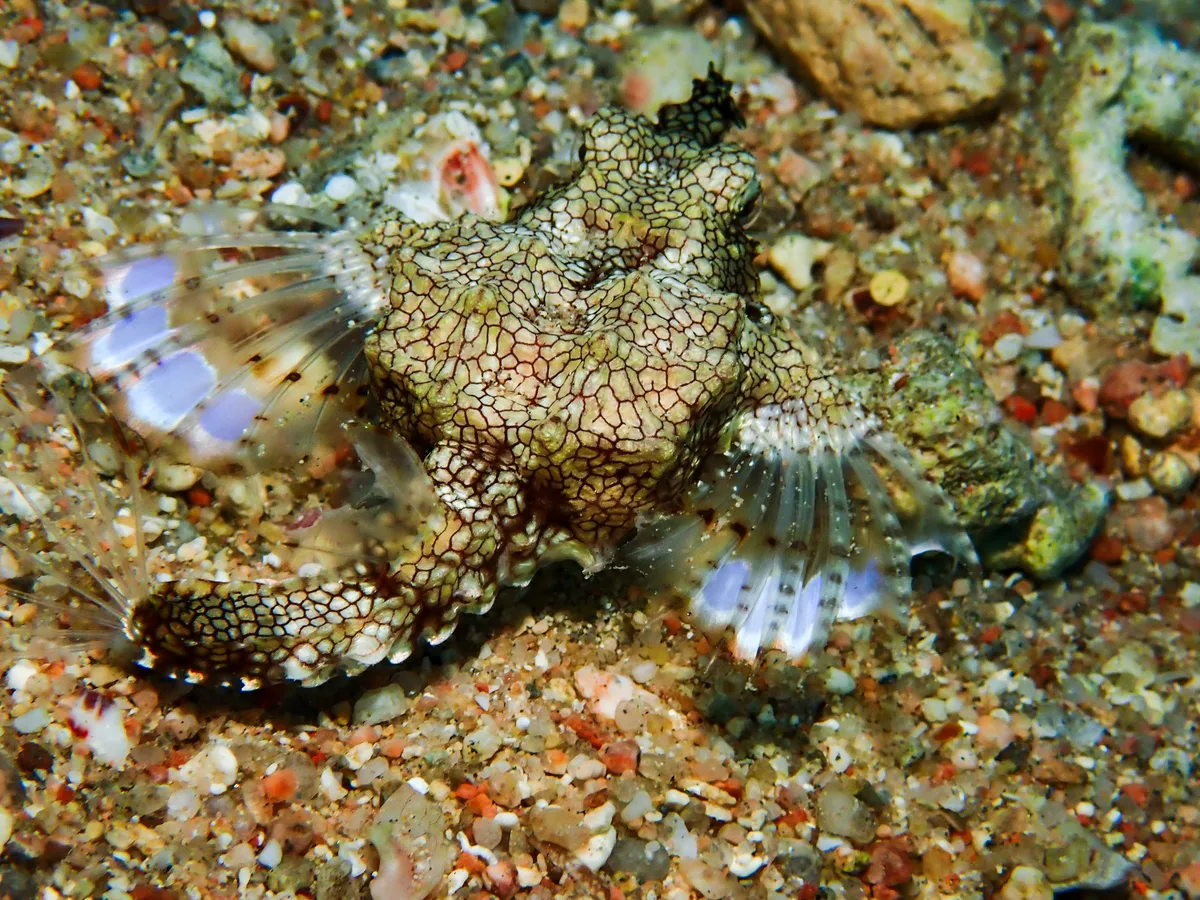
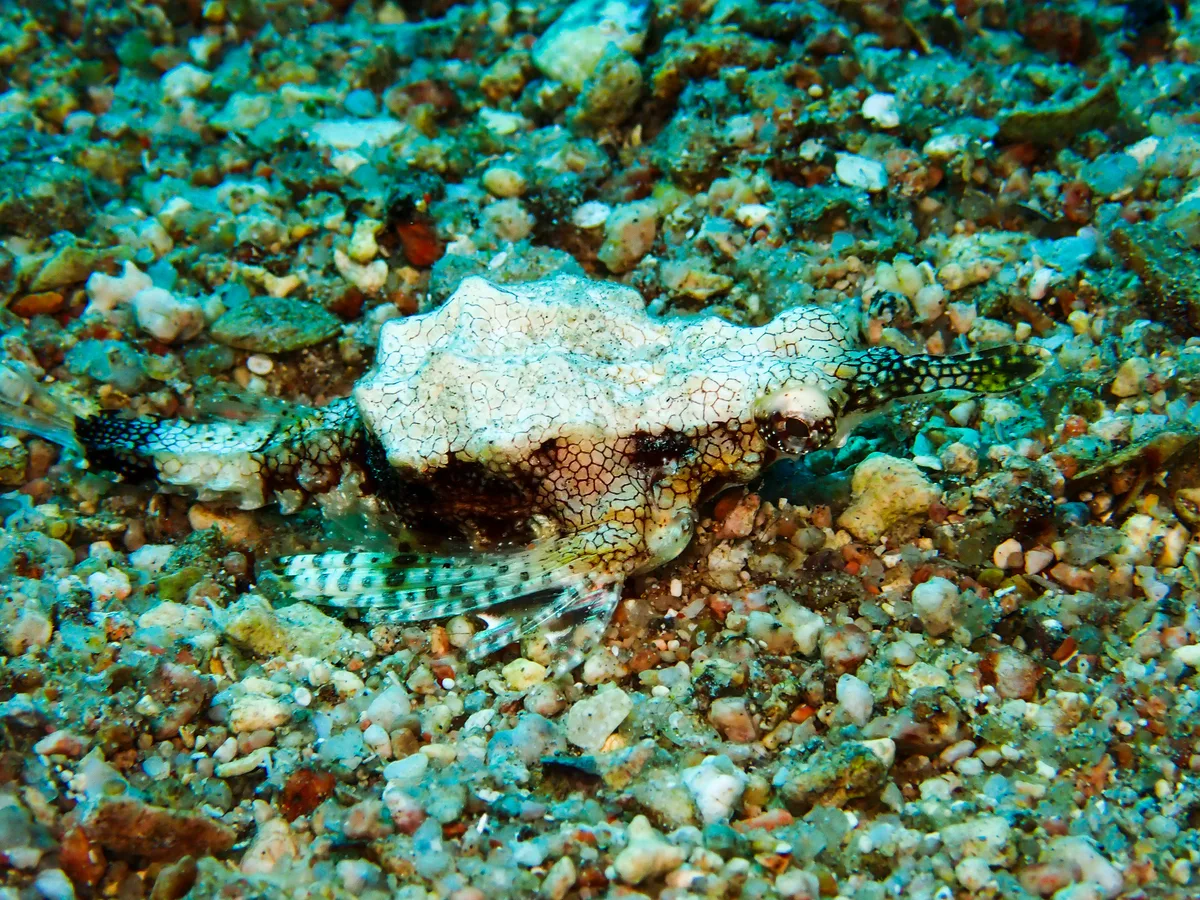
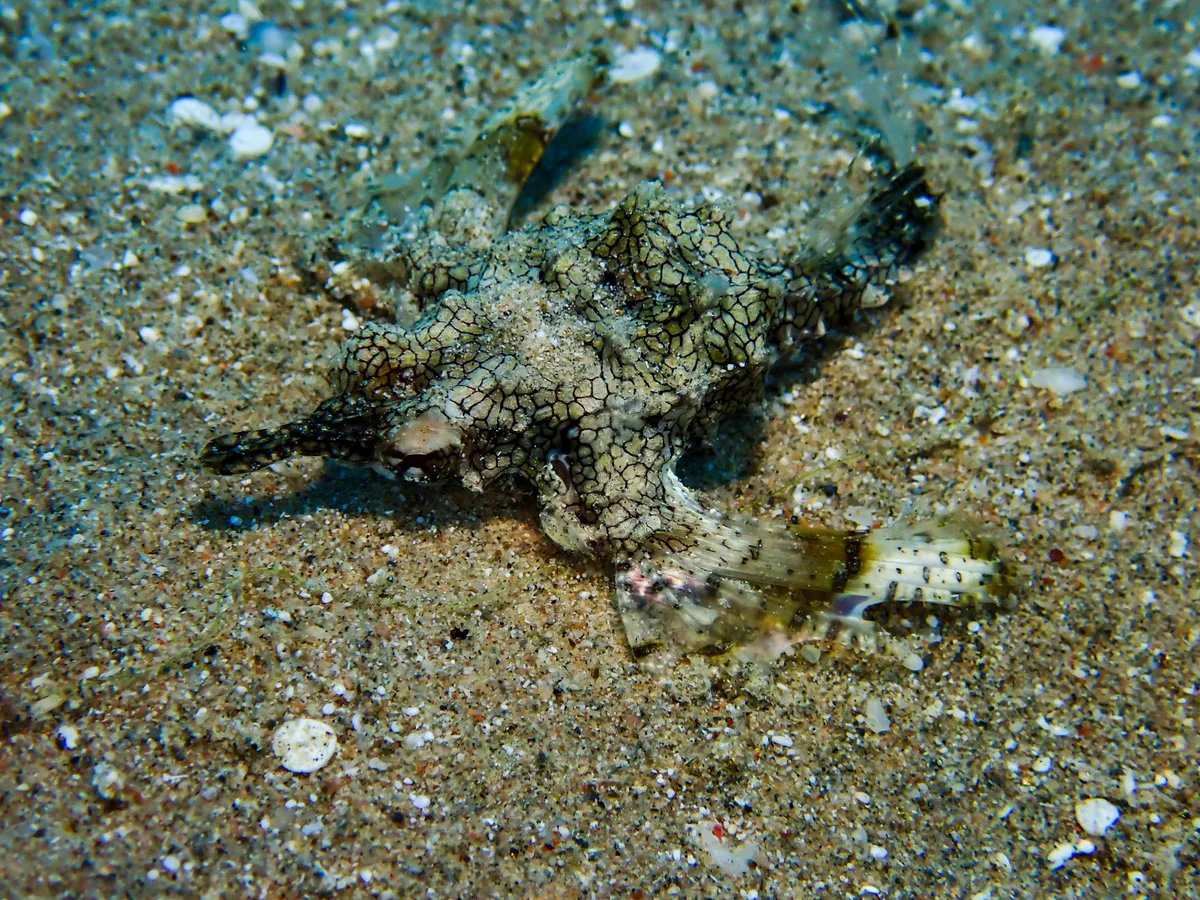
The Little Dragonfish, scientifically known as Eurypegasus draconis, is a fascinating species of fish that belongs to the family Pegasidae. Also commonly referred to as the Short Dragonfish or simply the Dragonfish, this small creature is native to the warm waters of the Indo-Pacific region, including the eastern coast of Africa, 🇲🇻 Maldives, 🇵🇭 Philippines, and 🇮🇩 Indonesia.

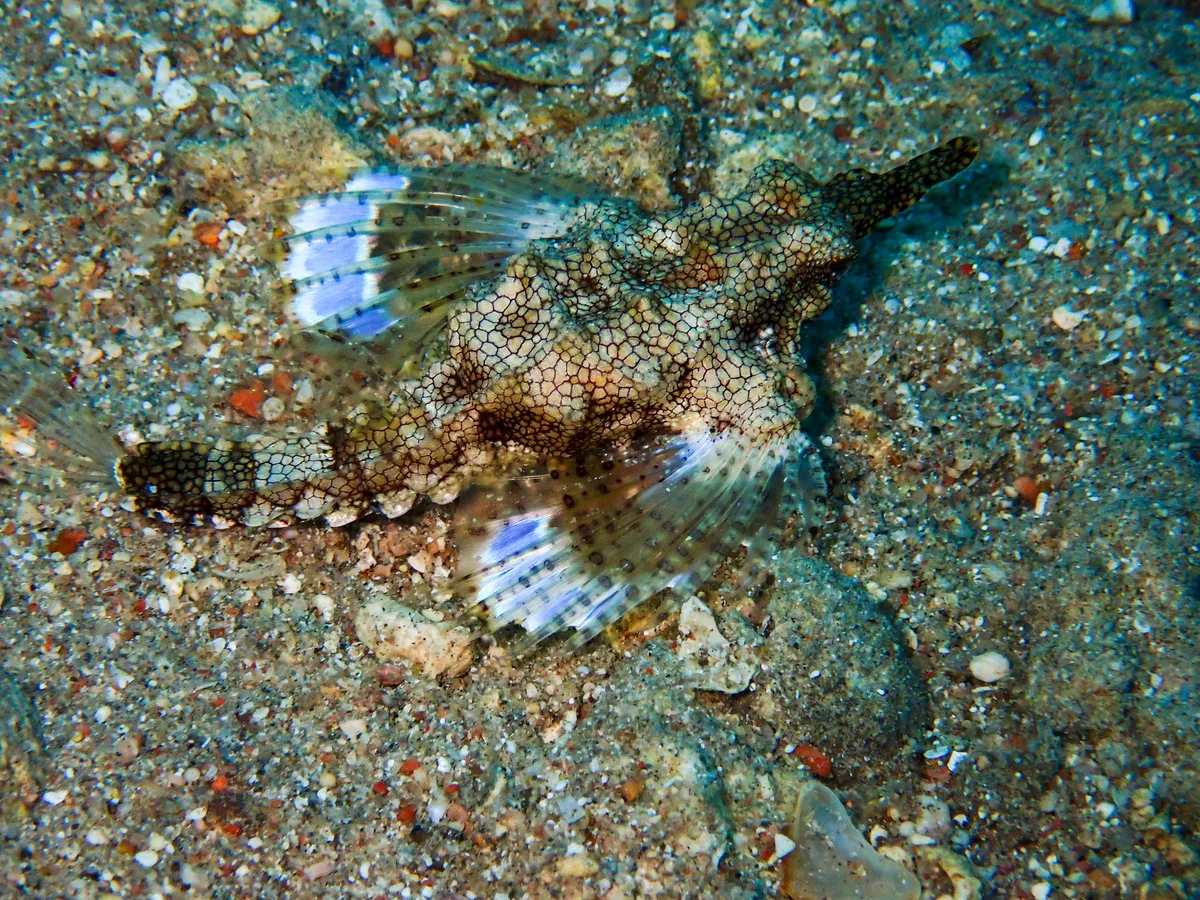
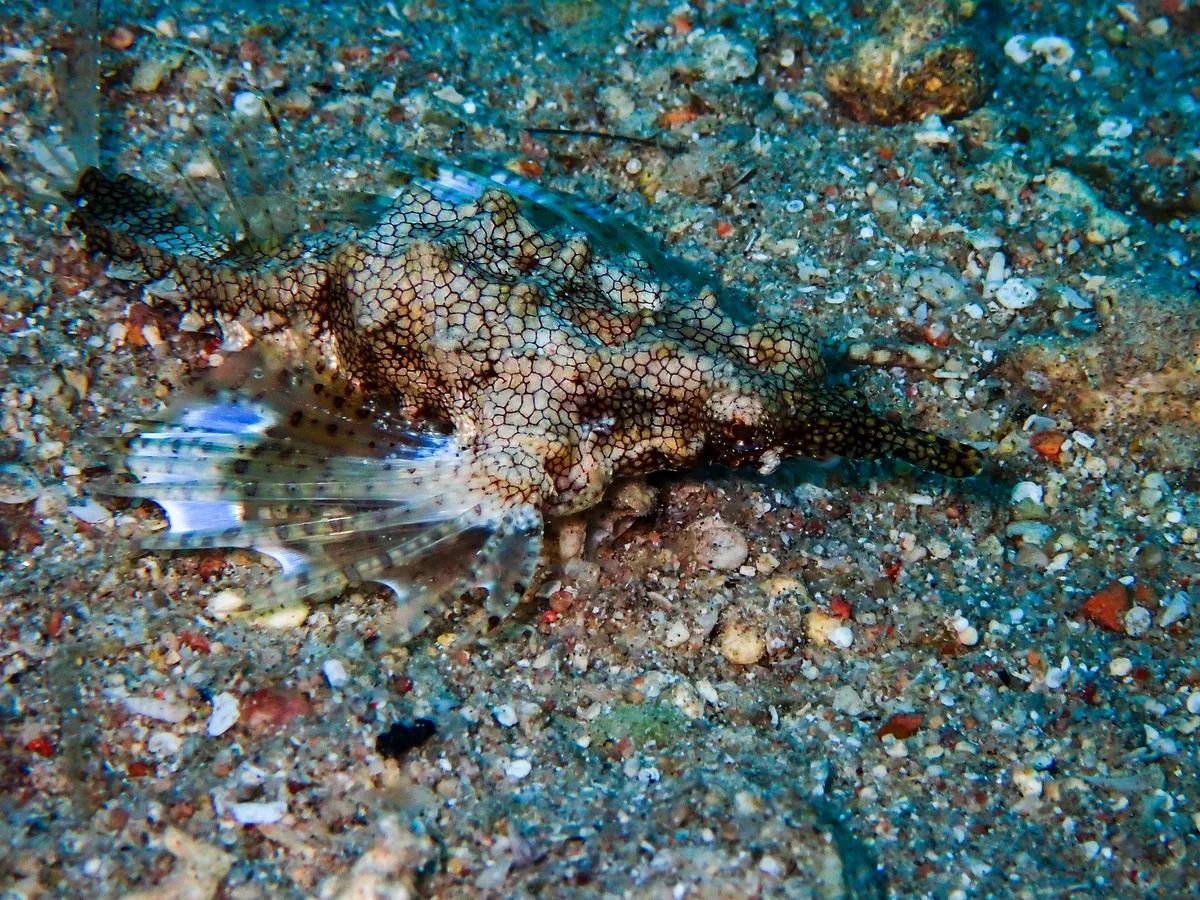
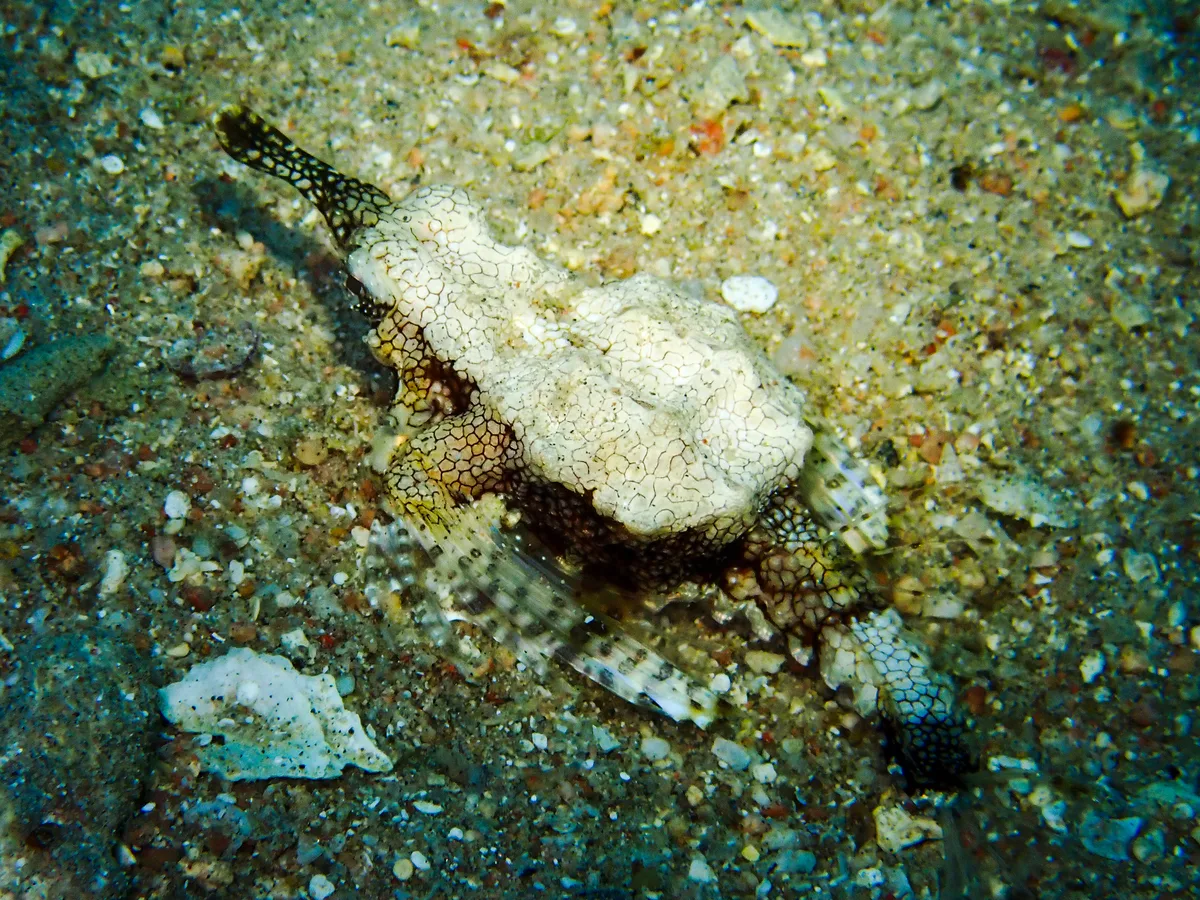
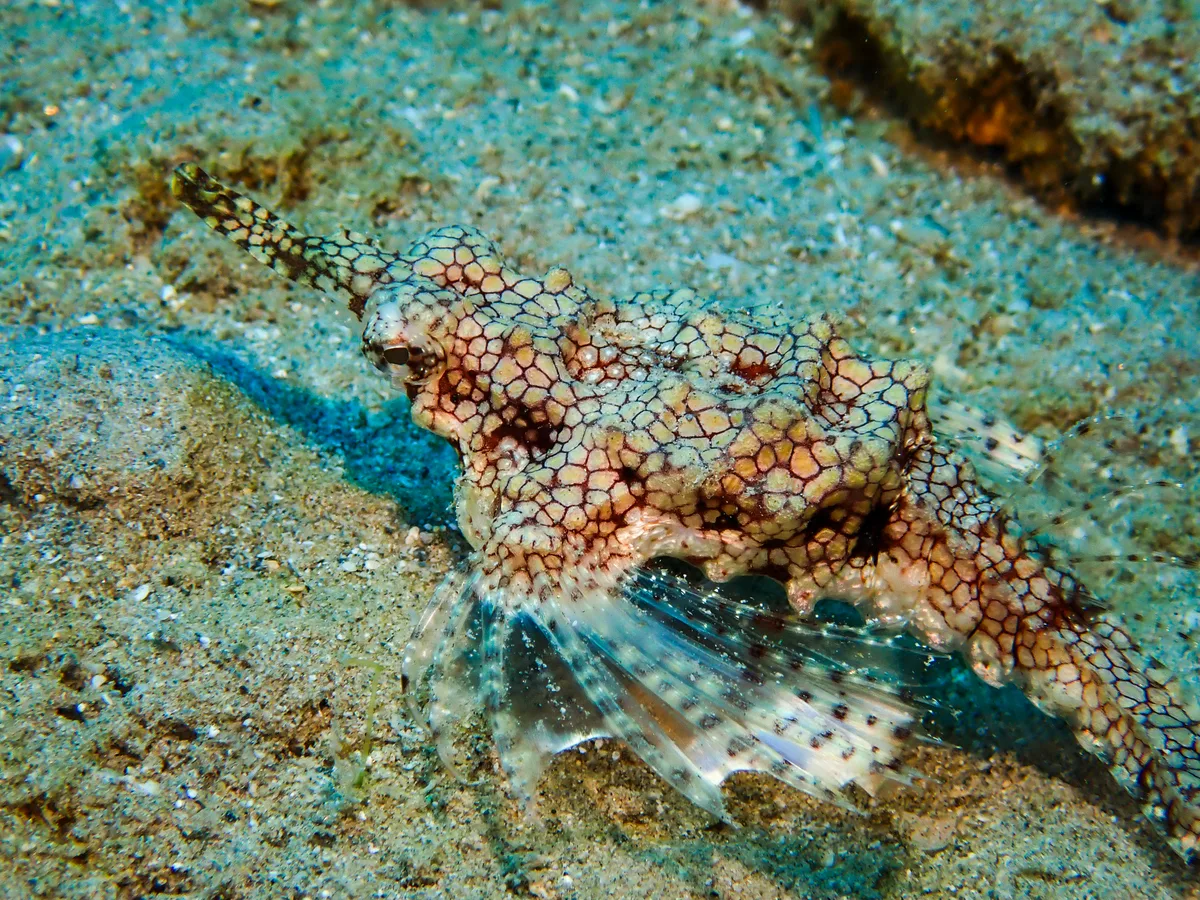
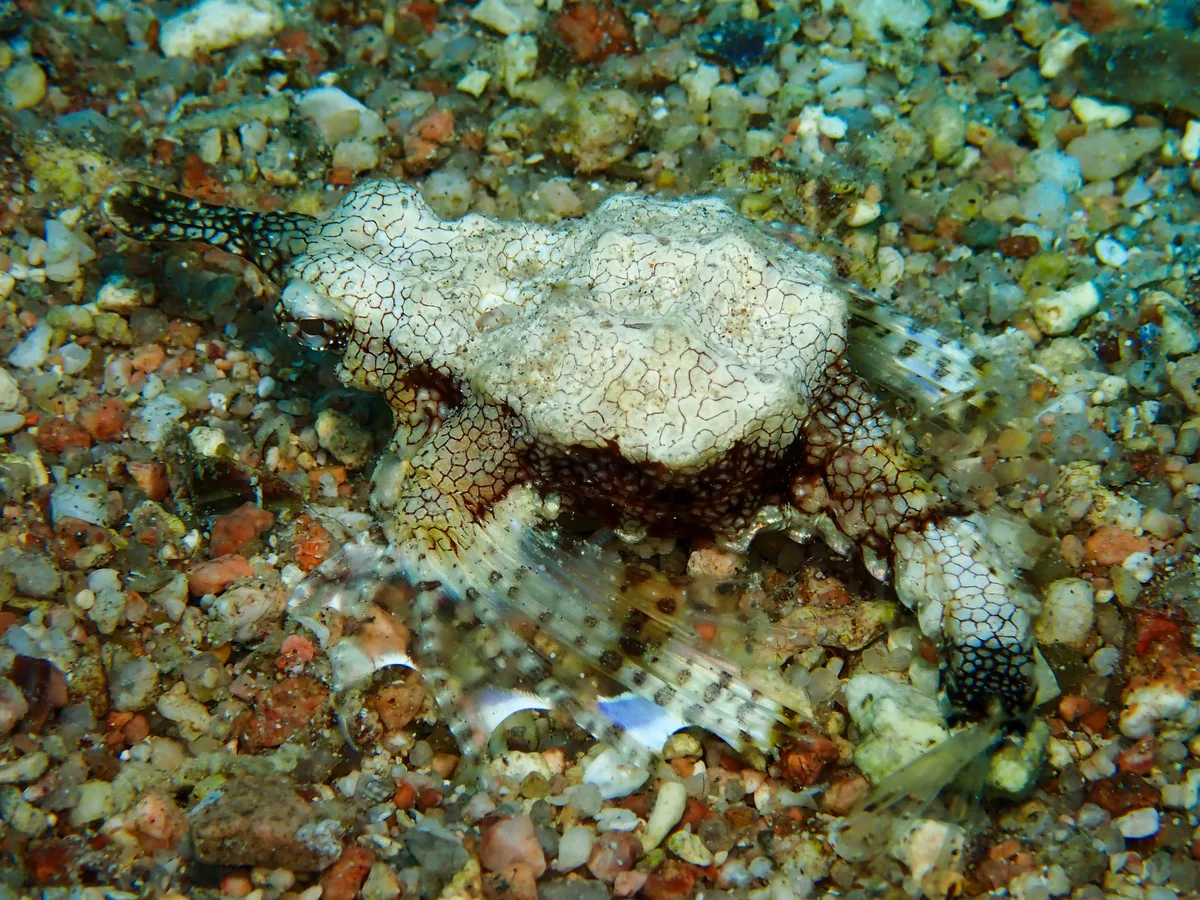
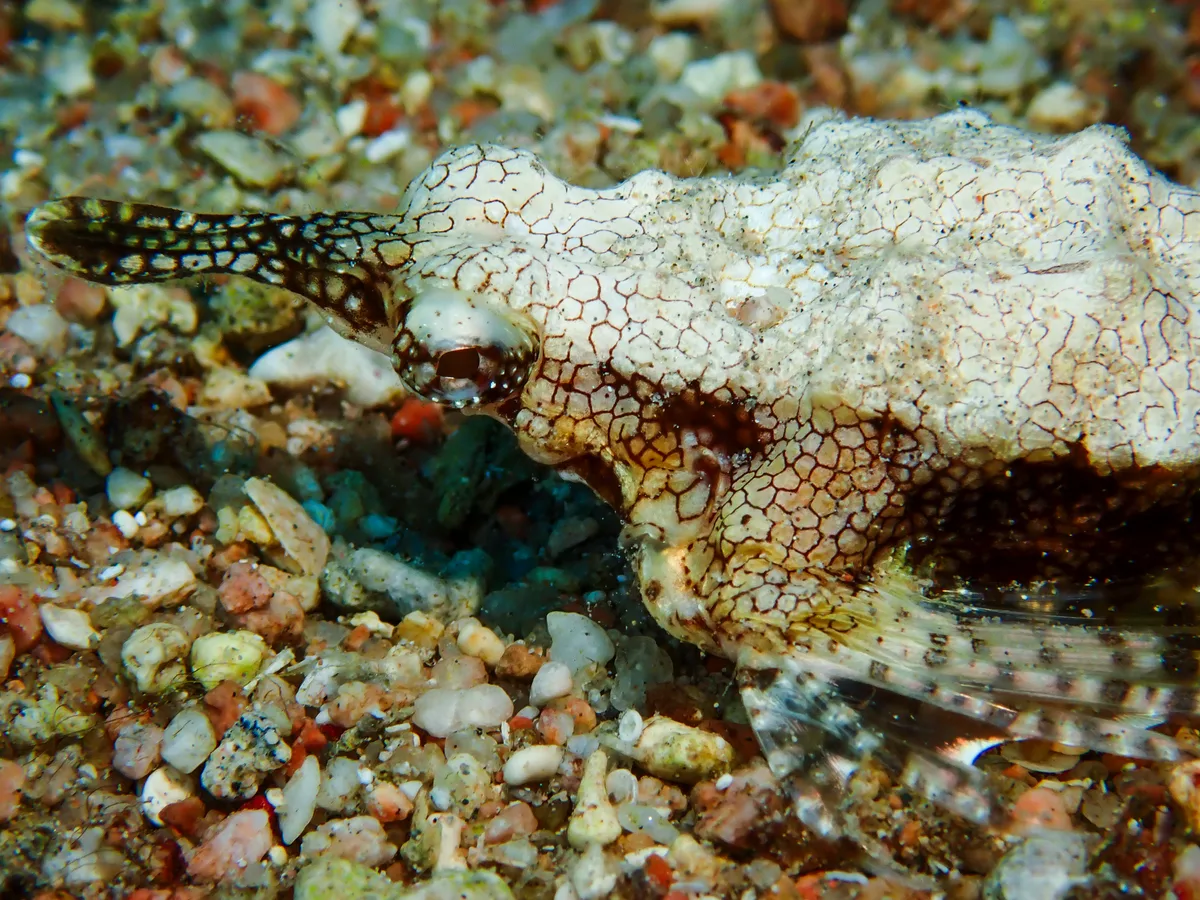
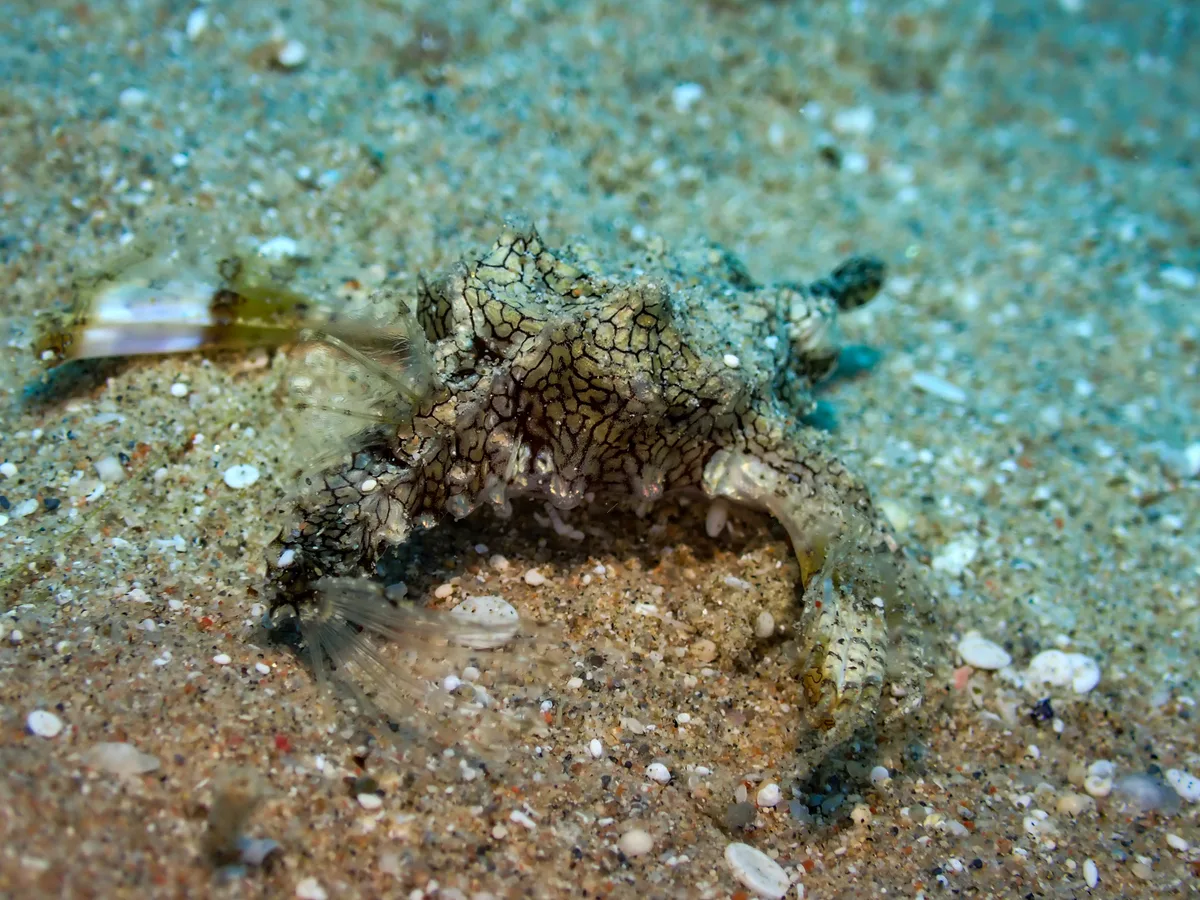
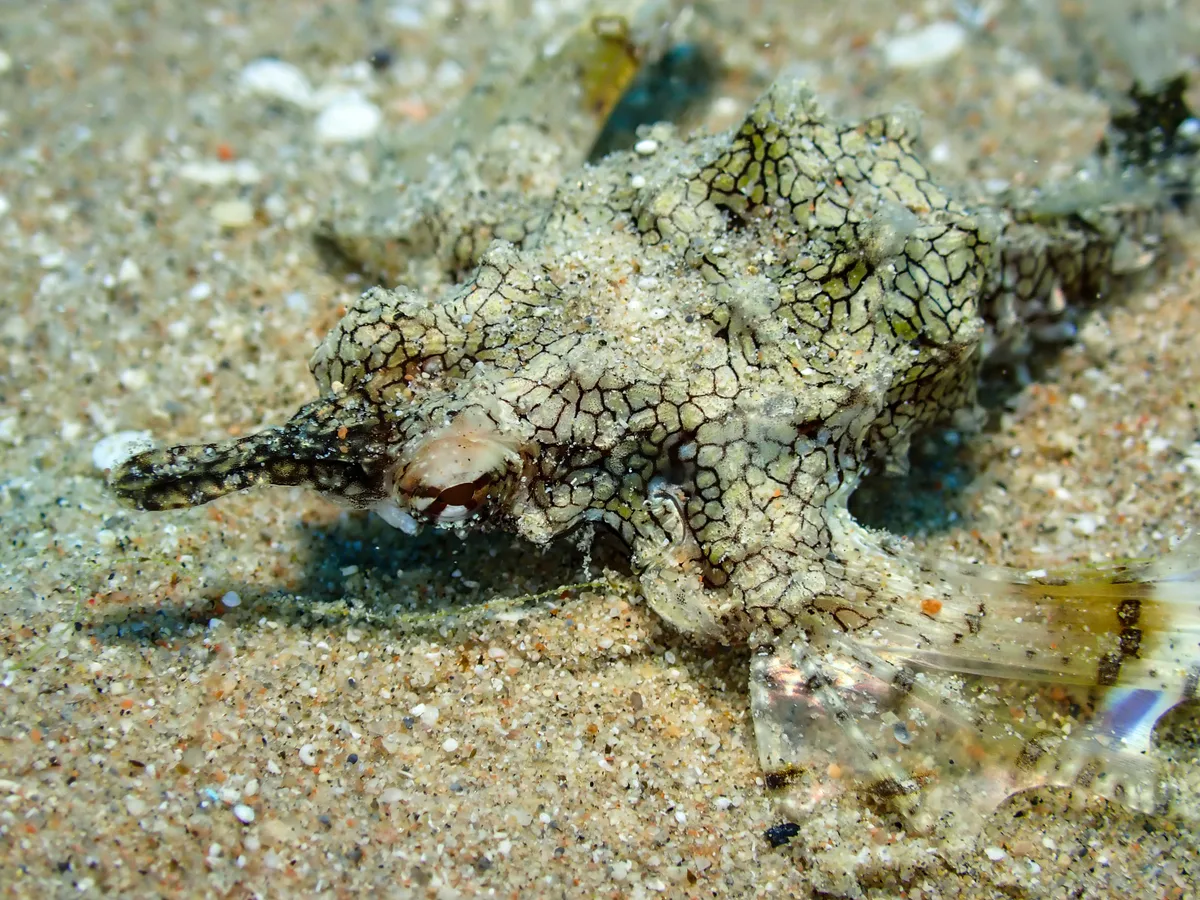
Measuring only about 9 centimeters in length on average, the Little Dragonfish is relatively small compared to other fish species. Its body is elongated and slender, resembling that of a seahorse, with a distinctive feature of ornate, bony plates covering most of its body. These plates give the fish a mythical dragon-like appearance, hence the name "Dragonfish."

The coloration of the Little Dragonfish can vary, but it typically ranges from brown to red, with faint stripes or spots adorning its body. Its dorsal fin is tall and extends along the entire back, while the anal fin is located towards the tail. Interestingly, the pectoral fins are modified into thin, wing-like structures, which the fish uses to glide through the water with impressive agility.

One of the most enchanting aspects of the Little Dragonfish is its exceptional ability to change its coloration to blend in with its surroundings. This adaptive trait allows the fish to camouflage itself effectively, either as a means of camouflage for protection or for hunting purposes. Its eyes are large and characterized by a vibrant coloration which further adds to its overall mesmerizing appearance.

In terms of behavior, the Little Dragonfish is a relatively solitary and sedentary species, often seen hovering or swimming slowly above sandy or muddy substrates. It feeds primarily on small crustaceans and other tiny marine organisms, which it captures using its long snout and a vacuum-like suction mechanism.

Although the Little Dragonfish is not commonly found in home aquariums due to its specialized care requirements, it is highly esteemed by marine enthusiasts for its unique appearance and intriguing behavior. It serves as a captivating reminder of the diversity and mystique found within the depths of the ocean.

Why it's threatened

Biological resource use
Intentional use: (subsistence/small scale) [harvest] · Unintentional effects: (subsistence/small scale) [harvest] · Unintentional effects: (large scale) [harvest]

Threats to E. draconis include being taken as bycatch in fishing gears that collect fish from near the bottom. Bycatch of E. draconis has been reported in China (Vincent 1997), the Philippines (Pajaro et al. 2004) and Australia (Stobutzki et al. 2001). A review of species taken as bycatch in the Australian prawn fishery rated E. draconis as having high susceptibility to capture by trawls (Stobutzki et al. 2001). In the Philippines, E. draconis was taken as bycatch in modified Danish seines more often than in otter trawls and it was estimated that in the Danajon Bank, approximately 132,480 individuals were caught, on average, annually as bycatch based on interviews with fishers (Pajaro et al. 2004). Sea moths in general that are caught as bycatch in China often enter the medicinal trade, although this species was not specifically identified (Vincent 1997). Although they are caught in small numbers in individual catches, this may collectively add up to millions of individual animals and a substantial portion of the breeding population (as has been shown for the related seahorses - Lawson et al. 2017).

Sea moth species began appearing in Traditional Chinese Medicine (TCM) in the 1980s, and are now traded by several Asian countries, including southern China and Hong Kong, although the scale and impact of the trade remains unclear (Vincent 1997, Lourie et al. 1999). While E. draconis individuals are found in the live trade, they are used less often than other sea moth species (Pajaro et al. 2004).

Extraction of live specimens of E. draconis for the aquarium trade is performed by compressor divers (Pajaro et al. 2004). Collections have also been performed with hand nets (Herold and Clark 1993). Since E. draconis lives in deeper waters, it is collected less often for the aquarium trade than other sea moths.

Sea moths in general may possess characteristics that make them unsuited to heavy exploitation, such as low population densities and established long-term pair bonds of one male and one female that mate repeatedly (Kuiter 1985, Herold and Clark 1993, Vincent 1997).

Threat classification from the IUCN Red List.
Comments

Please, sign in to leave a comment

Continue with a social account — yours will be created automatically.

No comments yet — be the first.

Last Update: June 28, 2026