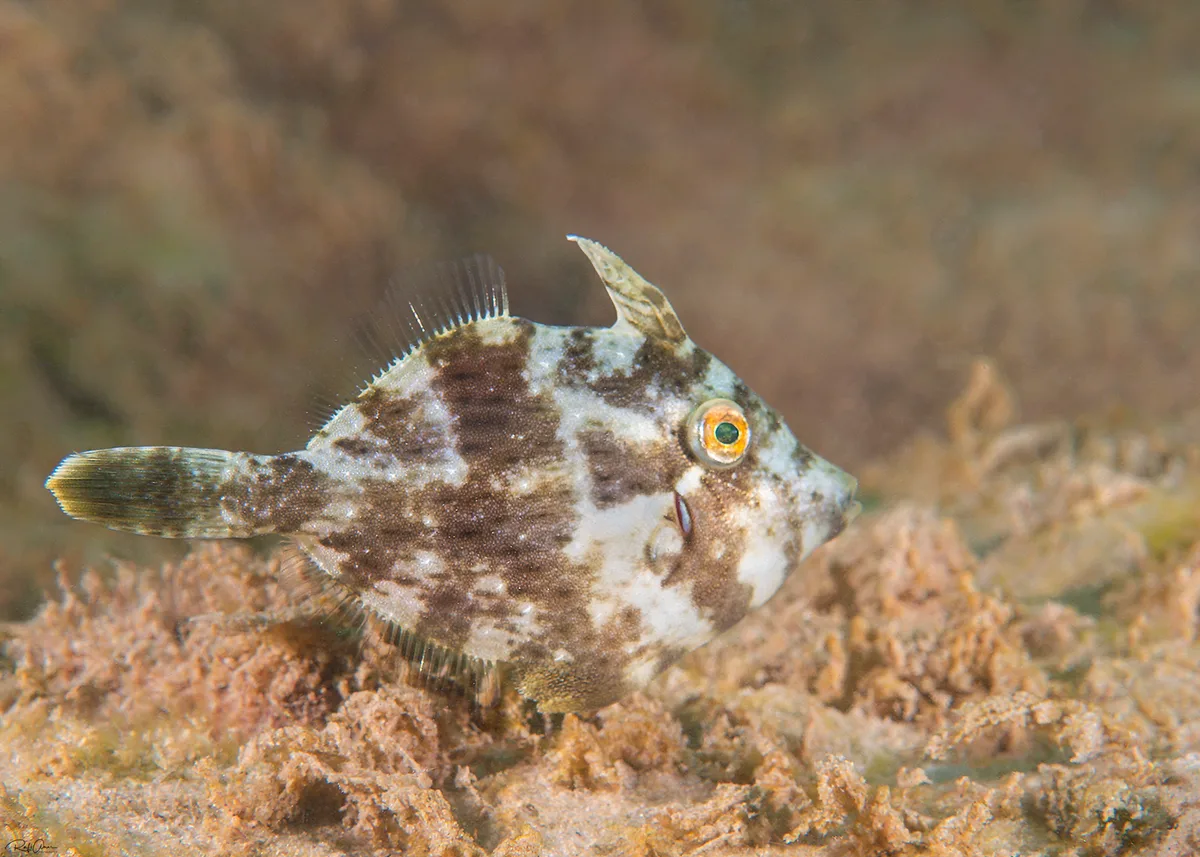
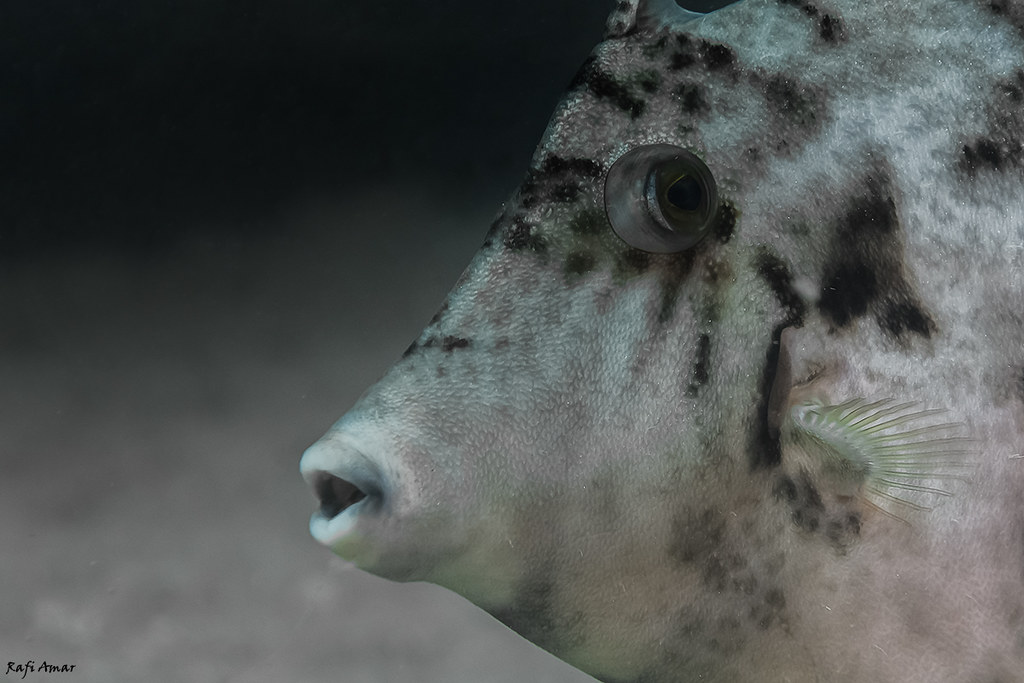
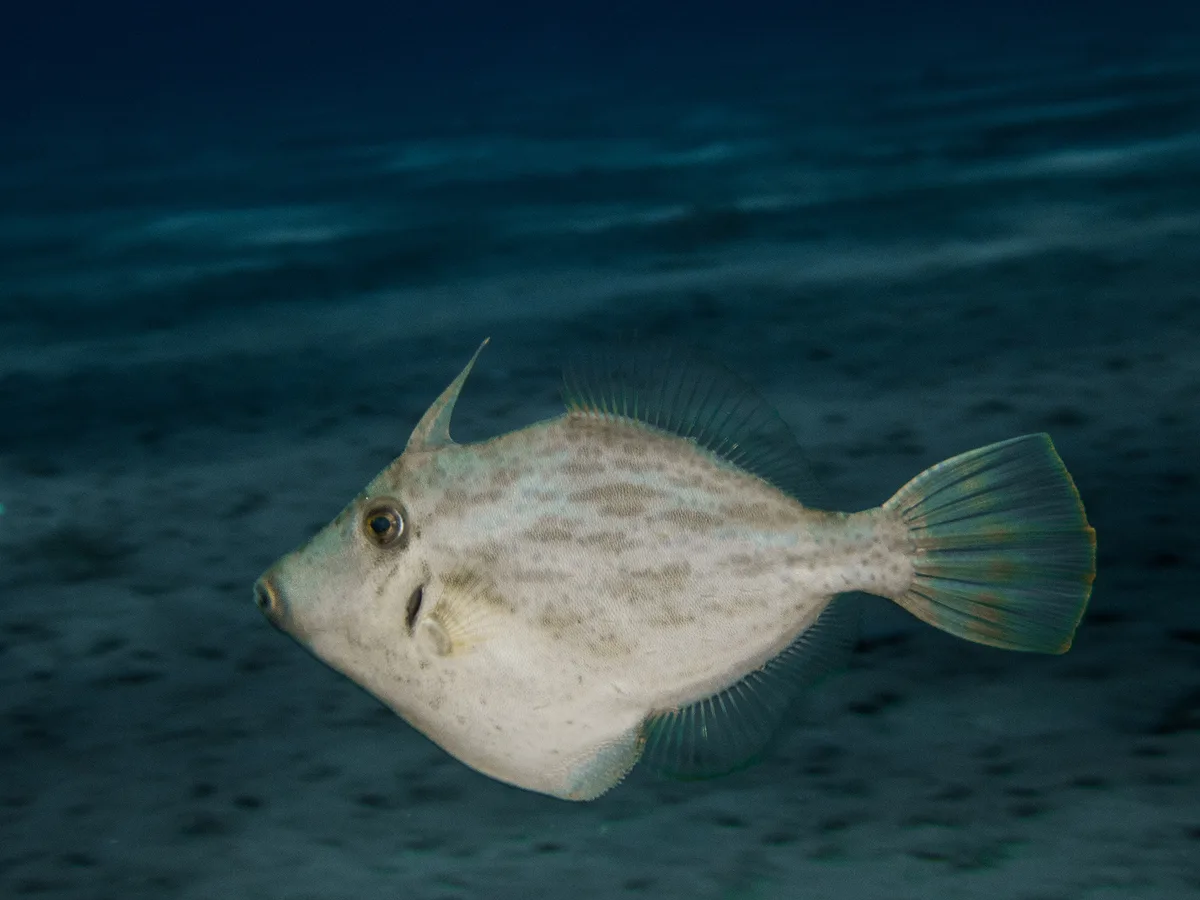


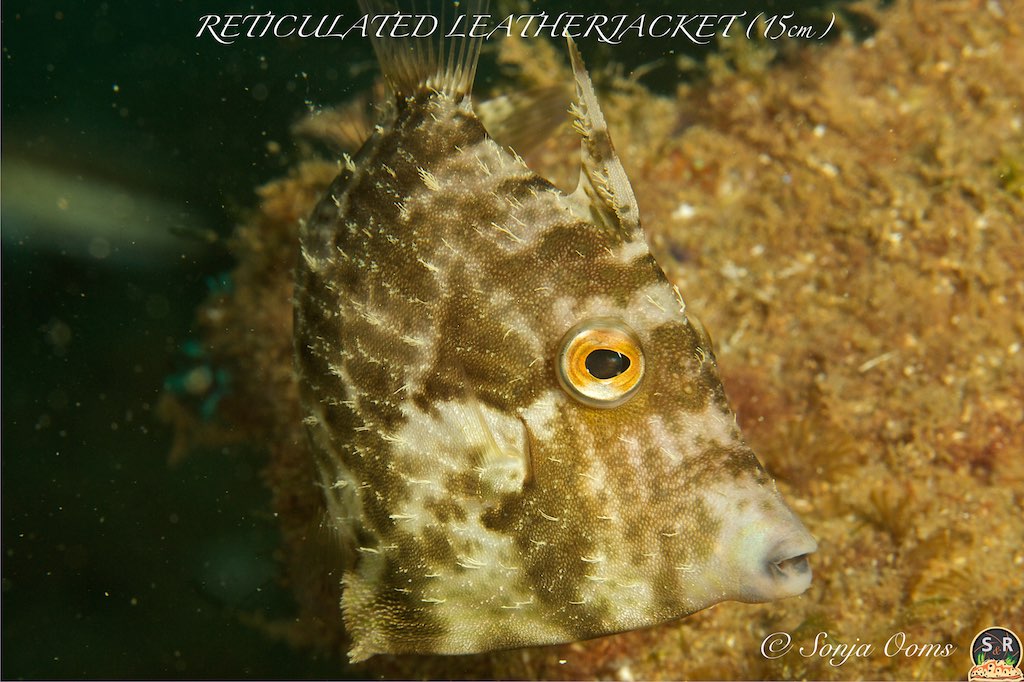
This fish left. In 1869 the Suez Canal (🇪🇬 Egypt) opened a connection between the 🌊 Red Sea and the Mediterranean for the first time in geological history, and the traffic through it has run almost entirely one way, northward, because the species on this side handle a warm, salty, nutrient-poor sea better than the Mediterranean's own fauna handles competing with them. Several hundred species have made the crossing. They are called Lessepsian migrants, after Ferdinand de Lesseps, who built the canal.
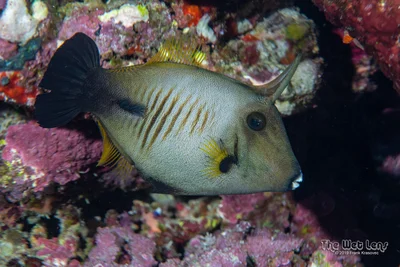
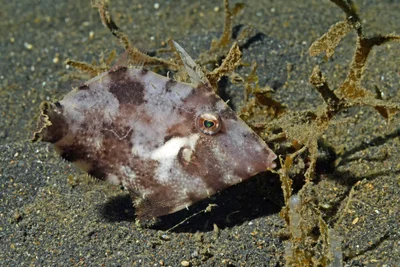
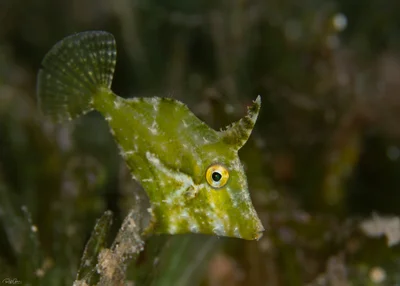
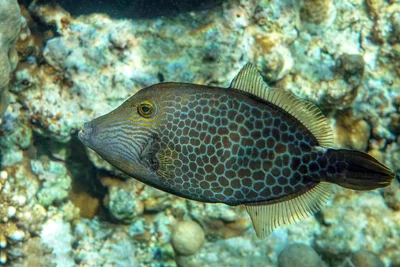
This filefish was among the first anyone noticed. It was recorded in the eastern Mediterranean in the 1920s and is now an ordinary part of the fish community there, from 🇮🇱 Israel to 🇹🇷 Turkey.
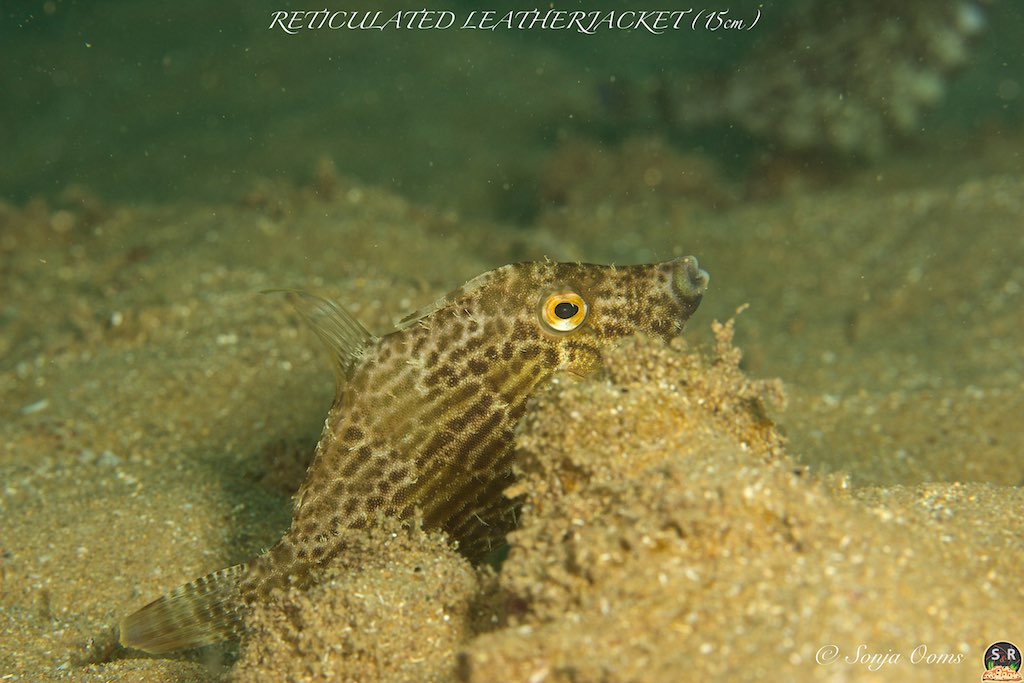
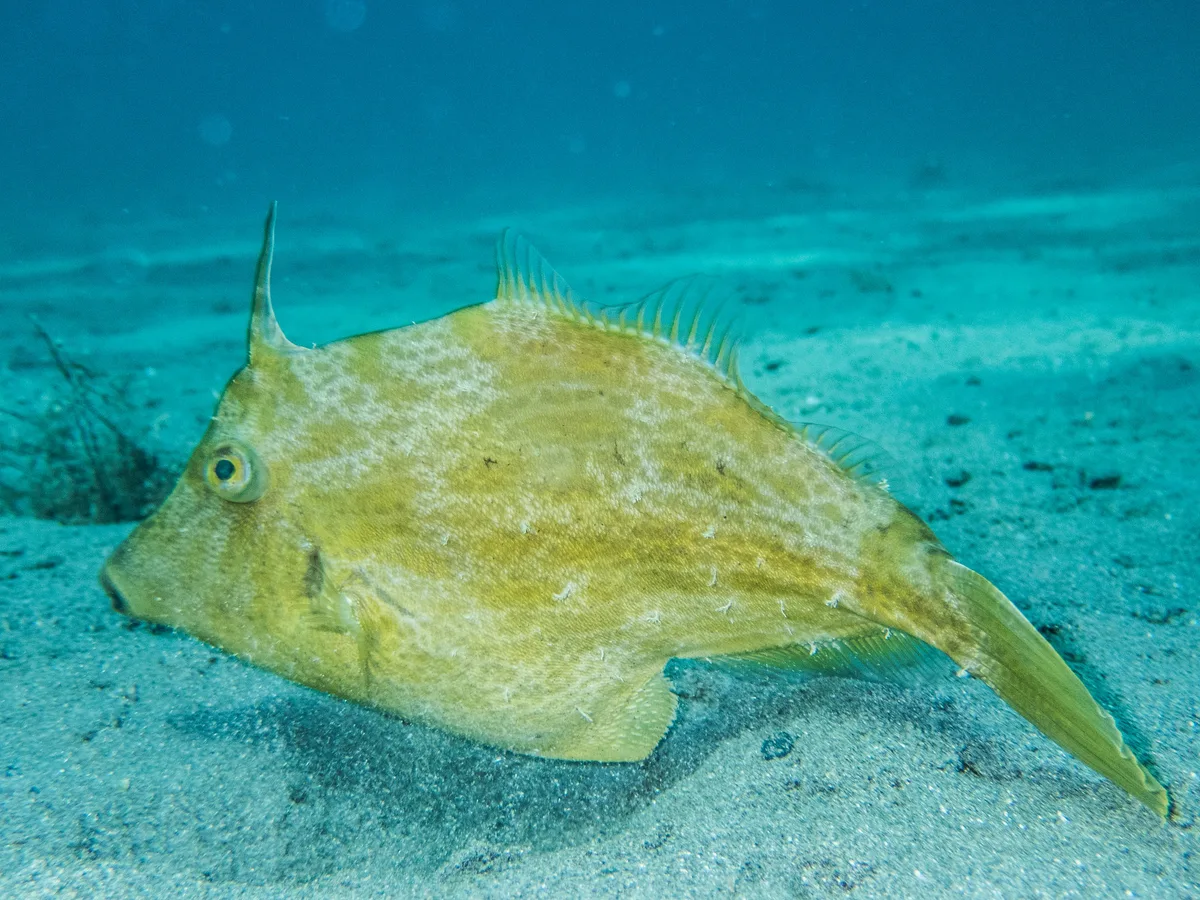
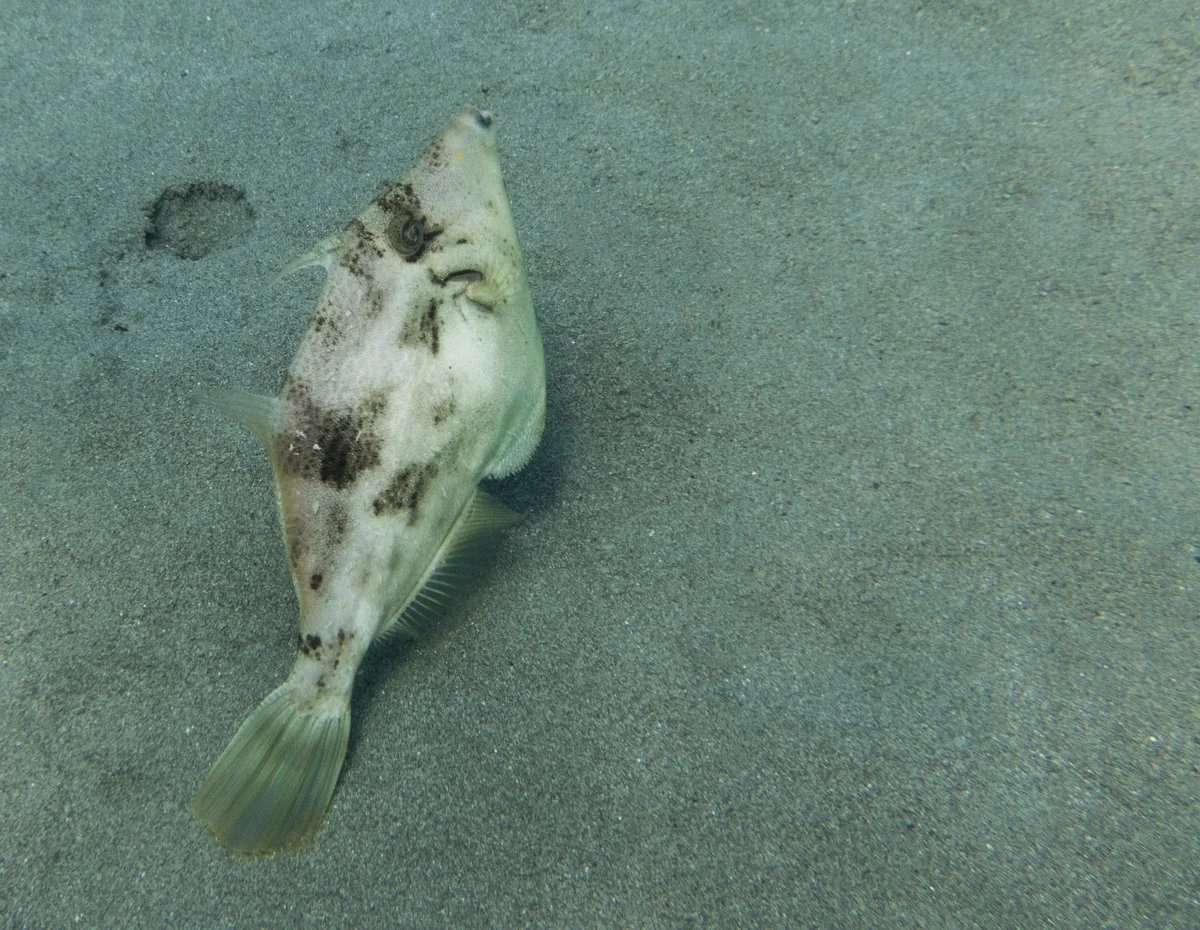
At home it is unremarkable: a small brown filefish over weedy rock, sand and seagrass, picking small invertebrates off the bottom, down to about fifty meters. The skin is rough as sandpaper, which is what the family is named for.
The young have a habit worth knowing. They shelter under drifting jellyfish, riding along beneath the bell where very little will follow them.
The genus. Stephanolepis Gill 1861 - stephanos (crown) + lepis (scale). ETYFish
- brown body under a lighter net-like pattern
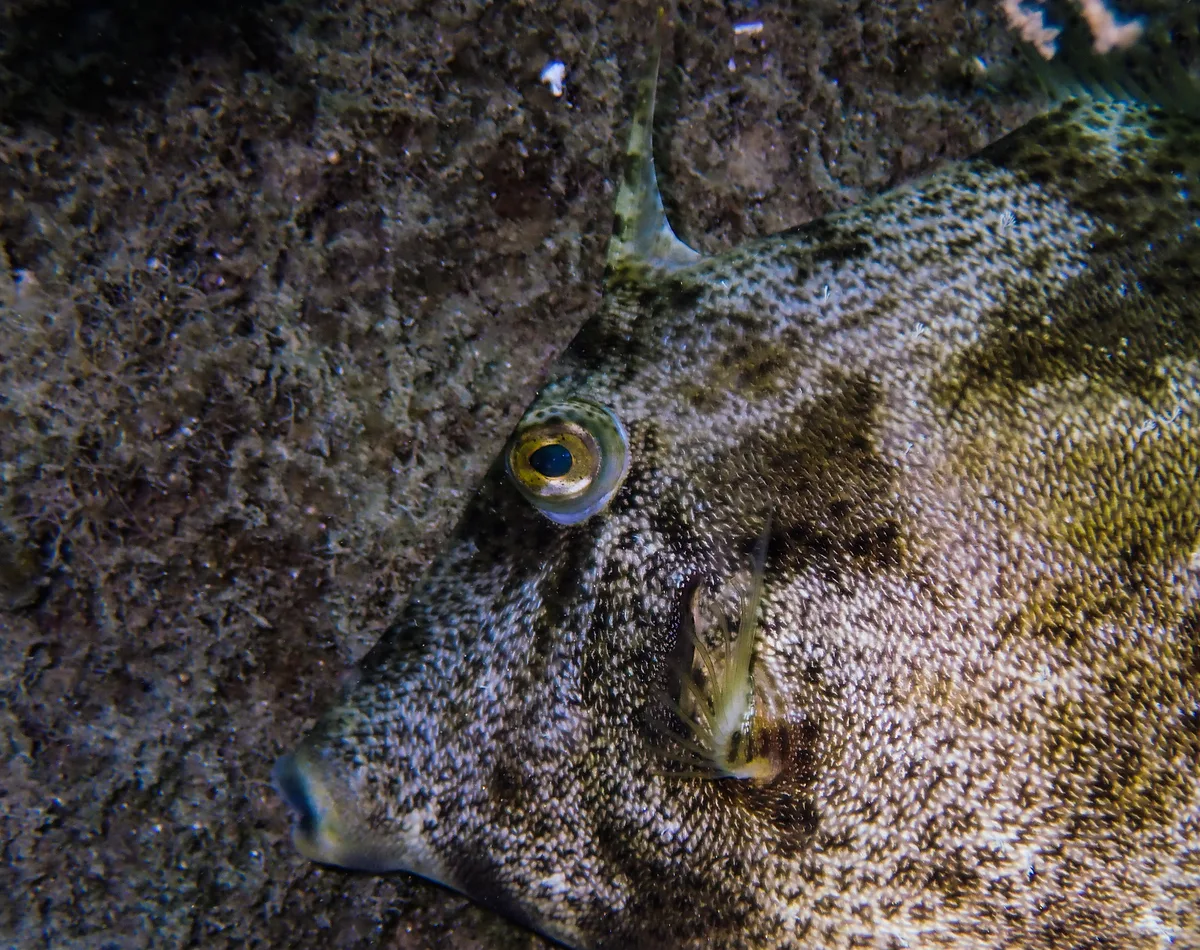
- concave snout profile and a tall first dorsal spine
- skin rough as sandpaper
- juveniles sheltering under drifting jellyfish
- up to 25 cm