Red Sea Creatures Now Features Conservation Status for Every Marine Species: Track Which Ocean Animals Are Thriving or At Risk

We got some exciting news to share that's going to make your dive into marine life on RedSeaCreatures.com even more fascinating. We’ve just rolled out a big update that’s been in the works: for most of the incredible creatures featured on our site, you can now check their conservation status!
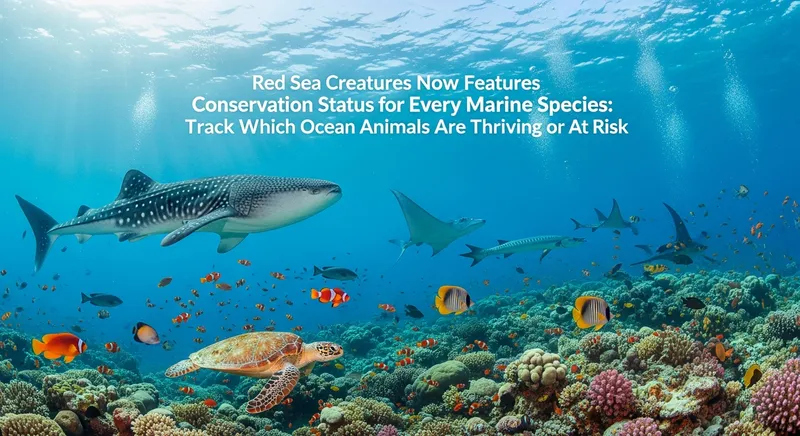
Imagine exploring the vibrant world of reefs, sharks, turtles, and deep-sea dwellers - but with a new lens that shows you not just their biology and beauty but also their survival story in the wild. This means you can see at a glance whether your favorite marine species are flourishing, vulnerable, or facing threats like never before.
Why is Conservation Status Such a Big Deal?
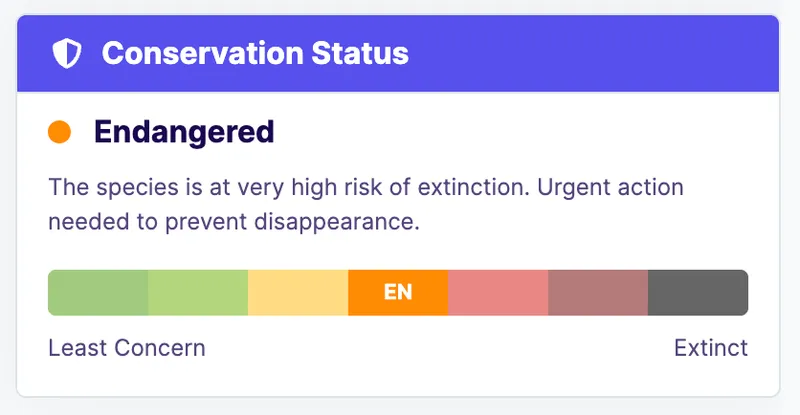
Conservation status gives us a snapshot of how a species is doing in nature, using internationally recognized categories like Critically Endangered, Endangered, Vulnerable, and so on. This vital info comes from sources like the IUCN Red List, which tracks the well-being of tens of thousands of species worldwide.
So why does it matter? Because the ocean is under enormous pressure - from warming waters and pollution to overfishing and habitat destruction. Knowing which animals are at risk helps scientists, conservationists, and us, the curious community, focus on saving the most vulnerable. For instance, did you know that some subpopulations of green sea turtles are now critically endangered in certain ocean regions, while others are faring a bit better? That kind of detail helps direct protection efforts where they’re desperately needed.
What Can You Expect to See?
- Easy-to-find status labels: On each creature’s page, look for clear tags showing their risk level, like “Vulnerable” or “Least Concern.”
- More context: You’ll find quick facts about their population trends - for example, whether their numbers are stable, decreasing, or sometimes even bouncing back! (coming soon)
- Exciting conservation stories: Learn about how protected areas, like Marine Protected Areas (MPAs), are making a difference by safeguarding critical habitats across the globe. (coming soon)
Diving Deeper Into Ocean Conservation
This update isn’t just about adding a few labels. It’s part of a broader push to make marine knowledge accessible and actionable. The reality is, comprehensive data on many species is still patchy. Climate change and human activity are shifting habitats faster than some tracking methods can keep up. But thanks to improved monitoring techniques and global efforts, we’re getting clearer pictures on how marine life is truly doing - and that reflects right here on our site.
For example, while we have robust data on creatures like mangroves and some turtles, for others, the story is just unfolding. This helps highlight where scientists need to focus their research next, and you get to follow along with the latest insights.
Why You Should Explore Right Now
Whether you’re a casual beach lover, an aspiring marine biologist, or a deep-diving expert, knowing a species' conservation status makes your ocean experience richer. It’s like adding a new dimension to the story of life under the waves - celebrating the marvels of marine biodiversity while understanding the delicate balance they depend on.
Go ahead and explore RedSeaCreatures.com: check out your favorite creatures and discover which ones are thriving and which need a little extra help from all of us. Together, curiosity and care can drive real change for ocean life!
Stay curious and dive deep, because the ocean always has more to teach us.
PADI Divemaster and underwater storyteller with over 7 years of hands-on Red Sea diving experience, documenting marine life, mapping dive sites, and promoting responsible ocean conservation.