Sea Turtle Week: Why Earth's Ancient Mariners Need Our Help Now

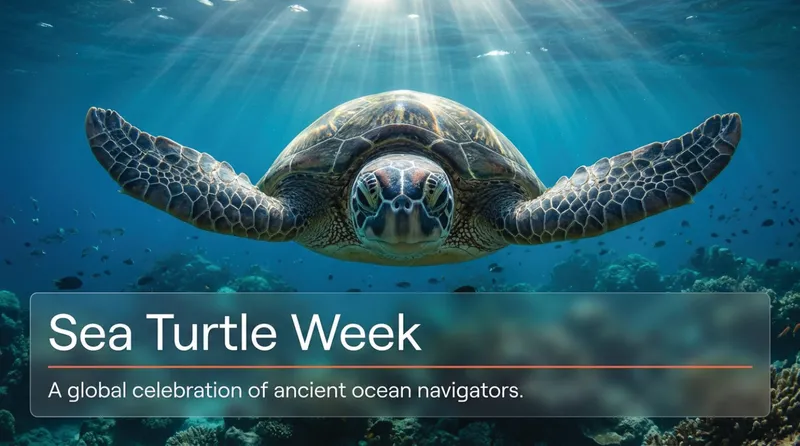
Every year, for nine days between World Ocean Day and World Sea Turtle Day, something remarkable happens across the globe: millions of people stop, look beneath the surface of the ocean, and remember who was here long before us. It's Sea Turtle Week - a time to celebrate, learn, and act on behalf of some of the most extraordinary animals that have ever lived on this planet. Here at Red Sea Creatures, we couldn't let this week pass without sharing why these ancient mariners matter so deeply - especially to those of us lucky enough to share the water with them.
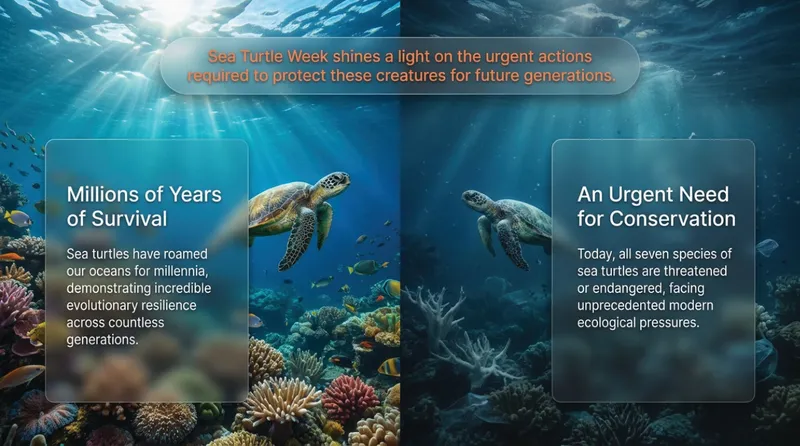
Survivors of Deep Time, Now Facing Their Greatest Test
Sea turtles have been gliding through the world's oceans for an almost incomprehensible stretch of time - outlasting dinosaurs, ice ages, and mass extinctions. That track record of evolutionary resilience is nothing short of breathtaking. But today, the story has taken a troubling turn. All seven species of sea turtle are now classified as either threatened or endangered, facing a scale of ecological pressure unlike anything in their long history. Plastic in the water column, warming beaches, coastal development, fishing gear - the modern ocean is a minefield for creatures whose biology evolved over millions of years of relative stability. Sea Turtle Week exists precisely to shine a light on the urgency of the moment: these animals need active protection, and they need it now.
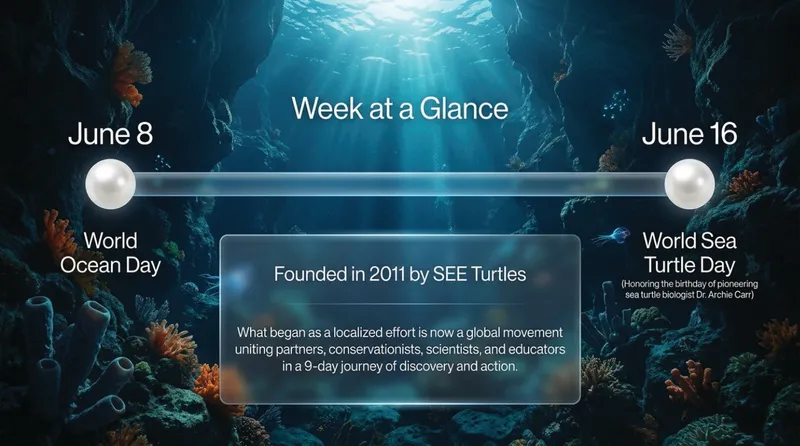
Nine Days, One Global Mission
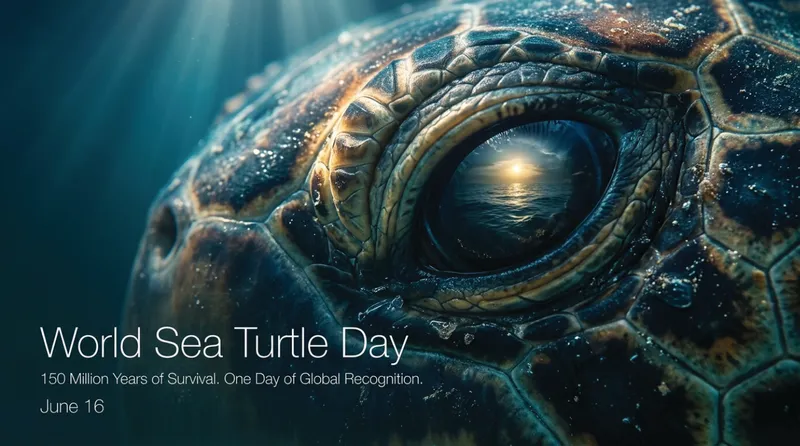
Sea Turtle Week runs from June 8 - World Ocean Day - through June 16 - World Sea Turtle Day, which honors the birthday of pioneering sea turtle biologist Dr. Archie Carr. Founded in 2011 by the organization SEE Turtles, what began as a localized awareness effort has grown into a worldwide movement uniting conservation partners, marine scientists, educators, and ocean enthusiasts in a nine-day journey of discovery and action. The timing is intentional: bookended by two major ocean celebrations, the week creates a powerful window to connect the fate of sea turtles with the broader health of our oceans.
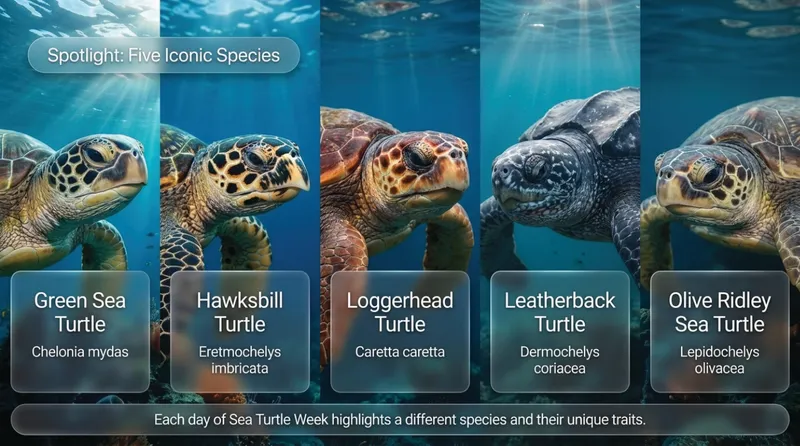
Five Species in the Spotlight
One of the most beloved traditions of Sea Turtle Week is the daily species spotlight - each day dedicated to celebrating the unique biology and story of a different turtle. This year's featured five include some of the most iconic reptiles on Earth:
- Green Sea Turtle (Chelonia mydas) - the gentle grazer of seagrass meadows, a familiar face on Red Sea reefs
- Hawksbill Turtle (Eretmochelys imbricata) - with its distinctive narrow beak, an expert at extracting sponges from coral crevices
- Loggerhead Turtle (Caretta caretta) - named for its powerful, oversized head built for crushing hard-shelled prey
- Leatherback Turtle (Dermochelys coriacea) - the giant of the family, the only species without a hard shell, diving deeper than any other reptile
- Olive Ridley Sea Turtle (Lepidochelys olivacea) - known for the spectacular arribada, mass synchronized nesting events on certain beaches
Each species tells a different chapter of the same story: extraordinary adaptation, and extraordinary vulnerability.
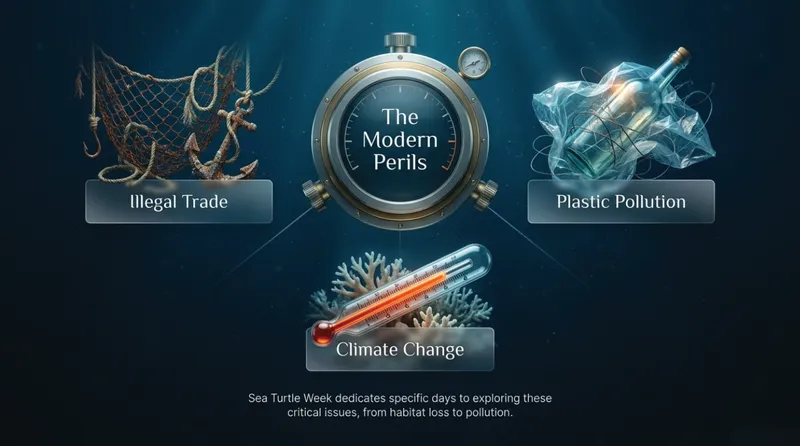
The Modern Perils They Face
Understanding why sea turtles are in trouble means confronting three converging crises head-on. Illegal trade continues to threaten populations through poaching of eggs, shells, and meat - a black market that legal protections have not fully suppressed. Plastic pollution is perhaps the most visible crisis: sea turtles mistake plastic bags for jellyfish, ingest fishing line, and become entangled in debris at every stage of their lives. And then there is climate change - warming sand temperatures skew hatchling sex ratios (warmer nests produce more females), rising sea levels erode nesting beaches, and coral bleaching destroys the reef ecosystems that many species depend on for food and shelter. Sea Turtle Week dedicates specific days to each of these threats, turning awareness into understanding, and understanding into action.
How You Can Make a Difference This Week
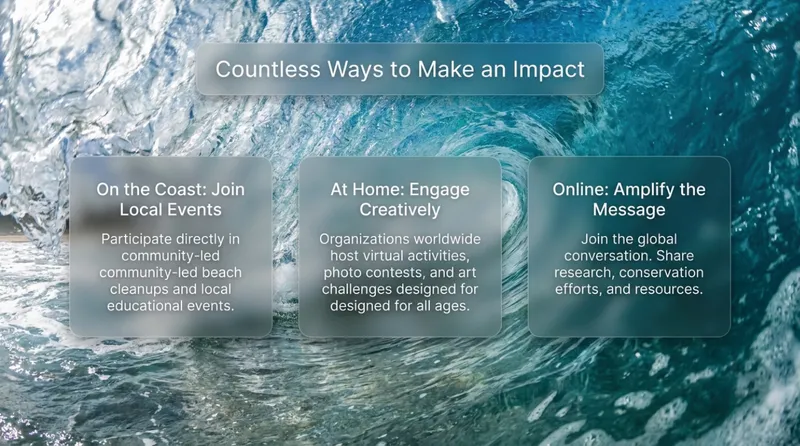
The good news: there is no shortage of ways to get involved, wherever you are in the world. If you're on the coast - or better yet, underwater like many of us in the Red Sea - you can join local beach cleanup events and community conservation efforts firsthand. At home, organizations worldwide are running virtual activities, photo contests, and art challenges designed for participants of all ages. And online, the simplest action carries real weight: share research, amplify conservation voices, and spread resources using #SeaTurtleWeek. The global conversation grows louder every year - and every voice in it matters.
One Week. A Future Worth Fighting For.
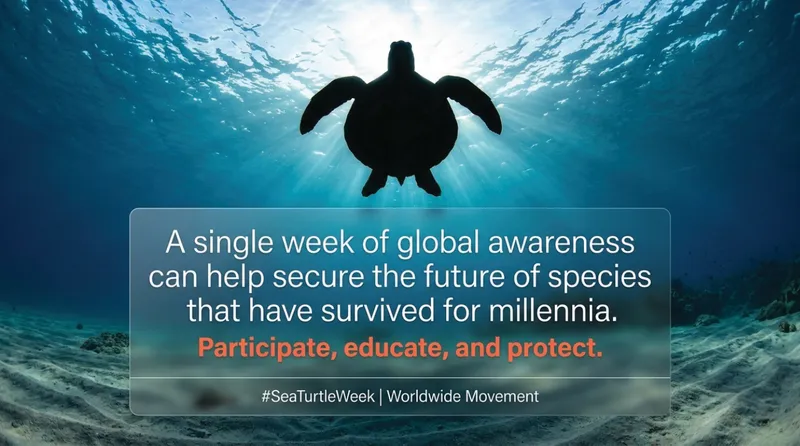
Sea turtles have survived everything this planet has thrown at them for millions of years. What they cannot survive alone is us - at least not the version of us that pollutes, overfishes, and ignores the warning signs. But Sea Turtle Week is proof that another version of us exists: one that shows up, pays attention, and chooses to act. A single week of focused global awareness can genuinely shift the trajectory for species that have earned their place in these oceans more than any other creature alive. So this week - participate, educate, and protect. 🐢
Follow along with #SeaTurtleWeek and share your own sea turtle encounters from the Red Sea in the comments below.
PADI Divemaster and underwater storyteller with over 7 years of hands-on Red Sea diving experience, documenting marine life, mapping dive sites, and promoting responsible ocean conservation.