Ciguatera fish poisoning
Poisoning from reef fish that have accumulated ciguatoxins up the food chain - tasteless, cooking-proof, and capable of lasting for months.
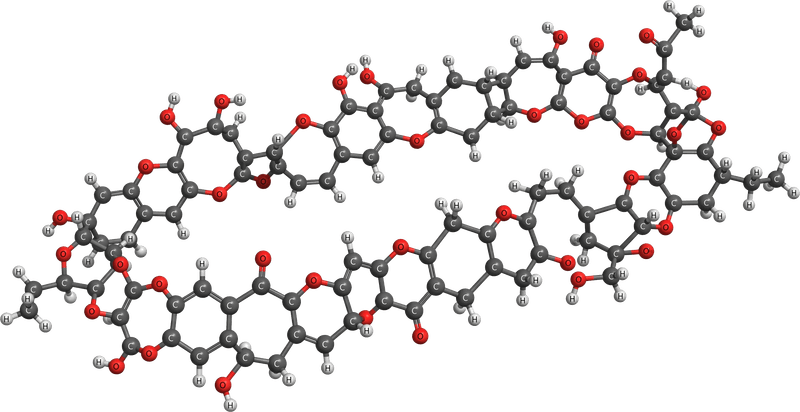
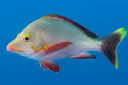
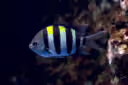
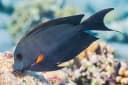
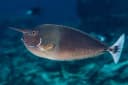
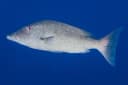
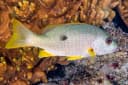
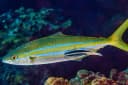
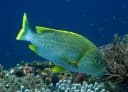
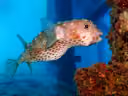
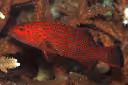
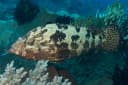
Ciguatera fish poisoning is caused by ciguatoxins, made by a microscopic alga, Gambierdiscus toxicus, that grows on dead coral and seaweed. Grazing fish eat it with their food. Predators eat the grazers, and because the toxin is not broken down or excreted it concentrates at every step - which is why the risk sits with big old predatory reef fish and not with the small ones.
Symptoms usually start within a few hours of the meal:
- Gastrointestinal. Nausea, vomiting, diarrhea, abdominal pain - the first phase, and the one that passes.
- Neurological. Tingling and numbness in the hands, feet and around the mouth, joint and muscle pain, headache, exhaustion, and the reversal of hot and cold sensation that is close to diagnostic of ciguatera: cold water feeling scalding to the touch.
- Cardiovascular. Slowed or irregular heartbeat and low blood pressure in serious cases.
There is no antidote and no cure; treatment manages symptoms. The gut phase clears in days, but the neurological effects can last weeks or months, and in some people they return years later after alcohol, nuts or fish - the reason a single episode can end someone's appetite for reef fish permanently.
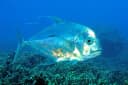
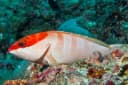
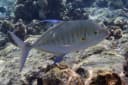
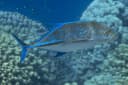
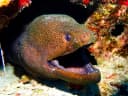
Nothing about the fish gives it away. The toxin has no taste or smell, does not affect how the fish looks, and survives cooking, freezing, smoking and drying untouched. Avoidance is the only prevention: skip large predatory reef fish - barracuda, big groupers, snappers, amberjacks, moray eels - in regions with a known history, and be especially wary of the liver and the roe, where it concentrates most.
First aid
No antidote exists, and treatment is about symptoms and about not making the recovery longer than it has to be.
- See a doctor. Dehydration from the vomiting and diarrhea is the immediate risk, and the heart rate and blood pressure are worth watching in the first day.
- Keep fluids up.
- Say what fish was eaten and where it came from - and tell whoever sold or served it, because ciguatera arrives in batches.
- For months afterwards, avoid alcohol, nuts and any reef fish. They are the classic triggers that bring the symptoms back, sometimes years later.
The nerve symptoms fade slowly, over weeks or months. That is normal for this poisoning, unpleasant as it is.
Found in28