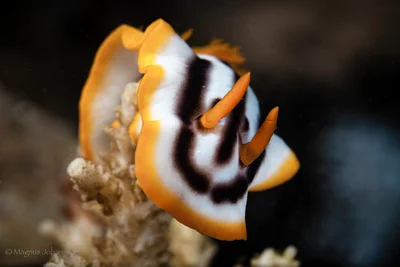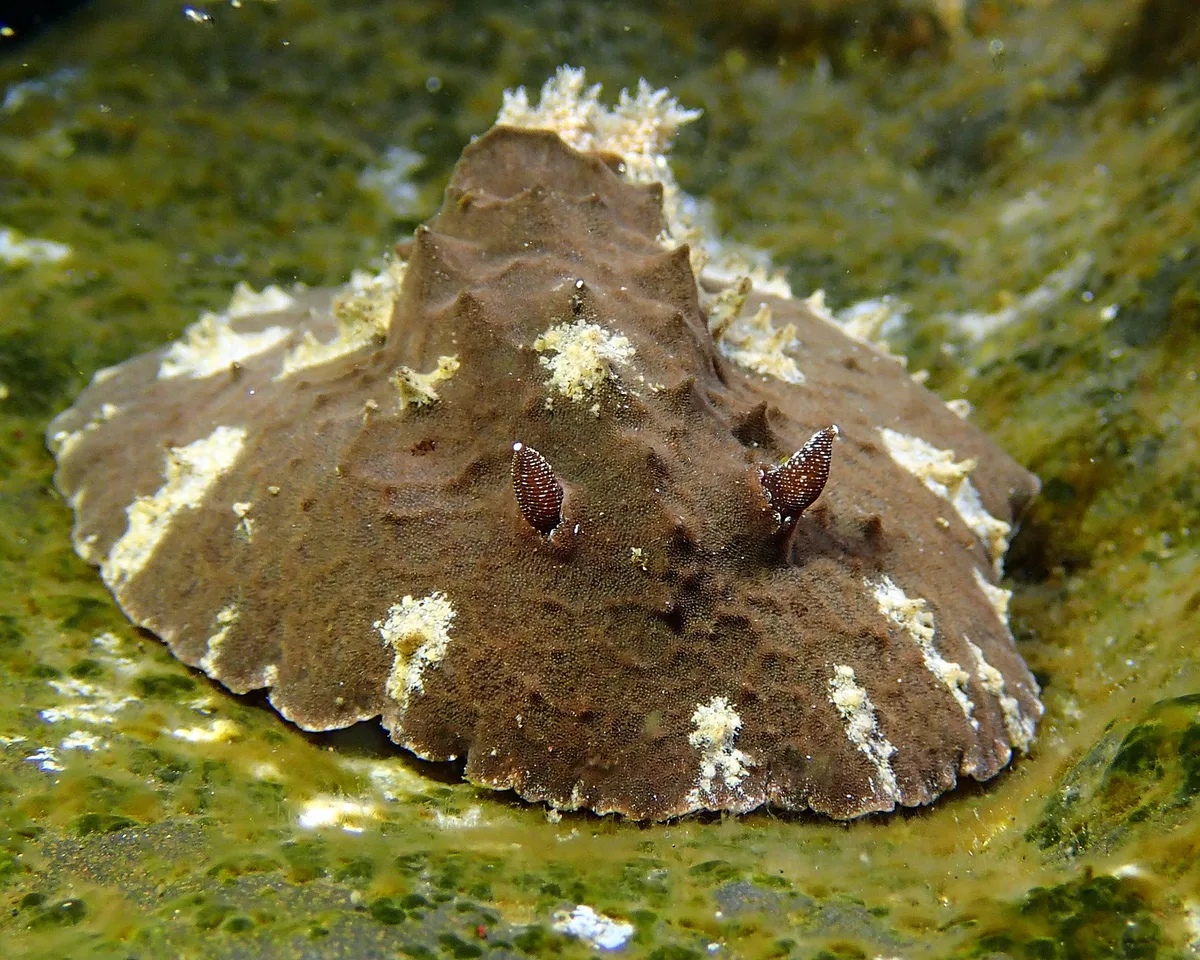
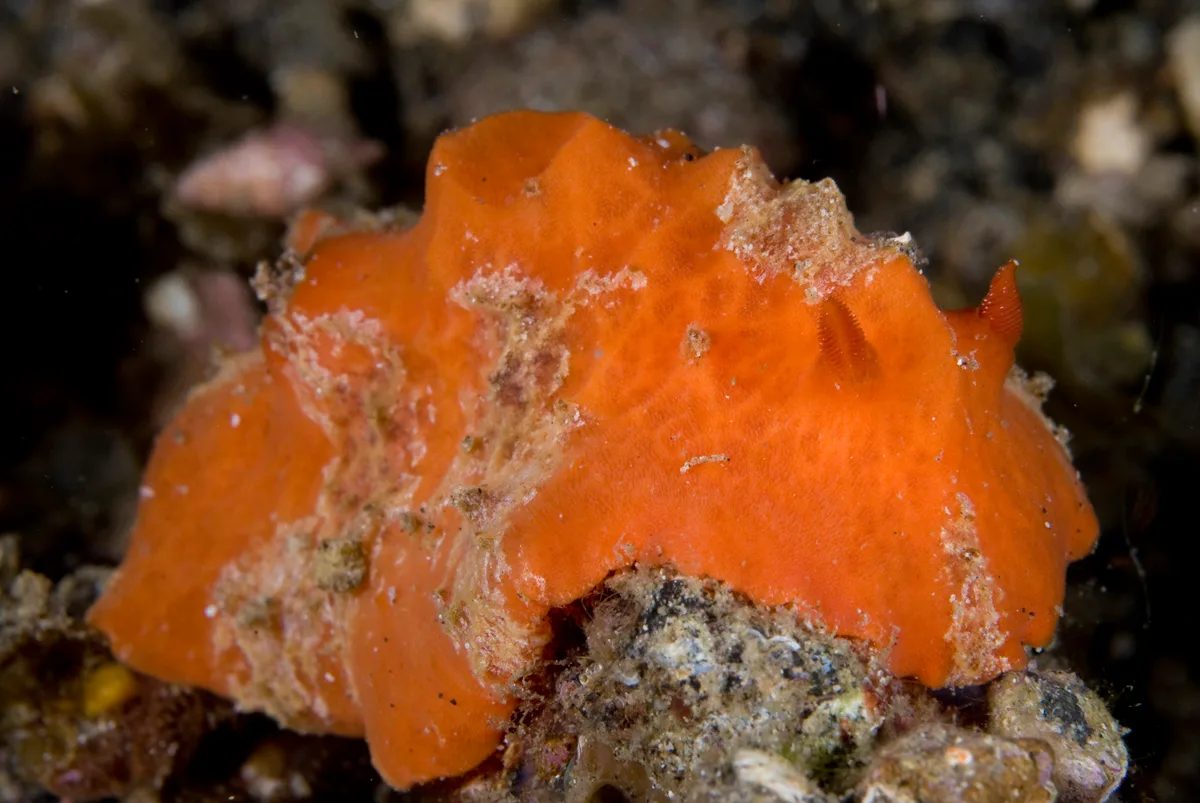
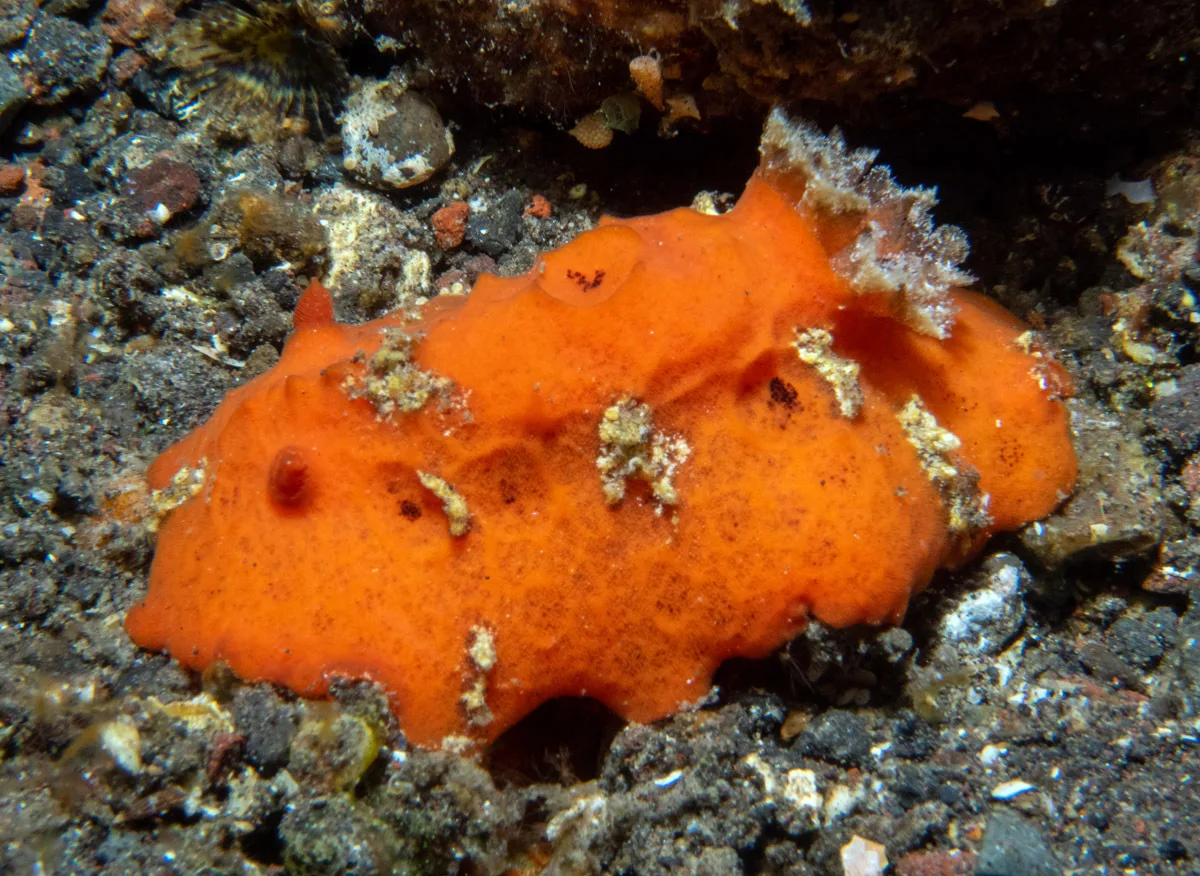
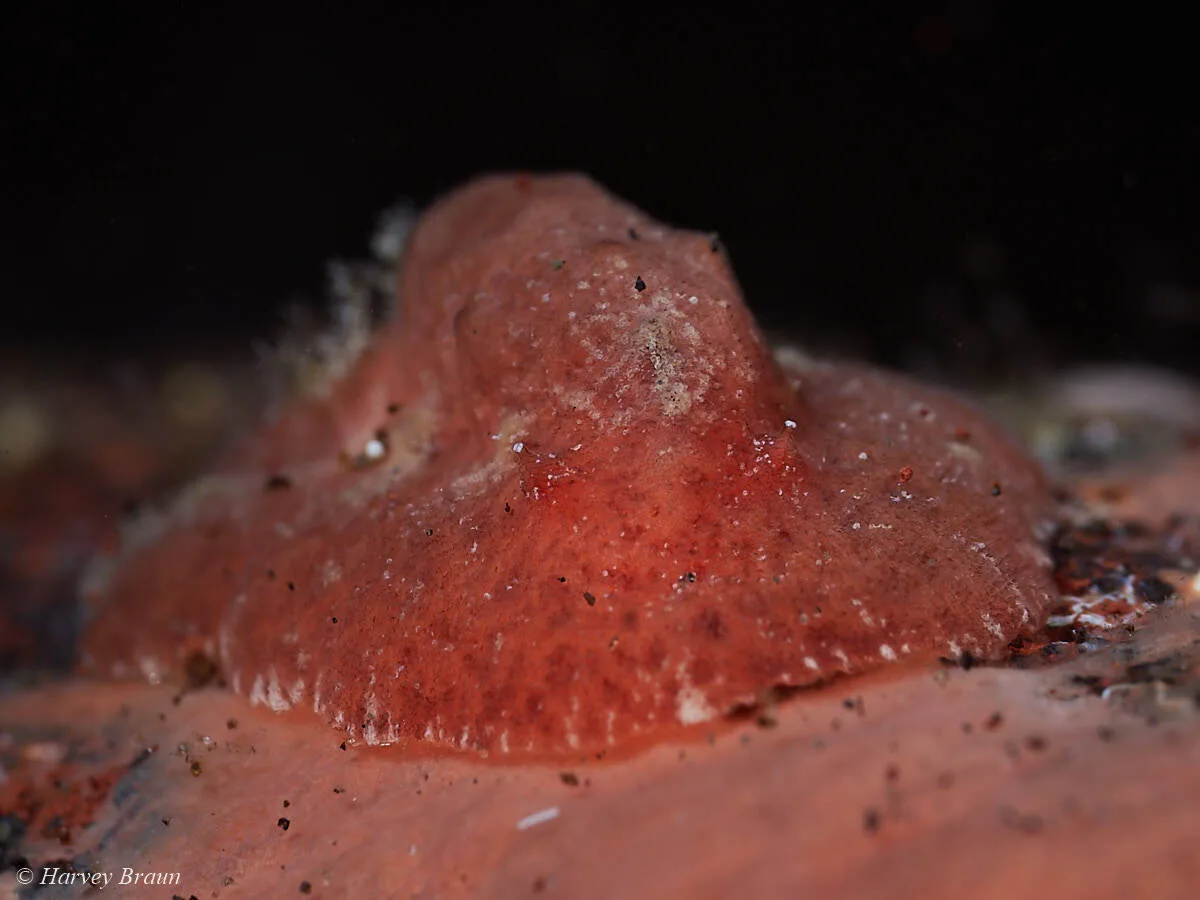
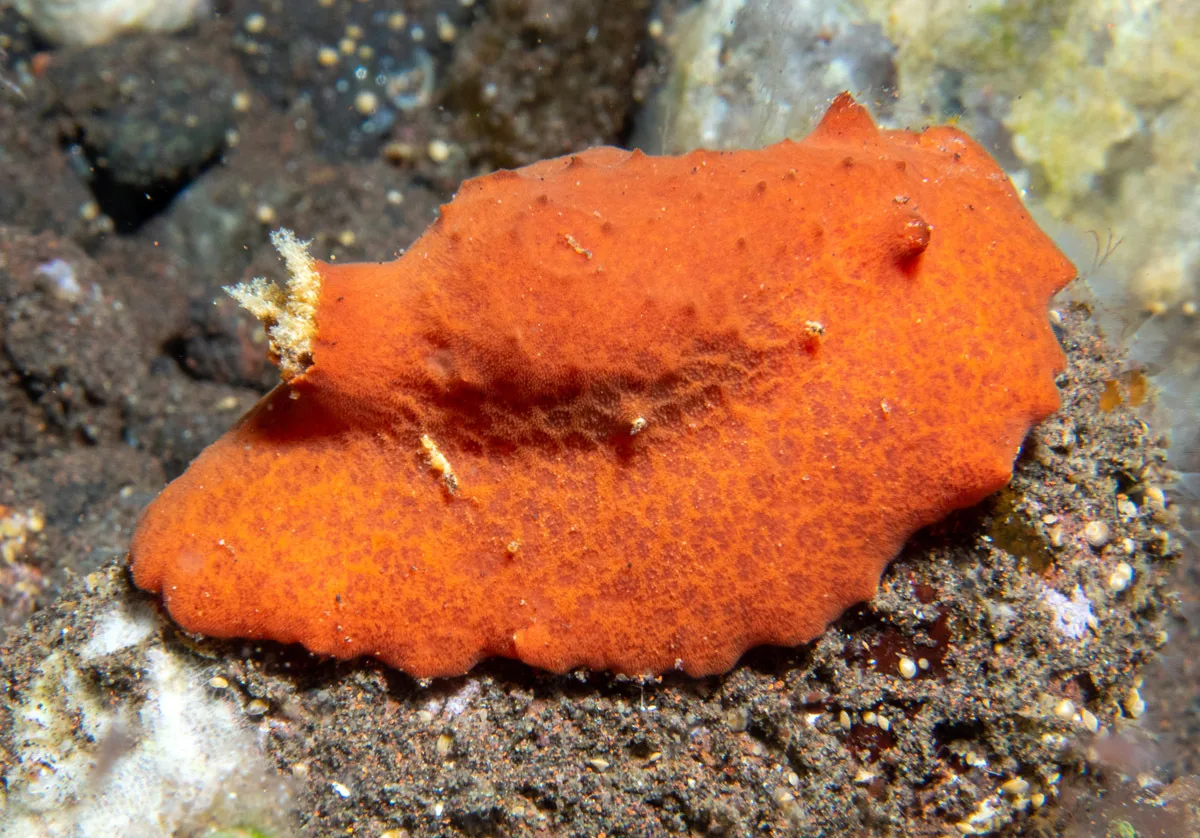
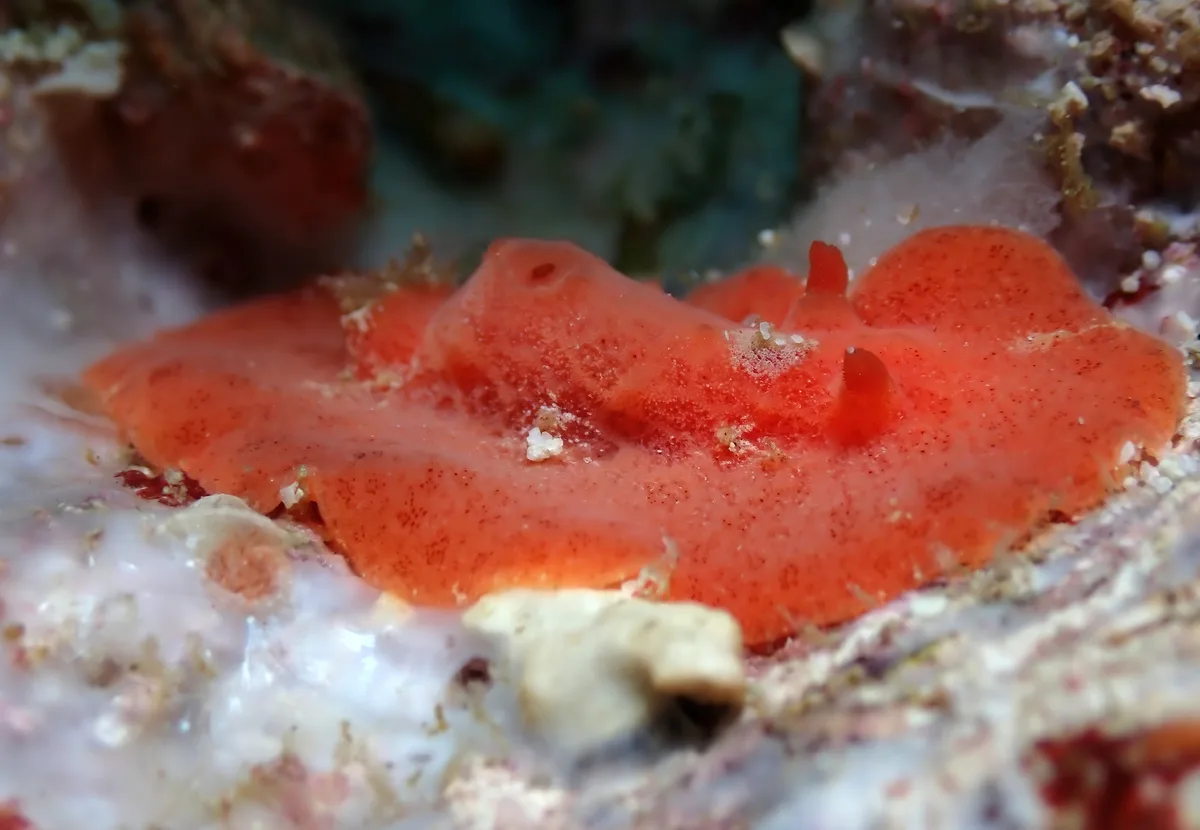
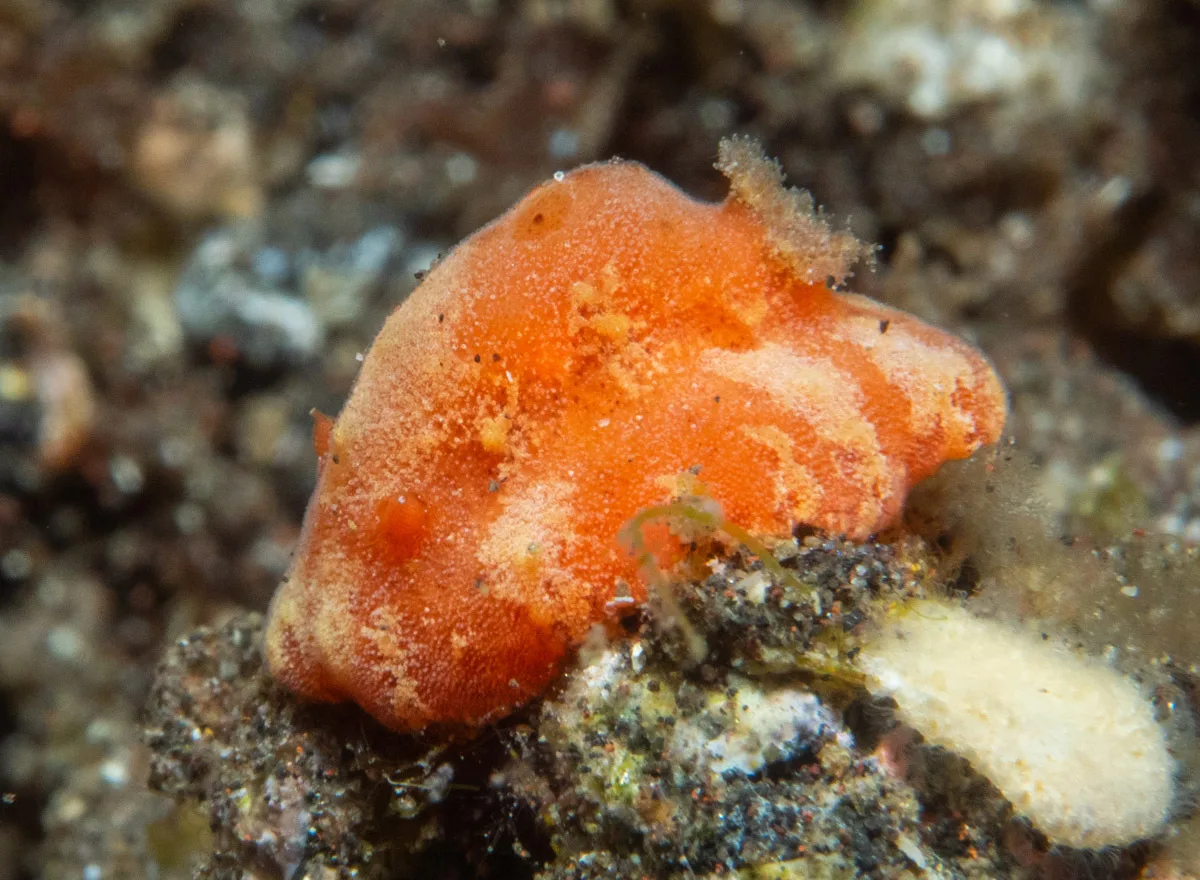
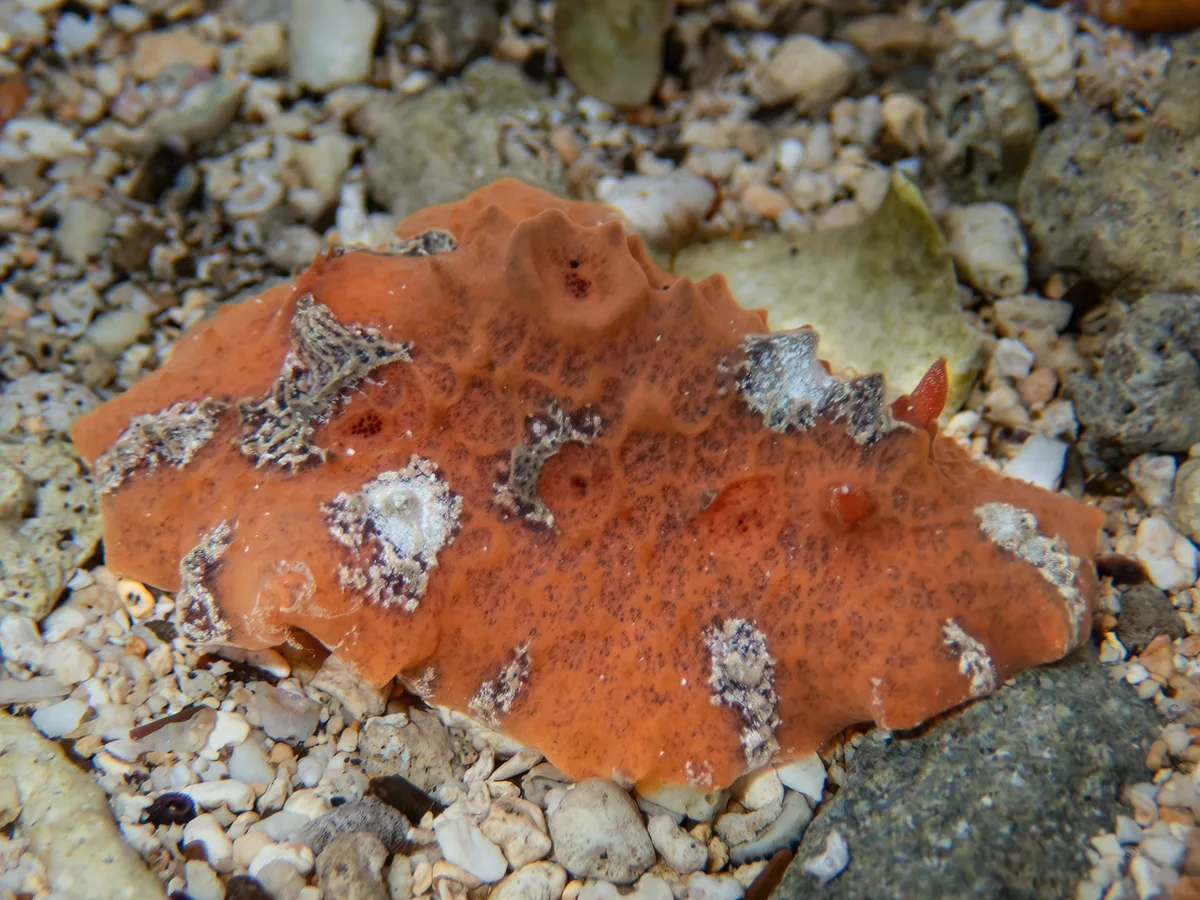
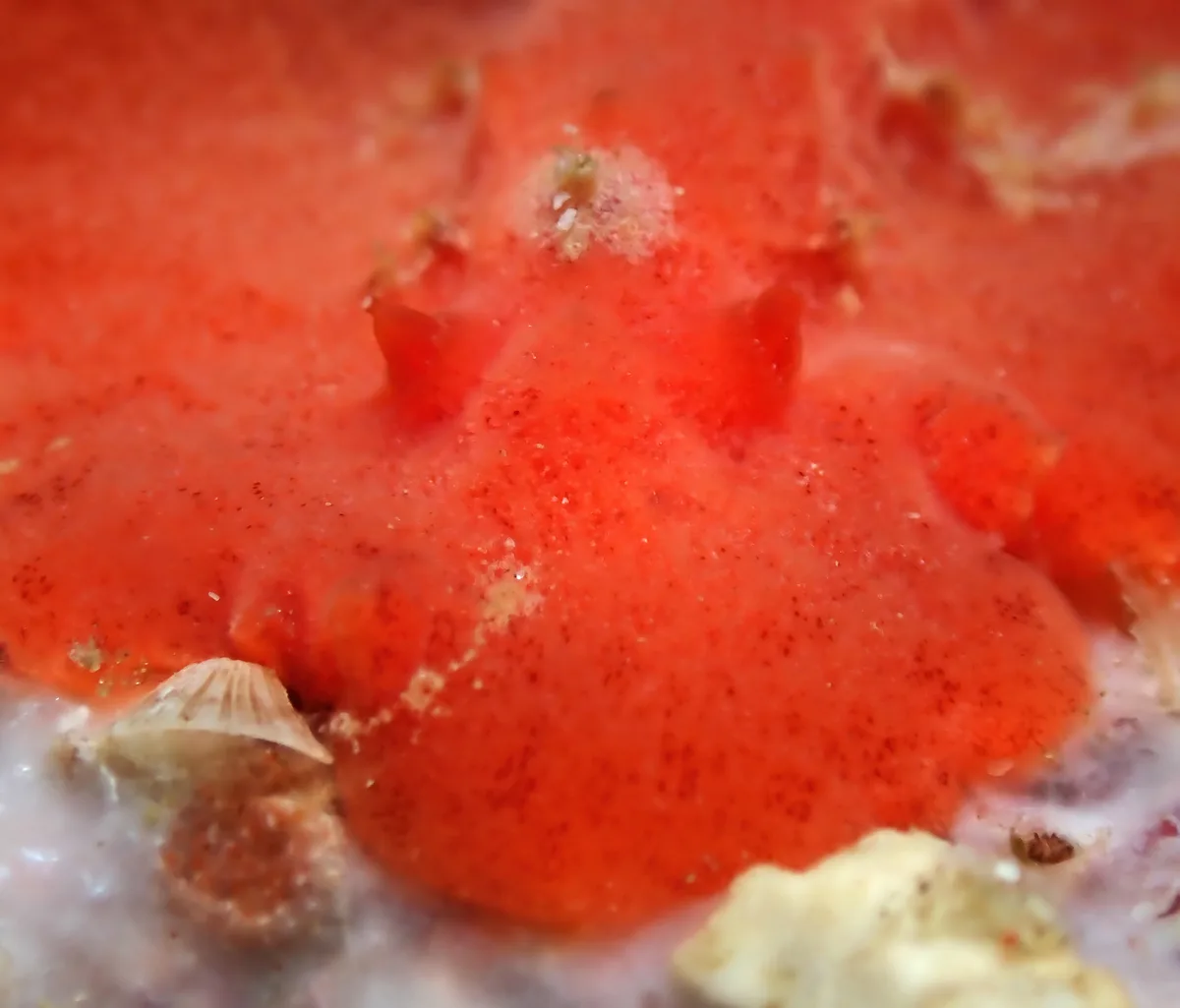
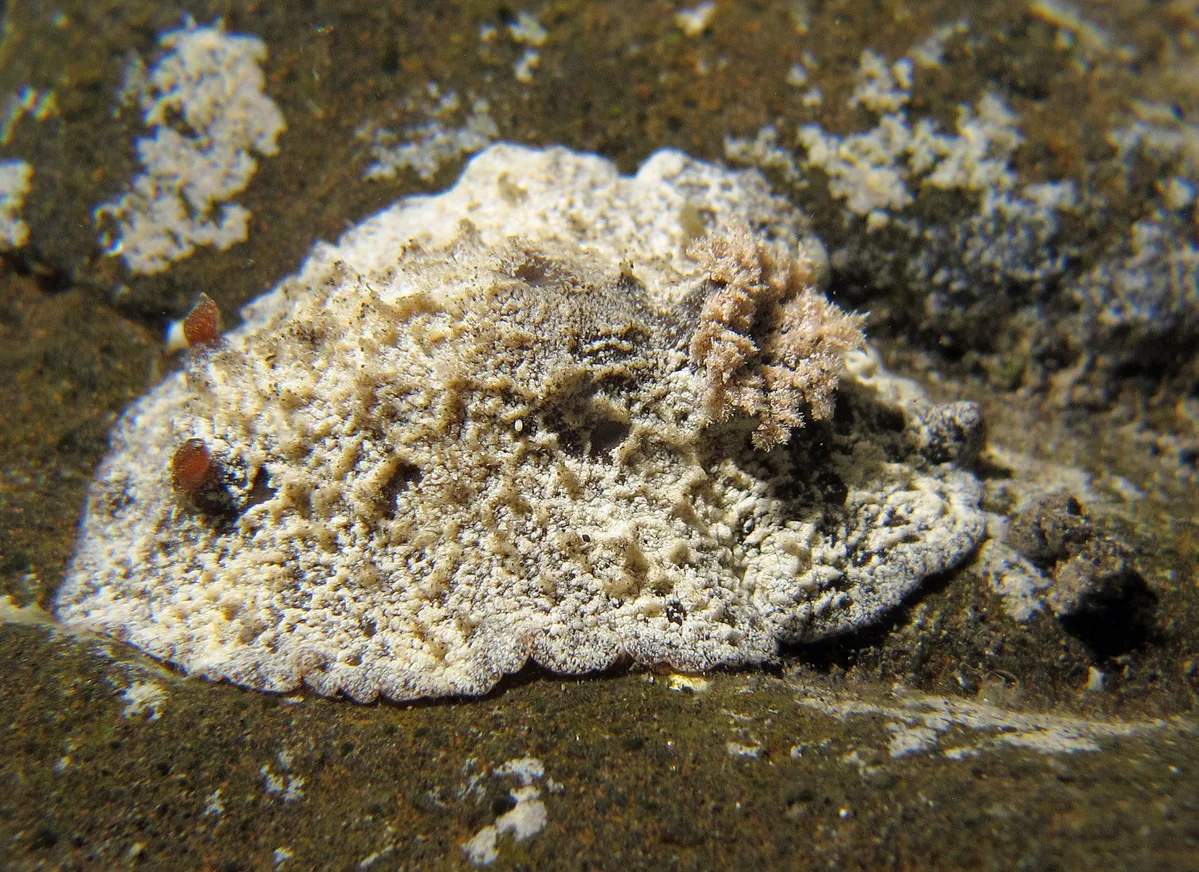
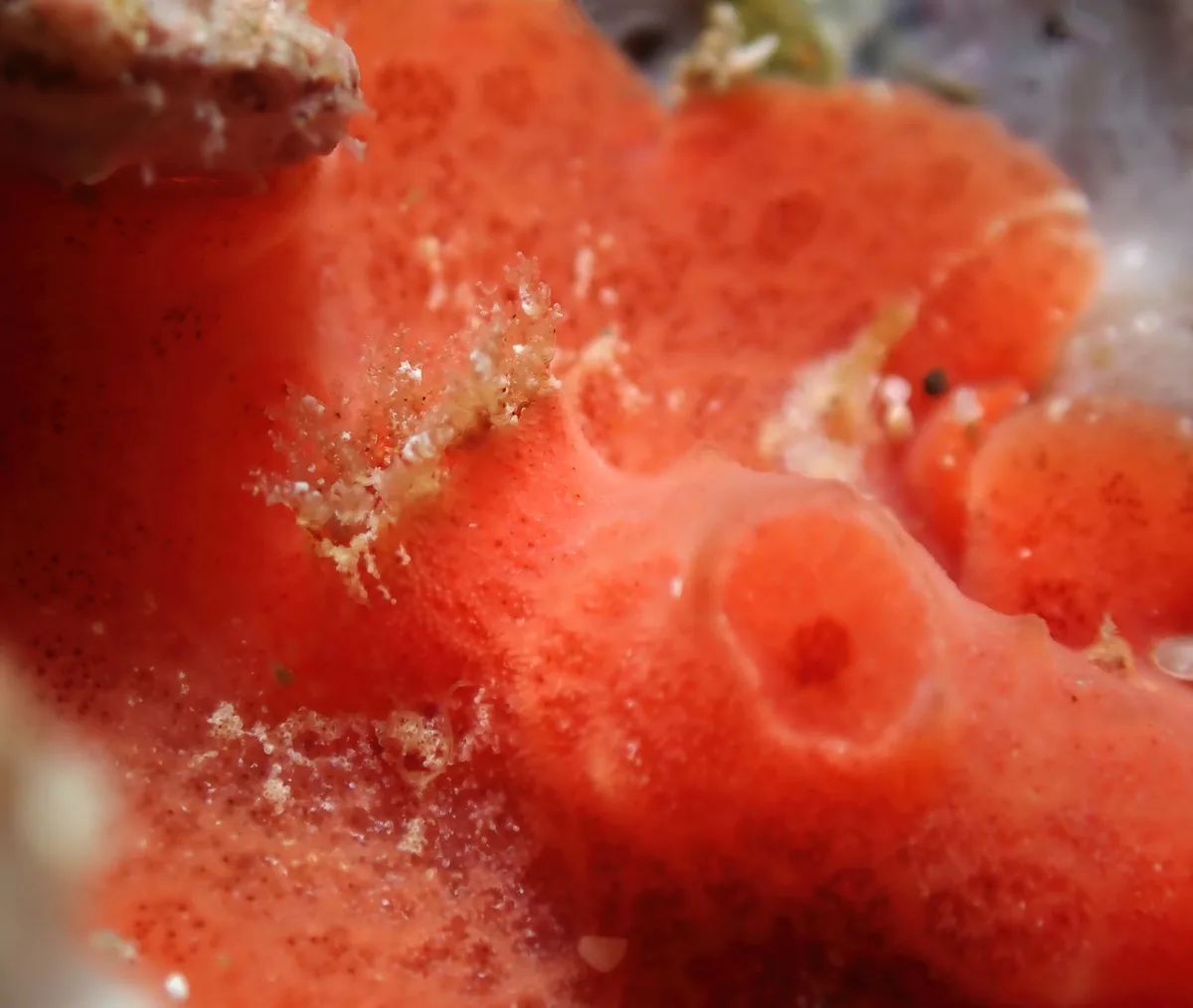
Sclerodoris tuberculata - L'Étang-Salé, RE-PL, RE
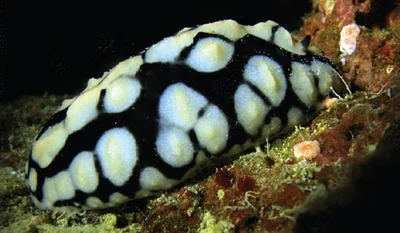
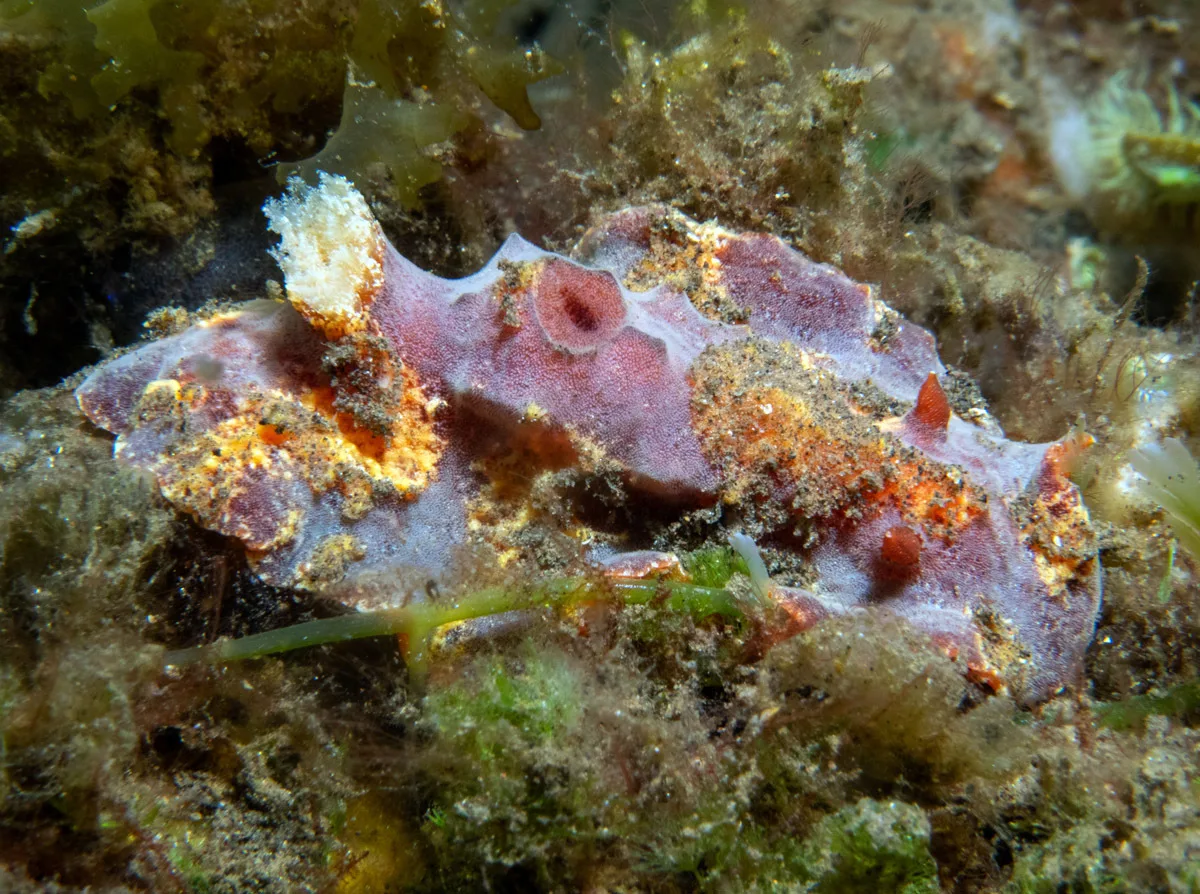
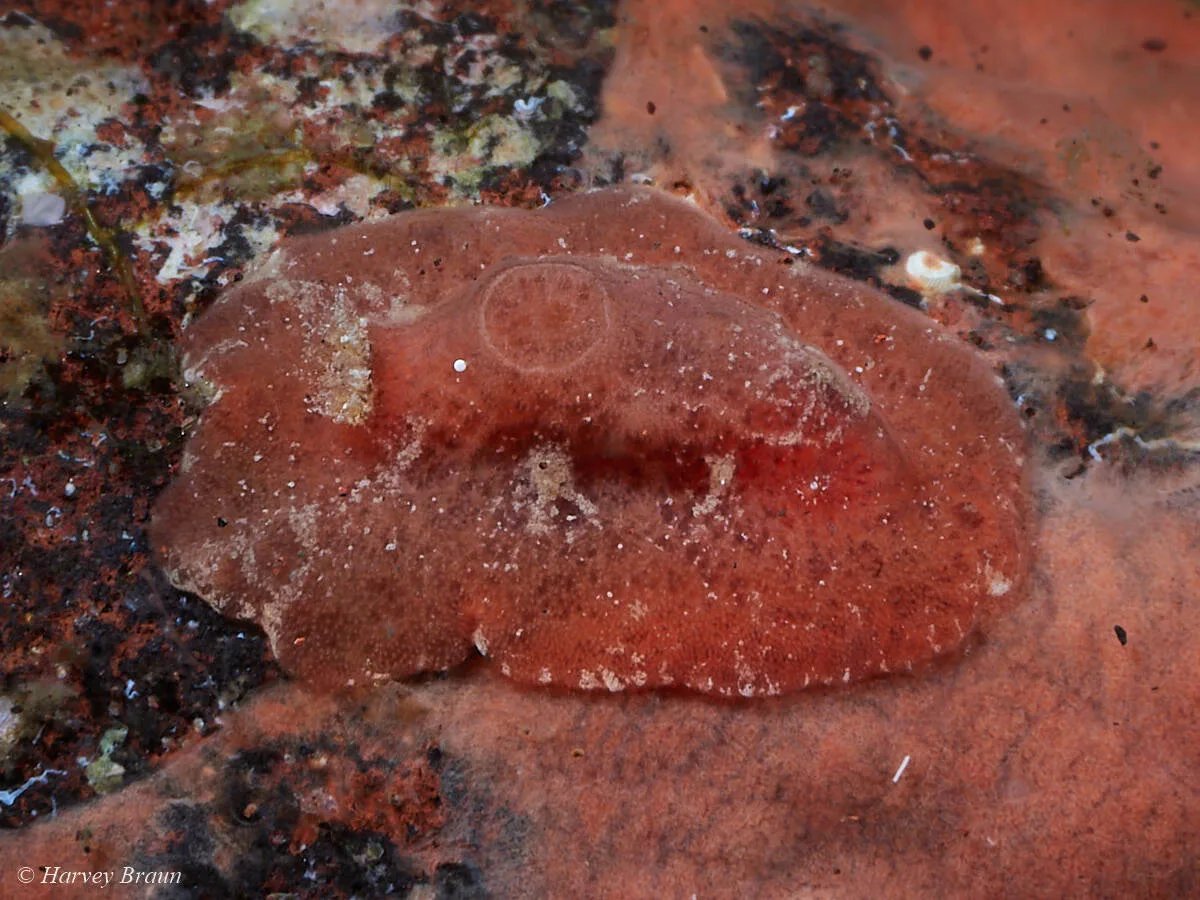
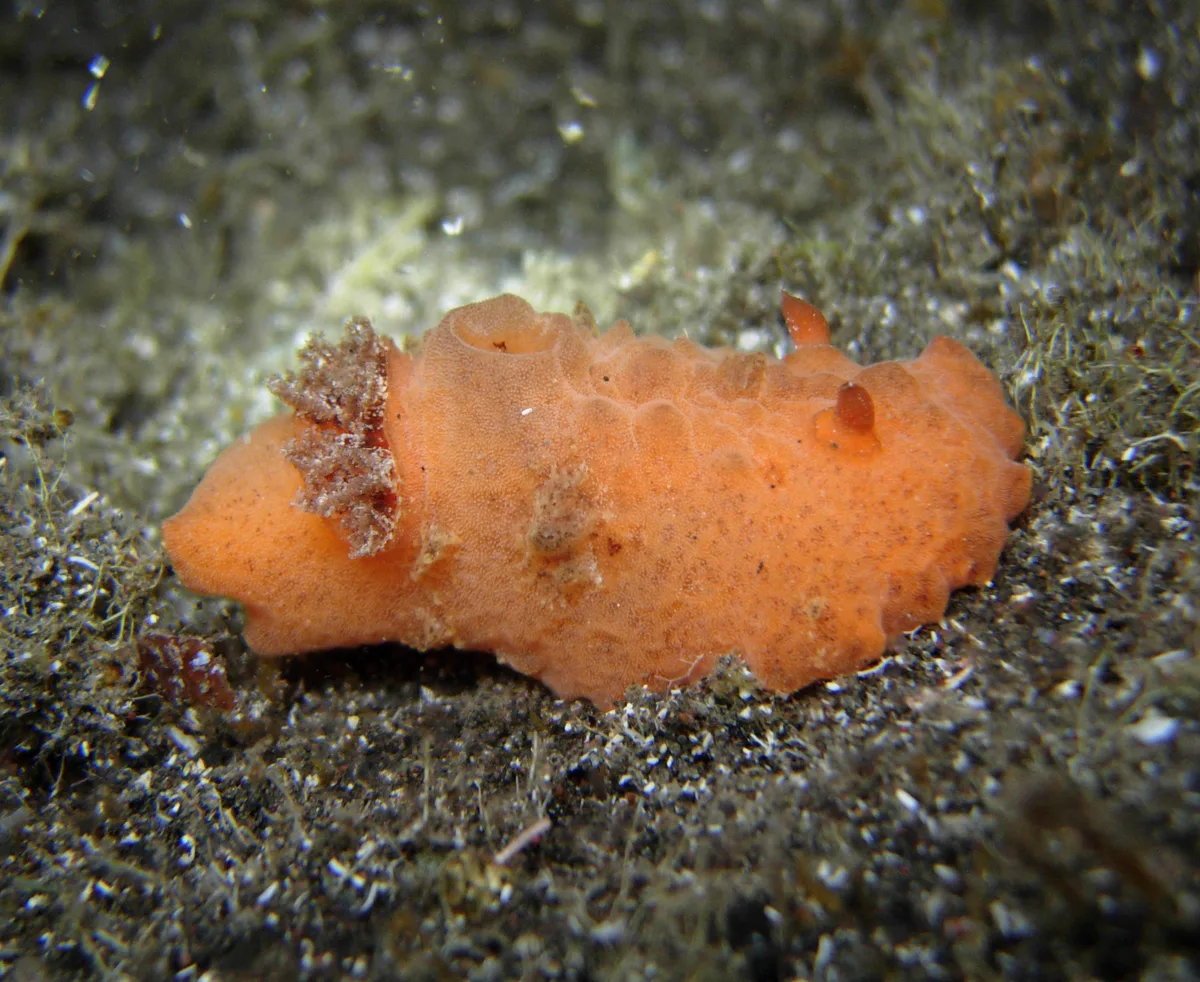
Sclerodoris tuberculata - Tianyar, Kubu, Karangasem Regency, Bali, Indonesia
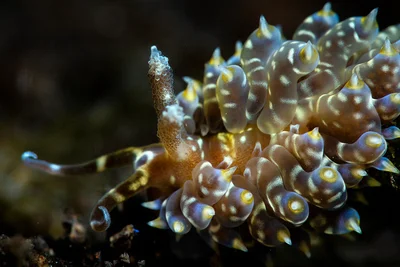
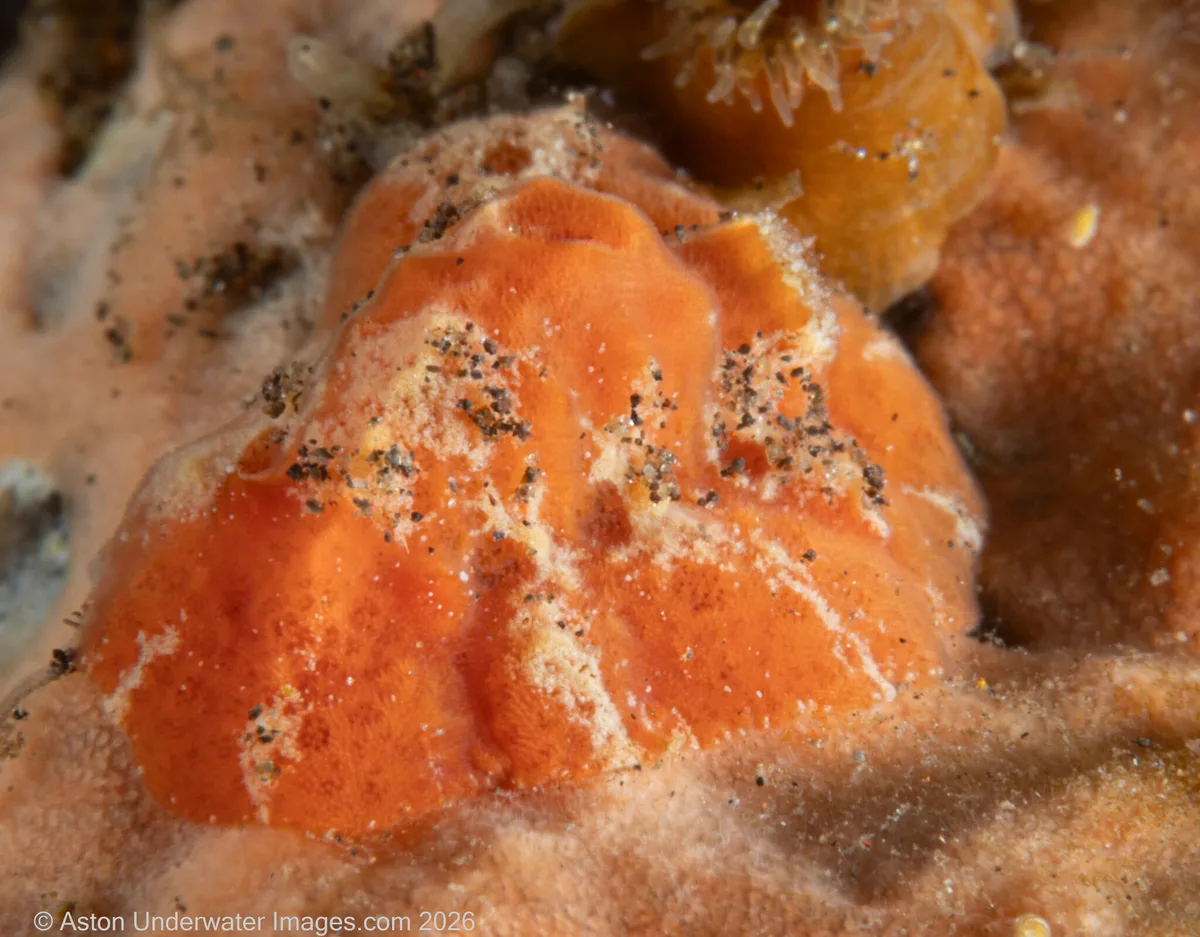
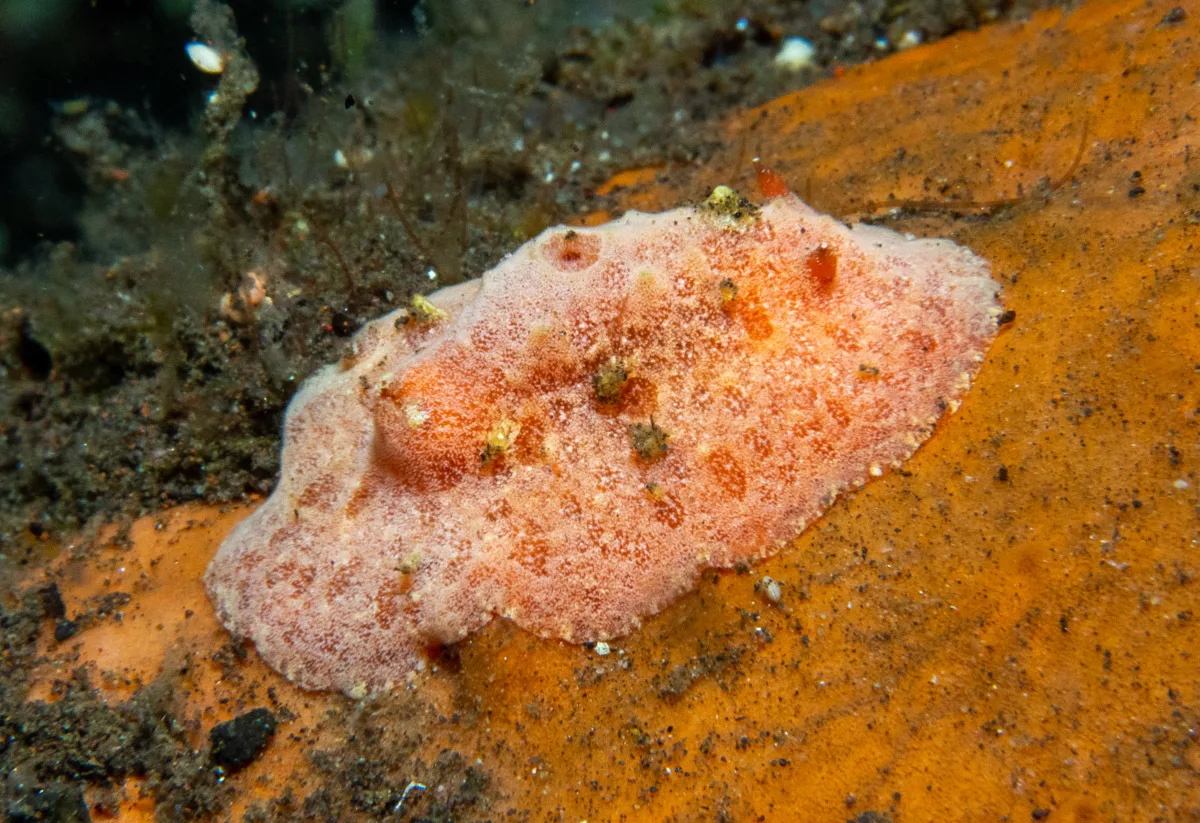
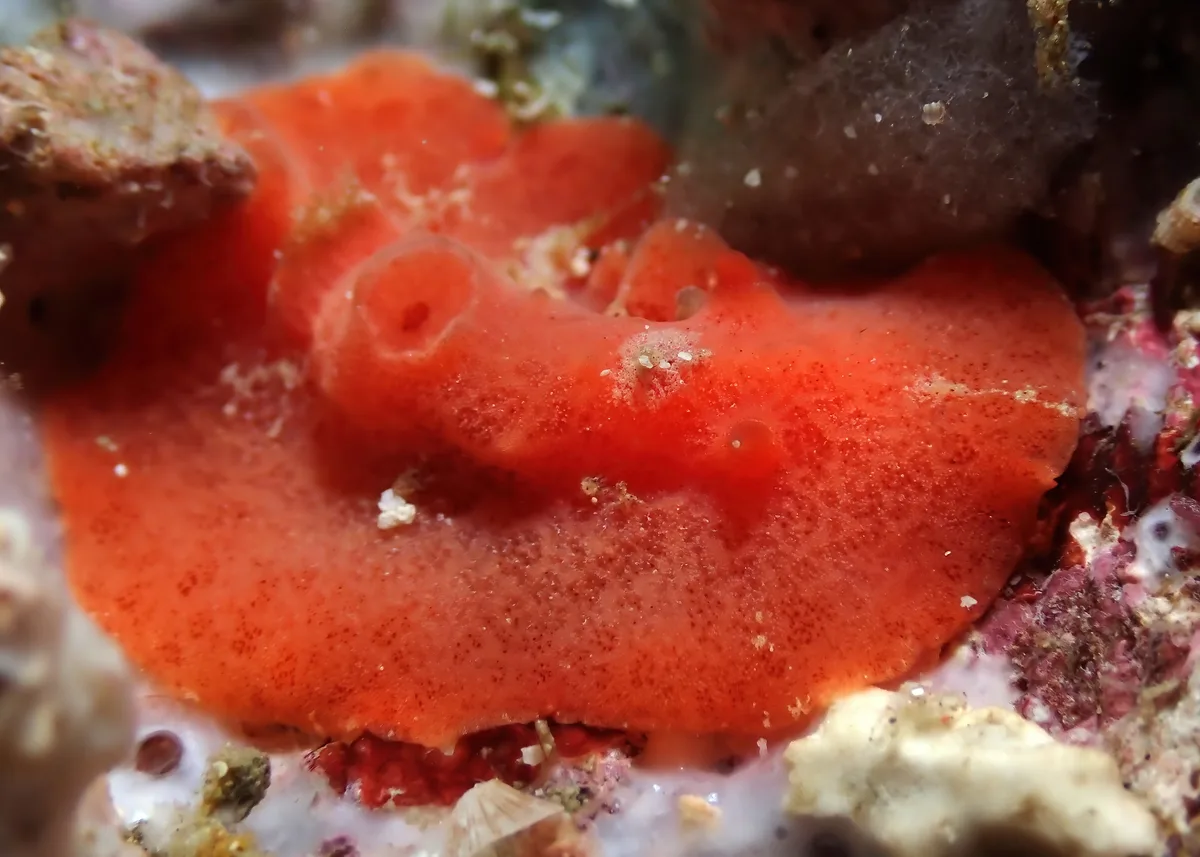
Sclerodoris tuberculata - Tulamben, Kubu, Karangasem Regency, Bali, Indonesia
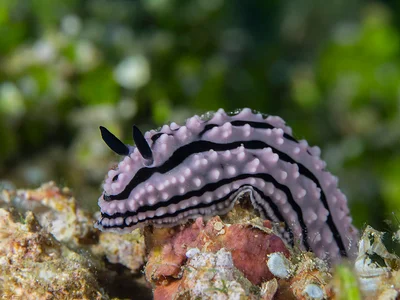
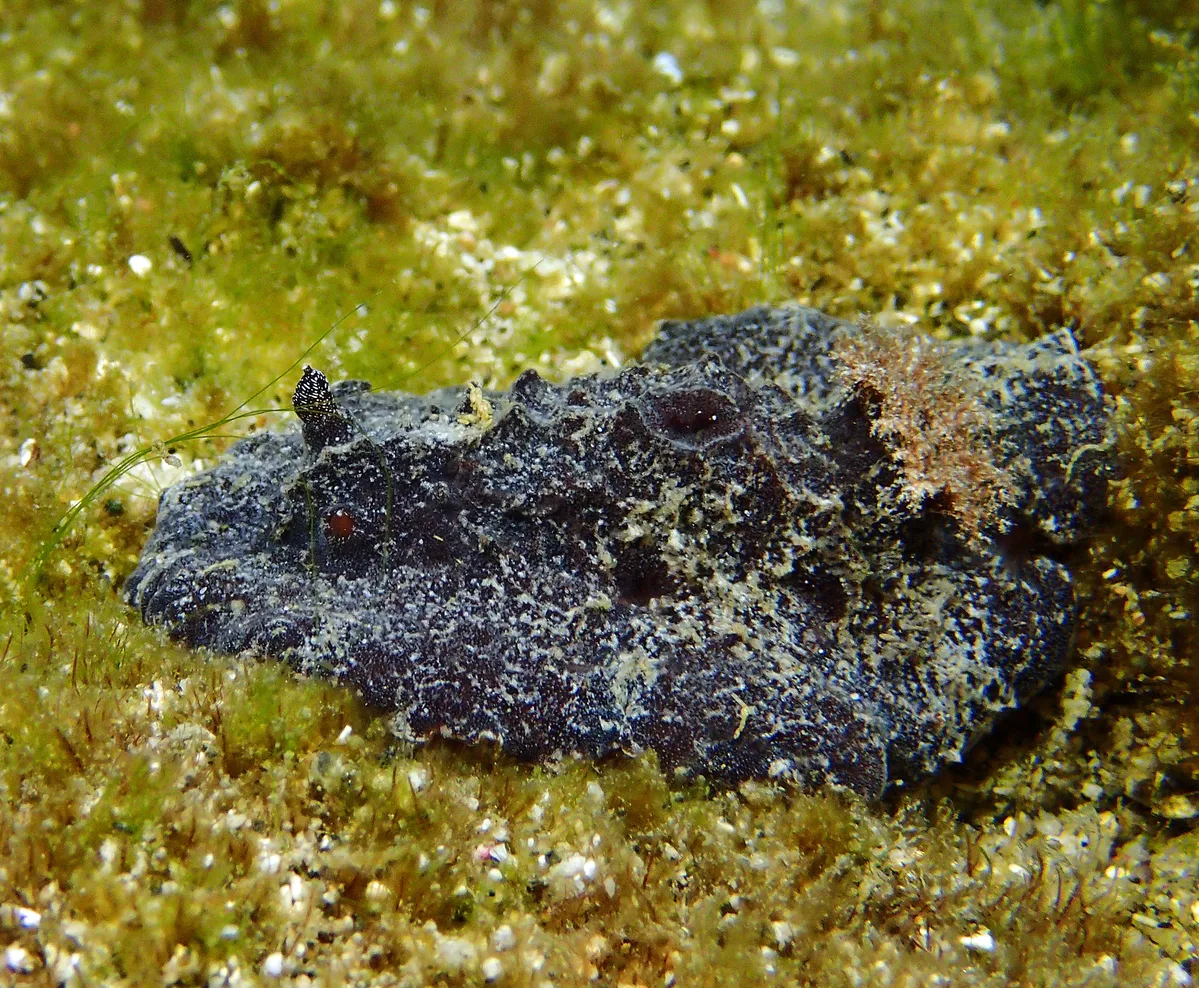
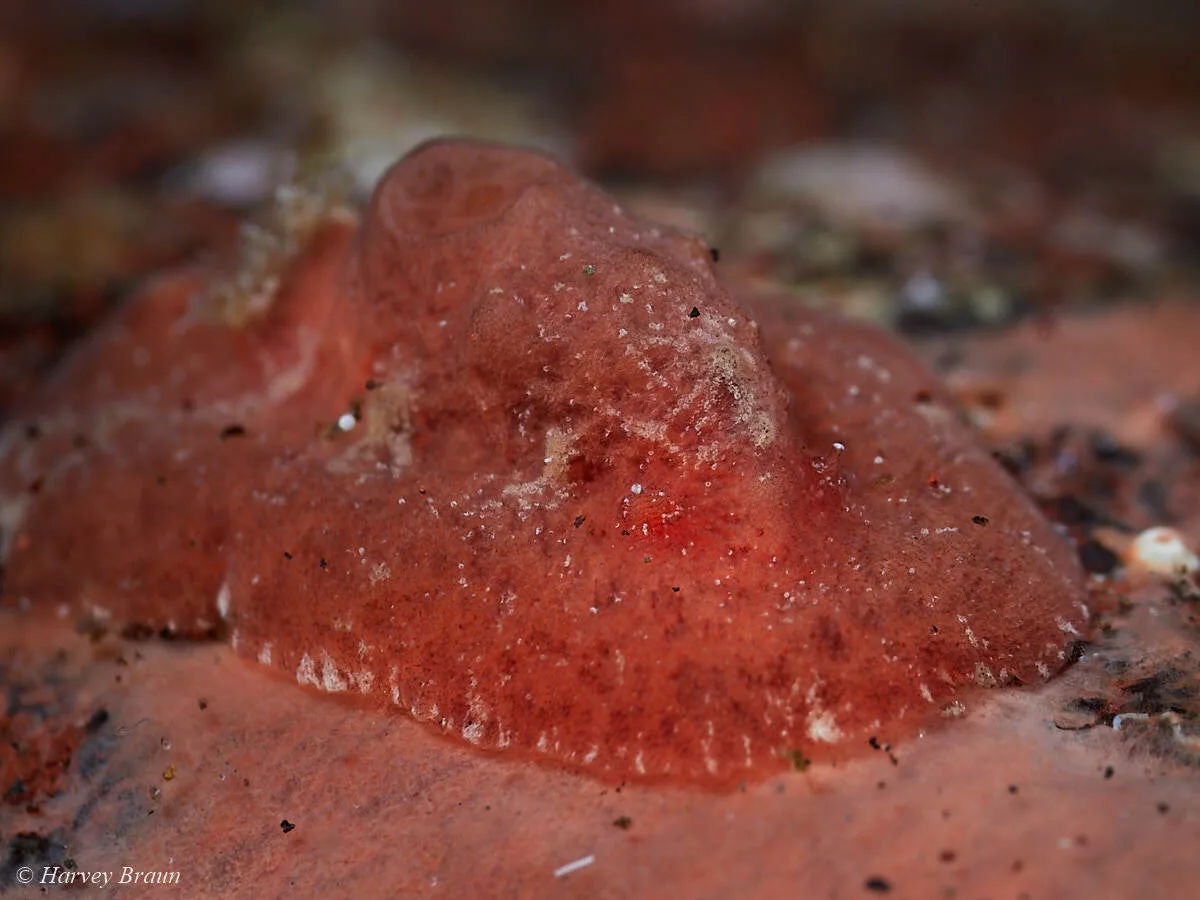
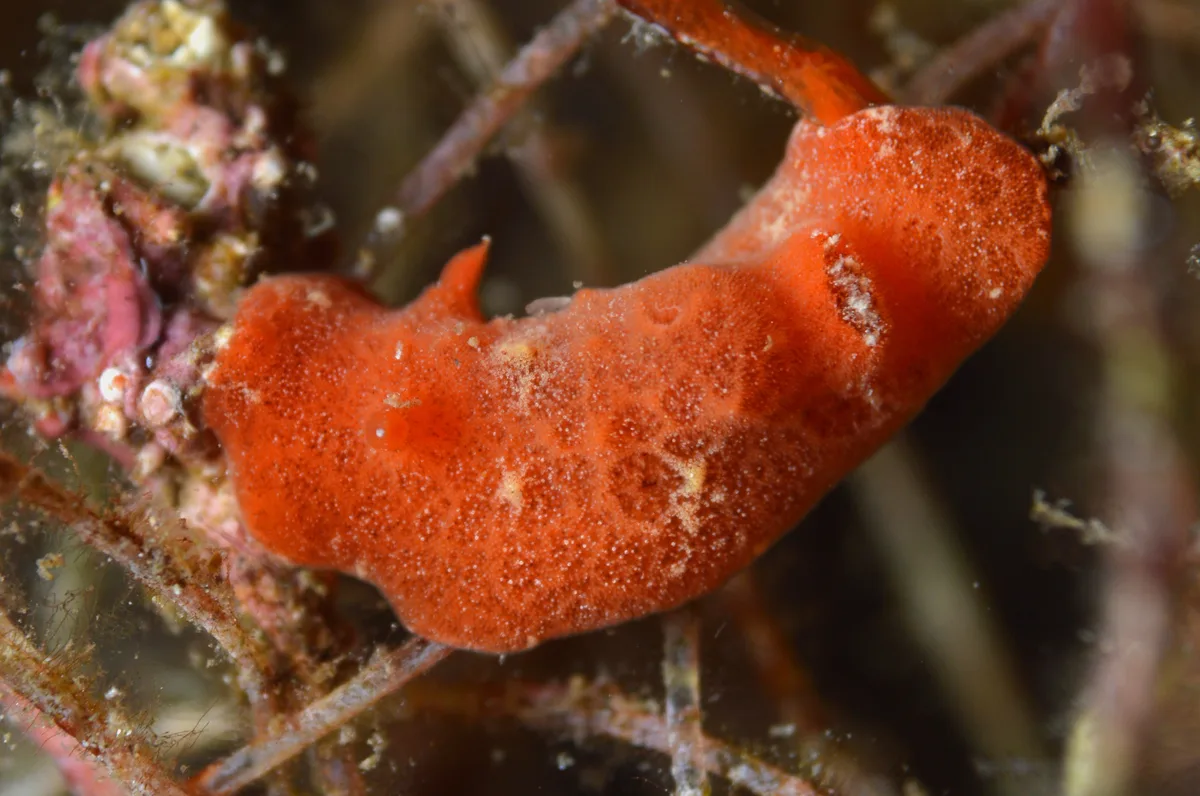
Sclerodoris tuberculata - Saint-Pierre, RE-PR, RE
Sclerodoris tuberculata - Serena Besar, Bitung, Bitung City, North Sulawesi, Indonesia
Sclerodoris tuberculata - Karang Asem, Bali, Indonesia
Sclerodoris tuberculata - Melasti, near Tulamben, Kubu, Karangasem Regency, Bali, Indonesia
Sclerodoris tuberculata - Karang Asem, Bali, Indonesia
Sclerodoris tuberculata - Sidem, Kubu, Karangasem Regency, Bali, Indonesia
Sclerodoris tuberculata - Karang Asem, Bali, Indonesia
Sclerodoris tuberculata - Batuniti, near Tulamben, Kubu, Karangasem Regency, Bali, Indonesia
Sclerodoris tuberculata - Tingloy, PH-BT, PH
Sclerodoris tuberculata - Sidem, Kubu, Karangasem Regency, Bali, Indonesia
Sclerodoris tuberculata - South Reef, Lord Howe Island, New South Wales, Australia
Sclerodoris tuberculata - Tingloy, PH-BT, PH
Sclerodoris tuberculata - L'Étang-Salé, RE-PL, RE
Sclerodoris tuberculata - Tingloy, PH-BT, PH
Sclerodoris tuberculata - L'Étang-Salé, RE-PL, RE
Sclerodoris tuberculata - Tingloy, PH-BT, PH
Sclerodoris tuberculata - Romblon, PH
Poisonous© setsof
Invertebrate · Molluscs · Nudibranch

Variable Granulated Dorid

Sclerodoris tuberculata Eliot, 1904
syn. Doris castanea, Sclerodoris minor, Sclerodoris rubra
up to 5 cmPoisonous
0

It sits on a sponge and imitates the sponge's plumbing.

A sponge pumps water in through thousands of tiny pores and pushes it out through a few large chimneys called oscula, which are the obvious holes on any sponge surface. This slug carries a raised ring with a pit in the middle of its own back, in the middle of a granular surface, and the effect from above is another osculum in a field of them. It is not copying a different animal, the way a mimic usually does. It is copying a piece of anatomy belonging to the thing it is standing on and eating.

Color helps not at all: individuals run from red through brown and two on the same reef can look unrelated. The false osculum and the low flattened granular back are the marks.

Hiding on your own food is efficient in a way that hiding nearby is not. The slug does not have to travel, does not have to leave cover to feed, and is invisible for as long as it stays put, which is most of the time.

Like other dorids it takes chemistry from the sponge and stores it, so the disguise is a first line rather than the only one. Five centimeters, out at night, and easiest to find by examining sponges closely rather than by scanning rock.

How to recognise it
  • raised rim with a pit in the middle of the back, copying a sponge's exhalant opening
  • color anywhere from red through brown, and no help at all
  • granular back, low and flattened against the surface
  • up to 5 cm

Comments

Please, sign in to leave a comment

Continue with a social account - yours will be created automatically.

No comments yet — be the first.

Last Update: August 25, 2026