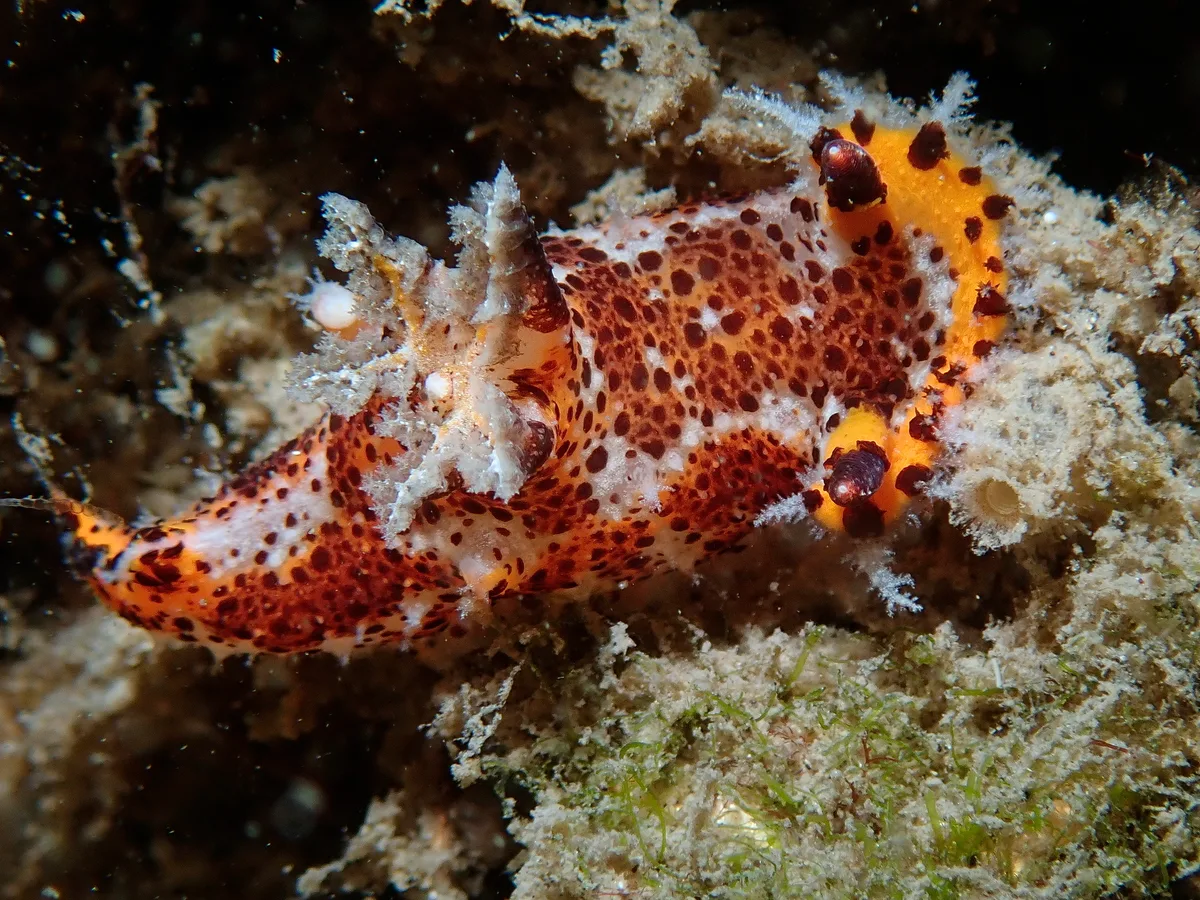
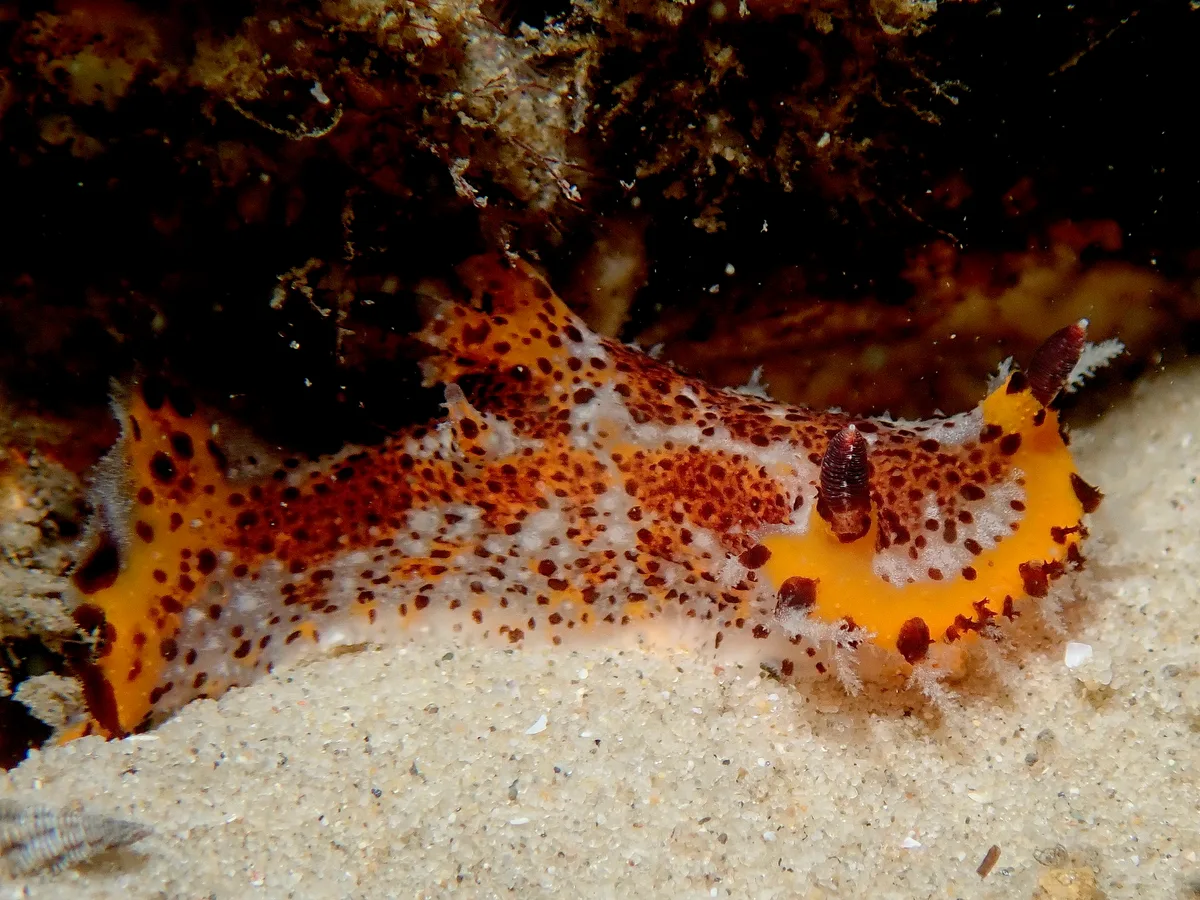
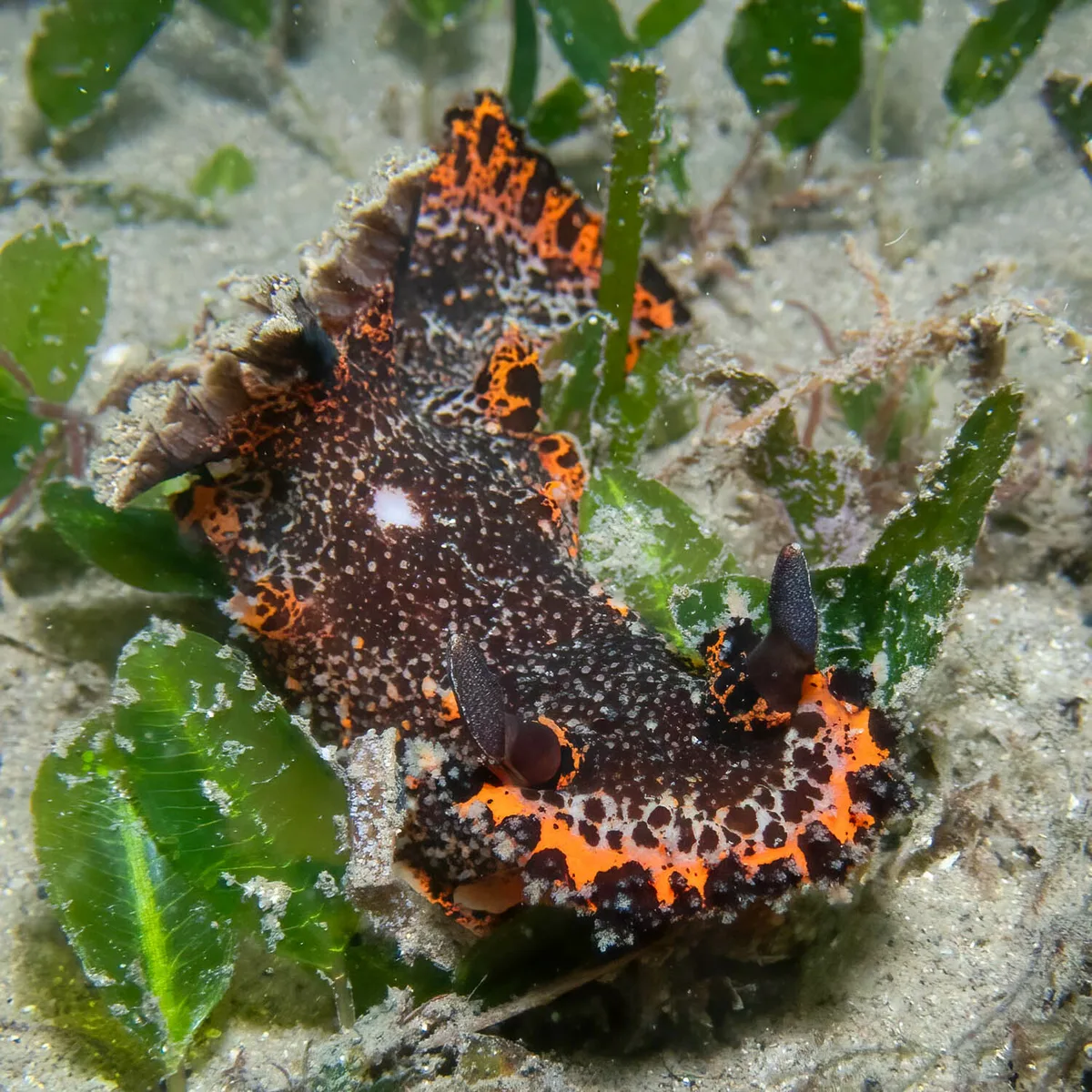
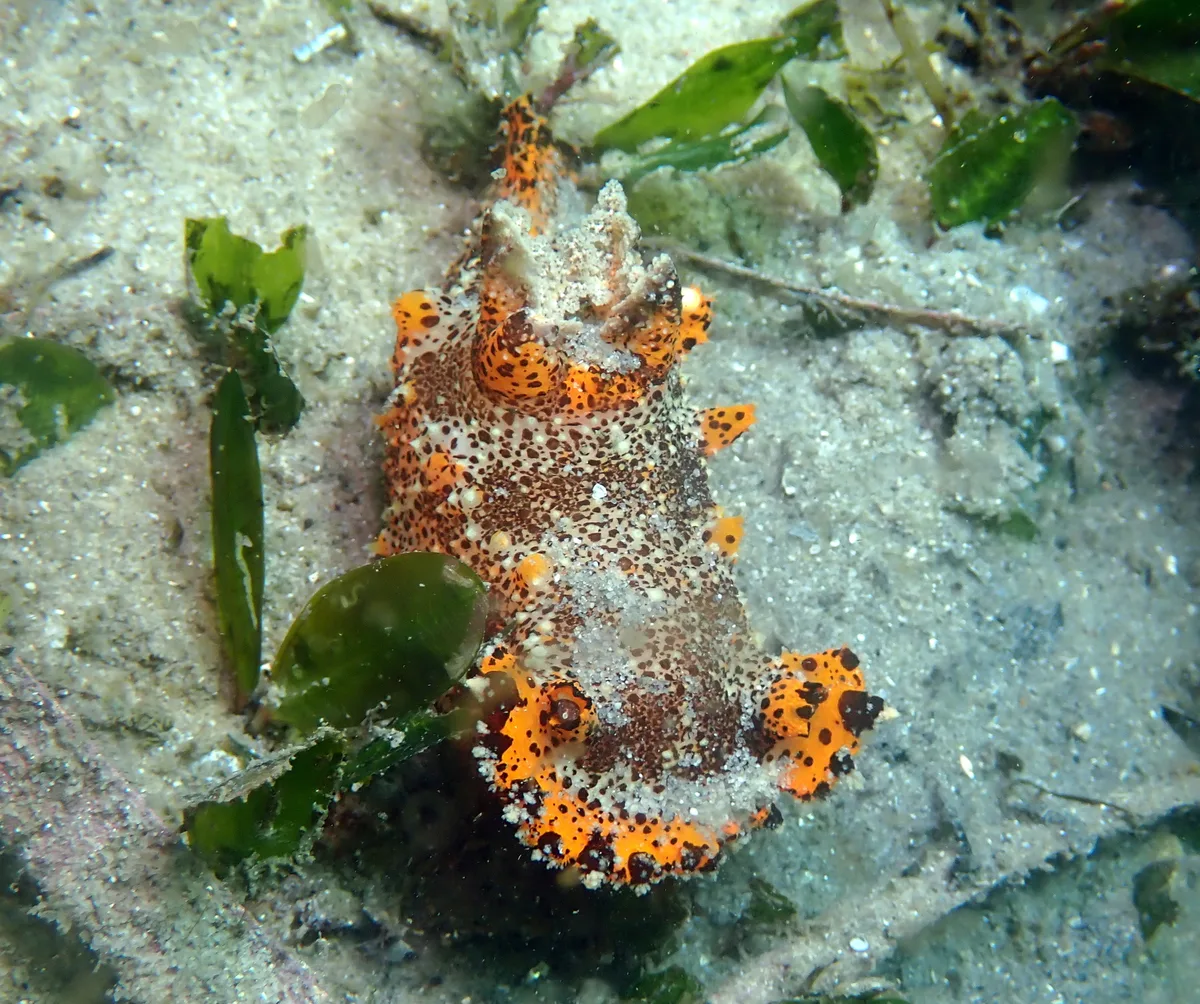
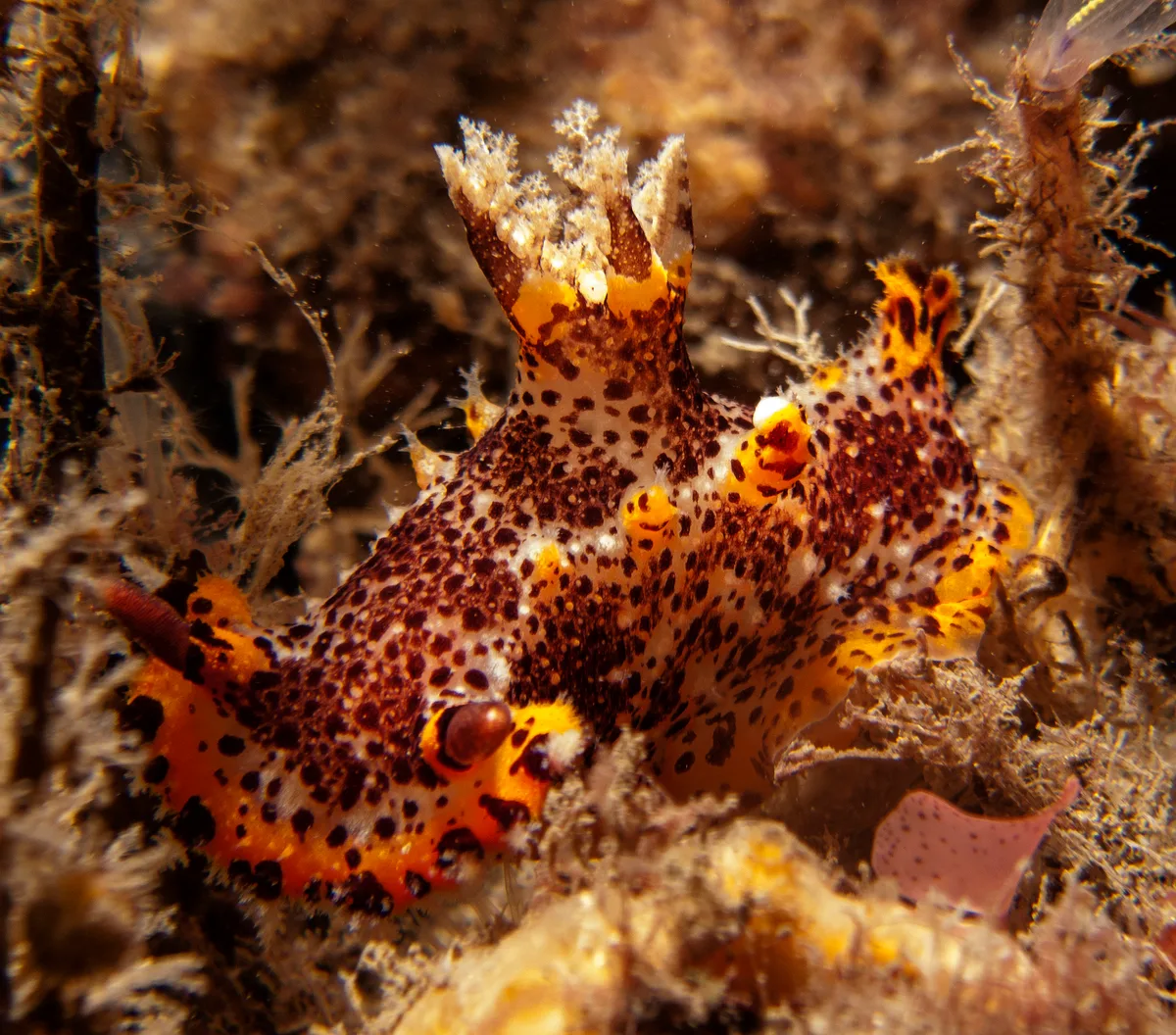
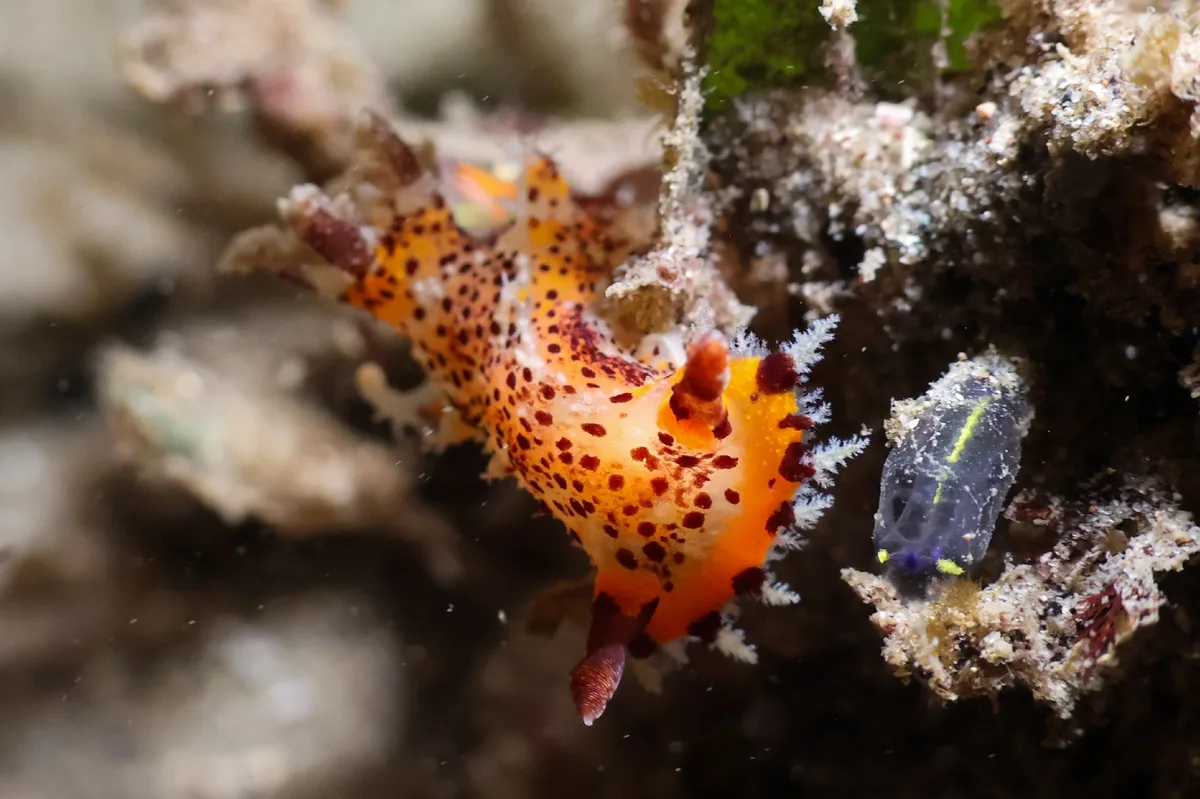
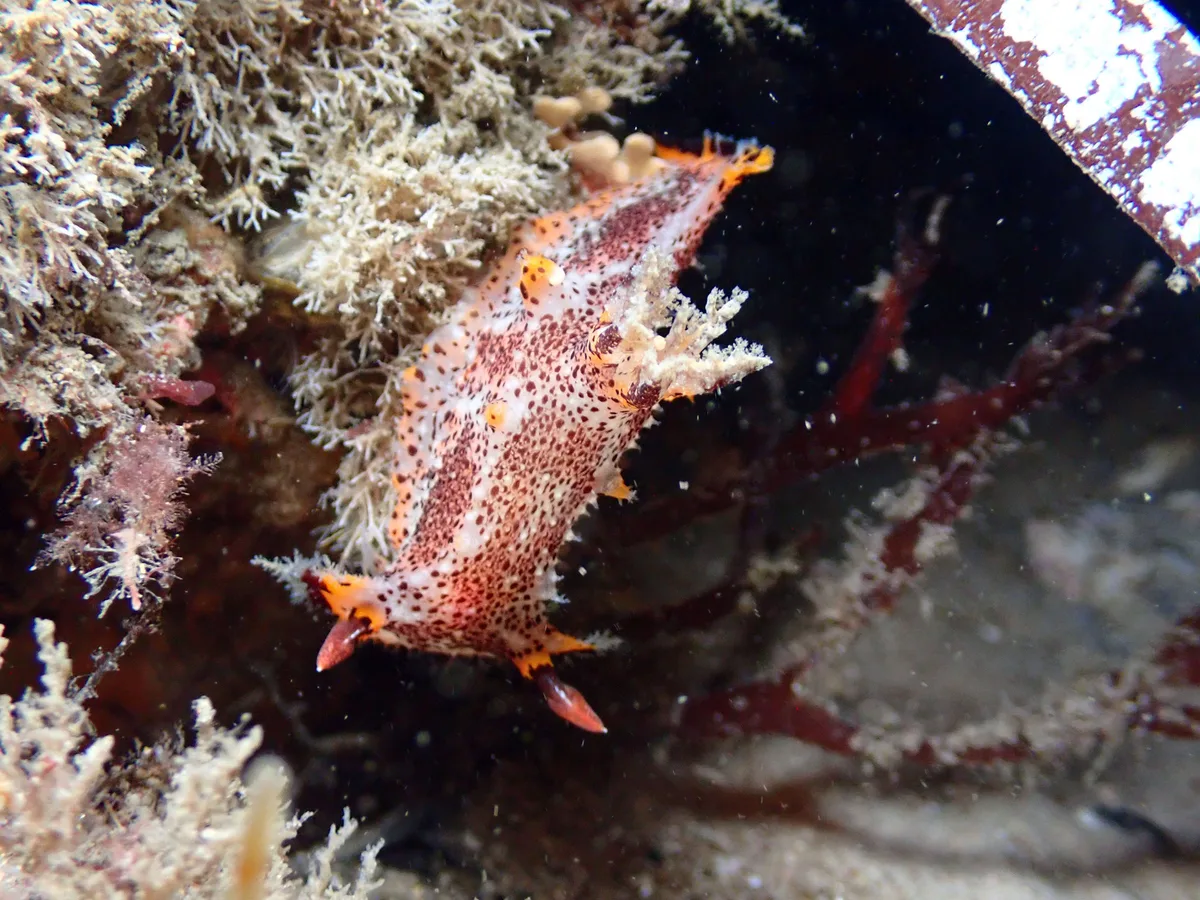
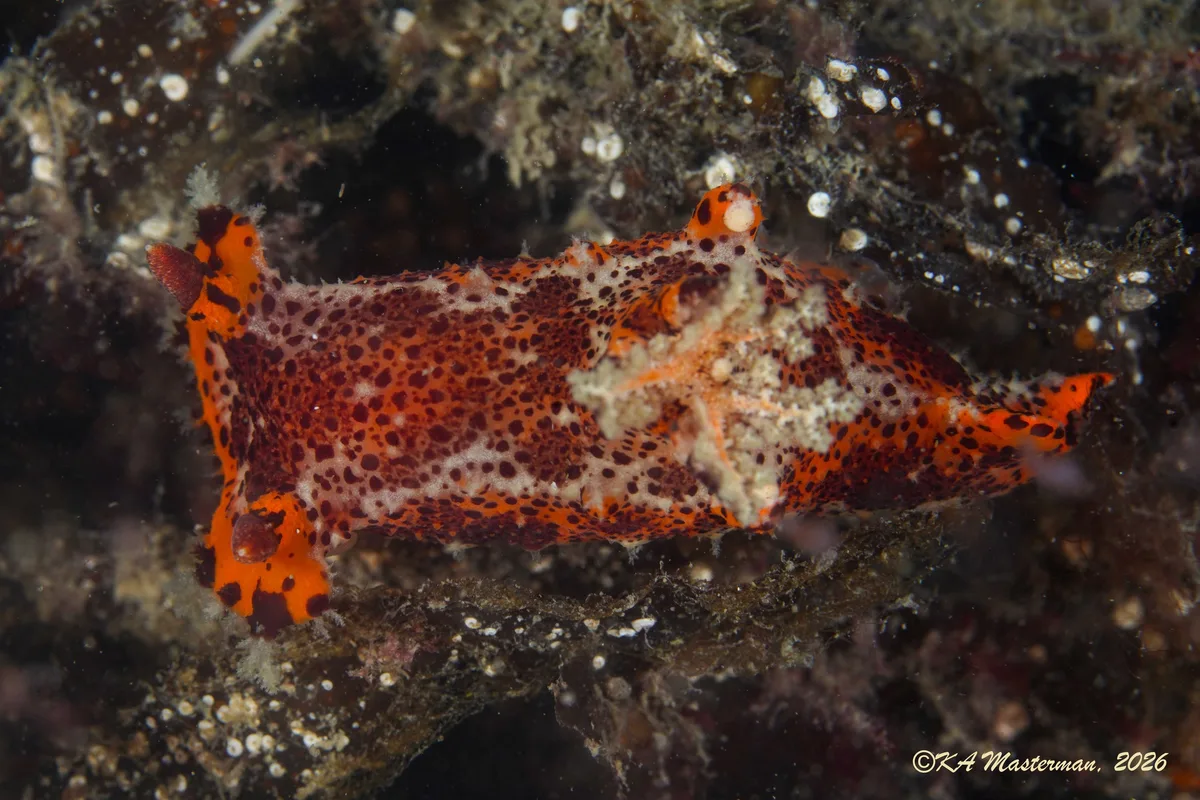
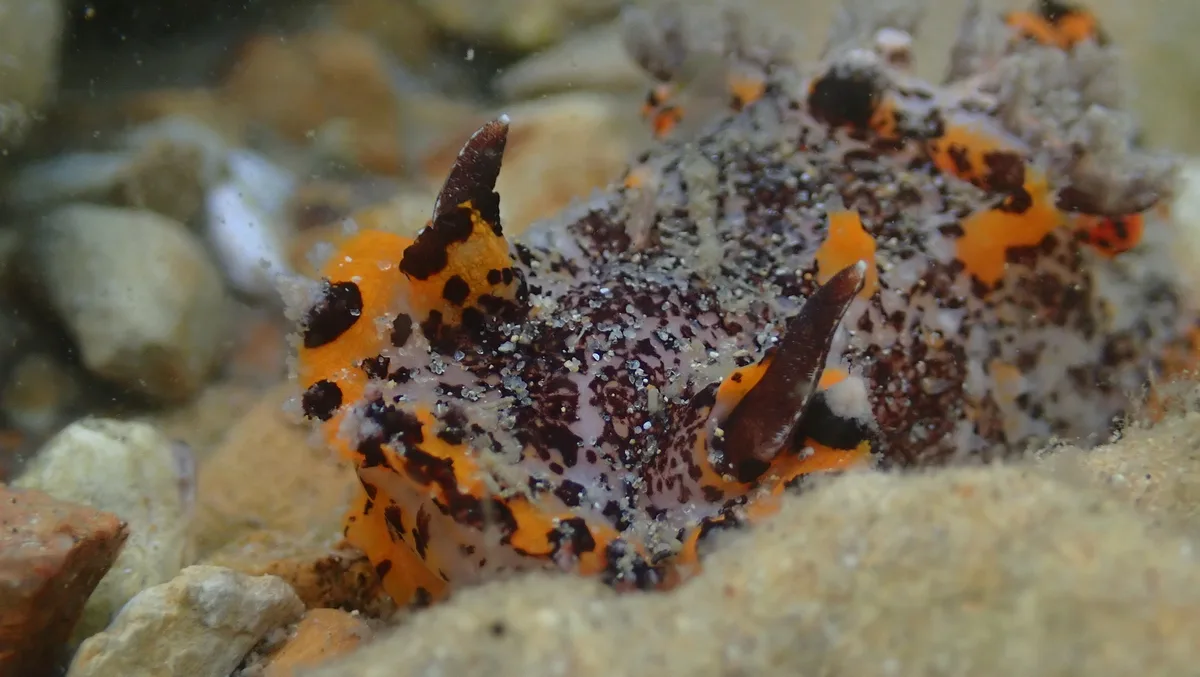
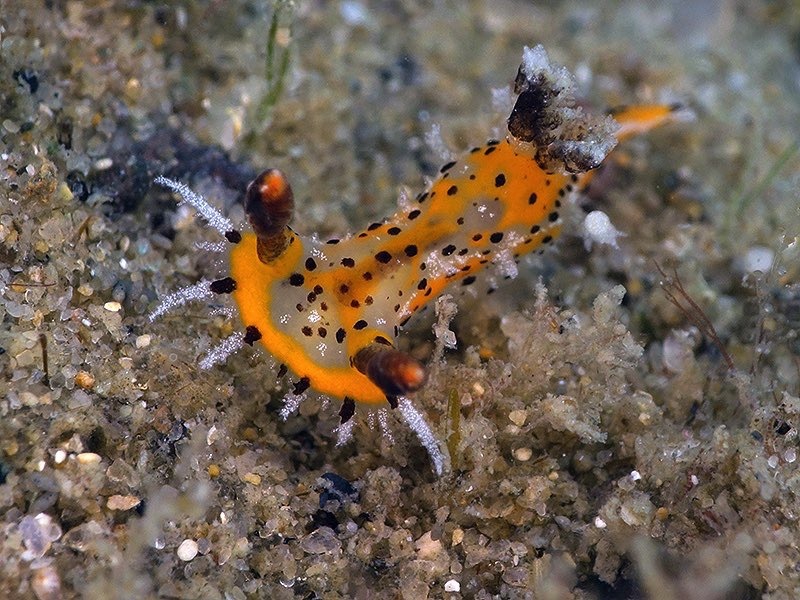
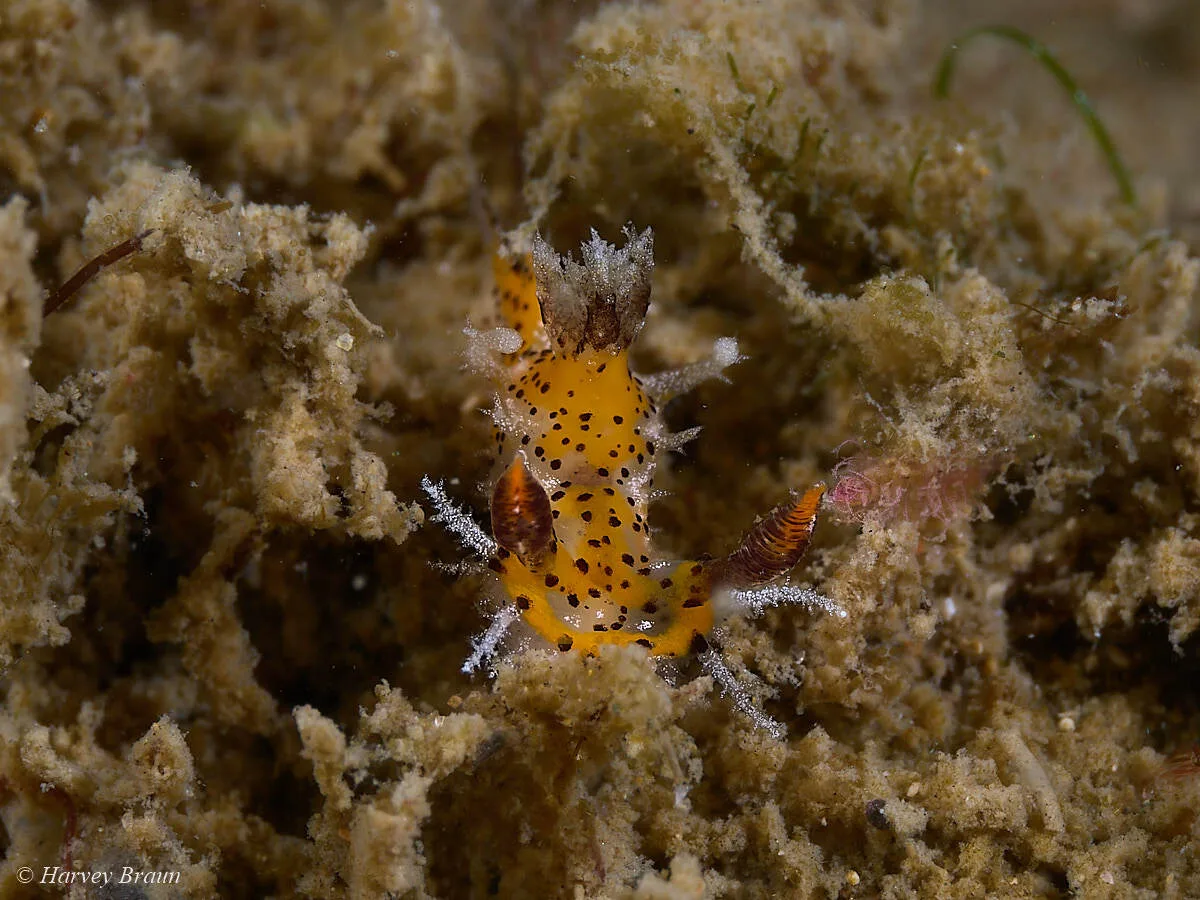
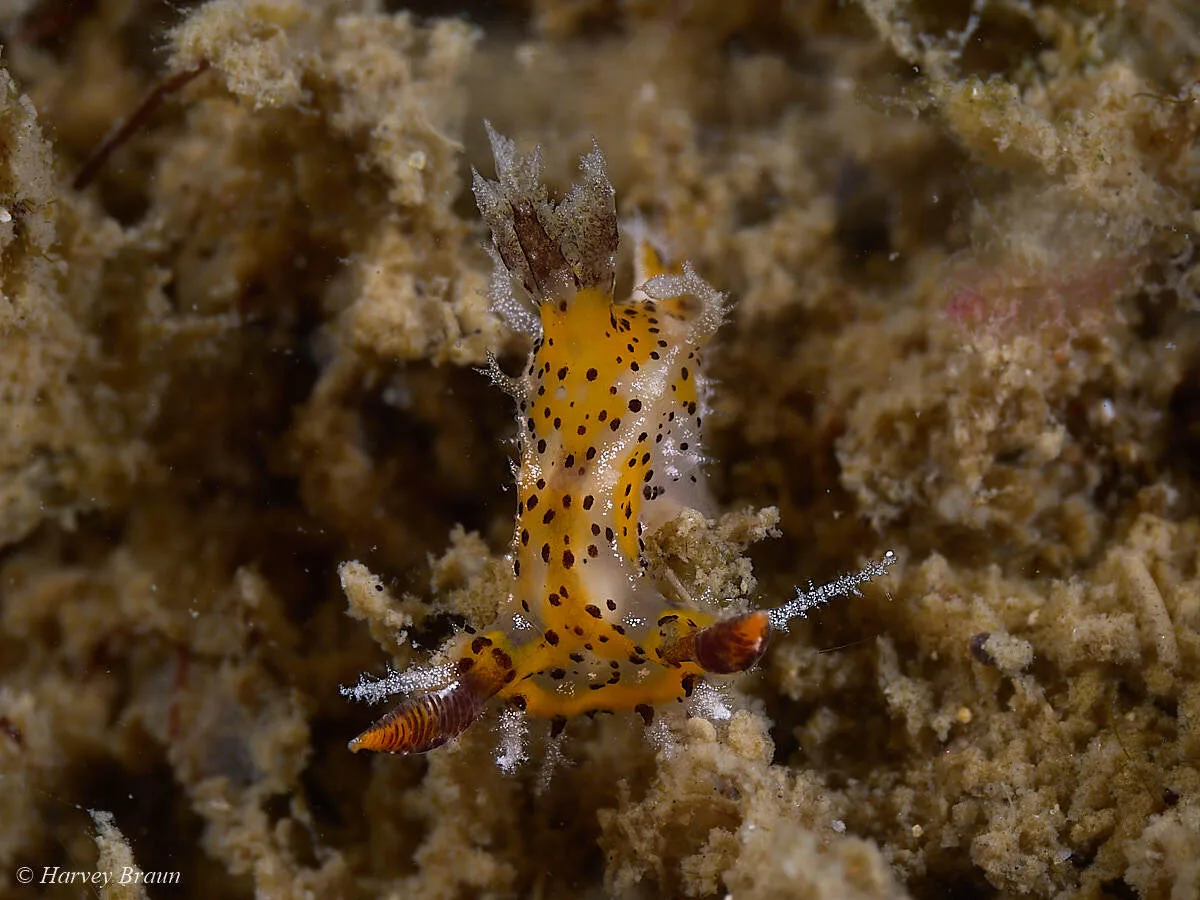
Plocamopherus tilesii - Pipeline, Port Stephens NSW 2319, Australia
Plocamopherus tilesii - Nelson Bay NSW 2315, Australia
Plocamopherus tilesii - Norburn Ave before Dixon Dr, Nelson Bay NSW 2315, Australia
Plocamopherus tilesii - Little Beach
Plocamopherus tilesii - Port Stephens, NSW, Australia
Plocamopherus tilesii - Sunshine Coast QLD, Australia
Plocamopherus tilesii - Karangasem Regency, Bali, Indonesia
Plocamopherus tilesii - Tulamben, Kubu, Karangasem, Bali, Indonesien
Plocamopherus tilesii - Tallebudgera Creek, Gold Coast QLD, Australia
Plocamopherus tilesii - Pipeline, Port Stephens NSW 2319, Australia
Plocamopherus tilesii - Port Stephens NSW 2319, Australia
Plocamopherus tilesii - Fly Point, Port Stephens NSW 2319, Australia
Plocamopherus tilesii - Romblon, PH
Plocamopherus tilesii - Nelson Bay NSW 2315, Australia
Plocamopherus tilesii - Caloundra - Kawana, Queensland, Australia
Plocamopherus tilesii - Pipeline, Port Stephens NSW 2319, Australia
Plocamopherus tilesii - Caloundra - Kawana, Queensland, Australia
Plocamopherus tilesii - Sydney NSW, Australia
Plocamopherus tilesii - Caloundra - Kawana, Queensland, Australia
Plocamopherus tilesii - Port Stephens NSW 2319, Australia
Plocamopherus tilesii - Nelson Bay - Corlette NSW, Australia
Plocamopherus tilesii - Pipeline
Plocamopherus tilesii - Port Stephens, NSW, Australia
Plocamopherus tilesii - Nelson Bay - Corlette NSW, Australia
Plocamopherus tilesii - Port Stephens NSW 2319, Australia
Plocamopherus tilesii - Nelson Bay - Corlette NSW, Australia
Plocamopherus tilesii - Tallebudgera Creek, Gold Coast QLD, Australia
Plocamopherus tilesii - Tallebudgera Creek, Burleigh Heads, QLD, AU
Plocamopherus tilesii - La Balsa Park, 1 Harbour Parade, Buddina QLD 4575, Australia
Plocamopherus tilesii - Sunshine Coast QLD, Australia
Plocamopherus tilesii - Kerosene Inlet, New South Wales, NSW, AU
Plocamopherus tilesii - Nelson Bay - Corlette NSW, Australia
Plocamopherus tilesii - Nelson Bay sea slug census
Plocamopherus tilesii - Little Beach, Port Stephens NSW 2319, Australia
Plocamopherus tilesii - Port Stephens, NSW, Australia
Plocamopherus tilesii - Labuan Airprang, North Sulawesi, ID
Plocamopherus tilesii - "Fly Point, Port Stephens, NSW, Australia"
Plocamopherus tilesii - Gold Coast QLD, Australia
Poisonous© Steve Smith
Invertebrate · Molluscs · Nudibranch

Tilesius' Plocamopherus

Plocamopherus tilesii Bergh, 1877
up to 6 cmPoisonous
0

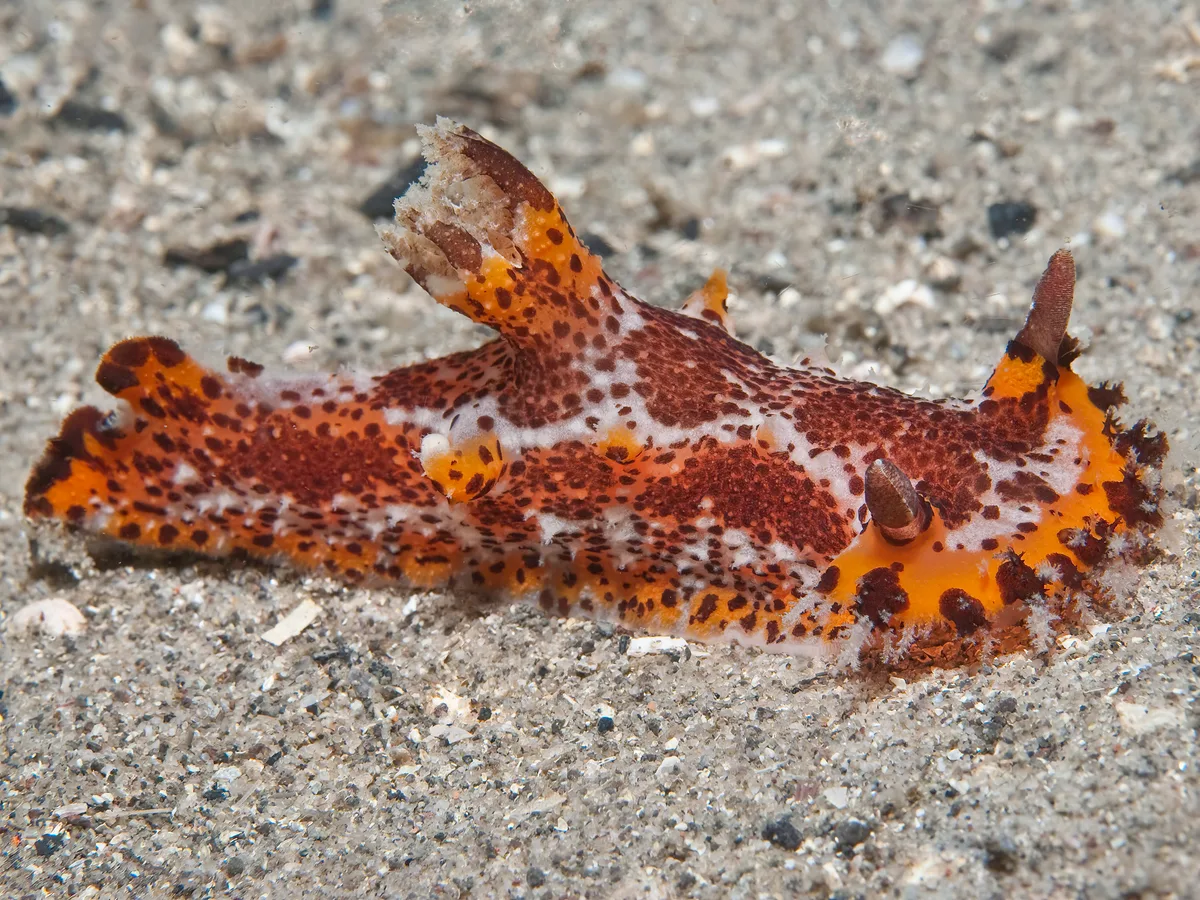
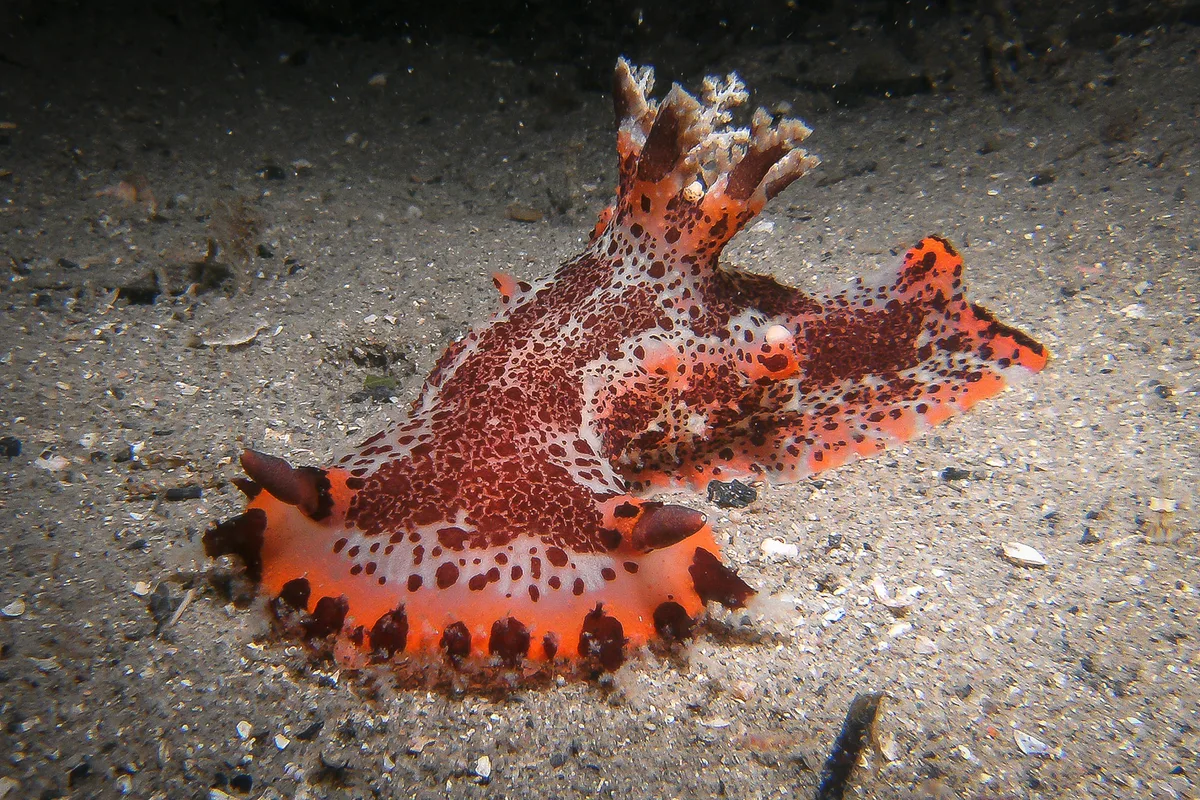
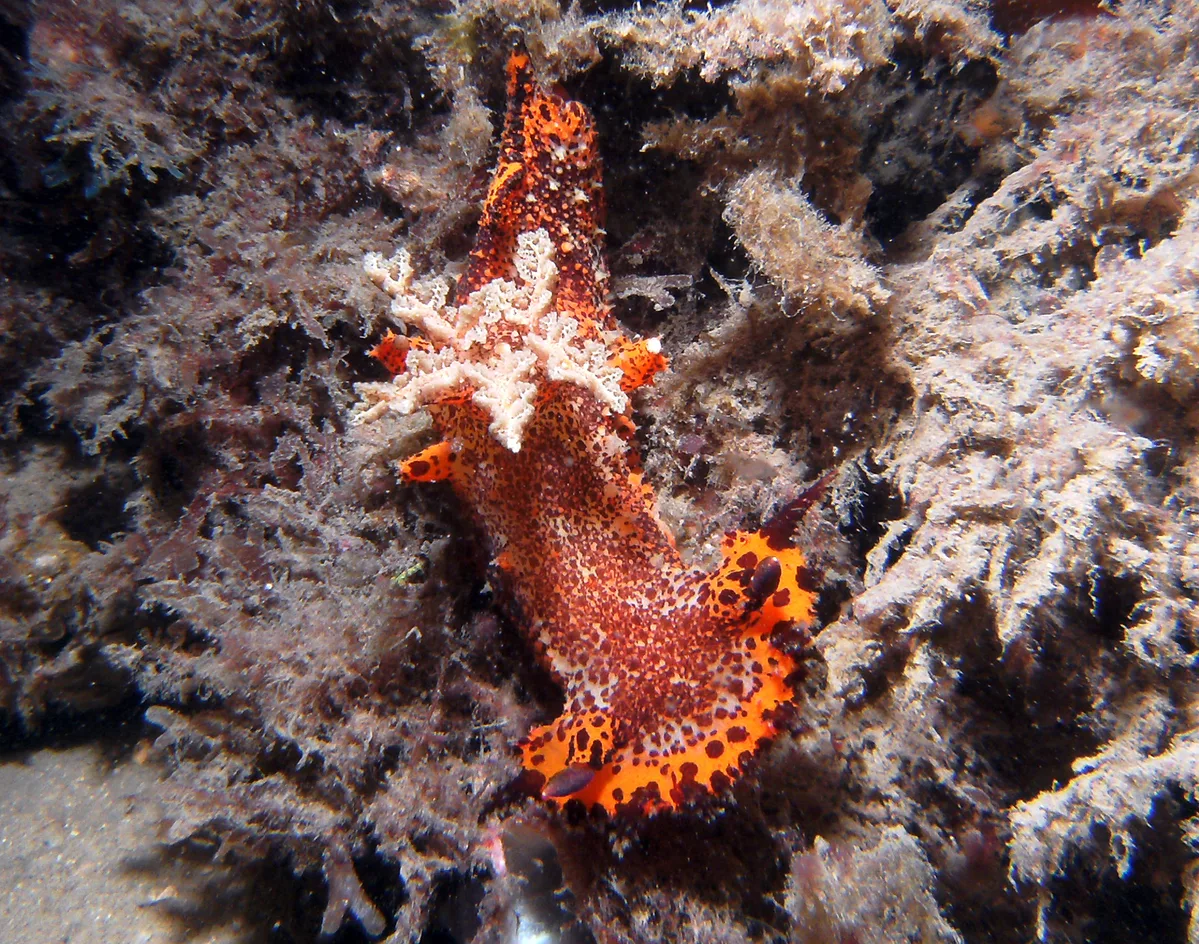
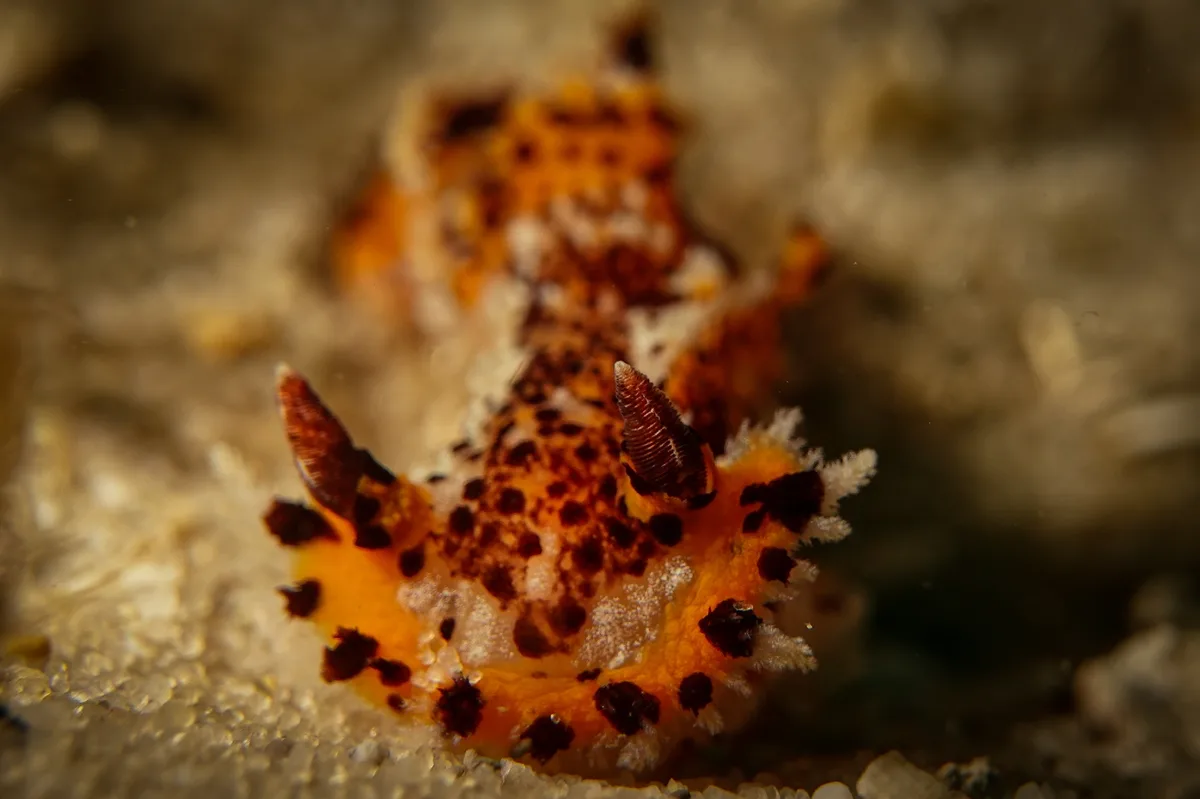
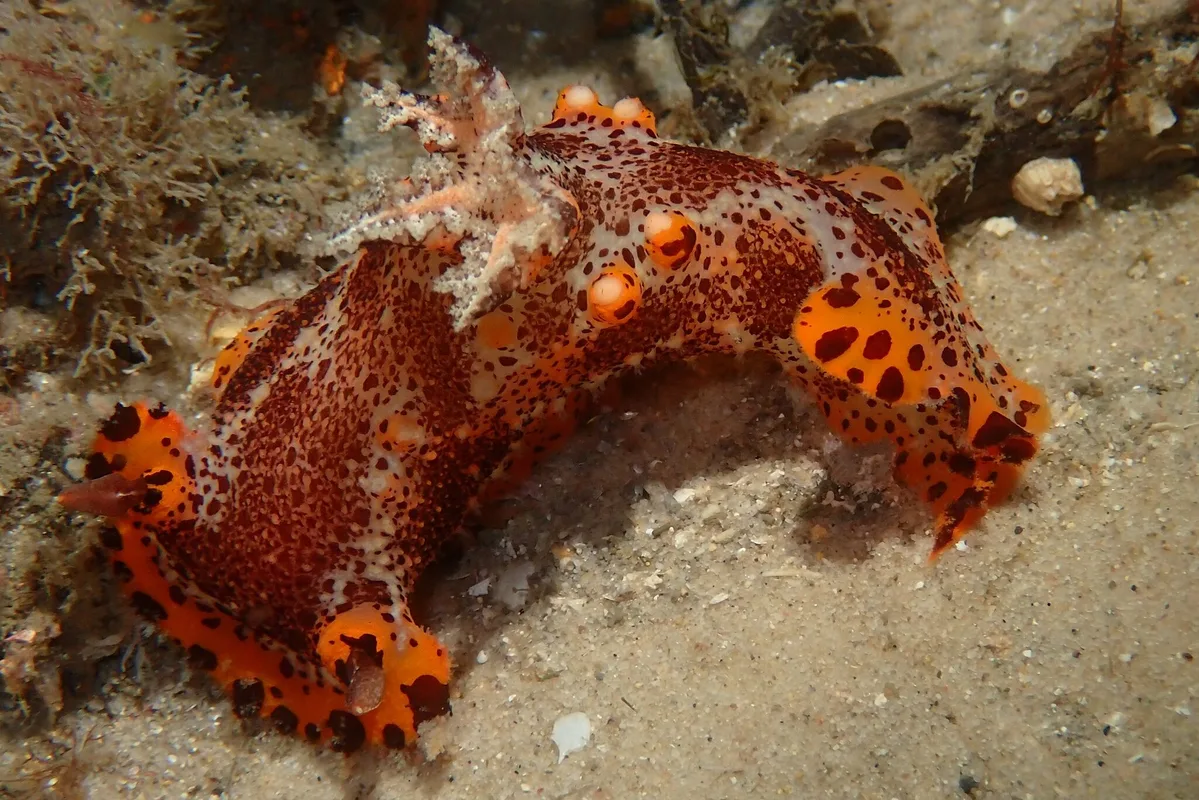
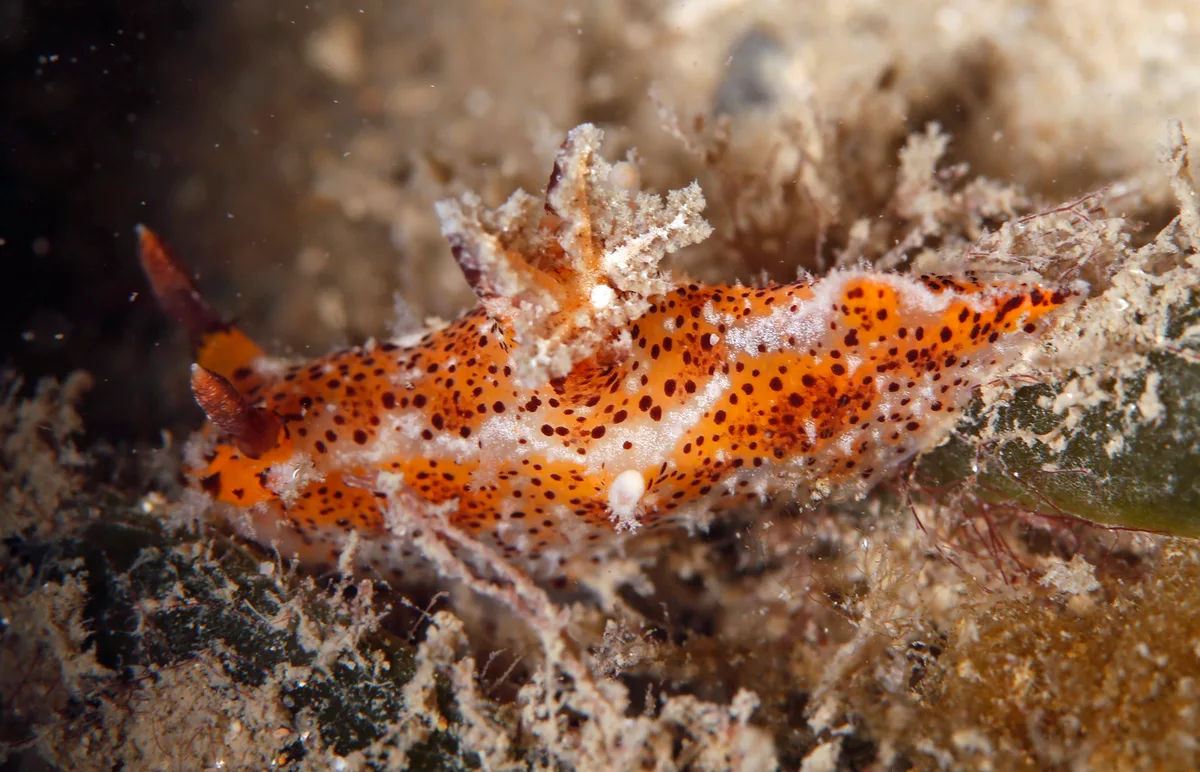
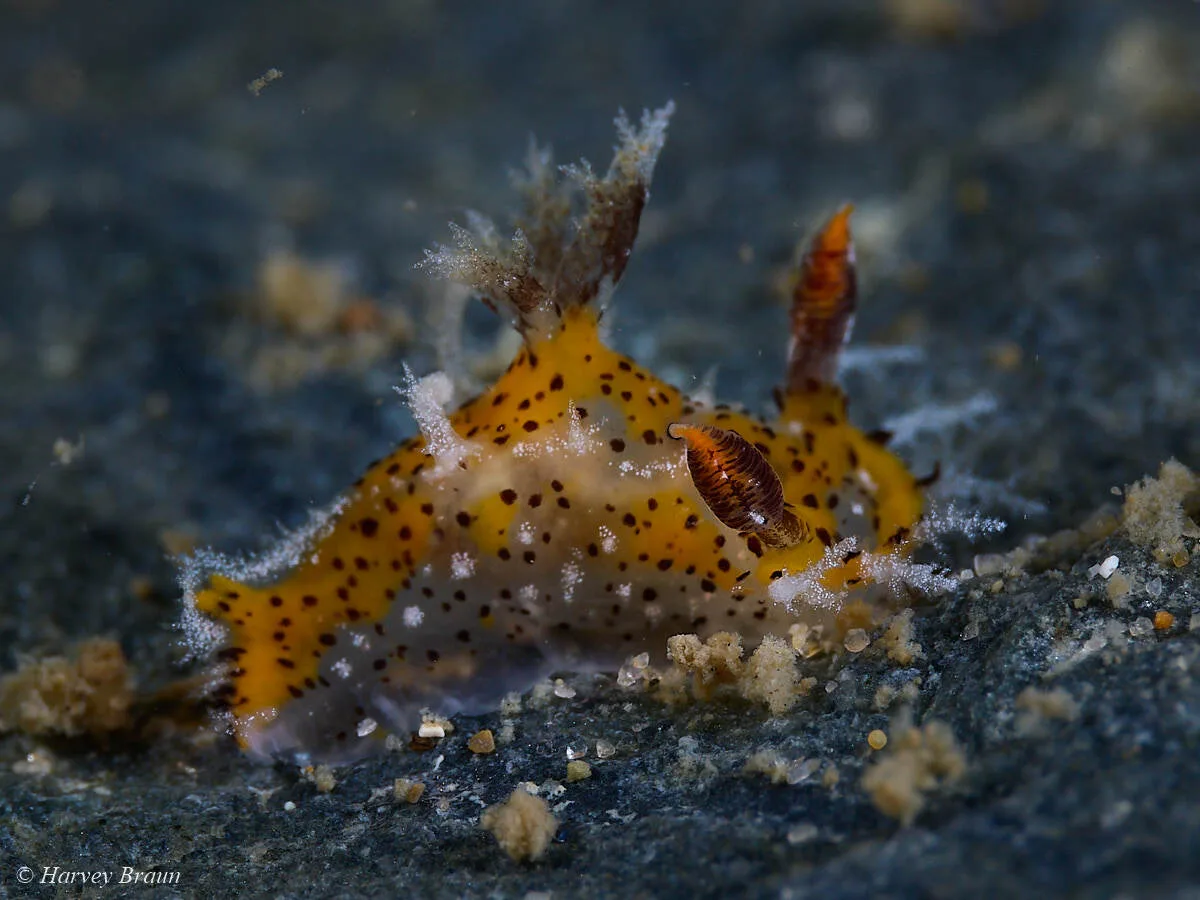
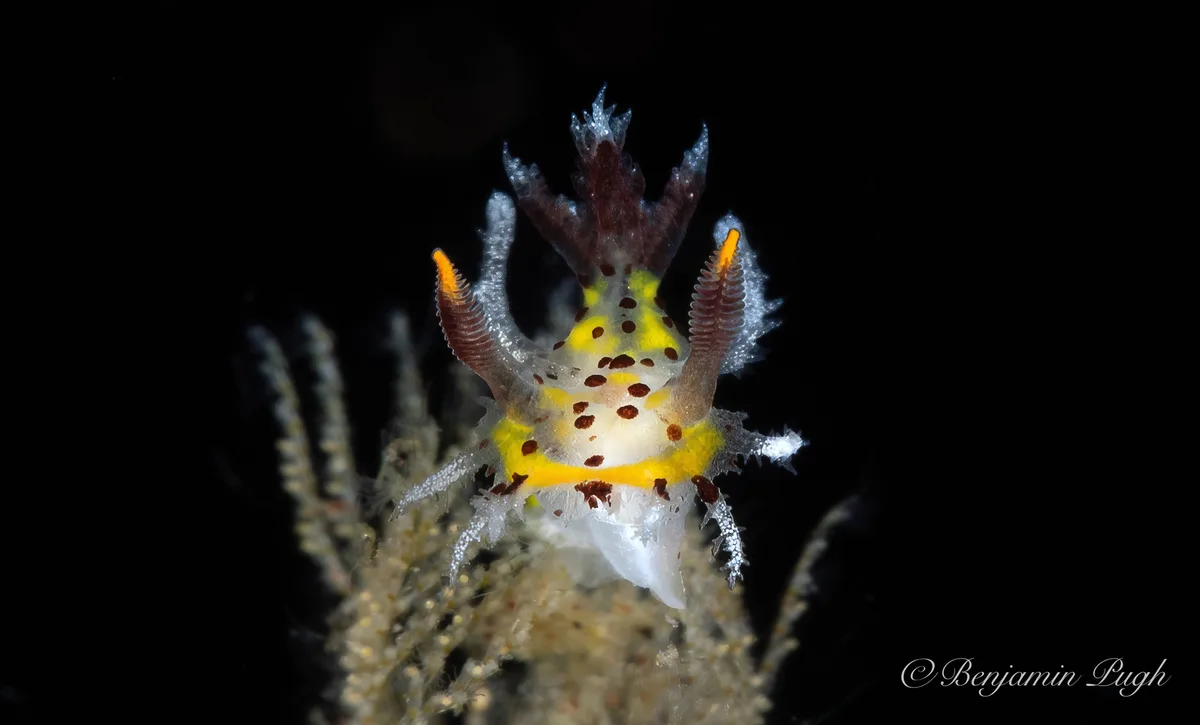
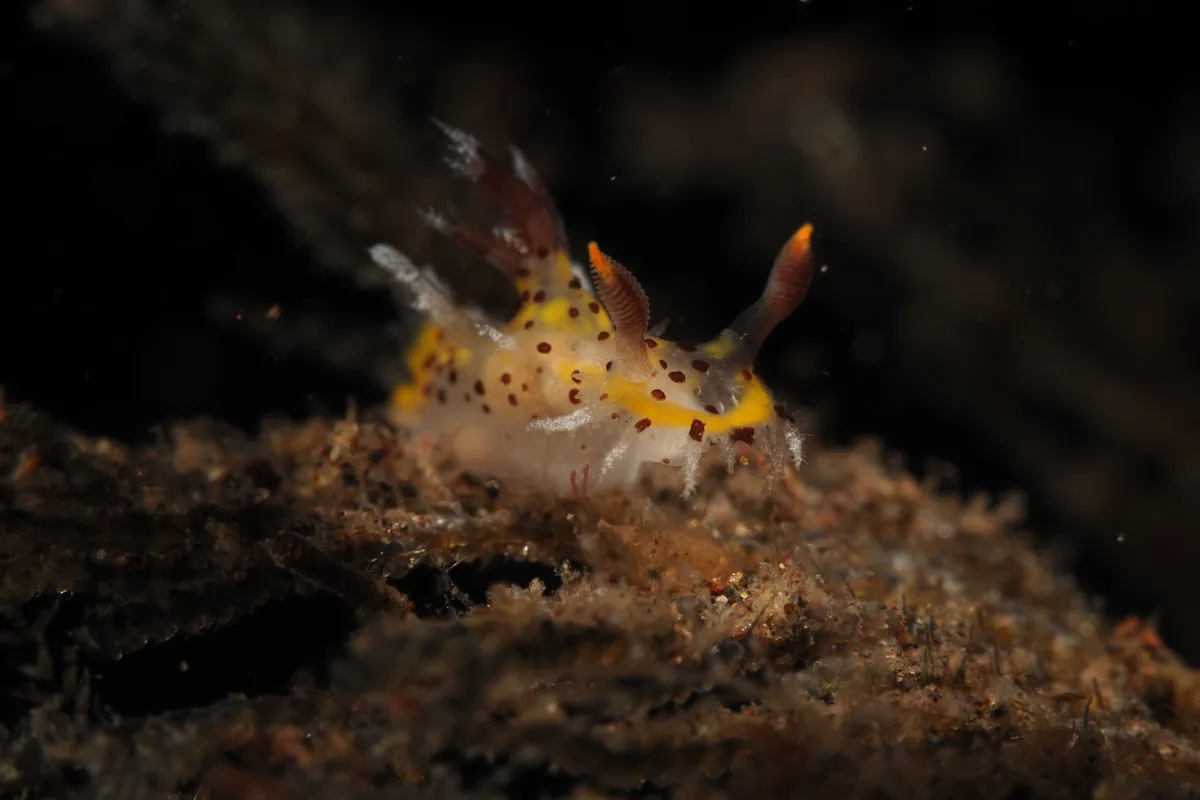
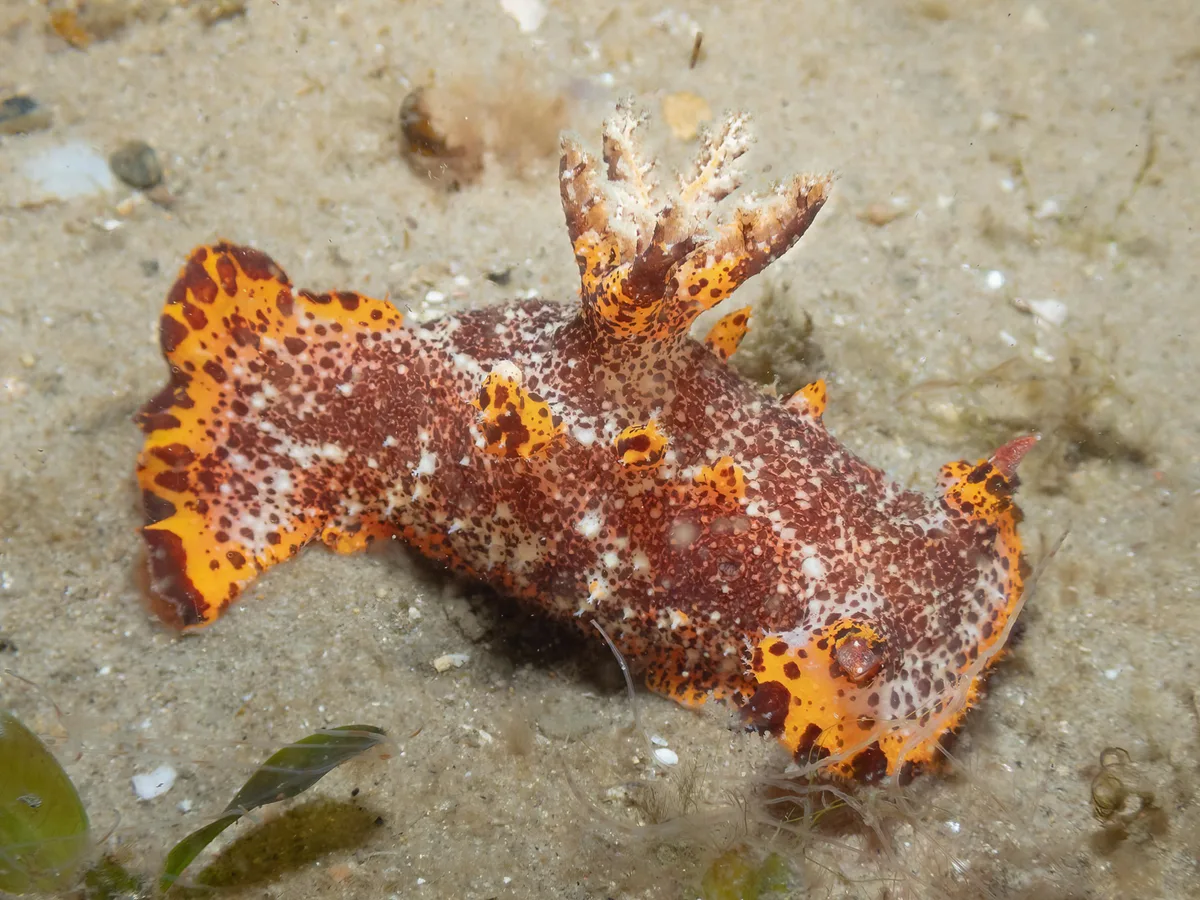
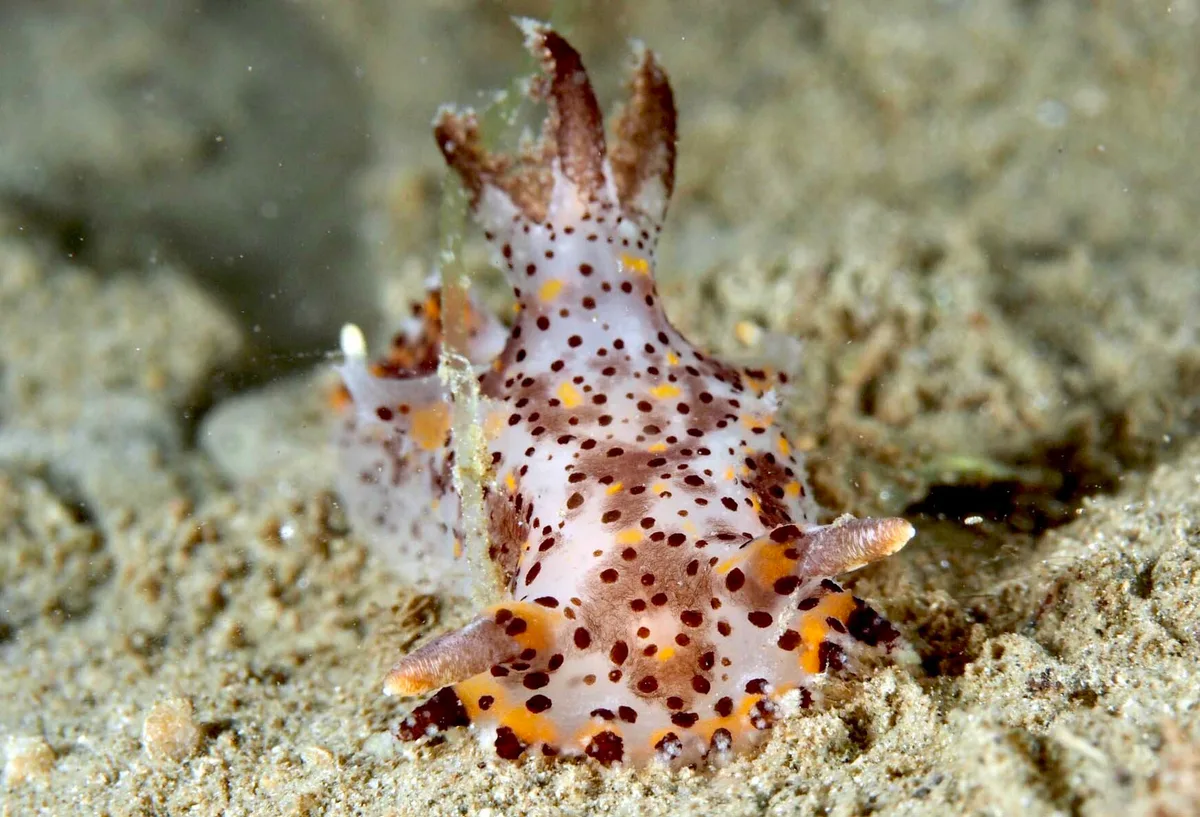
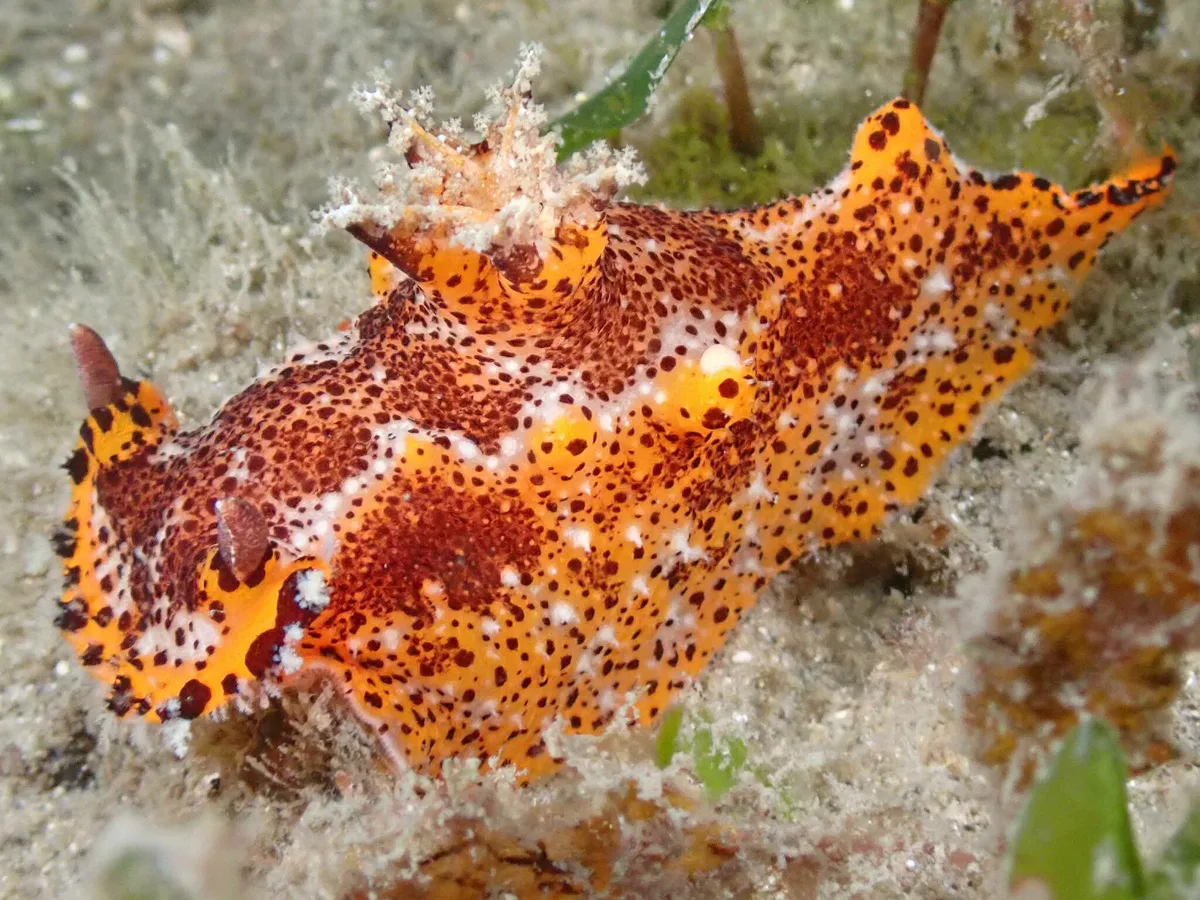
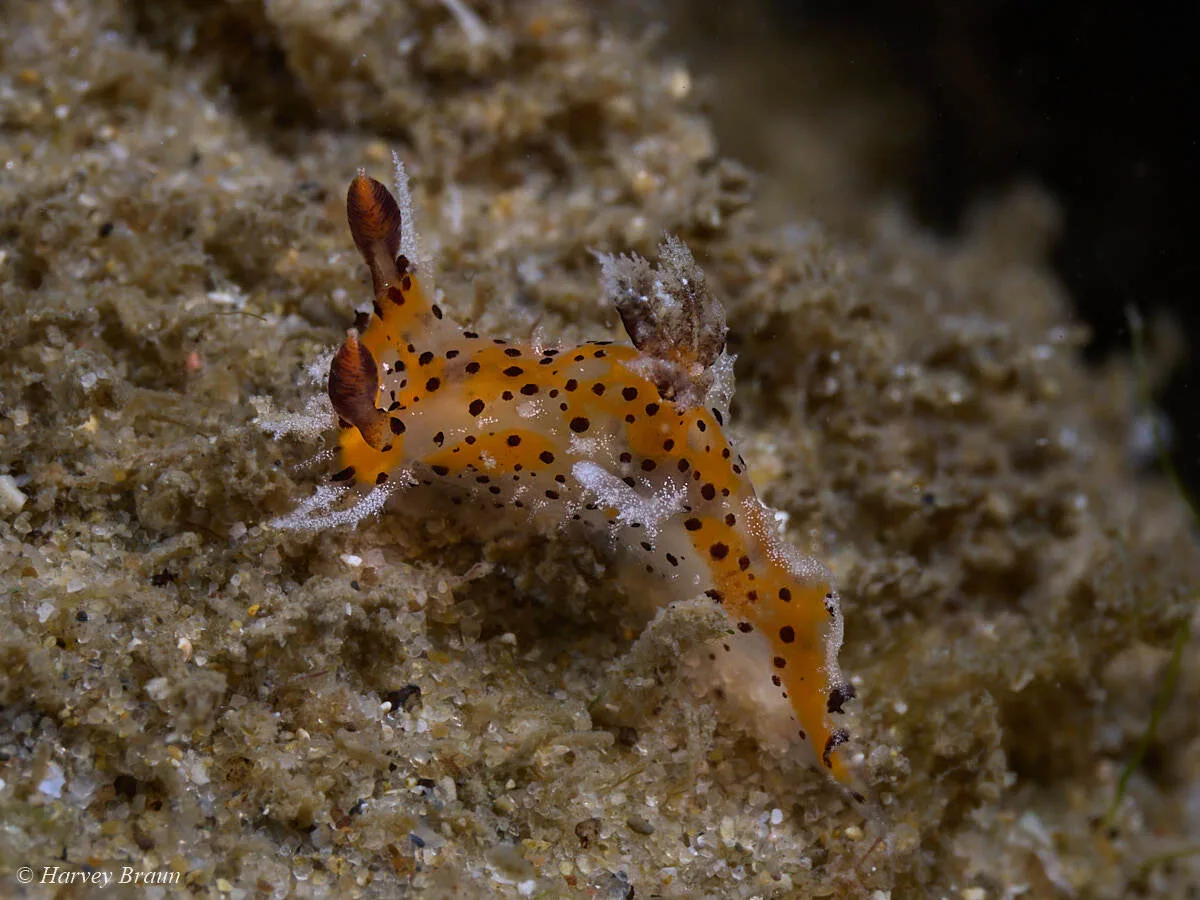
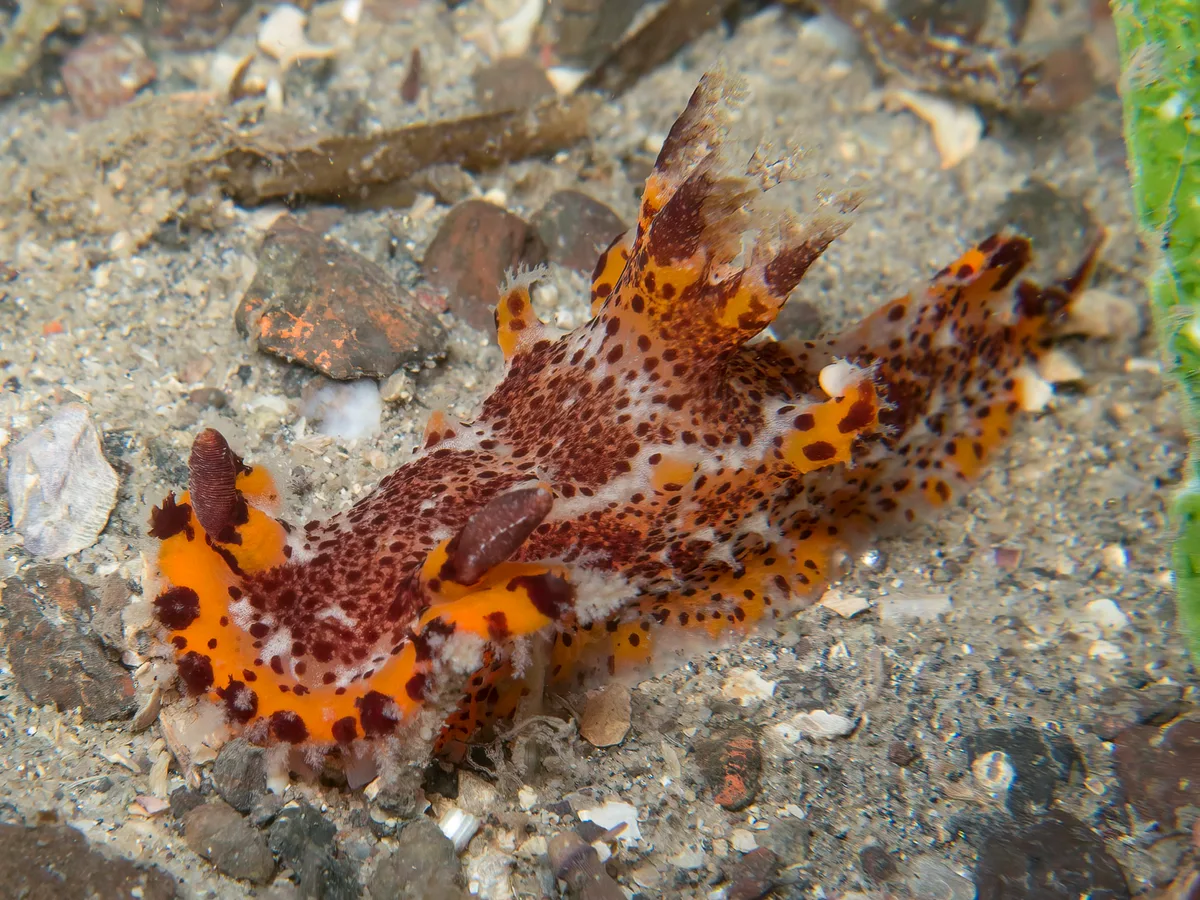
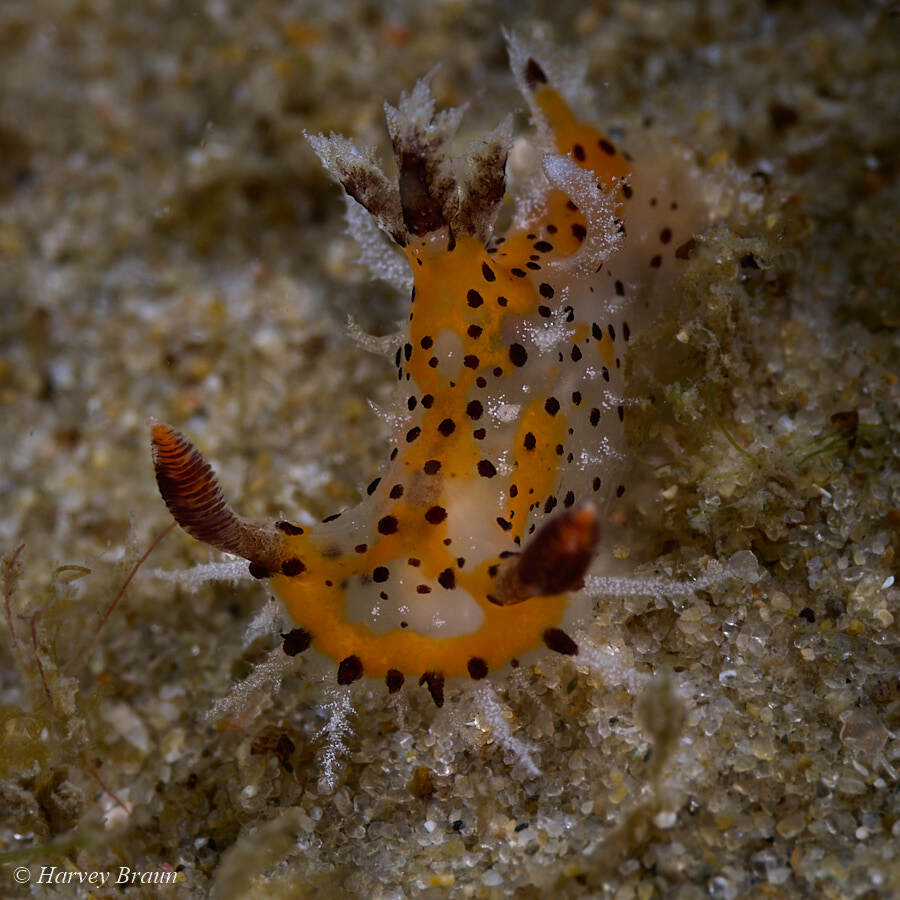
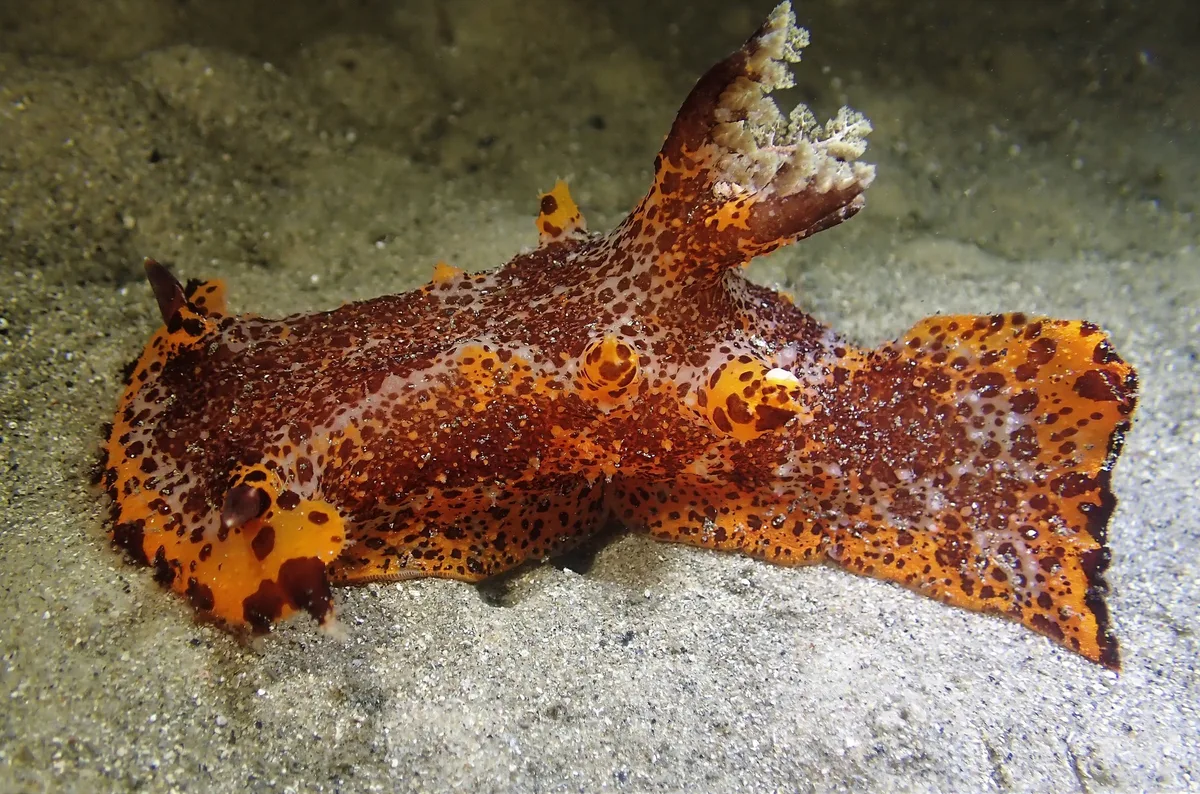
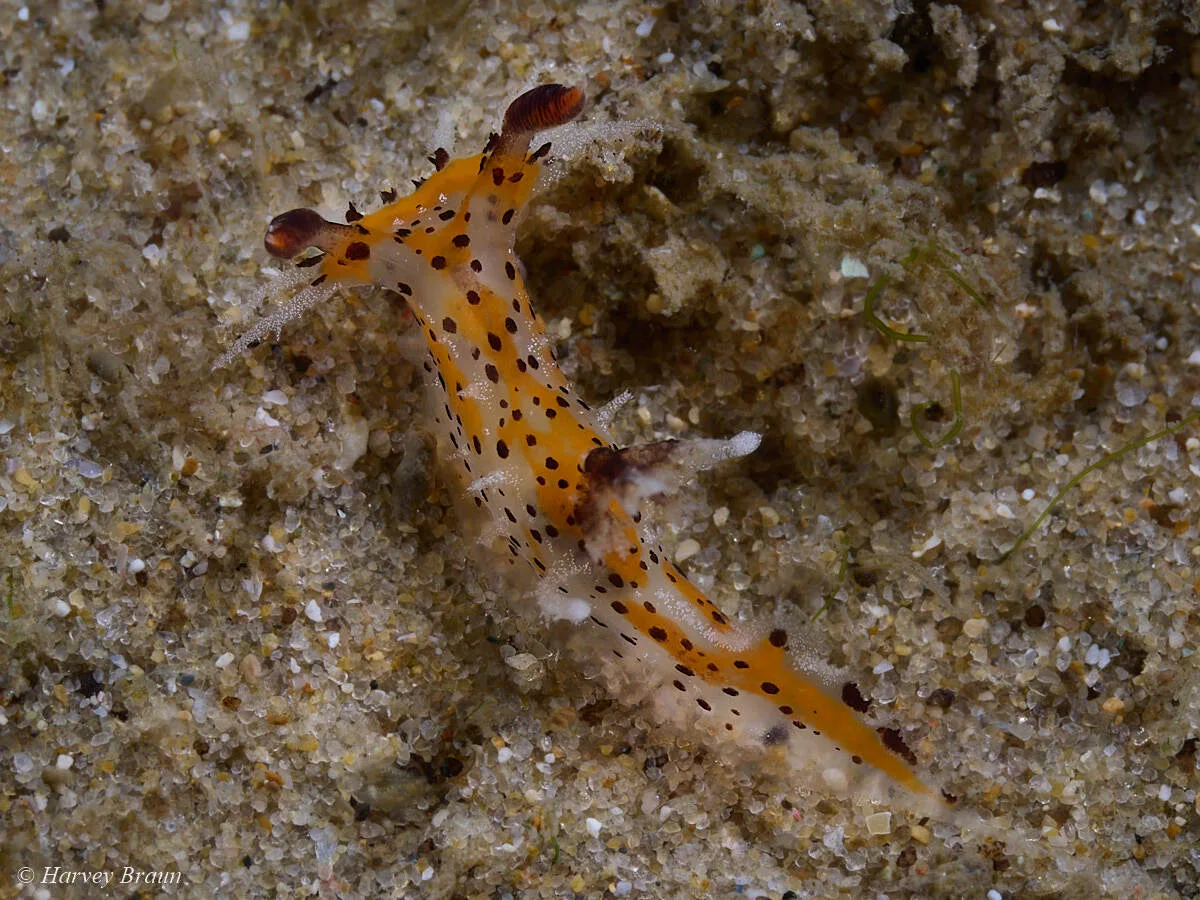
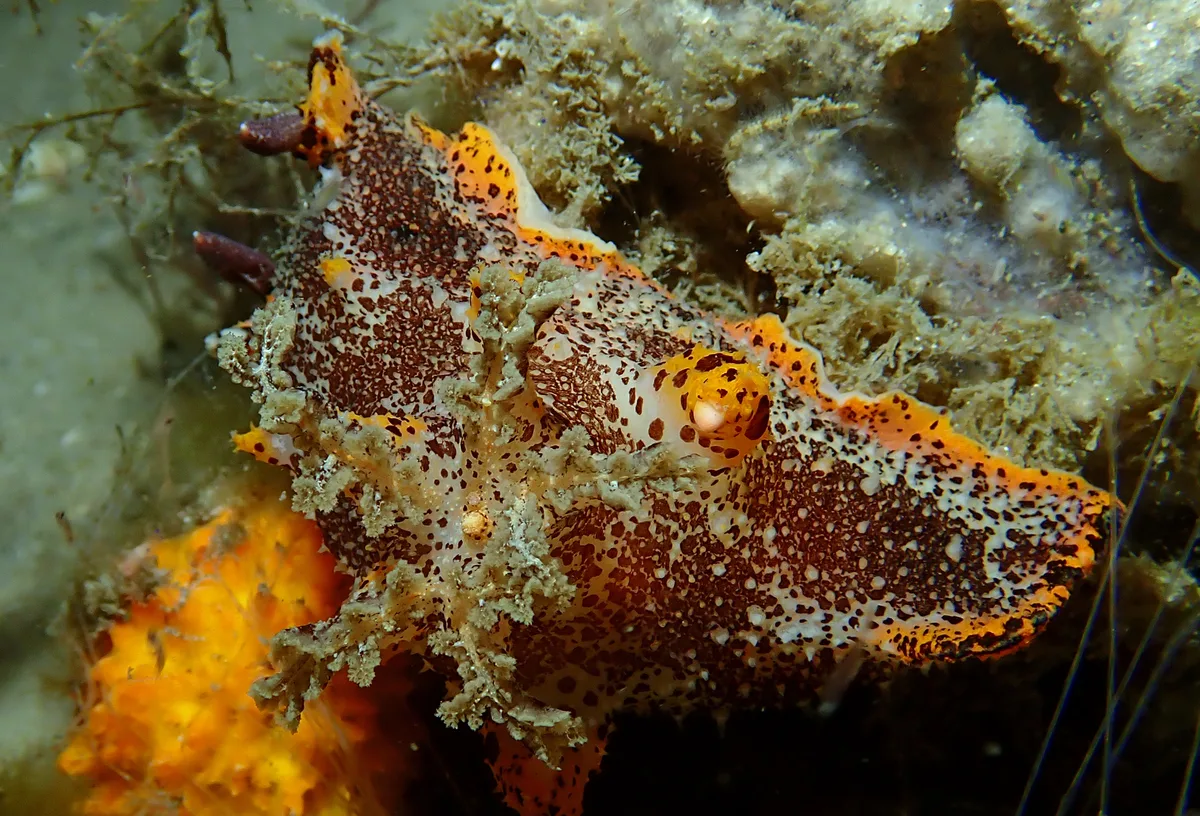
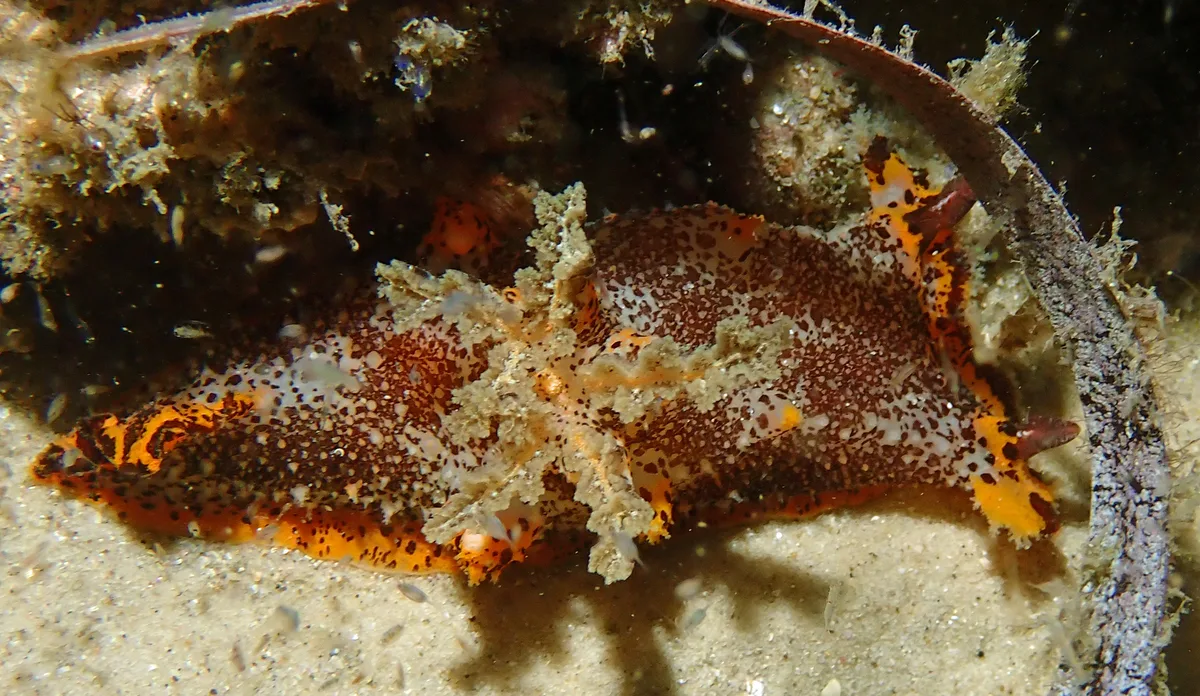
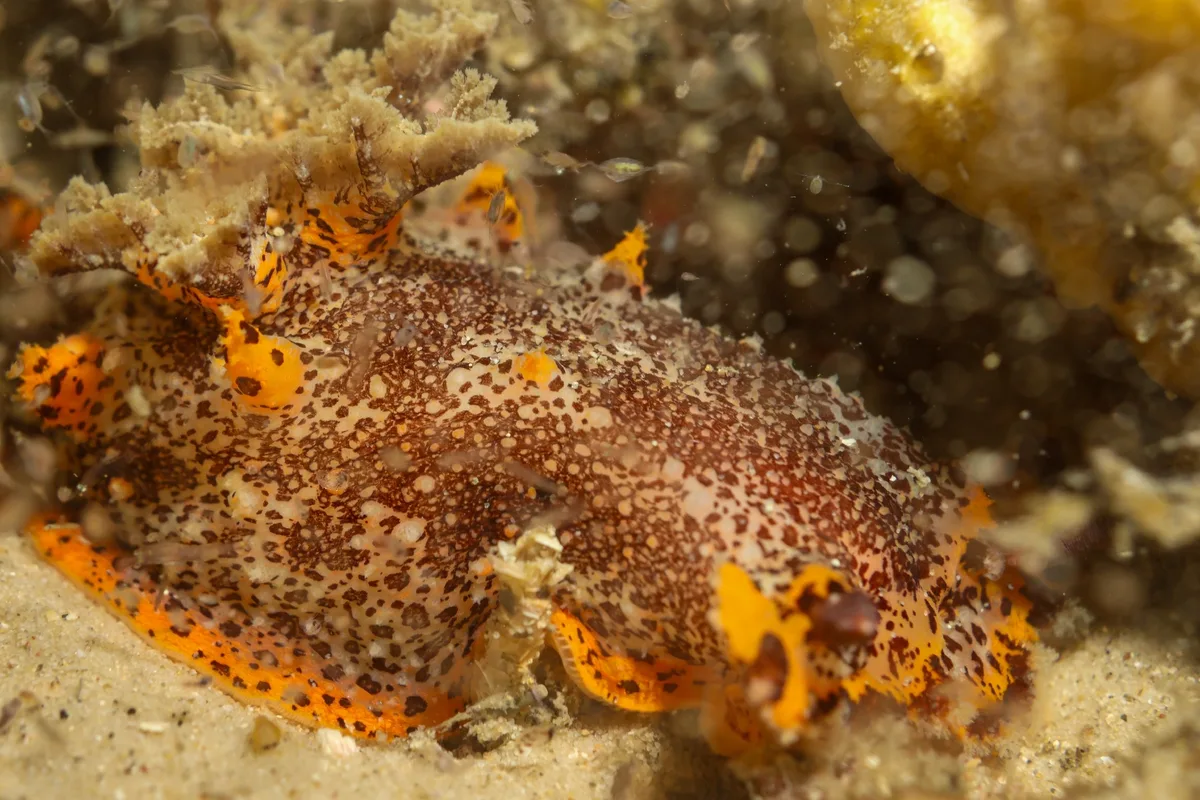
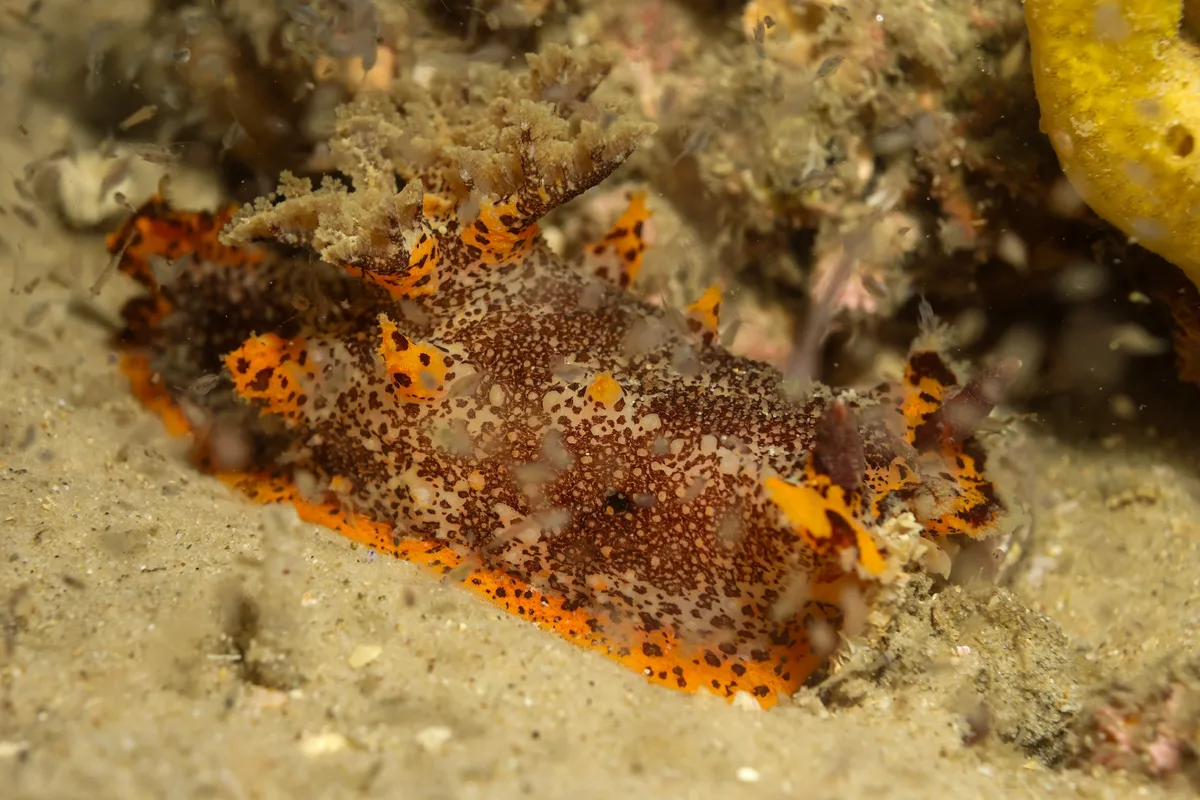
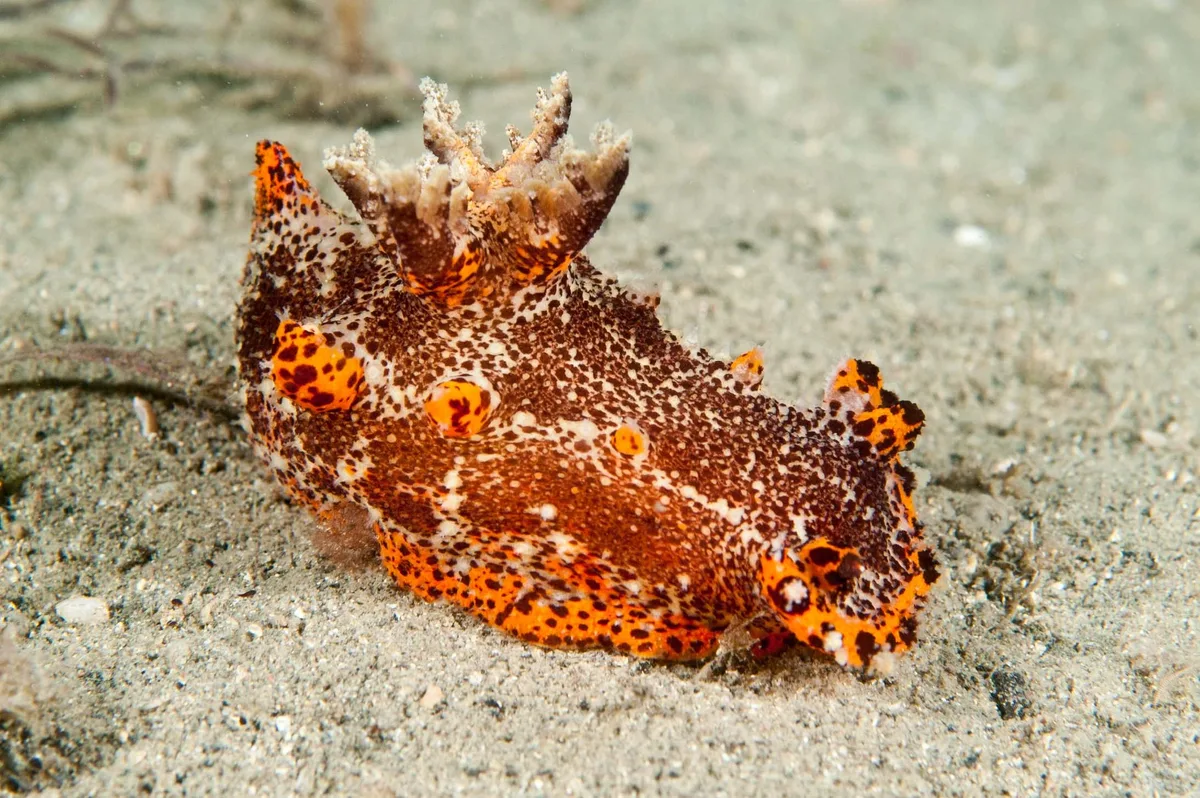
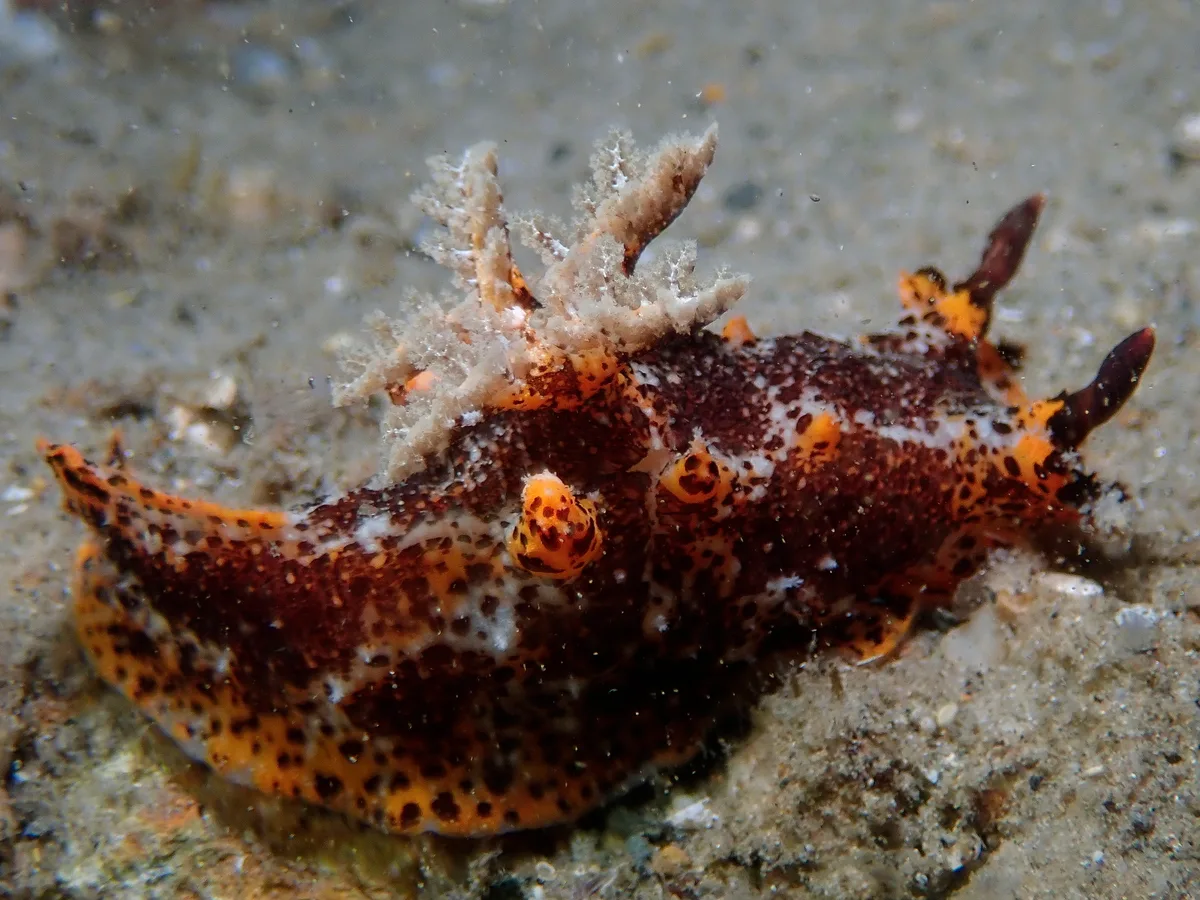
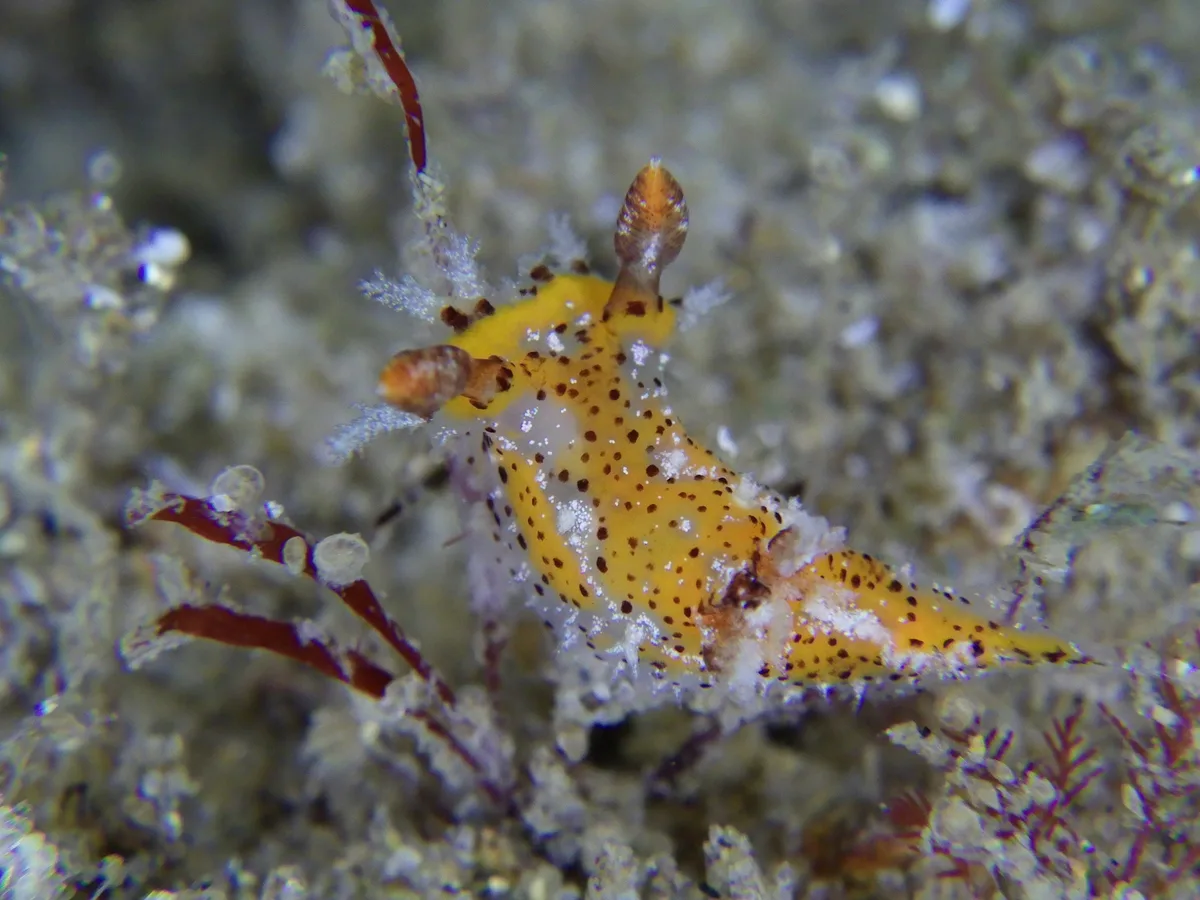
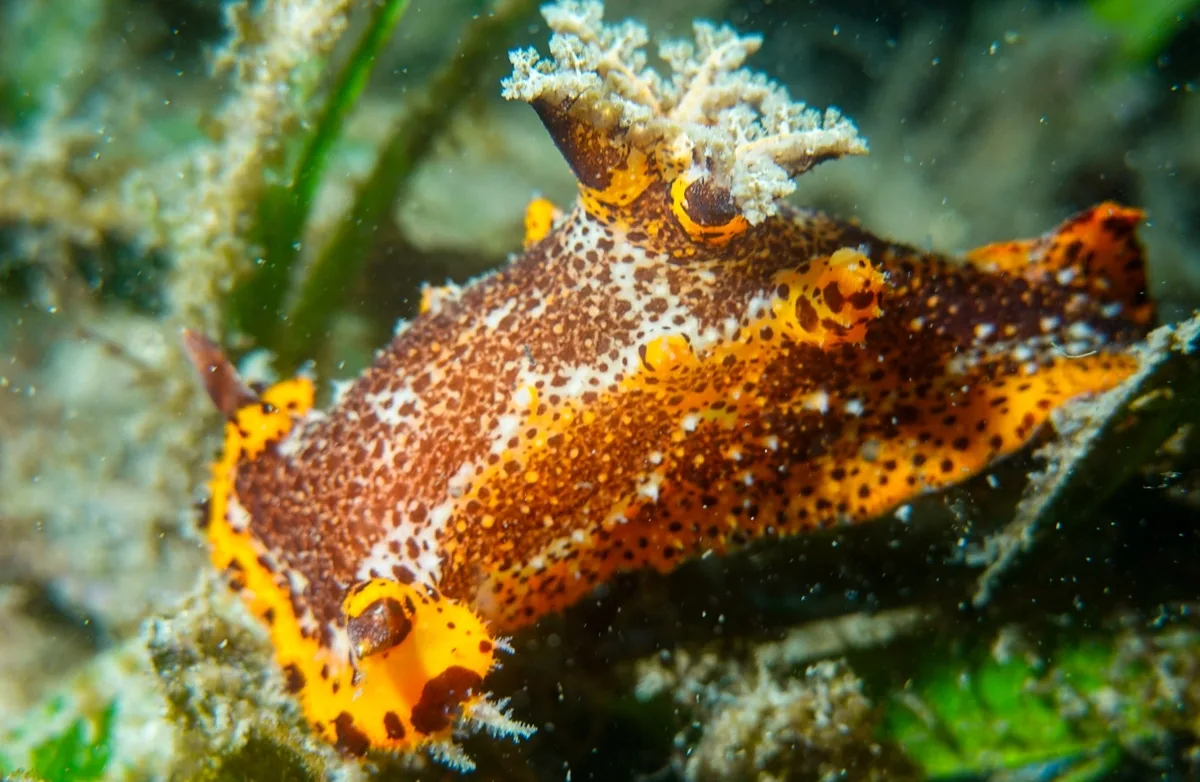
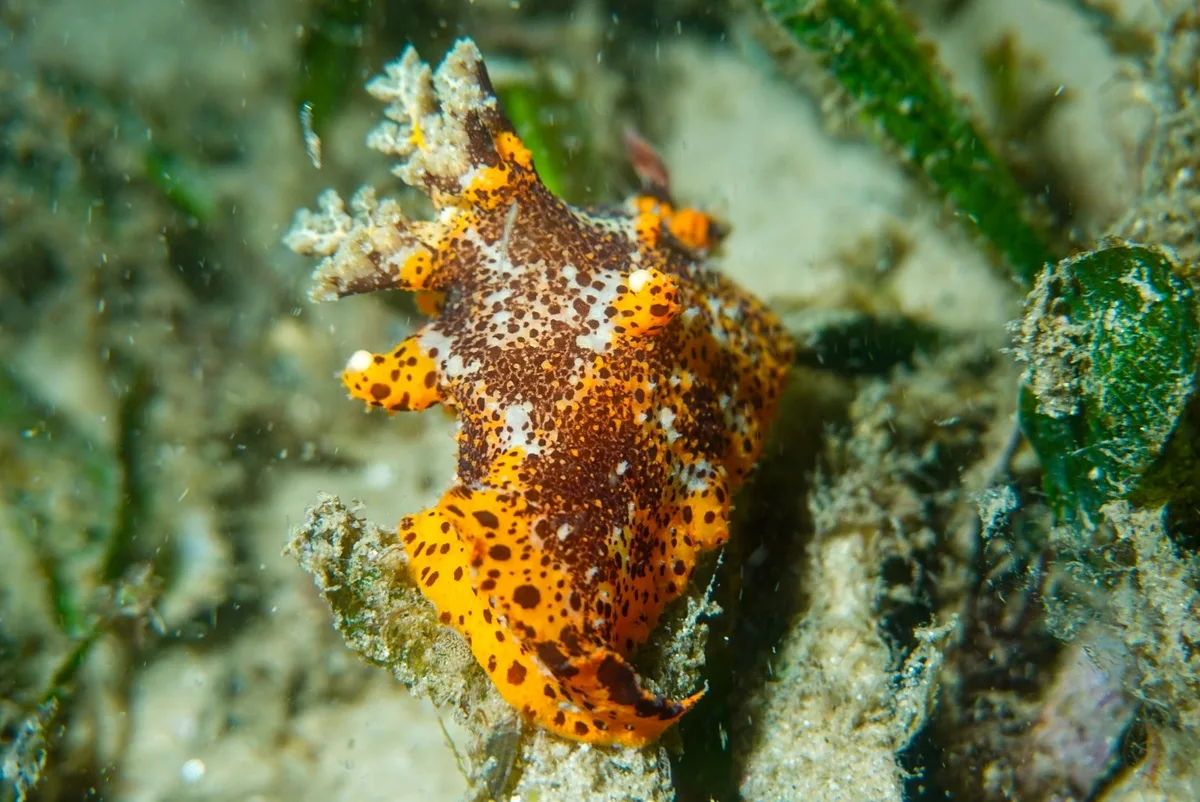
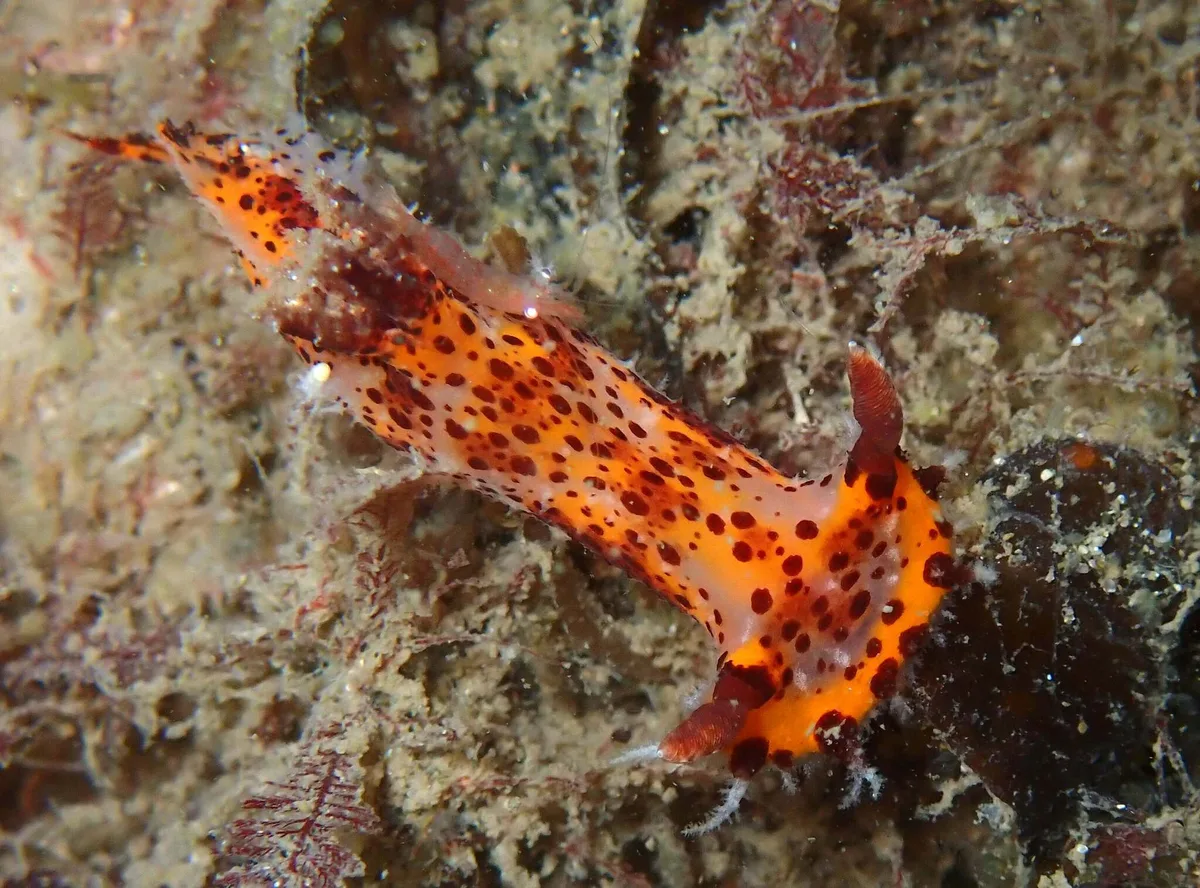
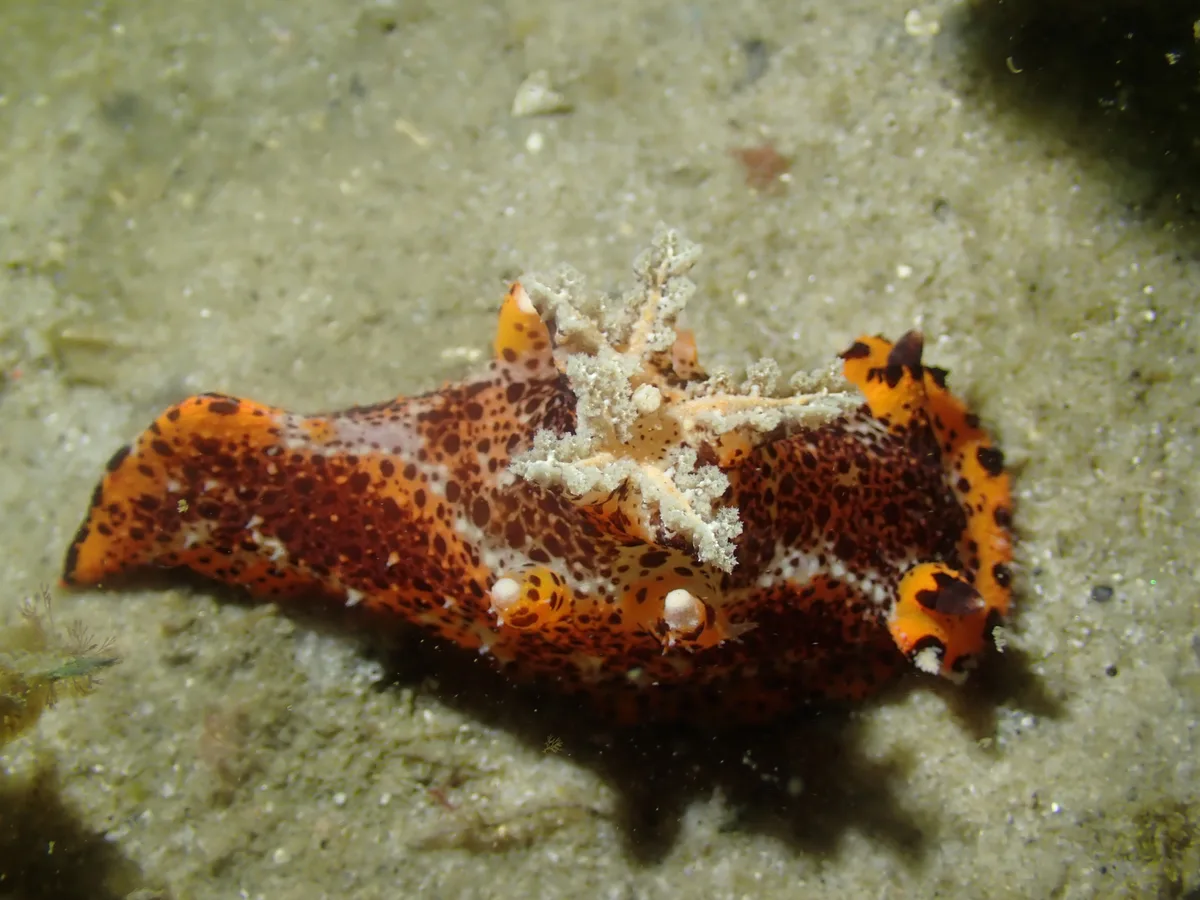
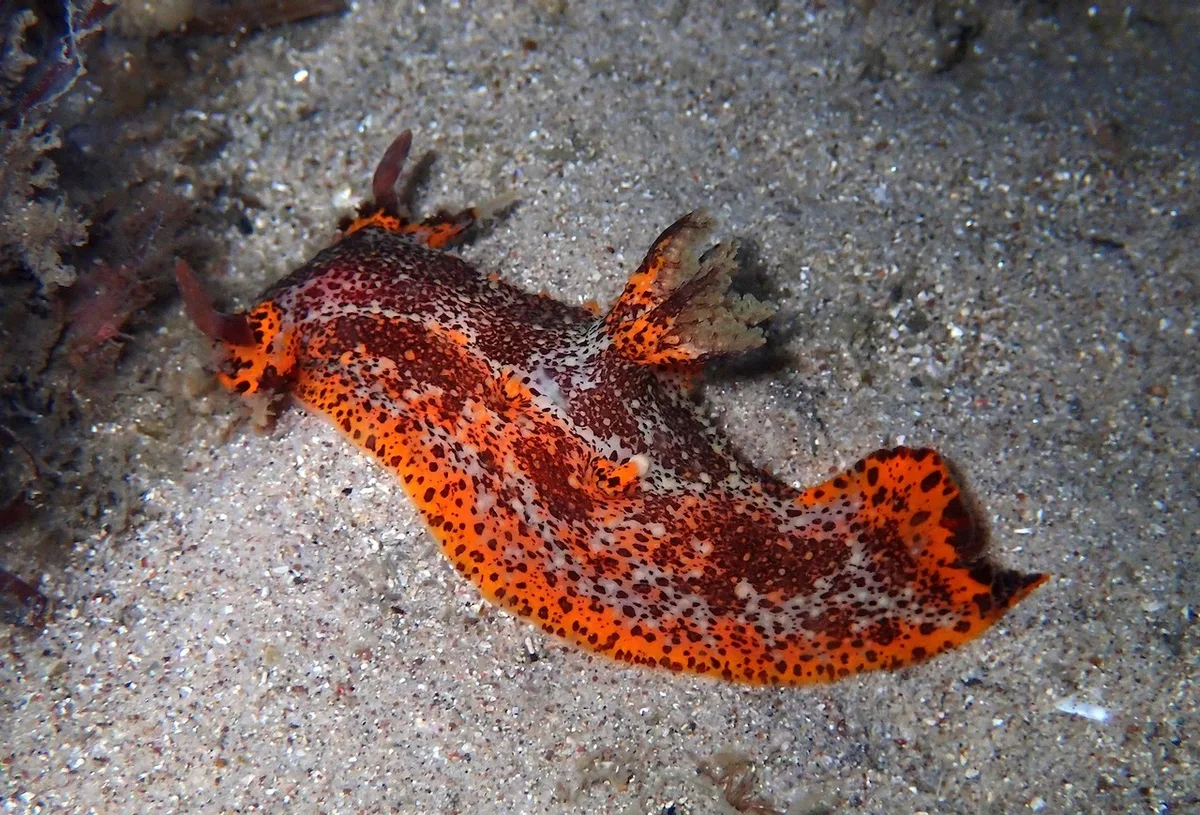
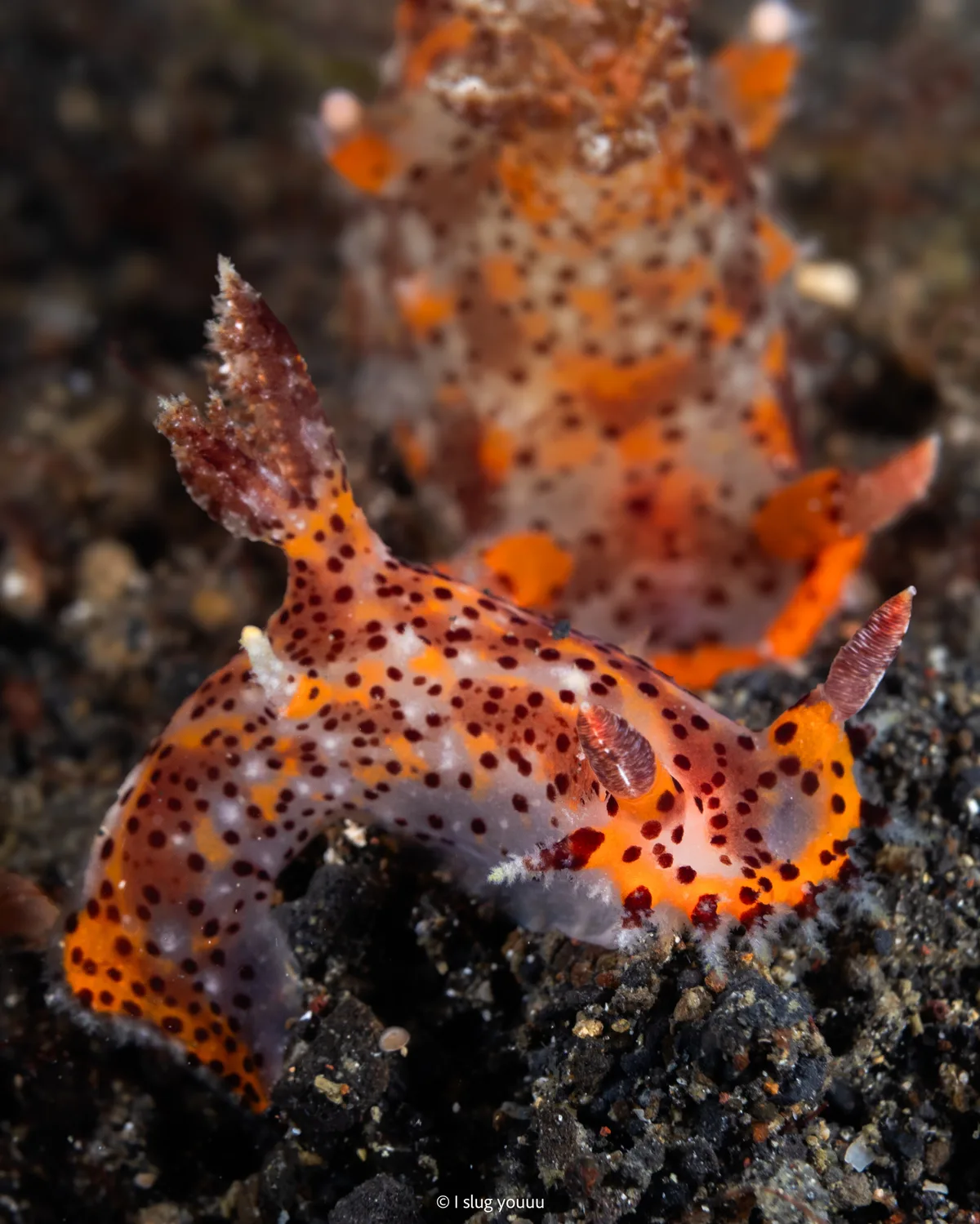
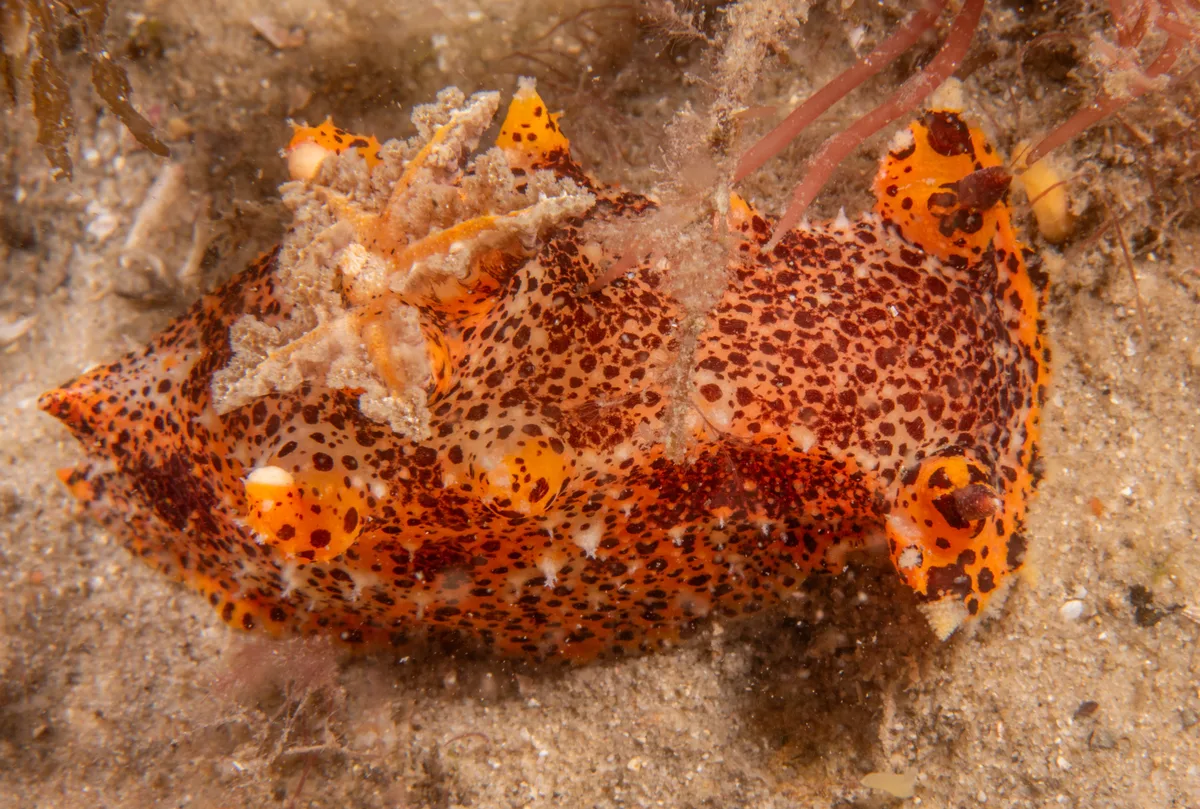
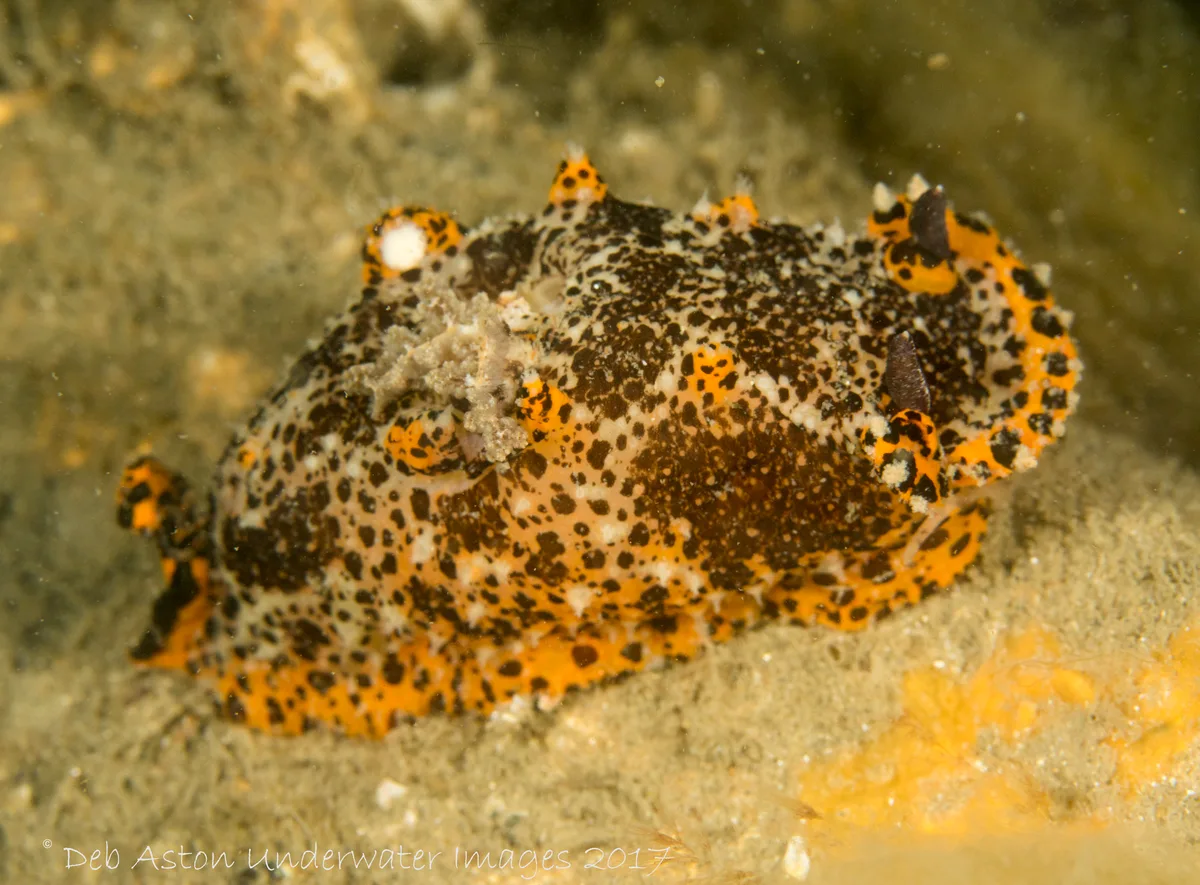
The clubs on stalks along its sides are the reason to know this genus. They contain light-producing tissue, and a disturbed animal flashes from them: one of a very small number of sea slugs anywhere that make their own light, and a genuinely startling thing to trigger with a dive torch on a night dive.

What the light is for has never been settled. A flash may startle a predator, or it may work the way a lizard's shed tail does, drawing a strike toward a detachable part and away from the body, since these clubs come off readily. Both explanations are plausible and neither is proven.

This is the large species, six centimeters (2.4 in), against relatives in the same genus that stay around two. It grazes bryozoans, the fine encrusting lace on rubble and dead coral, and it does it after dark, spending the day out of sight.

It also swims. Off the bottom the body flexes from side to side in slow deep curves and the animal travels through open water, which is uncommon among sea slugs and a strange sight from something that spent the previous ten minutes creeping over rubble.

The name honors Wilhelm Gottlieb Tilesius, a German naturalist and artist on a Russian circumnavigation at the start of the nineteenth century. It has been photographed on the sandy ground off Abu Dabab, which is as good a place as any to start looking, with a torch, after dark, on the rubble at the reef edge.

How to recognise it
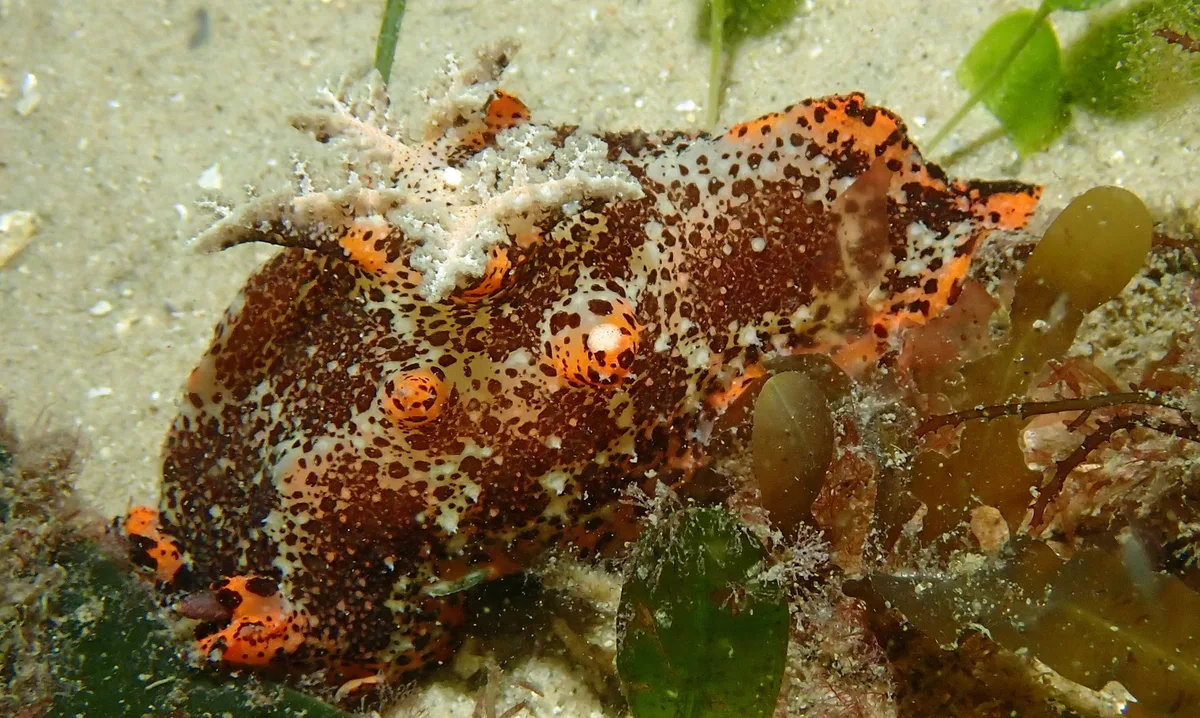
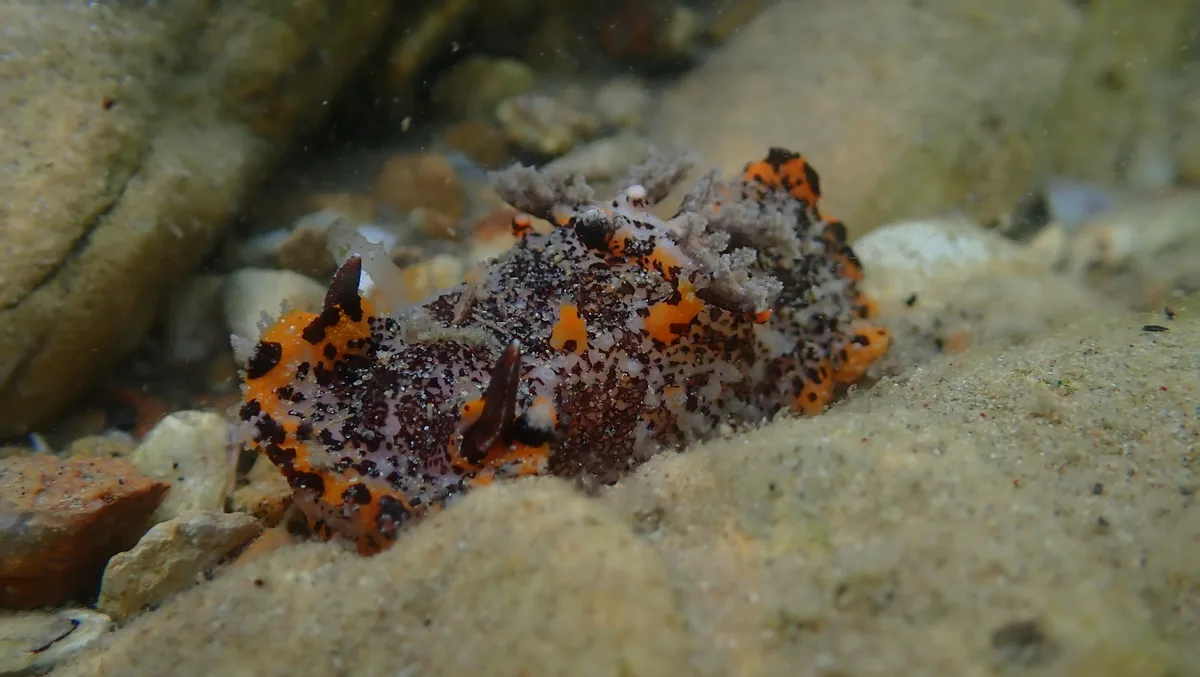
  • three pairs of stalked clubs standing out along the sides of the body
  • gills exposed at the rear, flanked by the rearmost pair of clubs
  • large for the family at six centimeters, and out only at night
  • swims by flexing the body when it leaves the bottom
Comments

Please, sign in to leave a comment

Continue with a social account - yours will be created automatically.

No comments yet — be the first.

Last Update: August 26, 2026