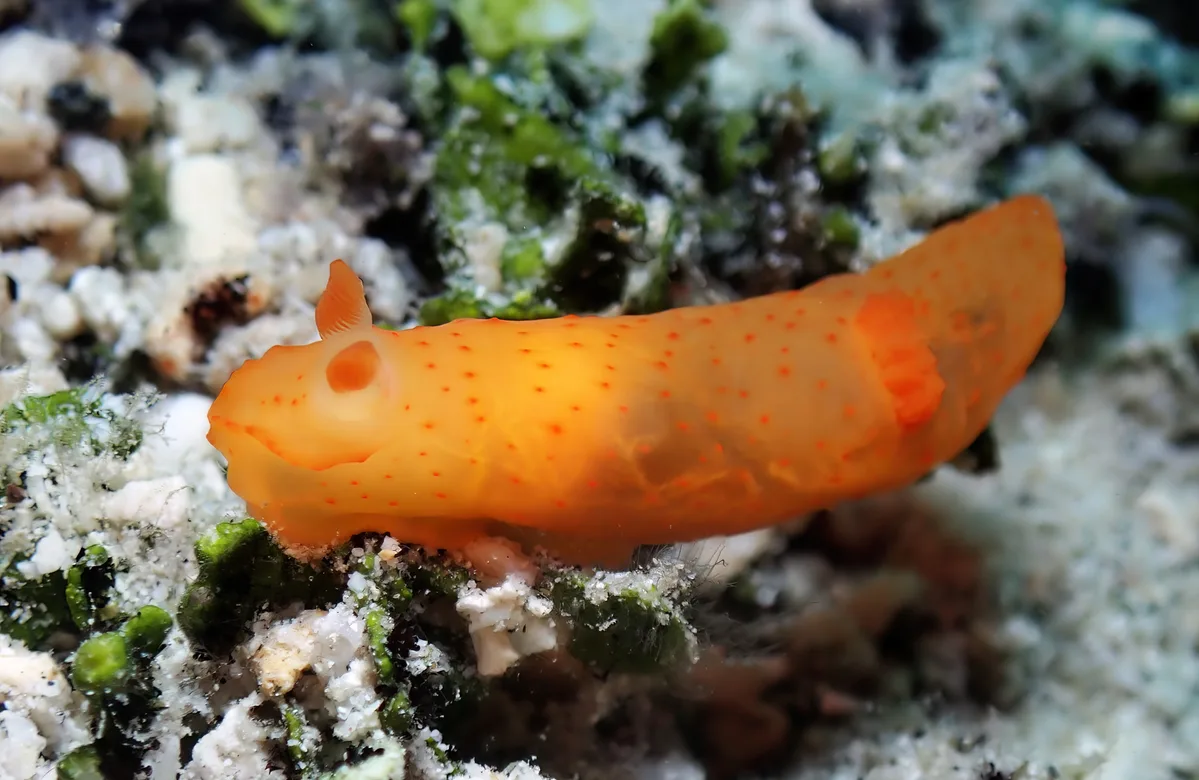
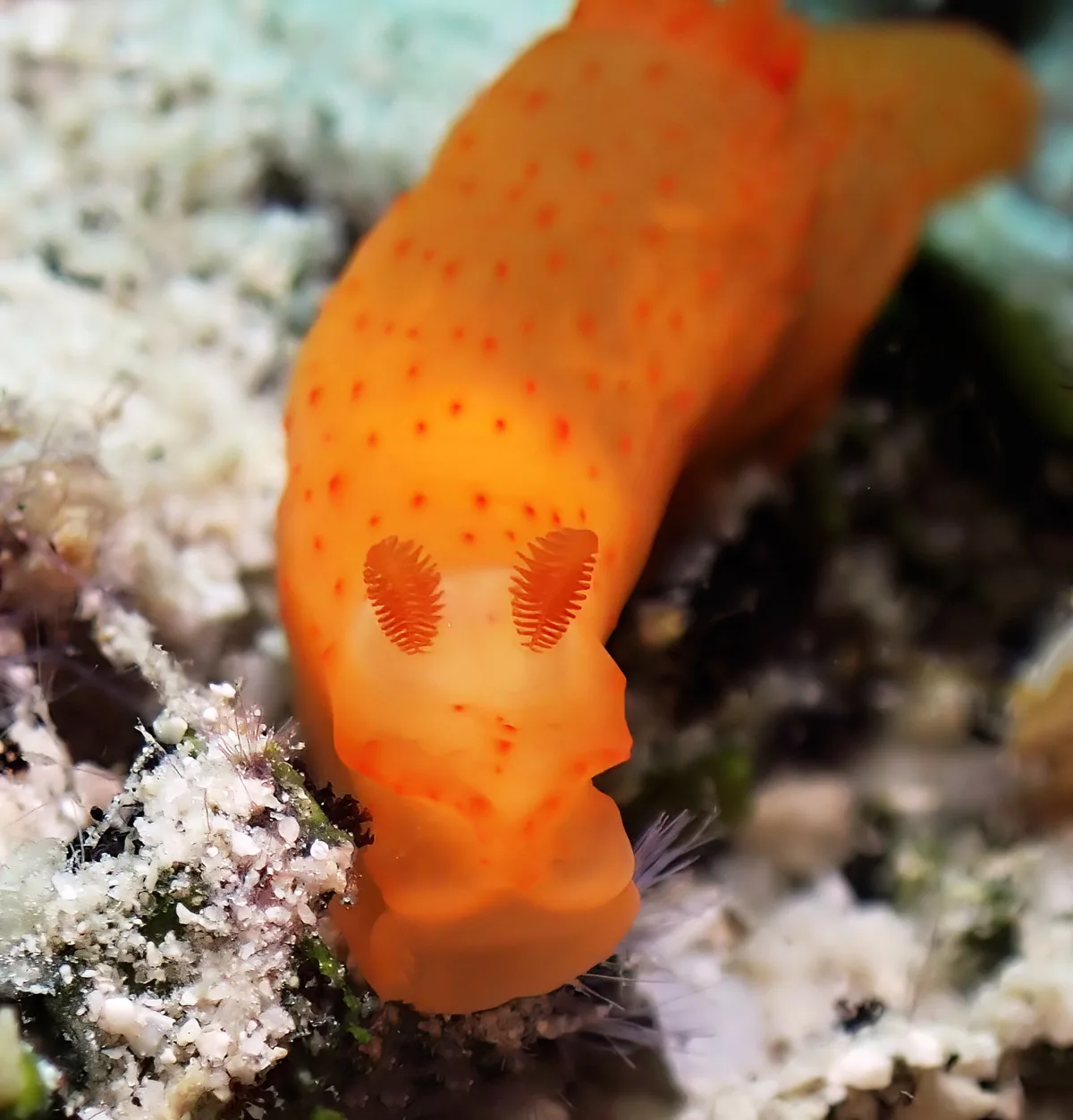
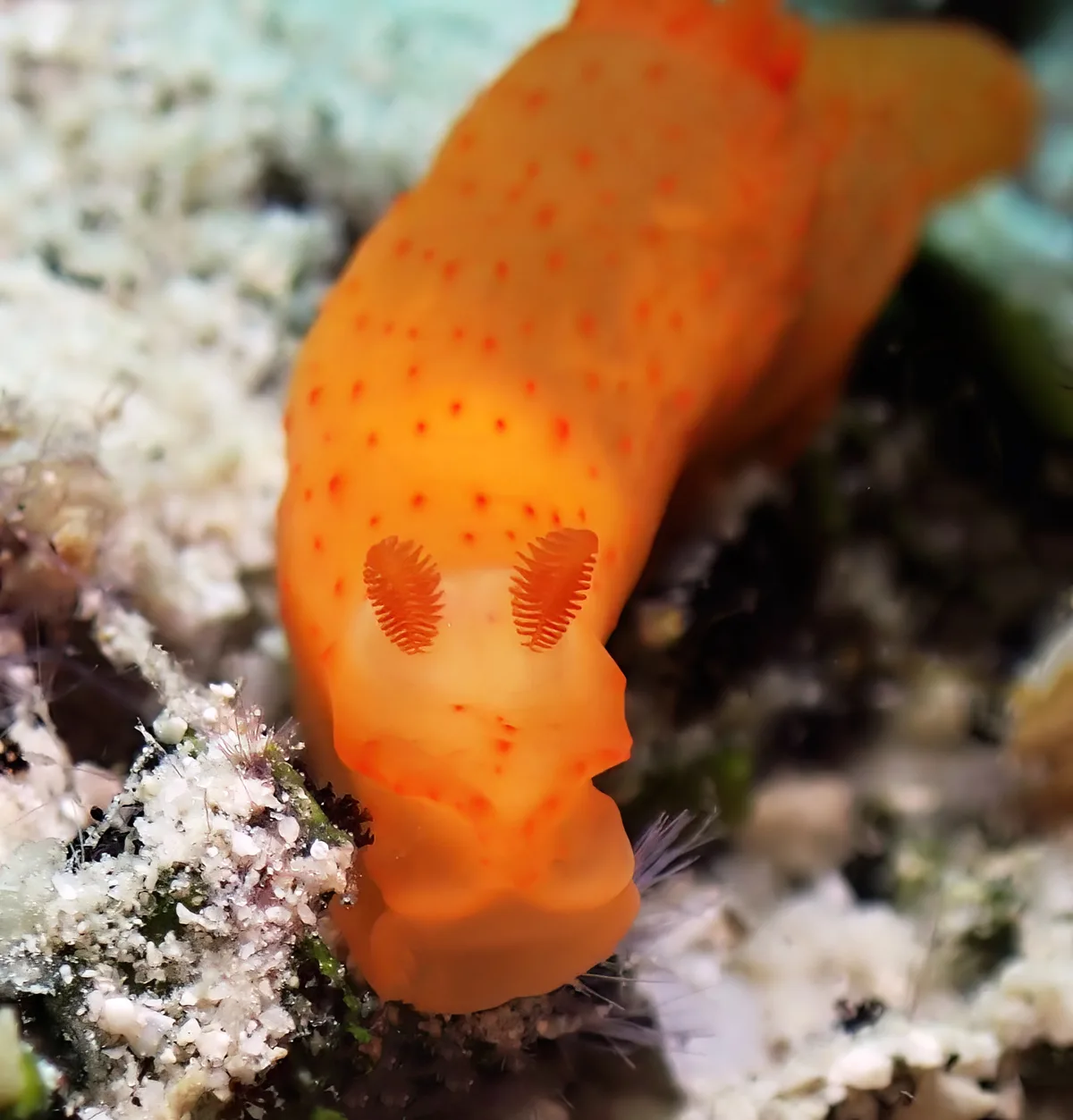
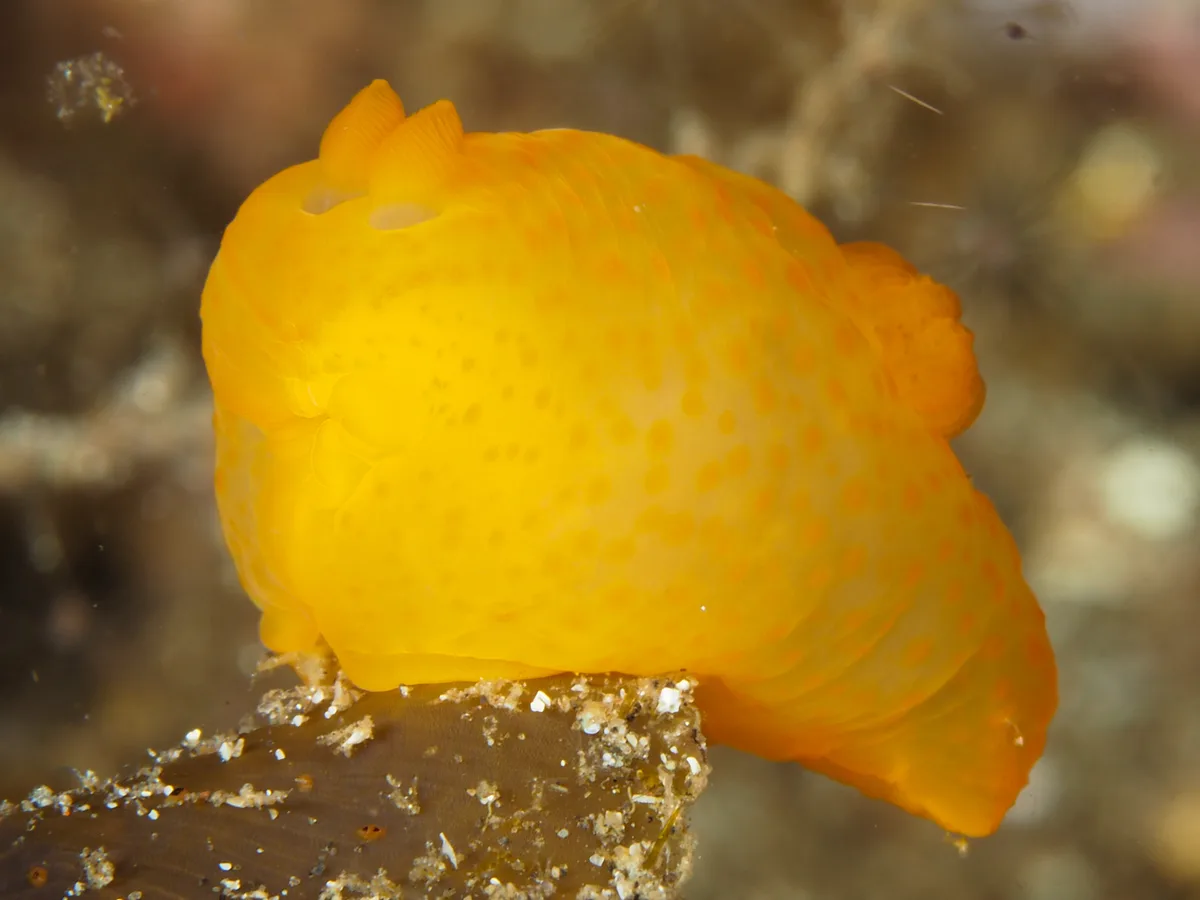
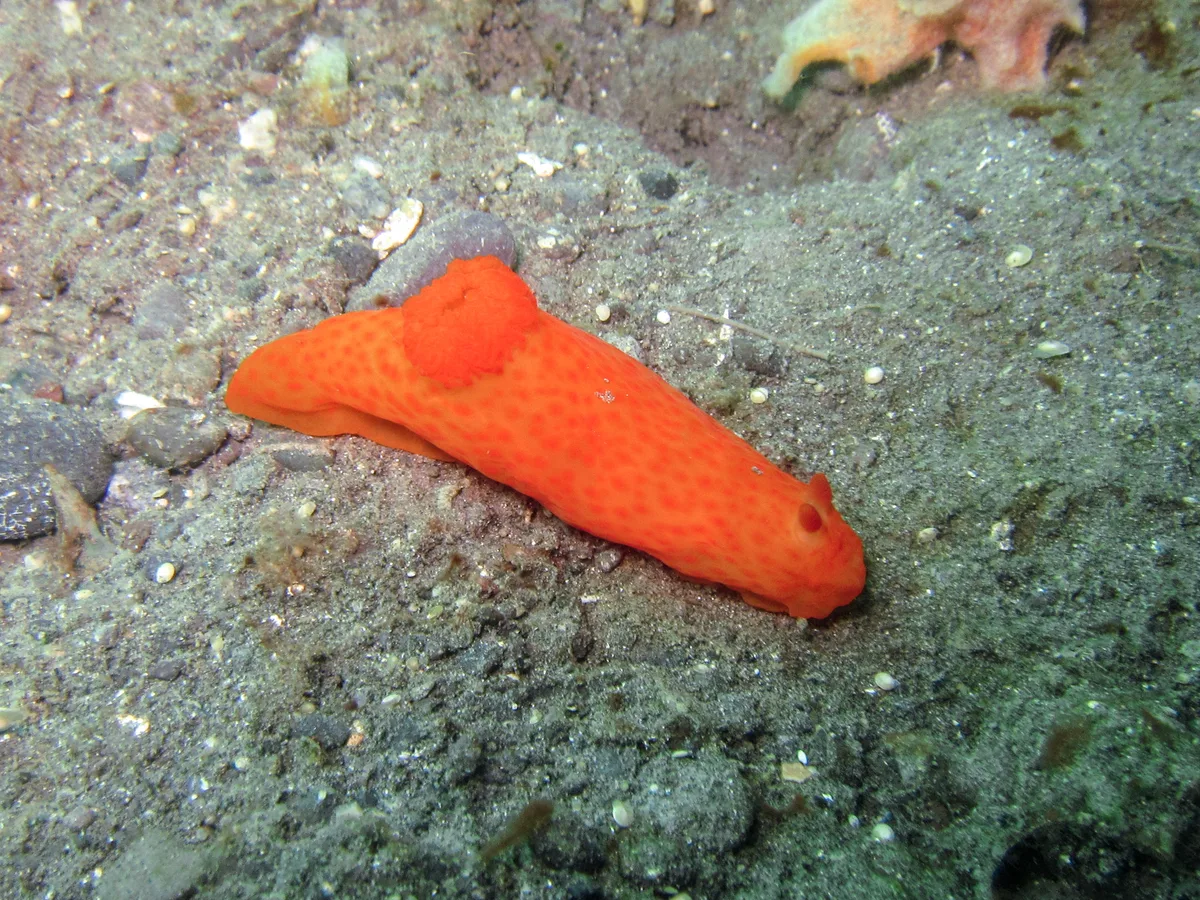
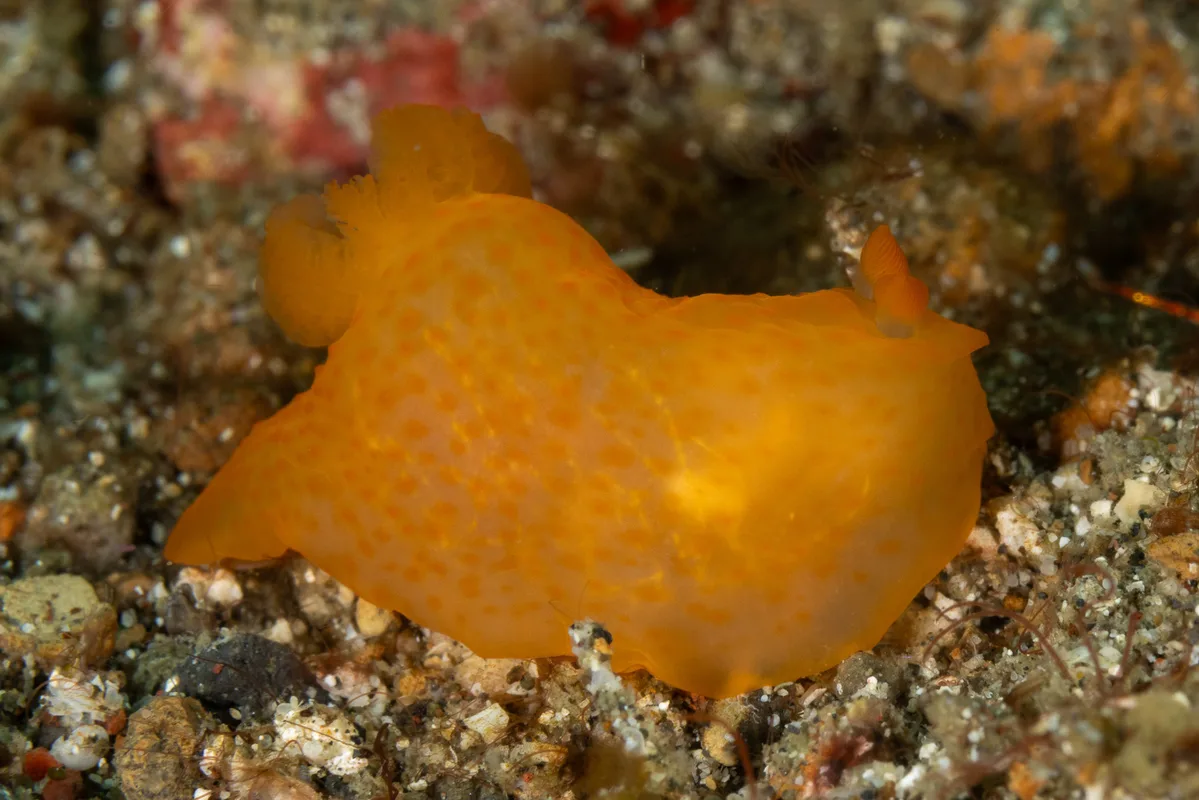
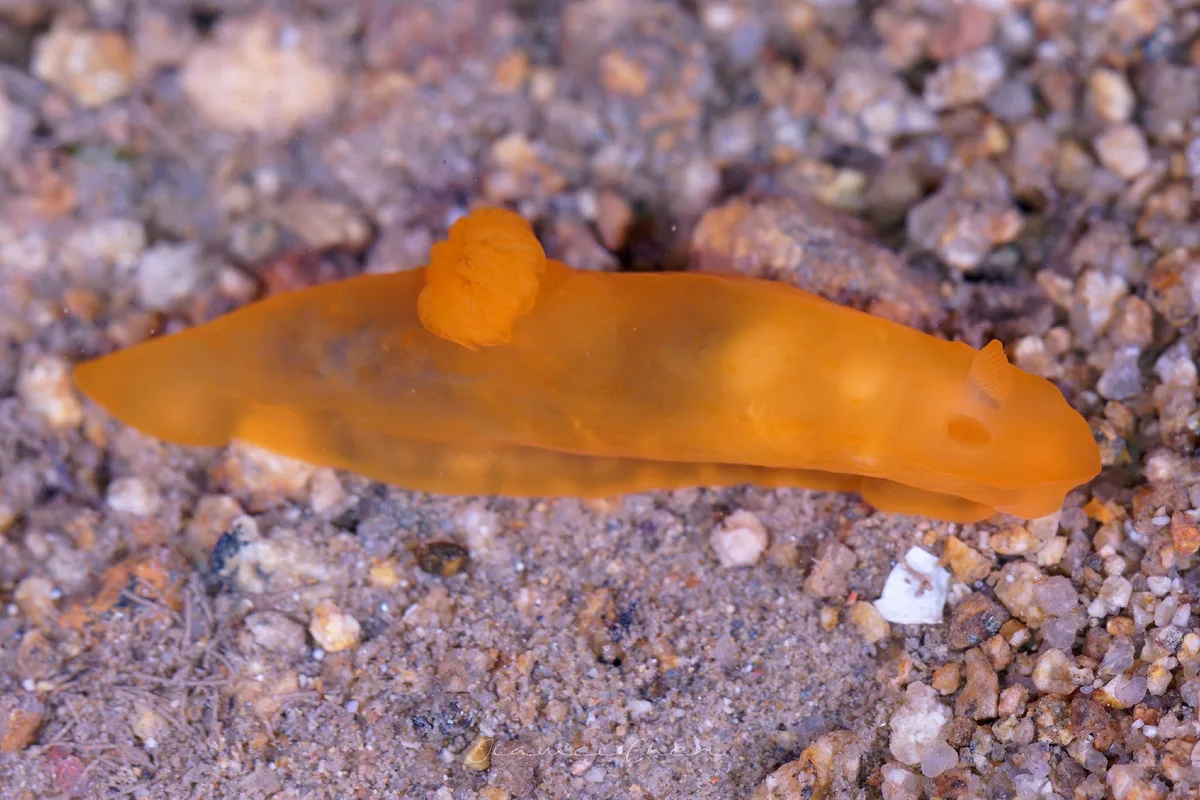
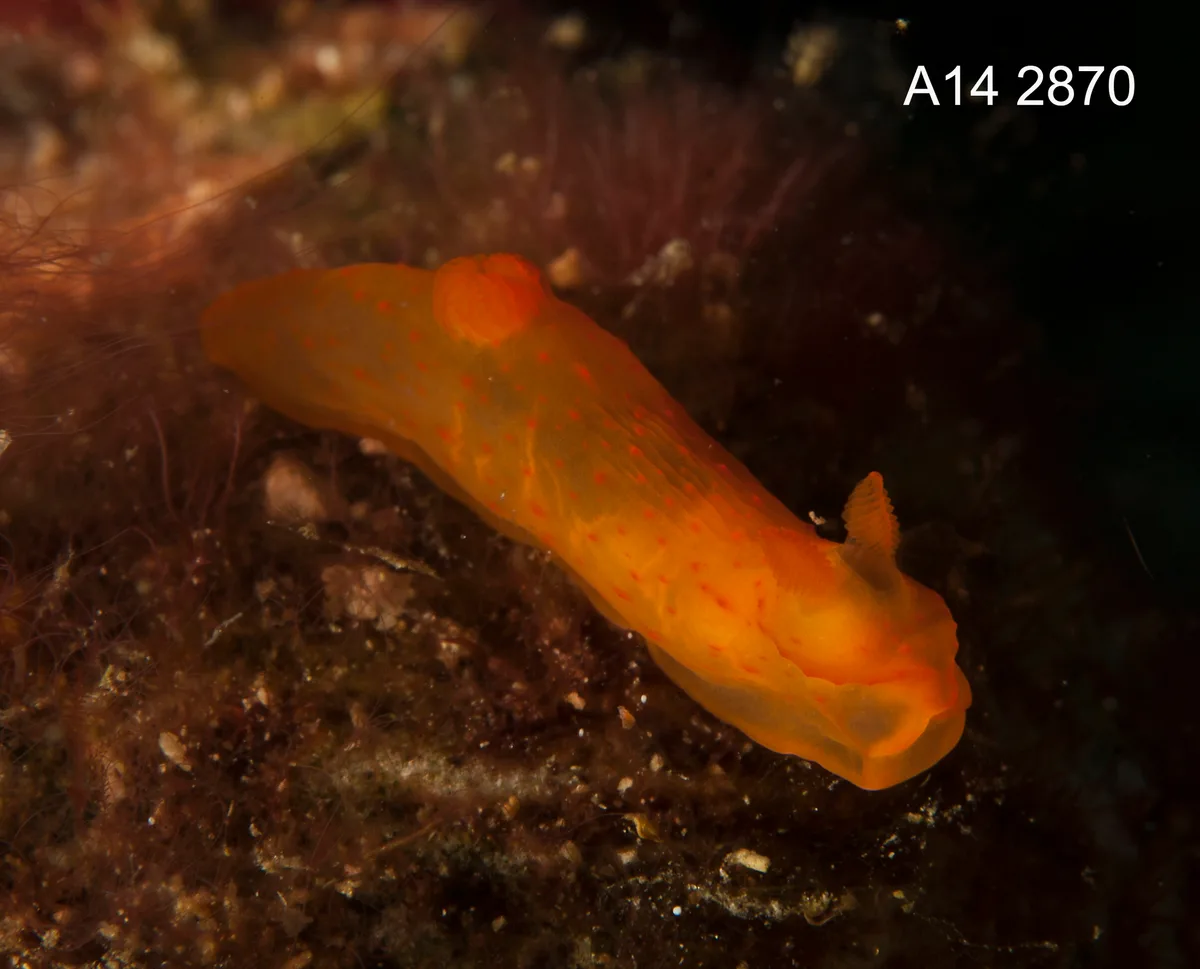
Gymnodoris inornata - L'Étang-Salé, RE-PL, RE
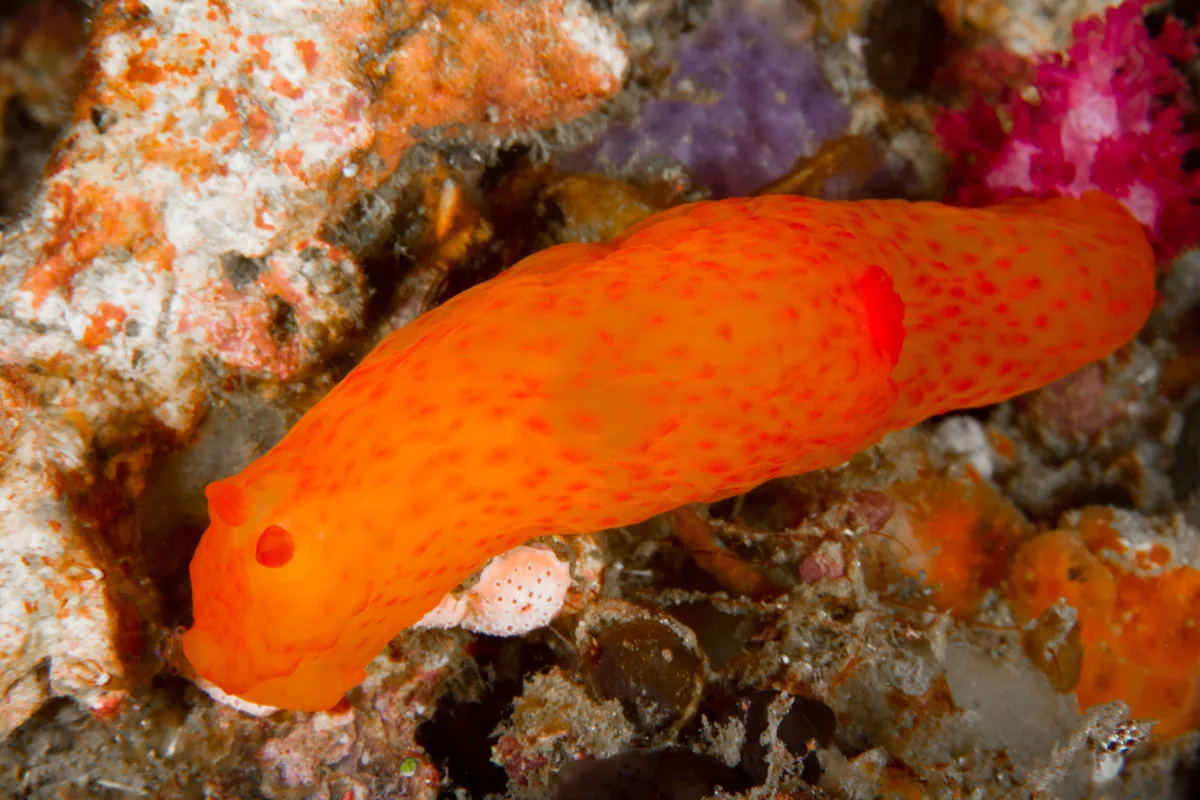
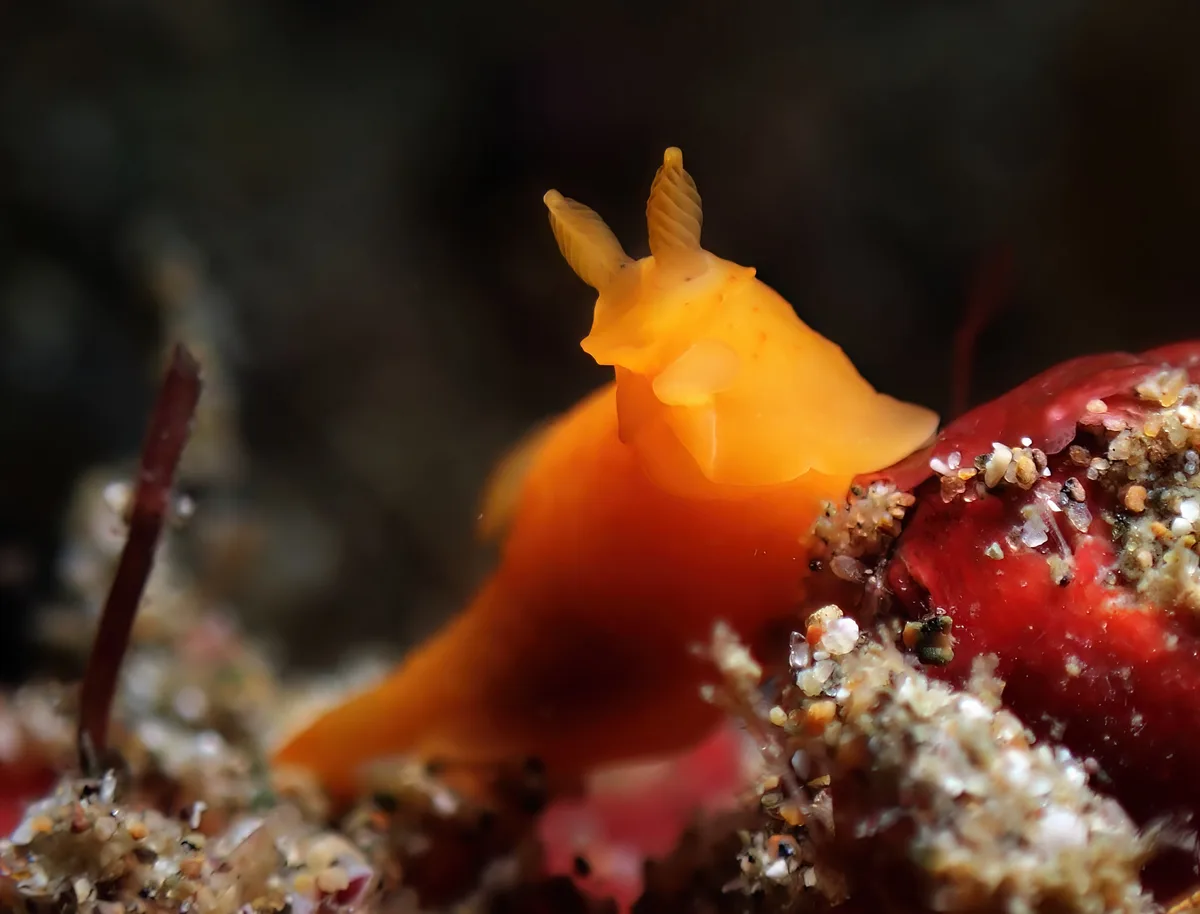
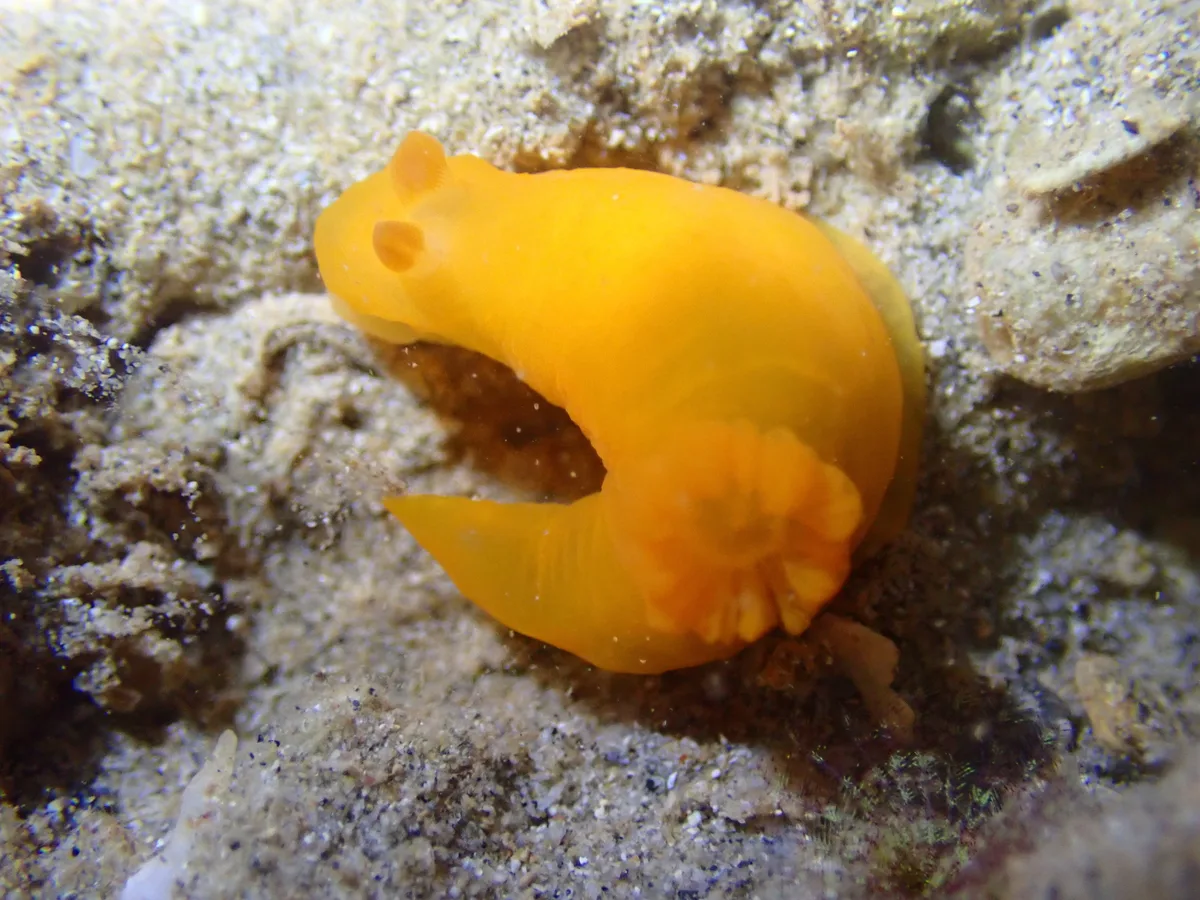
Gymnodoris inornata - Tingloy, Batangas, Philippines
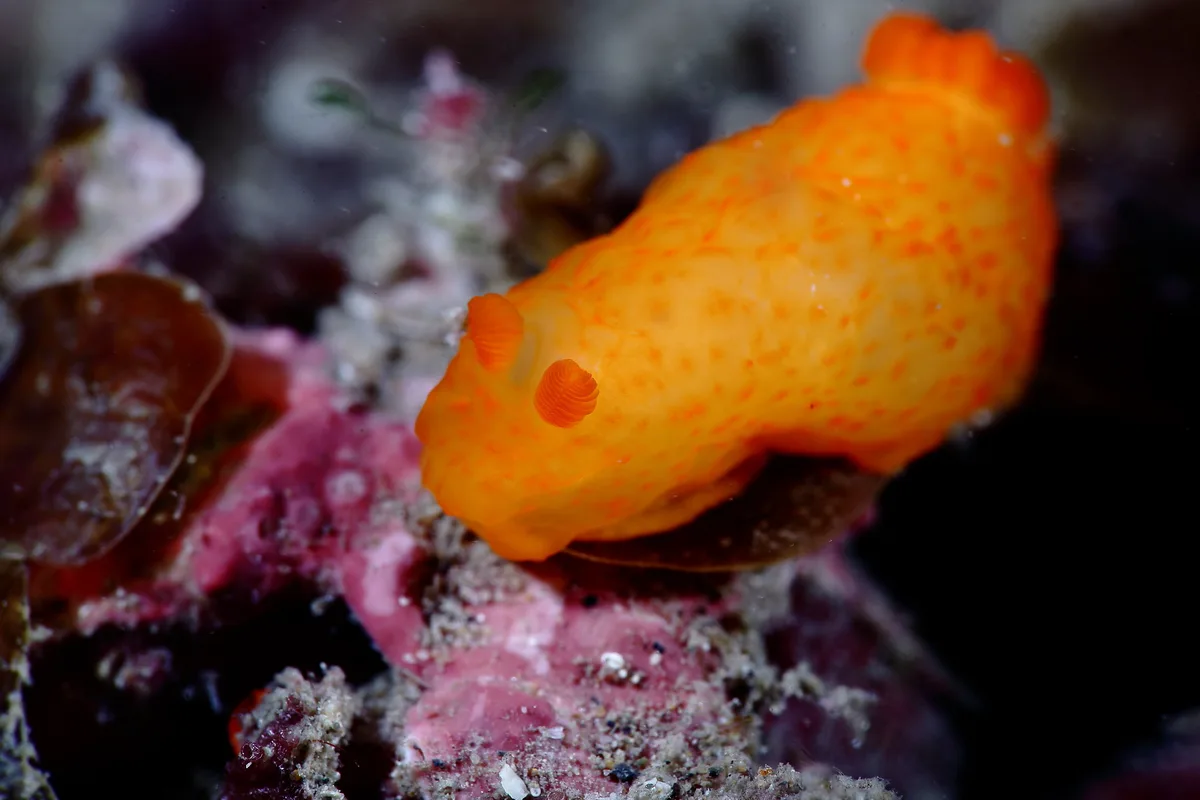
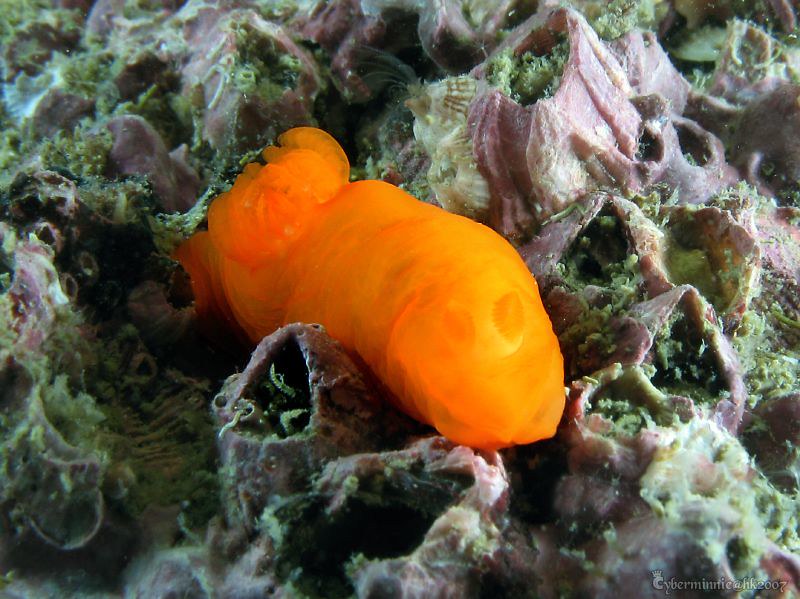
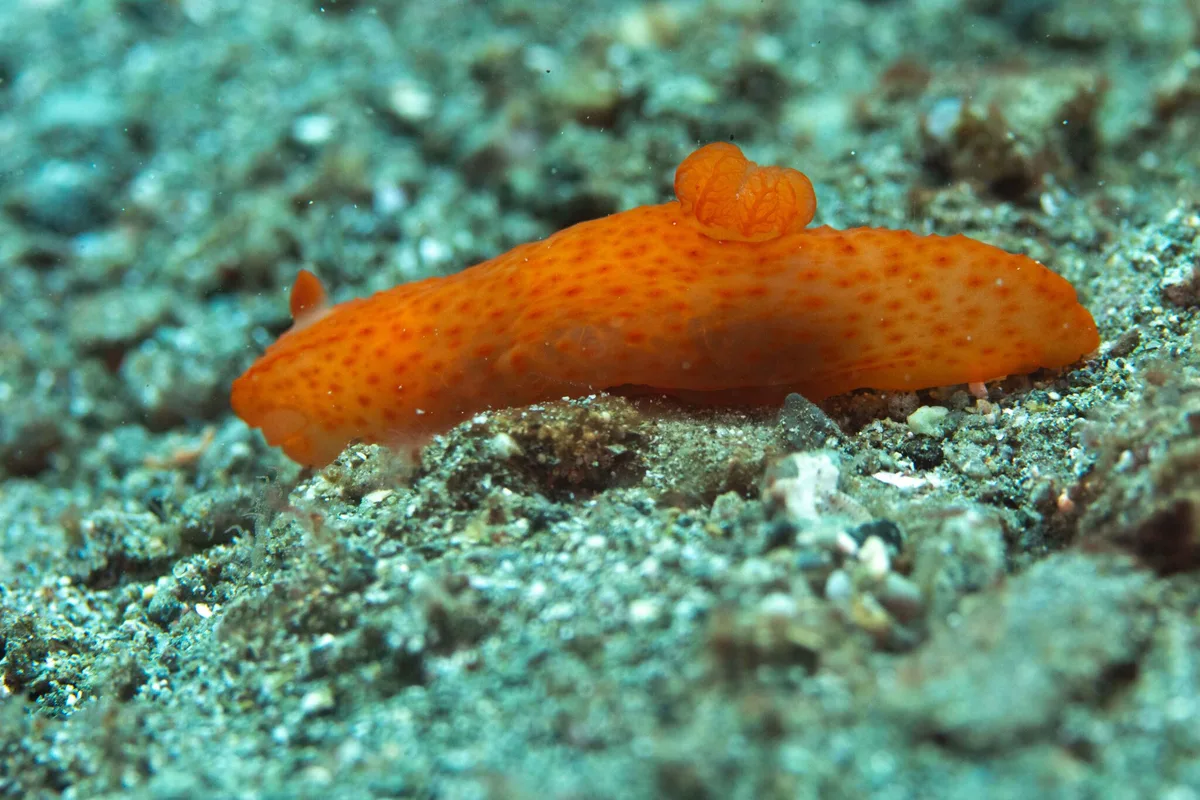
Gymnodoris inornata - Sulawesi Utara, ID
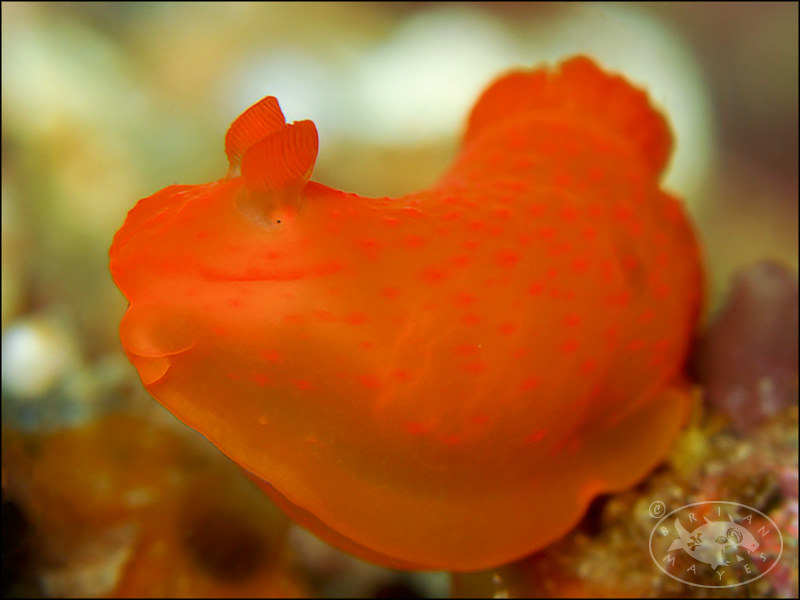
Gymnodoris inornata (?)
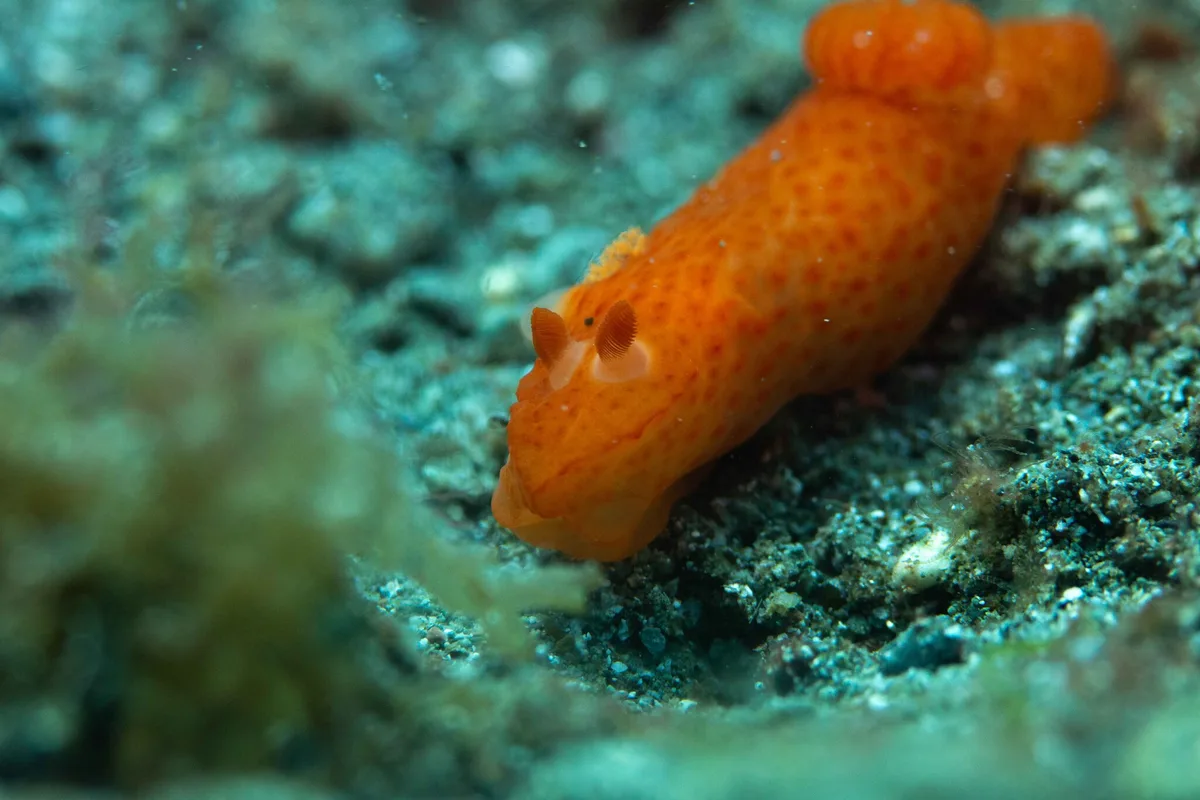
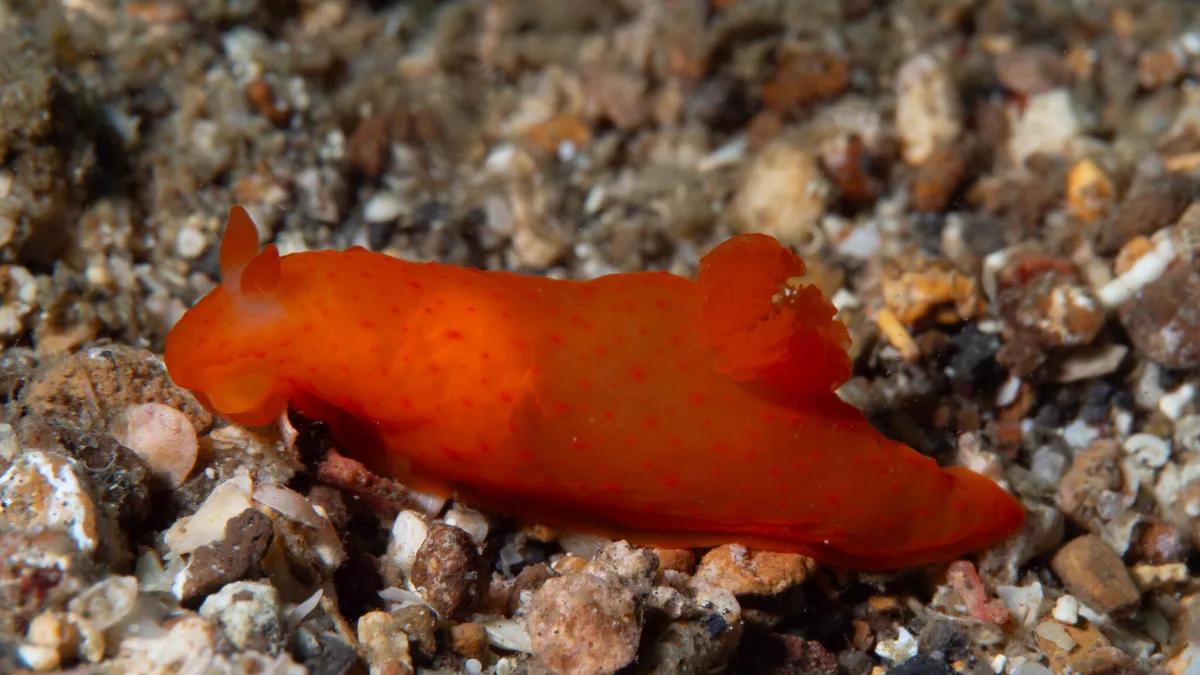
Gymnodoris inornata - Malitbog, Southern Leyte, Philippines
Orange Gymnodoris - Gymnodoris inornata
Nudibranch
Gymnodoris inornata
Gymnodoris inornata
Gymnodoris inornata
Gymnodoris inornata on the prowl
Gymnodoris inornata
Nudibranch (Gymnodoris inornata)
An Orange Nudibranch
Gymnodoris inornata - Malaysia
P9222201 - Gymnodoris inornata
Inornate Gymnodoris (Gymnodoris inornata)
Gymnodoris inornata in detection mode
Gymnodoris inornata_hk2017
IMG_1769cr
Gymnodoris inornata - Tingloy, Batangas, Philippines
Gymnodoris inornata - Desa Wolwal, Wolwal, Kec. Alor Barat Daya, Kabupaten Alor, Nusa Tenggara Tim., Indonesia
Gymnodoris inornata - Batanta, Indonesia
Gymnodoris inornata - Lembeh Strait, Indonesia
Gymnodoris inornata - Tolok Lohsera, West Manggarai Regency, East Nusa Tenggara, Indonesia
Gymnodoris inornata - Big La Laguna Beach, Sabang, Puerto Galera, 5203 Oriental Mindoro, Philippines
Gymnodoris inornata - Hong Kong
Gymnodoris inornata - Quanzhou, CN-FJ, CN
Gymnodoris inornata - Golf Course
Gymnodoris inornata - Malitbog, Southern Leyte, Philippines
Gymnodoris inornata - Lembeh Strait, Indonesia
Gymnodoris inornata - Alor Regency, East Nusa Tenggara, Indonesia
Gymnodoris inornata - 北太平洋, 新界, HK
Gymnodoris inornata
Gymnodoris inornata - Hong Kong
Gymnodoris inornata - Tingloy, Batangas, Philippines
© setsof
Invertebrate · Molluscs · Nudibranch

Orange Gobble Dorid

Gymnodoris inornata (Bergh, 1880)
syn. Gymnodoris kouaouae, Trevelyana inornata, Trevelyana kouaouae
up to 6 cm
0

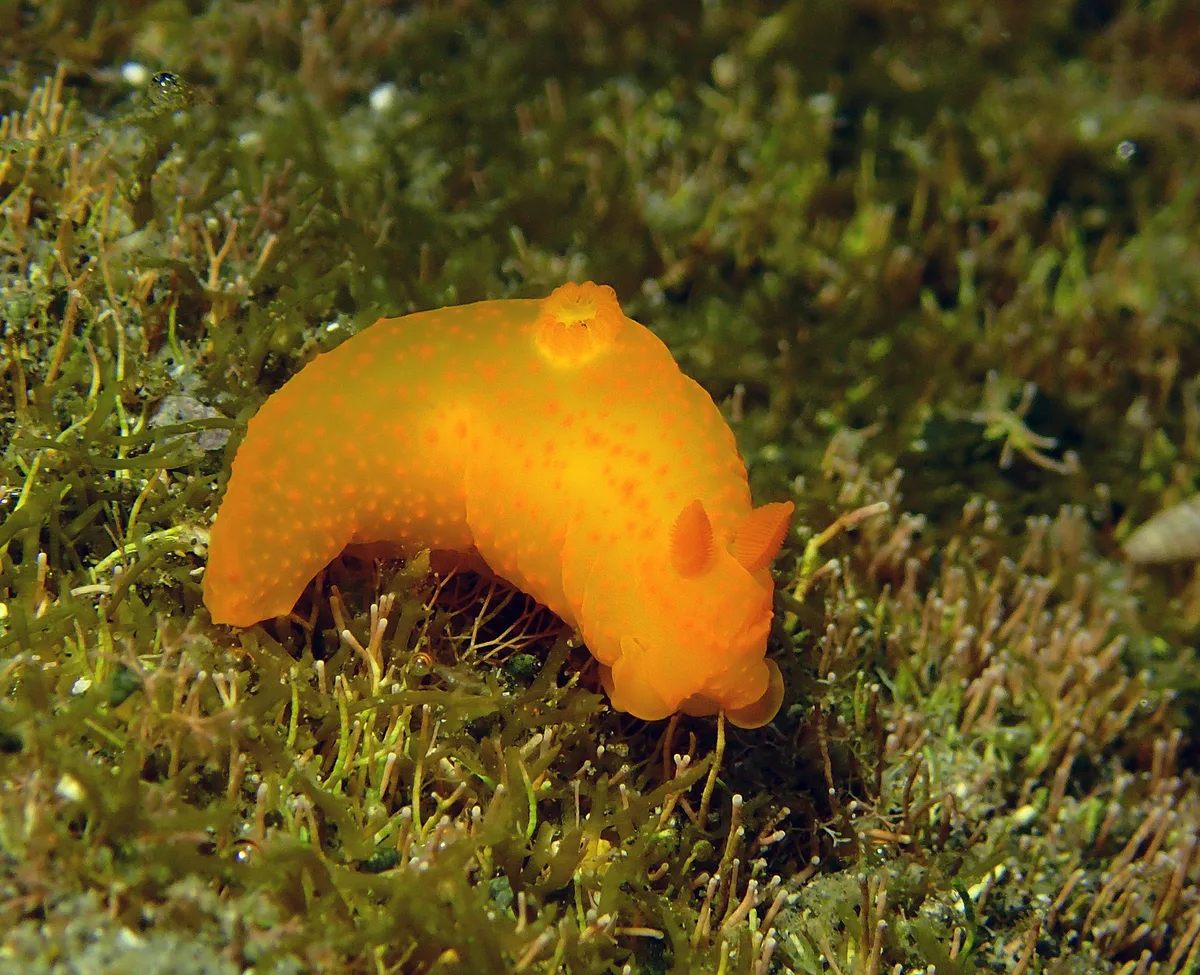
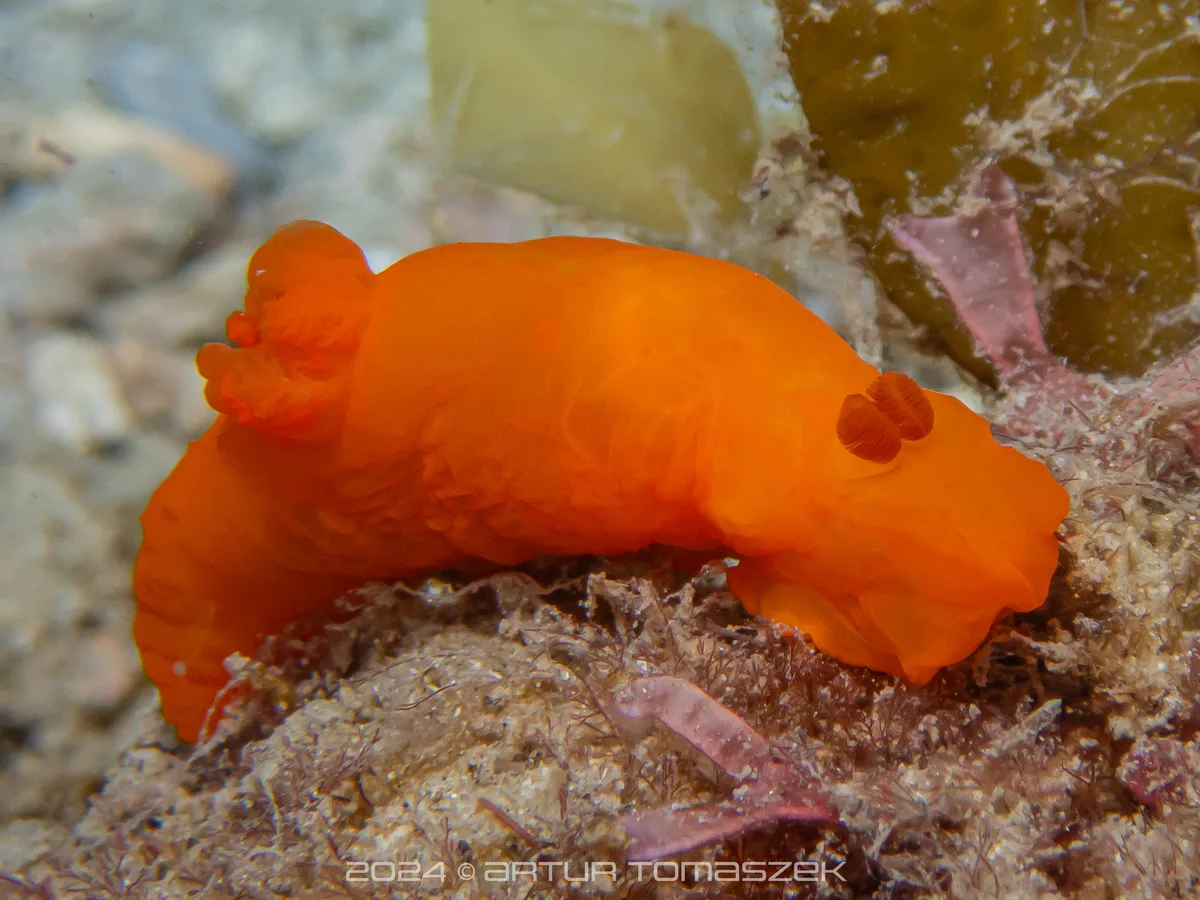
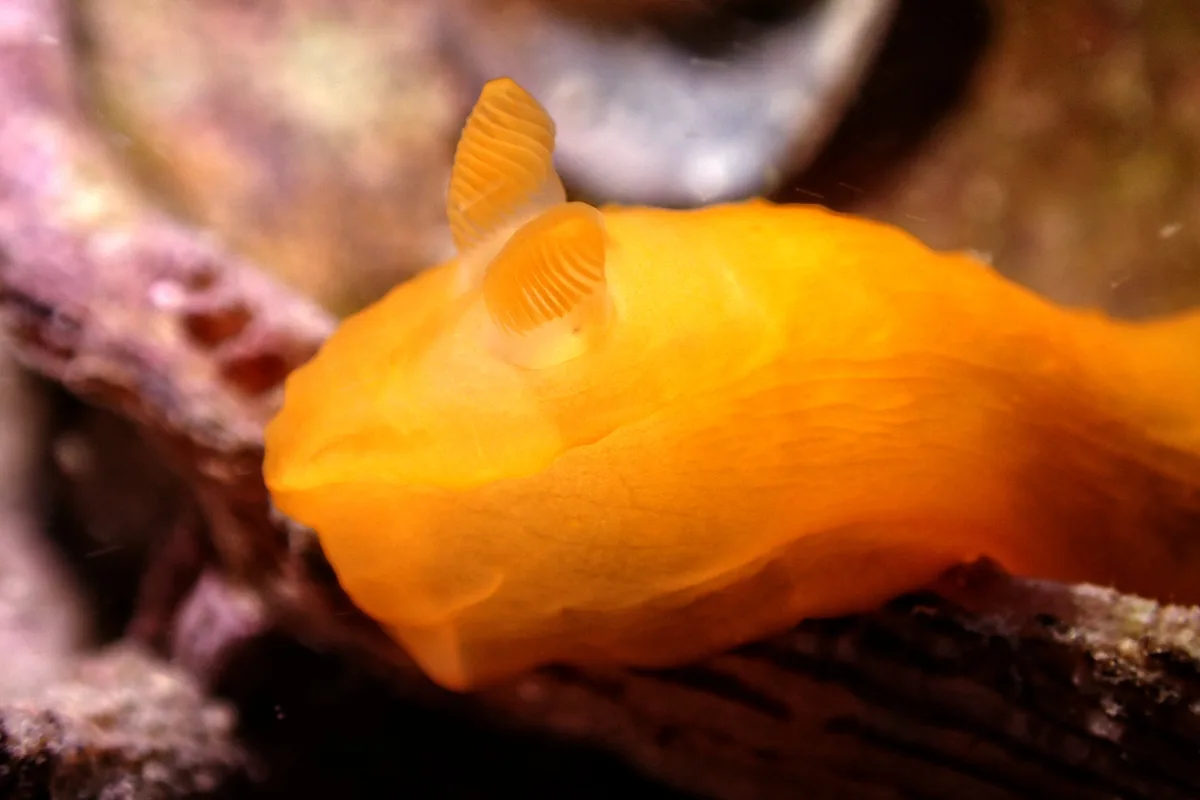
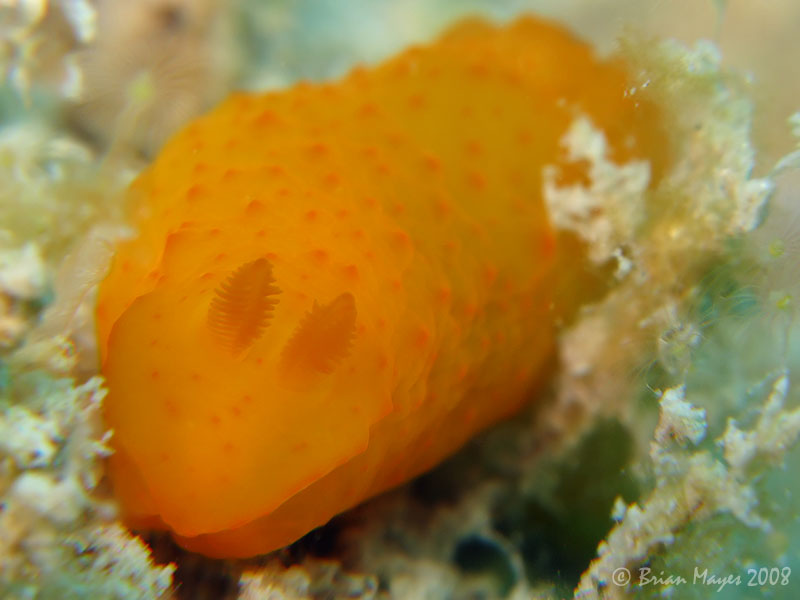
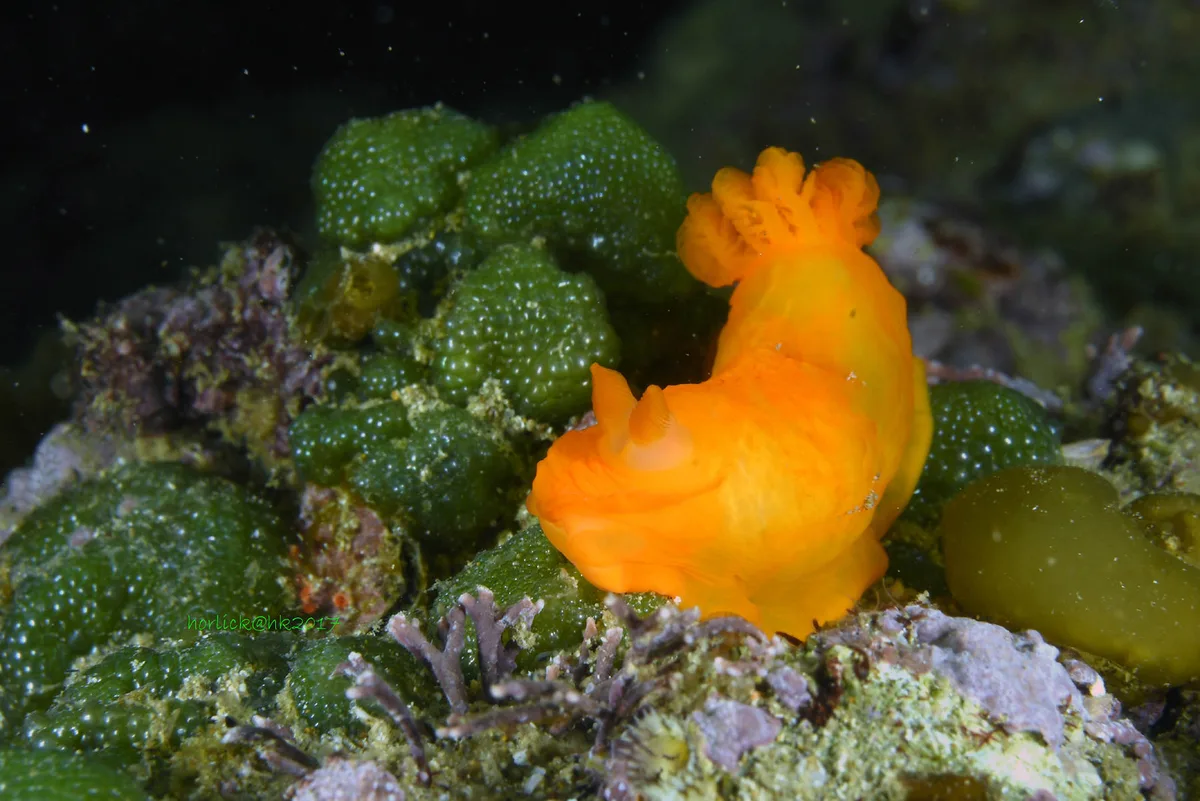
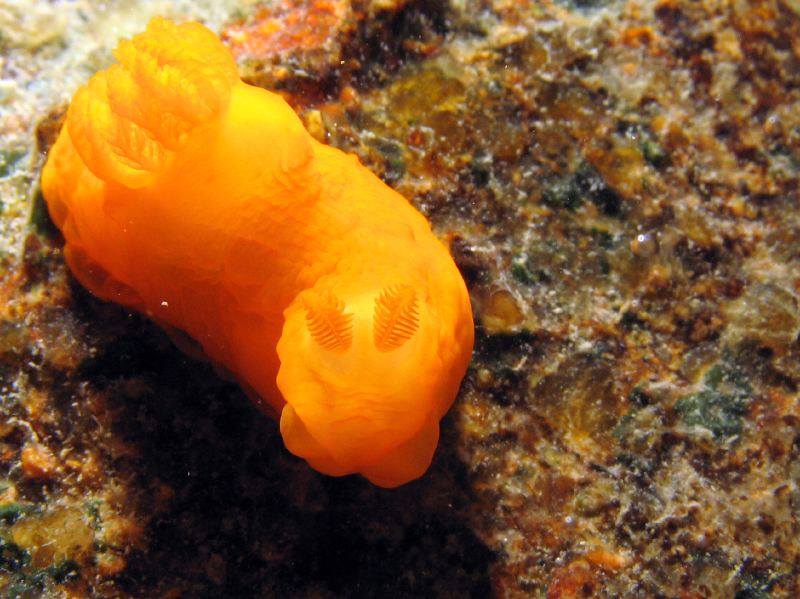
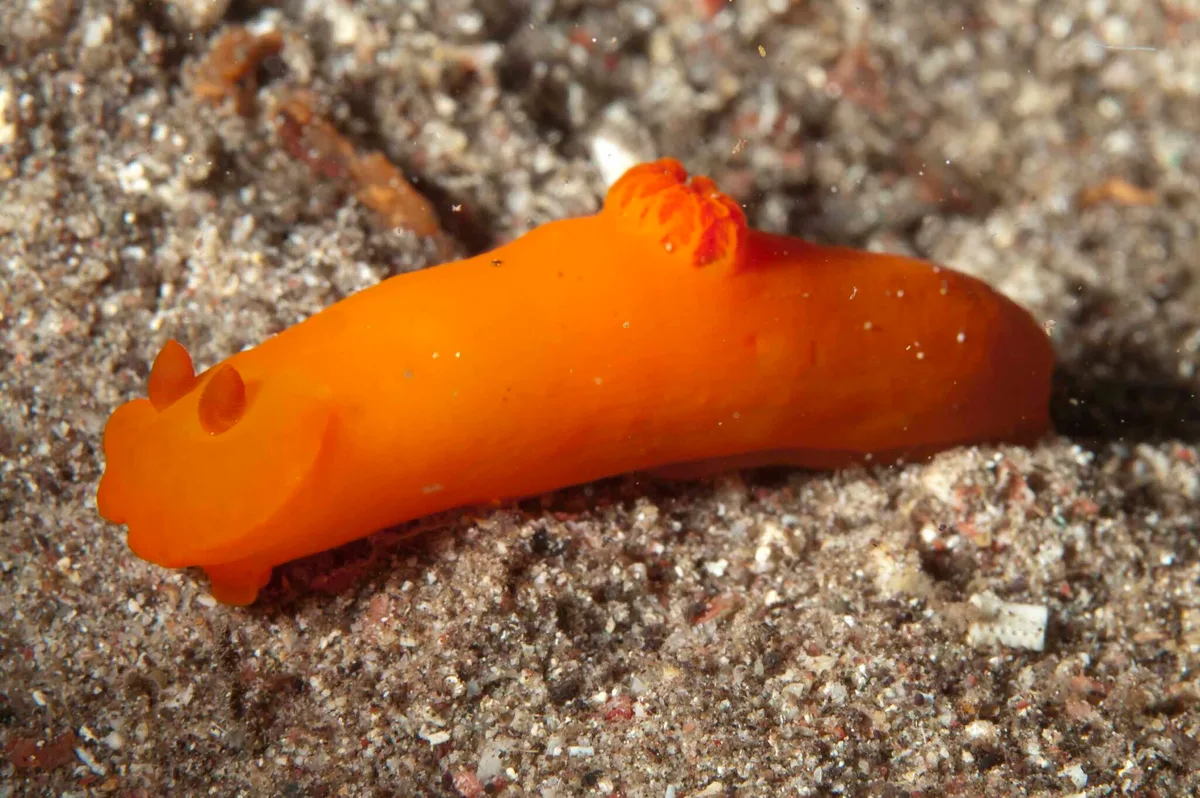
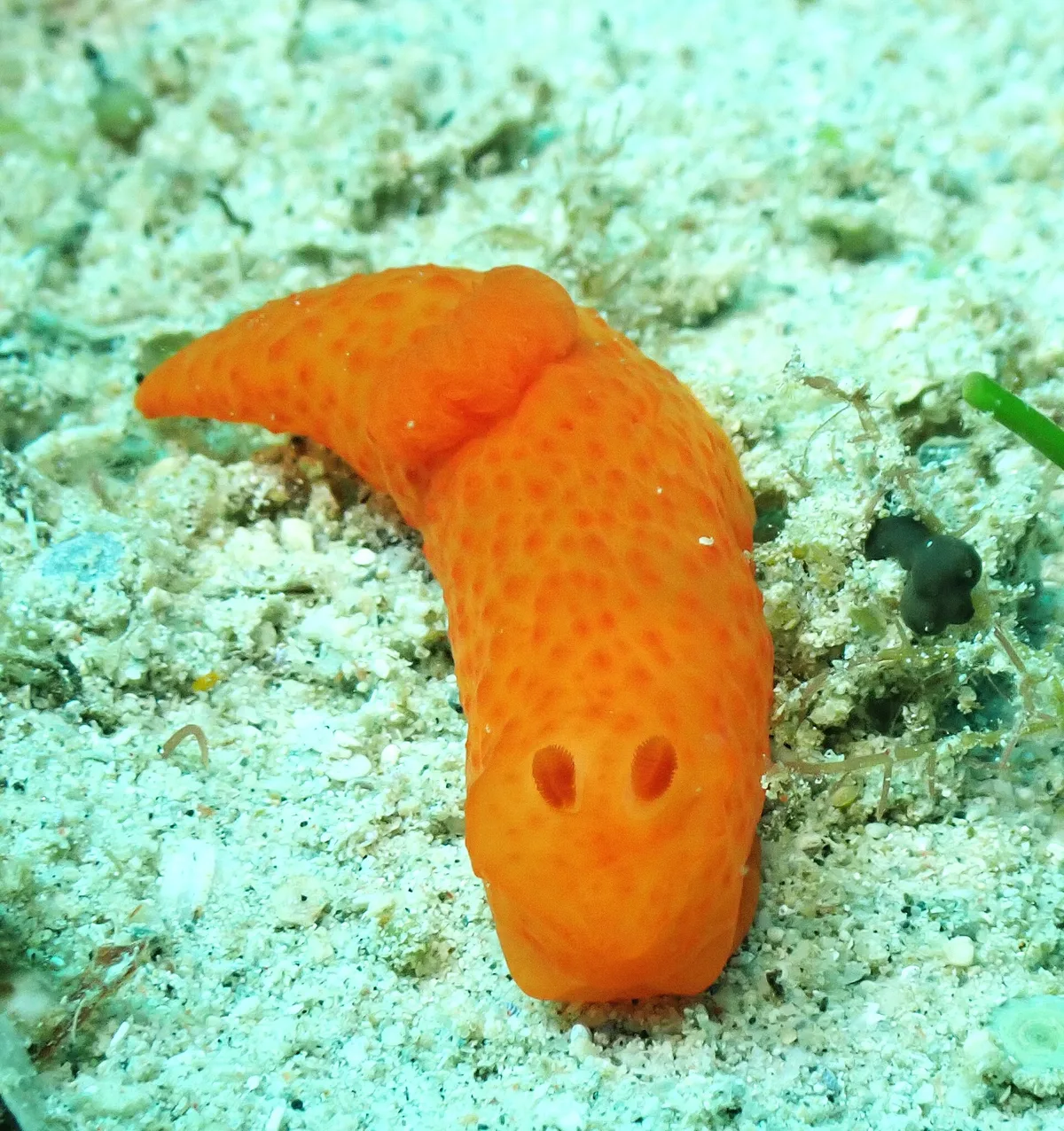
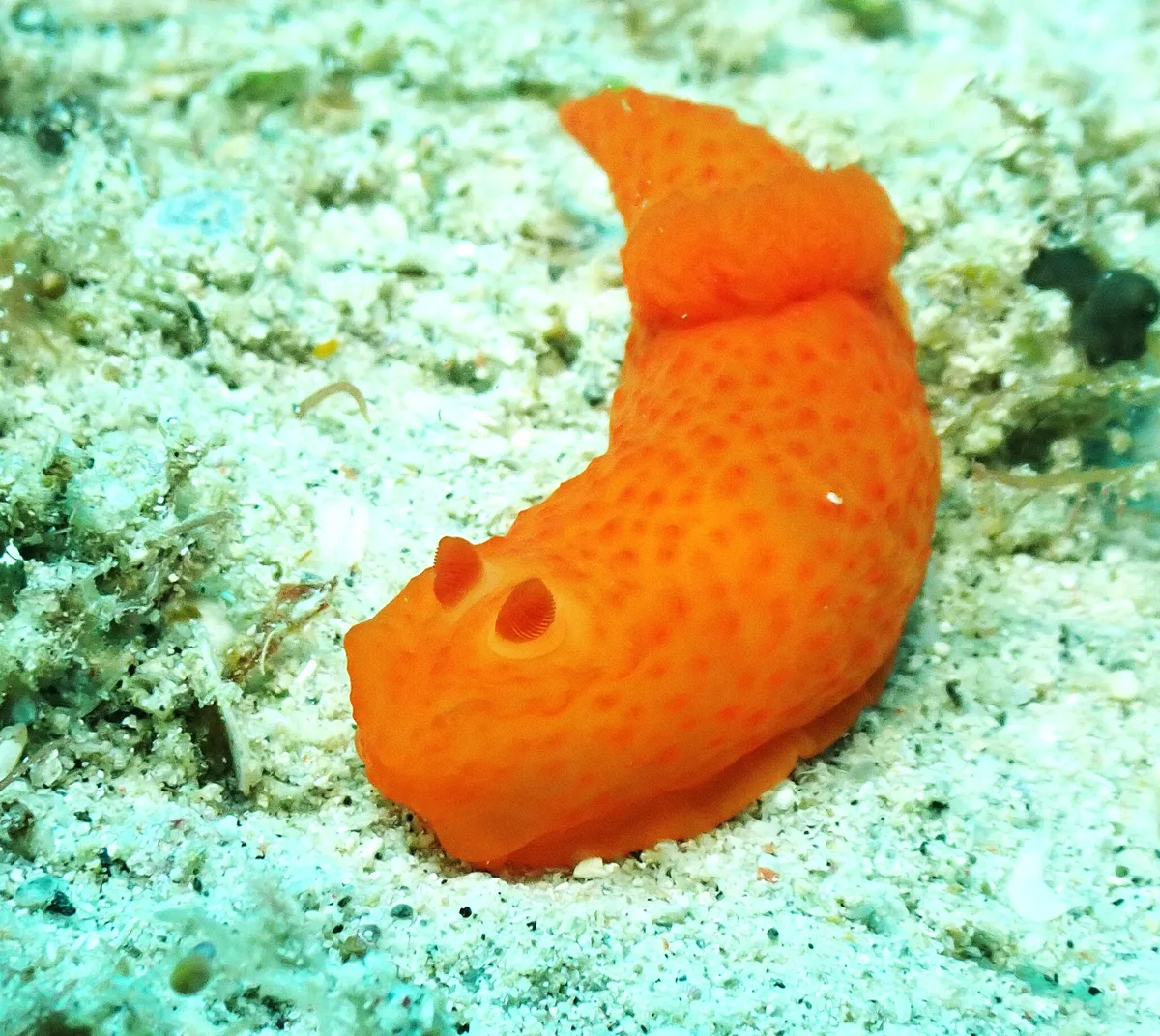
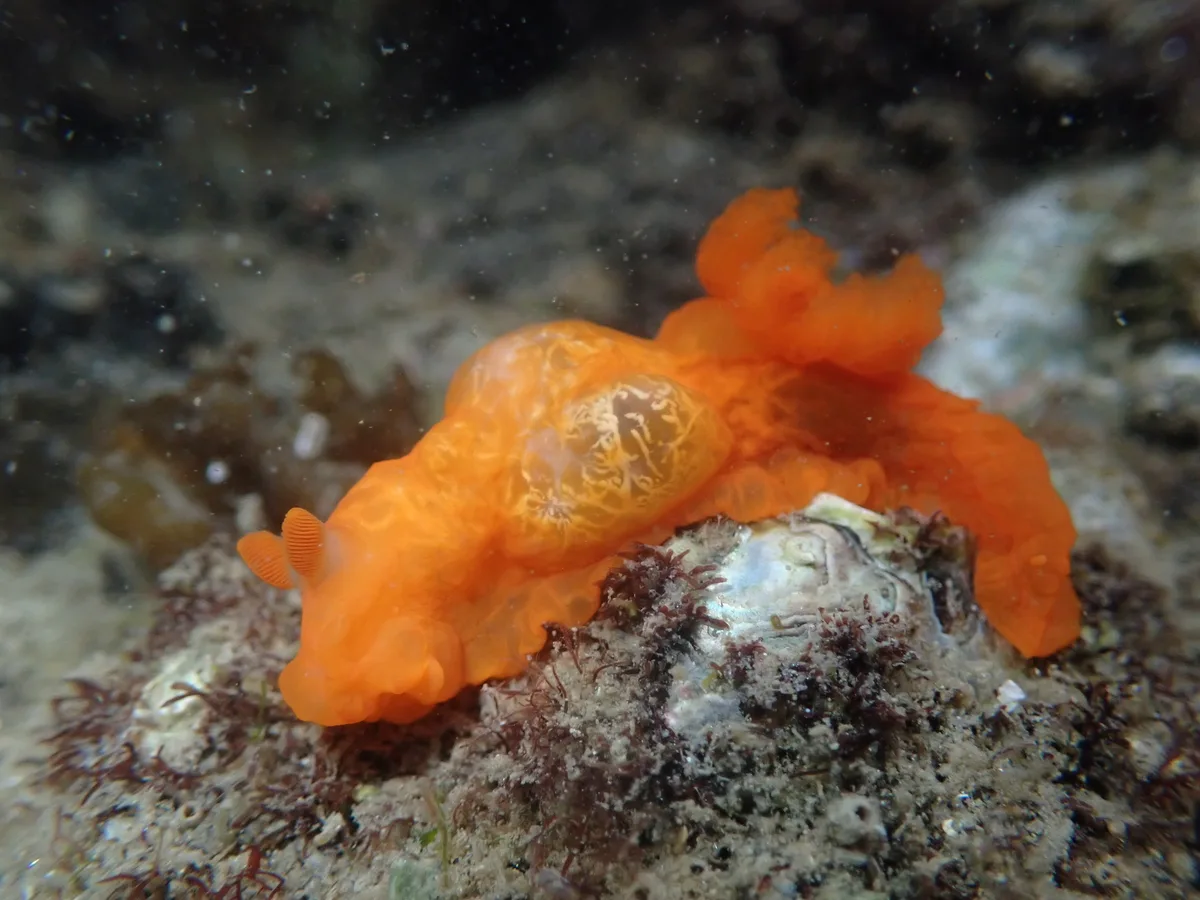
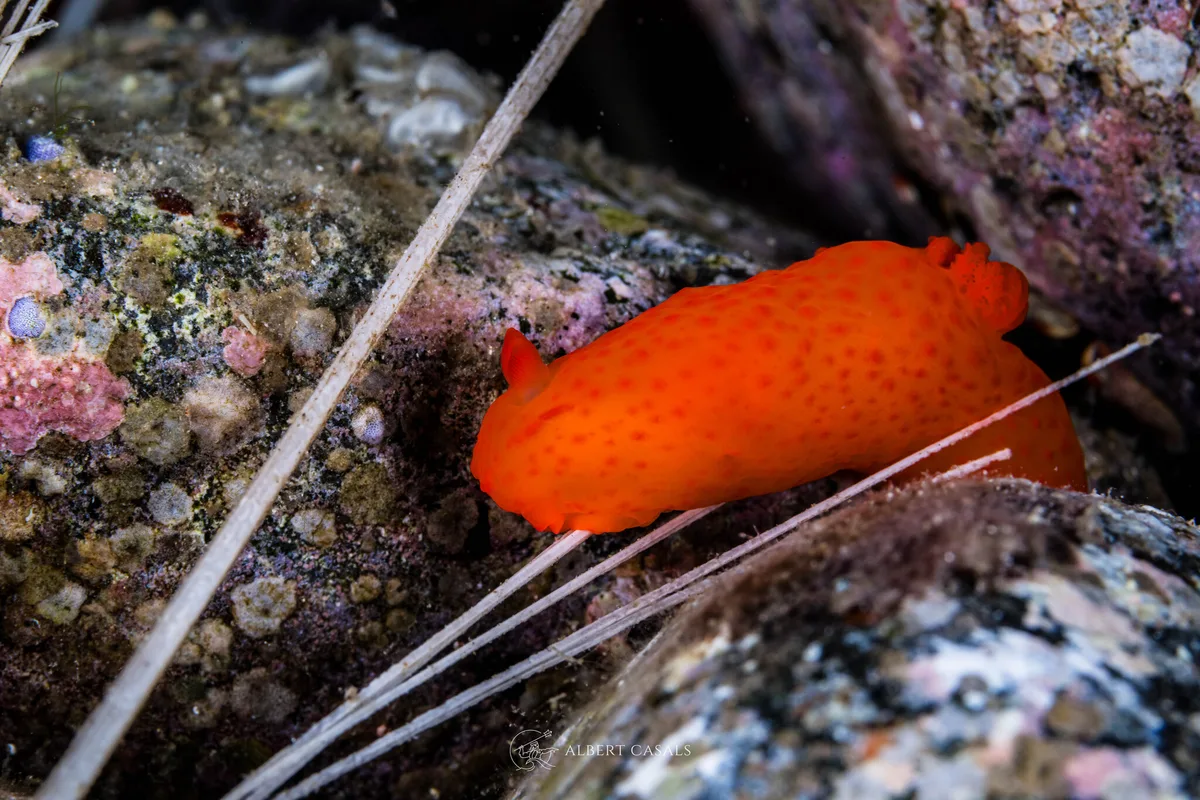
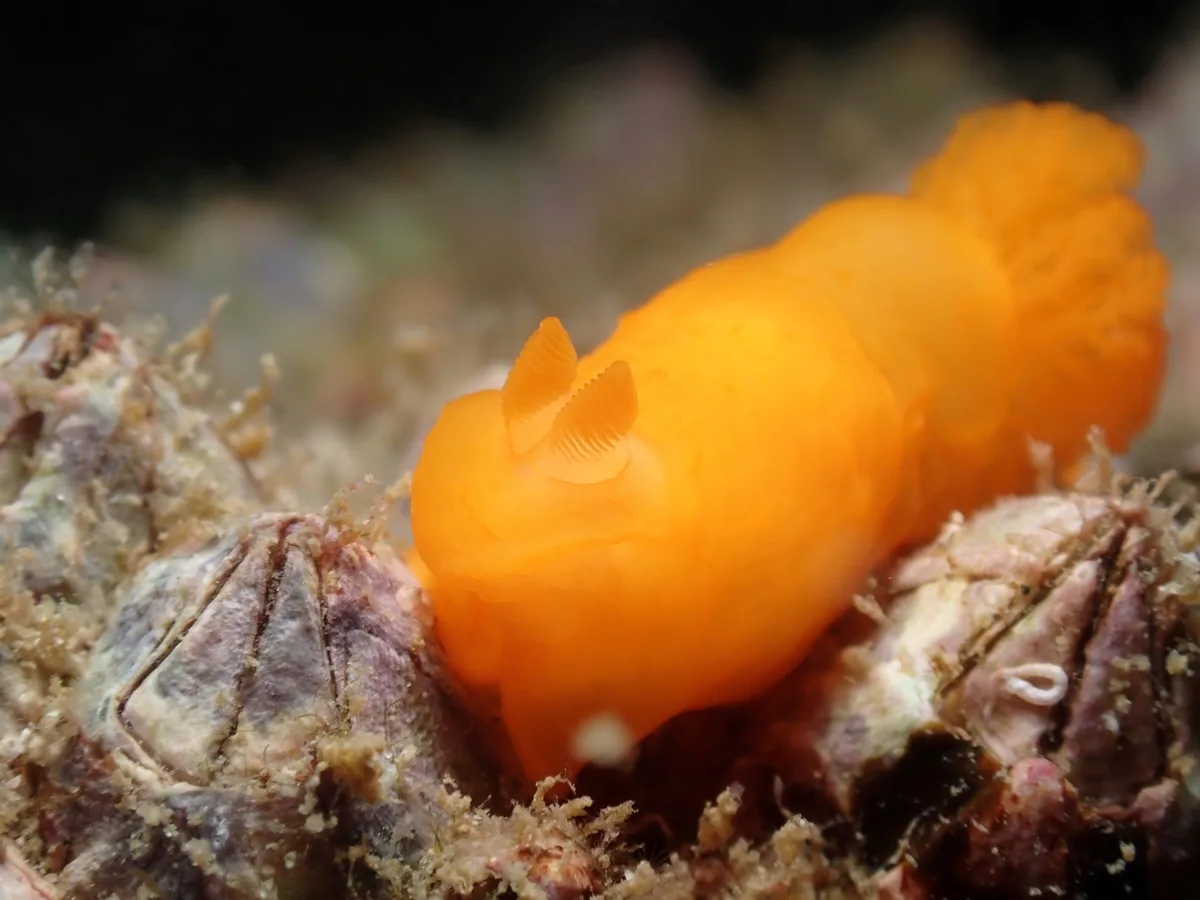
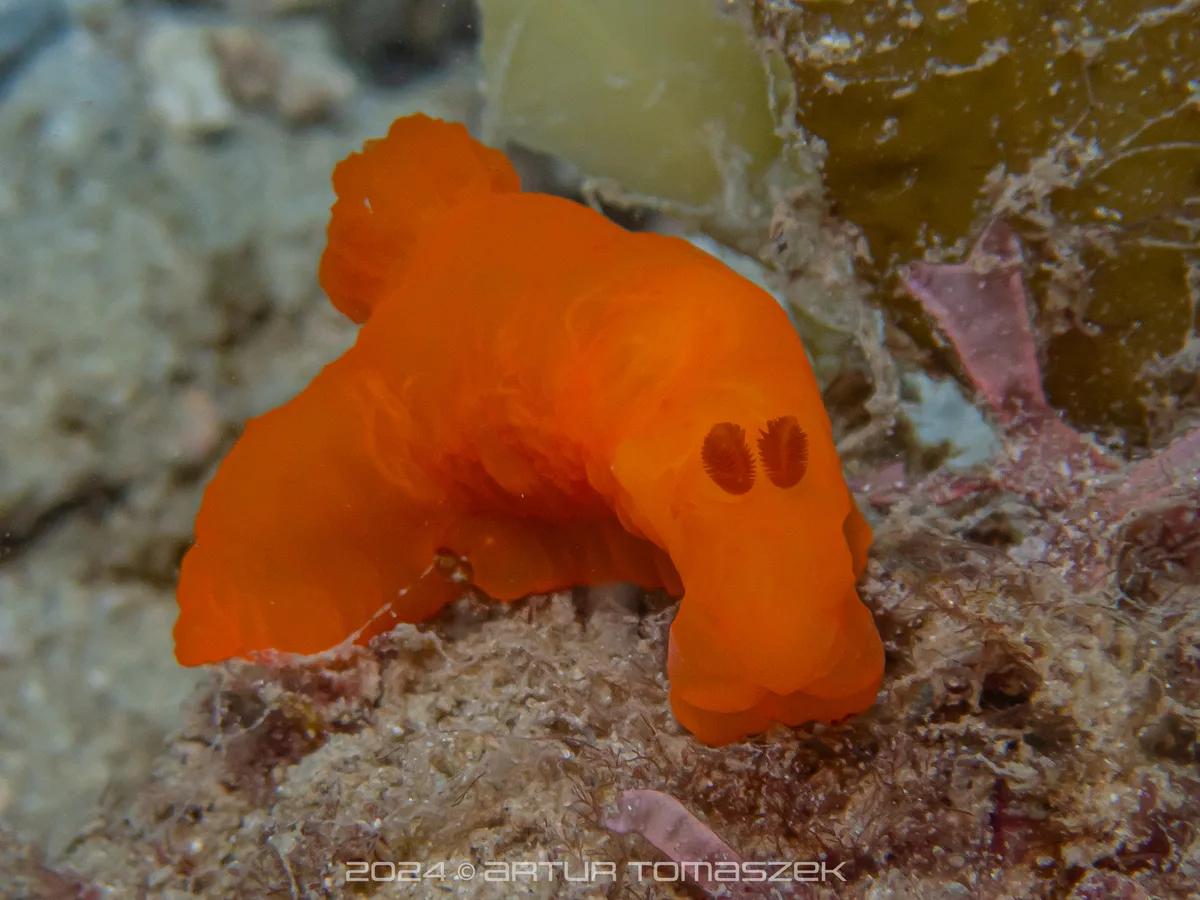
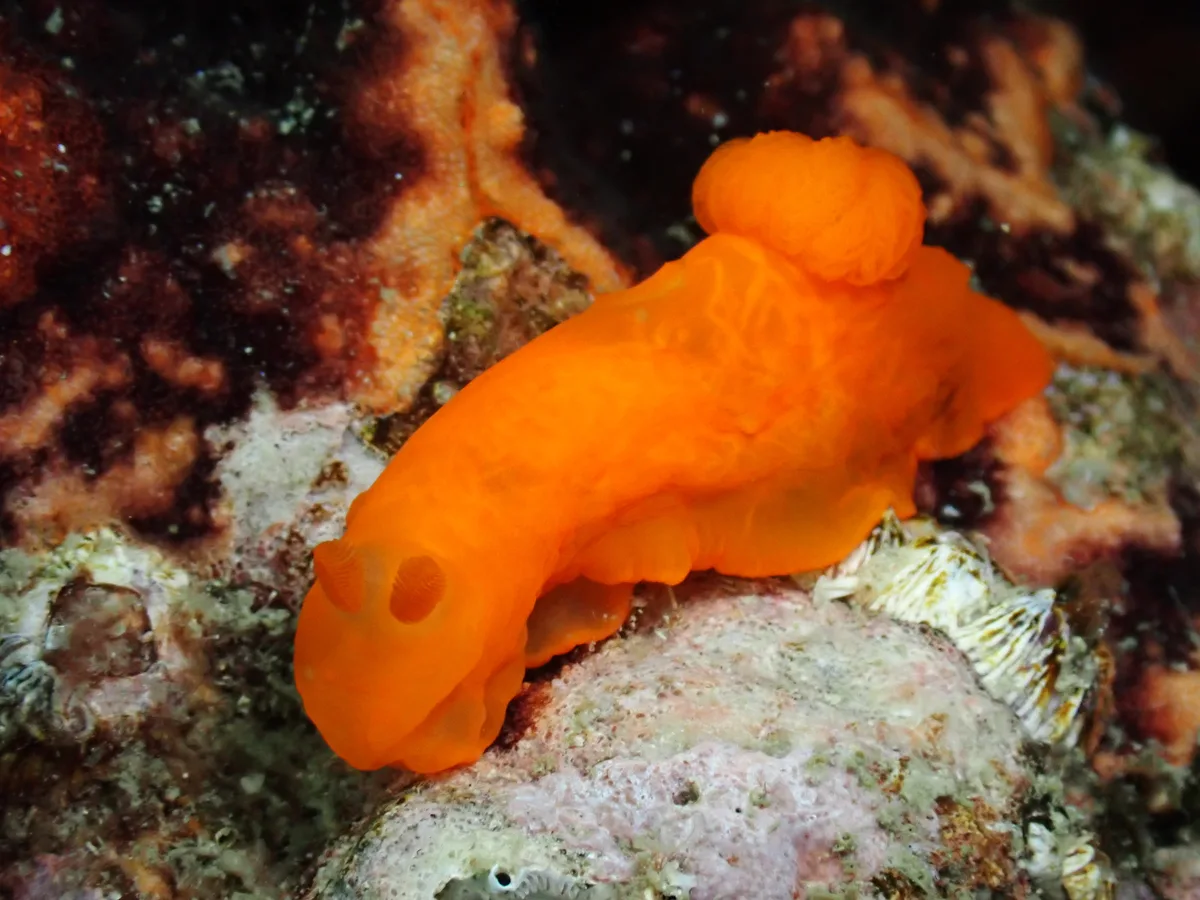
The gills close the loop. On a typical dorid the plume stands in a horseshoe, open at the back, with a gap where the two ends fail to meet. On this species they run right around into a complete circle, and that ring is the character that names it here.

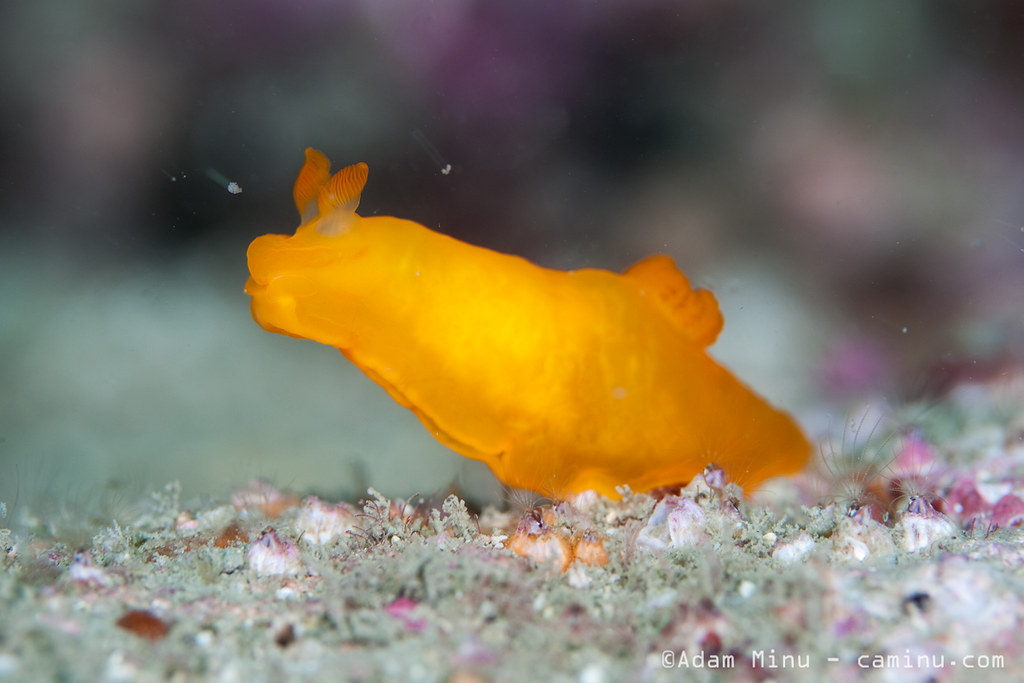
Everything else about it is the genus doing what the genus does, which is hunting. These are predatory dorids that eat other sea slugs, and they are built for the chase: no mantle skirt overhanging the foot, the sides bare, the outline smooth, and a crawling speed that is noticeably higher than the animals they are after.

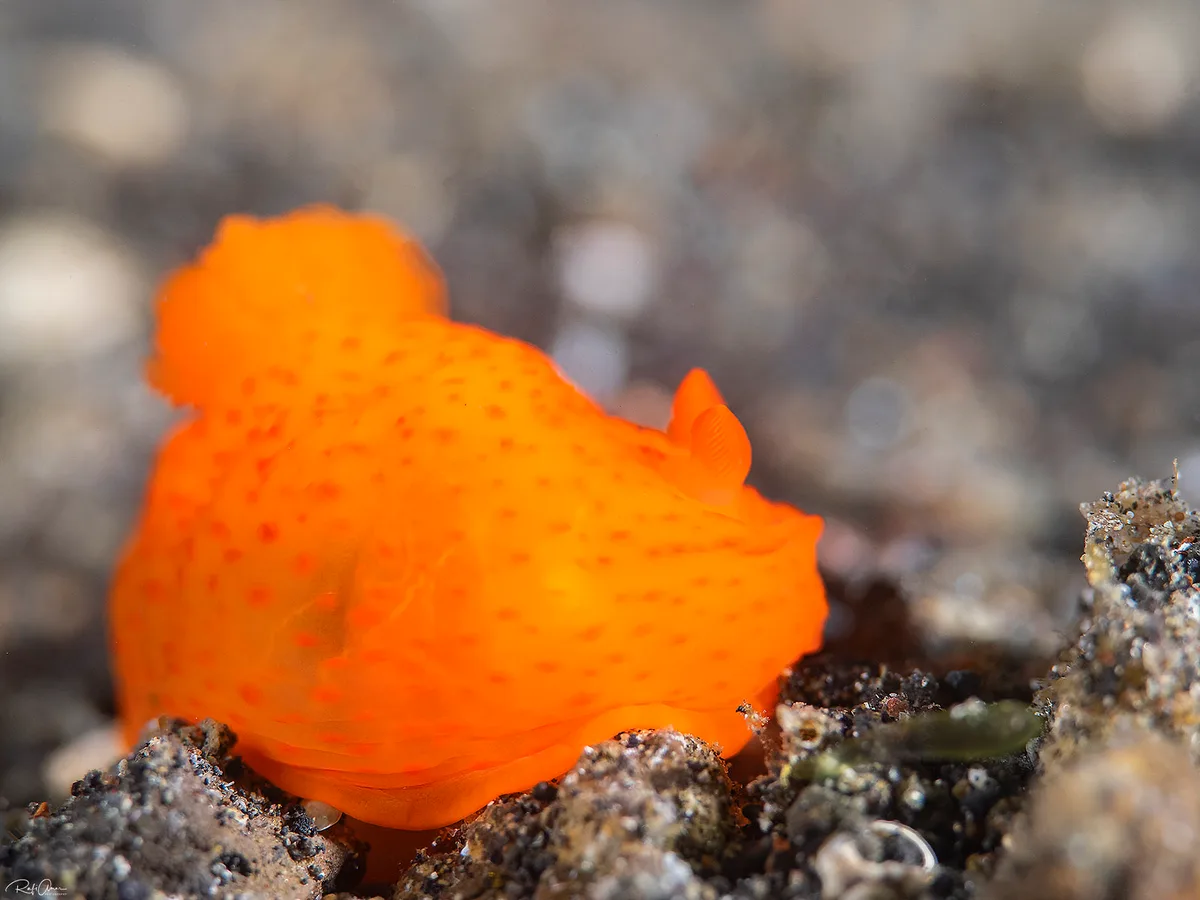
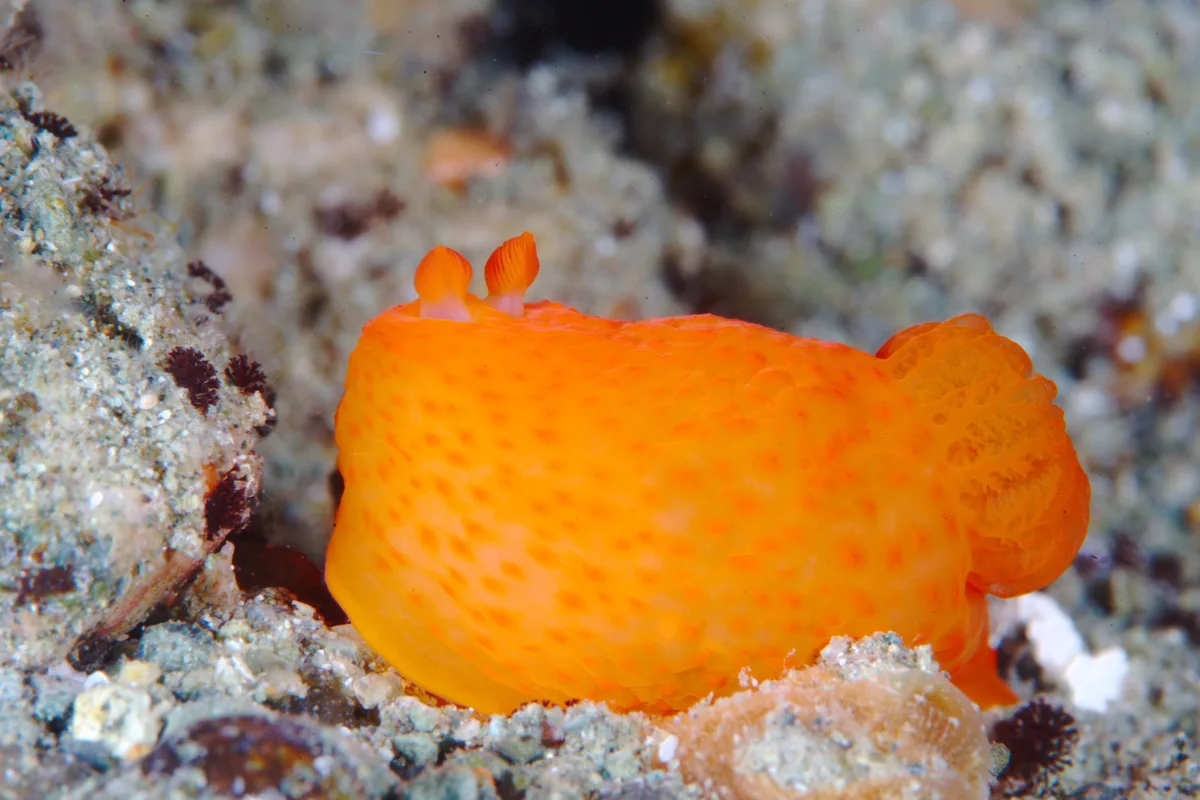
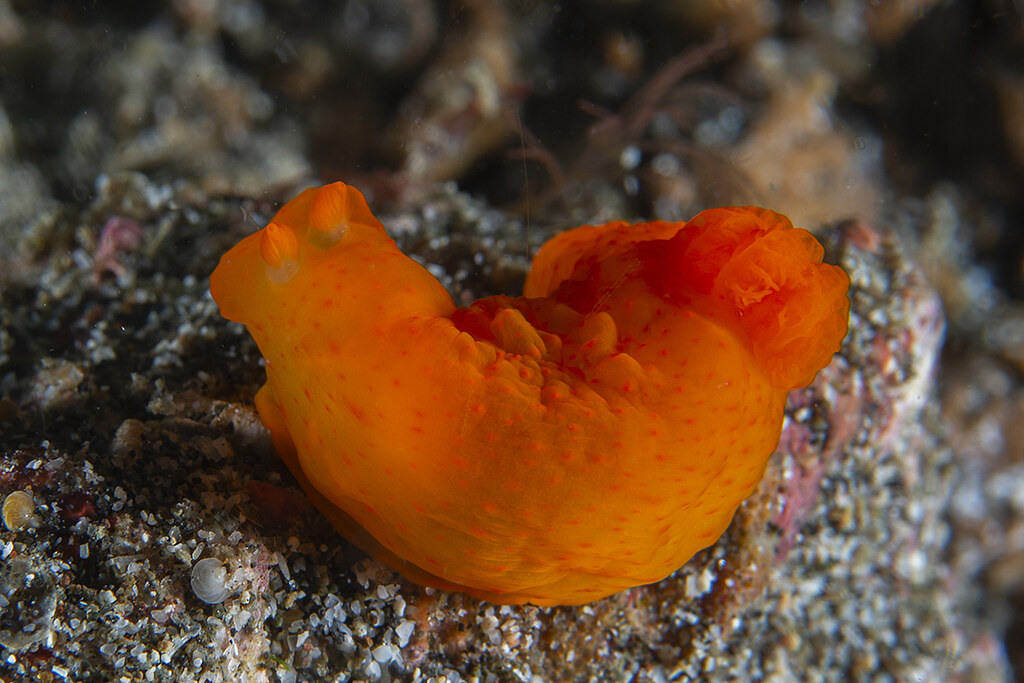
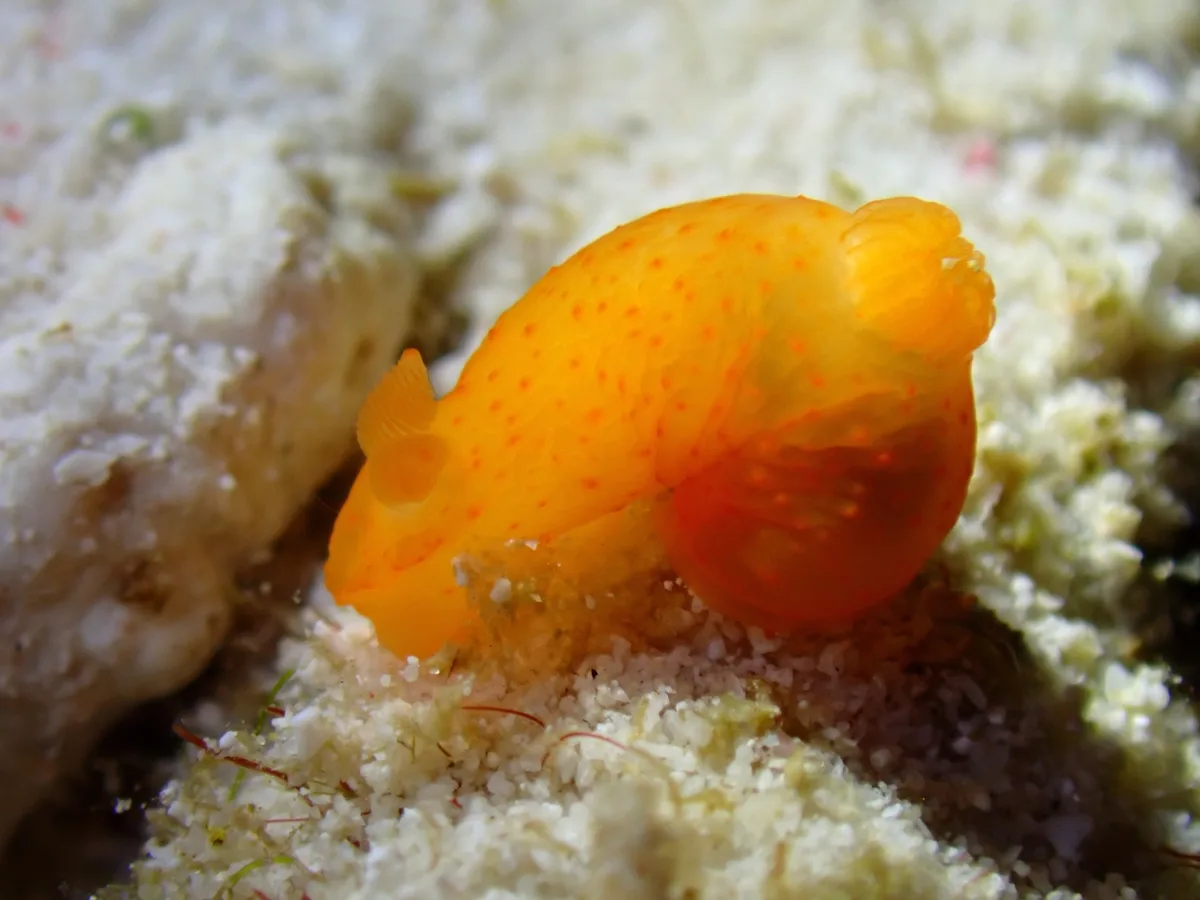
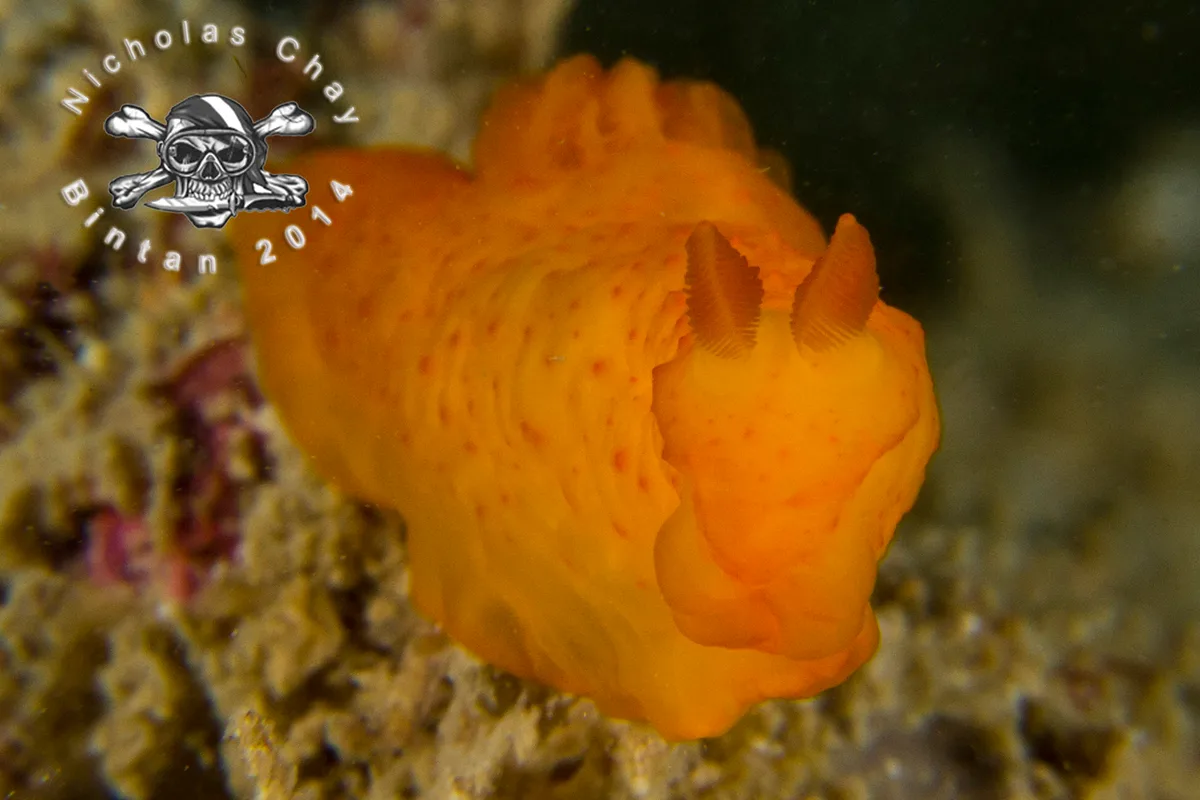
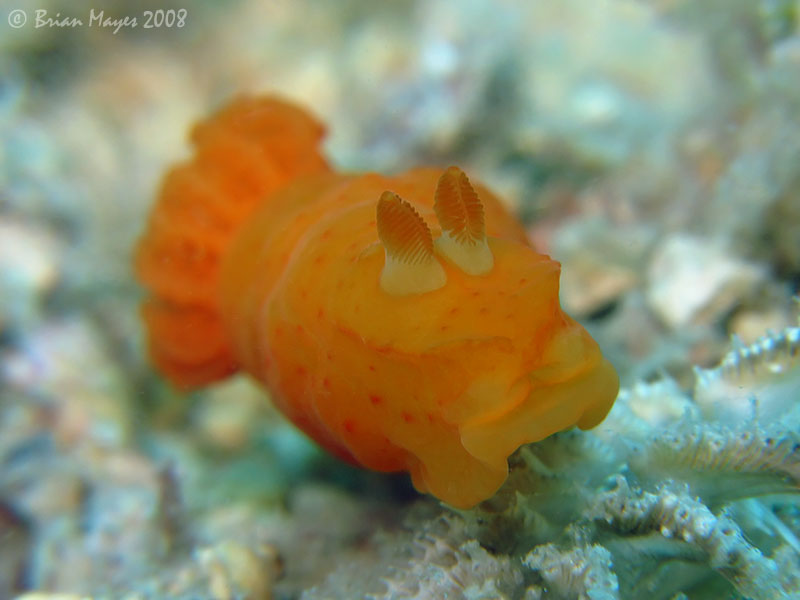
The size needs a note. The books give a maximum of six centimeters (2.4 in), but almost every animal you meet will be fifteen to twenty millimeters, so a small orange slug is not automatically a different species. Color runs from orange to yellow with darker pustules scattered over the back.

The name means unadorned, given by Bergh in 1880 to an animal that is bright orange and covered in spots, which tells you it was named from a specimen in preserving fluid. Alcohol strips the color out of these slugs within days, and a great many nineteenth-century names describe something nobody had seen alive.

How to recognise it
  • gills forming a complete closed circle rather than an open horseshoe
  • orange to yellow body with darker pustules scattered over it
  • usually a small animal, fifteen to twenty millimeters, though it can reach six centimeters
  • no mantle skirt, sides of the foot exposed
Comments

Please, sign in to leave a comment

Continue with a social account - yours will be created automatically.

No comments yet — be the first.

Last Update: August 28, 2026