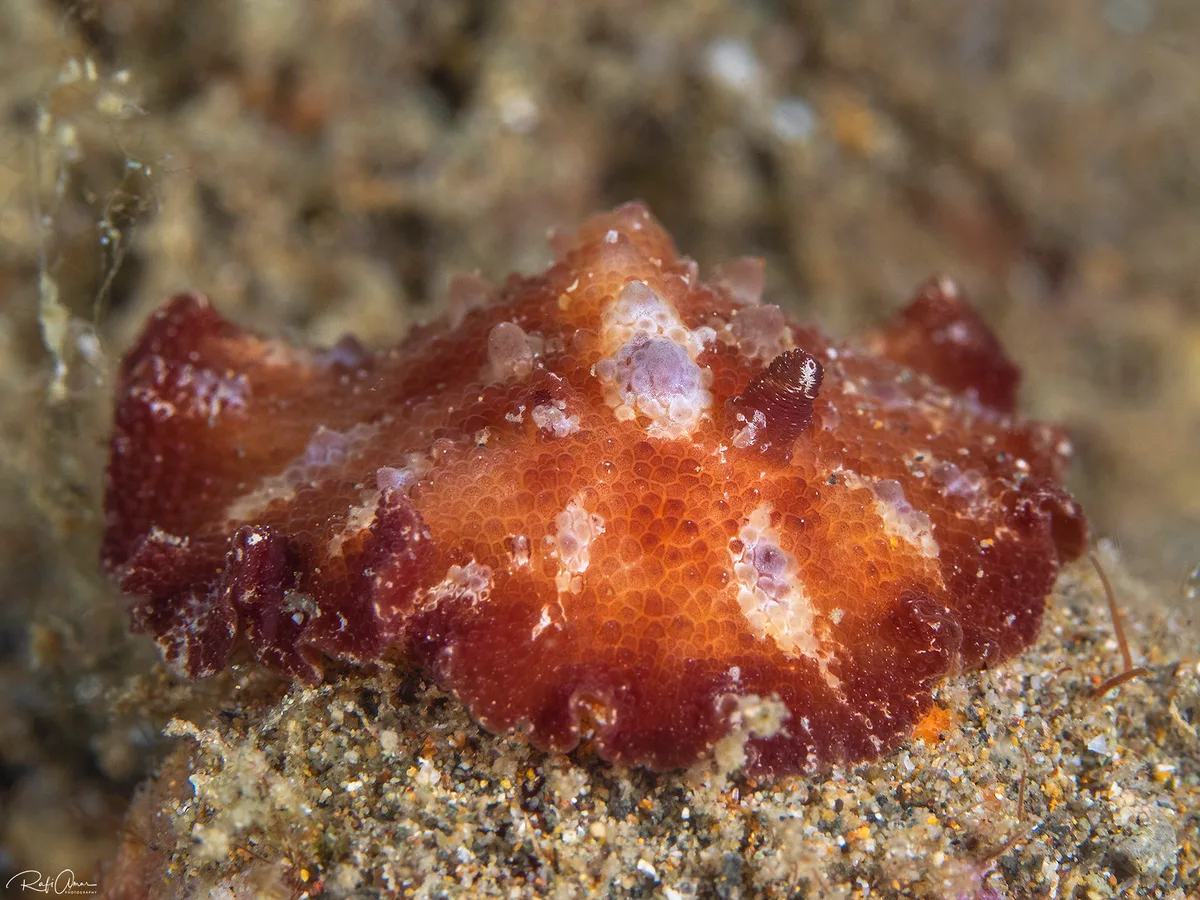
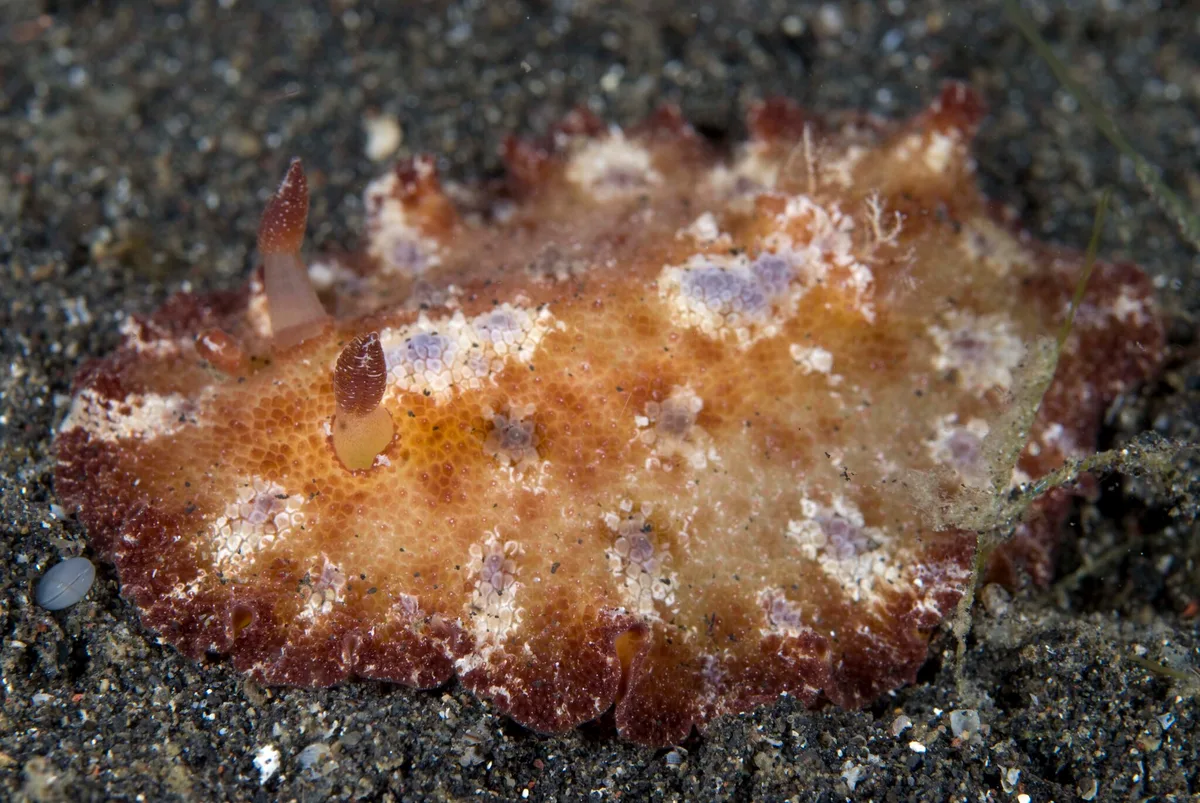
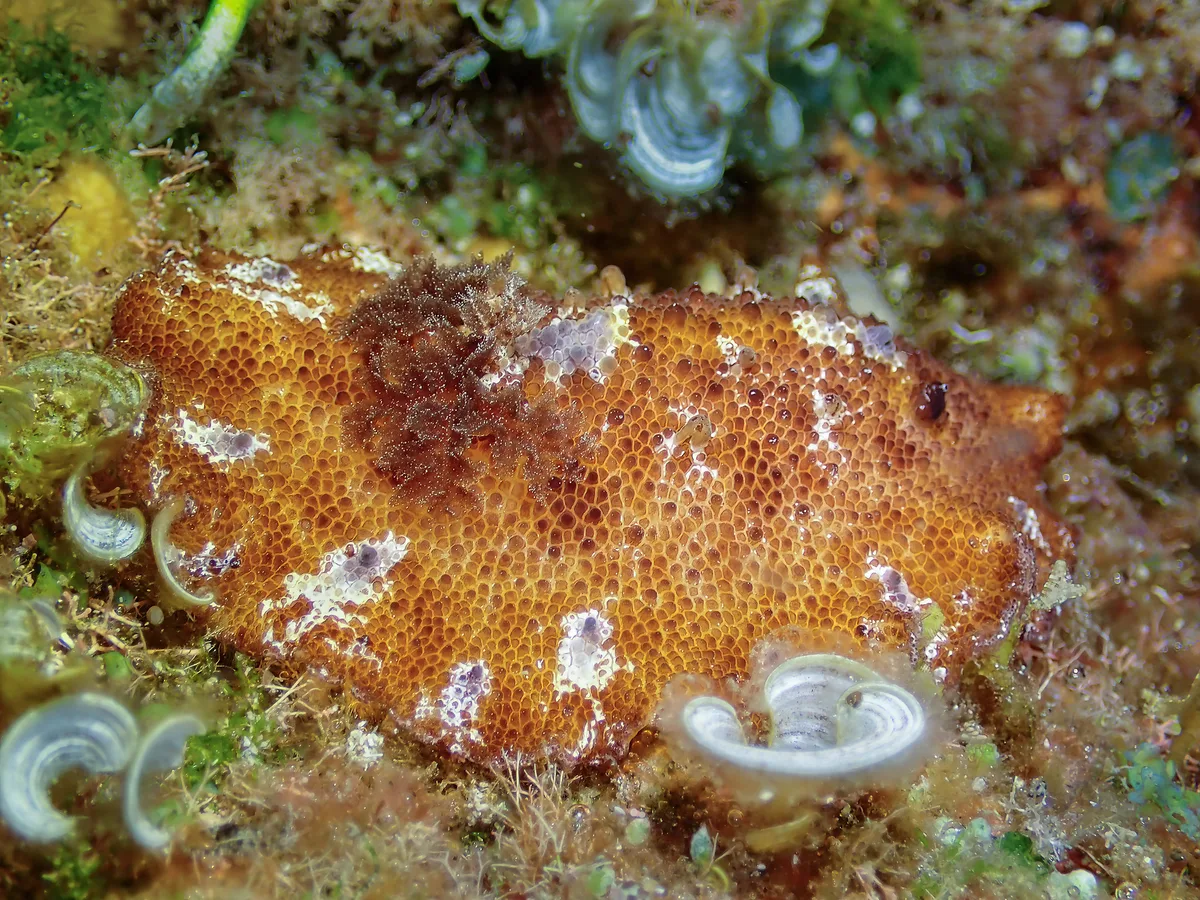
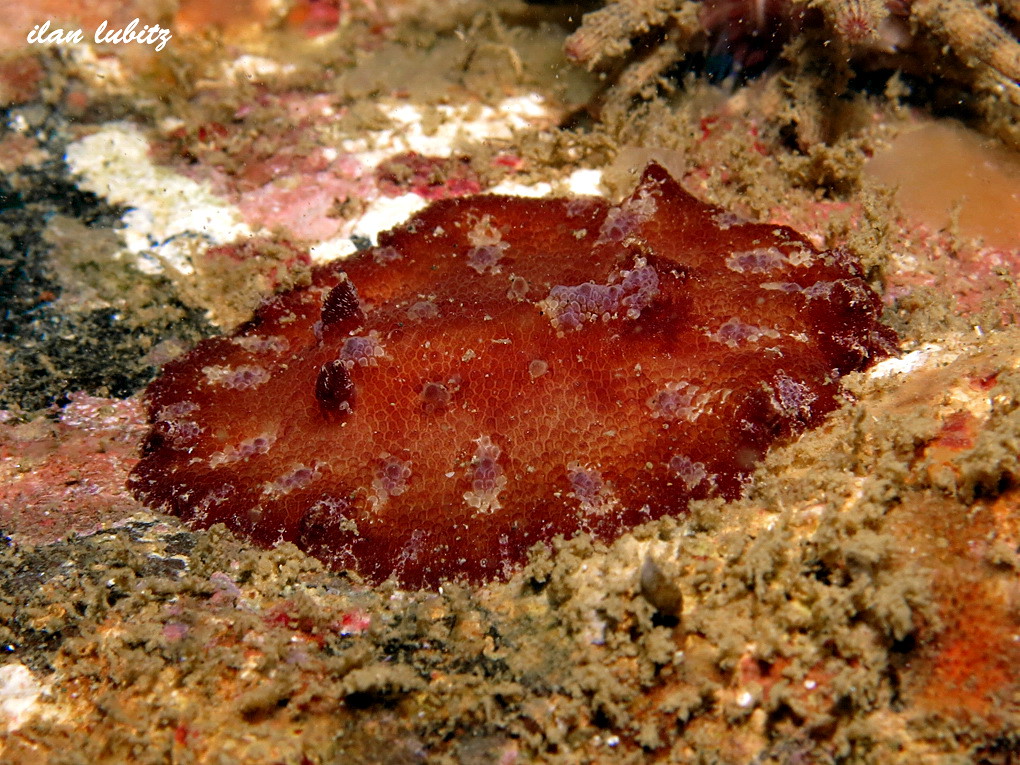
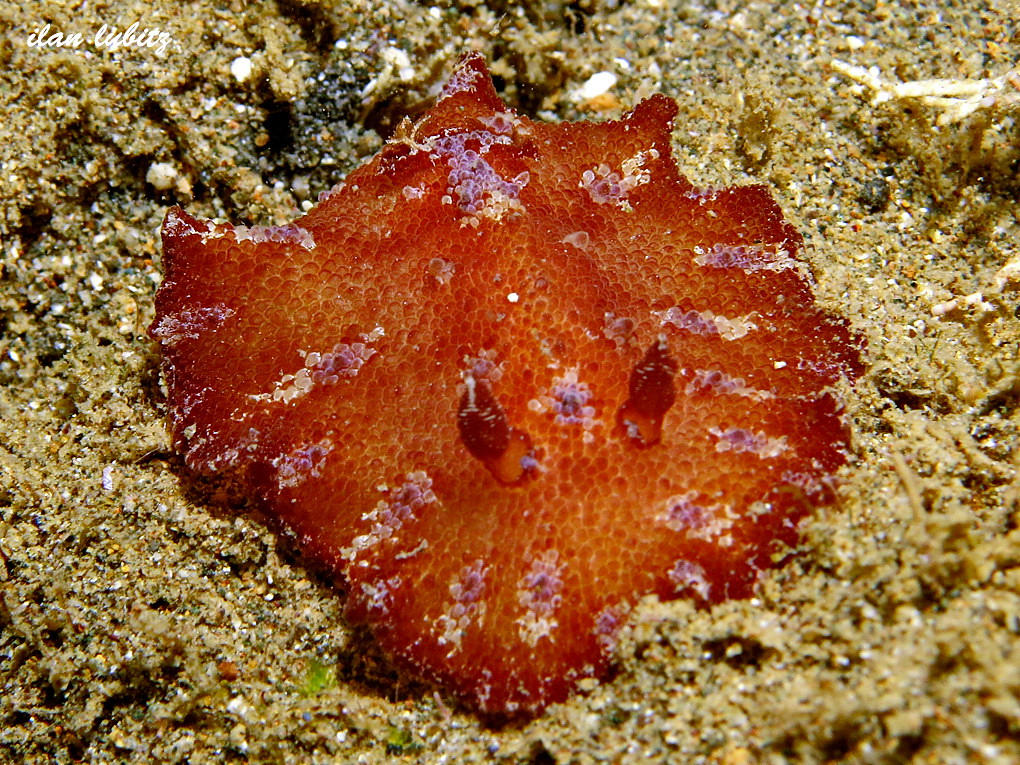
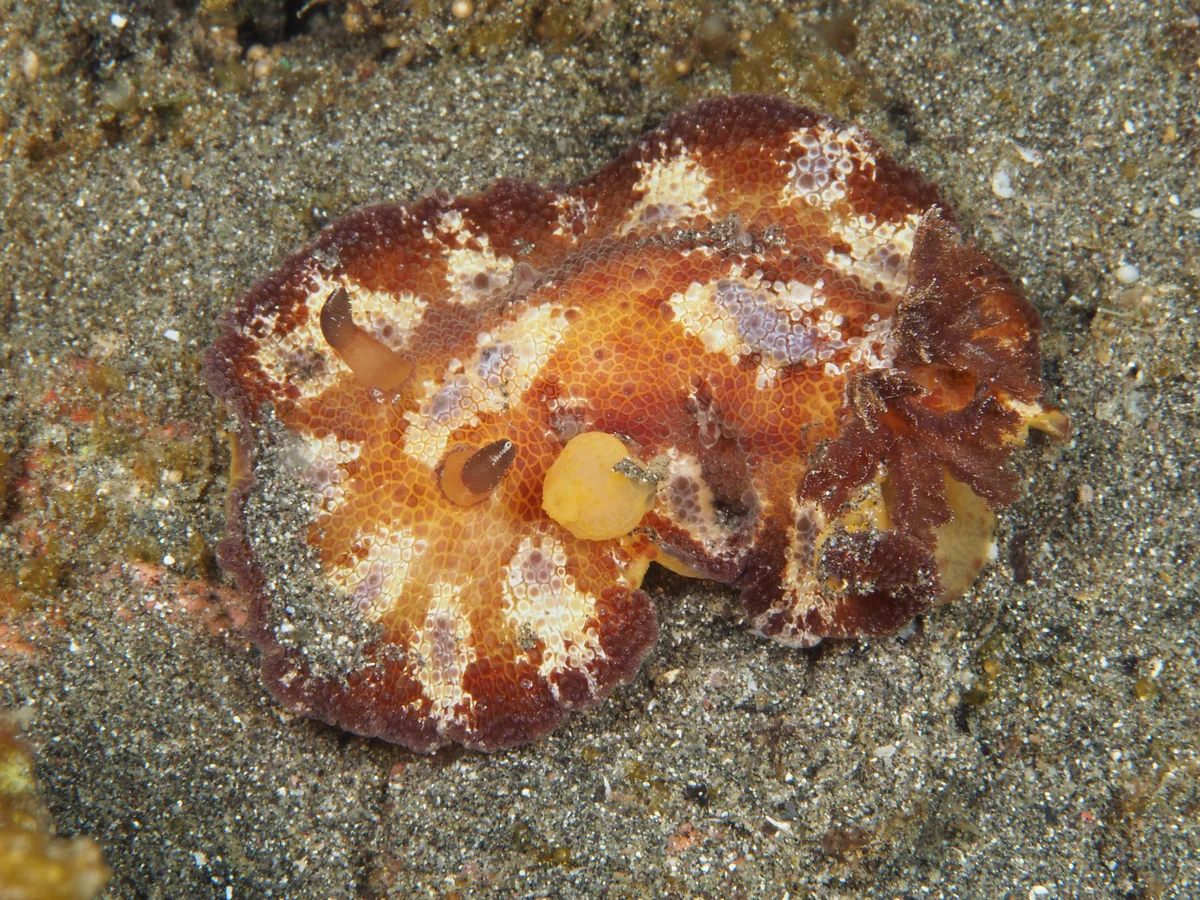
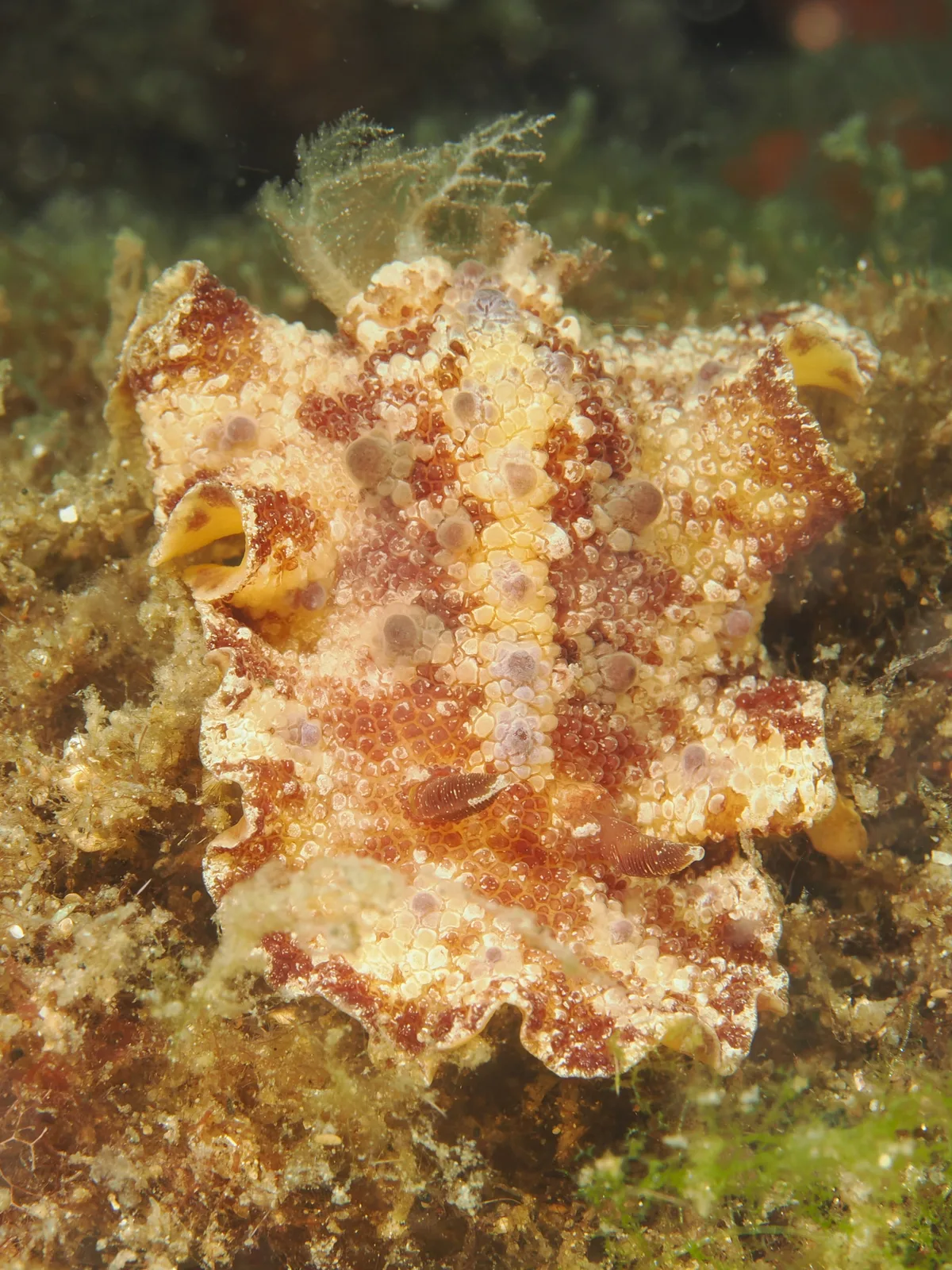
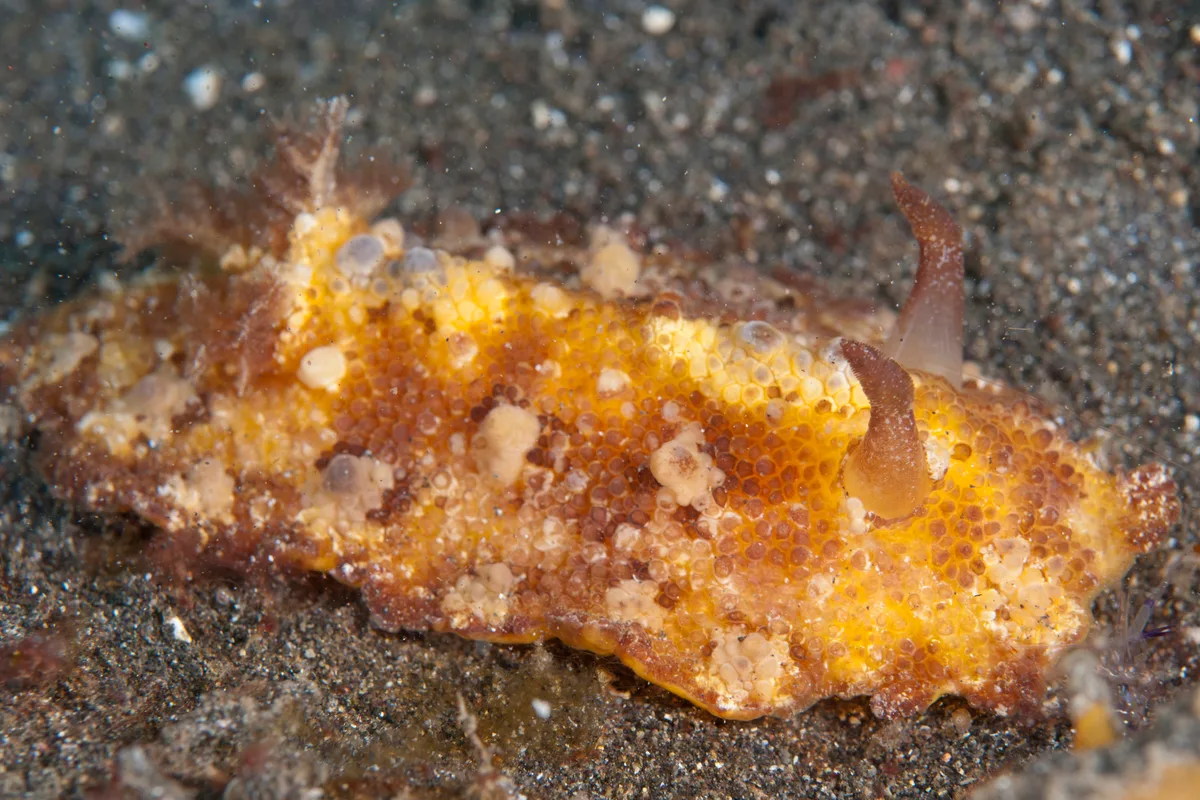
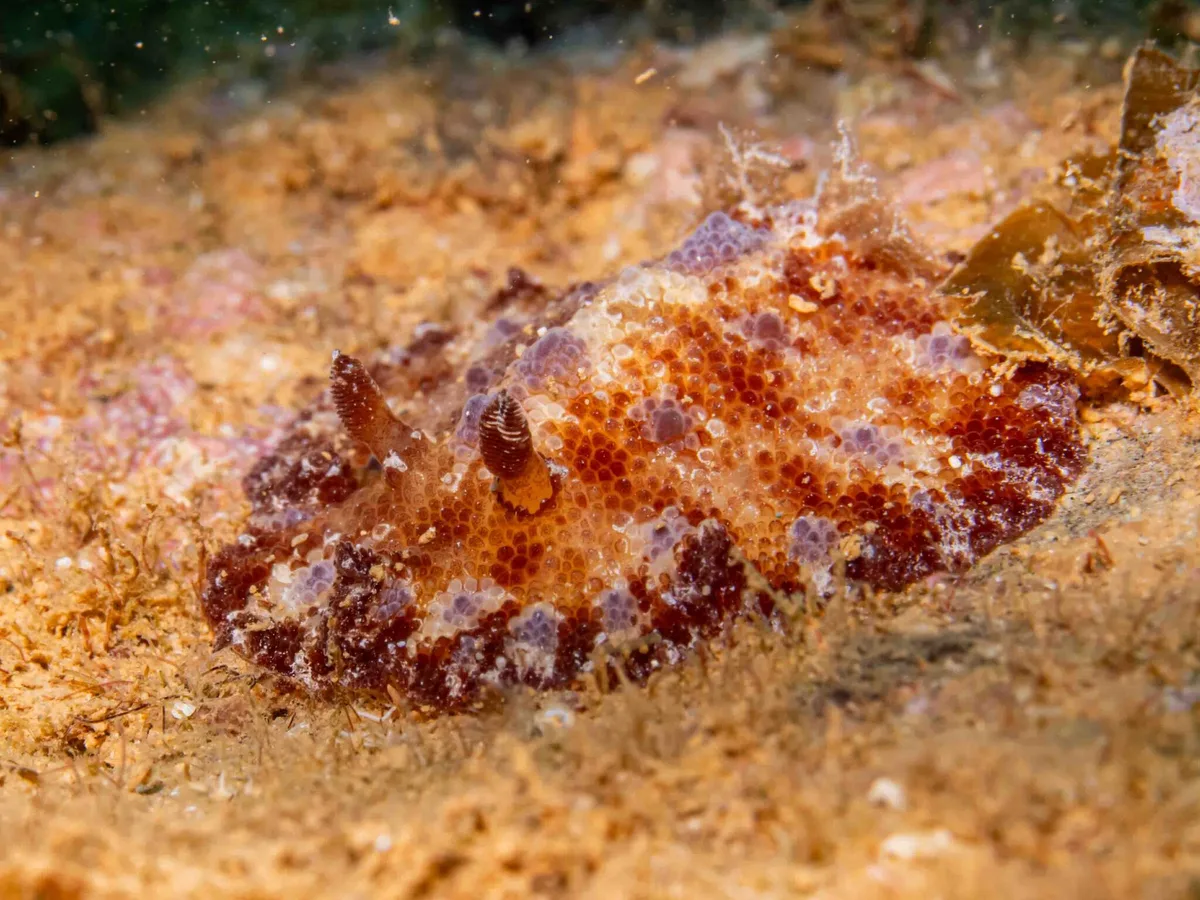
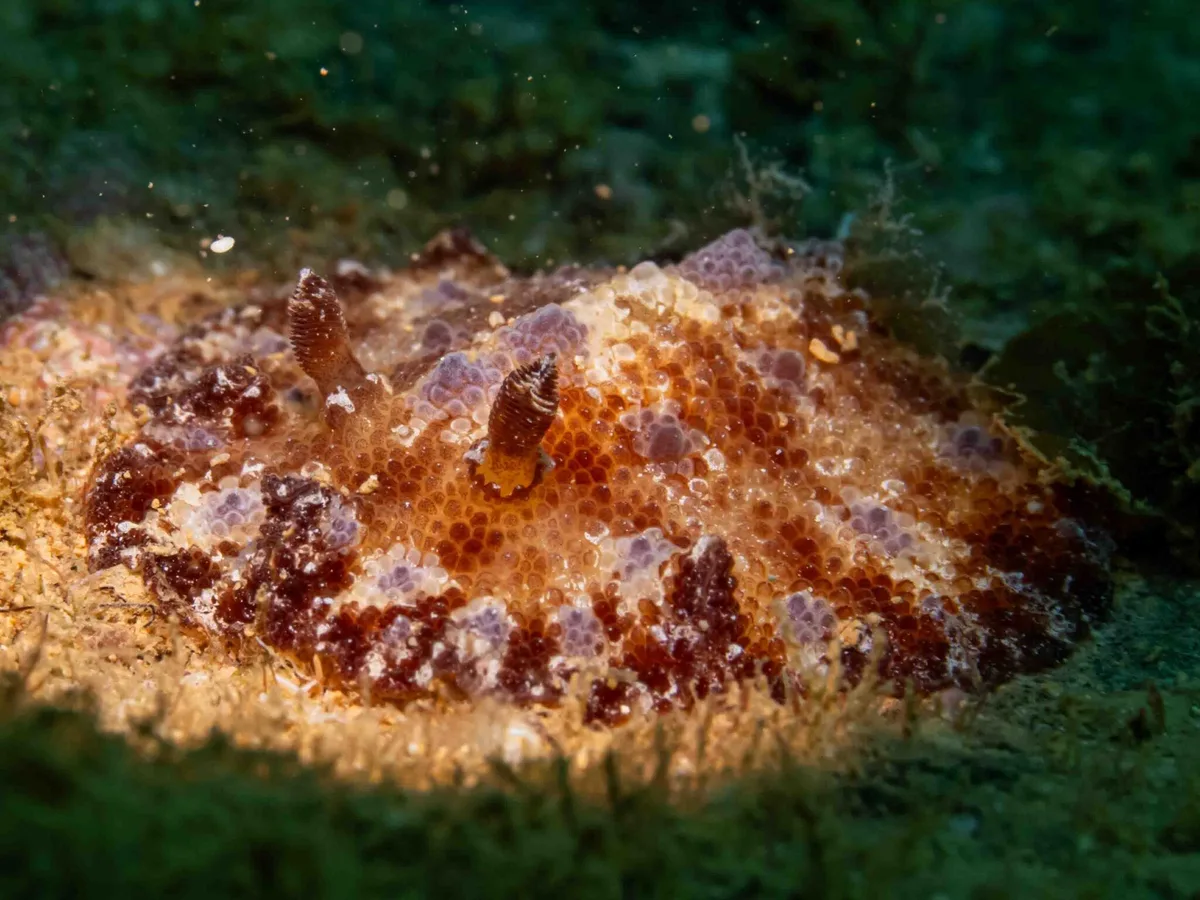
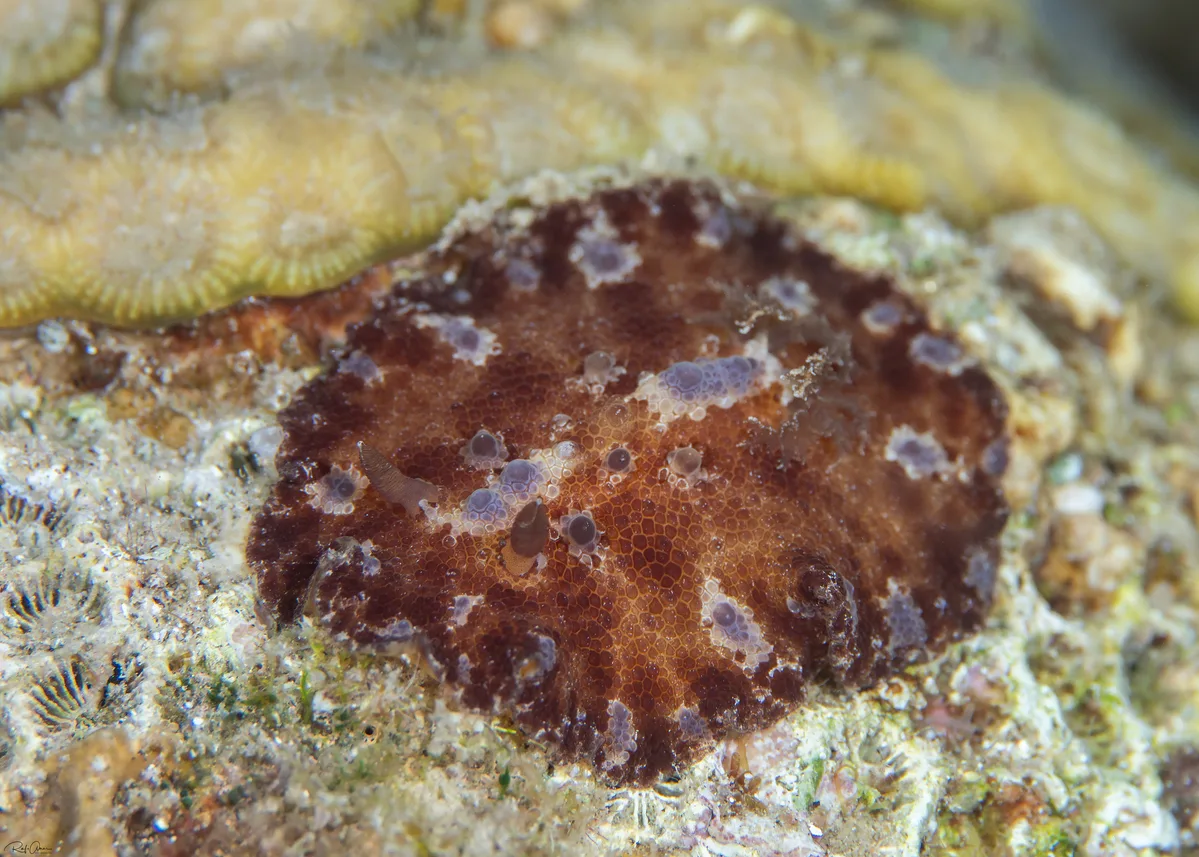
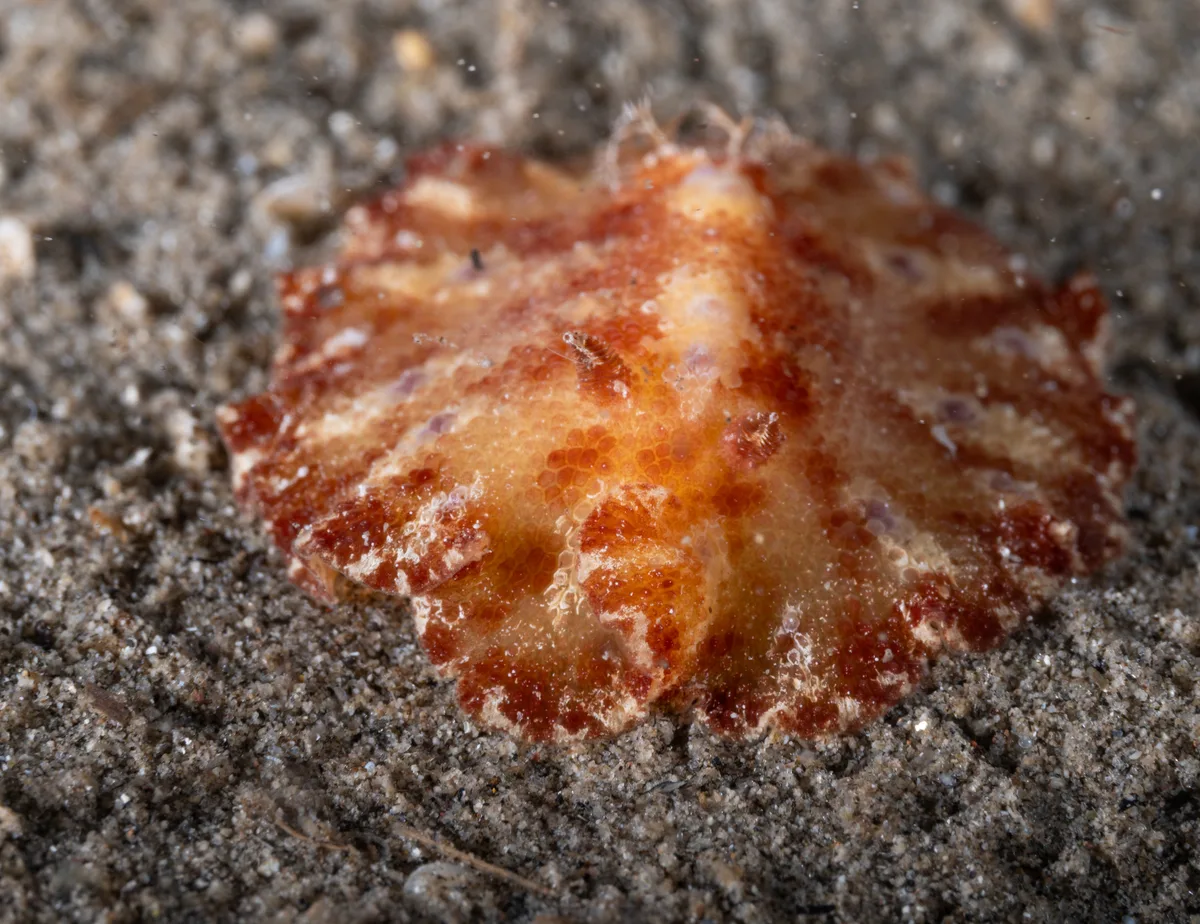
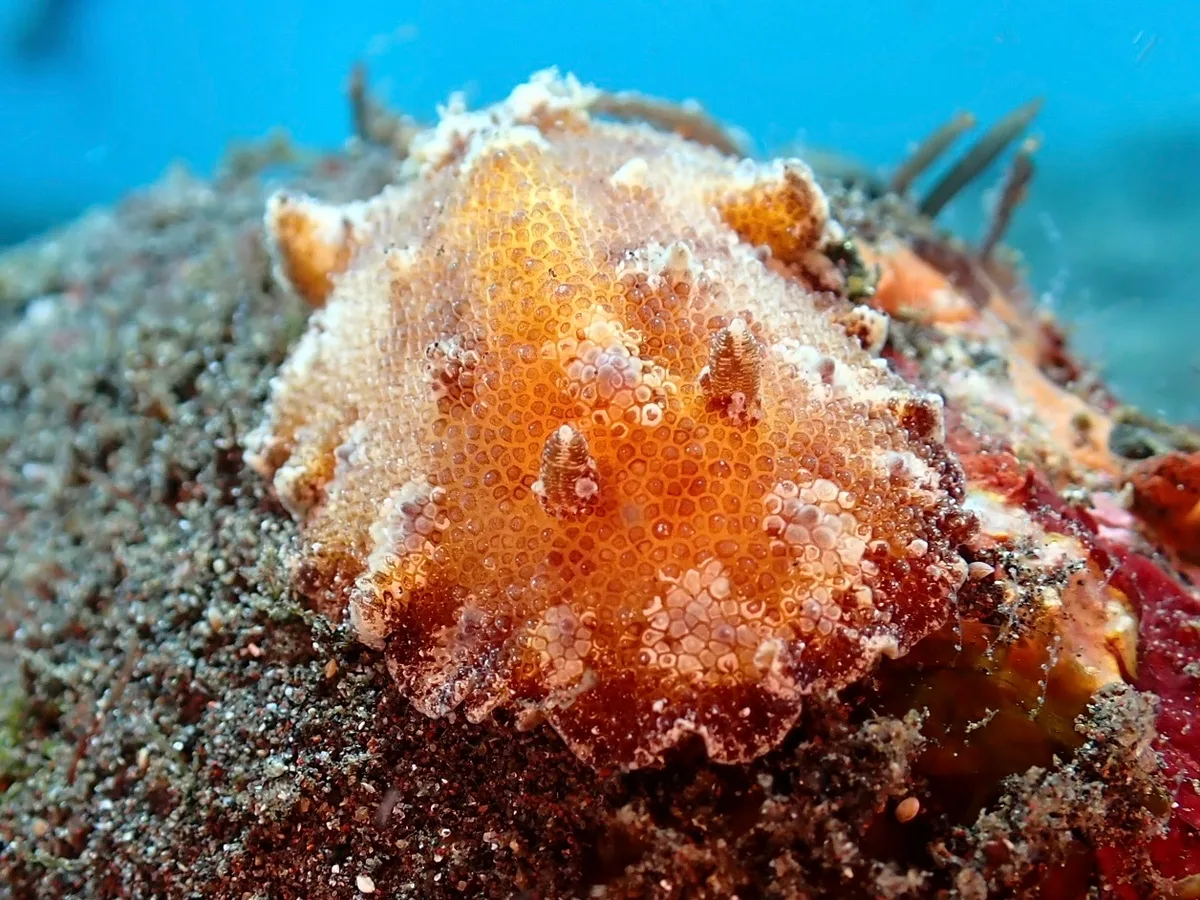
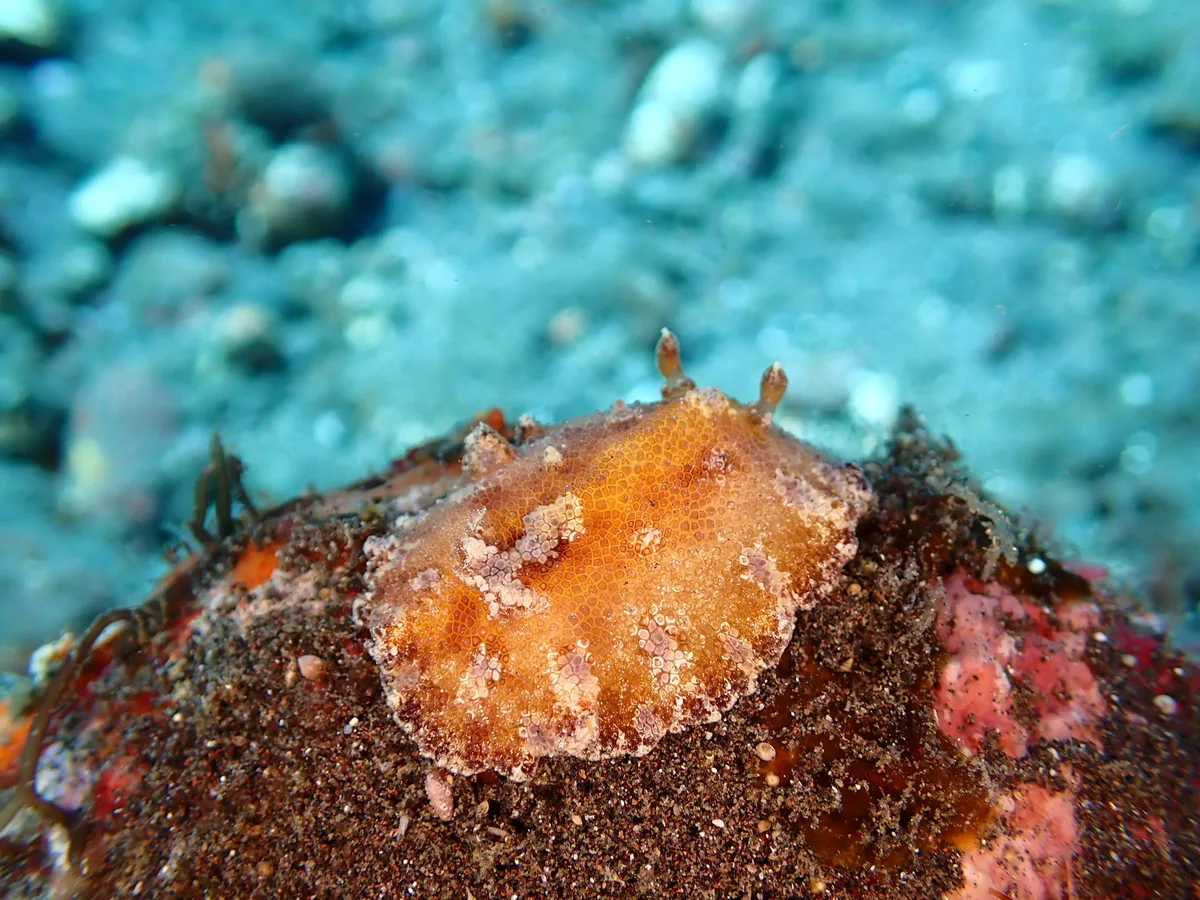
Discodoris cebuensis - Desa Wolwal, Wolwal, Kec. Alor Barat Daya, Kabupaten Alor, Nusa Tenggara Tim., Indonesia
Discodoris cebuensis
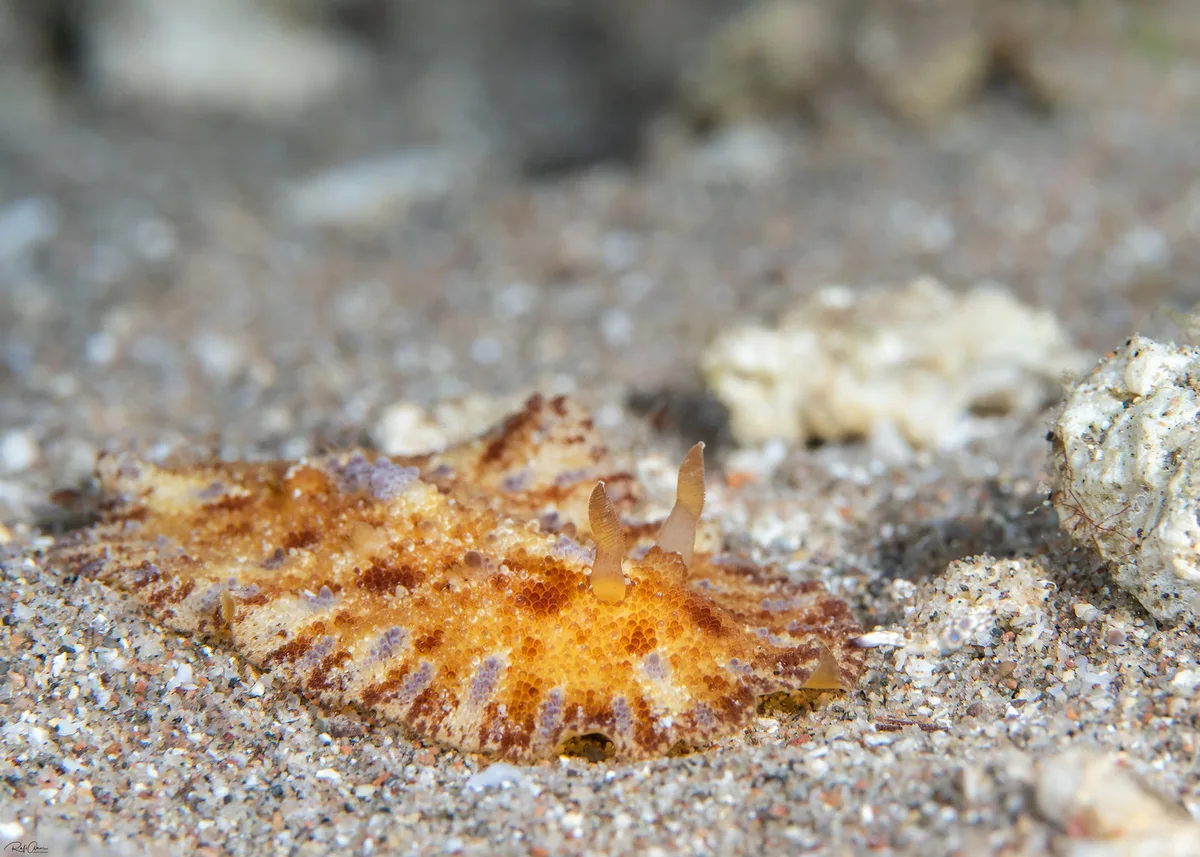
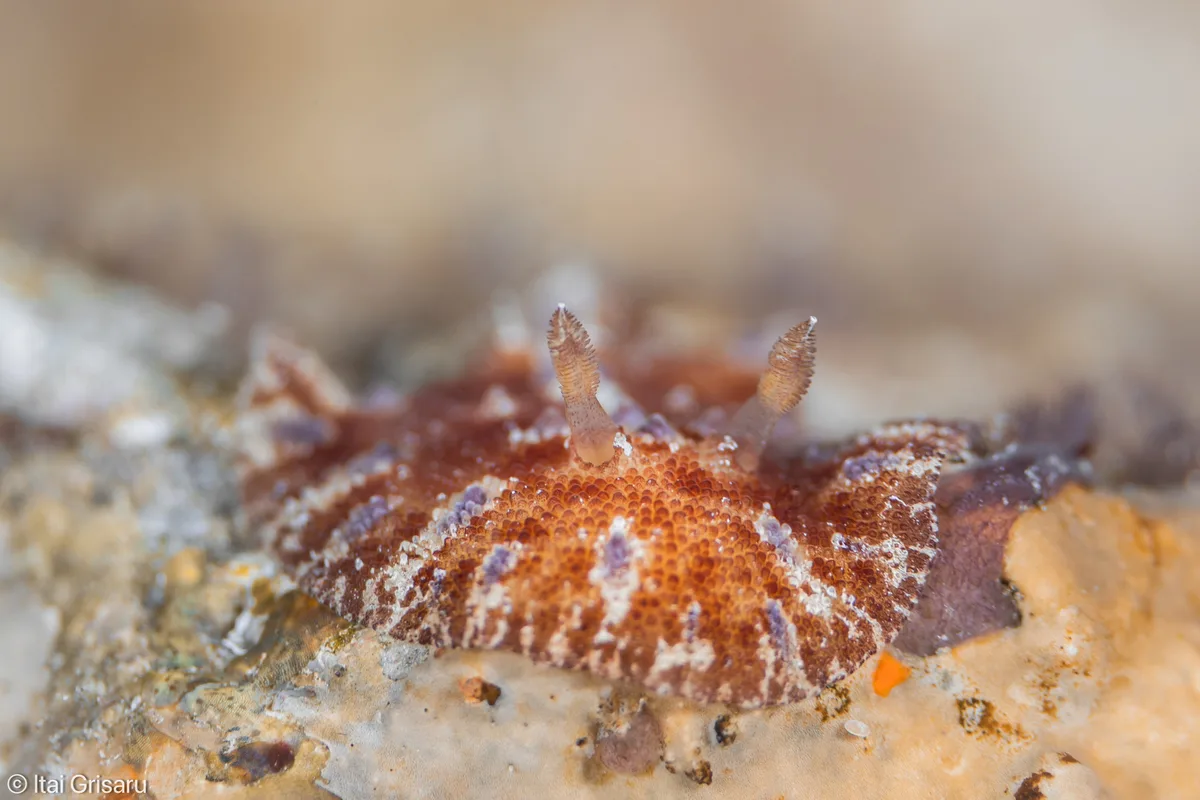
Discodoris cebuensis - Red Sea, Southern District, IL
Discodoris cebuensis - Torpedo Alley, South Rinca Island, East Sumba Regency, East Nusa Tenggara, Indonesia
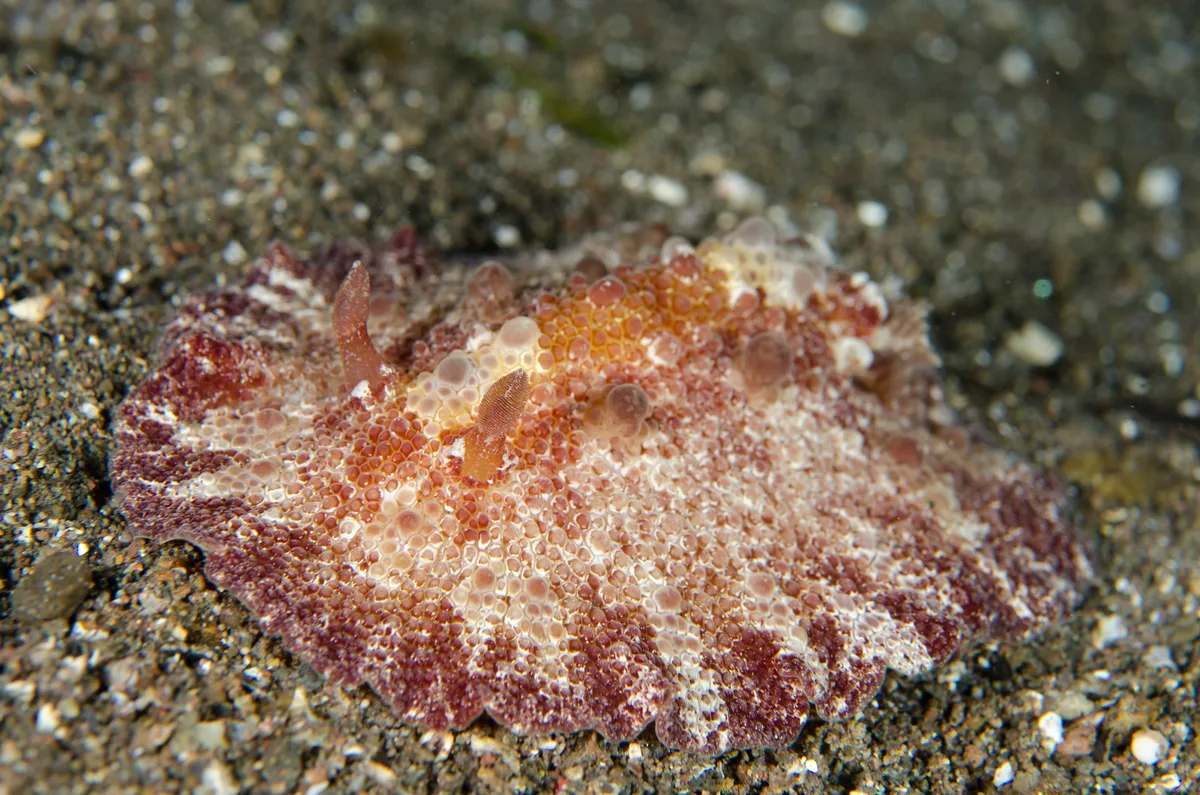
Discodoris cebuensis - Aerprang, Lembeh Strait, Indonesia
Discodoris cebuensis - Ouémo, Nouméa, Nouvelle-Calédonie
Nudibranch (Discodoris cebuensis)
Discodoris cebuensis
Discodoris cebuensis IMG_8044
Discodoris cebuensis IMG_8046
Discodoris cebuensis - Desa Wolwal, Wolwal, Kec. Alor Barat Daya, Kabupaten Alor, Nusa Tenggara Tim., Indonesia
Discodoris cebuensis - Rojos, Bitung City, North Sulawesi, Indonesia
Discodoris cebuensis - Ouémo, Nouméa, Nouvelle-Calédonie
Discodoris cebuensis - אילת, ישראל
Discodoris cebuensis - Maluay, Zamboanguita, Negros Oriental, Philippines
Discodoris cebuensis - Bali Sea, 峇里島, ID
Poisonous© Pam McPherson
Invertebrate · Molluscs · Nudibranch

Lilac-spotted Tentacled Dorid

Discodoris cebuensis Bergh, 1877
up to 4 cmPoisonous
0

The wide flat skirt around this slug is not only camouflage. It is detachable, and losing part of it is a normal event in the life of the animal.

Dorid sea slugs carry a mantle that extends well beyond the foot on all sides, a thin overhanging rim that flattens the outline against the rock and removes any shadow. In this genus that rim is also a sacrificial part. Seized by a fish or a crab, the animal tears the gripped section of the margin away and leaves with the rest, and the detached piece goes on writhing for a while, which is exactly long enough to matter. It is the same trade a lizard makes with its tail, and it explains why so many photographs of these animals show a mantle edge with a bite-shaped gap or a healed notch in it.

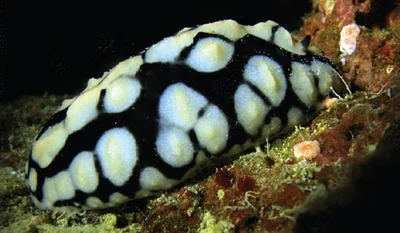
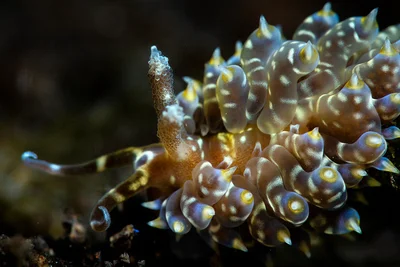
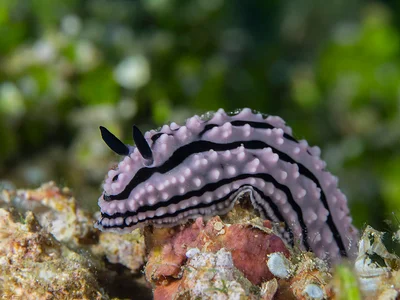
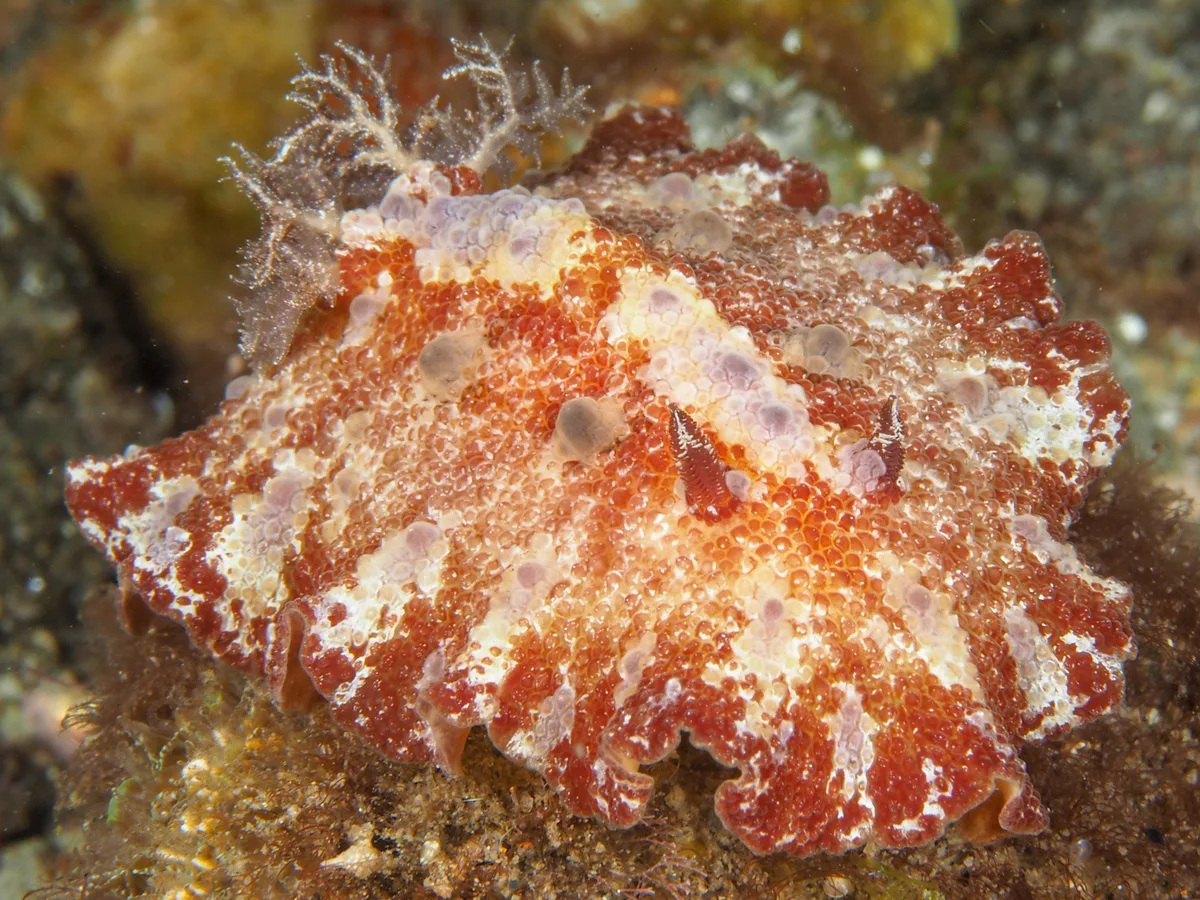
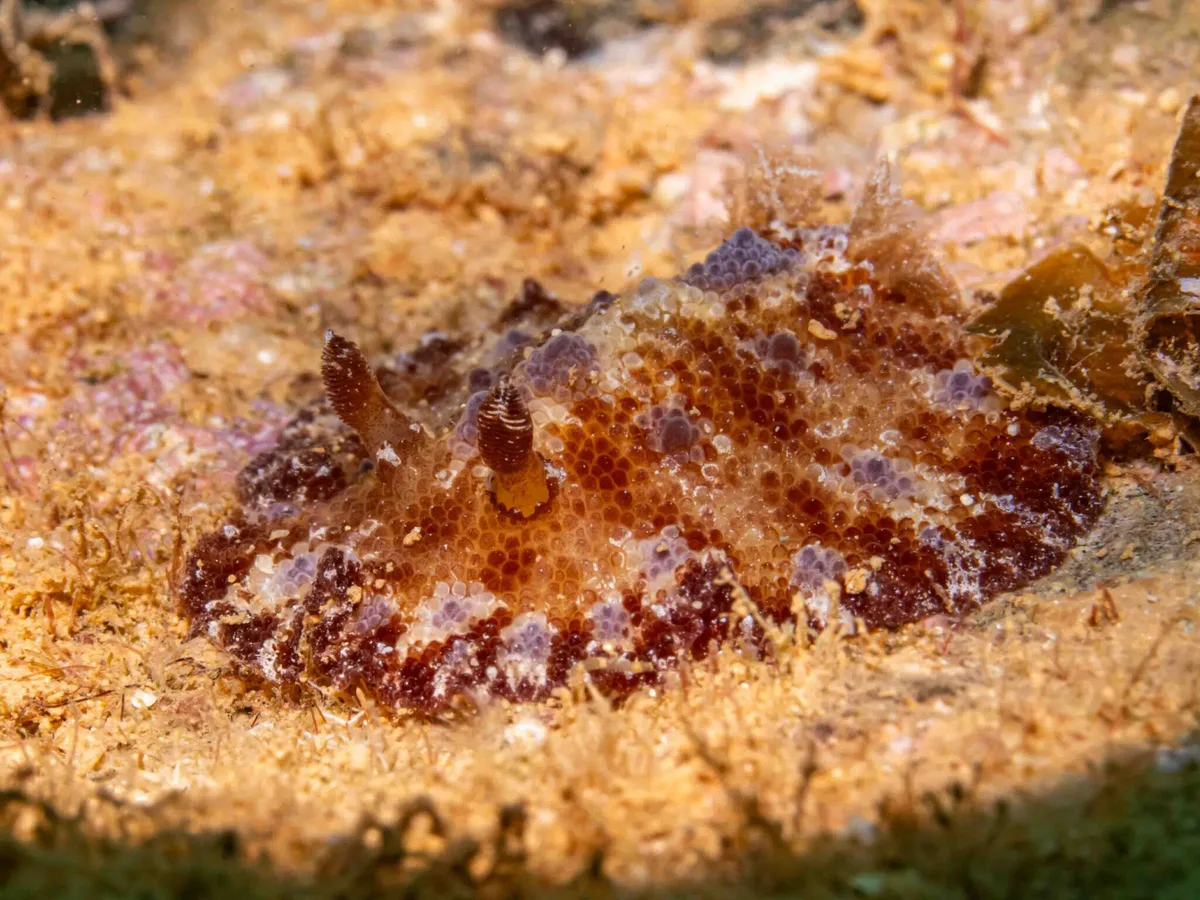
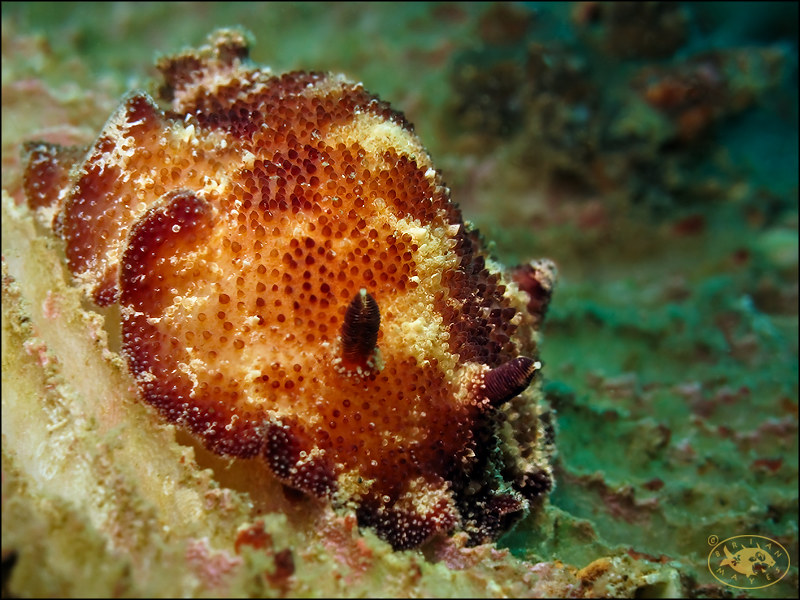
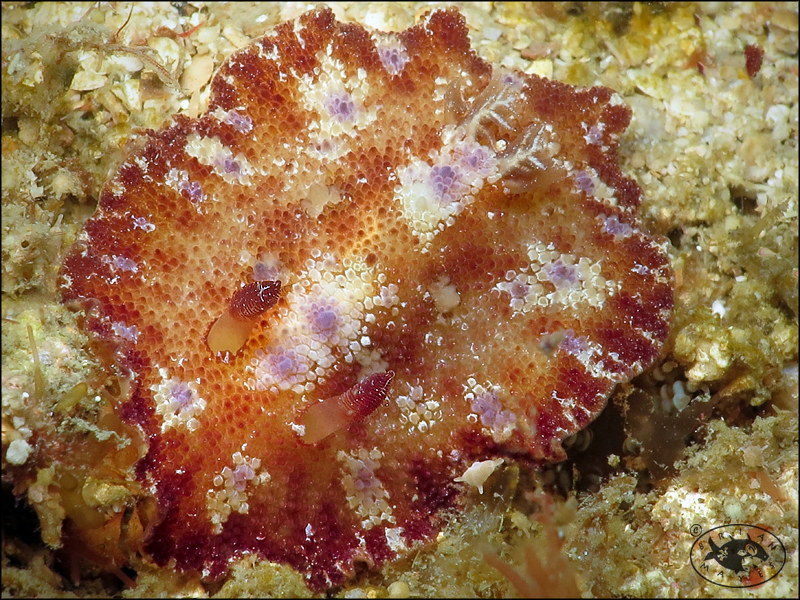
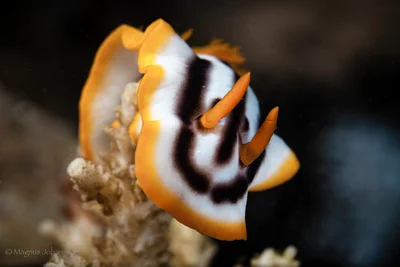
The rest of it is worth a look for the pattern. Four centimeters (1.6 in) of brown back broken by purple and cream patches, irregular, with no line or margin to fix on: that patchwork is doing the same job the skirt does, breaking the animal into pieces that do not add up to a slug against sponge-covered rubble.

It eats sponges, it comes out after dark, and the sensible way to find one is to check the underside of loose rubble slabs with a torch and look for something with a torn edge.

How to recognise it
  • brown back broken up by purple and cream patches
  • wide flat mantle skirt standing out well beyond the foot
  • the skirt is often ragged or notched, from pieces torn off in an earlier attack
  • flattened profile, sitting close to the surface it is on
Comments

Please, sign in to leave a comment

Continue with a social account - yours will be created automatically.

No comments yet — be the first.

Last Update: August 26, 2026