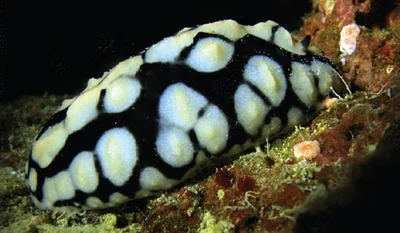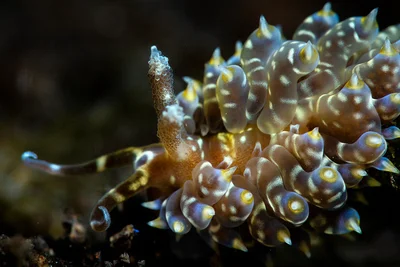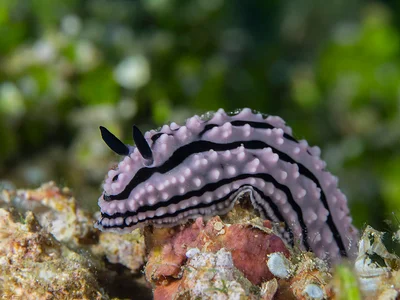
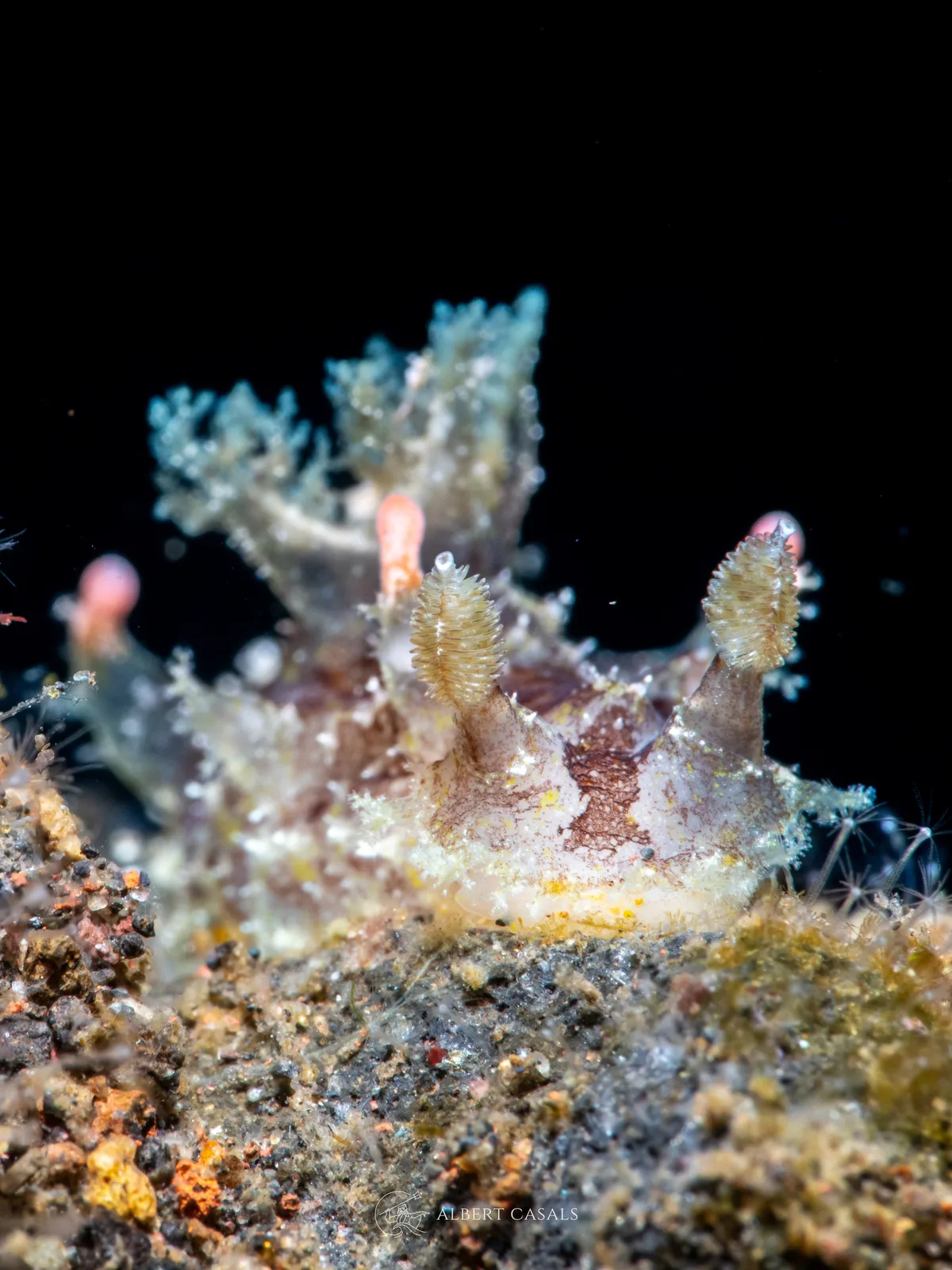
Plocamopherus ceylonicus
Plocamopherus ceylonicus - TW
Plocamopherus ceylonicus
Plocamopherus ceylonicus - TW
Plocamopherus ceylonicus - 228台灣新北市貢寮區
Plocamopherus ceylonicus - Karang Asem, ID-BA, ID
Plocamopherus ceylonicus              BS
Plocamopherus ceylonicus - North Sulawesi, ID
Plocamopherus ceylonicus?
Plocamopherus ceylonicus - 台灣新北市貢寮區
Plocamopherus ceylonicus - 228台灣新北市貢寮區
_Z2A6146 Plocamopherus ceylonicus
Plocamopherus ceylonicus - 台灣新北市貢寮區
Plocamopherus ceylonicus
I am Not A Rock
Plocamopherus ceylonicus - North Sulawesi, ID
Plocamopherus ceylonicus - 228台灣新北市貢寮區
Plocamopherus ceylonicus - Tasman Sea, Sandy Beach, AU
Plocamopherus ceylonicus - 228台灣新北市貢寮區
Plocamopherus ceylonicus - Nelson Bay - Corlette NSW, Australia
Plocamopherus ceylonicus - 228台灣新北市貢寮區
Plocamopherus ceylonicus - Nelson Bay - Corlette NSW, Australia
Plocamopherus ceylonicus - 台灣新北市貢寮區
Plocamopherus ceylonicus - 228台灣新北市貢寮區
Plocamopherus ceylonicus - Karang Asem, ID-BA, ID
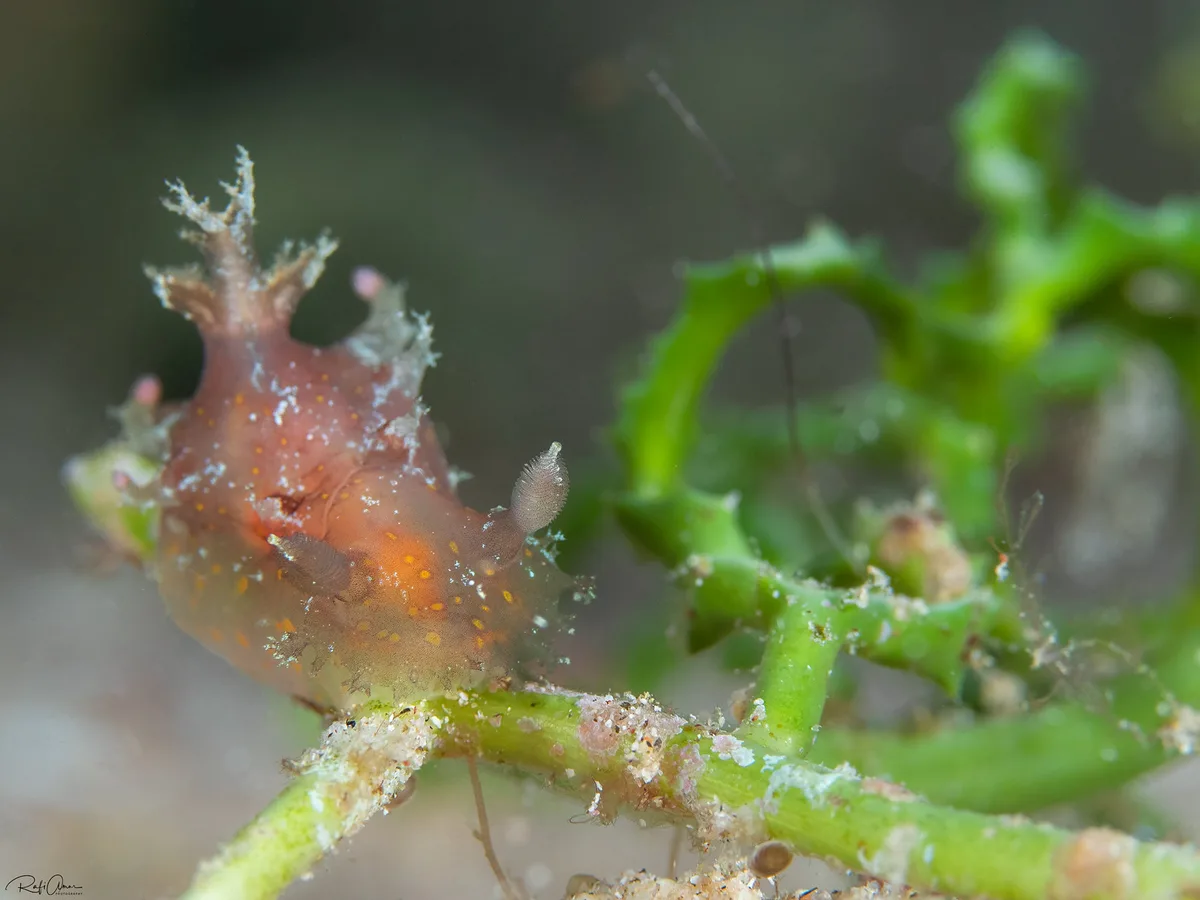
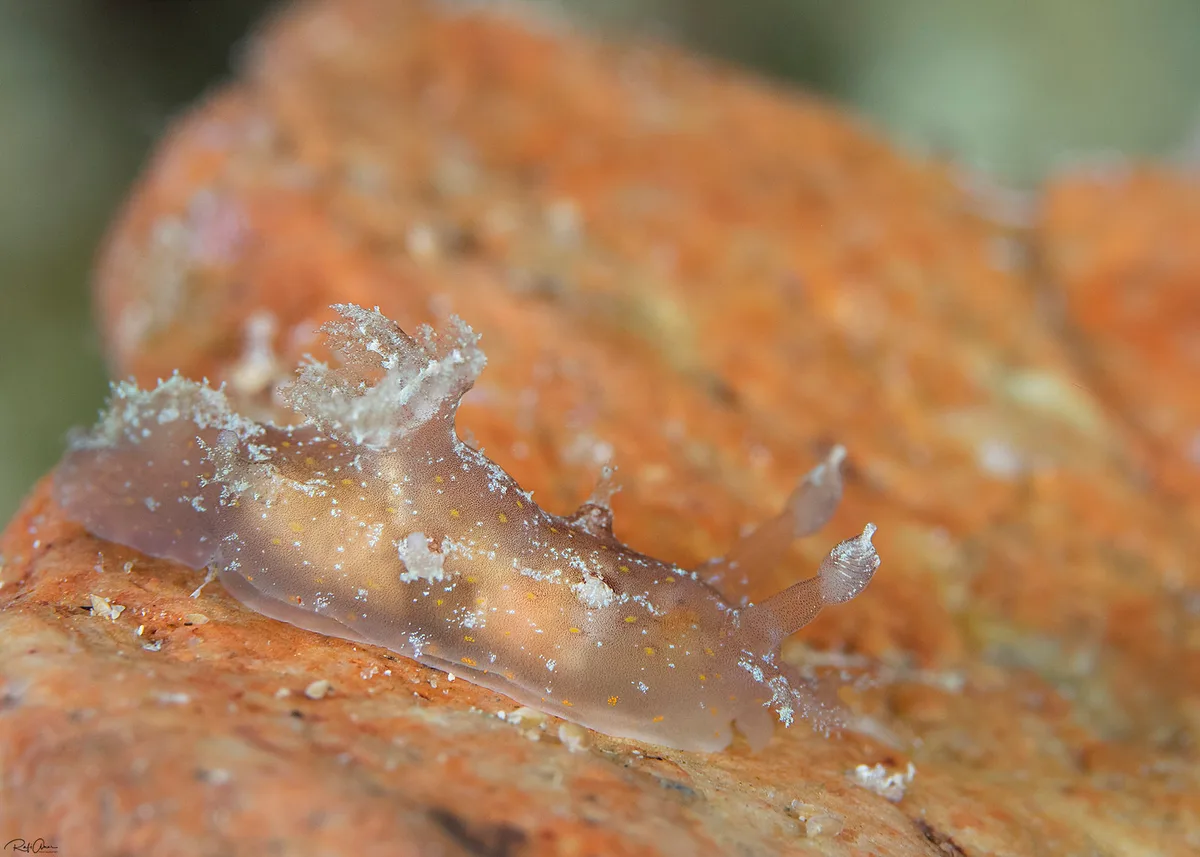
Poisonous© Rafi Amar
Invertebrate · Molluscs · Nudibranch

Filigreed Plocamopherus

Plocamopherus ceylonicus (Kelaart, 1858)
syn. Polycera ceylanica
up to 2 cmPoisonous
0

The other two members of this genus on the reef are large animals that solve their problems by flashing light. This one is two centimeters (0.8 in) long and solves them by not being found.

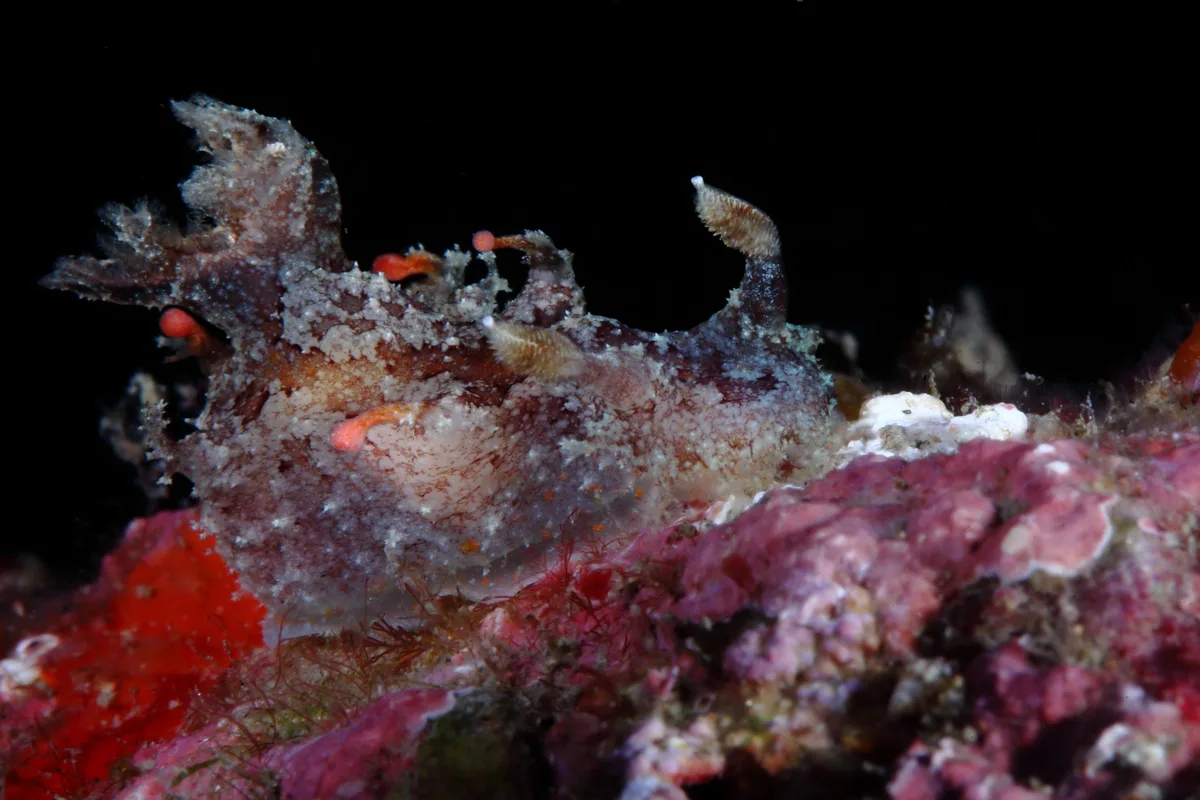
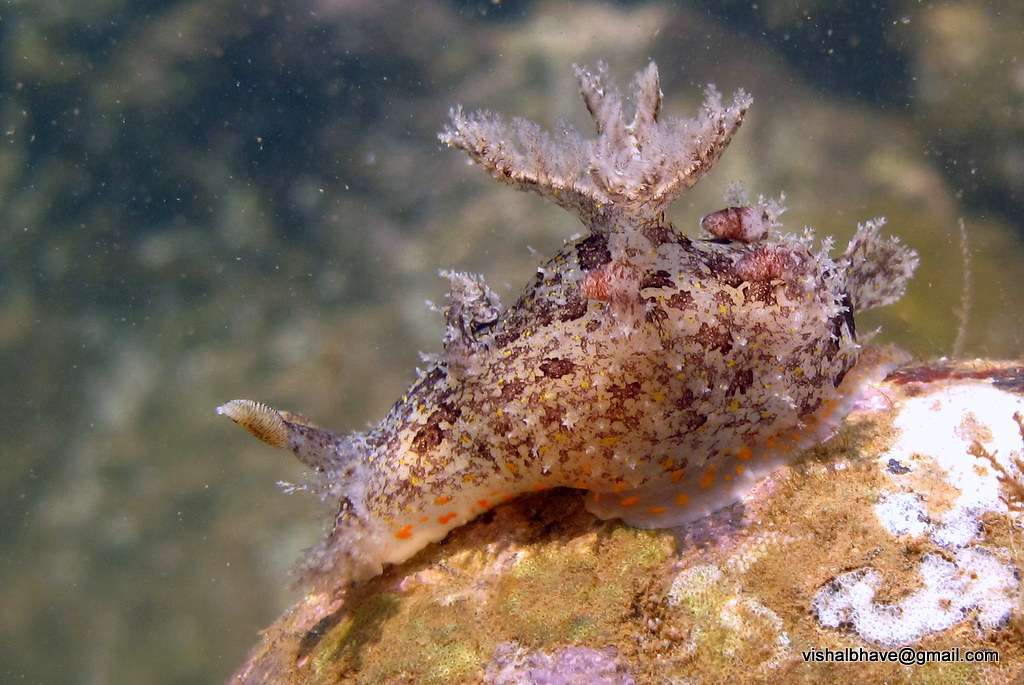
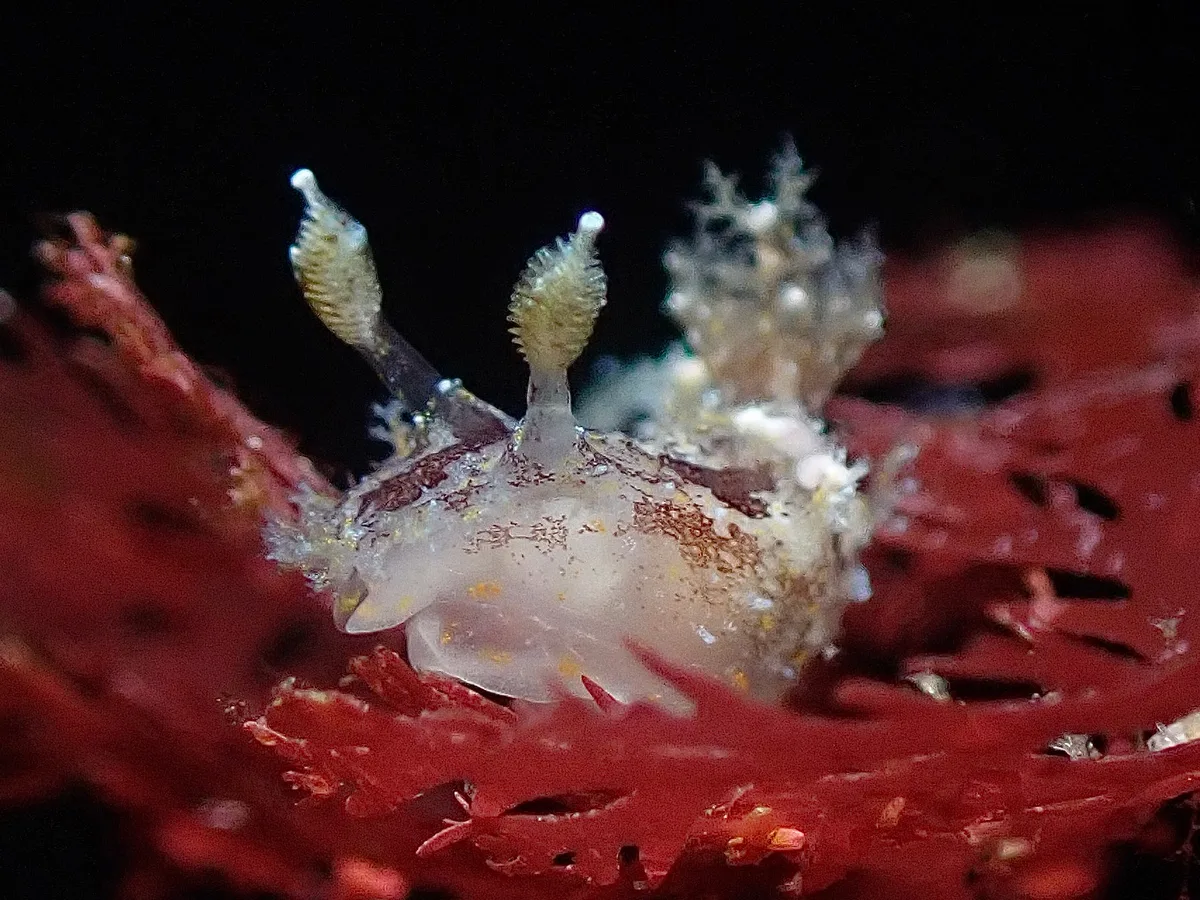
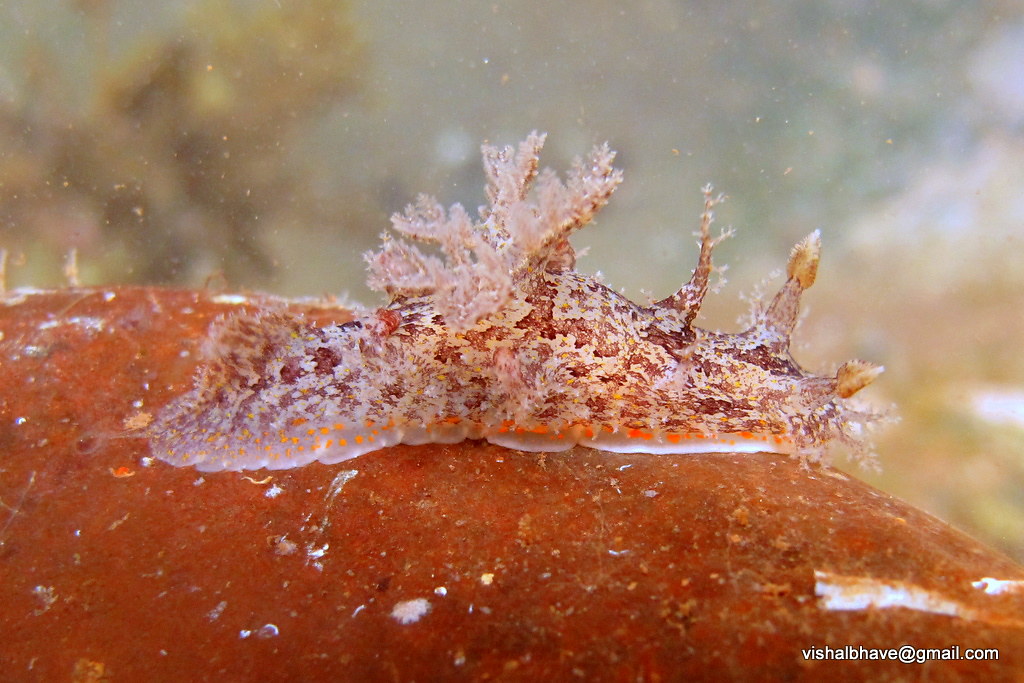
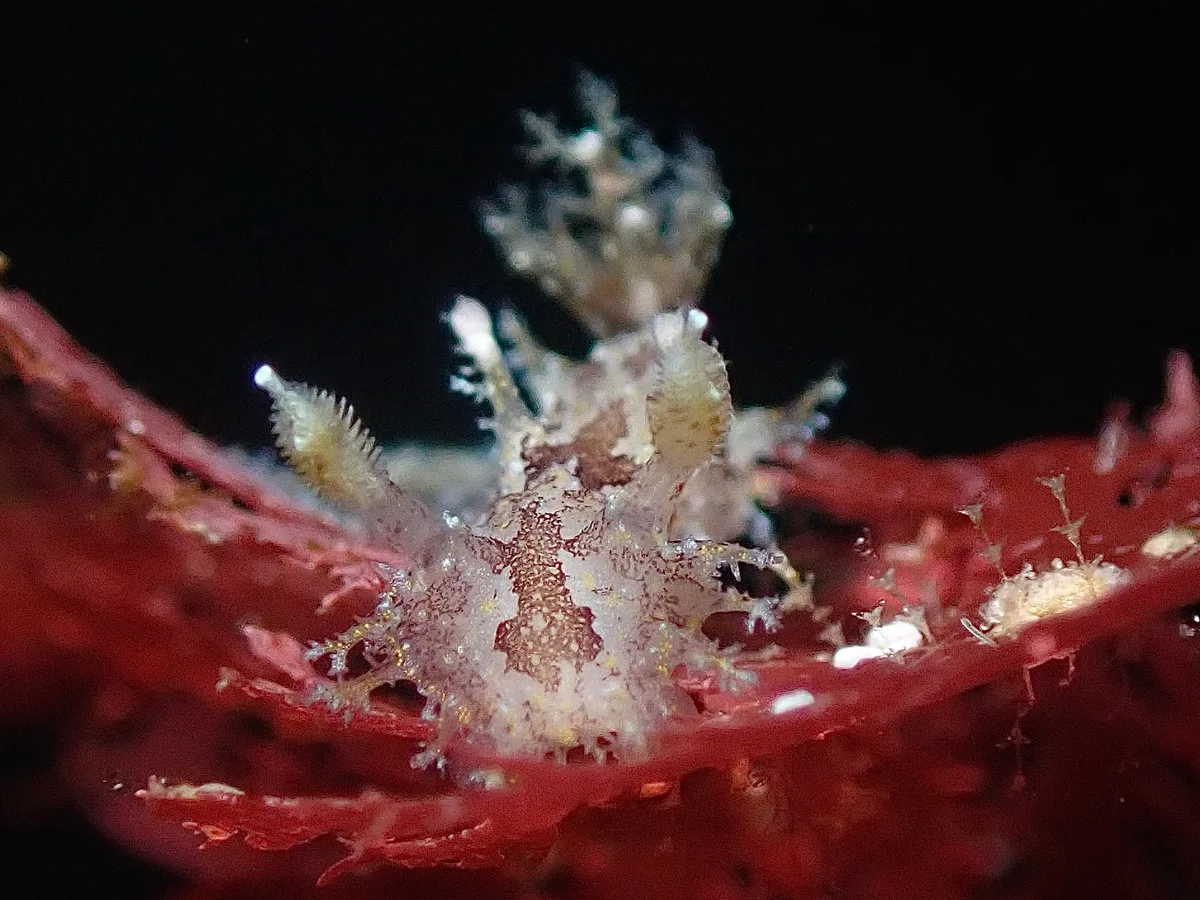
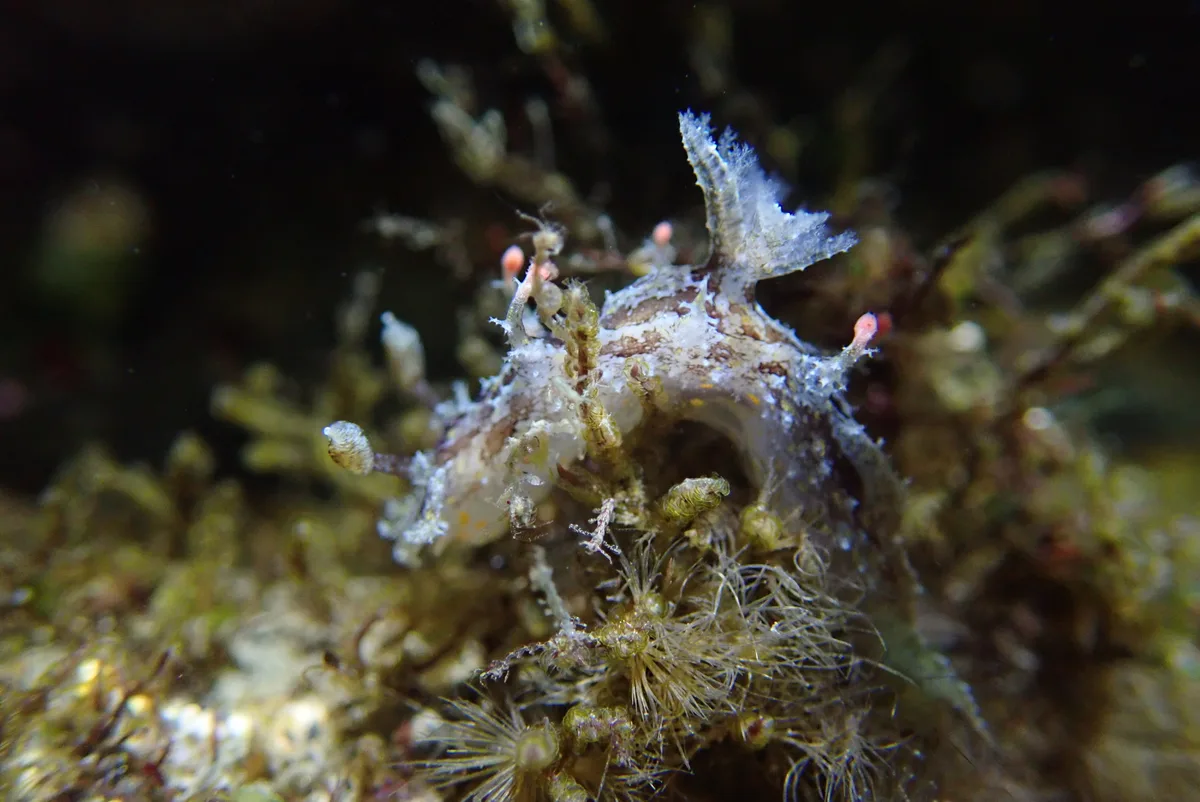
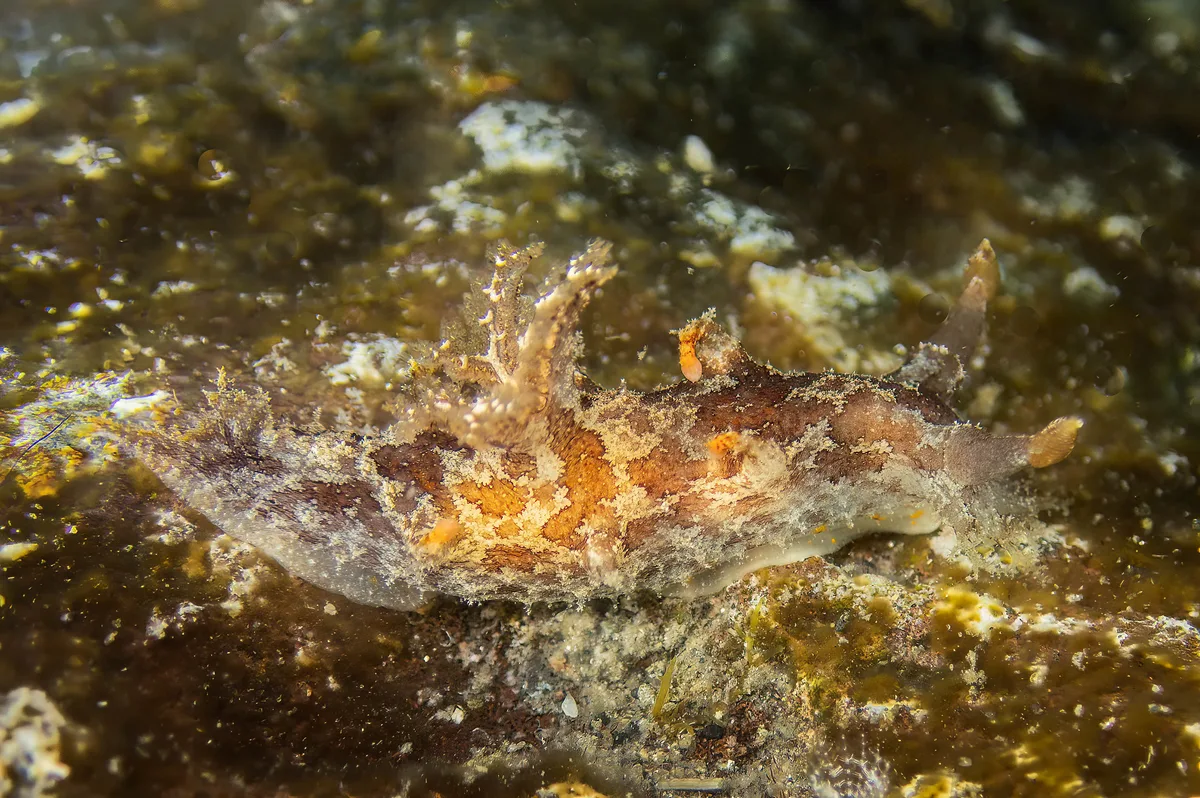
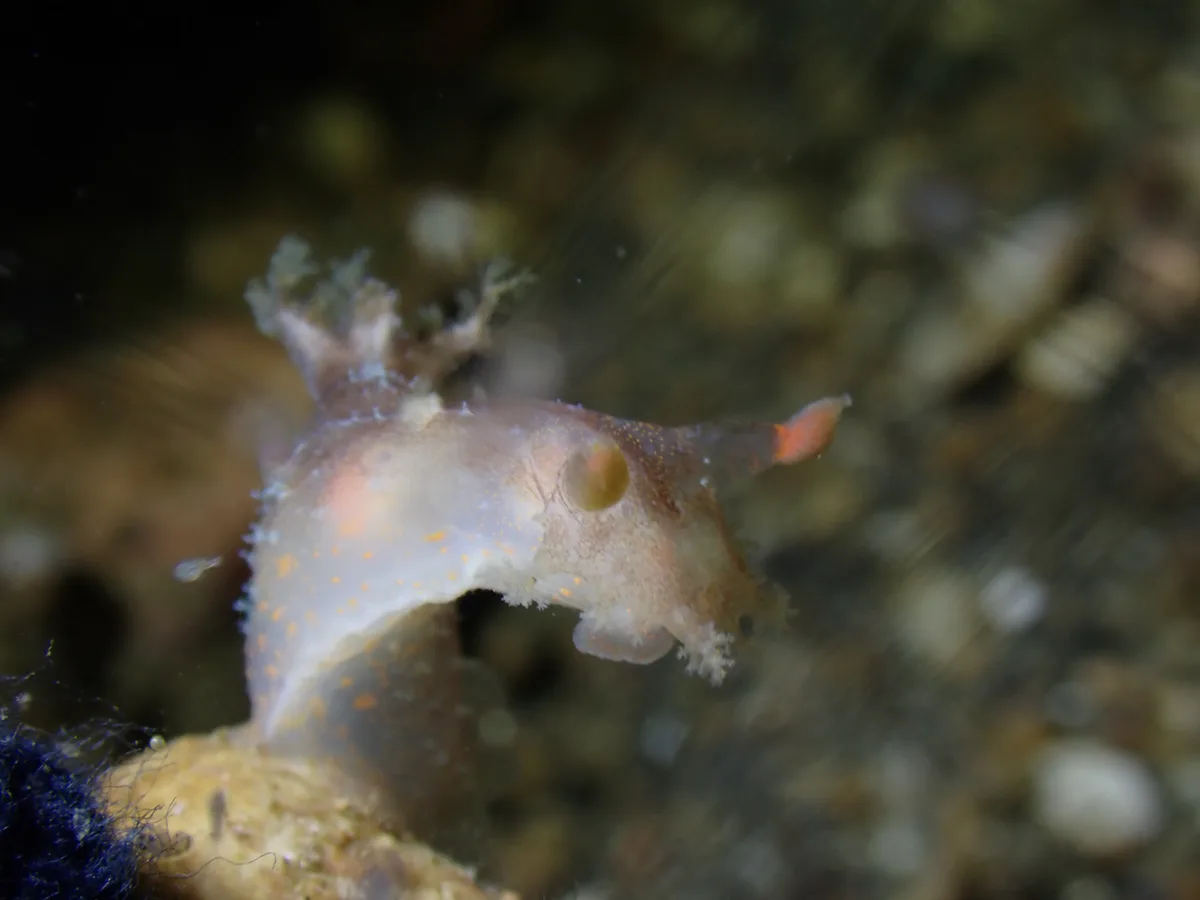
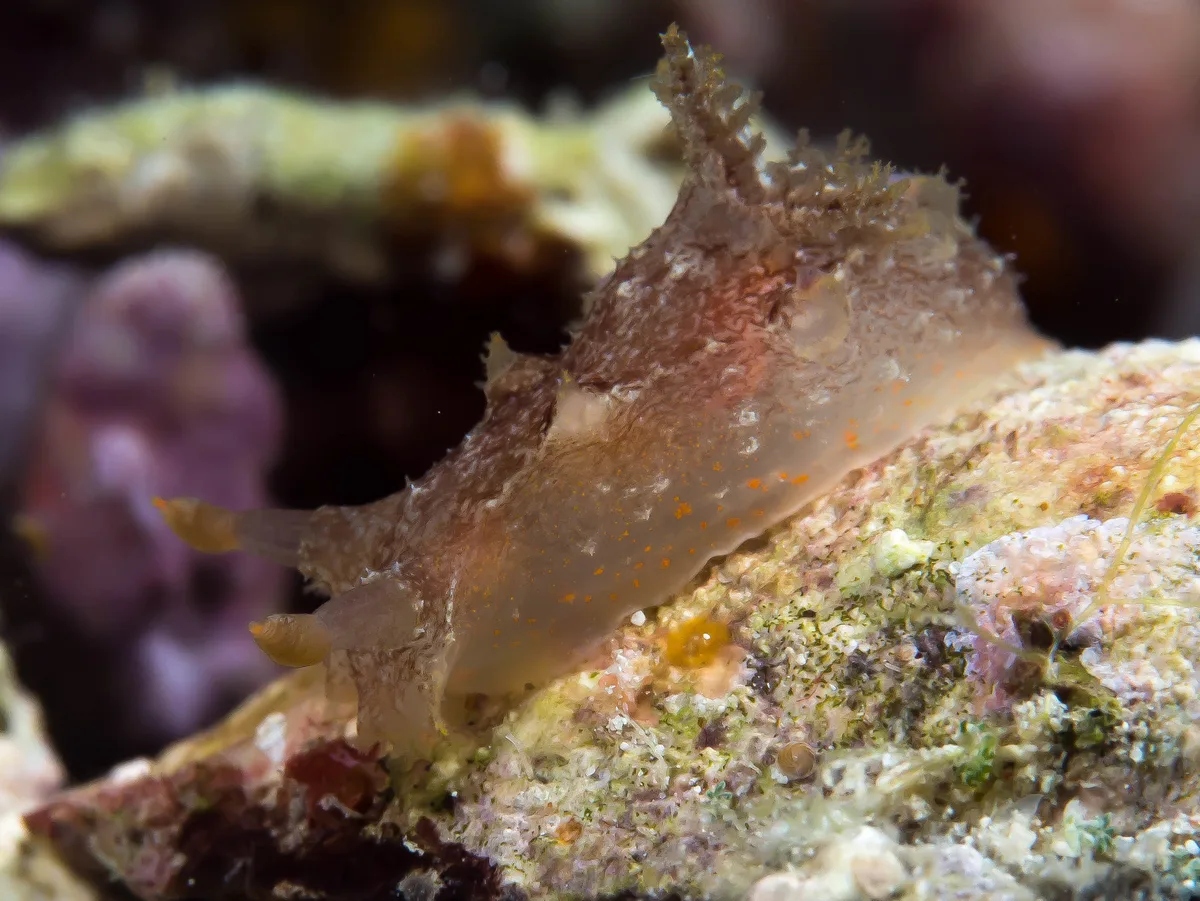
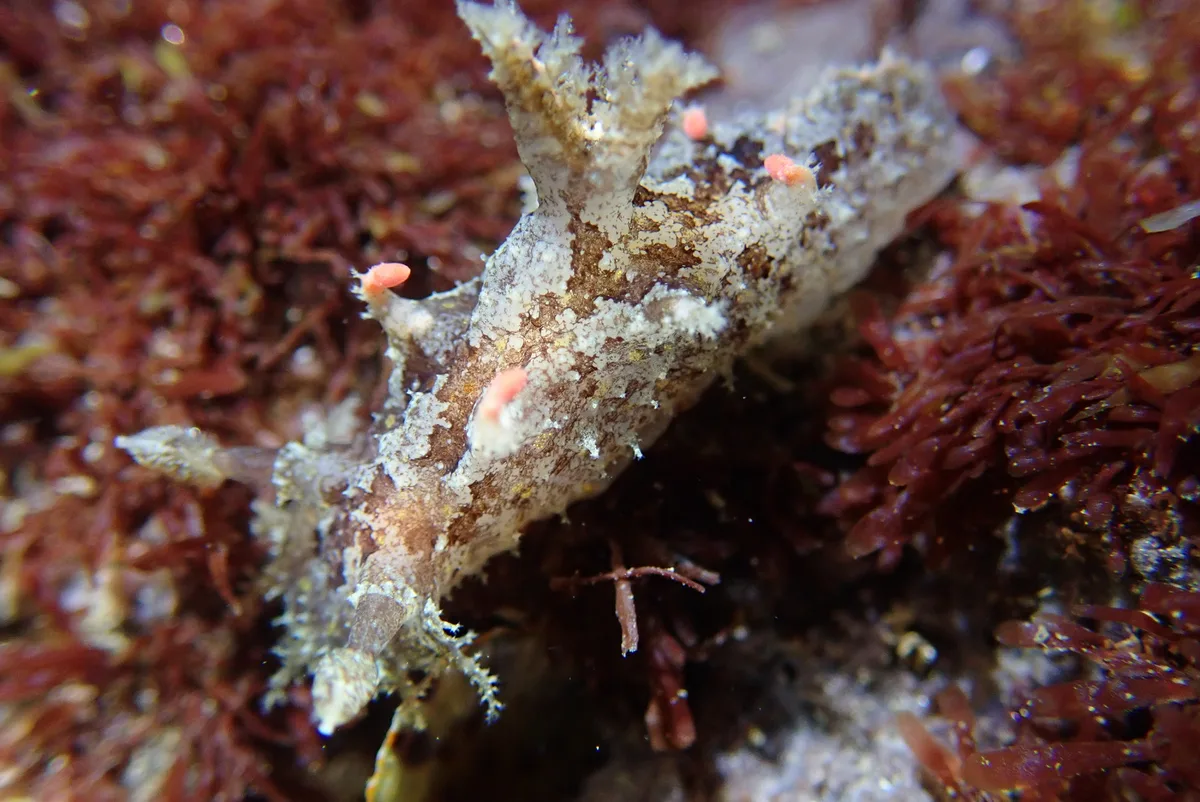
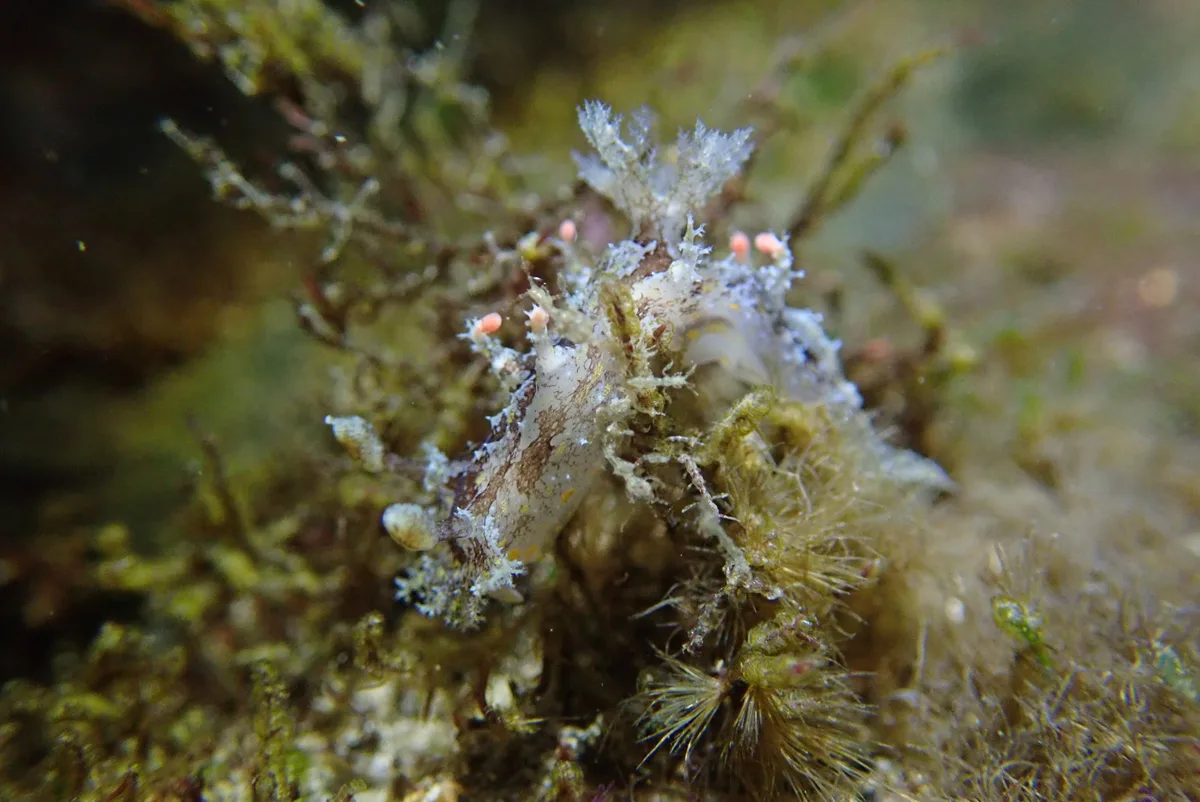
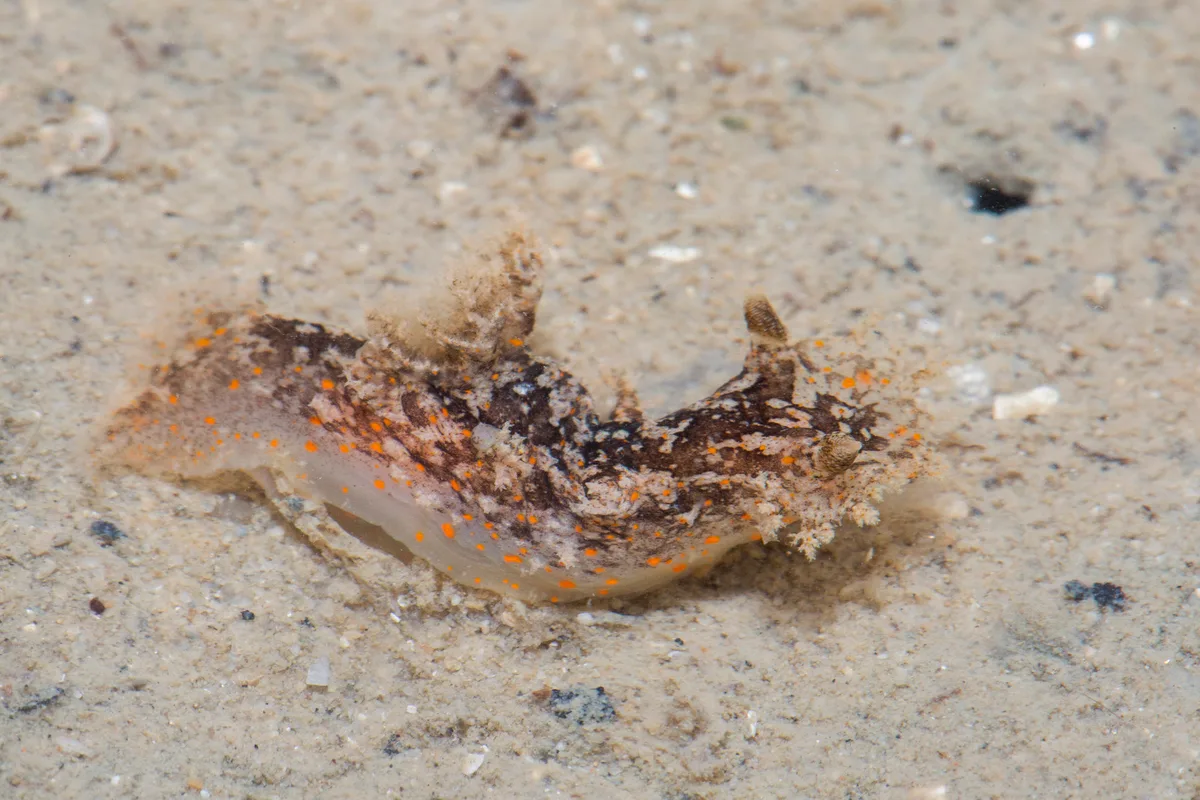
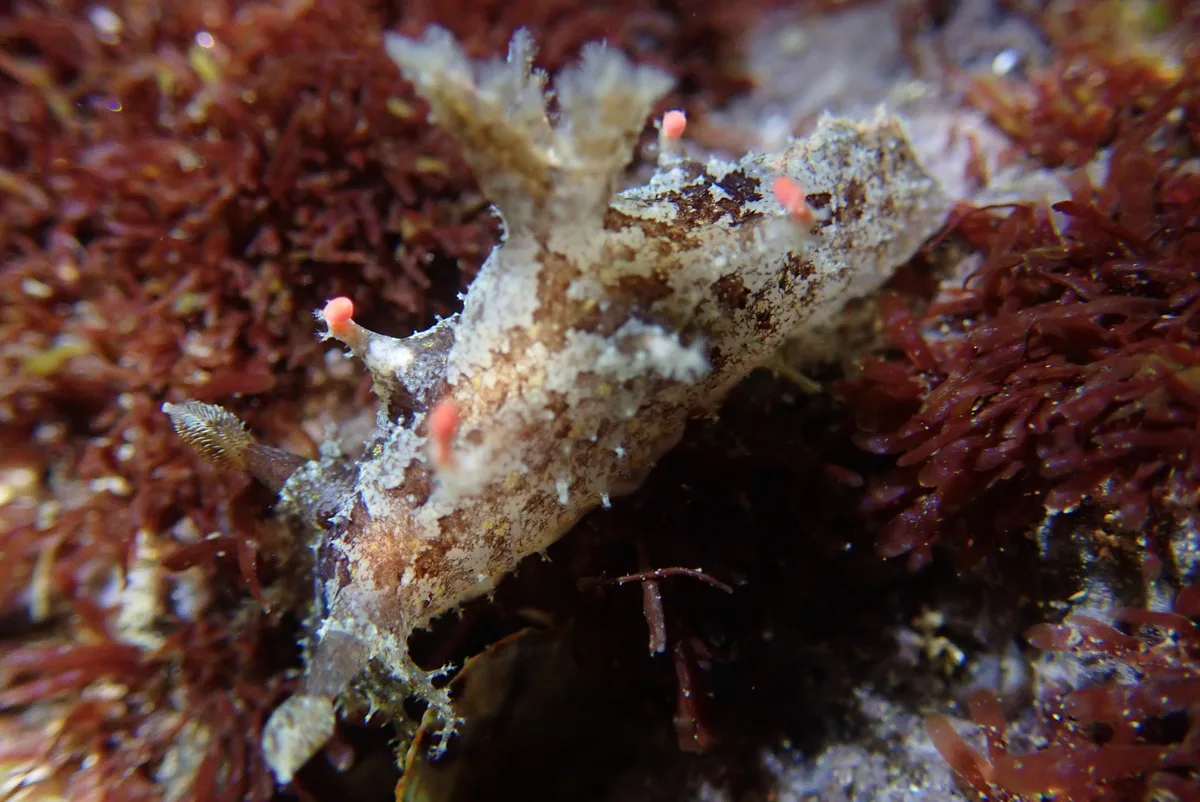
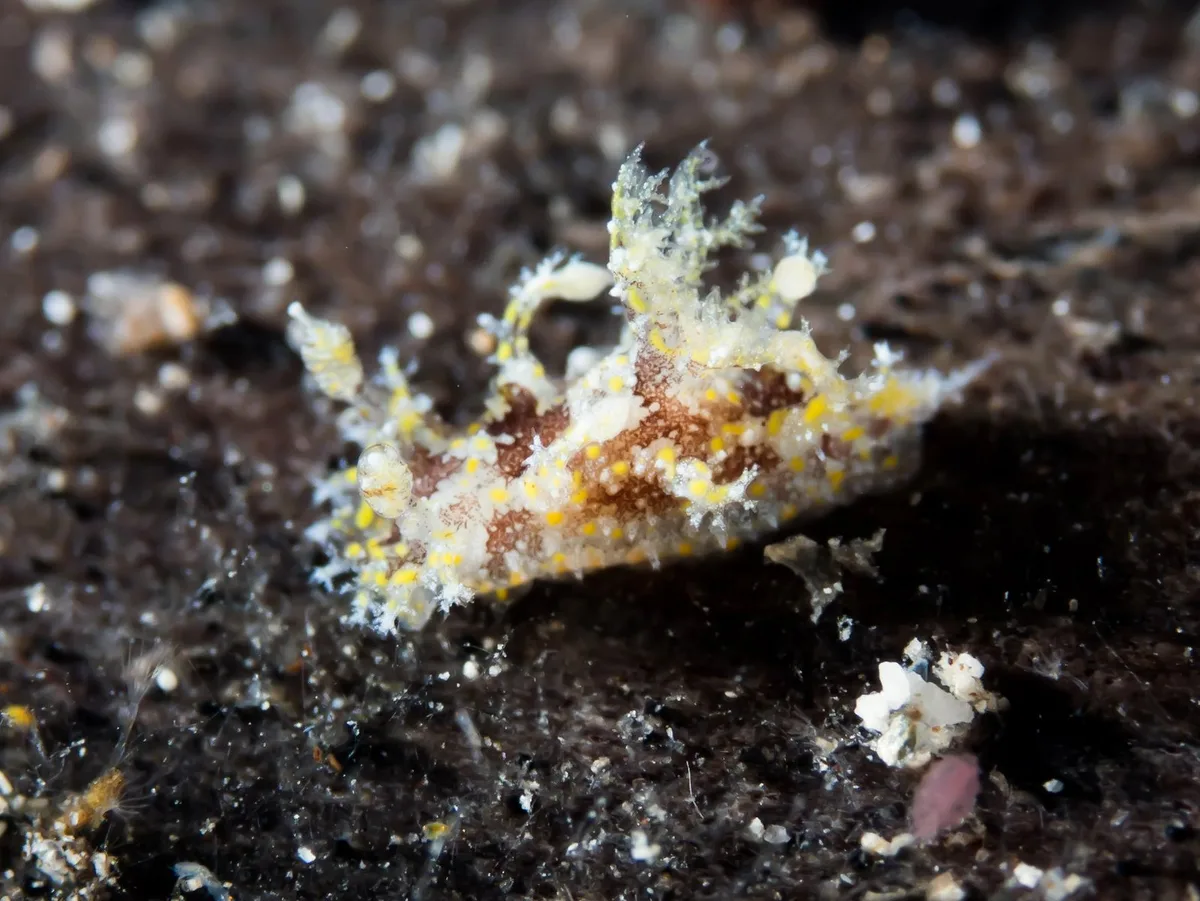
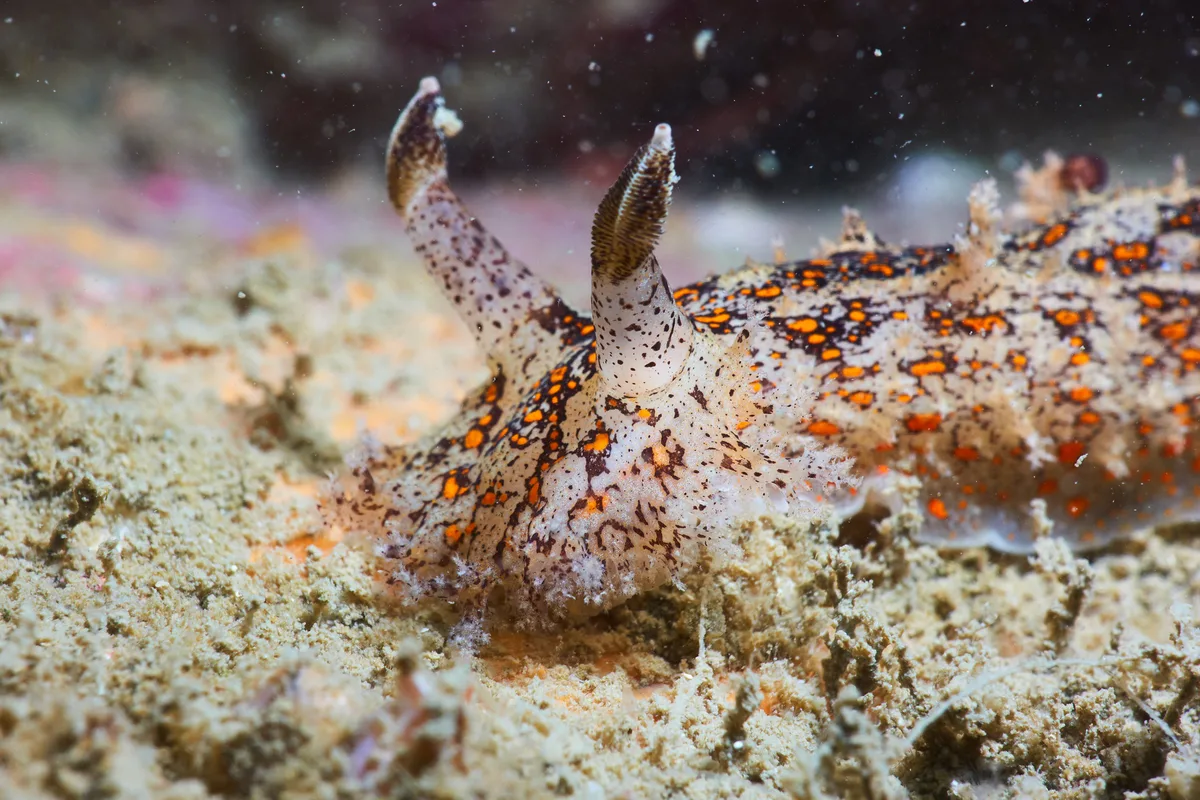
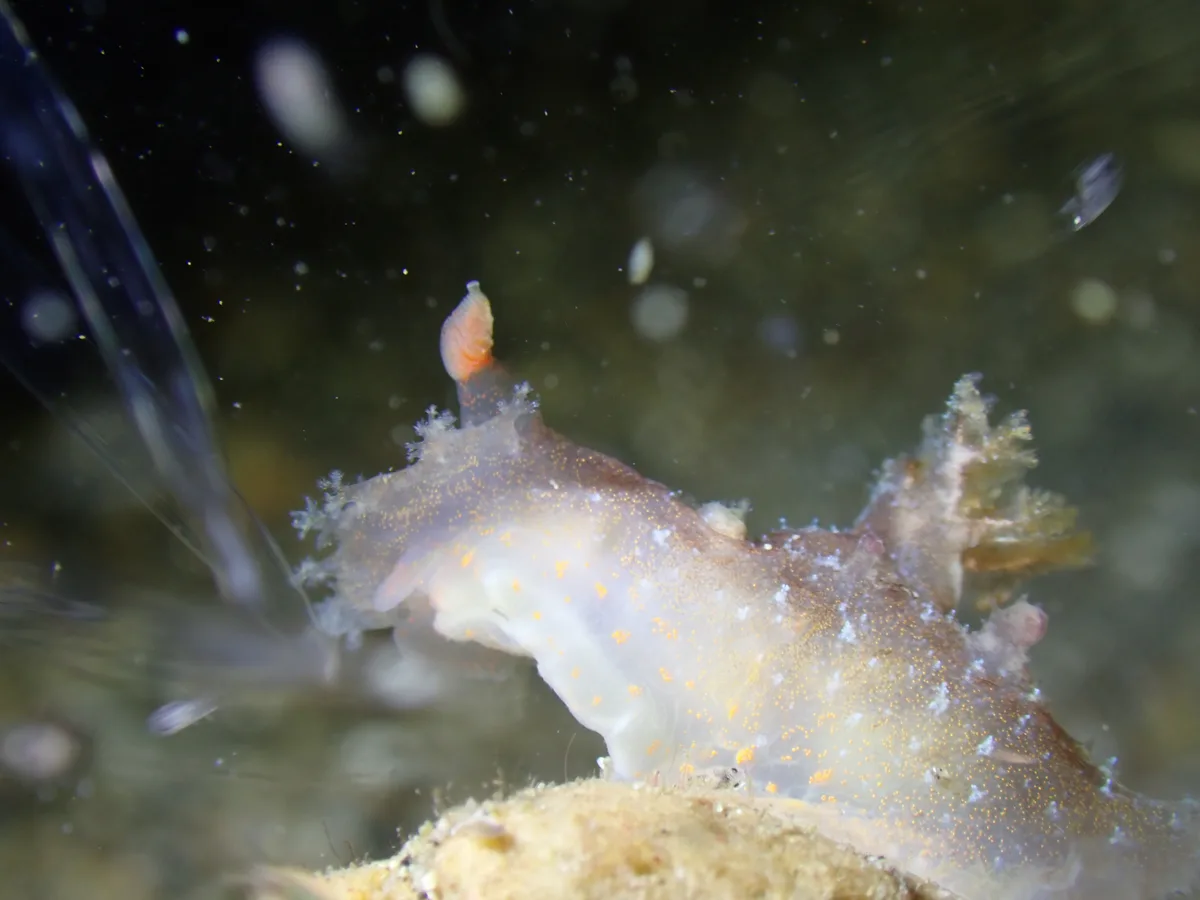
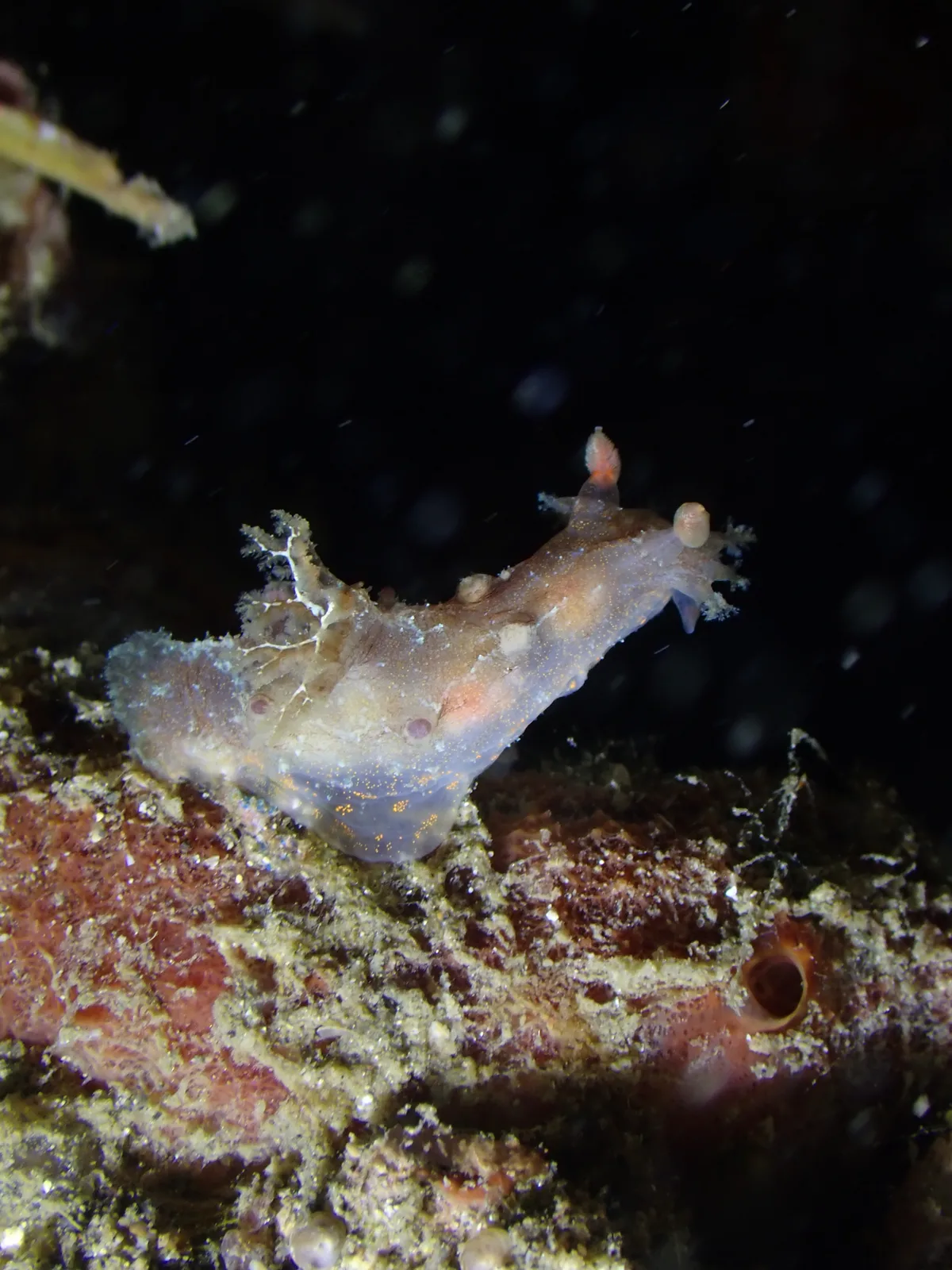
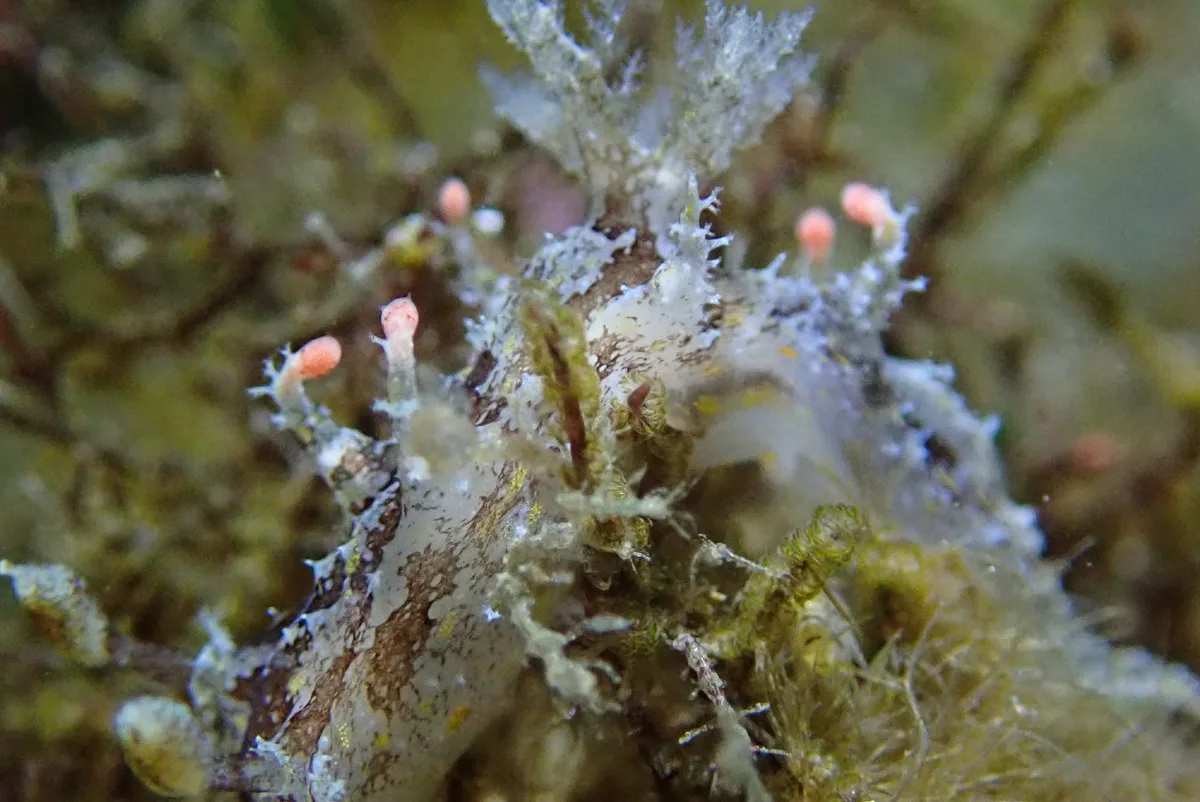
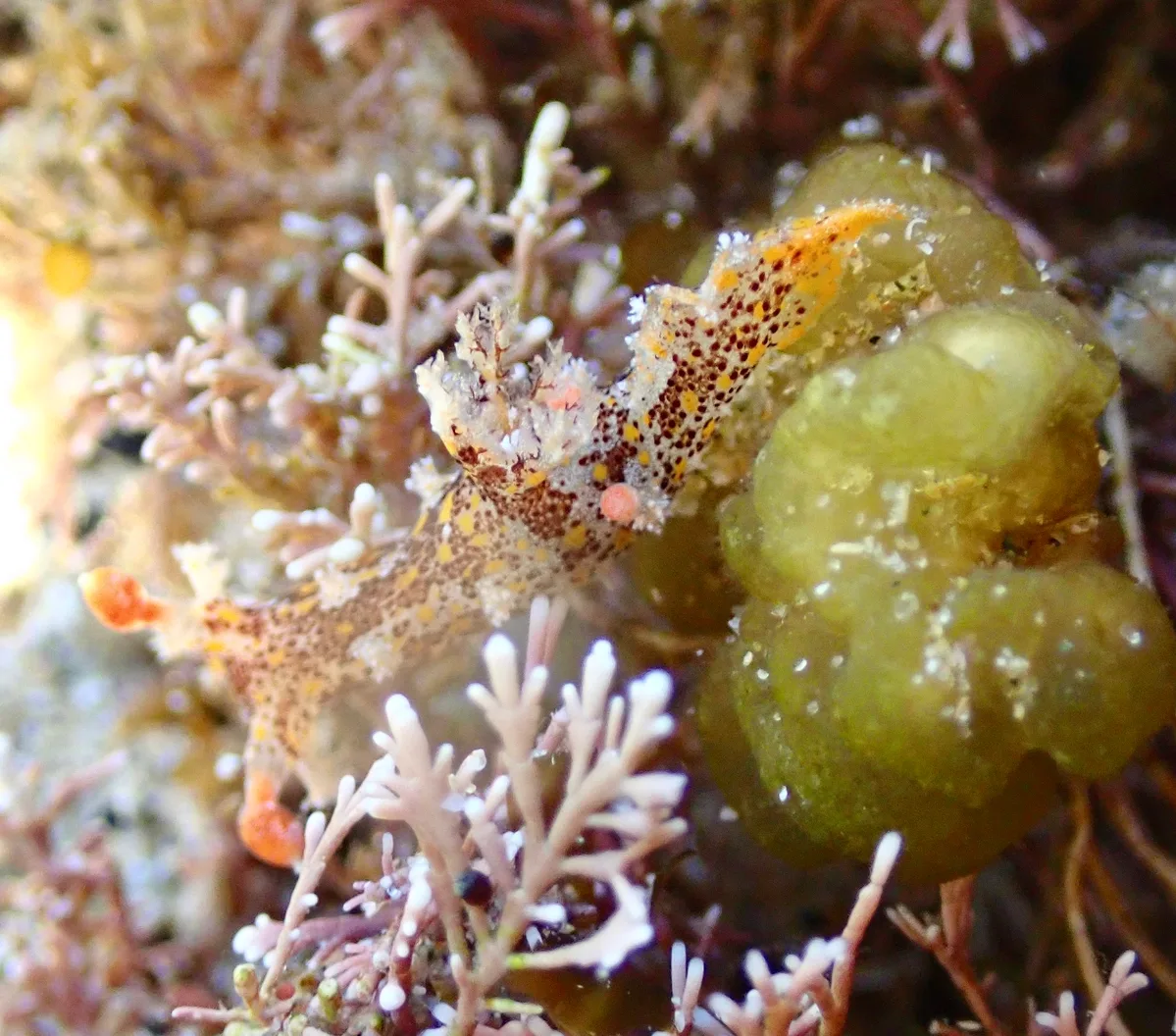
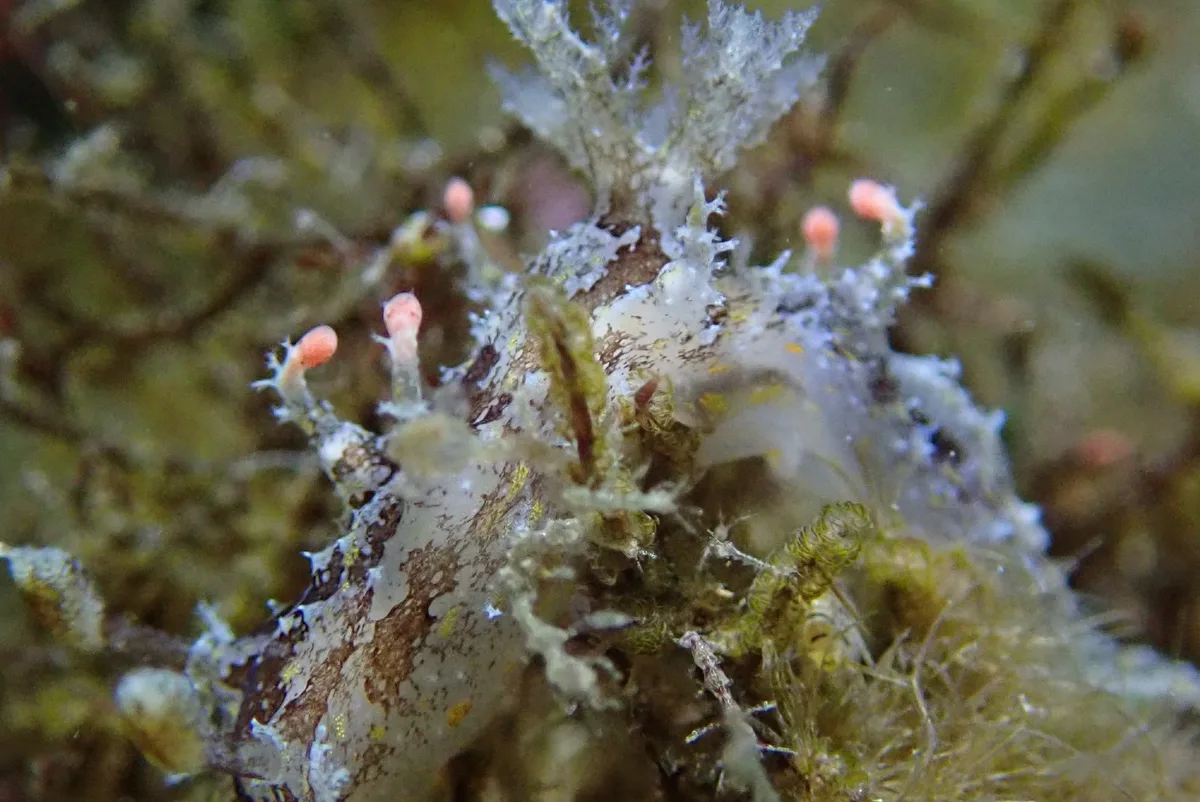
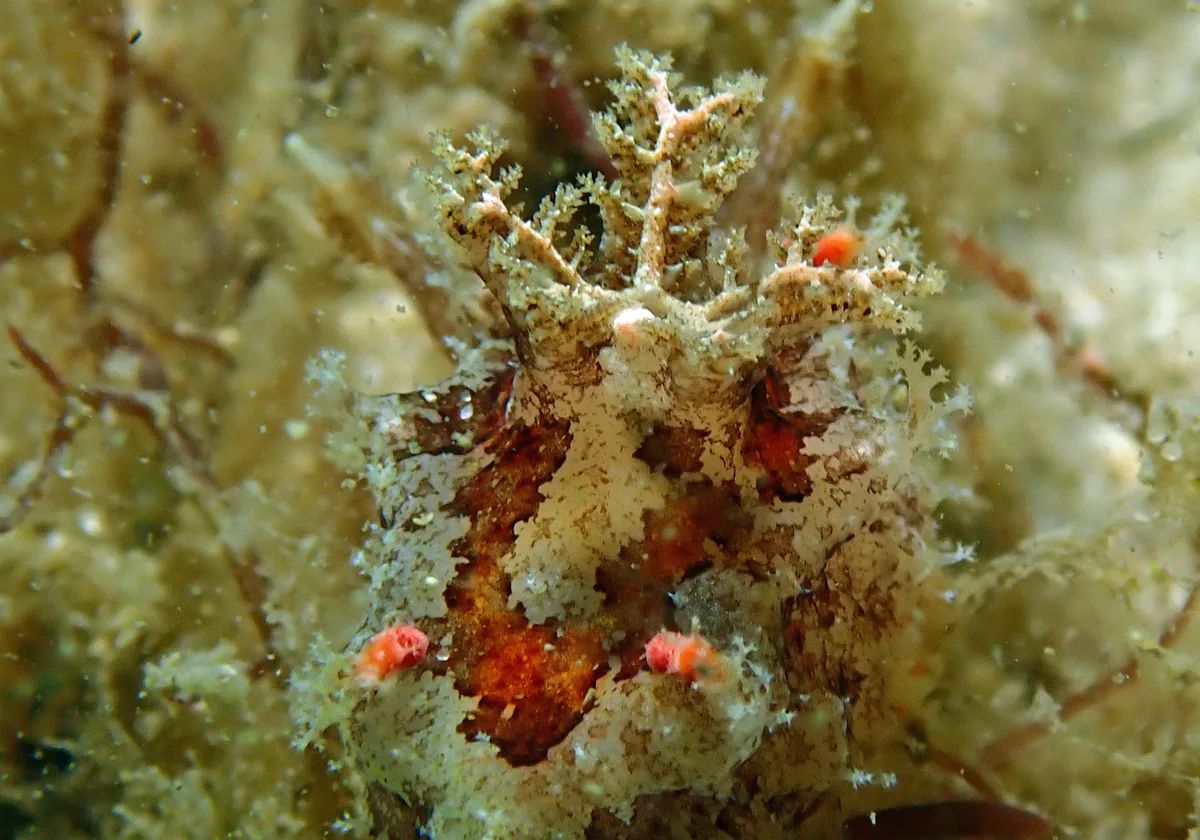
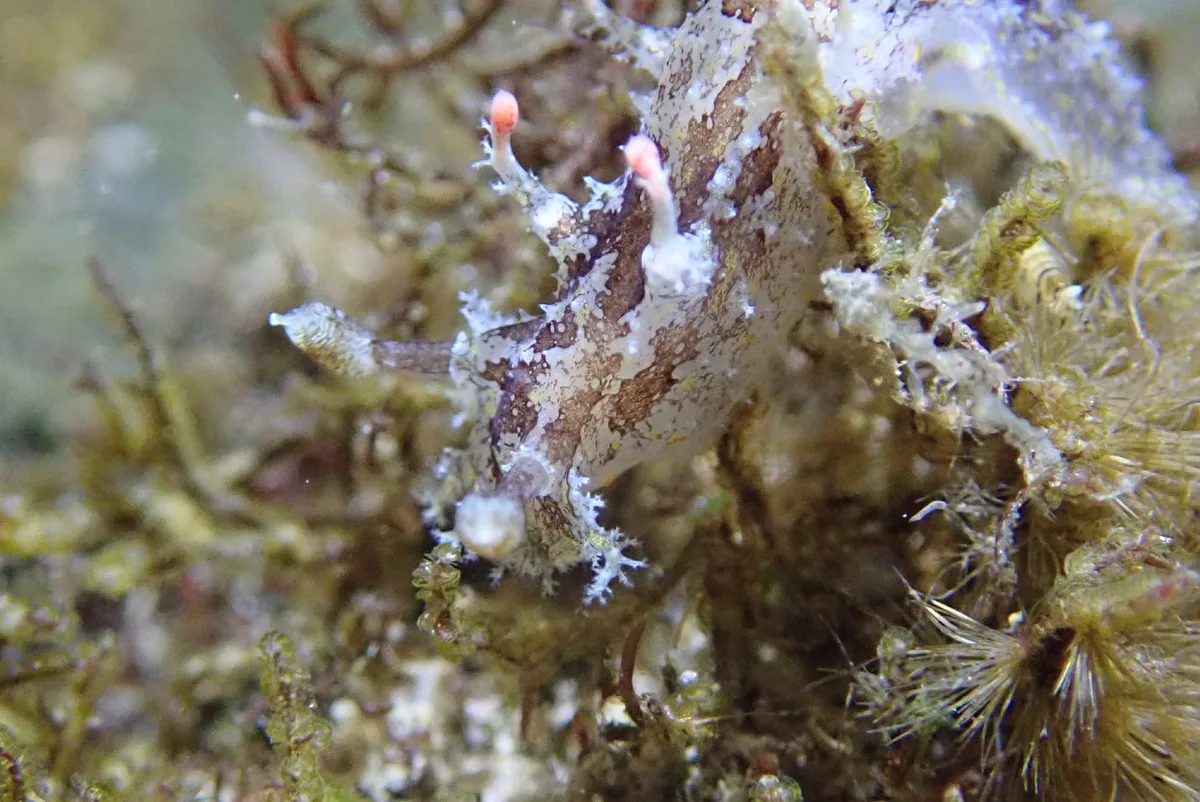
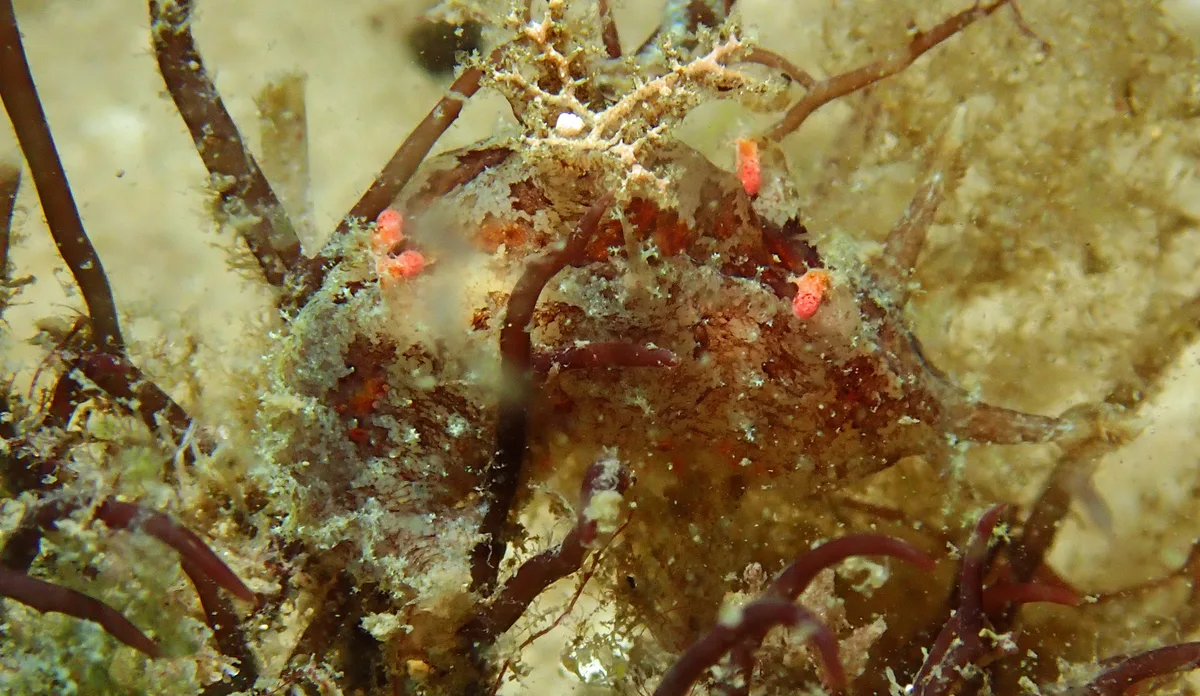
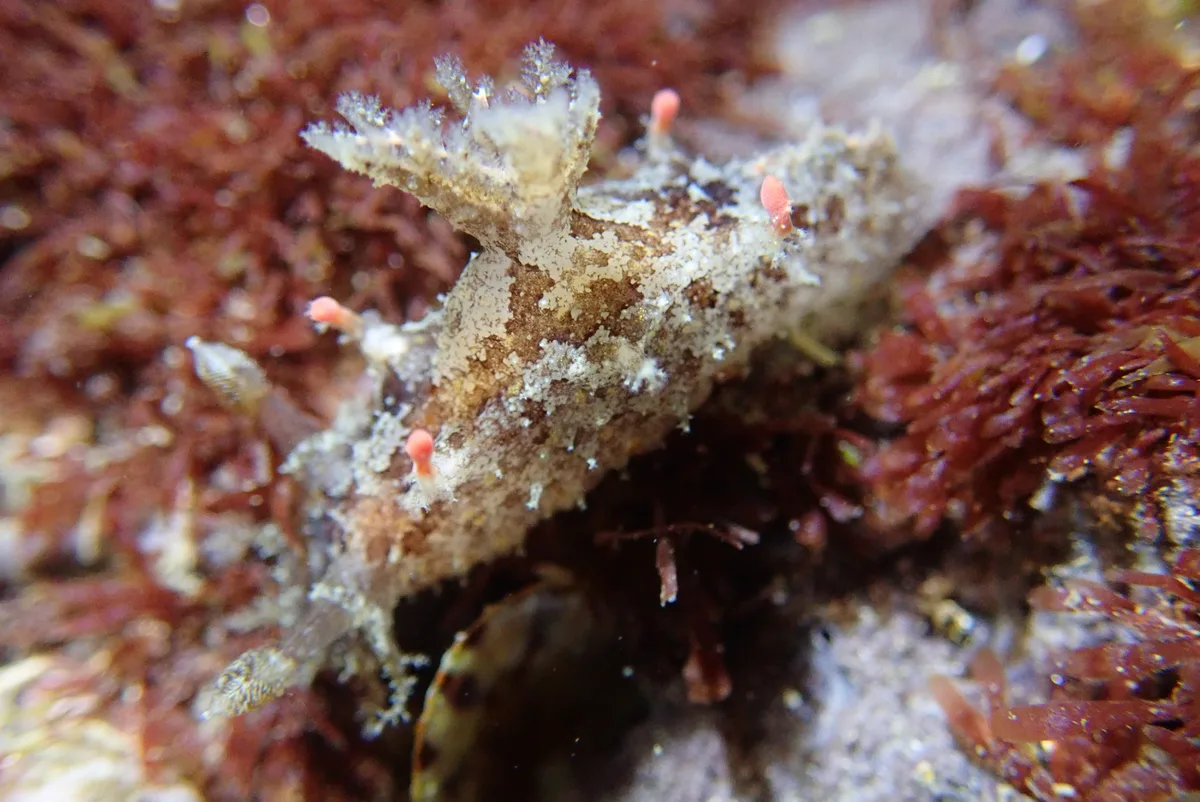
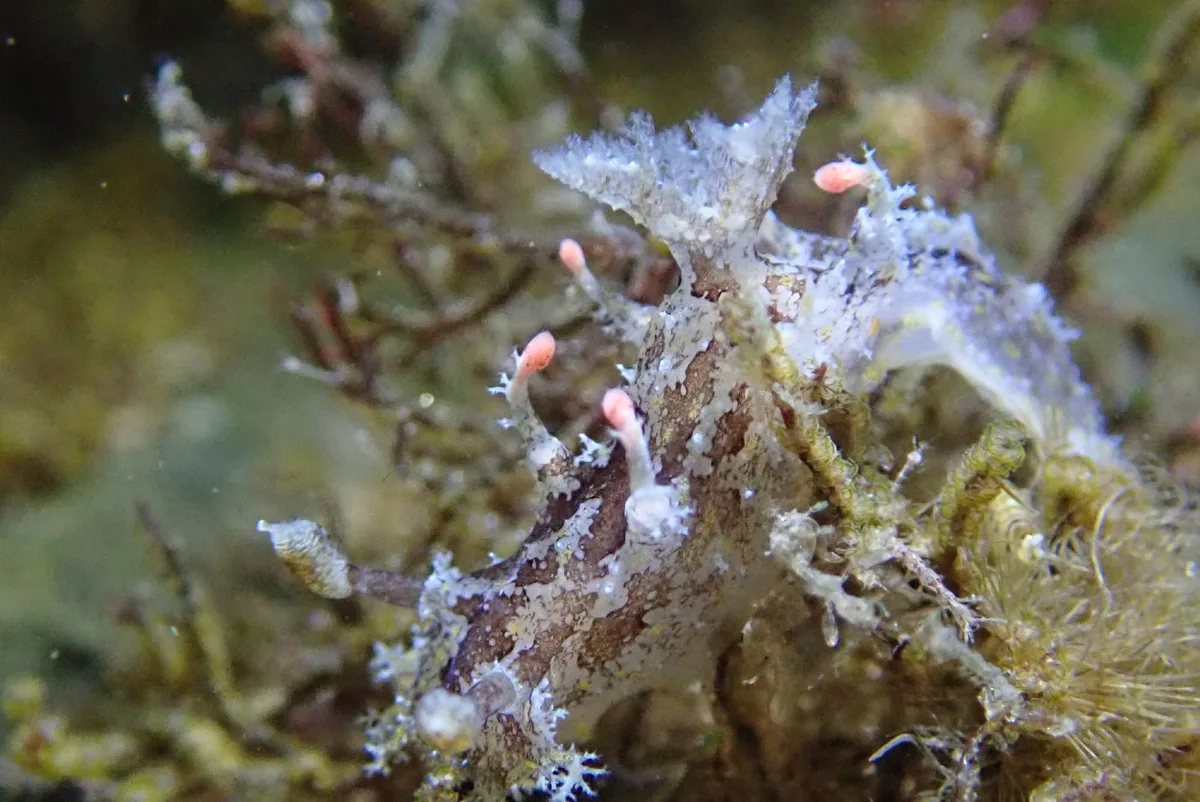
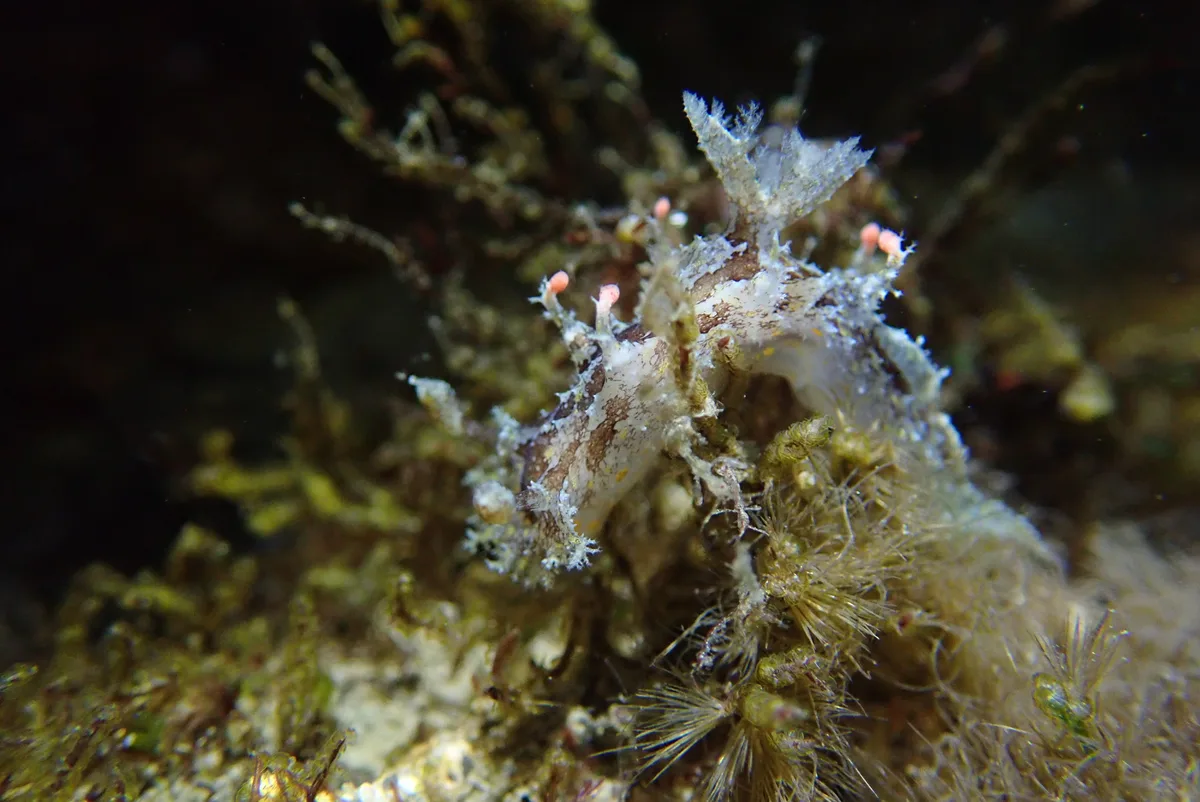
The whole outline is broken up. The lateral appendages and the gills are divided into fine fronds, the body is mottled brown and tan, and the animal sits on sand and rubble looking like a scrap of algae or a piece of detritus that has not settled properly. There is no clean edge anywhere on it, which is the point: an outline is what an eye locks onto, and this one does not have one.

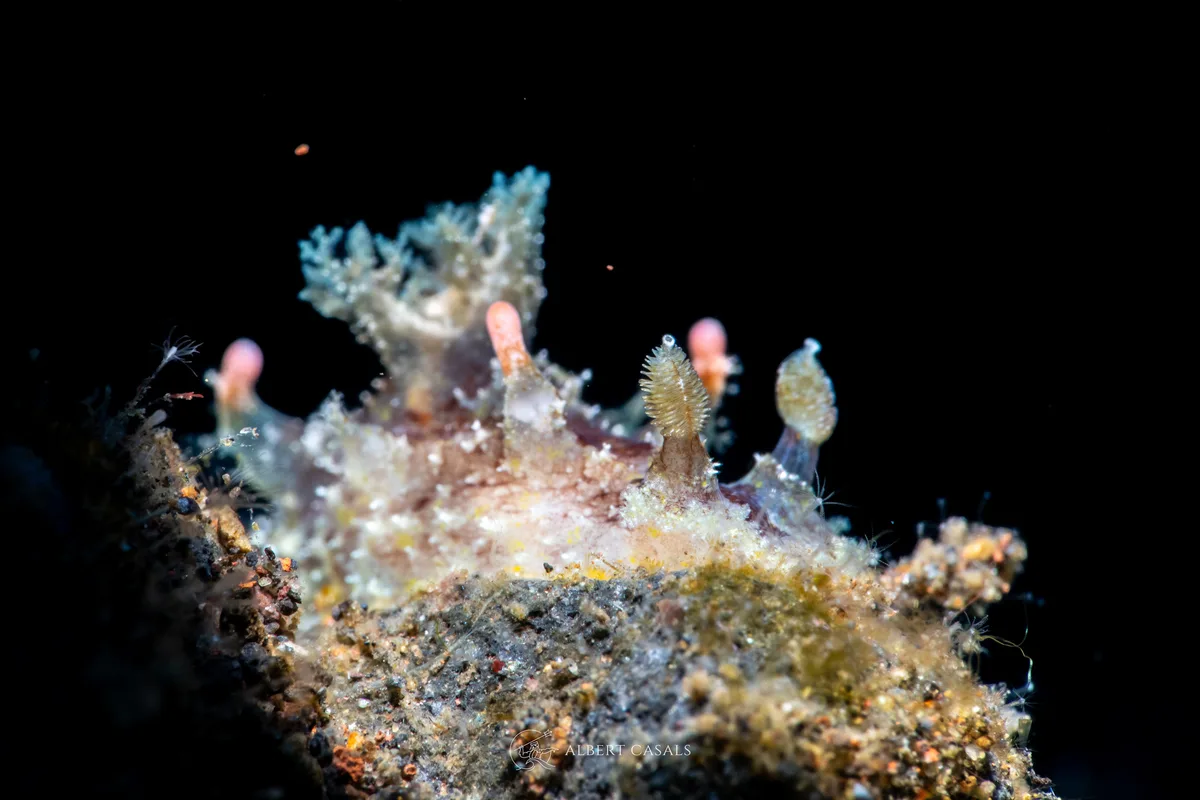
The genus signature is still there under the camouflage. Stalked clubs stand along the sides of the body, and in this family they contain light-producing tissue and can flash when the animal is disturbed. Very few sea slugs anywhere make their own light. The clubs also detach, so a strike aimed at a flash lands on a part the animal can spare.

It grazes bryozoans, the encrusting lace on rubble and dead coral, and it does it after dark.

Kelaart described it from 🇱🇰 Sri Lanka in 1858, which is what the species name records, and it has been photographed at the northern end of this sea.

How to recognise it
  • shaggy outline: appendages and gills divided into fine fronds, so the edge never reads as a line
  • mottled brown and tan, the color of the sand it sits on
  • stalked clubs along the sides, as in the rest of the genus
  • two centimeters, small for a Plocamopherus
Comments

Please, sign in to leave a comment

Continue with a social account - yours will be created automatically.

No comments yet — be the first.

Last Update: August 28, 2026