Phyllodesmium crypticum
Cryptic phyllodesmium
Phyllodesmium crypticum
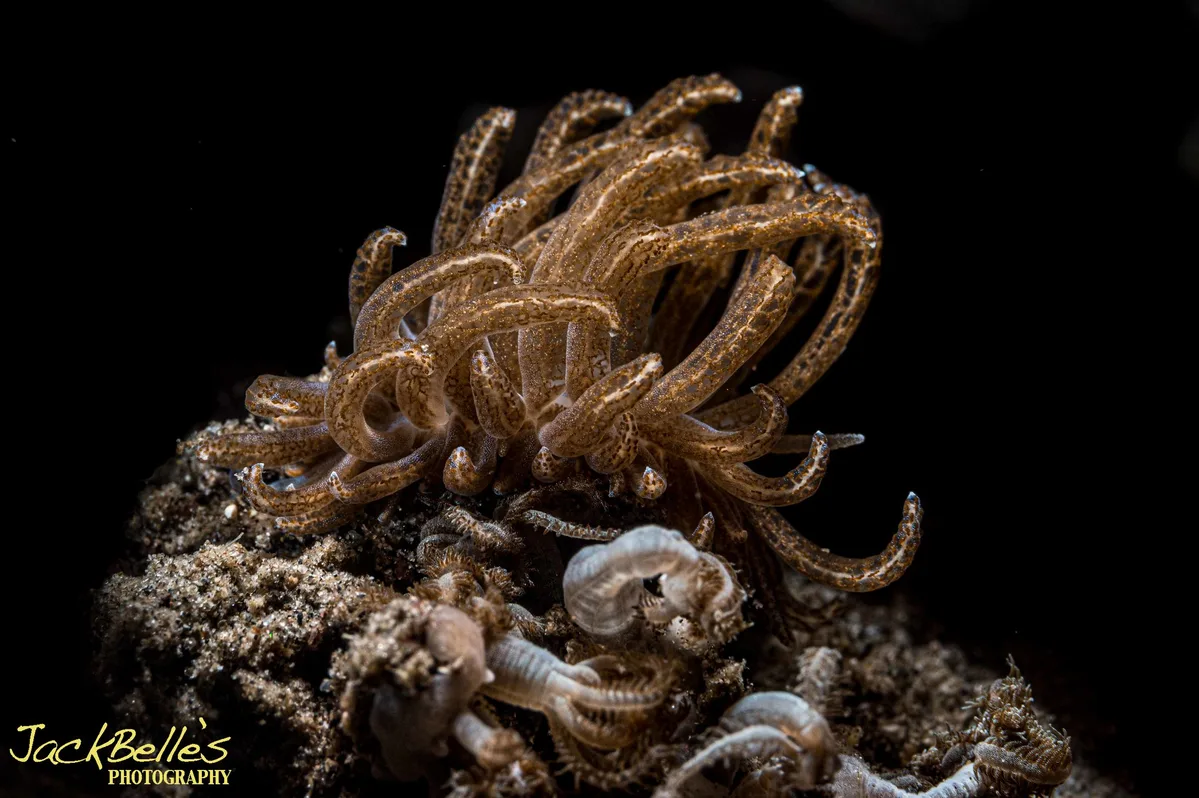
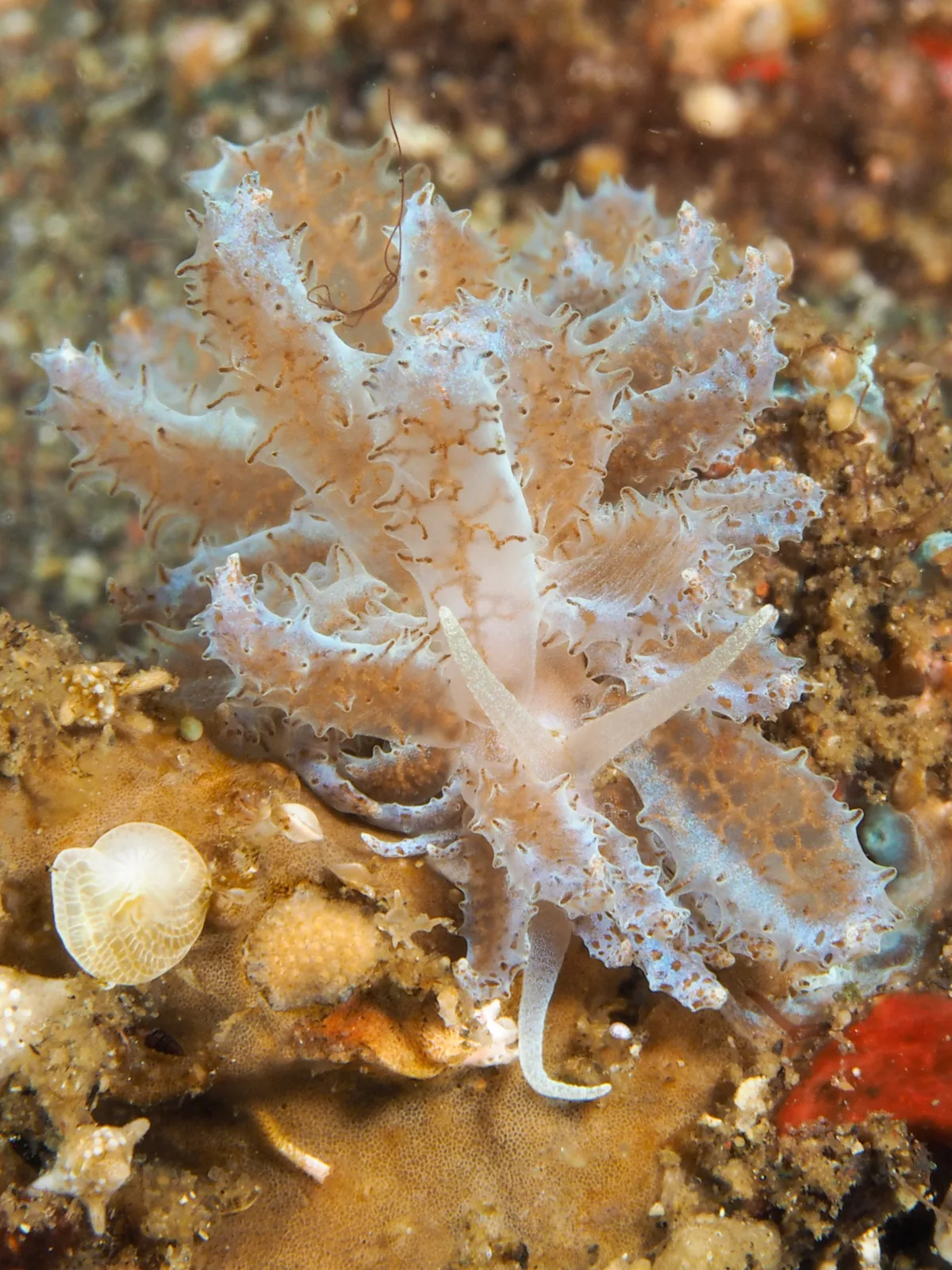
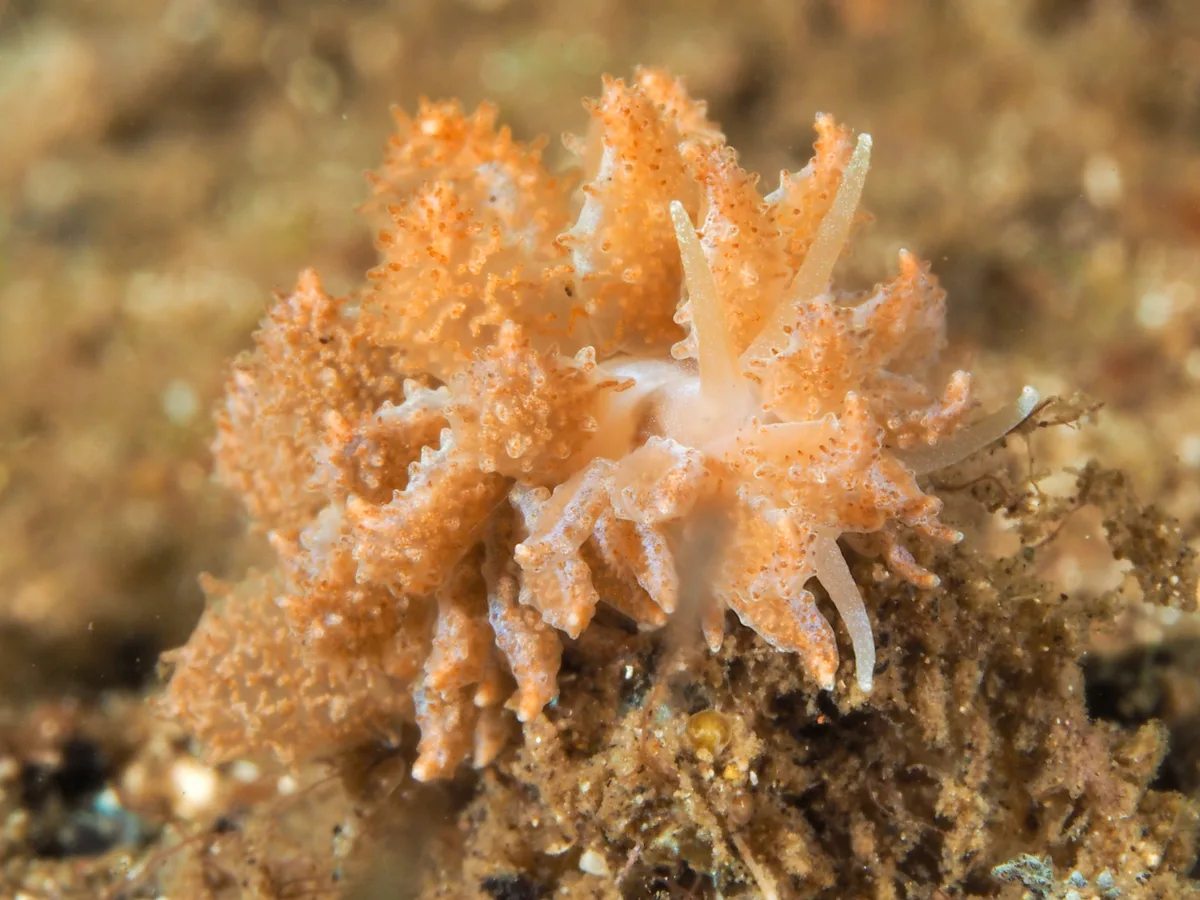
Phyllodesmium crypticum - Anilao, Bagalangit, Mabini, Batangas, Philippines
Phyllodesmium crypticum
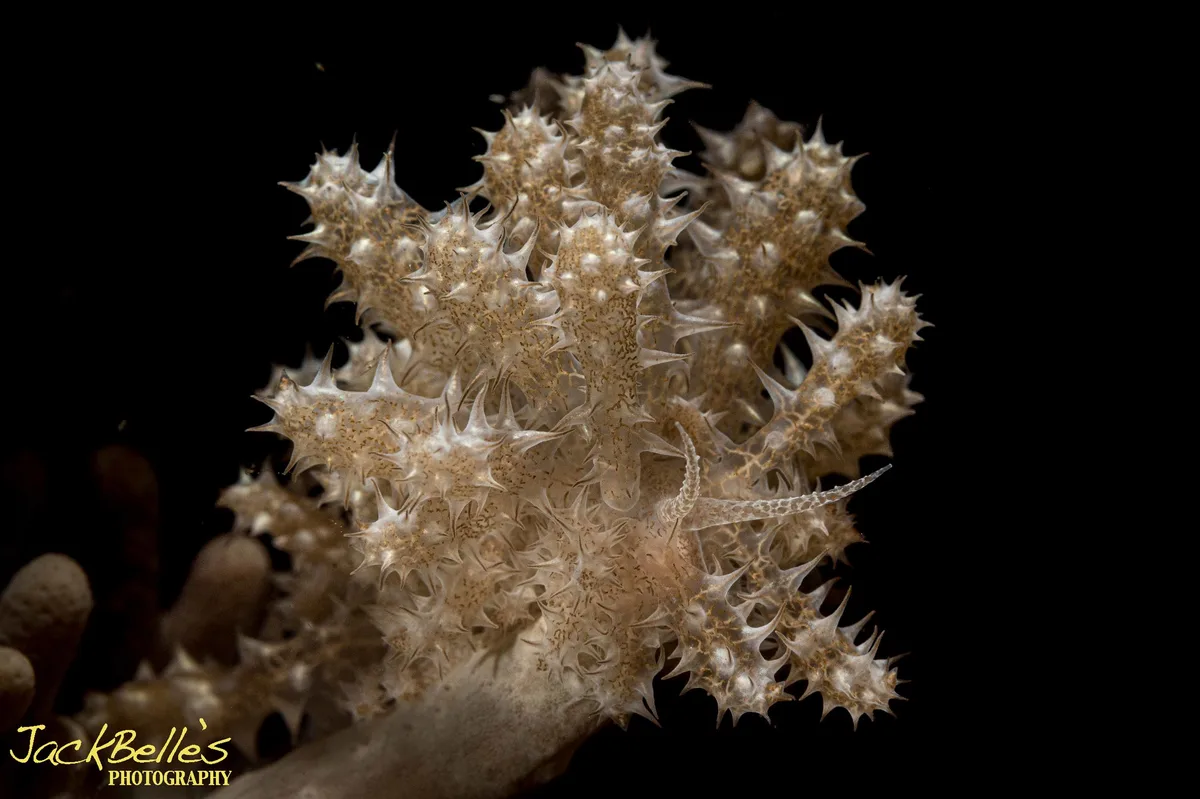
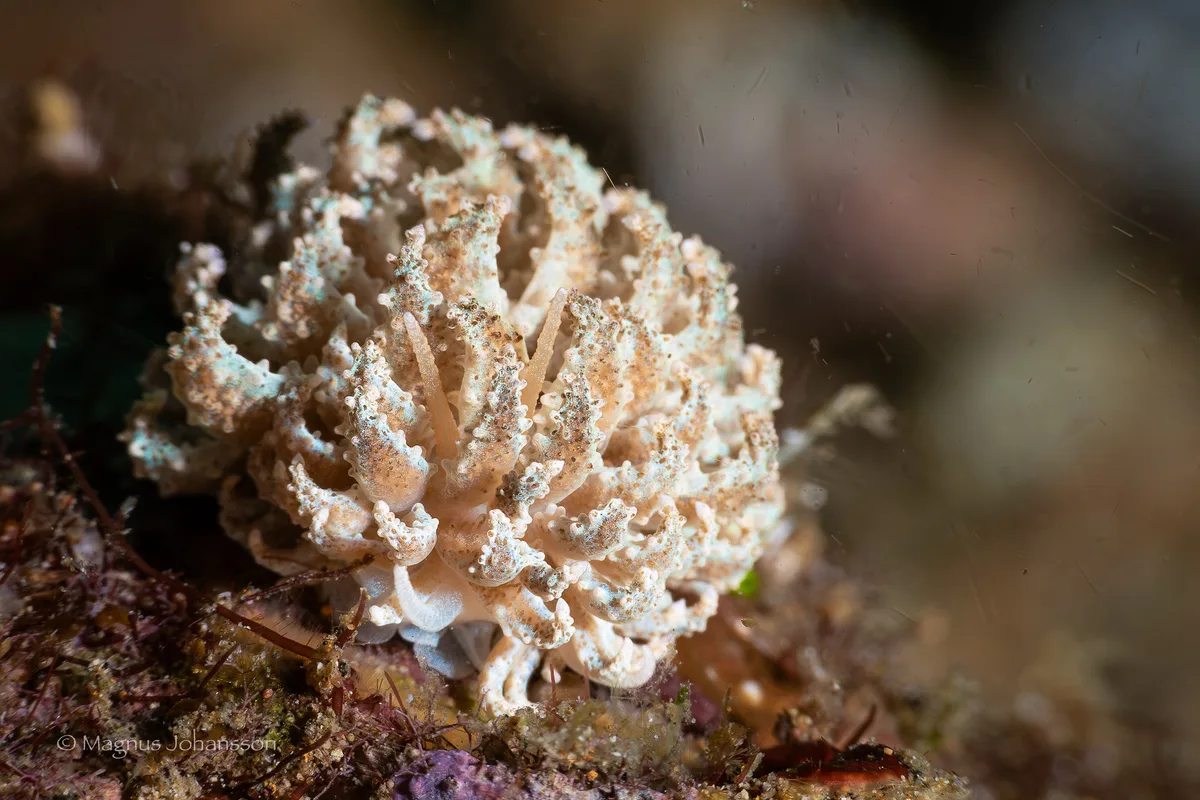
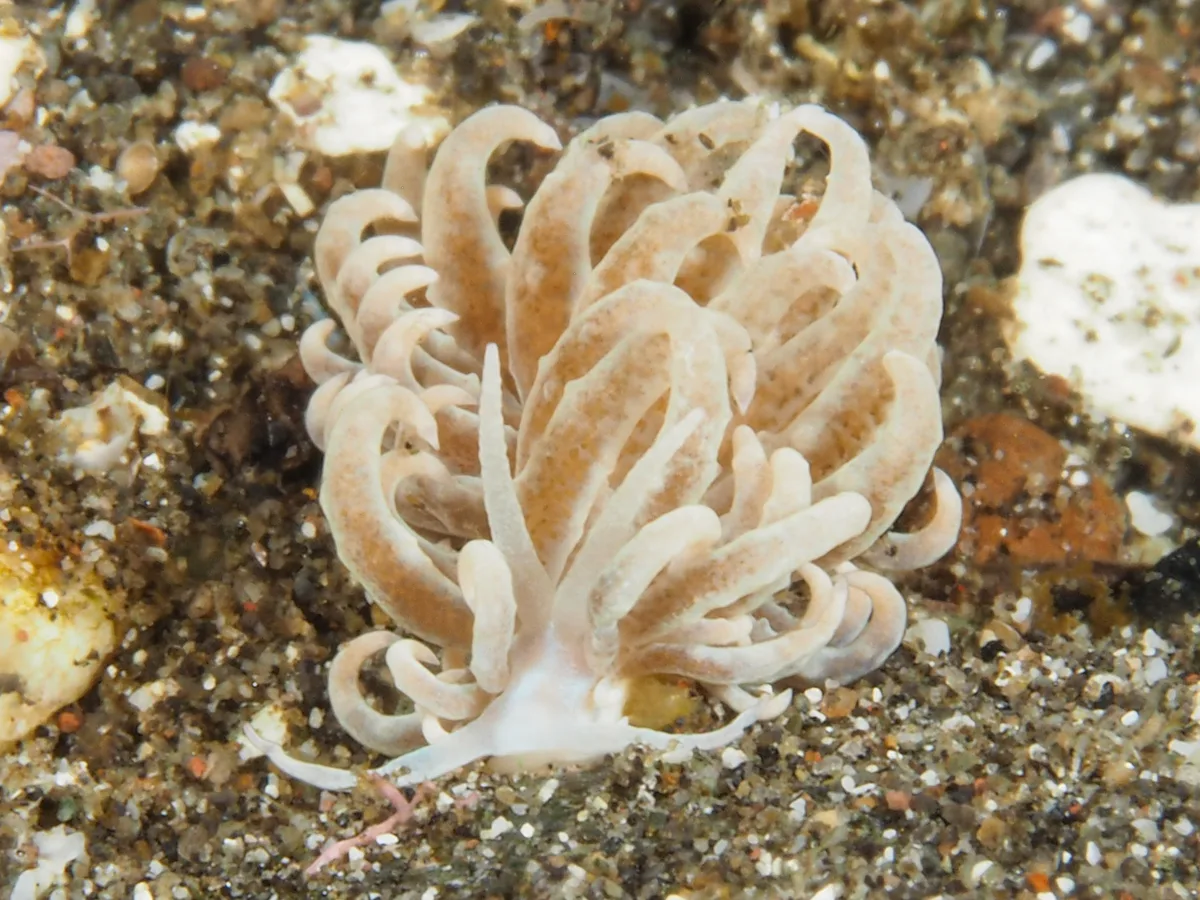
Phyllodesmium crypticum - Desa Wolwal, Wolwal, Kec. Alor Barat Daya, Kabupaten Alor, Nusa Tenggara Tim., Indonesia
Phyllodesmium crypticum
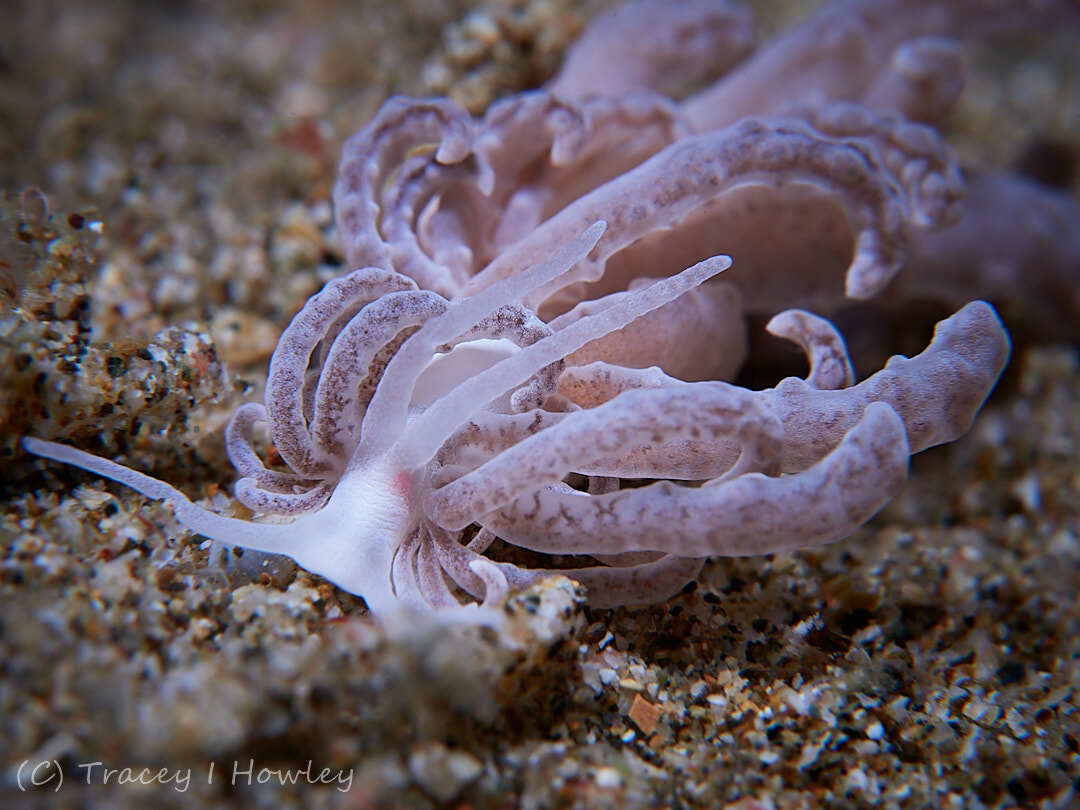
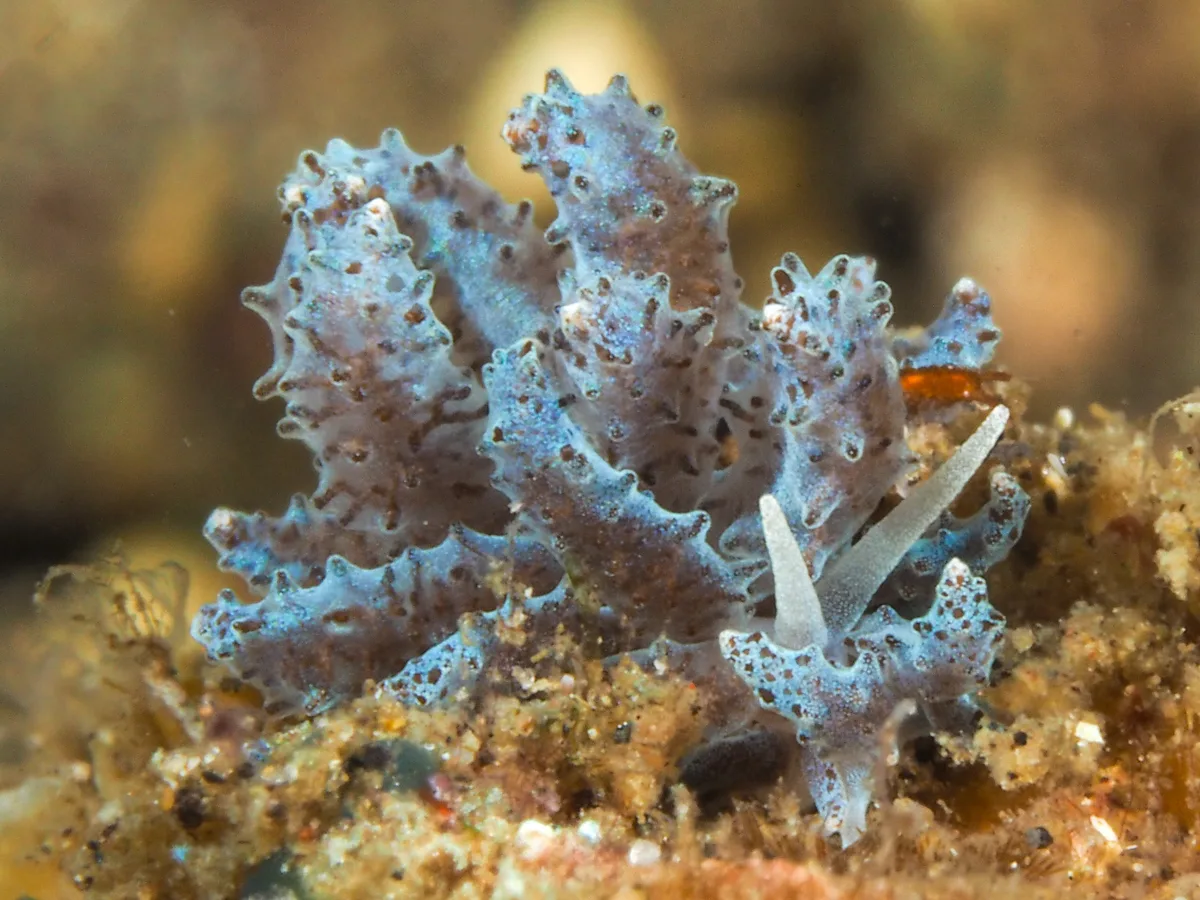
Phyllodesmium crypticum - Desa Wolwal, Wolwal, Kec. Alor Barat Daya, Kabupaten Alor, Nusa Tenggara Tim., Indonesia
Phyllodesmium crypticum
Snowflake
Phyllodesmium crypticum
Phyllodesmium crypticum-cryptic phyllodesmium
Phyllodesmium crypticum / 隱身灰翼海蛞蝓
Phyllodesmium crypticum Rudman / 隱身灰翼海蛞蝓
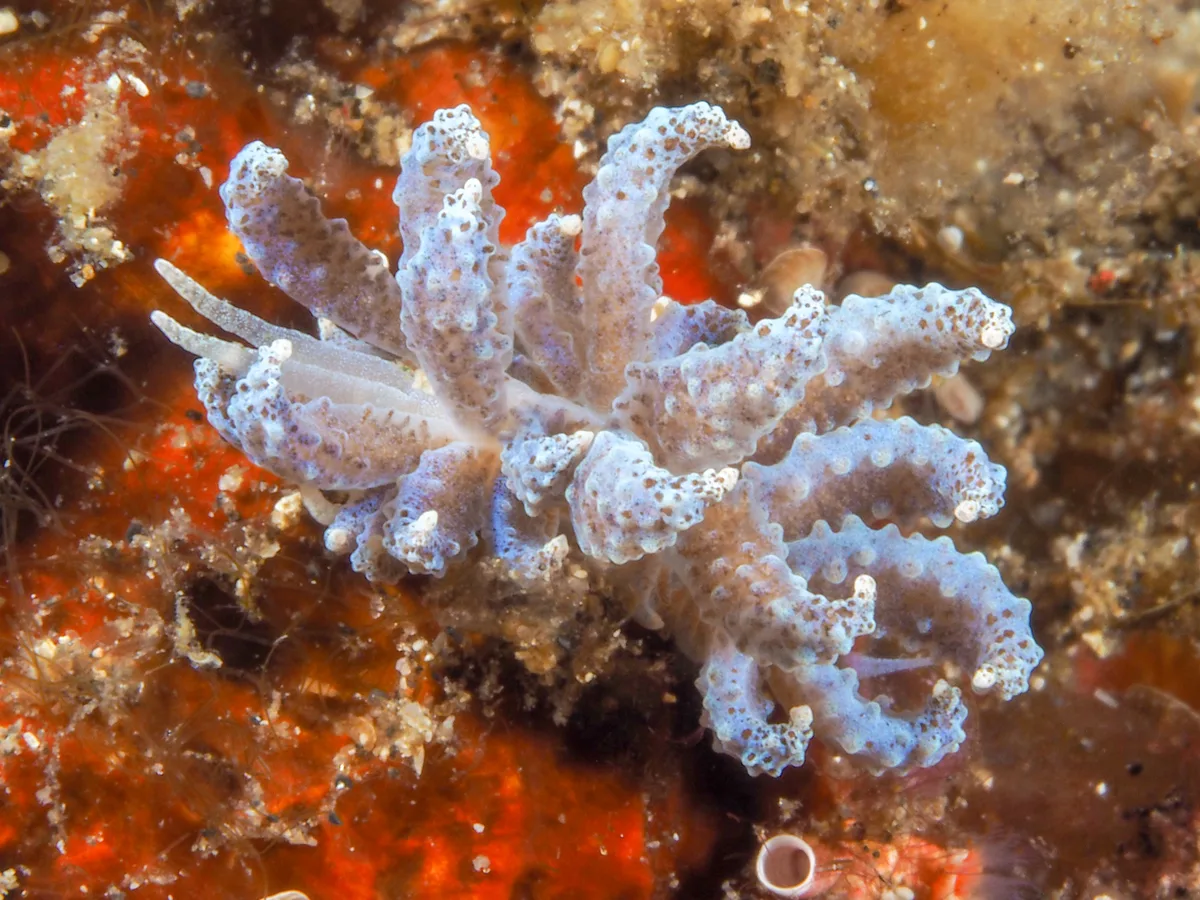
Phyllodesmium crypticum - Desa Wolwal, Wolwal, Kec. Alor Barat Daya, Kabupaten Alor, Nusa Tenggara Tim., Indonesia
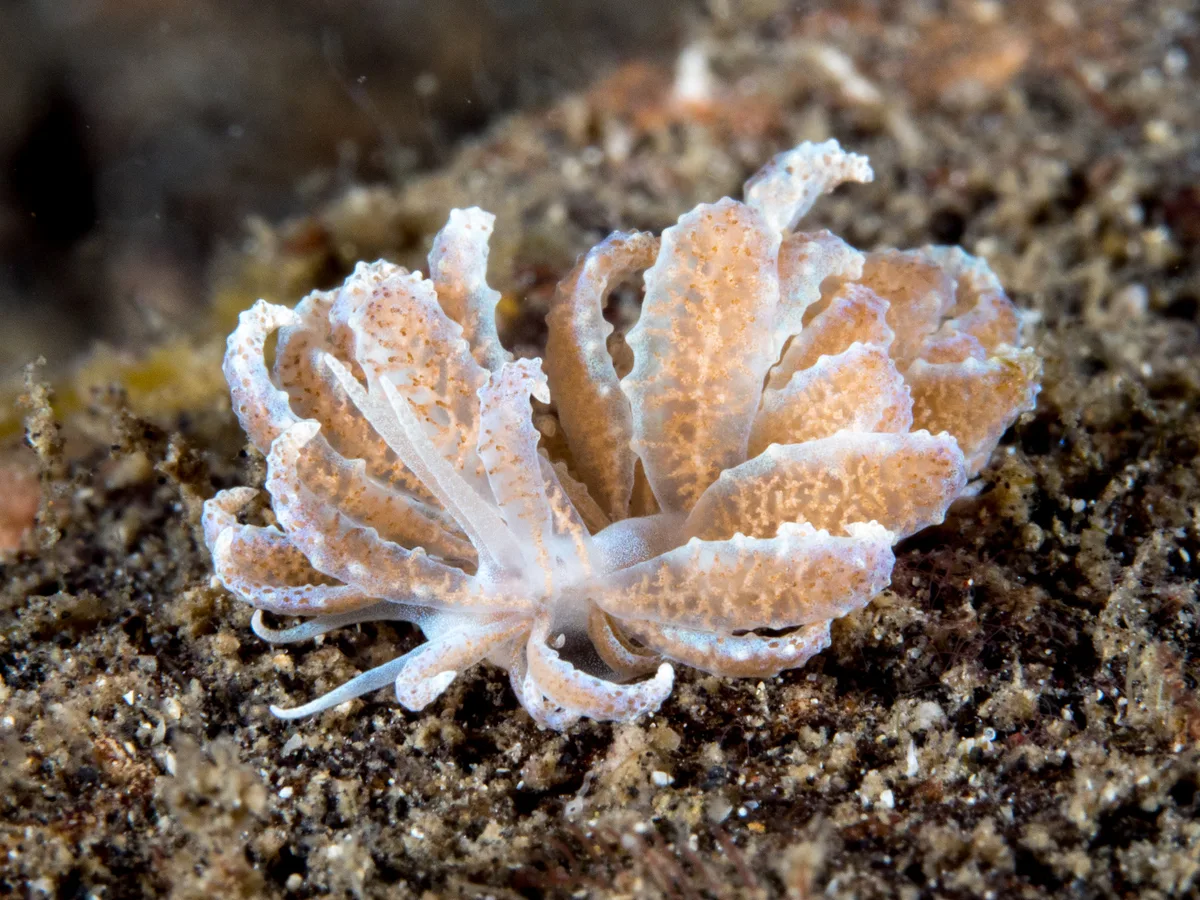
Phyllodesmium crypticum - Fun & Sun, Malapascua Island, Philippines
© Rafi Amar
Invertebrate · Molluscs · Nudibranch

Beaded Soft Coral Eater

Phyllodesmium crypticum Rudman, 1981
up to 5 cm
0

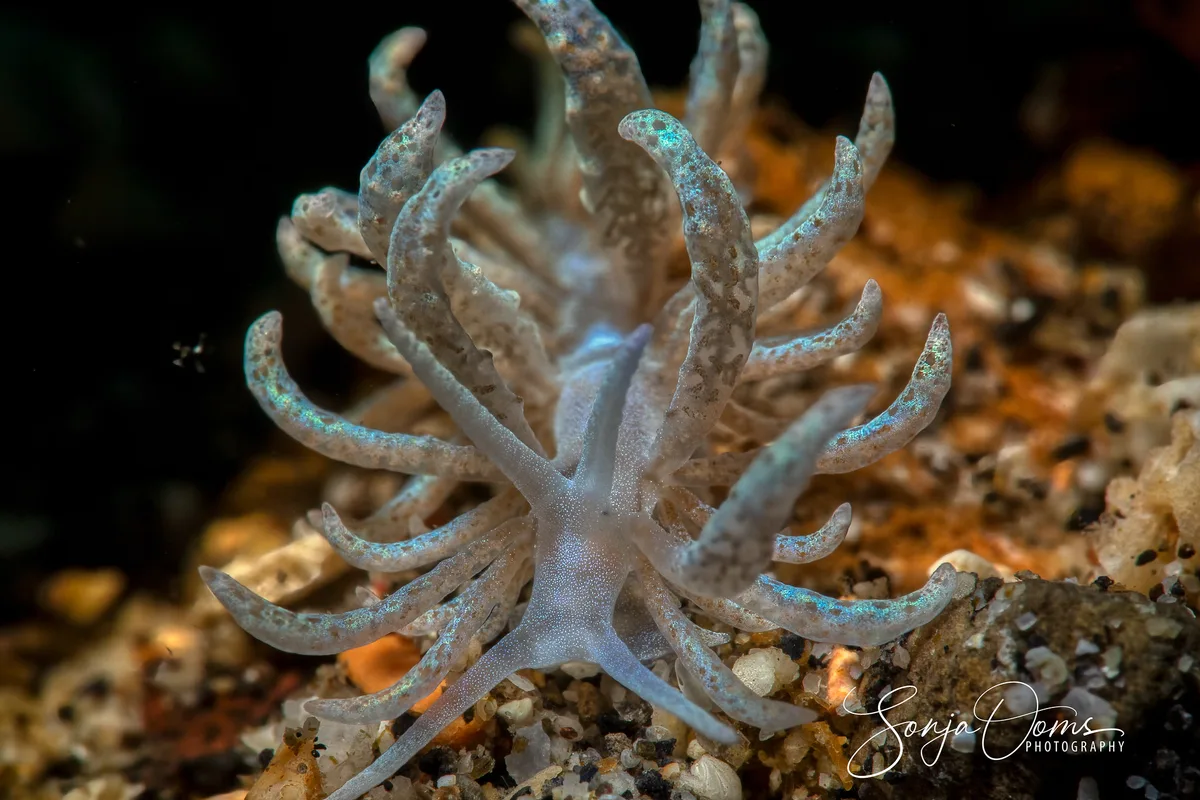
The name is a warning about what you are in for. Crypticum: the hidden one, and among a genus that is already built around not being seen, somebody thought this species deserved the label.

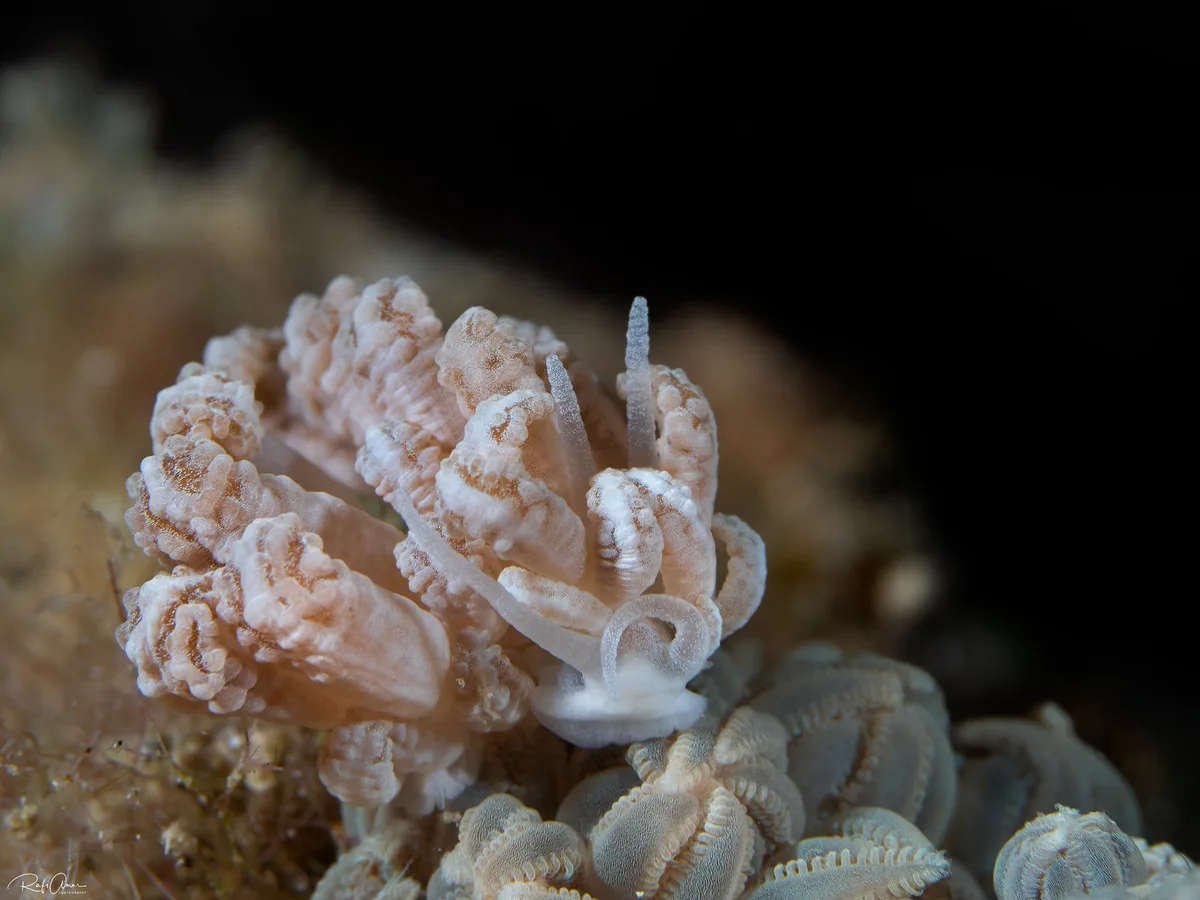
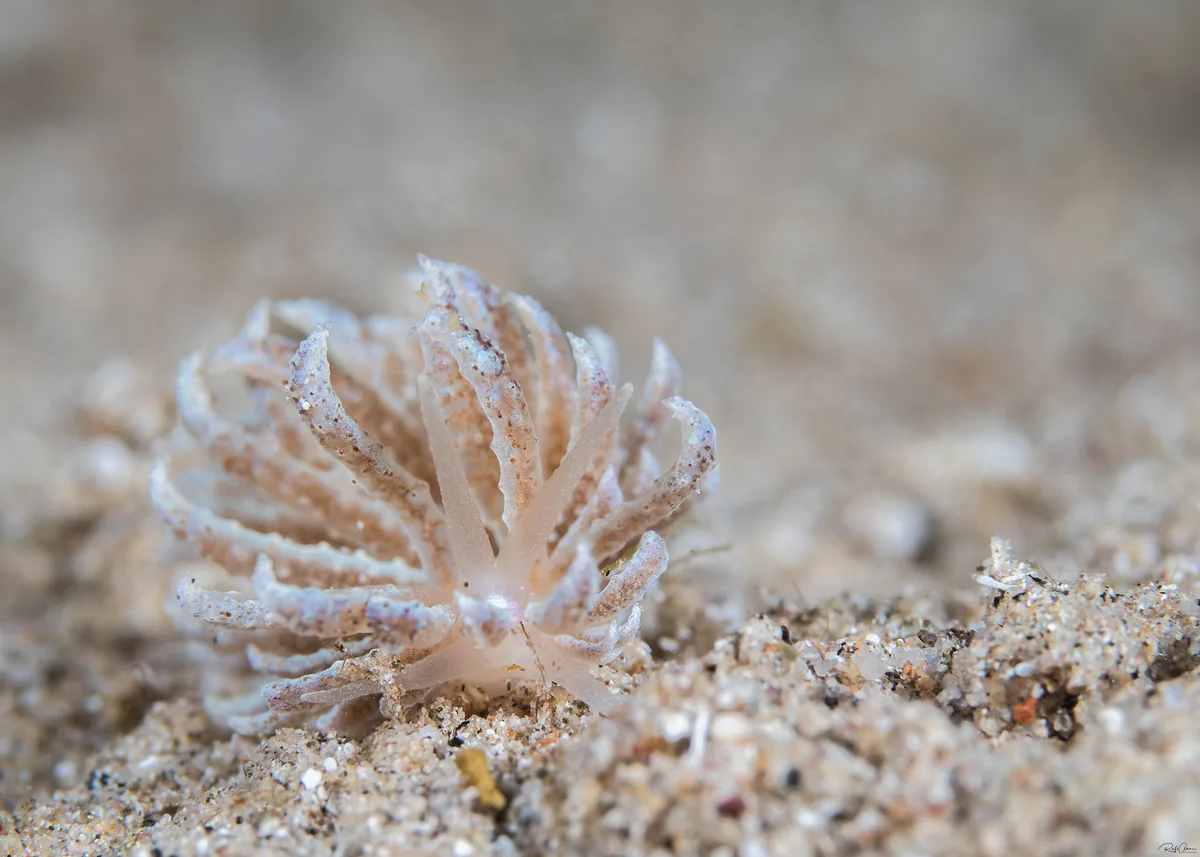
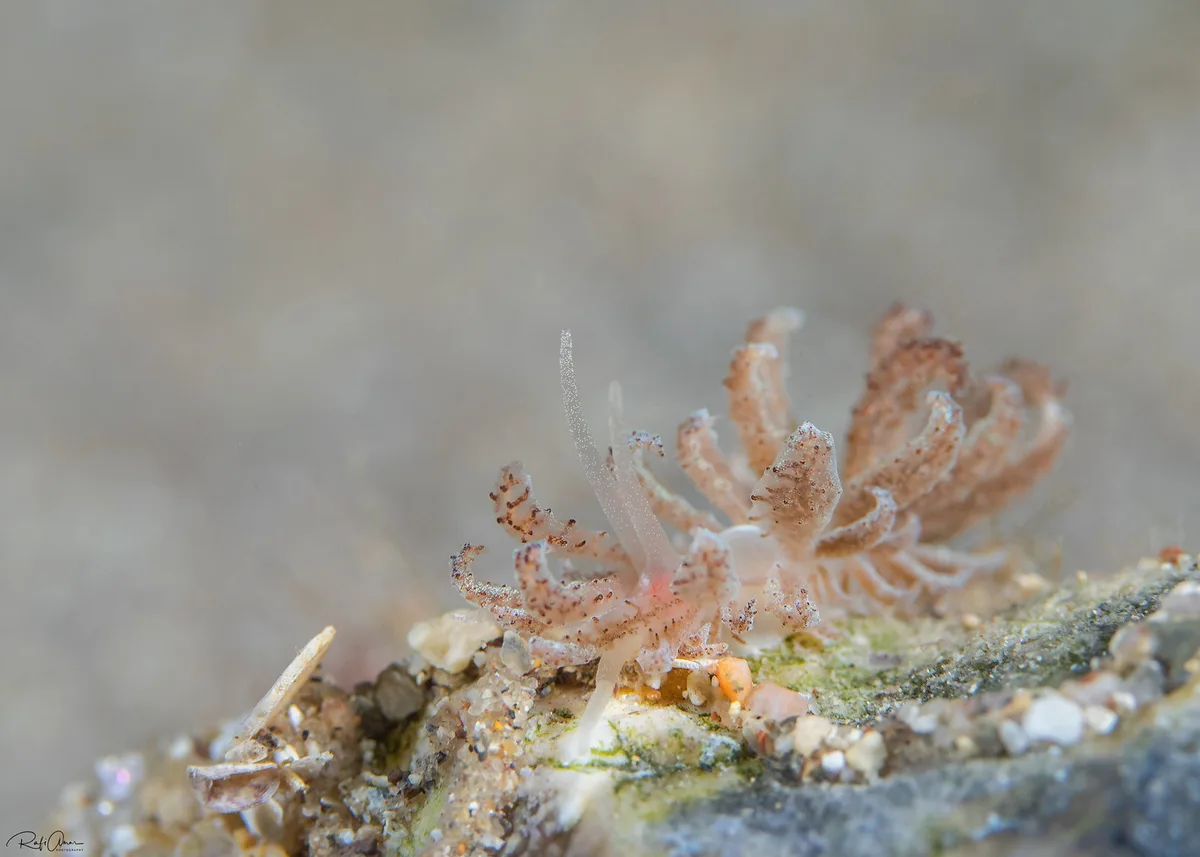
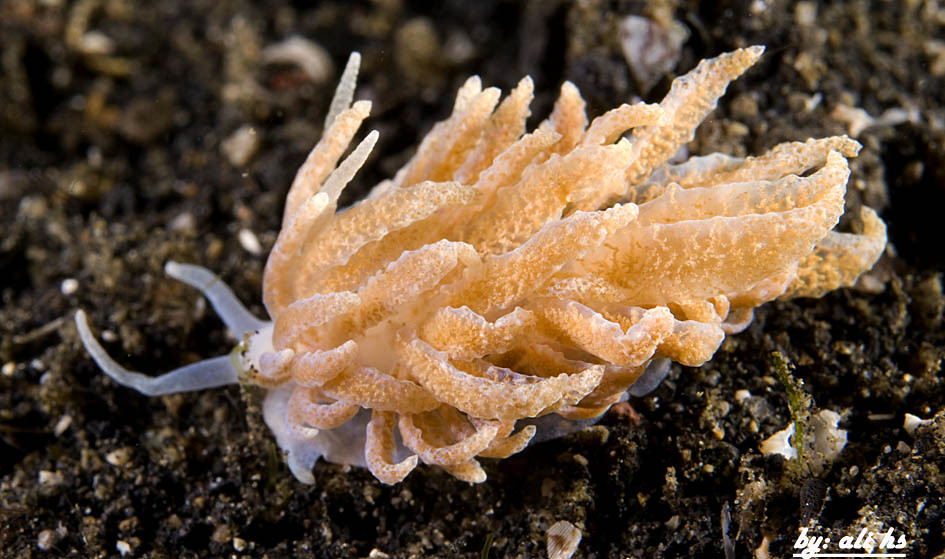
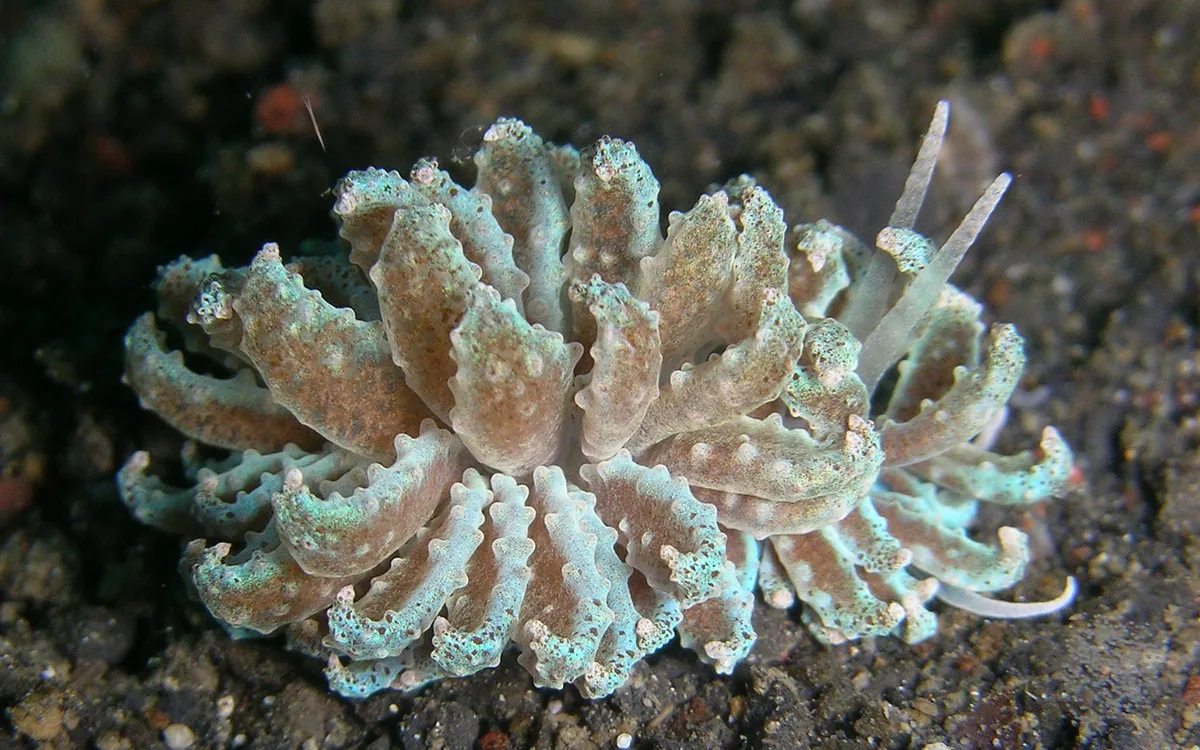
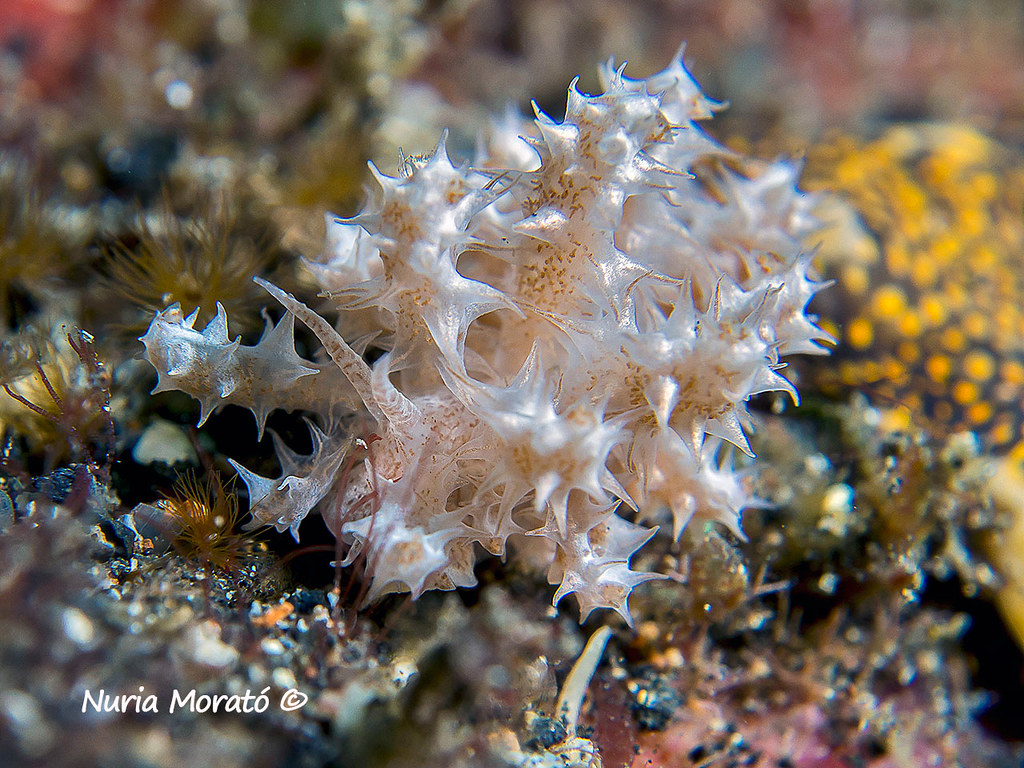
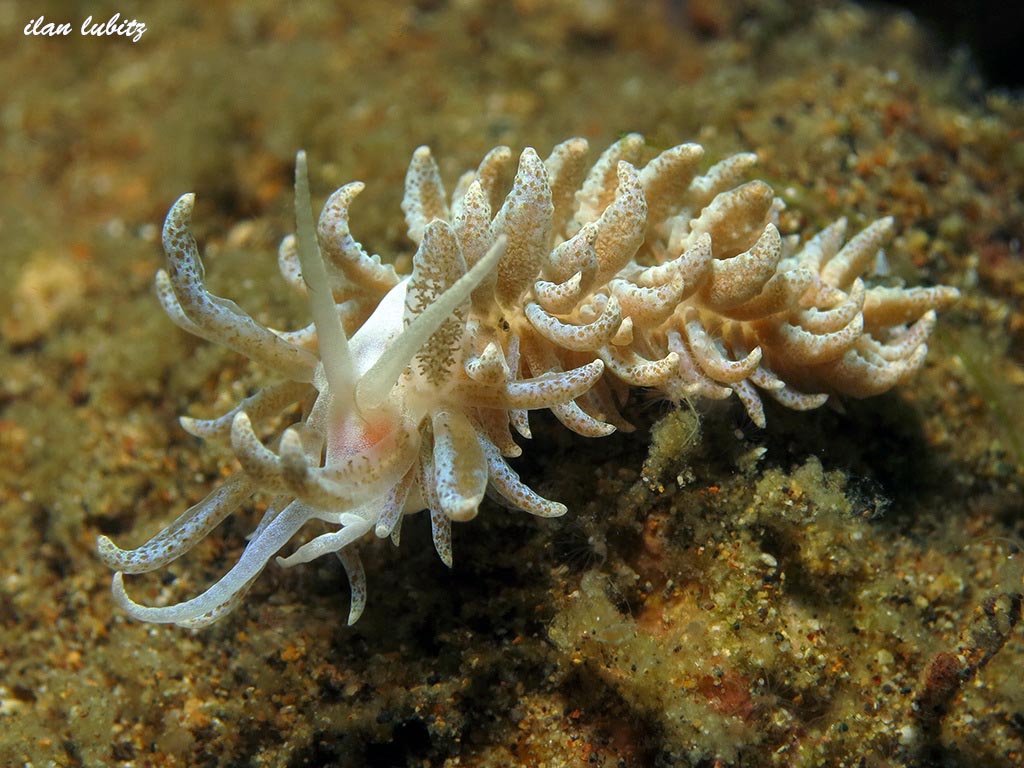
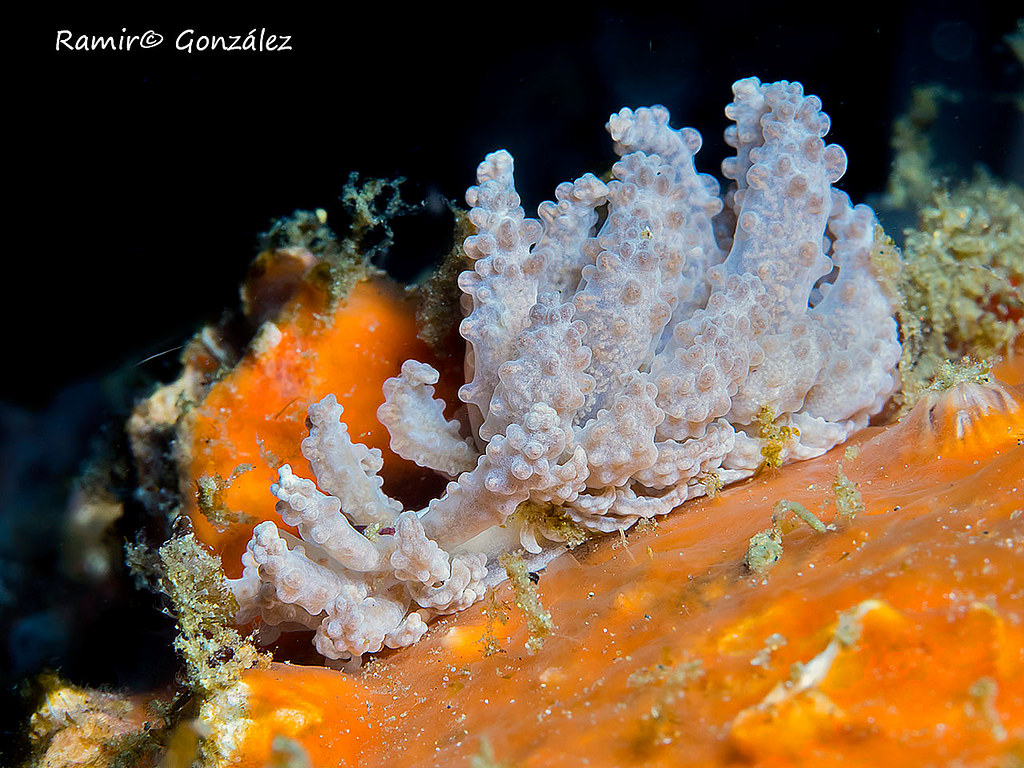
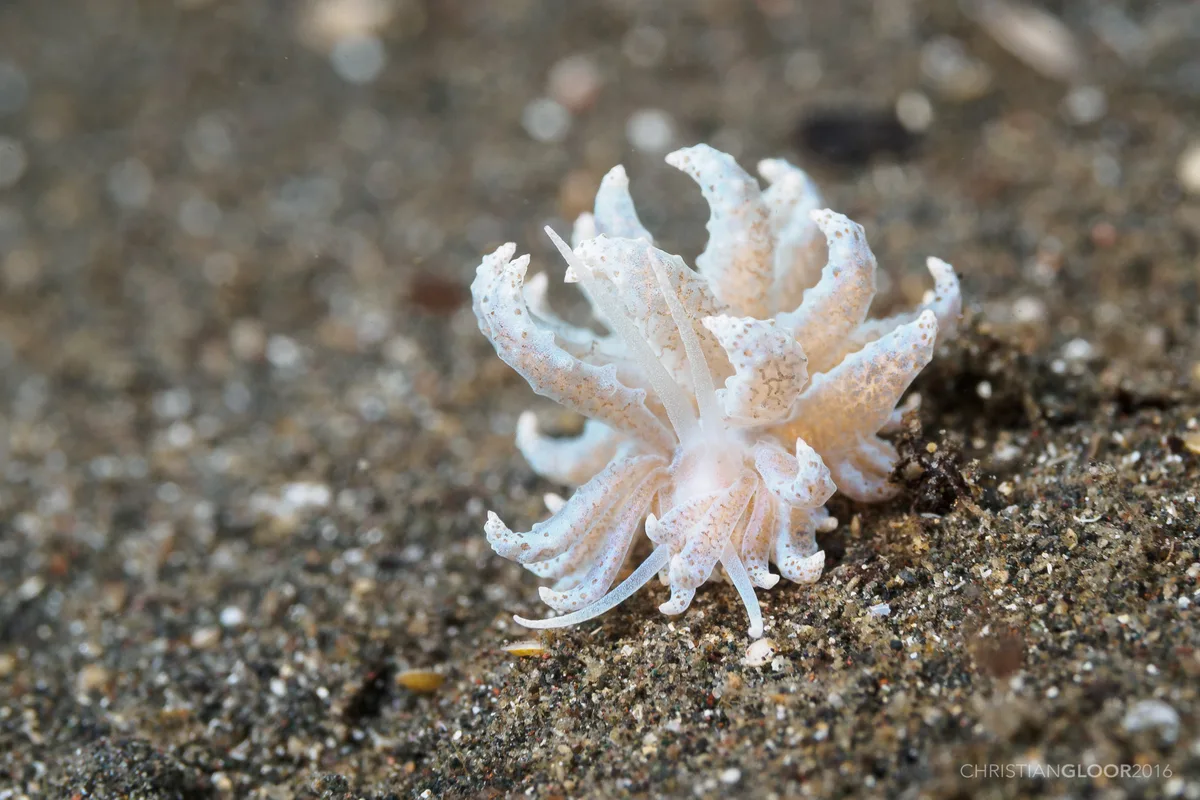
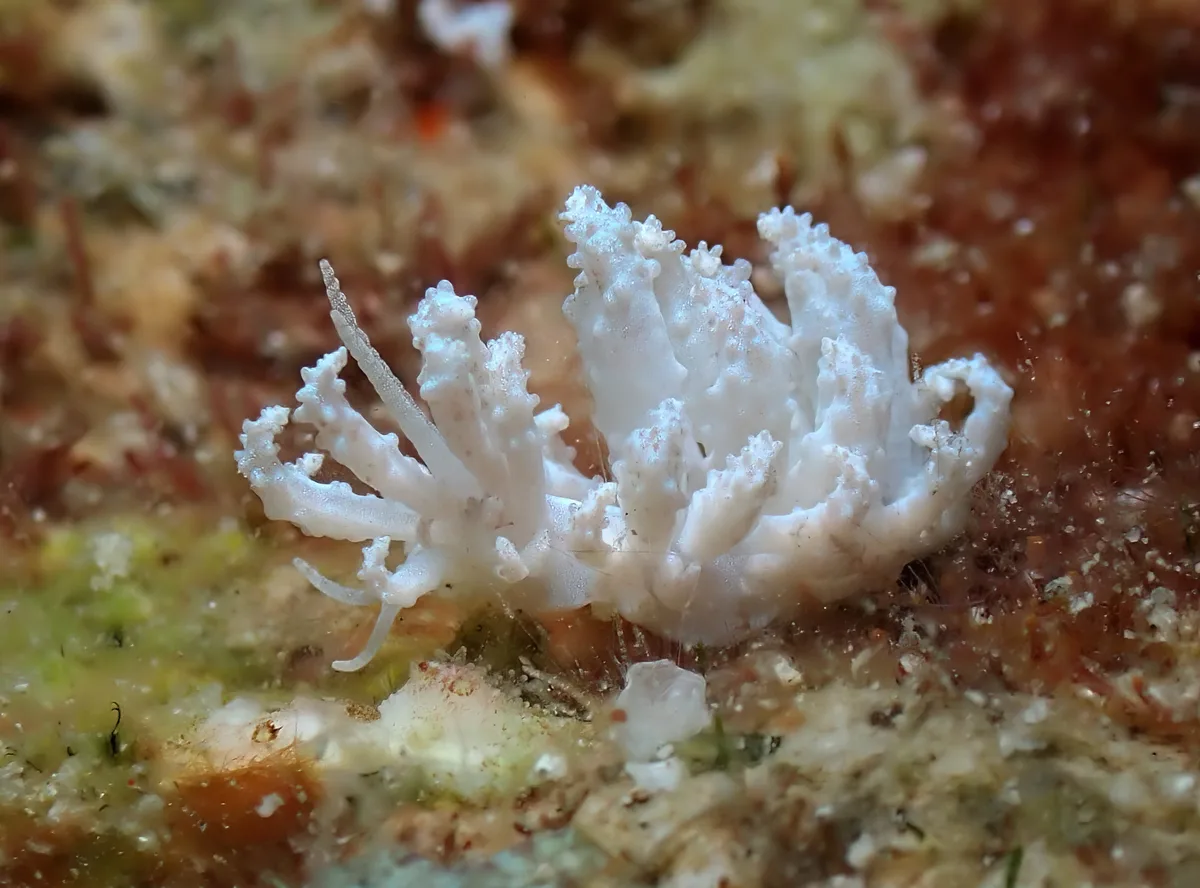
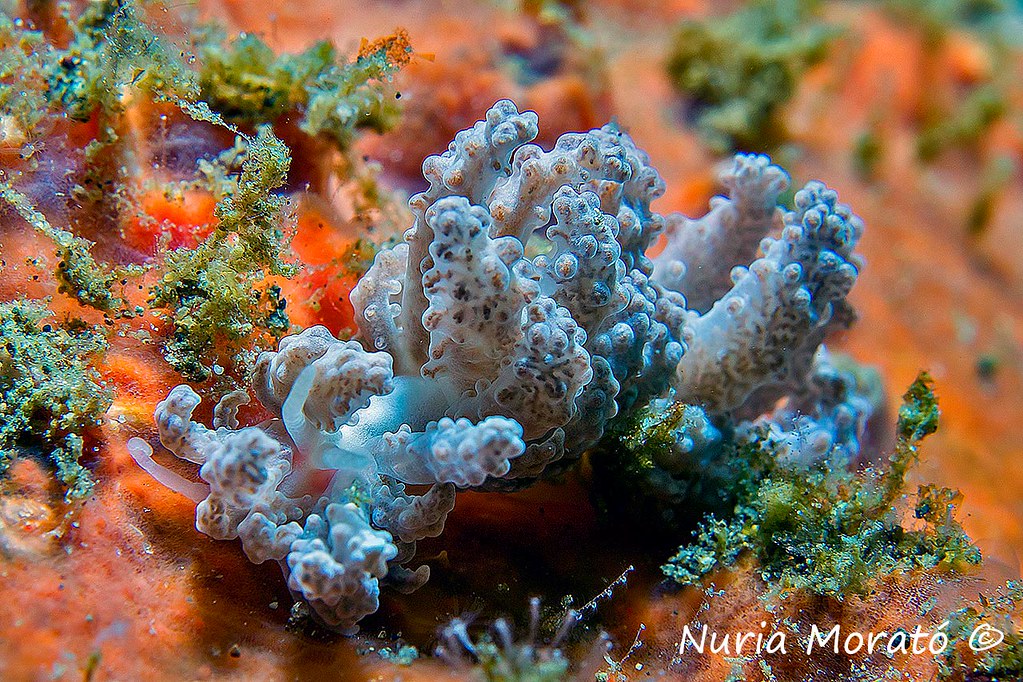
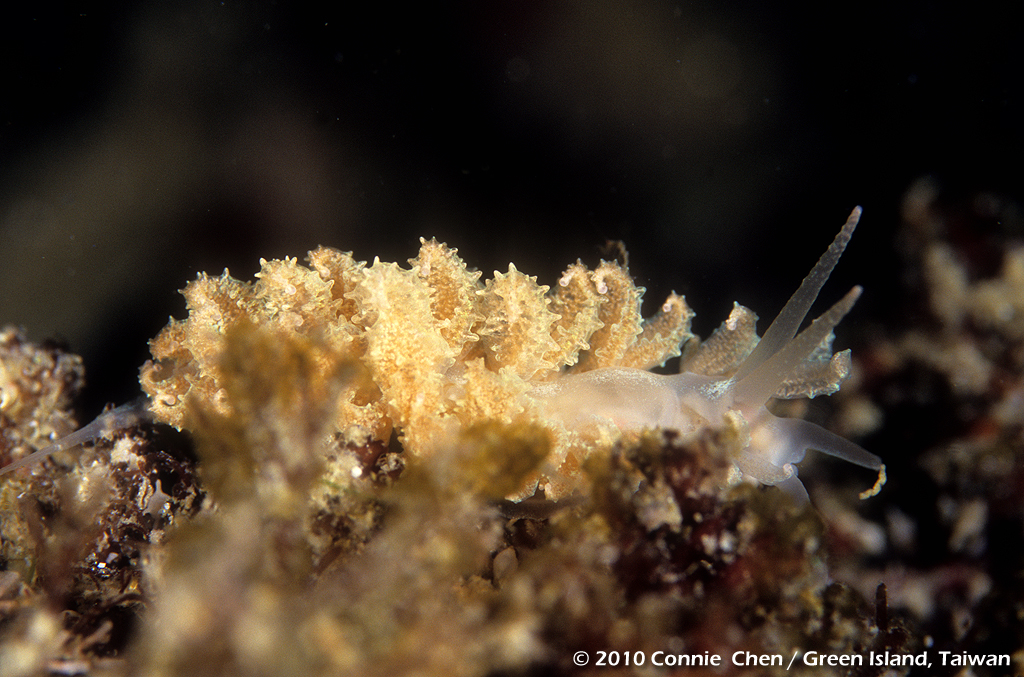
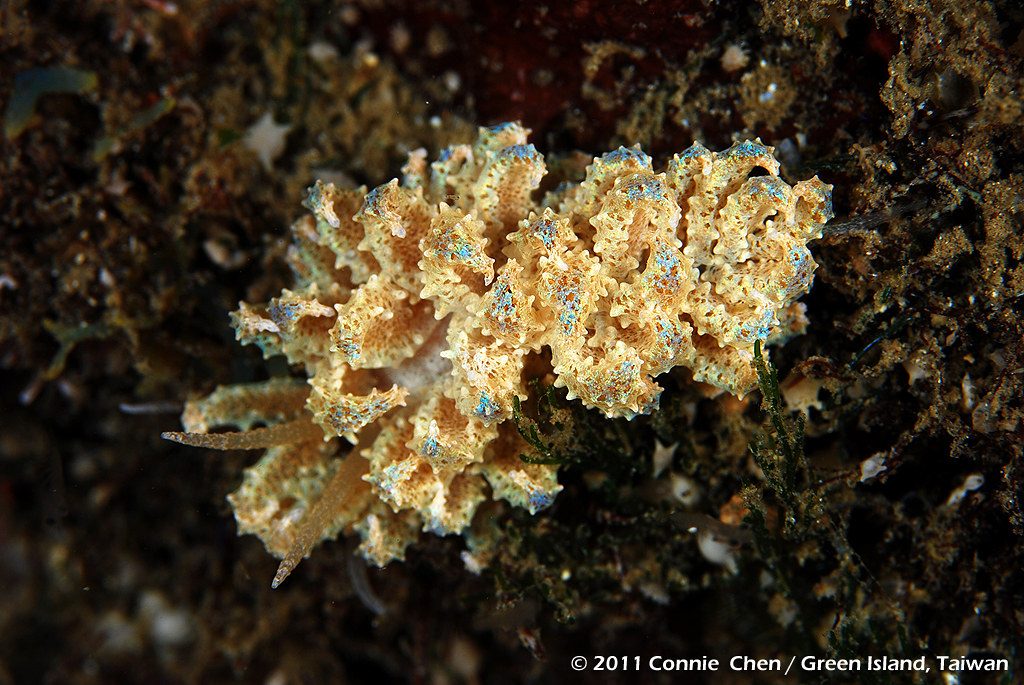
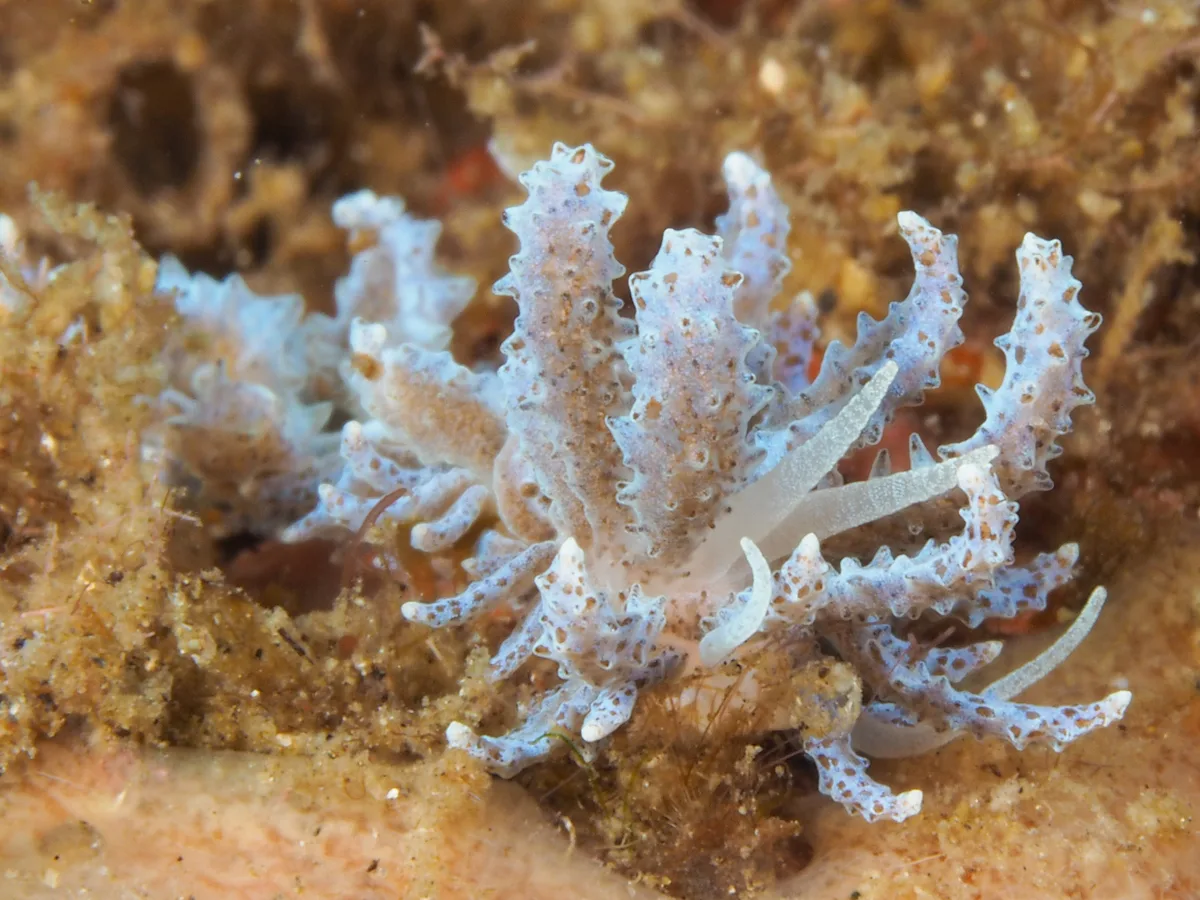
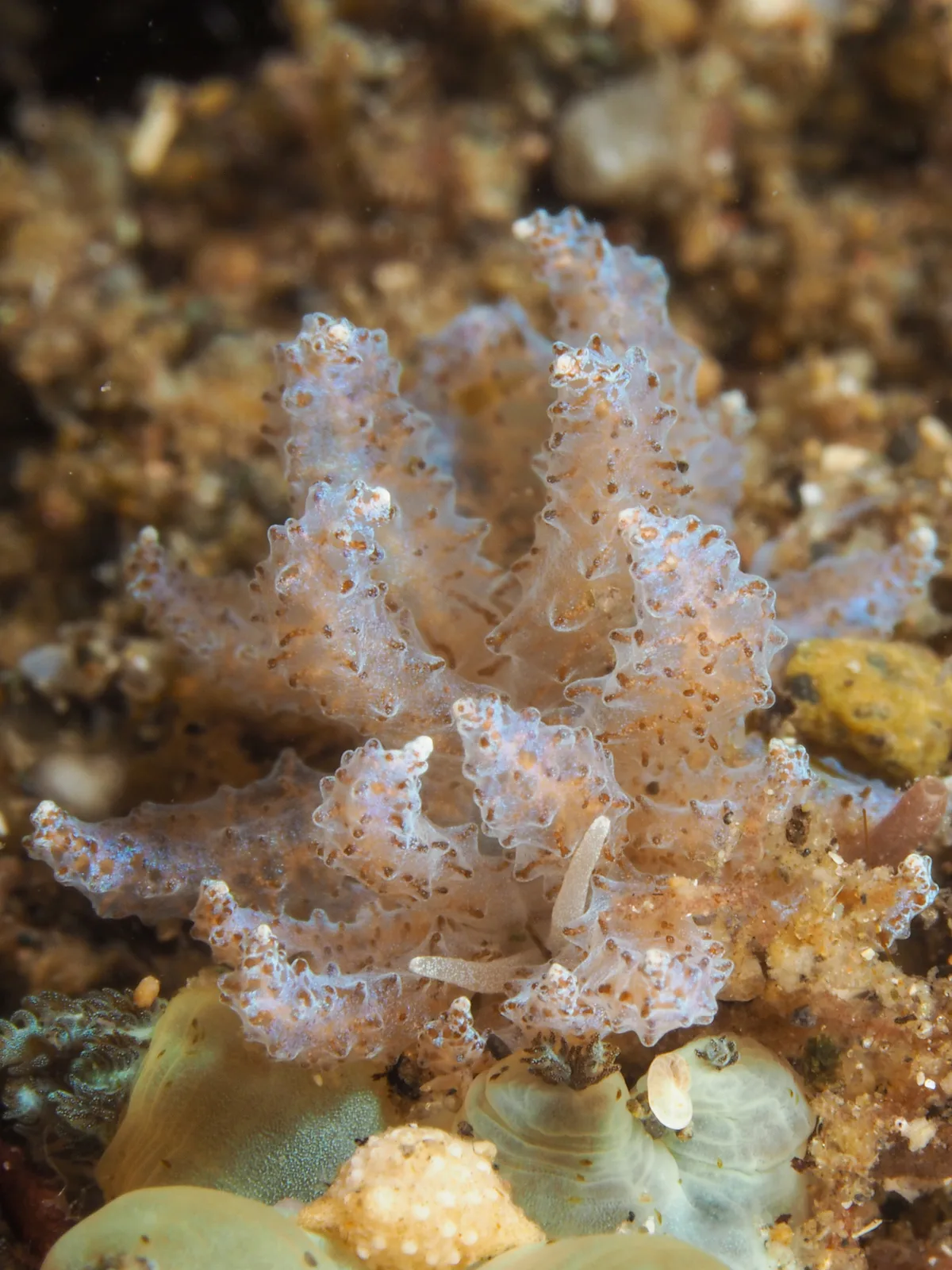
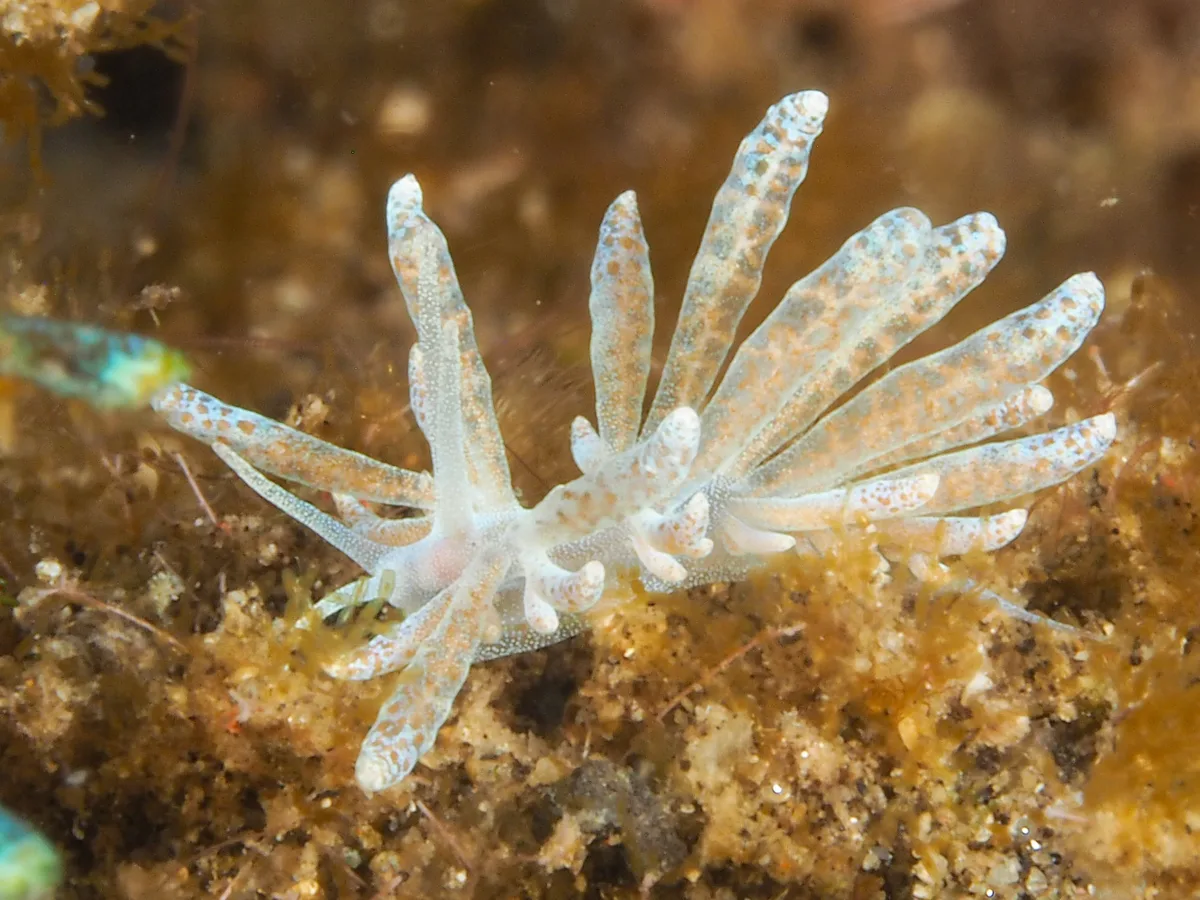
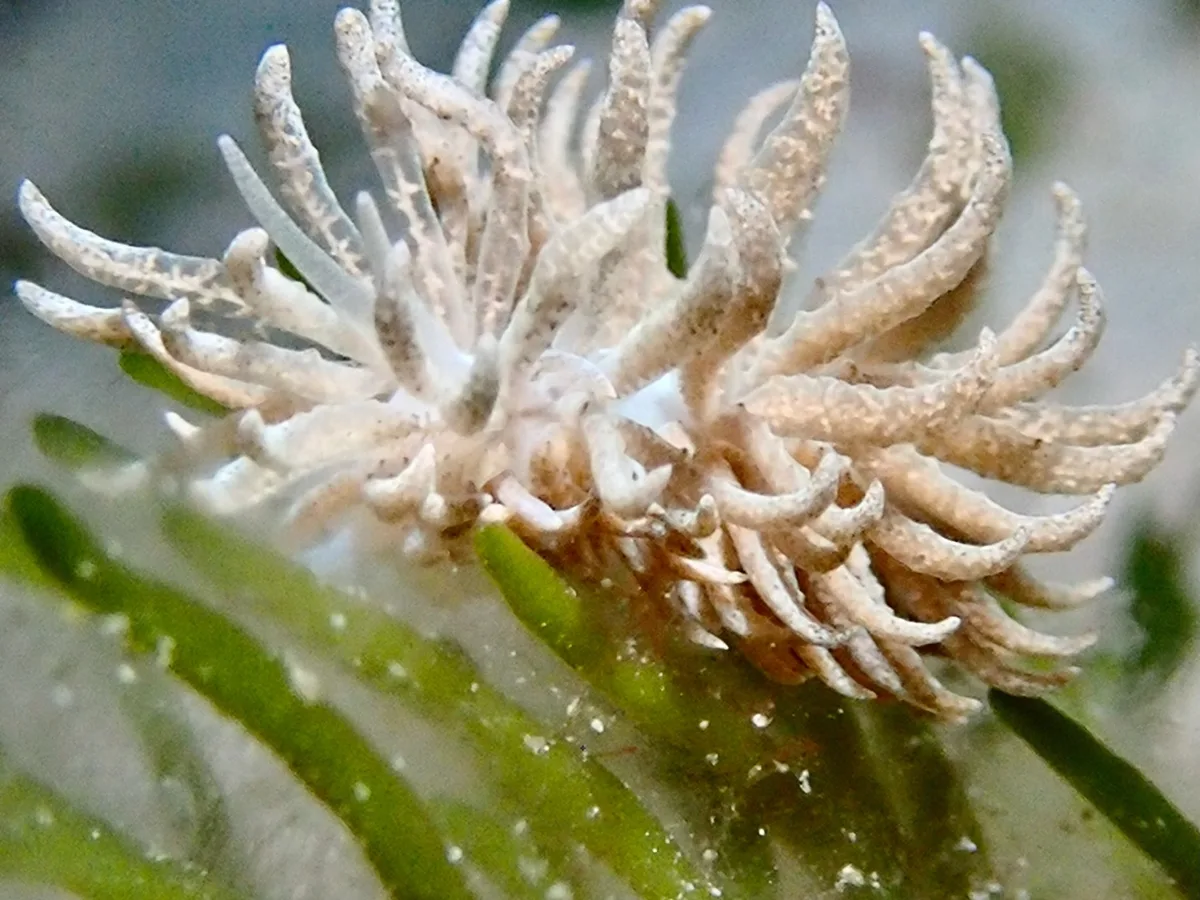
It lives on Xenia, the soft coral whose polyps open and close in a slow continuous rhythm all day long, and it eats it. The disguise is structural rather than painted. The cerata are not smooth fingers; they are knobbly along their length with edges that look serrated, and held up among the divided, feathery arms of a Xenia polyp they stop being a different kind of object. The body is translucent white and takes its color from whatever is behind it. Five centimeters (2 in) of animal sitting in the open on a colony, and the reliable way to find one is to look at a colony that seems to have slightly too many polyps.

What this genus does not have is weapons. Every other aeolid on the reef eats stinging animals and keeps the unfired capsules in its cerata; this whole line abandoned that. There is nothing on its back that will sting anything. Camouflage is not one of its defenses. It is the defense.

With the four already on this page, that makes five of these on one reef, and between them they cover the entire range of what the genus does: one with no protection at all, one that farms algae for sunlight, and three that have made themselves into pieces of their own food.

How to recognise it
  • cerata knobbly along their length with toothed-looking edges, not smooth fingers
  • translucent white, taking its color from what is behind it
  • found on the coral itself and effectively invisible on it
  • five centimeters, and you will still walk past it
Comments

Please, sign in to leave a comment

Continue with a social account - yours will be created automatically.

No comments yet — be the first.

Last Update: August 27, 2026