Neurotoxin
A poison that jams nerve signaling rather than damaging tissue - it kills by stopping the breathing muscles, with the victim fully conscious.
A neurotoxin attacks the signaling system rather than the tissue. Where a detergent-type poison such as ostracitoxin simply dissolves whatever it touches, a neurotoxin picks out one component of the machinery that carries a nerve impulse - a channel, a receptor, an enzyme - and jams it. Almost every famous marine poison works this way.
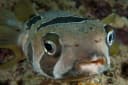
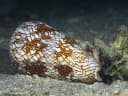
The targets differ. Tetrodotoxin in puffers plugs the sodium channel a nerve needs in order to fire at all. Sea snake venom blocks the receptor on the muscle side of the gap, so the signal arrives and nothing answers. Conotoxins from cone snails do both, and a dozen other things besides. The end state is the same: nerves stop talking to muscles.
Which leads to the detail that matters most and is least known. A neurotoxin of this kind does not damage the brain and does not cause unconsciousness. Breathing is muscular, so a serious envenomation kills by suffocation, in a person who is fully aware throughout. It also means that artificial ventilation - keeping the victim breathing, by hand if necessary, for hours - is genuine treatment and not merely comfort, because the body eventually clears the toxin and the paralysis lifts.
First aid
Whatever the animal, the sequence is the same, and the last point is the one that saves people.
- Keep the person still and calm, and get help moving early.
- For a bite or sting on a limb, bandage the whole limb firmly and splint it.
- Watch the breathing rather than the wound. Nerve poisons show up as heavy eyelids, slurred speech, a weak grip, then shallow breathing.
- If the breathing fails, give rescue breaths and keep going. The brain is not being damaged and the paralysis is temporary: someone breathing for the person is, in the literal sense, the treatment.