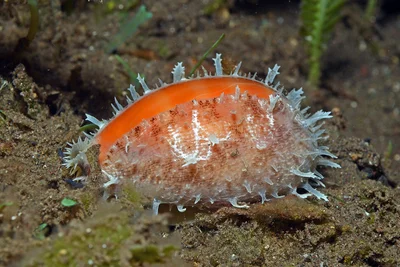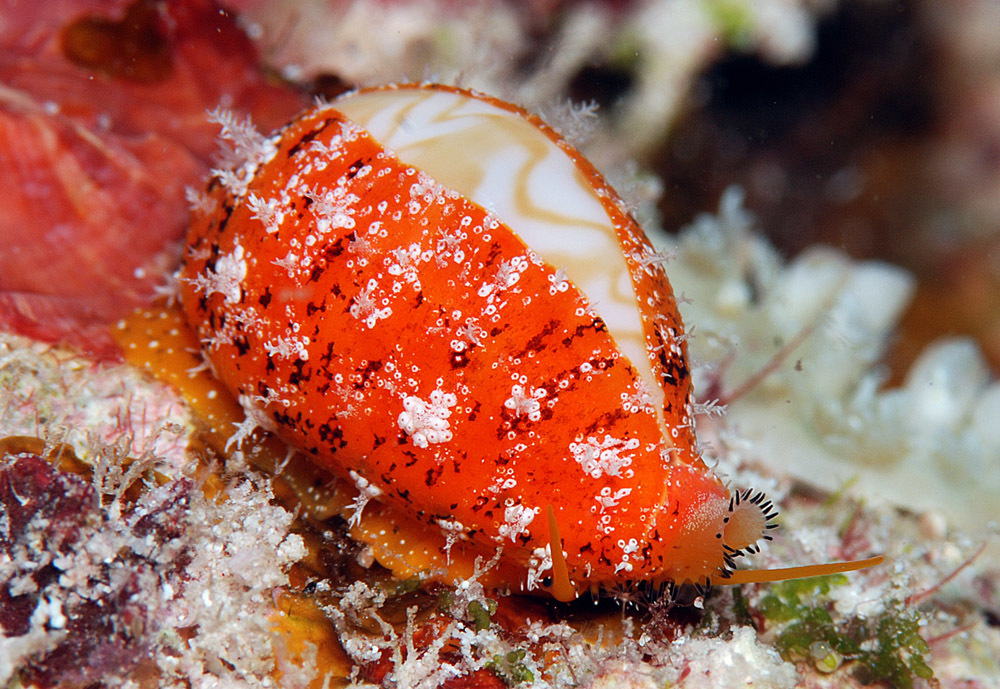
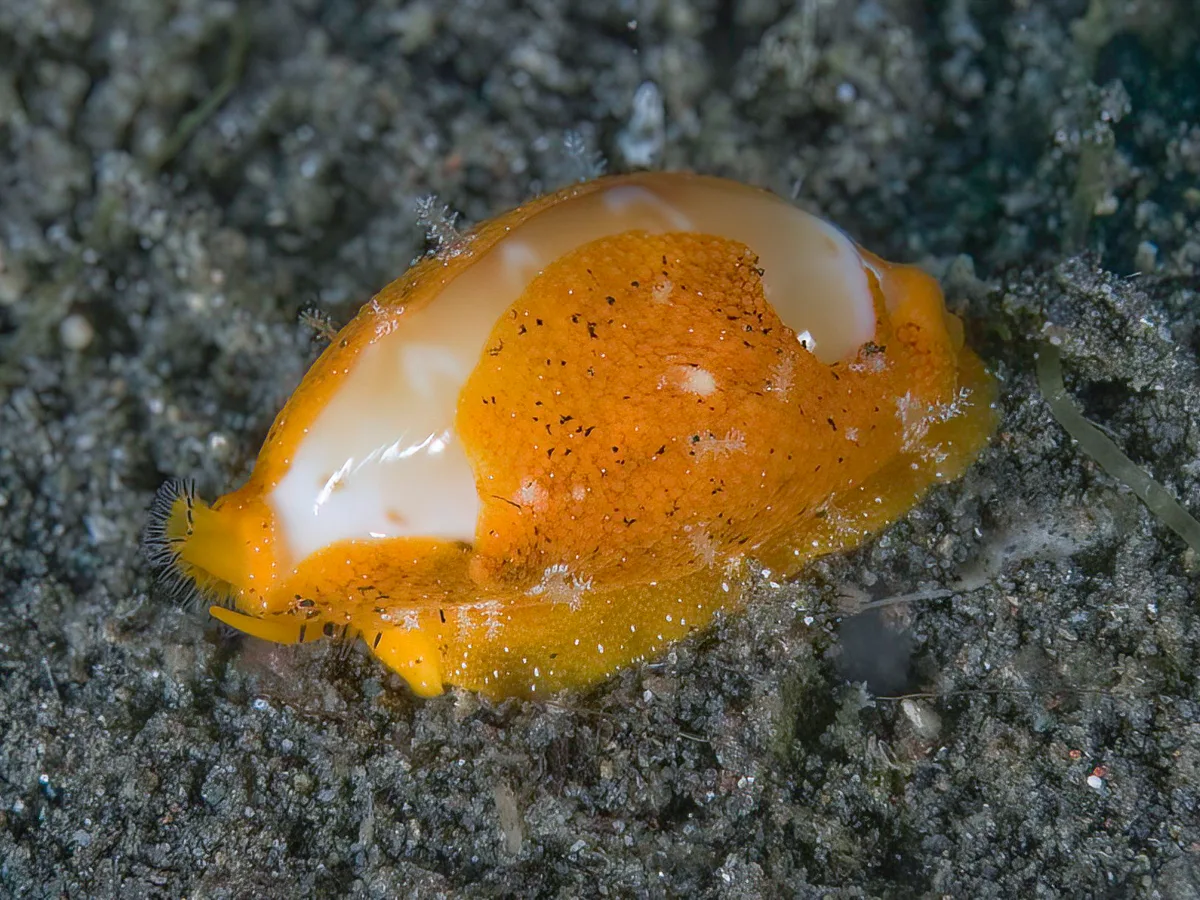
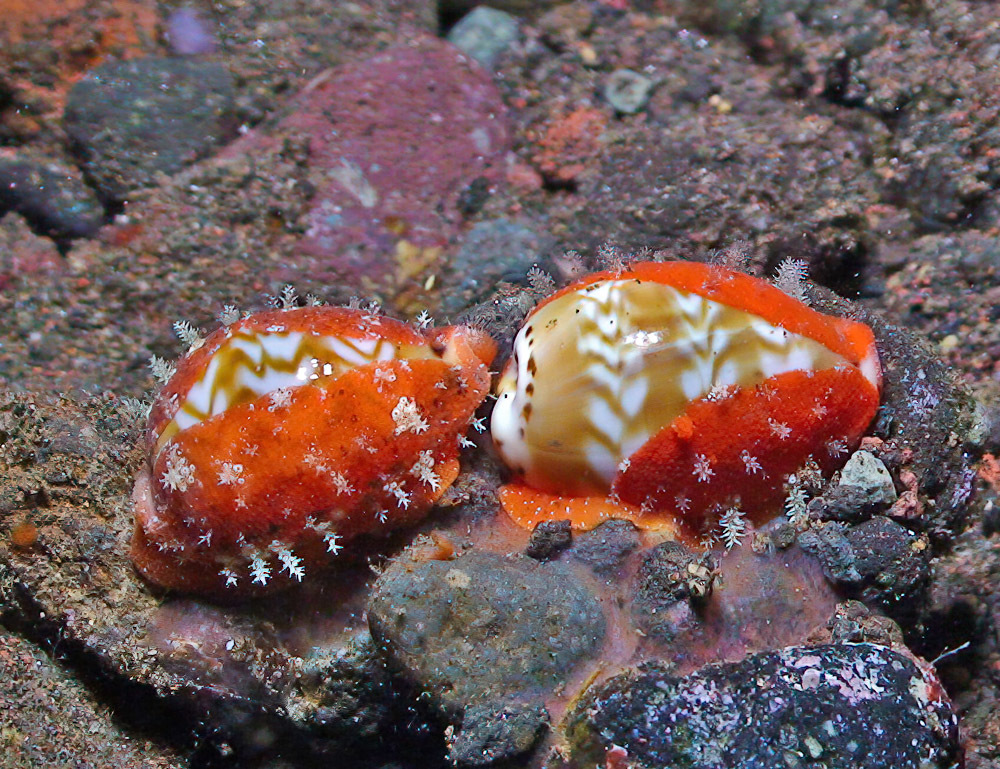
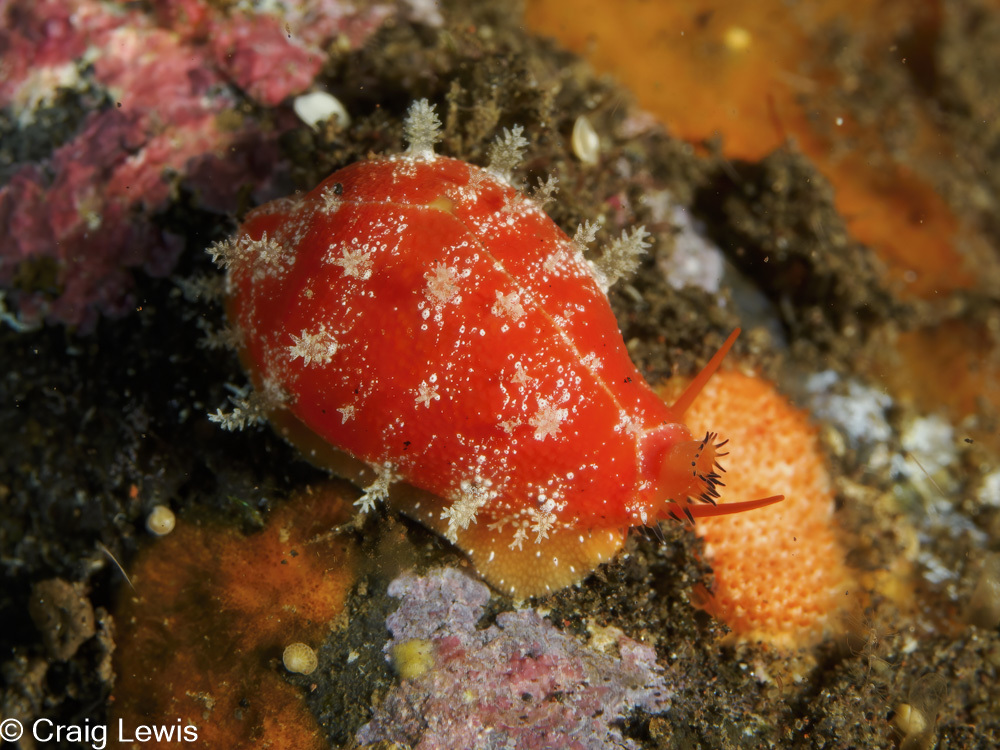
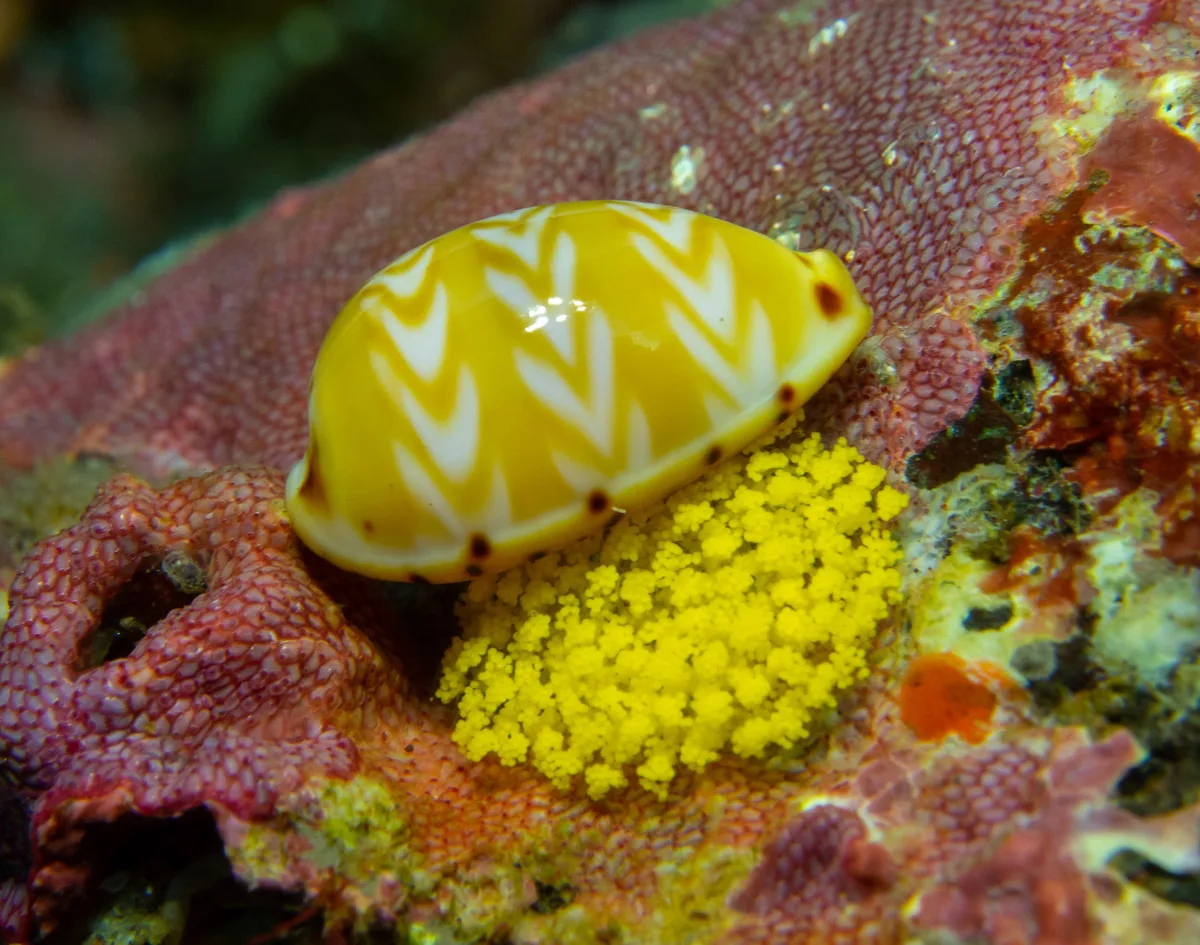
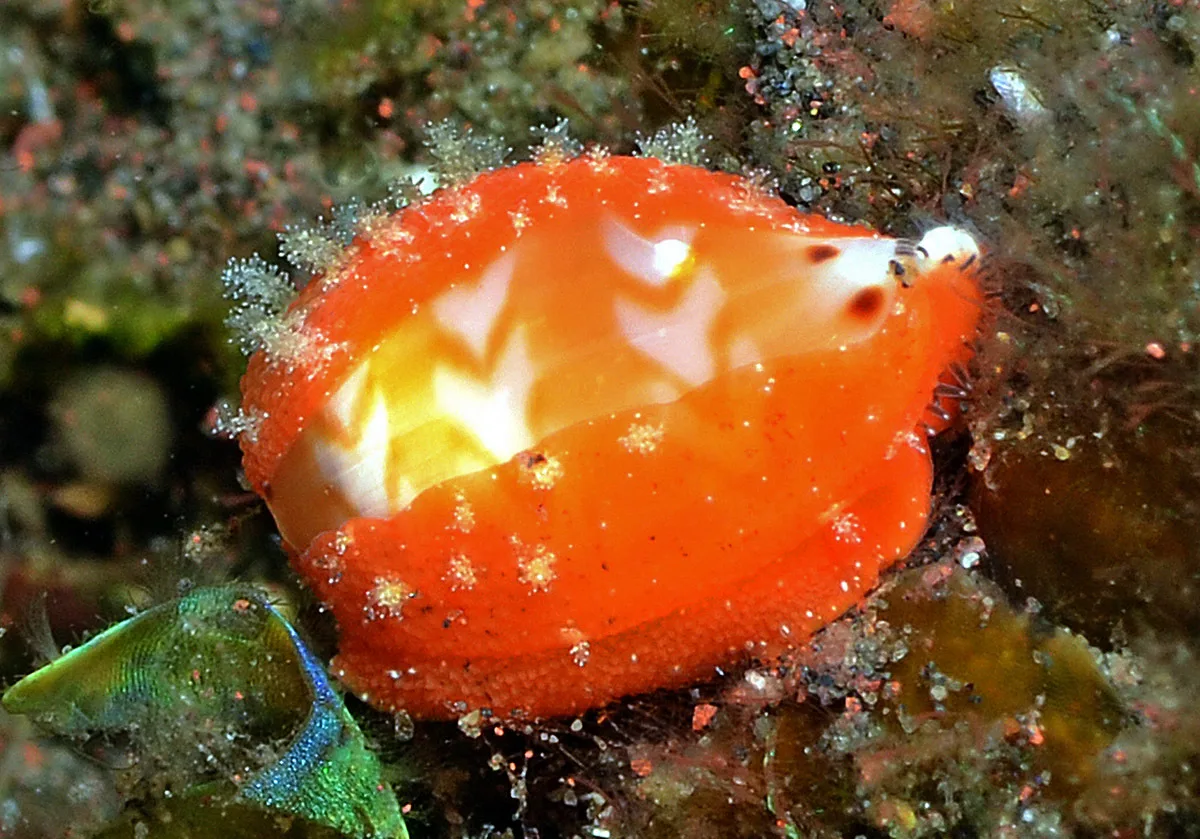
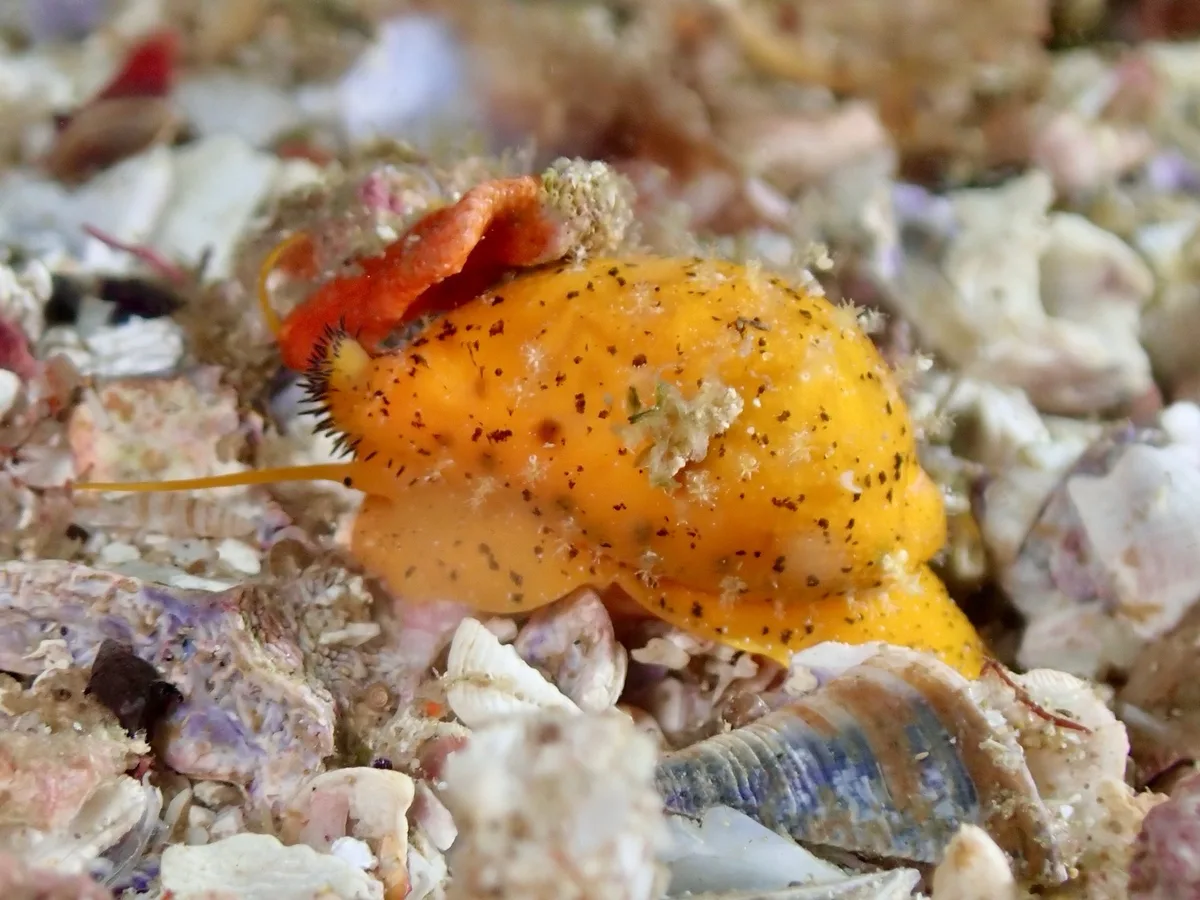
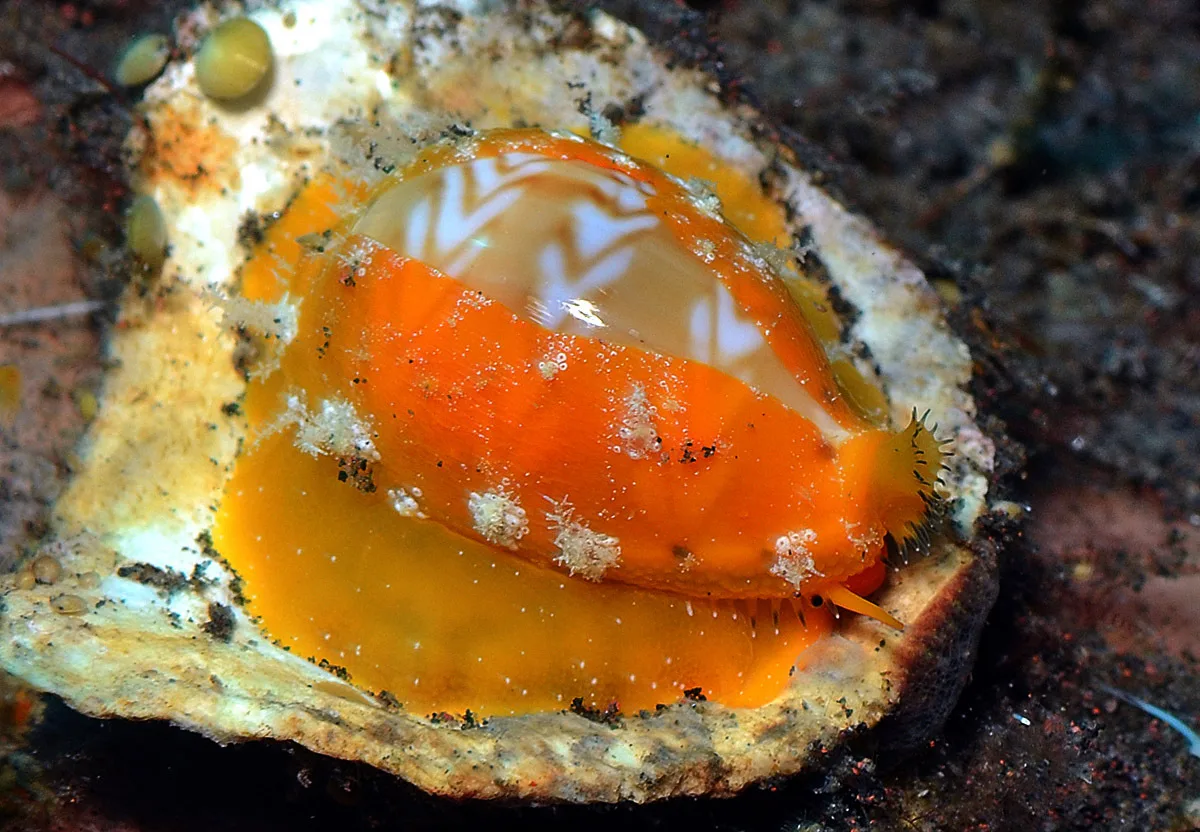
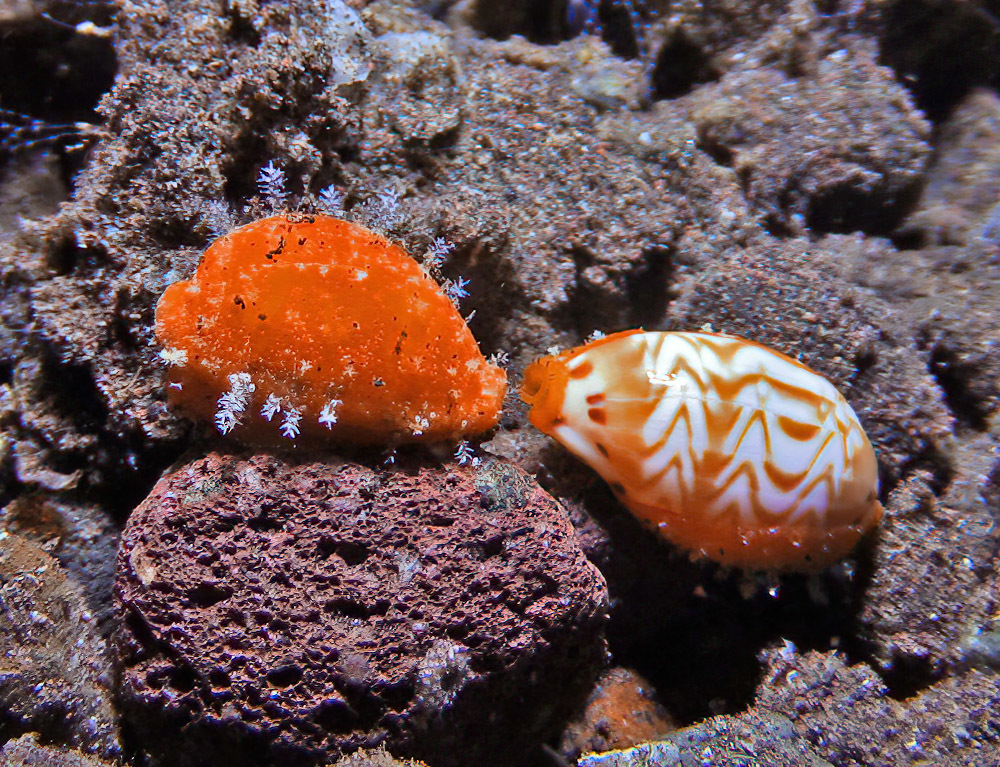
Palmadusta ziczac - Kwajalein Atoll, RMI
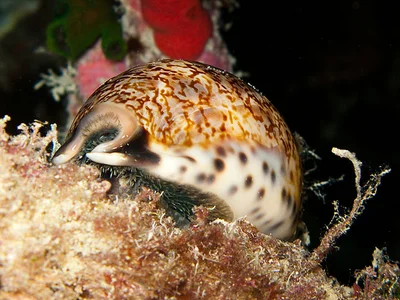
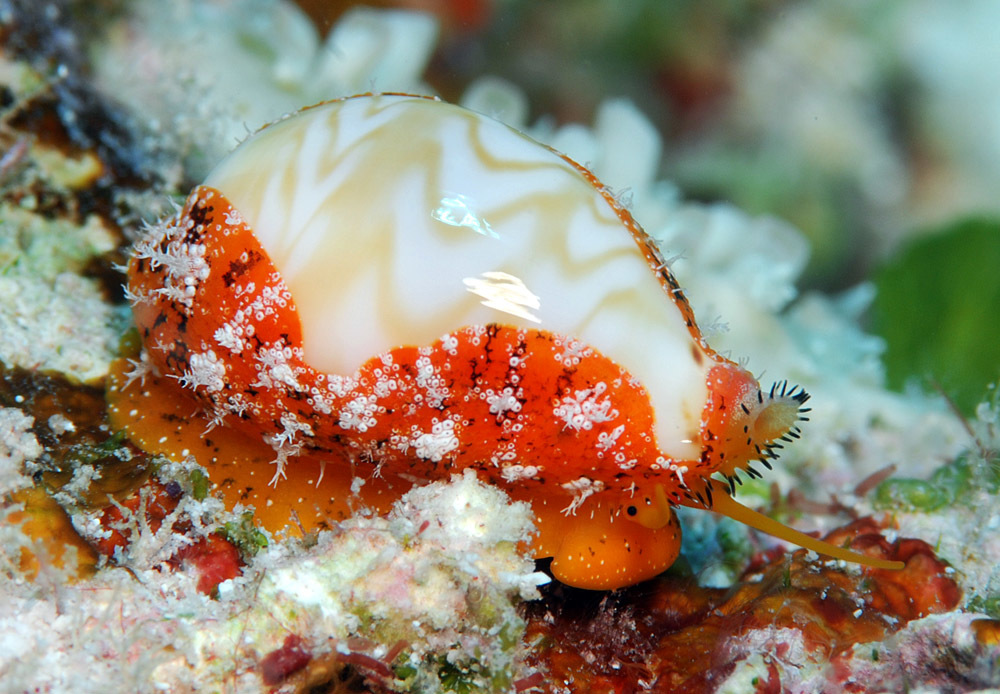
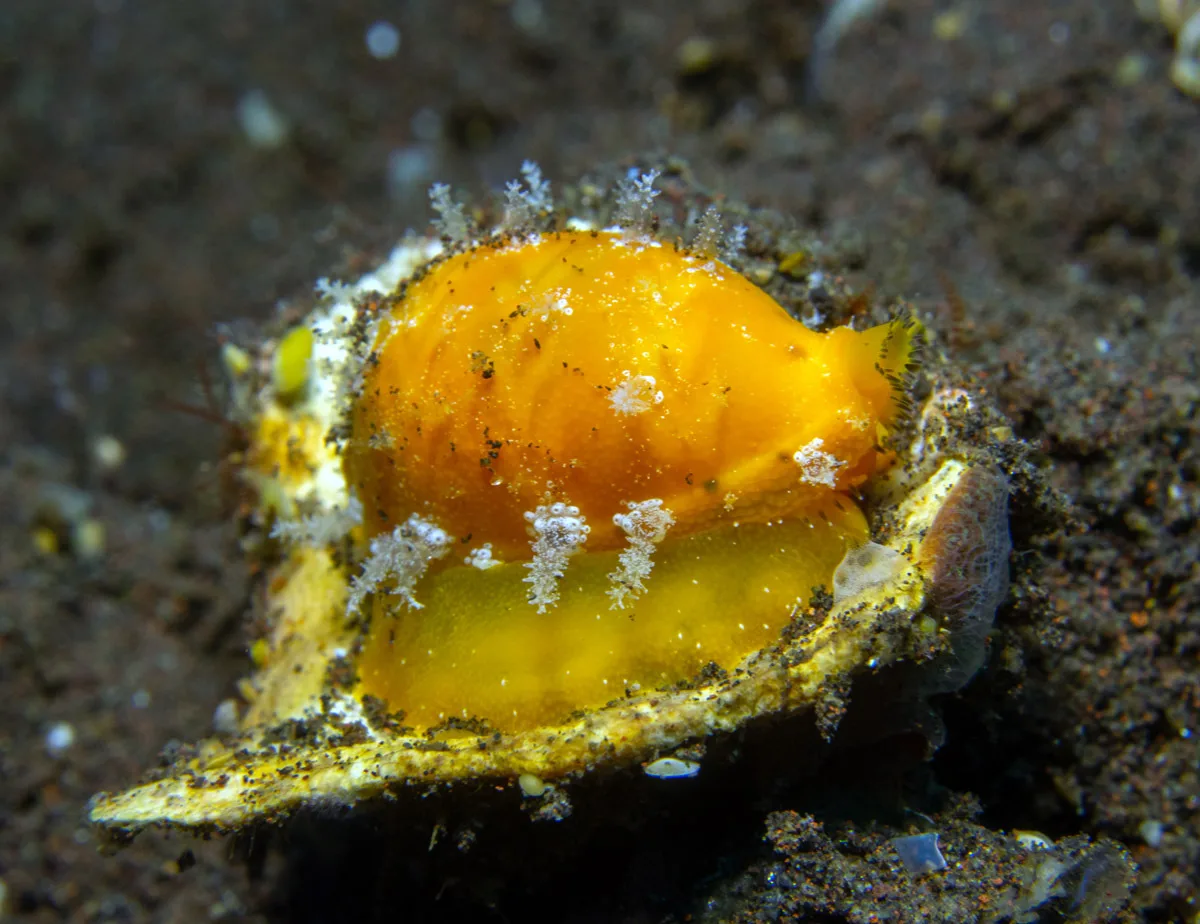
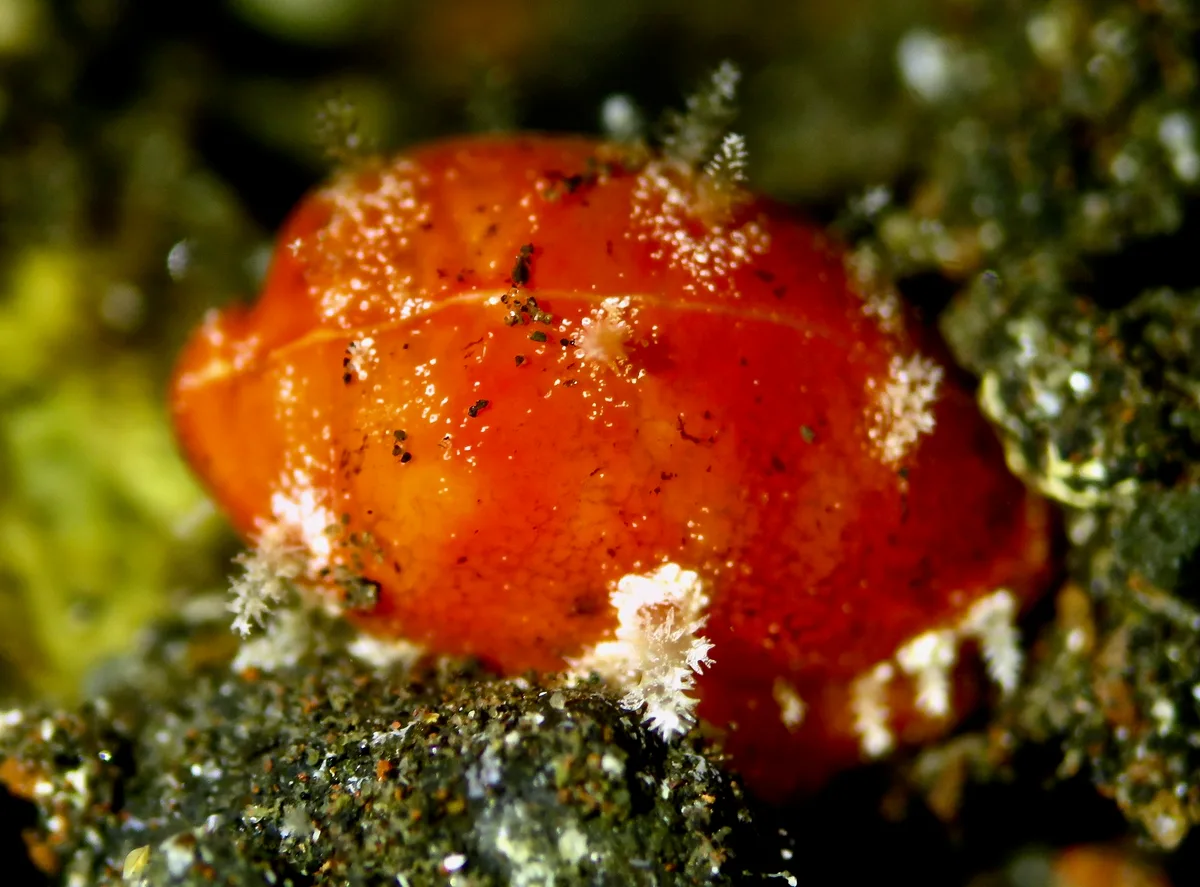
Palmadusta ziczac - Mabini, Batangas, Philippines
Palmadusta ziczac - Kwajalein Atoll, RMI
Palmadusta ziczac - Mabini, Batangas, Philippines
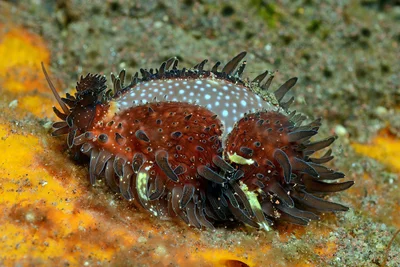
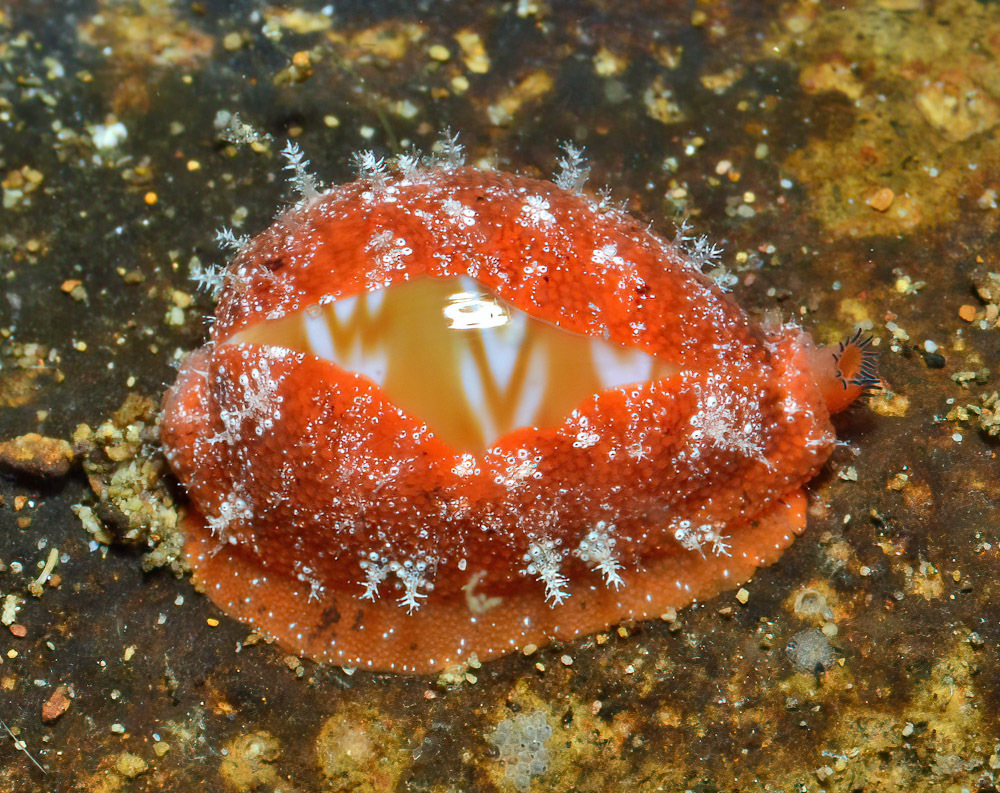
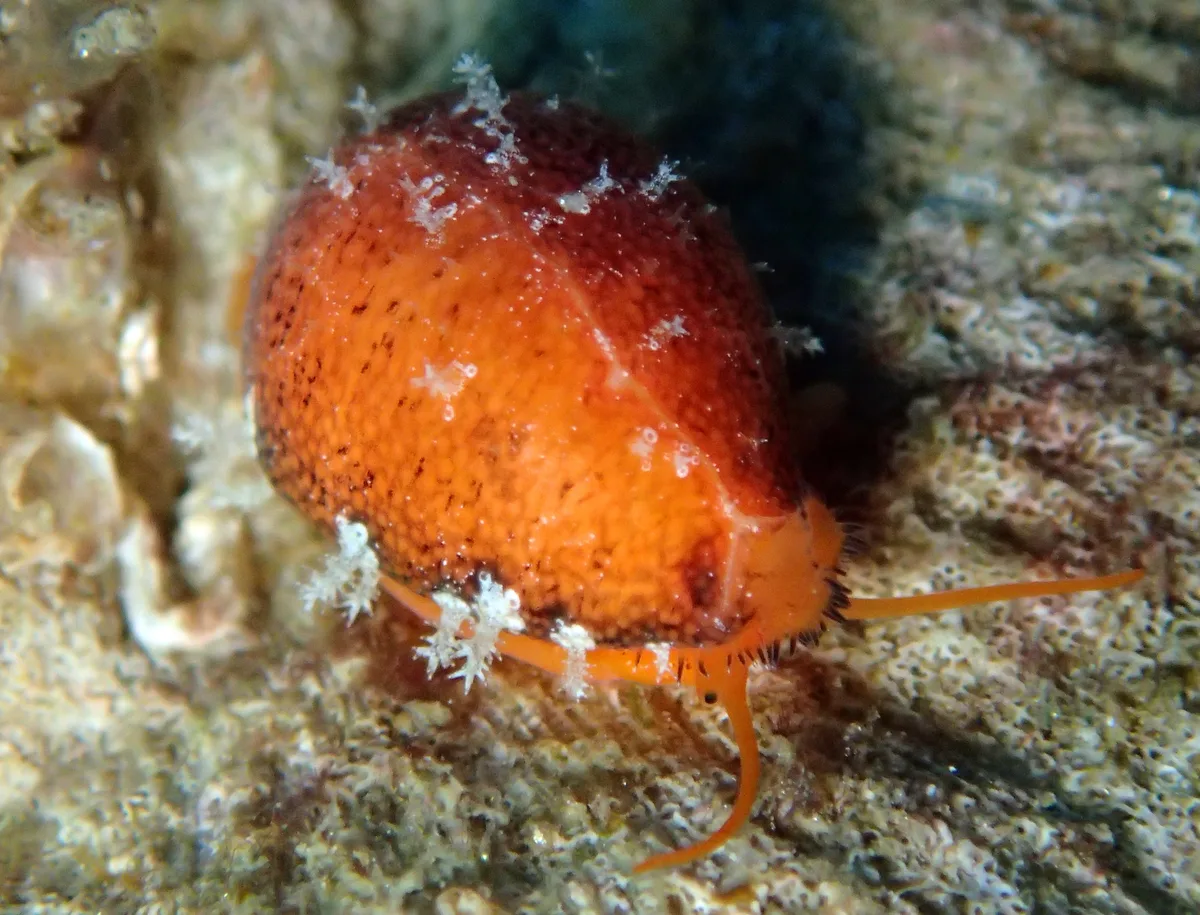
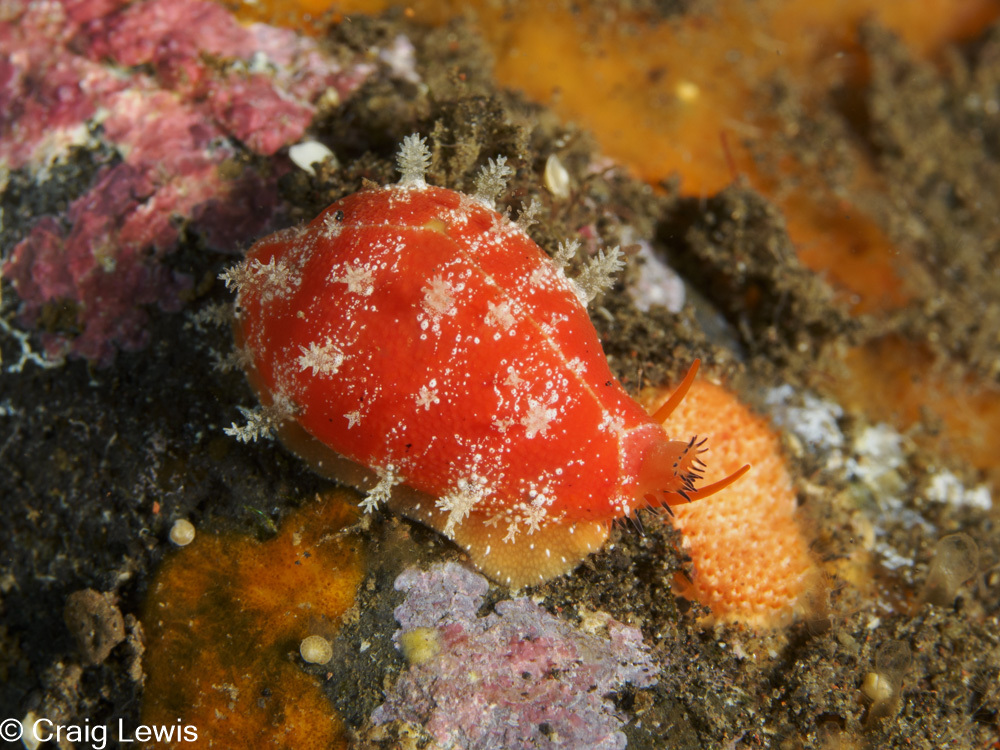
Palmadusta ziczac - Batuniti, near Tulamben, Kubu, Karangasem Regency, Bali, Indonesia
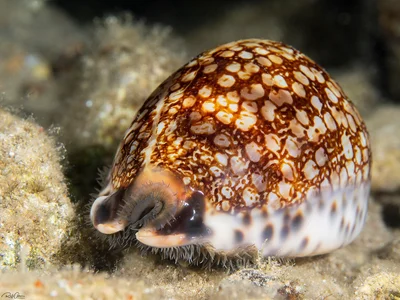
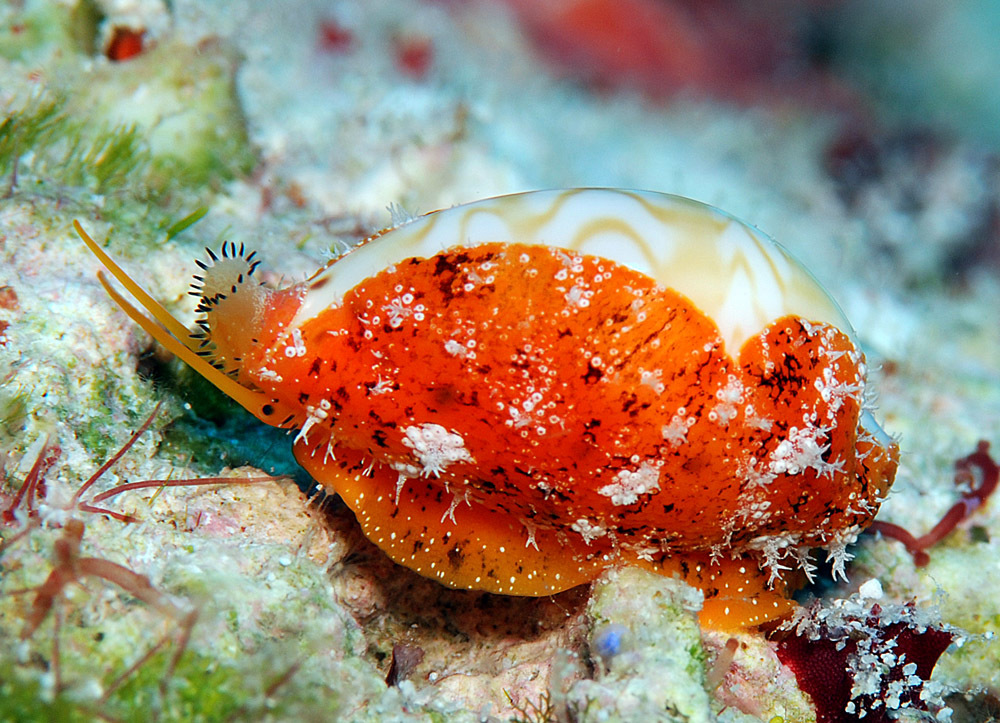
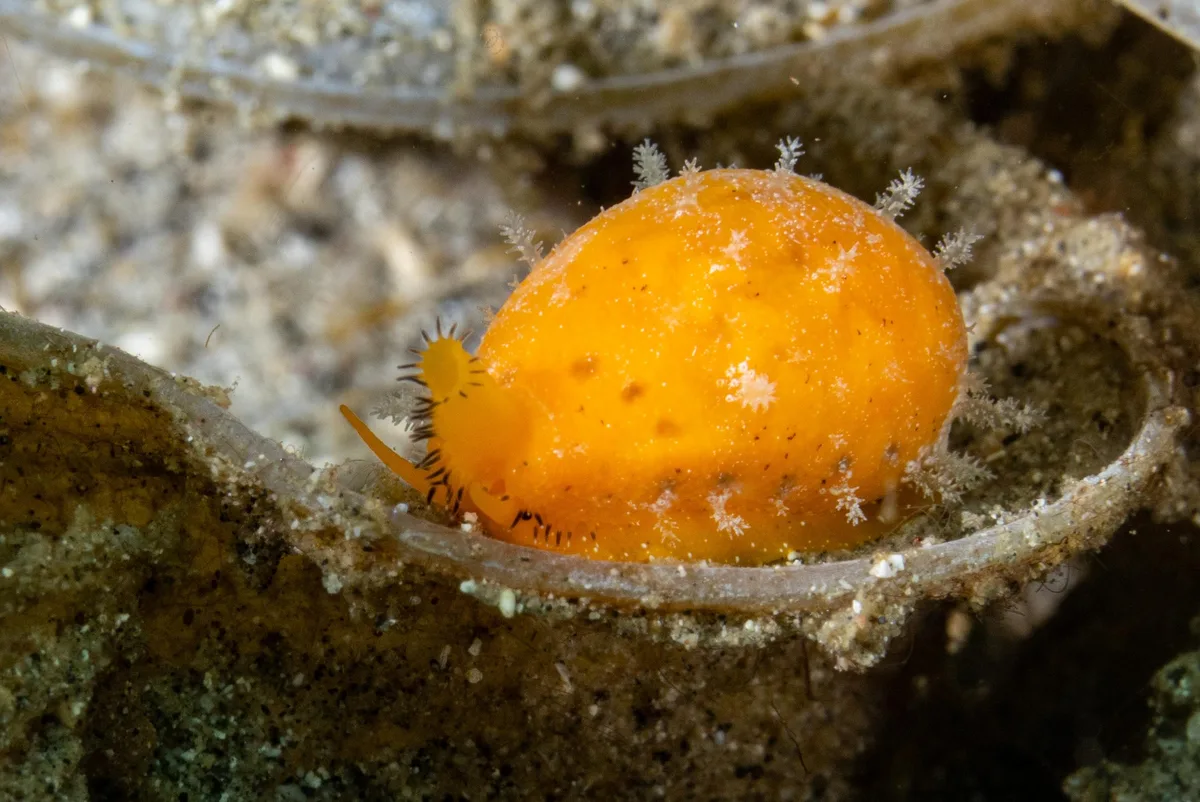
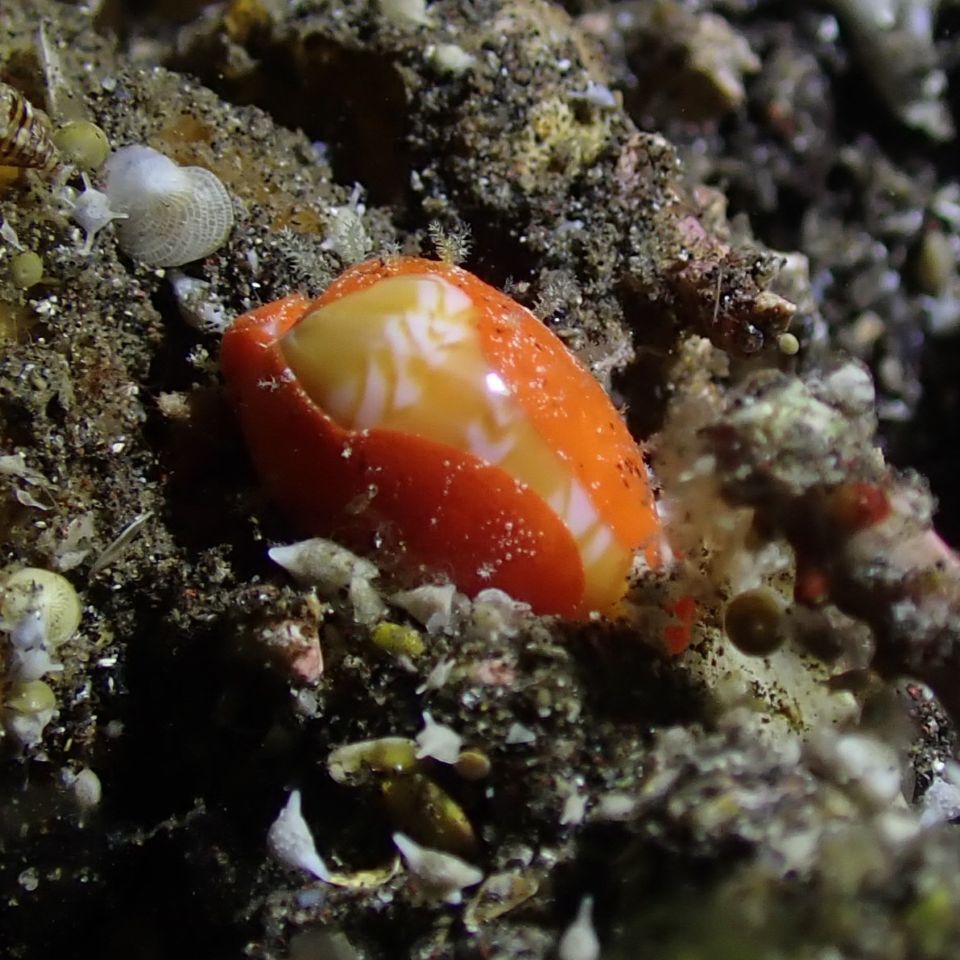
Palmadusta ziczac - Tulamben area, Kubu, Karangasem Regency, Bali, Indonesia
Palmadusta ziczac - Lembeh Strait, Sulawesi, Indonesia
Palmadusta ziczac - Tulamben area, Kubu, Karangasem Regency, Bali, Indonesia
Palmadusta ziczac - Karangasem Regency, Bali, Indonesia
Palmadusta ziczac - Batuniti, near Tulamben, Kubu, Karangasem Regency, Bali, Indonesia
Palmadusta ziczac - Romblon, PH
Palmadusta ziczac - Bitung, ID-SW, ID
Palmadusta ziczac - AU
Palmadusta ziczac - Karang Asem, ID-BA, ID
Palmadusta ziczac - Karangasem Regency, Bali, Indonesia
Palmadusta ziczac - Karang Asem, ID-BA, ID
Palmadusta ziczac - Batuniti, near Tulamben, Kubu, Karangasem Regency, Bali, Indonesia
Palmadusta ziczac - Karangasem Regency, Bali, אינדונזיה
Palmadusta ziczac - Tulamben area, Kubu, Karangasem Regency, Bali, Indonesia
Palmadusta ziczac - Kwajalein Atoll, RMI
© uwkwaj
Invertebrate · Molluscs · Cowries

Zigzag Cowrie

Palmadusta ziczac (Linnaeus, 1758)
syn. Cypraea ziczac
up to 2.6 cm
0

The banding is the point, and it is worth looking at closely rather than from arm's length.

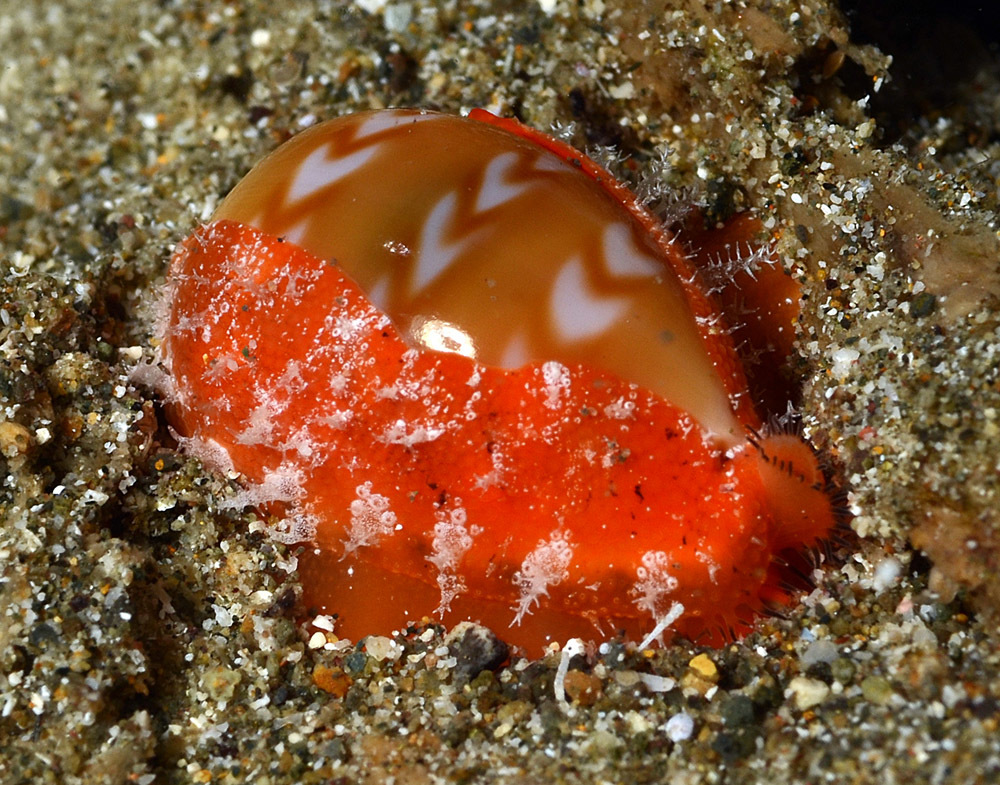
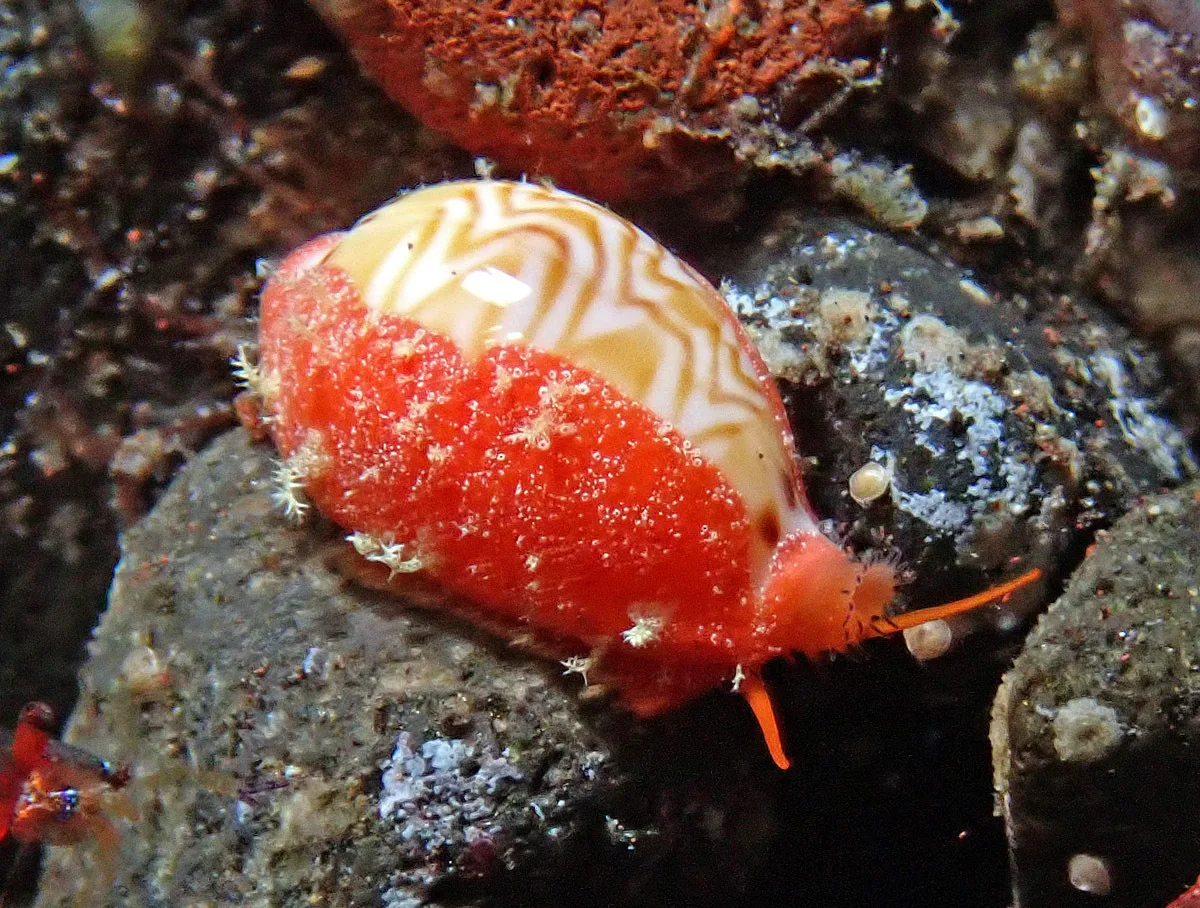
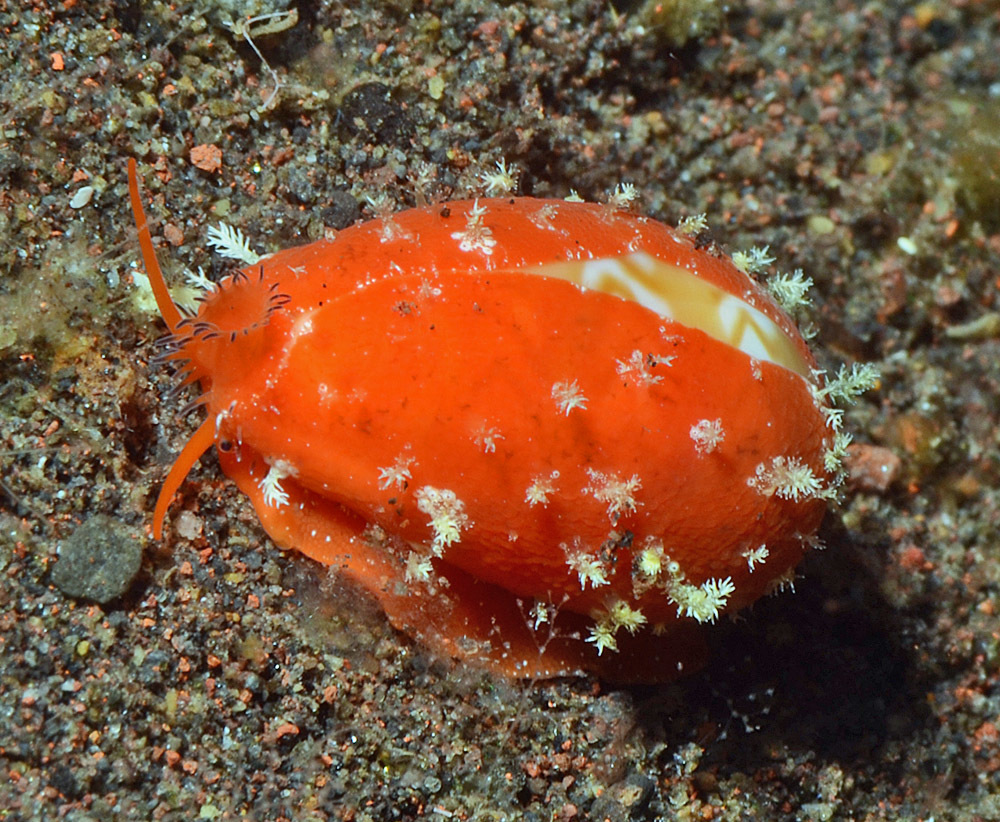
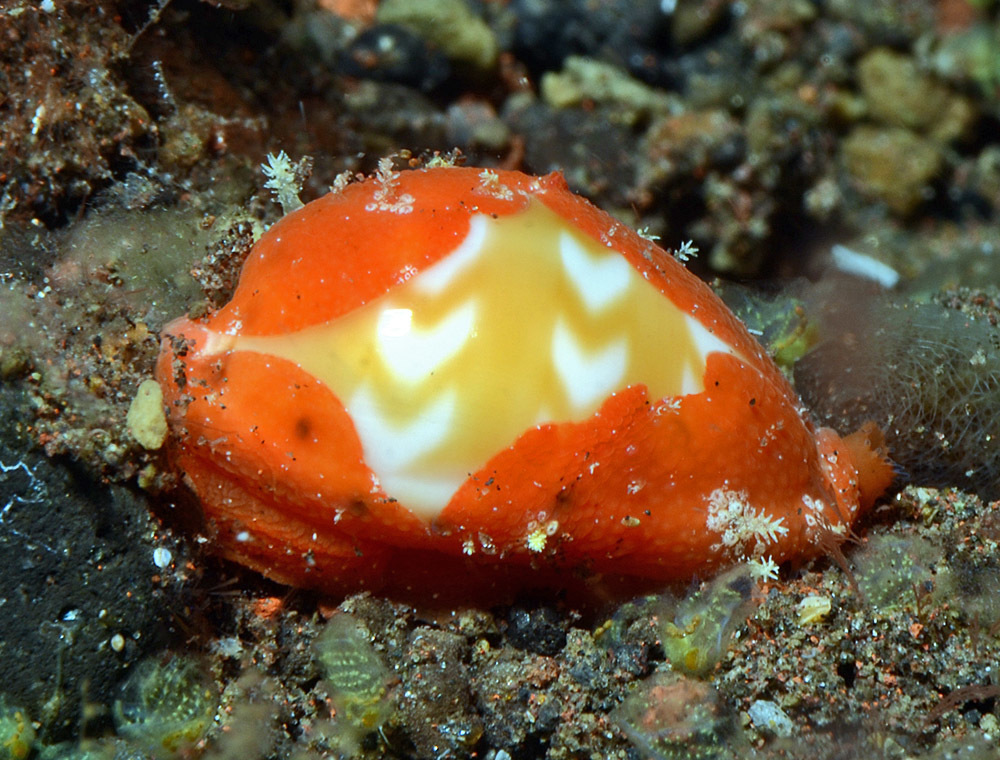
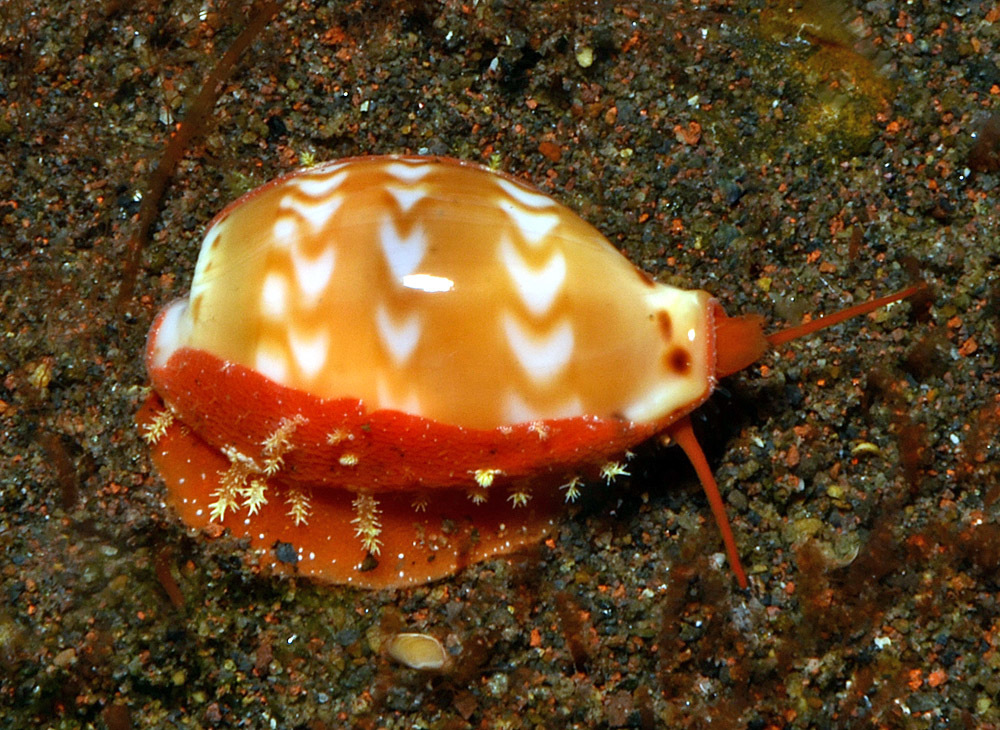
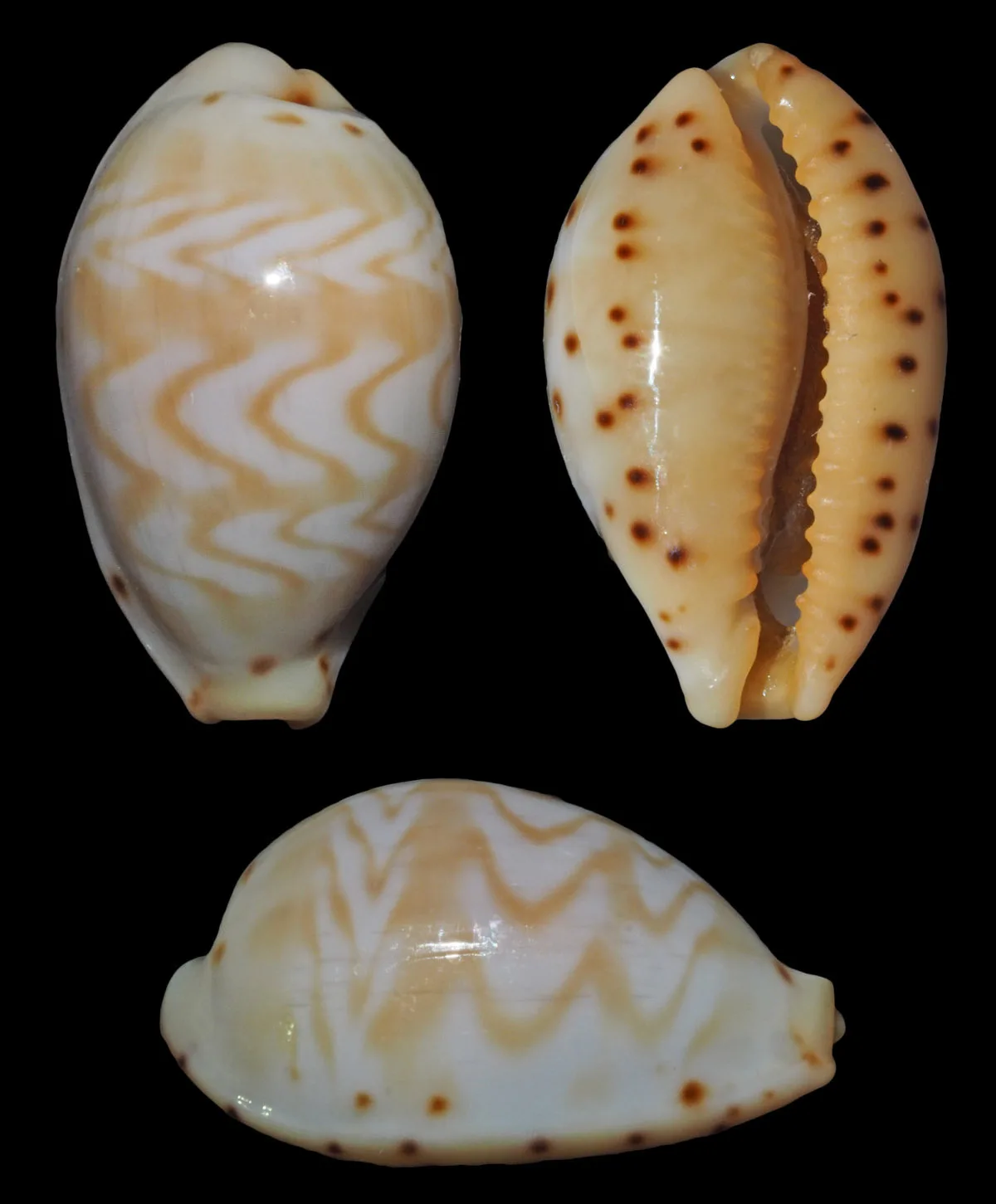
Three pale bands cross a beige to tan shell. From a distance they read as plain stripes. Up close each one turns out to be built from fine zigzag lines running across the shell, a chevron pattern laid down in narrow strokes, which is what gives the species its name. Between the bands the ground is dotted darker.

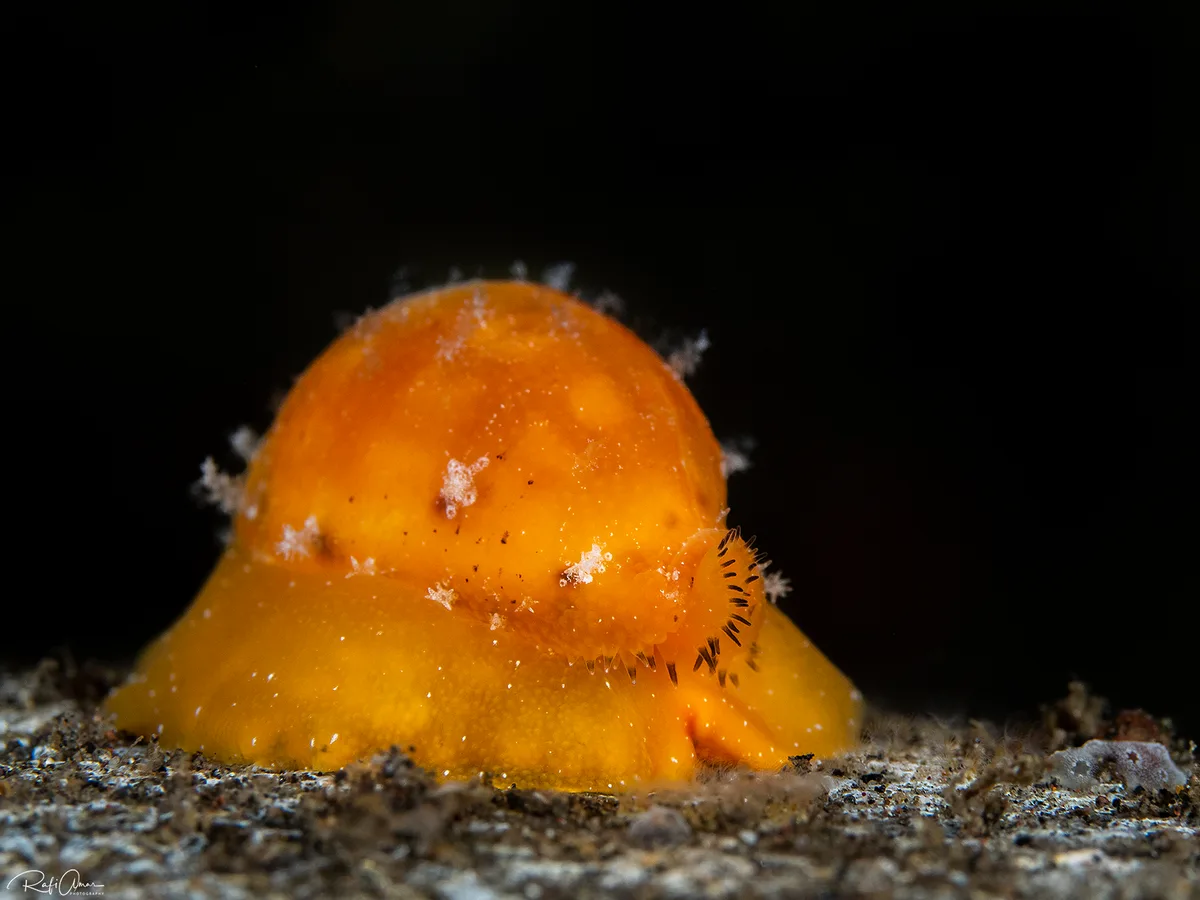
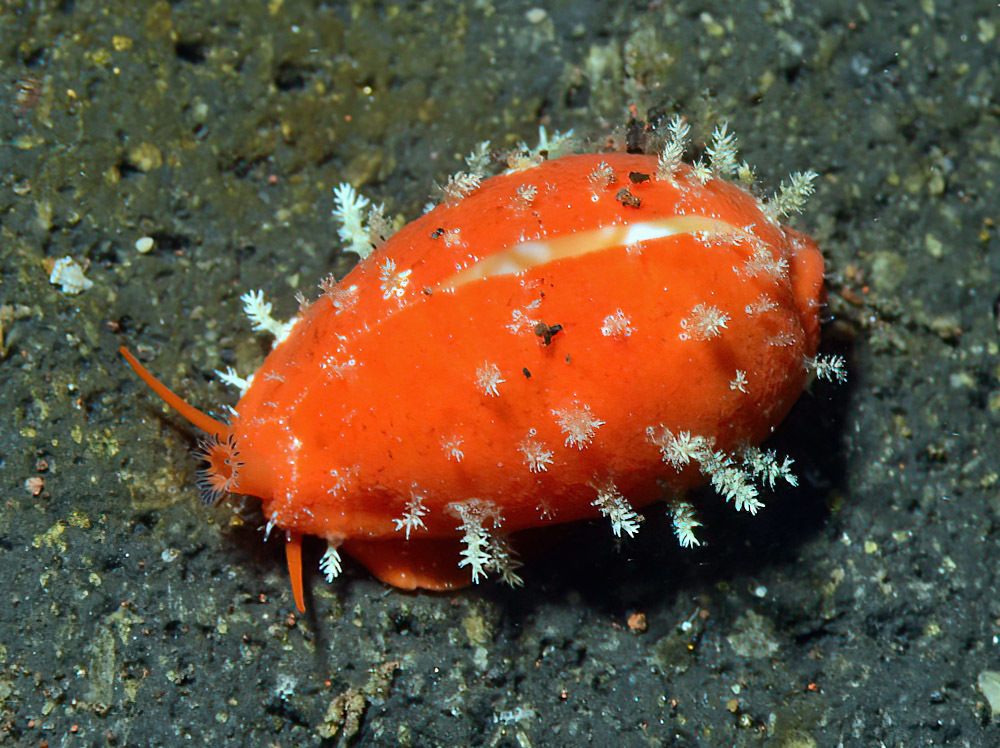
The shape is the second mark. Most cowries are clean ovals; this one is pyriform, noticeably narrower at one end than the other, so the outline alone separates it from the small spotted species it shares the rubble with.

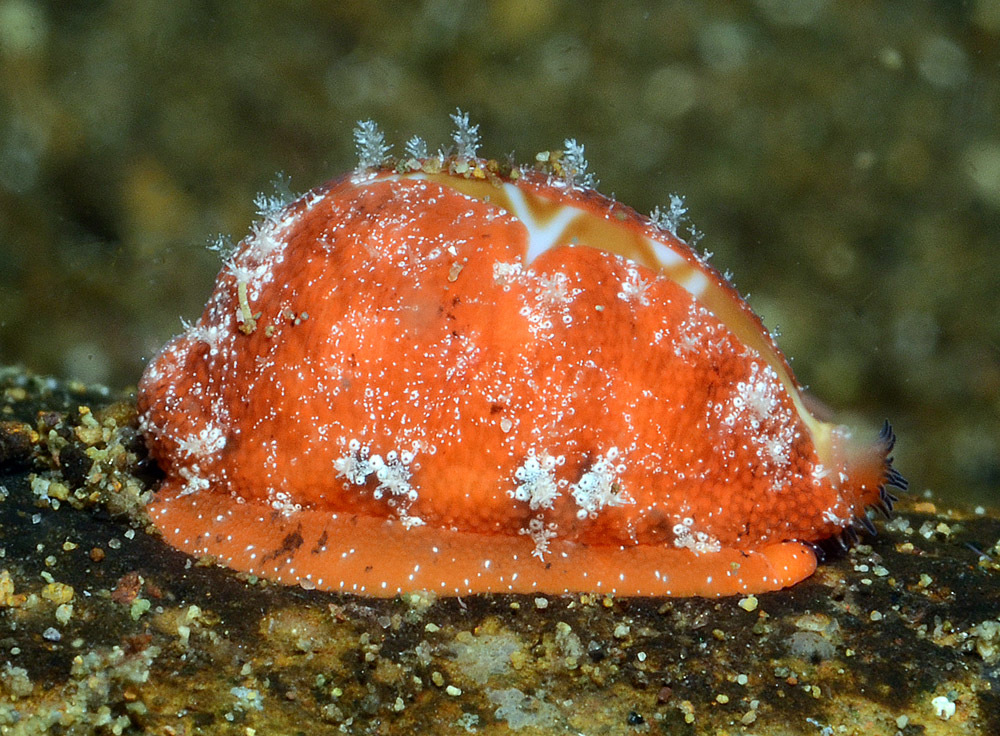
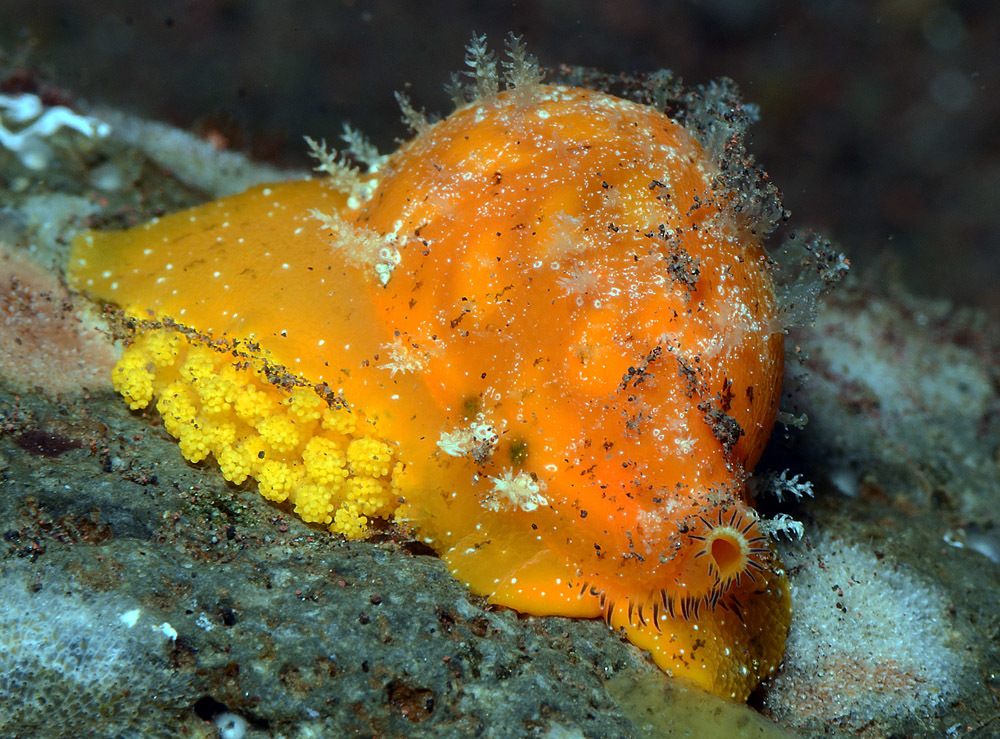
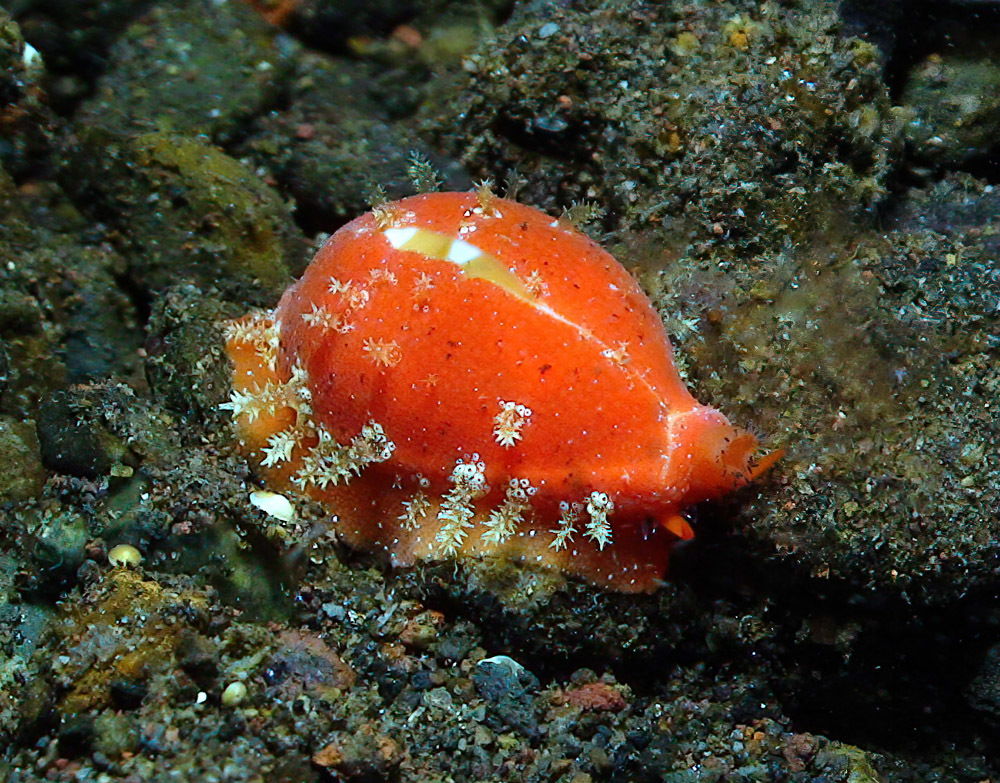
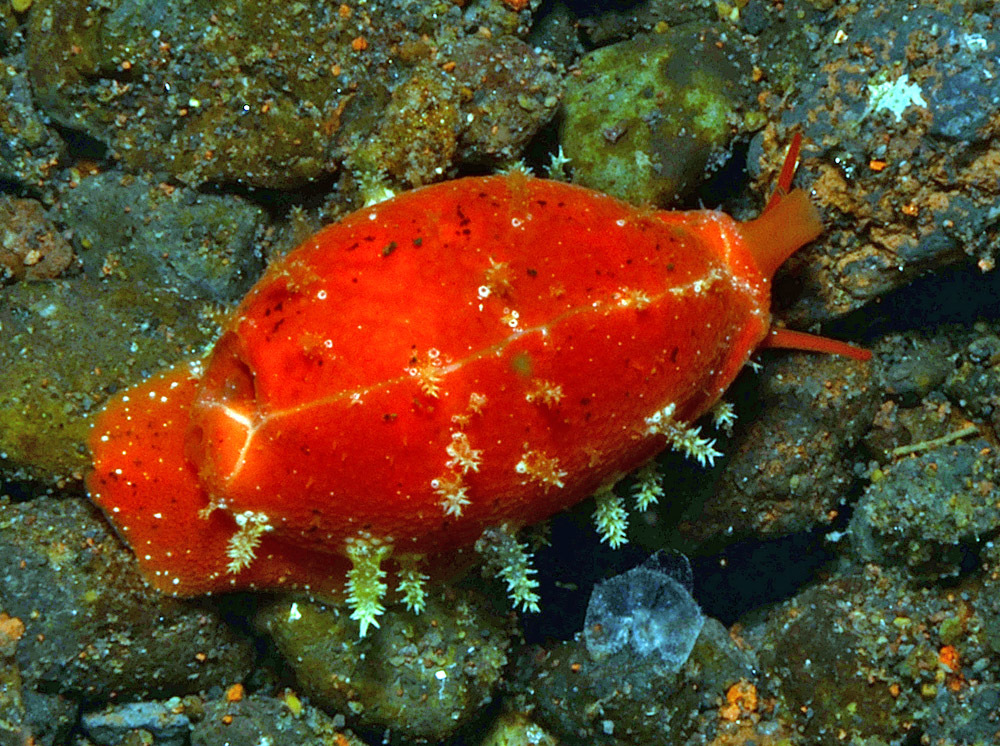
Alive, most of that is hidden. Cowries carry two flaps of mantle that rise from the foot and fold up over the back until they meet along the middle, covering the shell entirely, and the mantle is also what builds and polishes it from the outside. The gloss on a cowrie is maintenance, and it stops the moment the animal dies.

Under three centimeters (1 in), under stones by day, out on shallow reef and rubble at night. Linnaeus, 1758.

How to recognise it
  • three pale bands crossing a beige to tan shell
  • the bands are drawn in fine zigzag lines, not solid
  • pear-shaped rather than a clean oval, narrower at one end
  • small: under three centimeters

Comments

Please, sign in to leave a comment

Continue with a social account - yours will be created automatically.

No comments yet — be the first.

Last Update: August 29, 2026