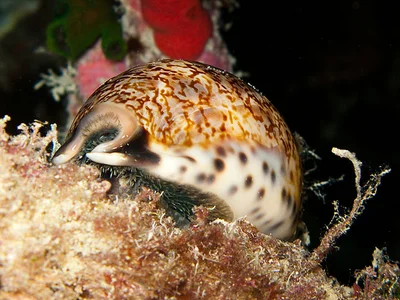
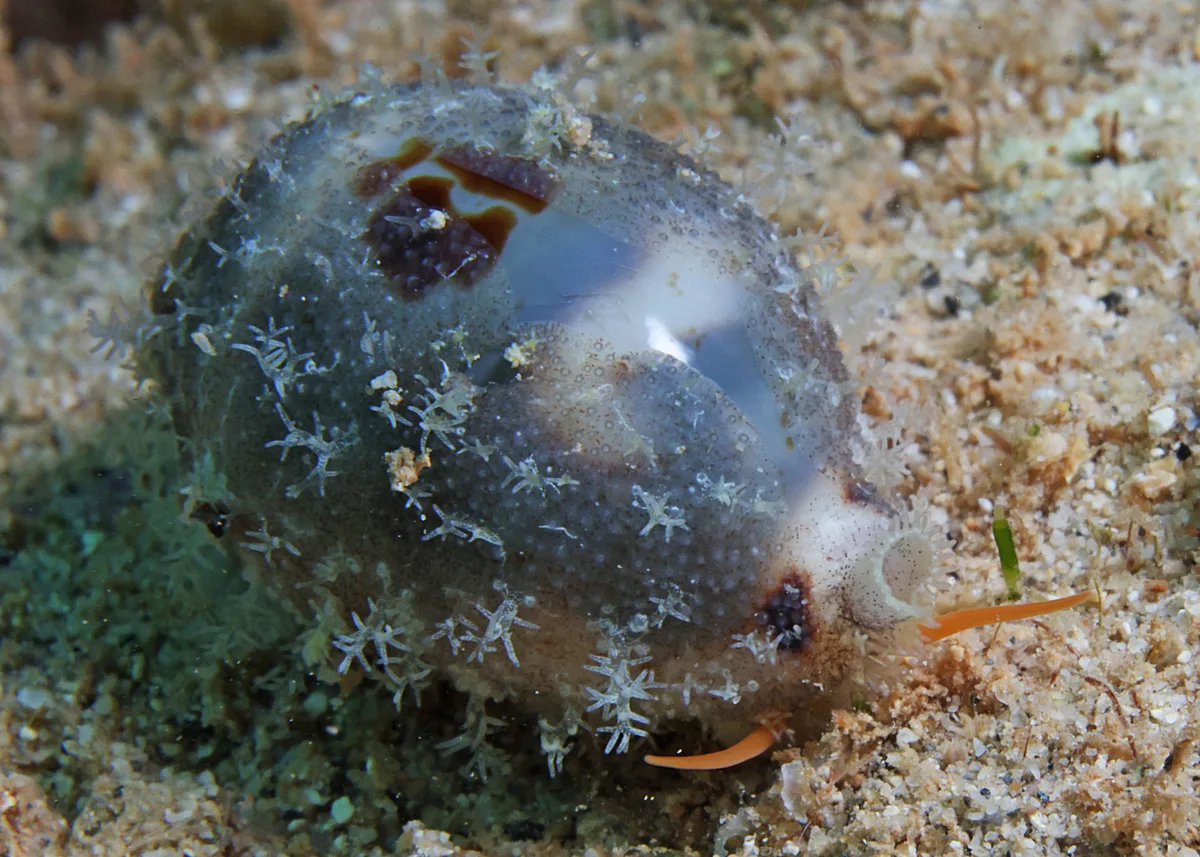
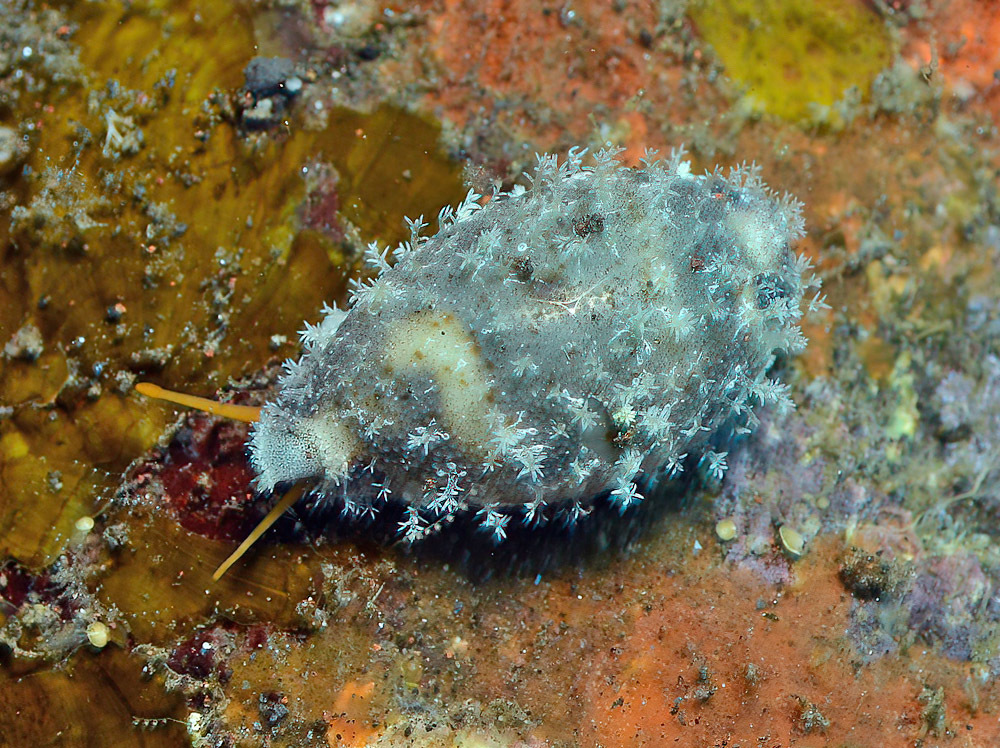
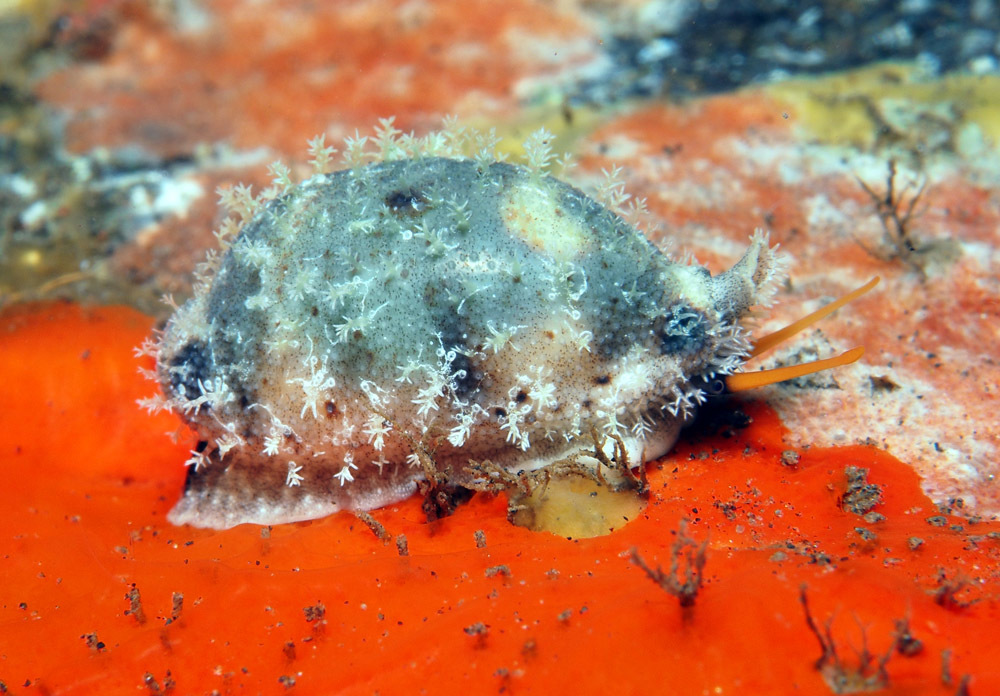
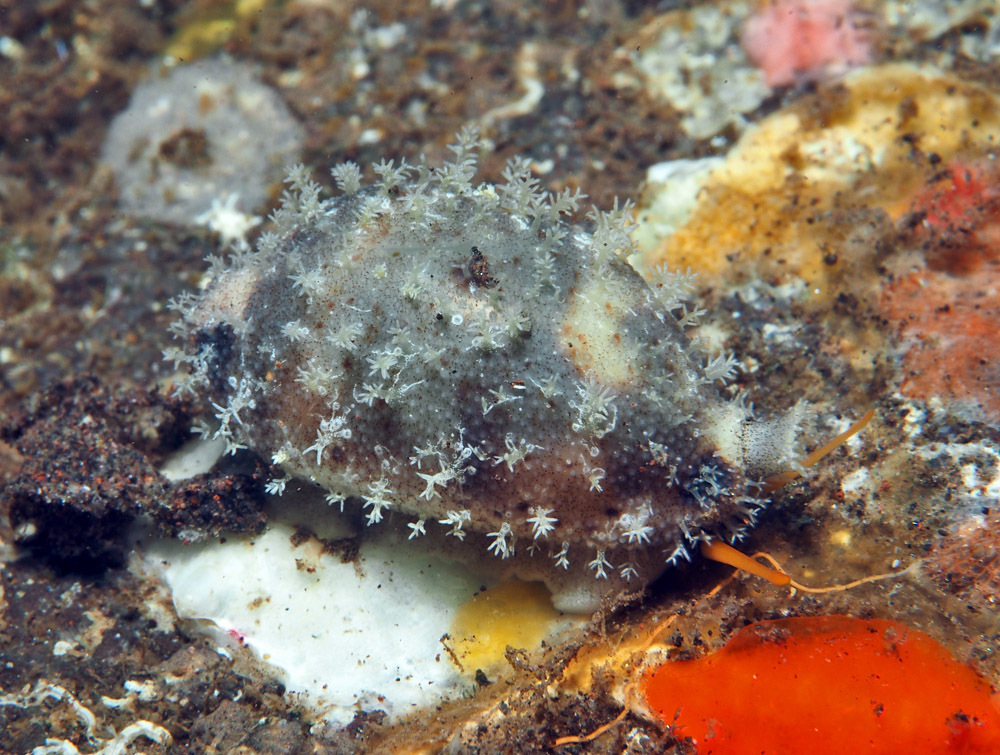
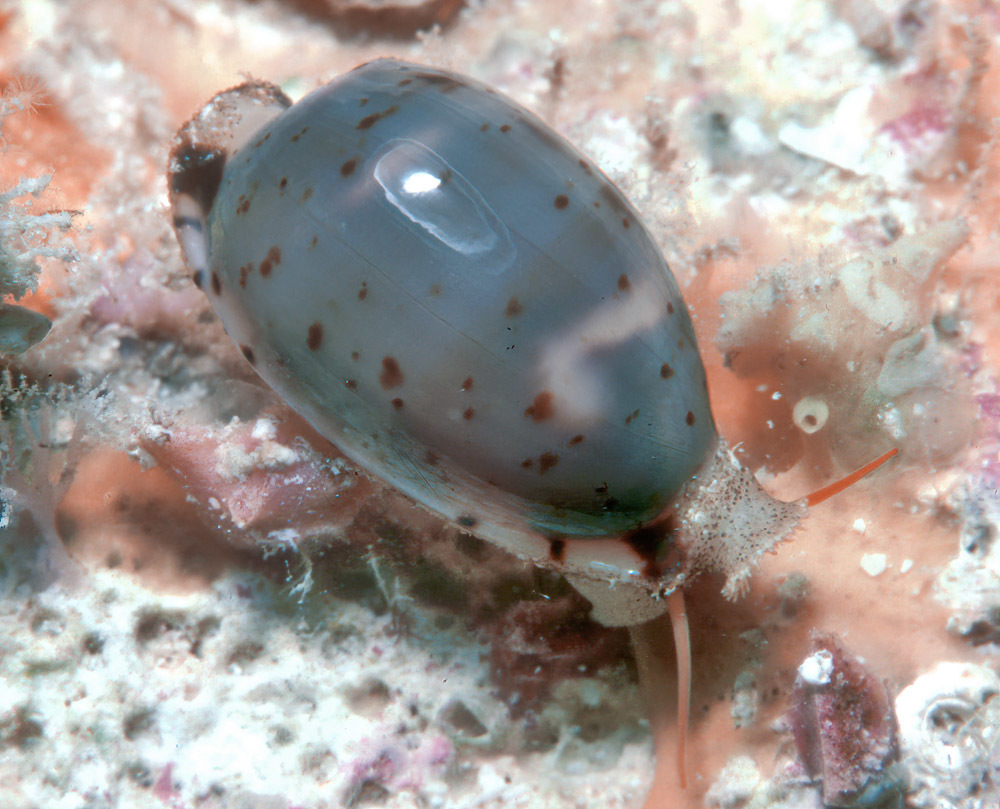
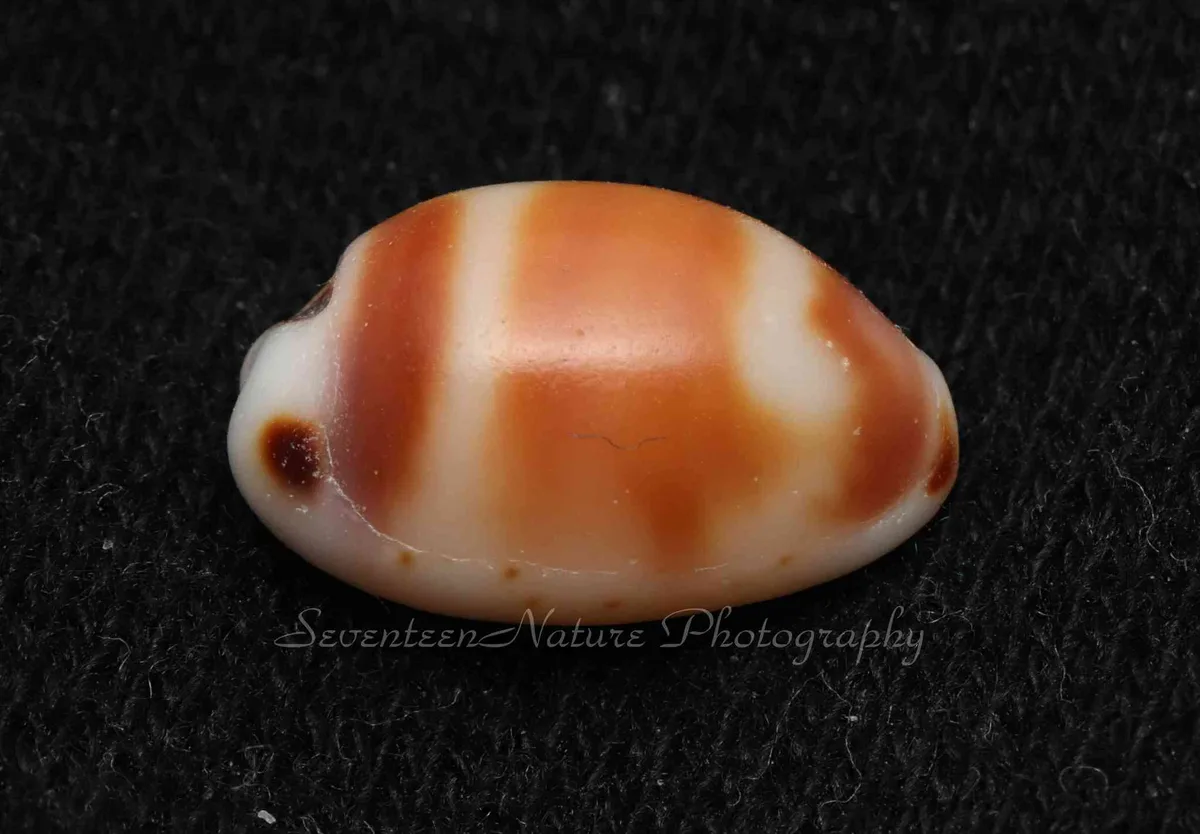
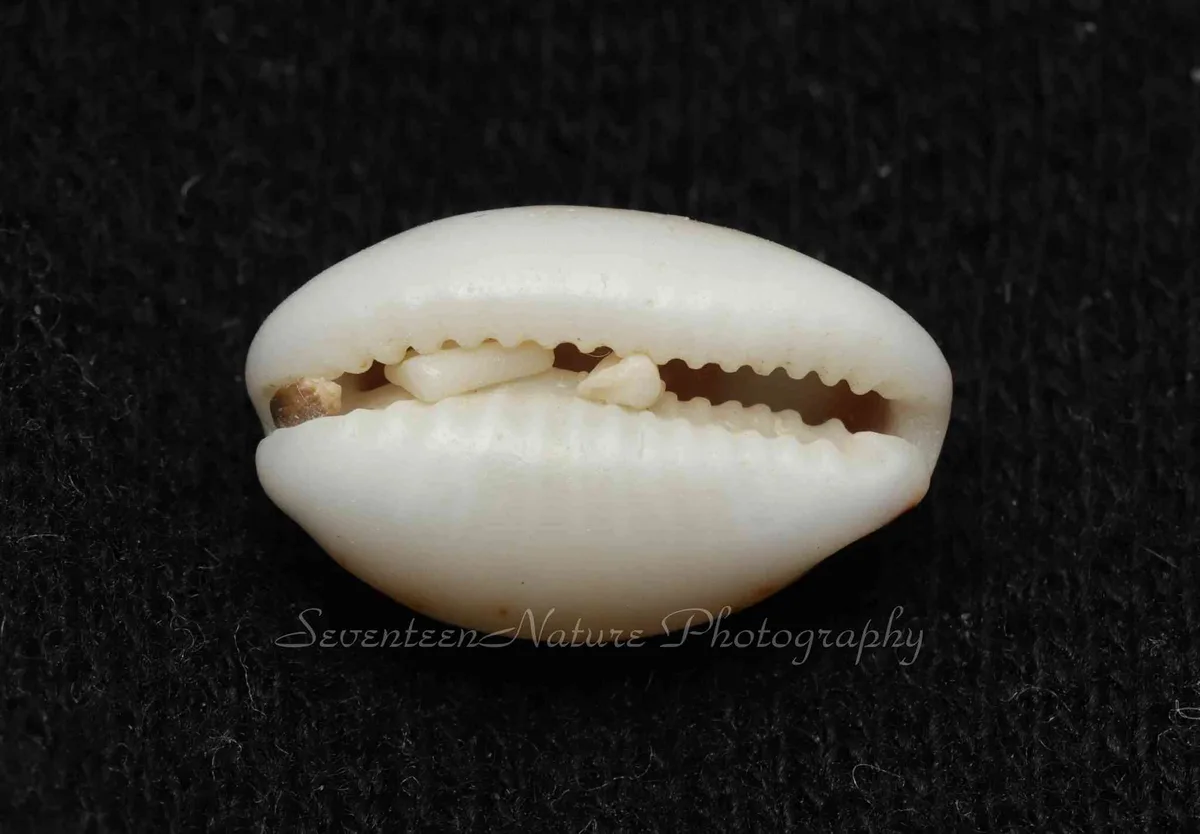
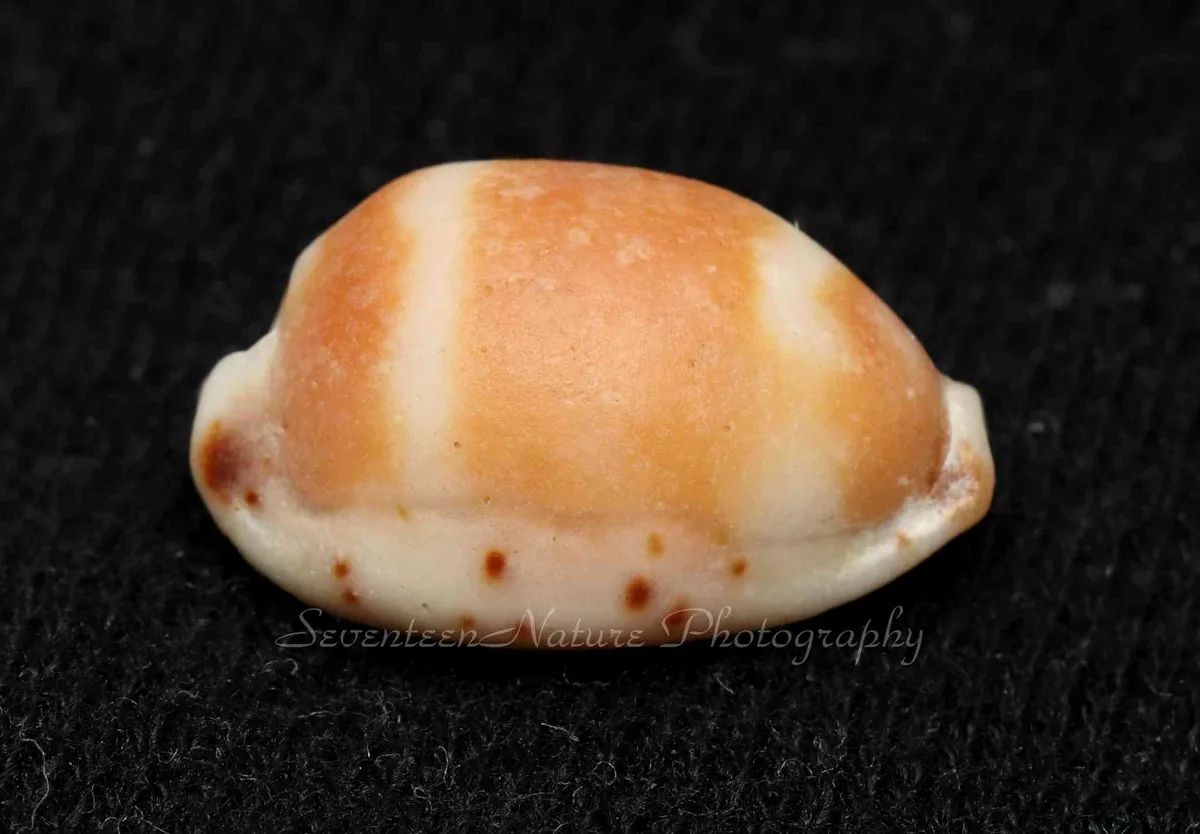
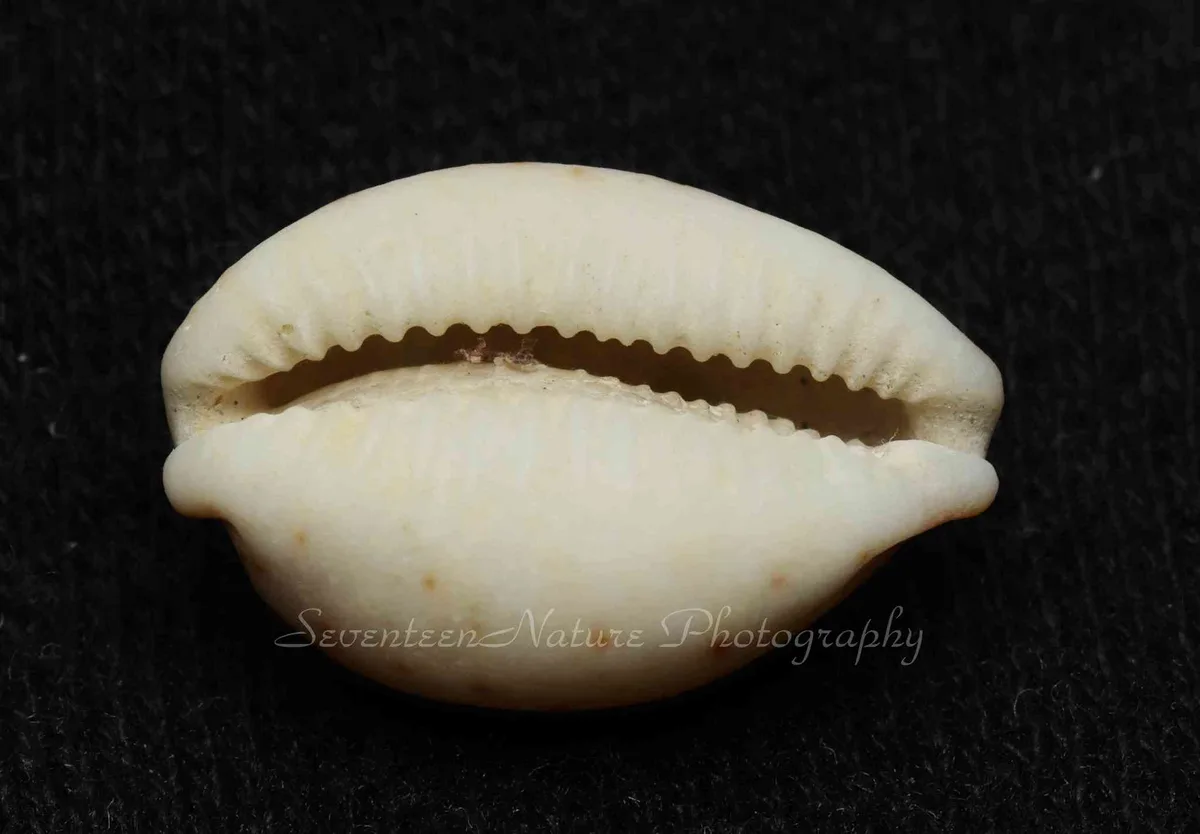
Bistolida hirundo - Kwajalein Atoll, RMI
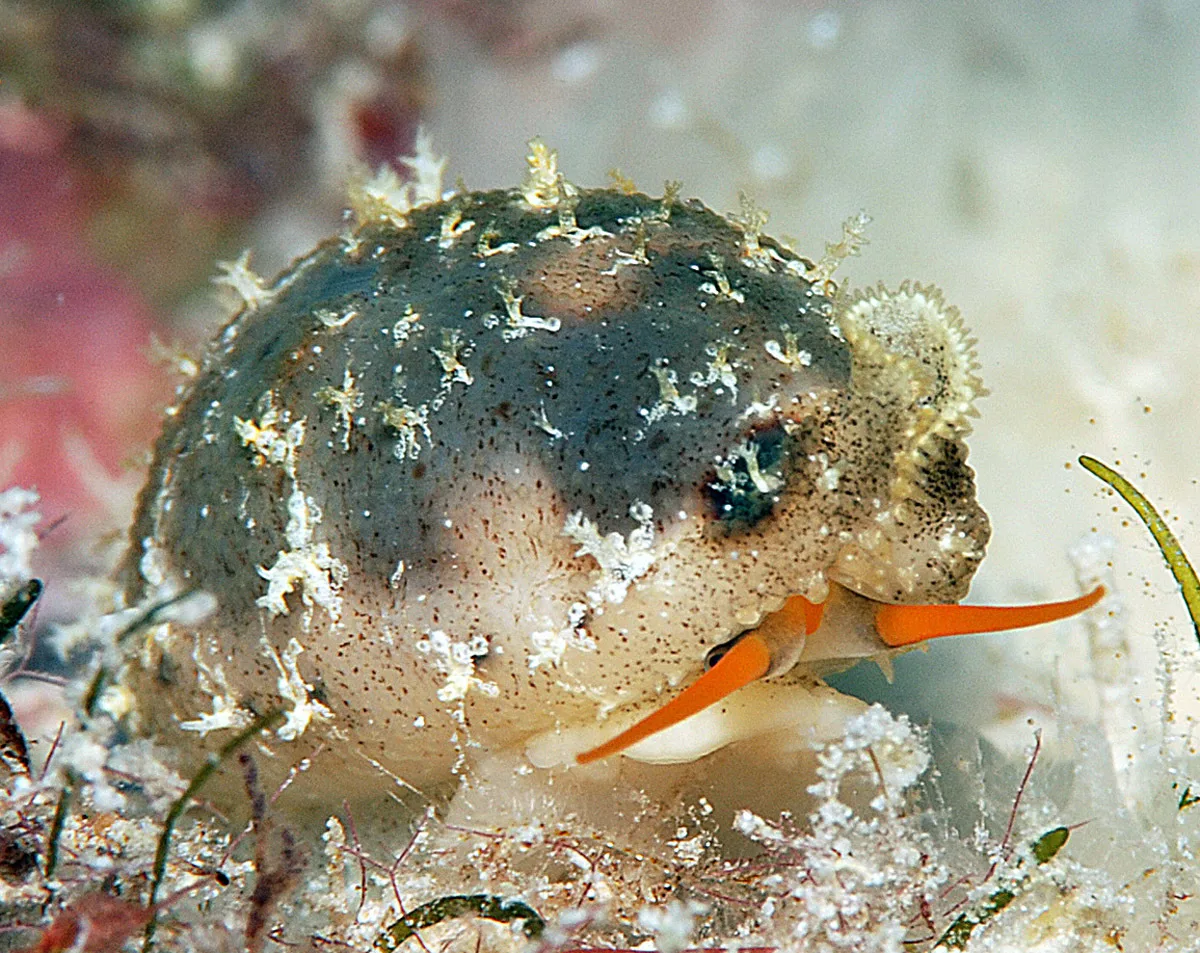
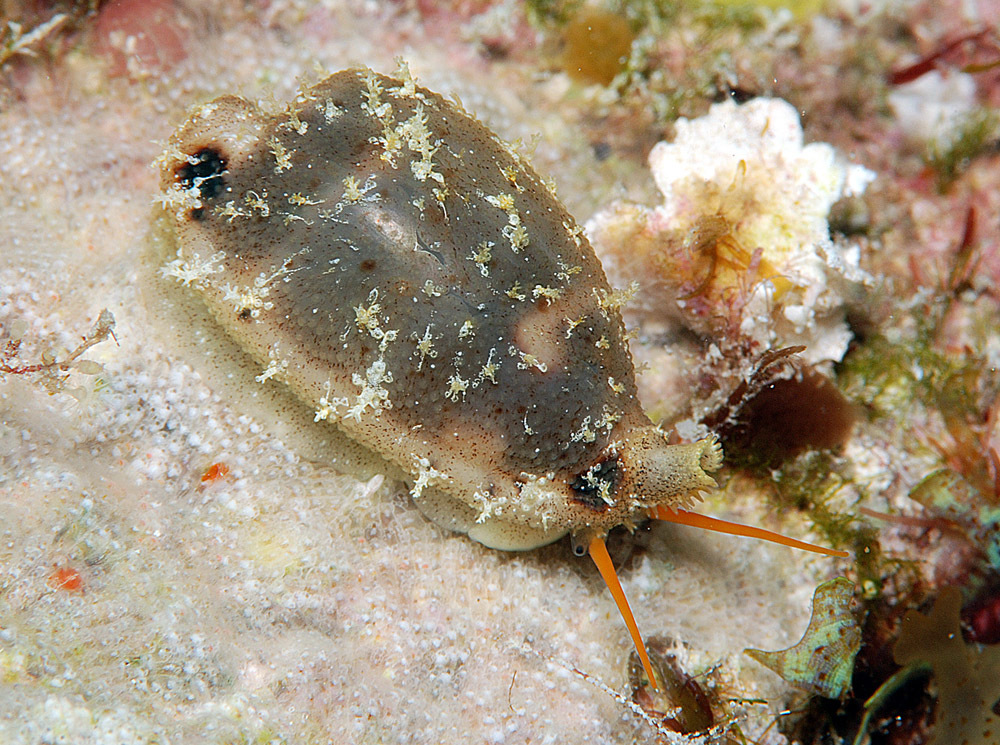
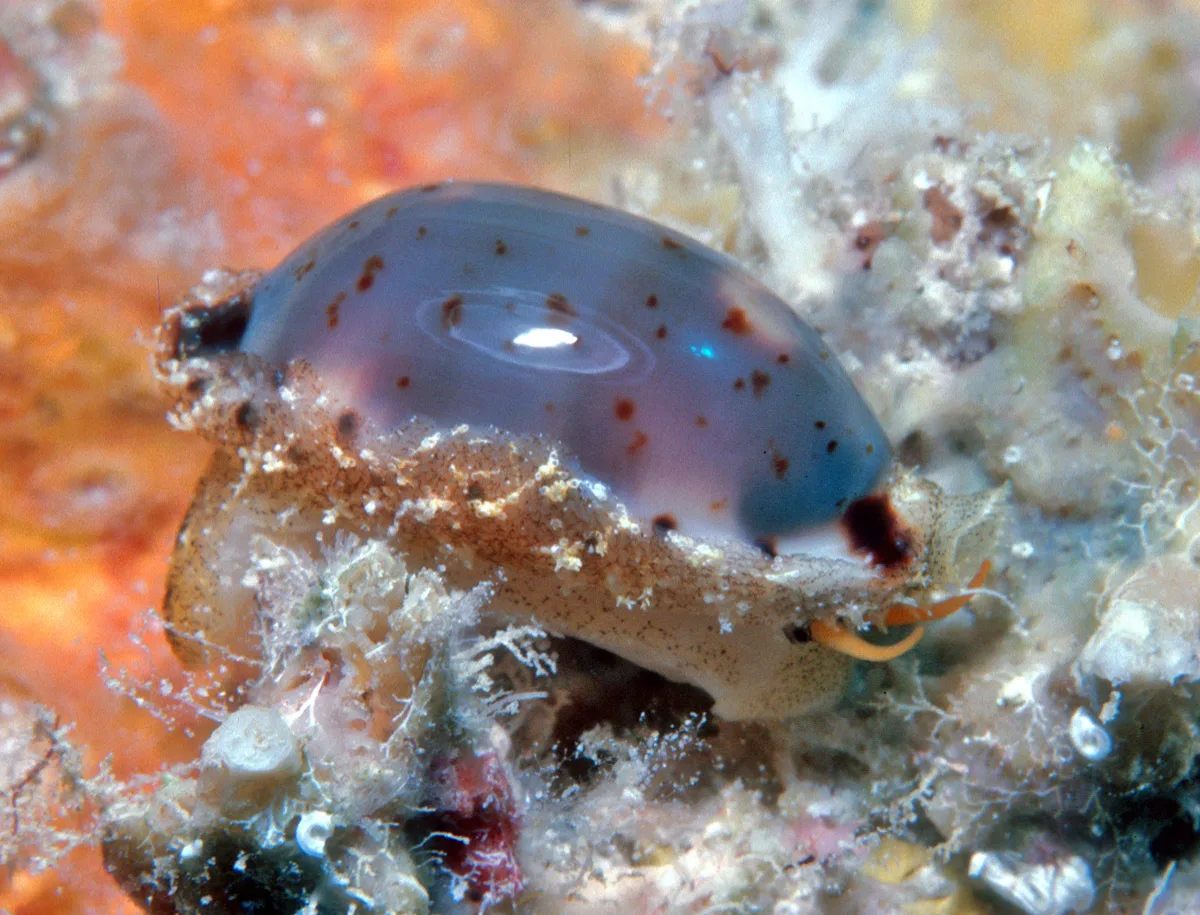
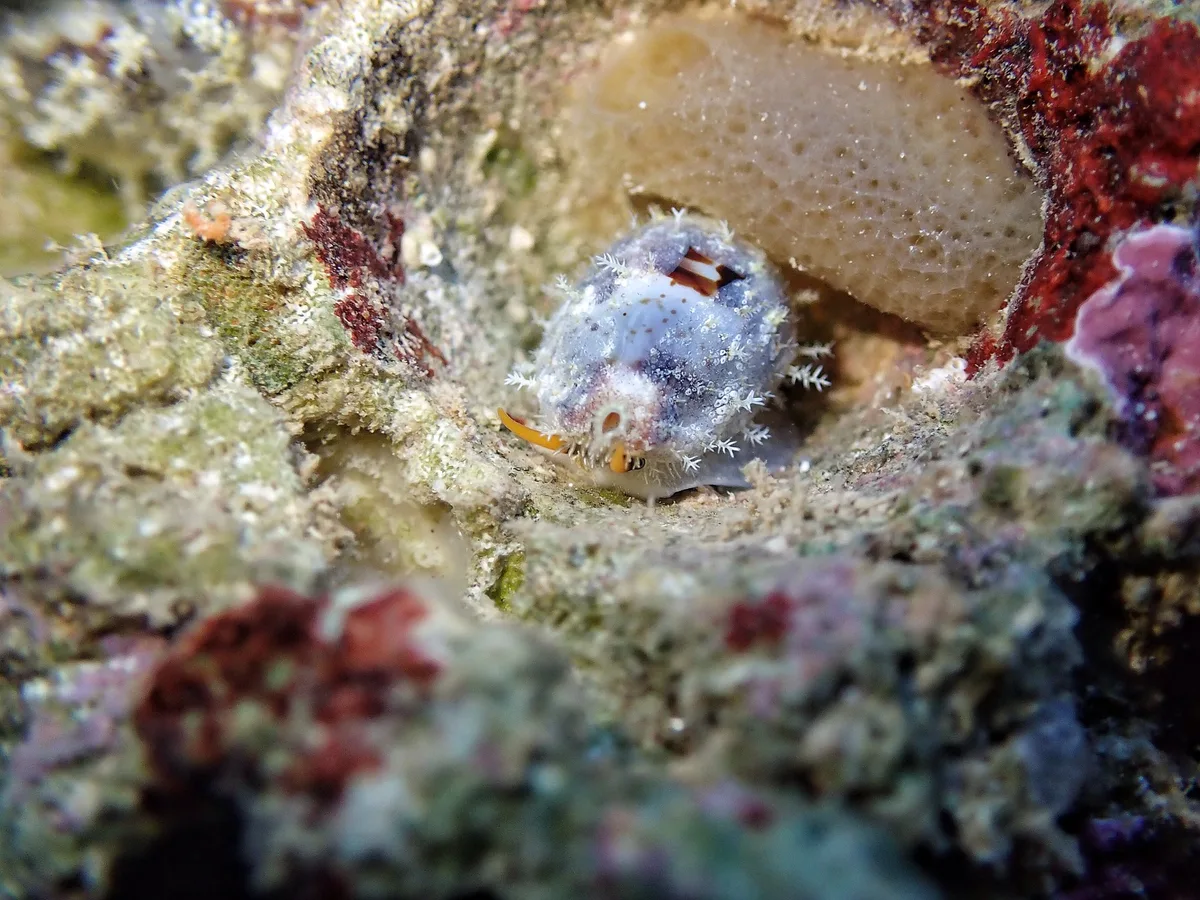
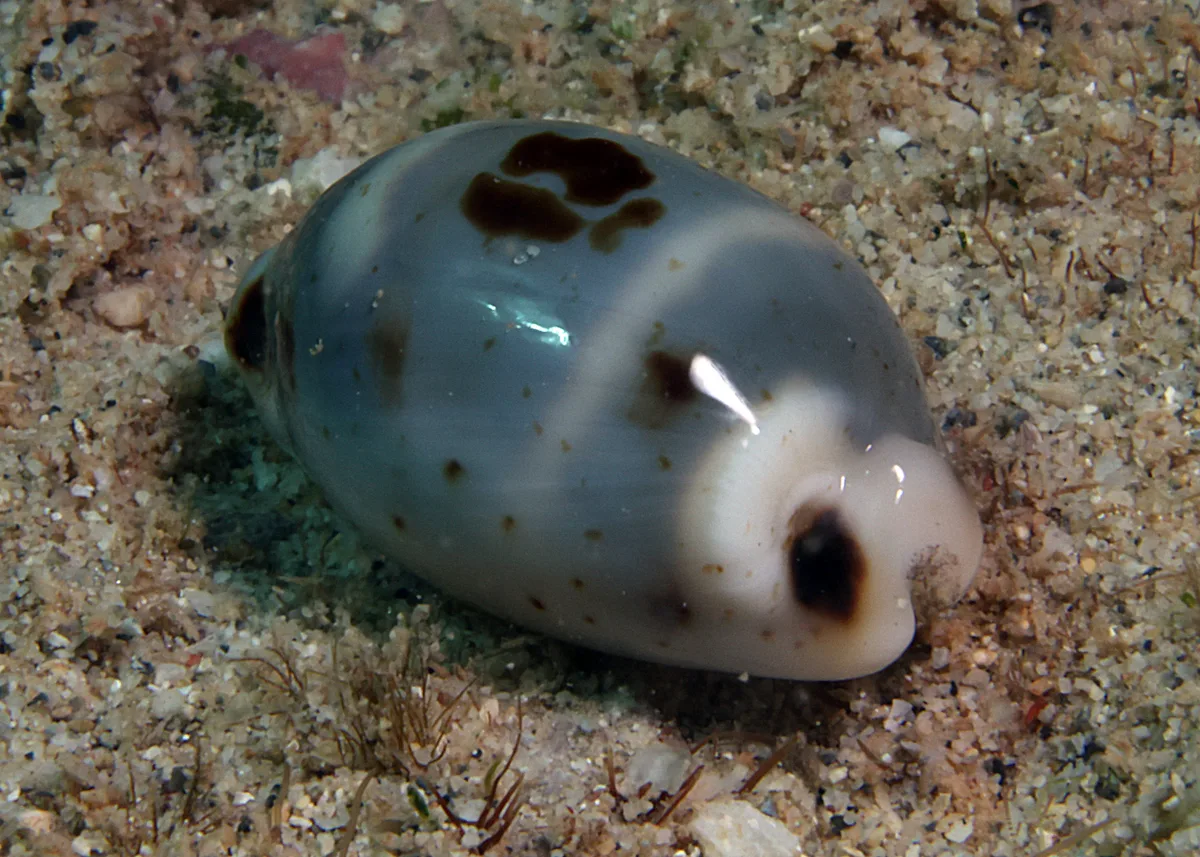
Bistolida hirundo - Bundegi, Exmouth, WA, Australia
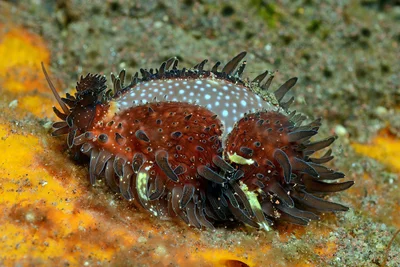
Bistolida hirundo - Kwajalein Atoll, RMI
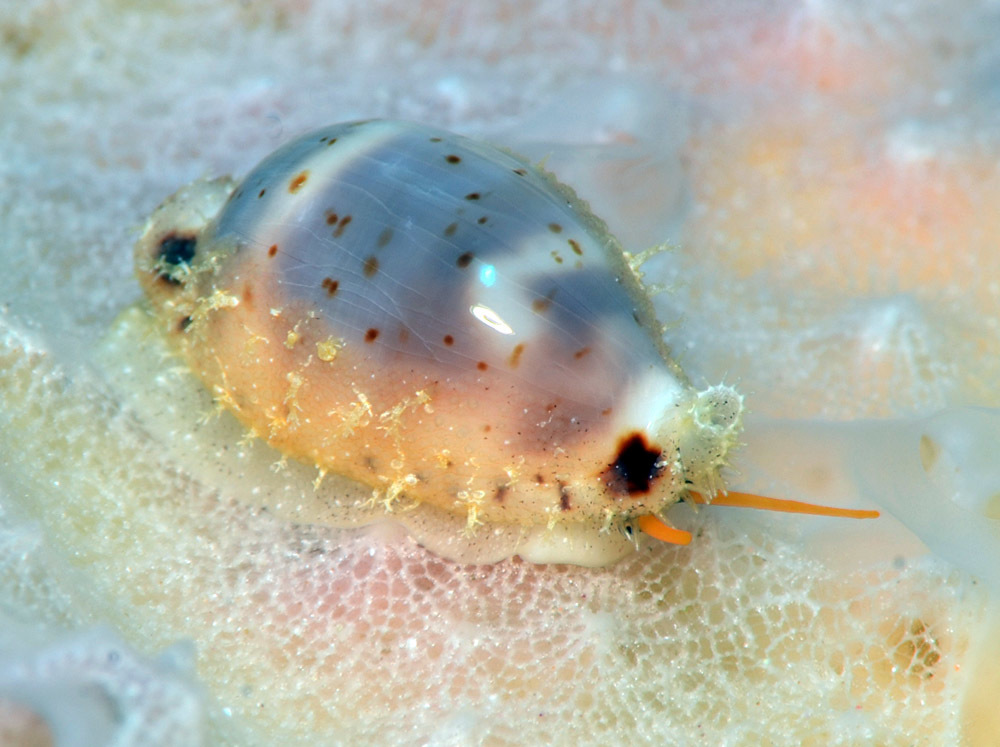
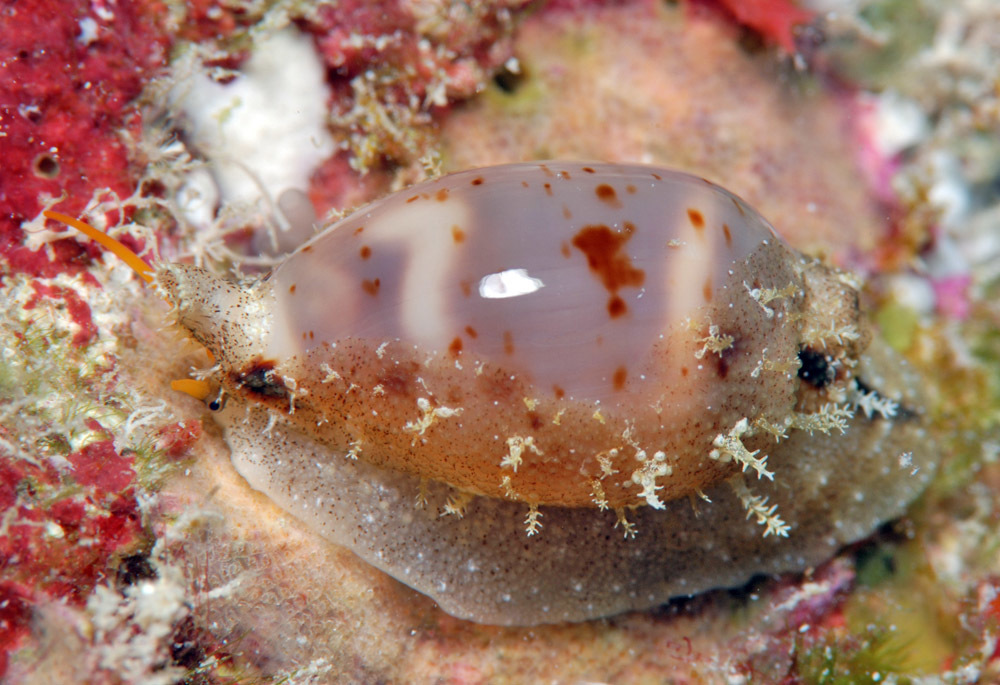
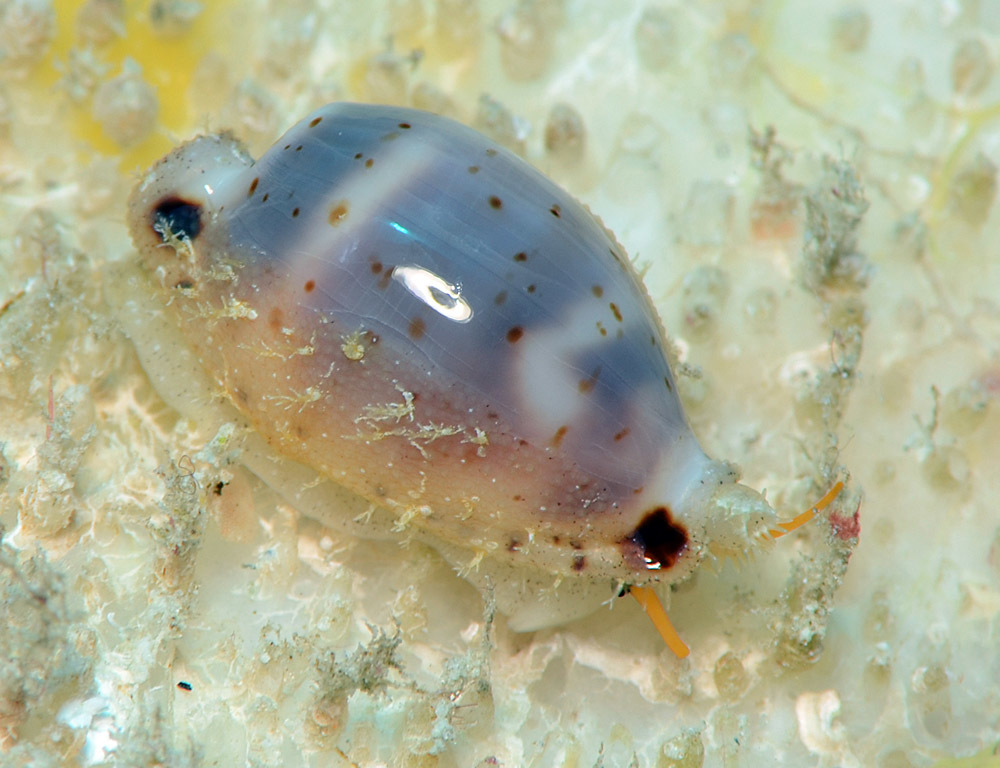
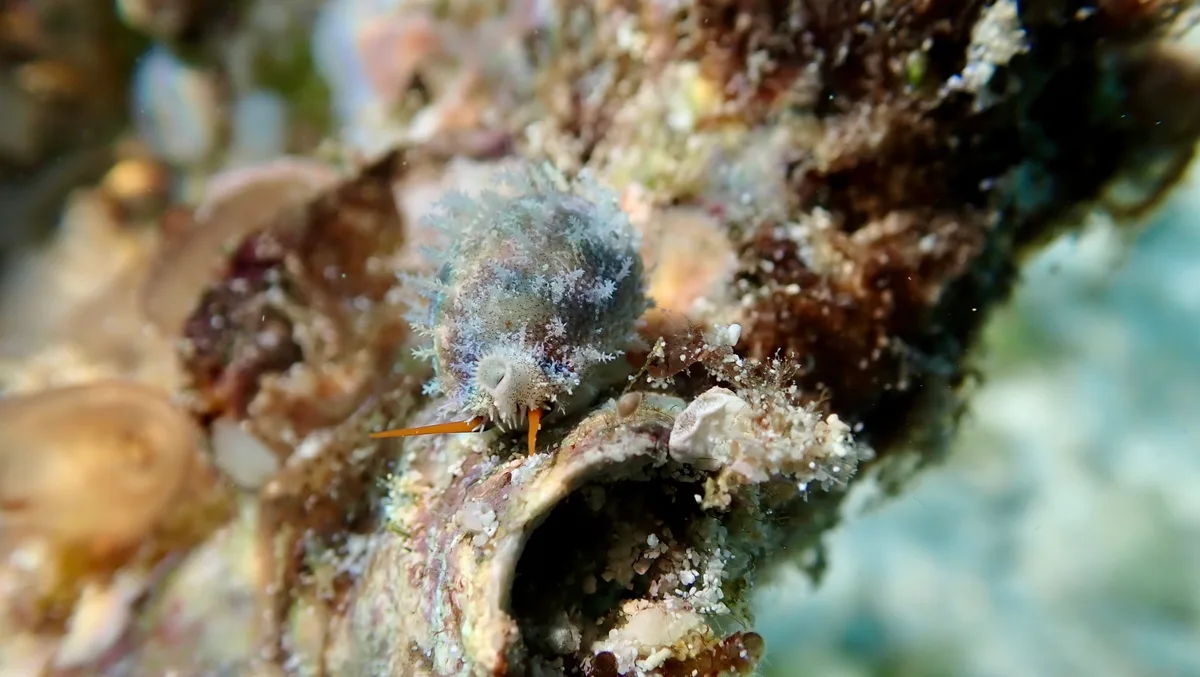
Bistolida hirundo - Tulamben area, Kubu, Karangasem Regency, Bali, Indonesia
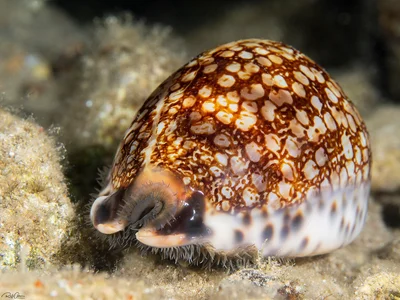
Bistolida hirundo - Kwajalein Atoll, RMI
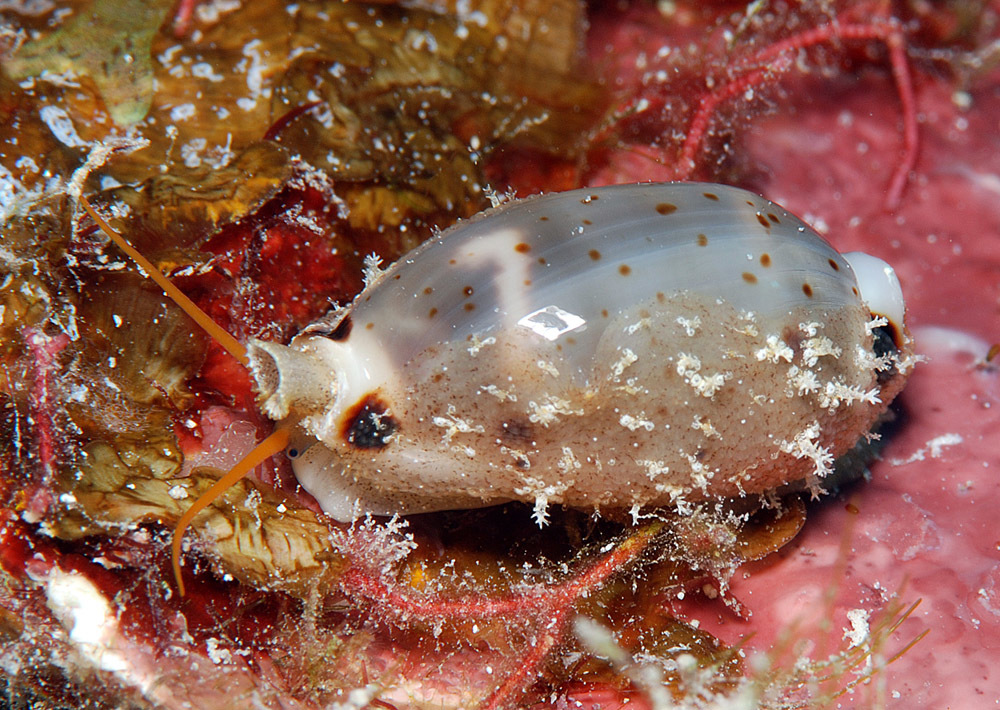
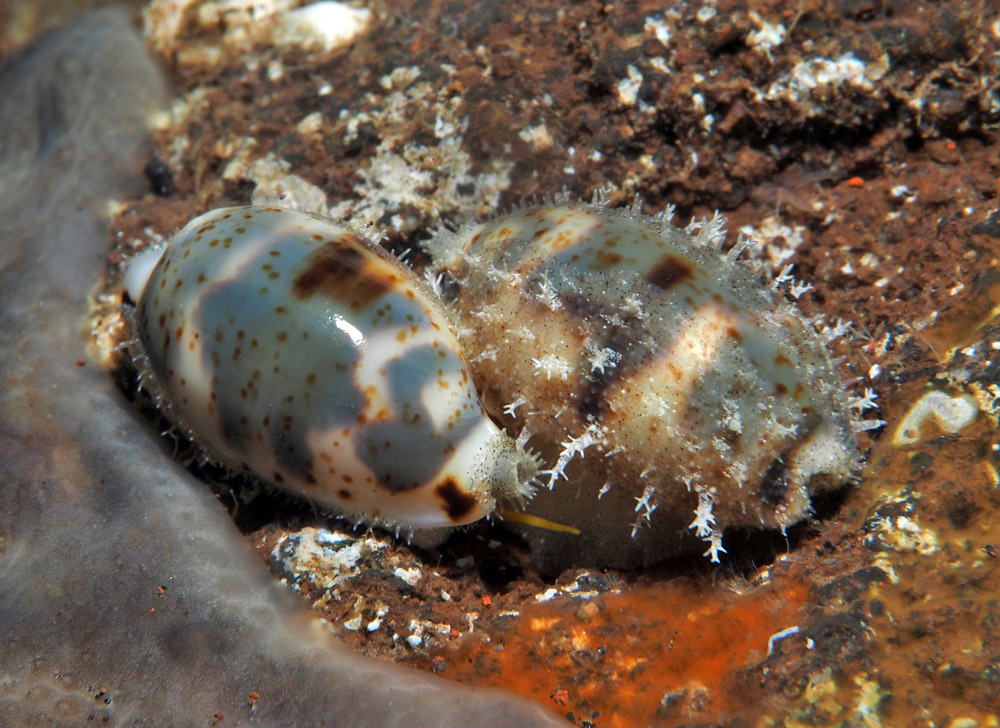
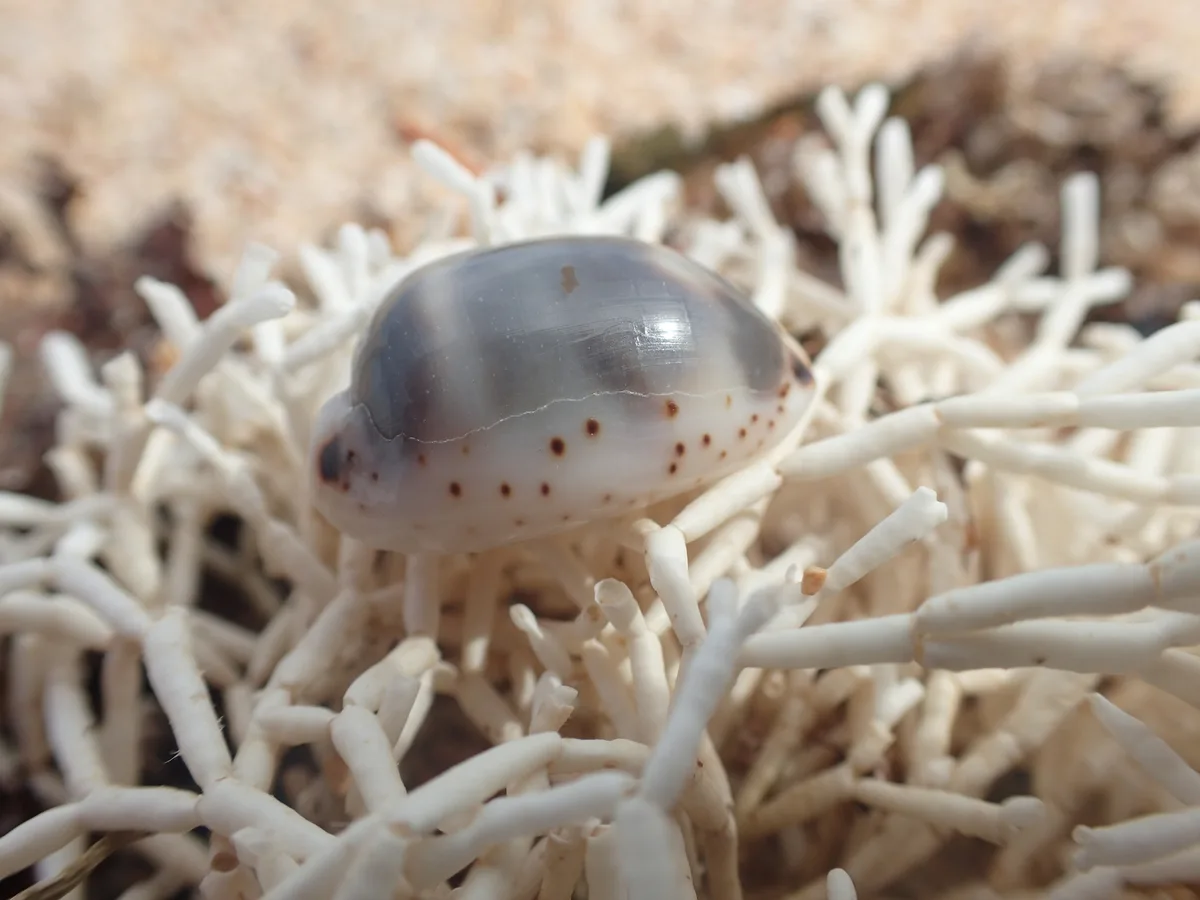
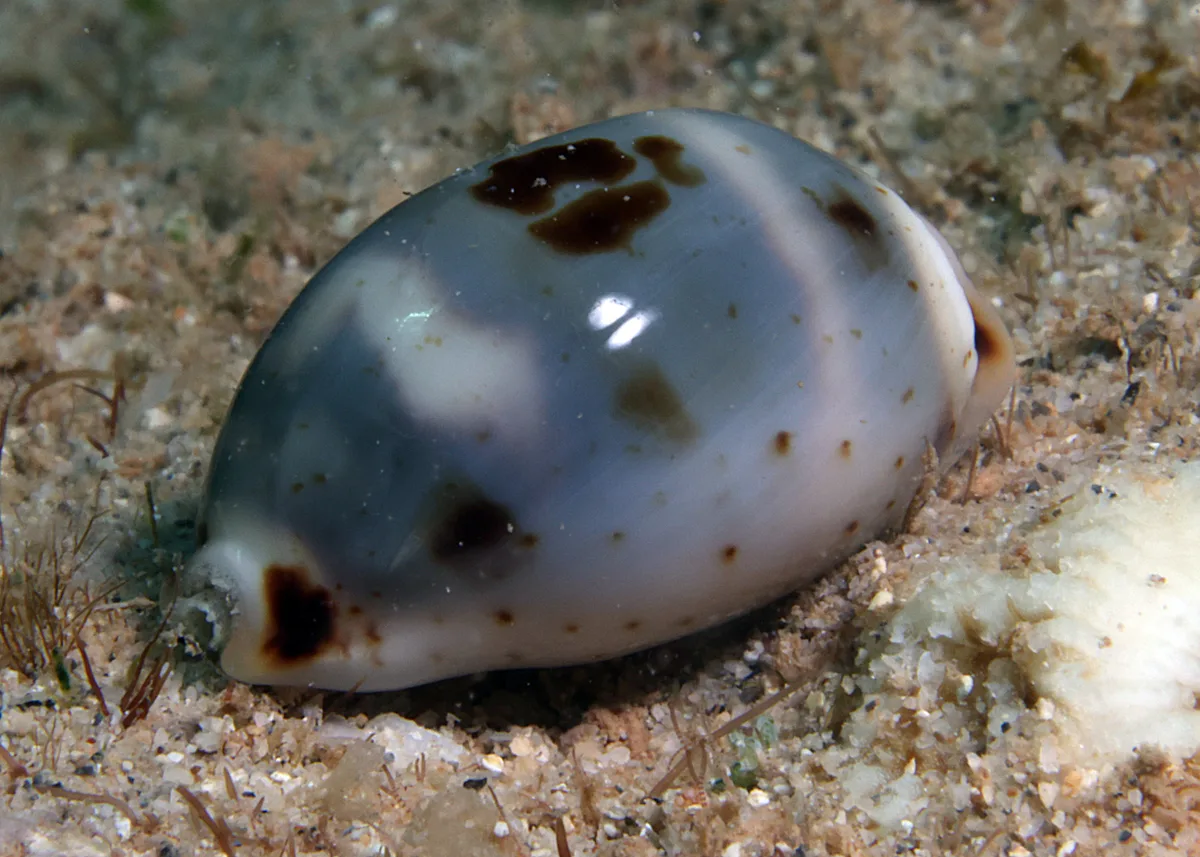
Bistolida hirundo - North West Cape Area-a Defence Reserve, North West Cape, WA, AU
Bistolida hirundo - Tulamben area, Kubu, Karangasem Regency, Bali, Indonesia
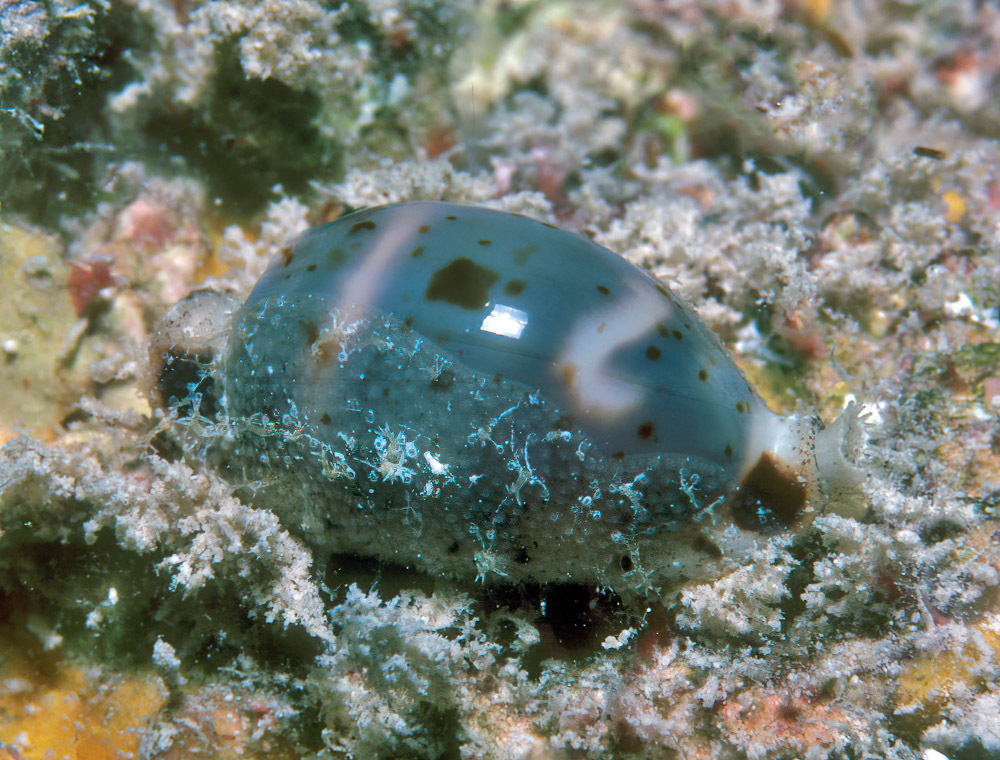
Bistolida hirundo - Enewetak Atoll, RMI
Bistolida hirundo - Kwajalein Atoll, RMI
Bistolida hirundo - Enewetak Atoll, RMI
Bistolida hirundo - Tulamben area, Kubu, Karangasem Regency, Bali, Indonesia
Неглубокая каури. Bistolida hirundo.
Bistolida hirundo - Coral Sea, AU
Bistolida hirundo - Coral Sea, Dingo Beach, AU
Bistolida hirundo - Enewetak Atoll, RMI
Bistolida hirundo - Bundegi, Exmouth, WA, Australia
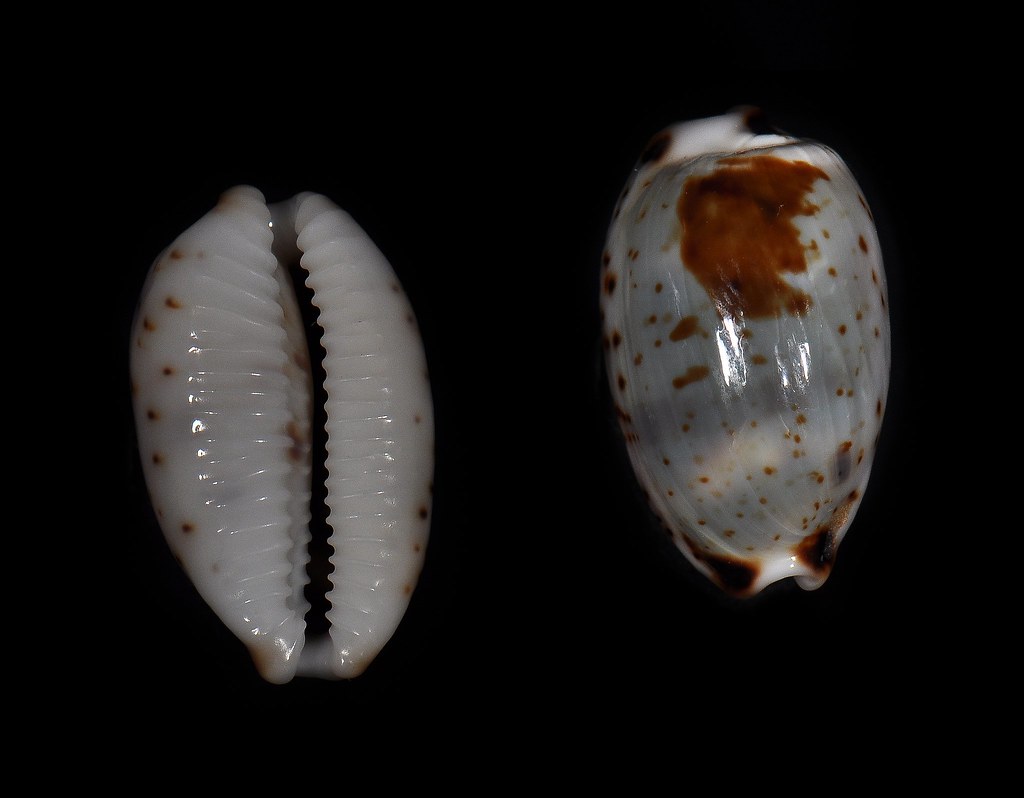
Bistolida hirundo (Linnaeus,1758)
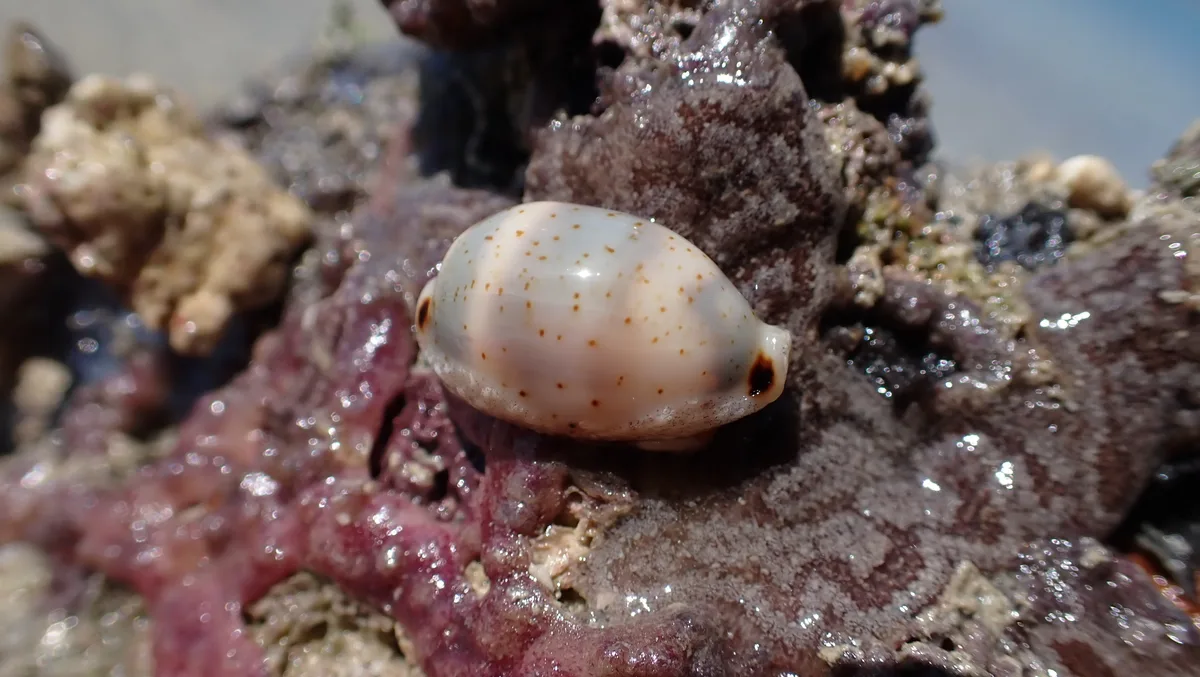
Bistolida hirundo - 中国海南省文昌市
© uwkwaj
Invertebrate · Molluscs · Cowries

Swallow Cowrie

Bistolida hirundo (Linnaeus, 1758)
syn. Blasicrura (Derstolida) hirundo, Blasicrura hirundo, Cypraea hirundo, Cypraea parvula, Erronea (Stolida) hirundo, Evenaria hirundo
up to 2.4 cm
0

Look at the front end and you are looking at a bird.

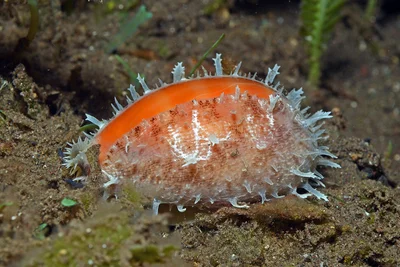
Across the anterior of this shell runs a white transverse mark with two points swept back from the middle, and the resemblance to a swallow in flight is close enough that Linnaeus named the animal for one in 1758. Behind it the ground is bluish gray with darker mottling. On a shell under two and a half centimeters (1 in) that one mark does all the work.

It matters because there is a second small species here built on the same plan, with a white band across the front and a bluish field behind. On that one the band is irregular and runs right across the blue; on this one it takes the swallow shape. Two shells, one difference, and it is at the front.

Alive, as with the whole family, none of this is visible. The mantle rises from the foot in two flaps, folds up over the back and meets along the middle, covering the shell and laying down new material on it from the outside as the animal grows. What you find in the water is a small moving patch of tissue; what you find under a stone in daylight is the shell.

Common on shallow reef and rubble here, and photographed at Naama Bay.

How to recognise it
  • a white mark across the front end shaped like a swallow in flight, with two swept-back points
  • bluish gray ground with darker mottling behind the mark
  • small: under two and a half centimeters
  • the shape of that front mark is the whole identification
Comments

Please, sign in to leave a comment

Continue with a social account - yours will be created automatically.

No comments yet — be the first.

Last Update: August 29, 2026