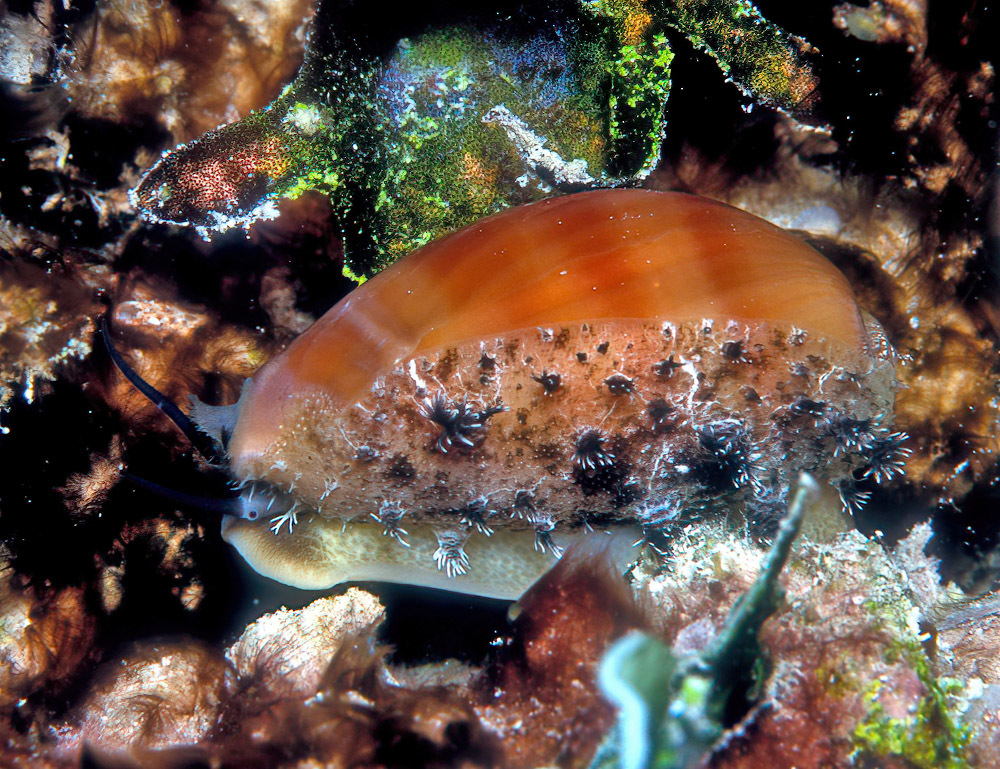
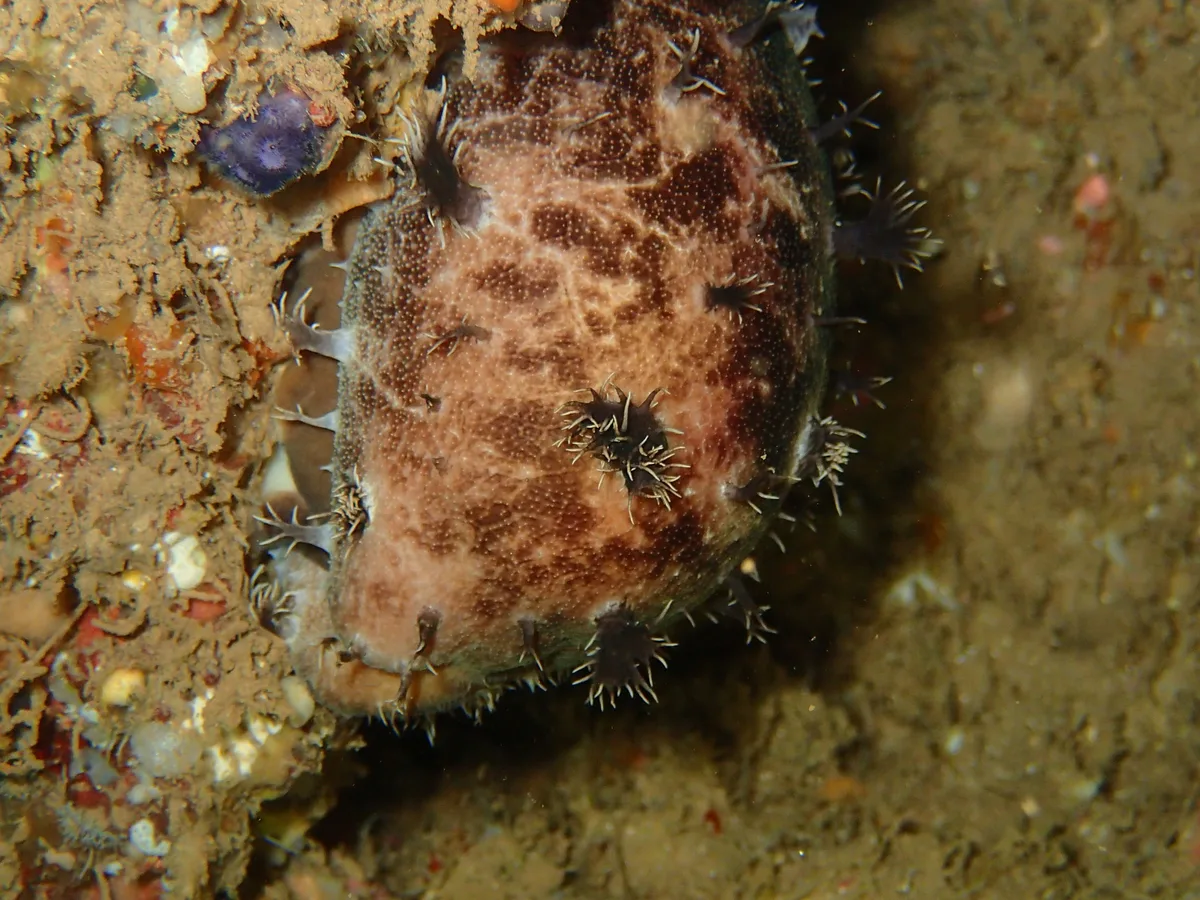
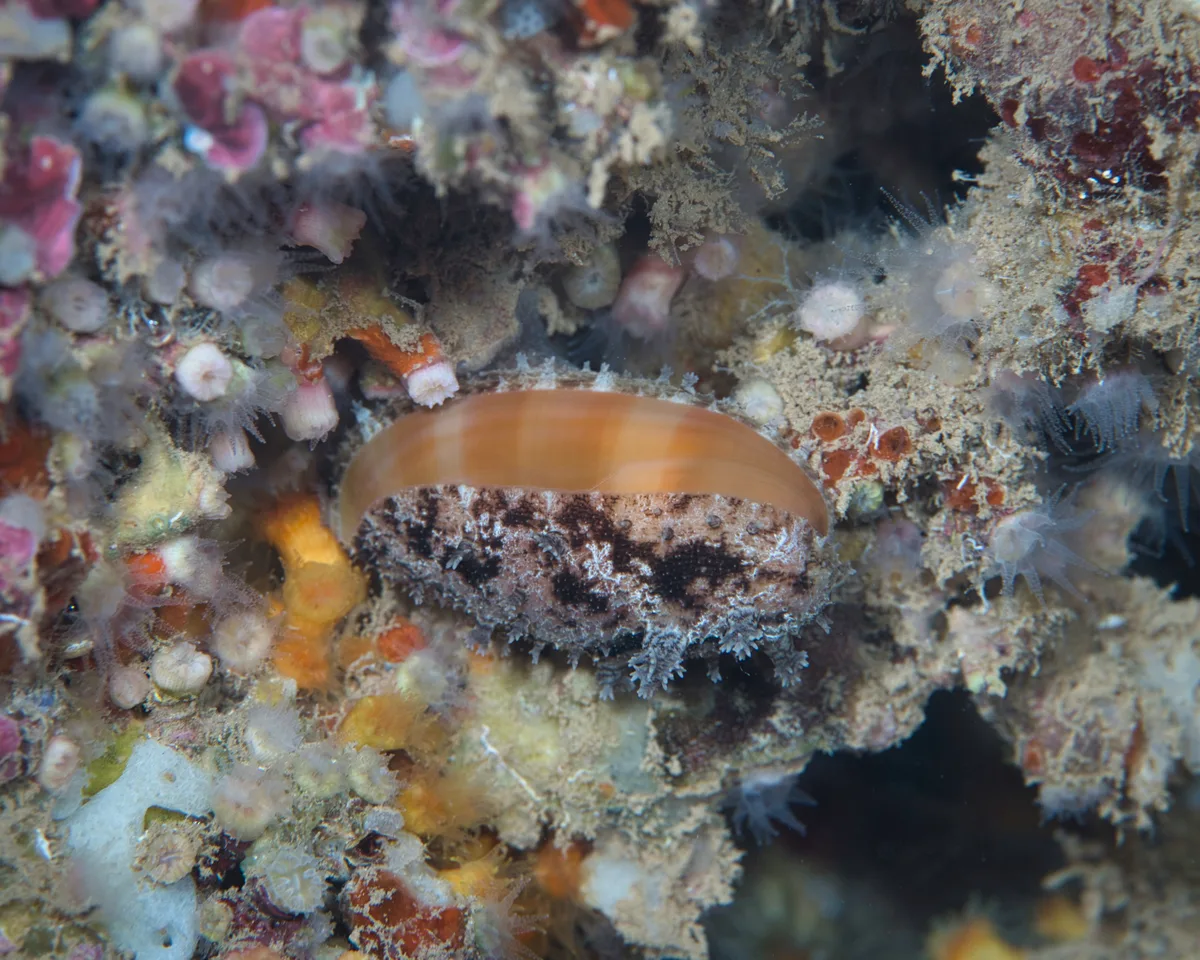
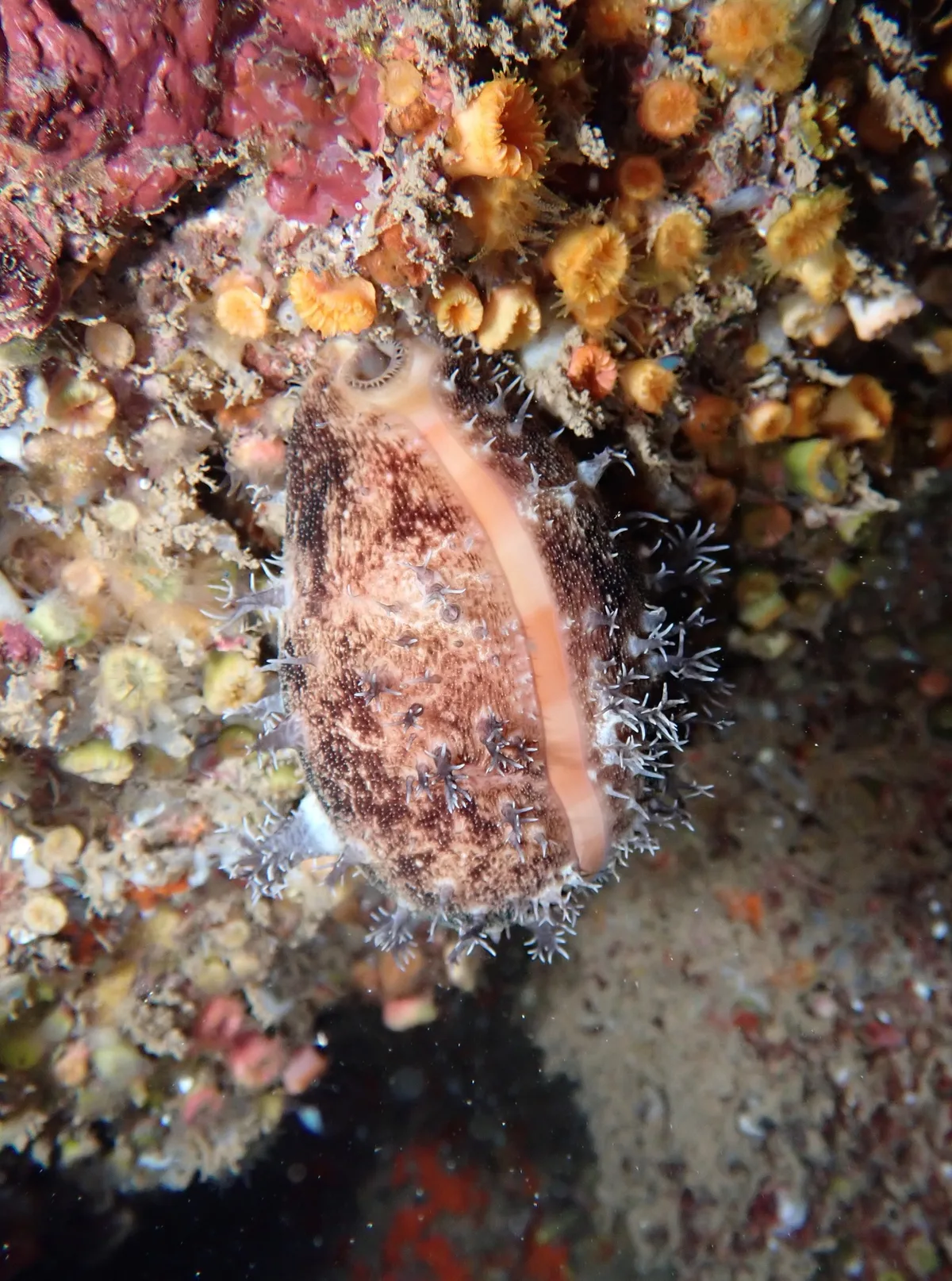
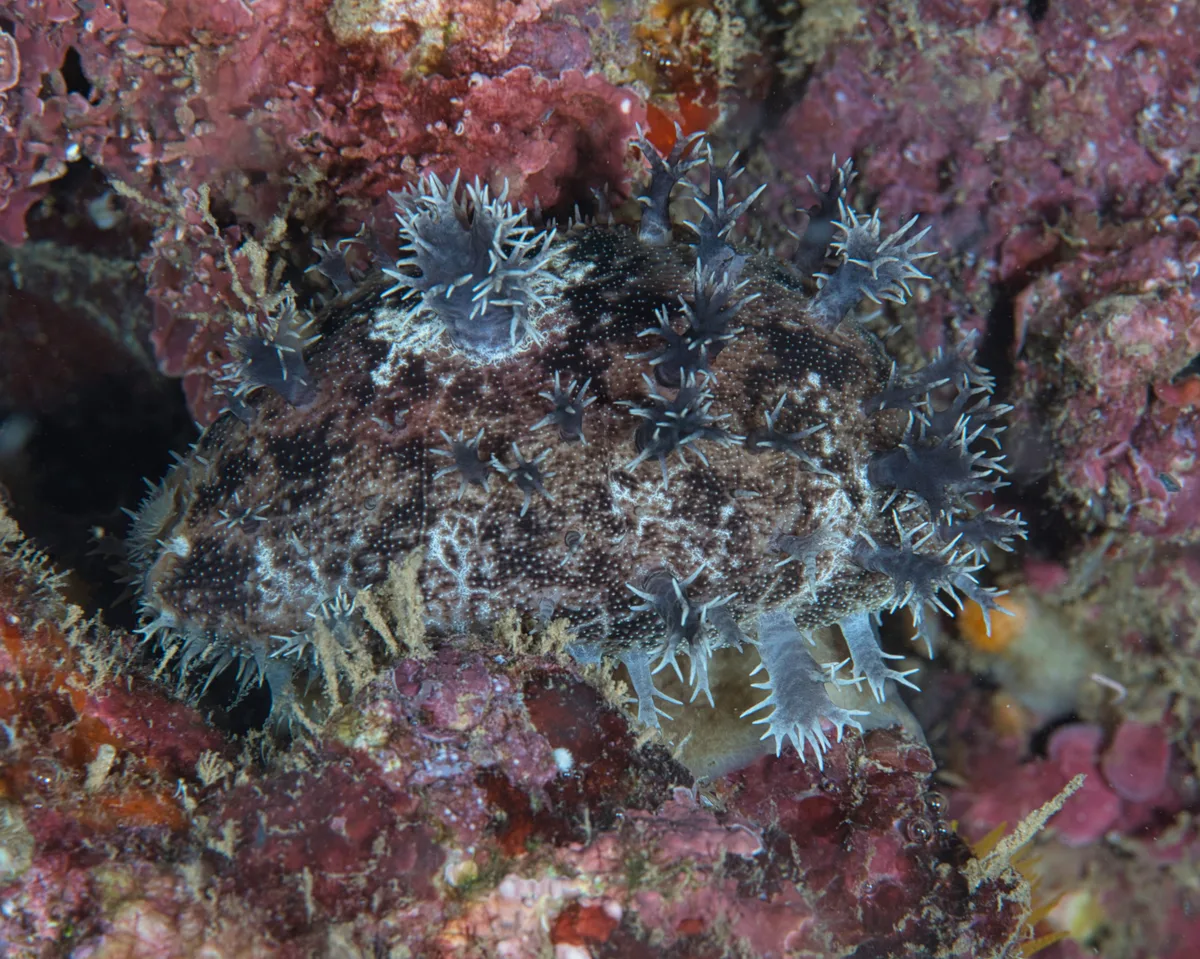
Somebody looked at this shell in 1937 and named it after a sea monster, which tells you the impression it makes in the hand.
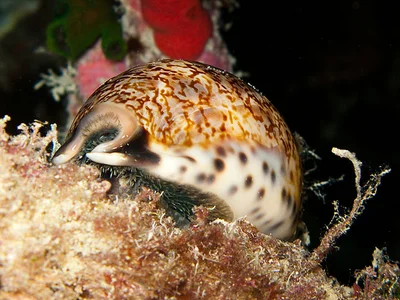
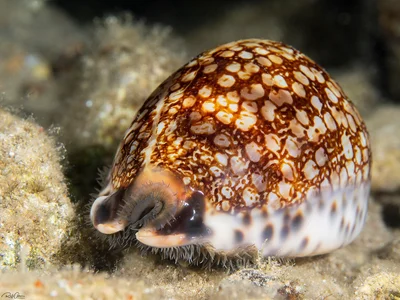
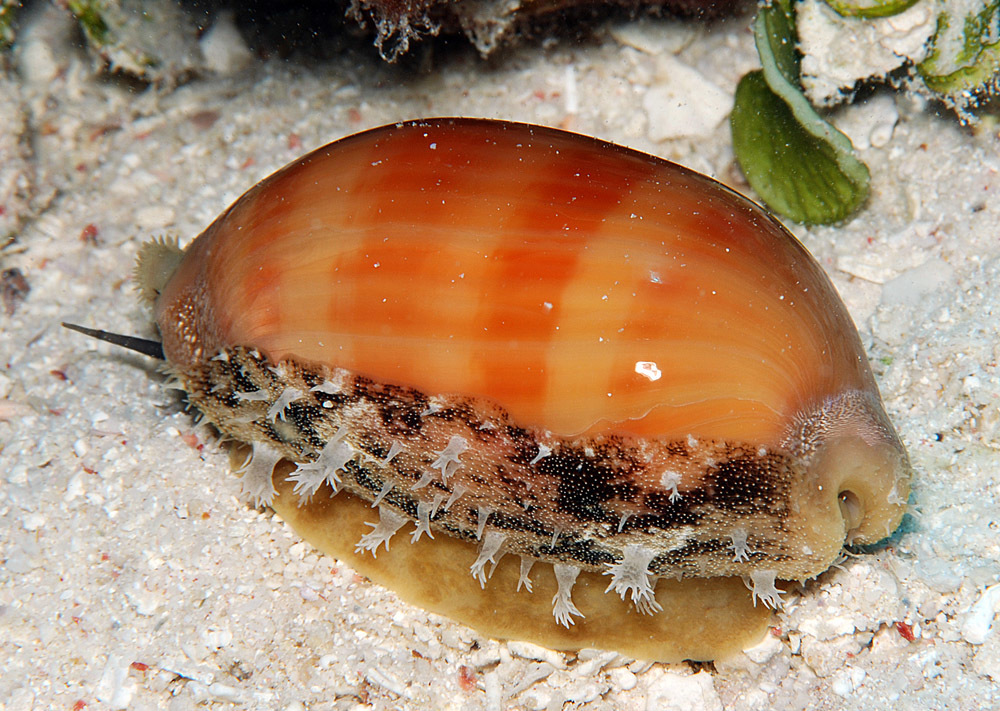
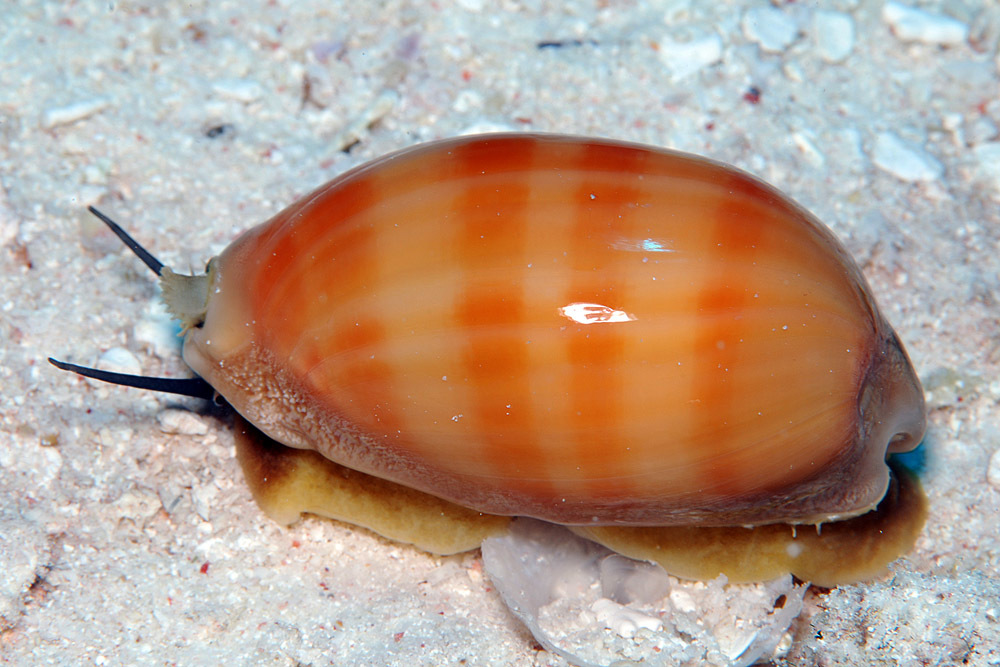
At ten centimeters (4 in) it is one of the largest cowries in the world and by far the heaviest thing in this genus, thick-walled and solid where its relatives are light. The pattern is not the point: orange-brown with paler bands, essentially the same livery as the smaller species it shares the reef with. The size is the identification, which is an unusual thing to say about a mollusc and here it is simply true.
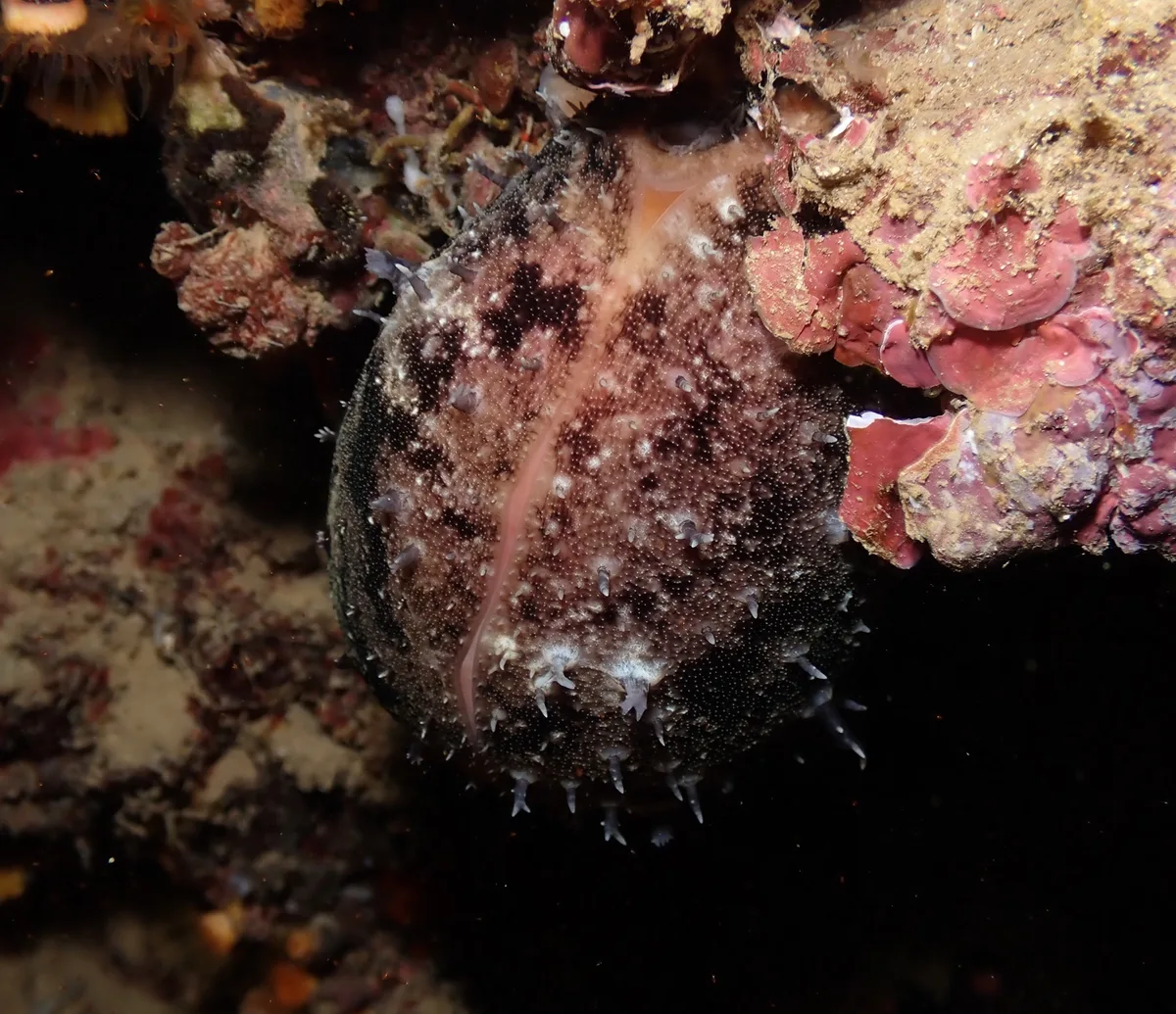
It is also rare. Where its relative turns up on rubble at night, this one keeps deep under ledges, and it is the shell most collectors on this coast have never picked up.
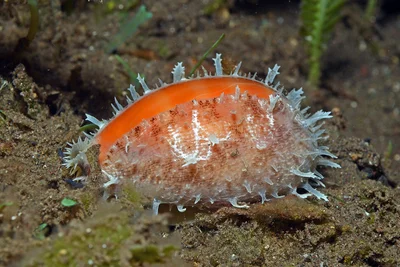
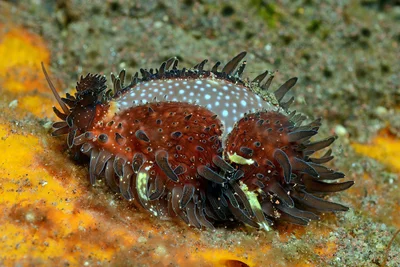
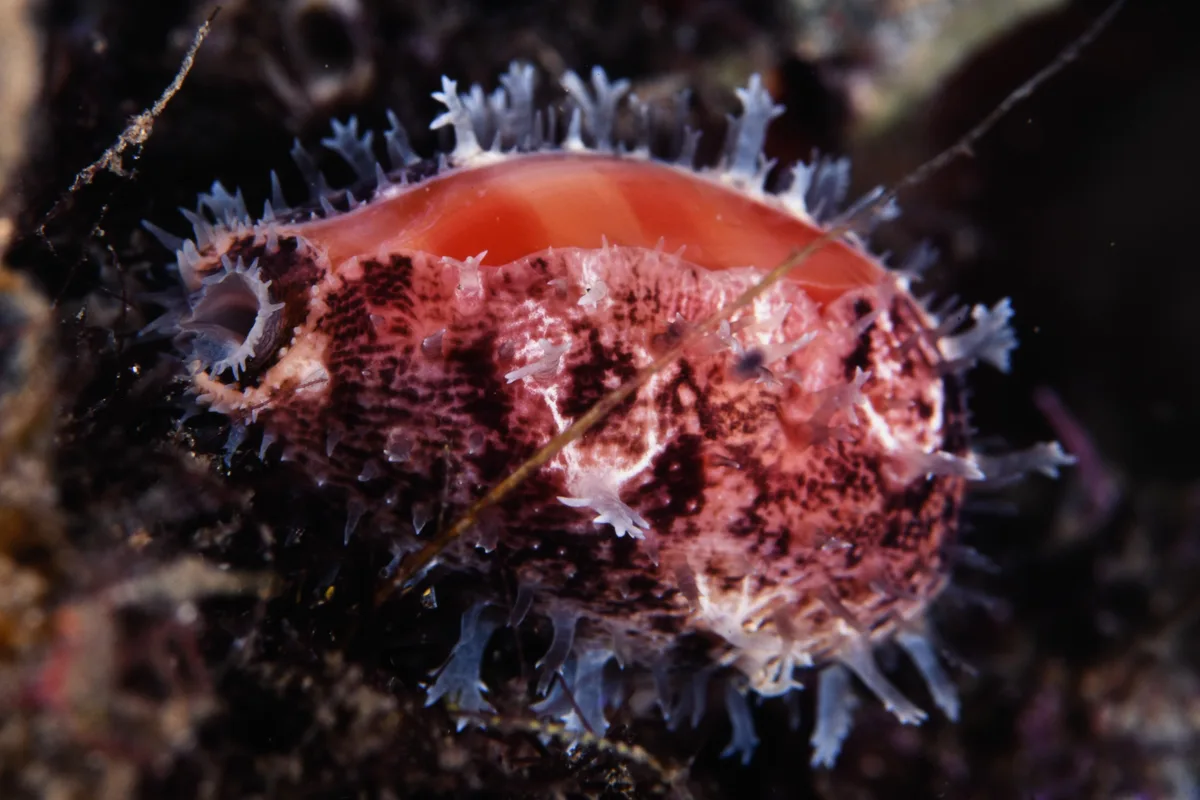
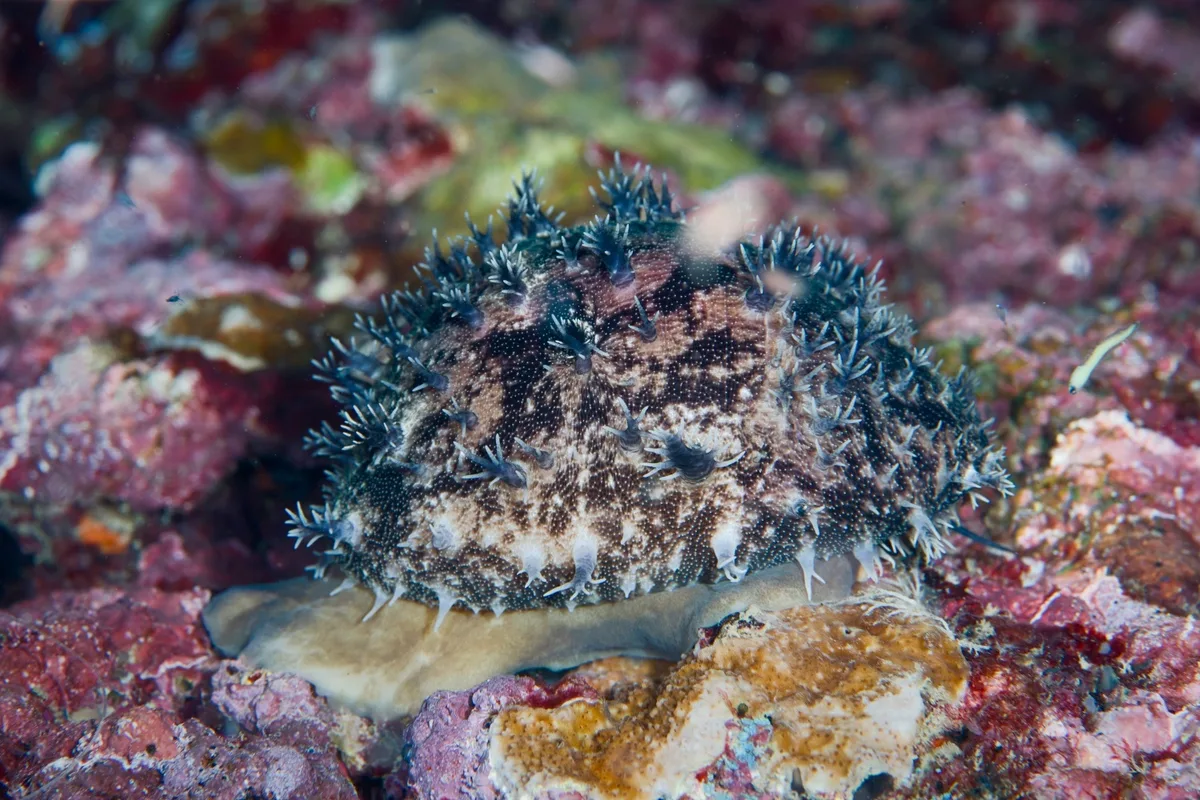
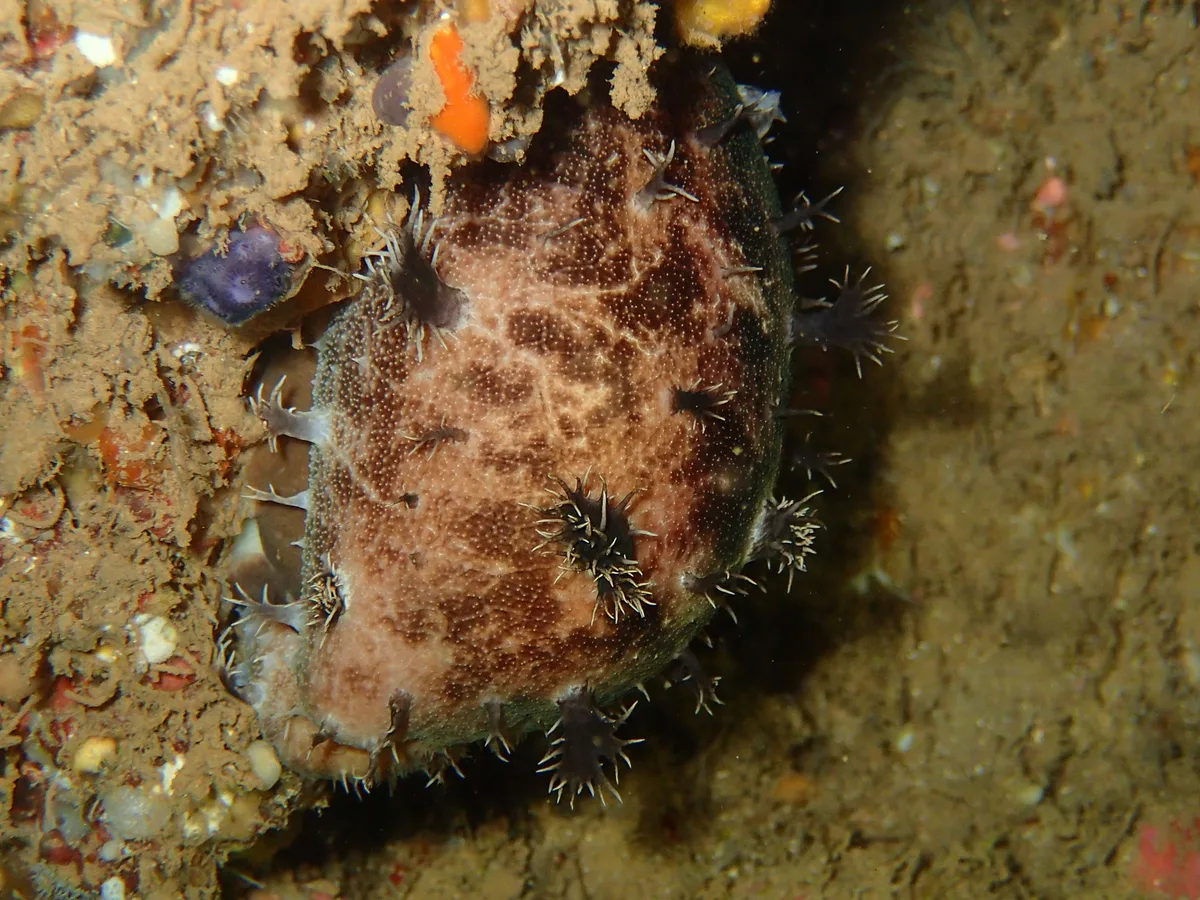
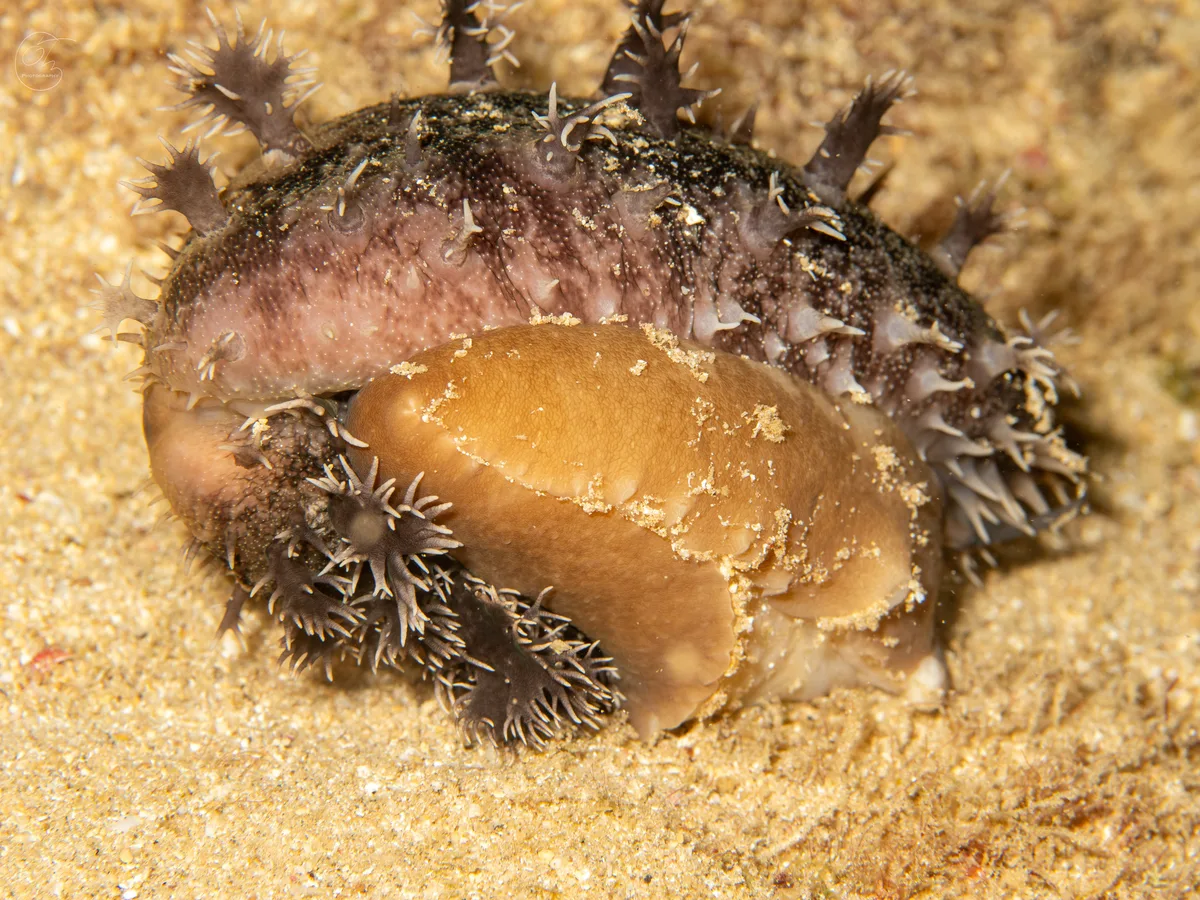
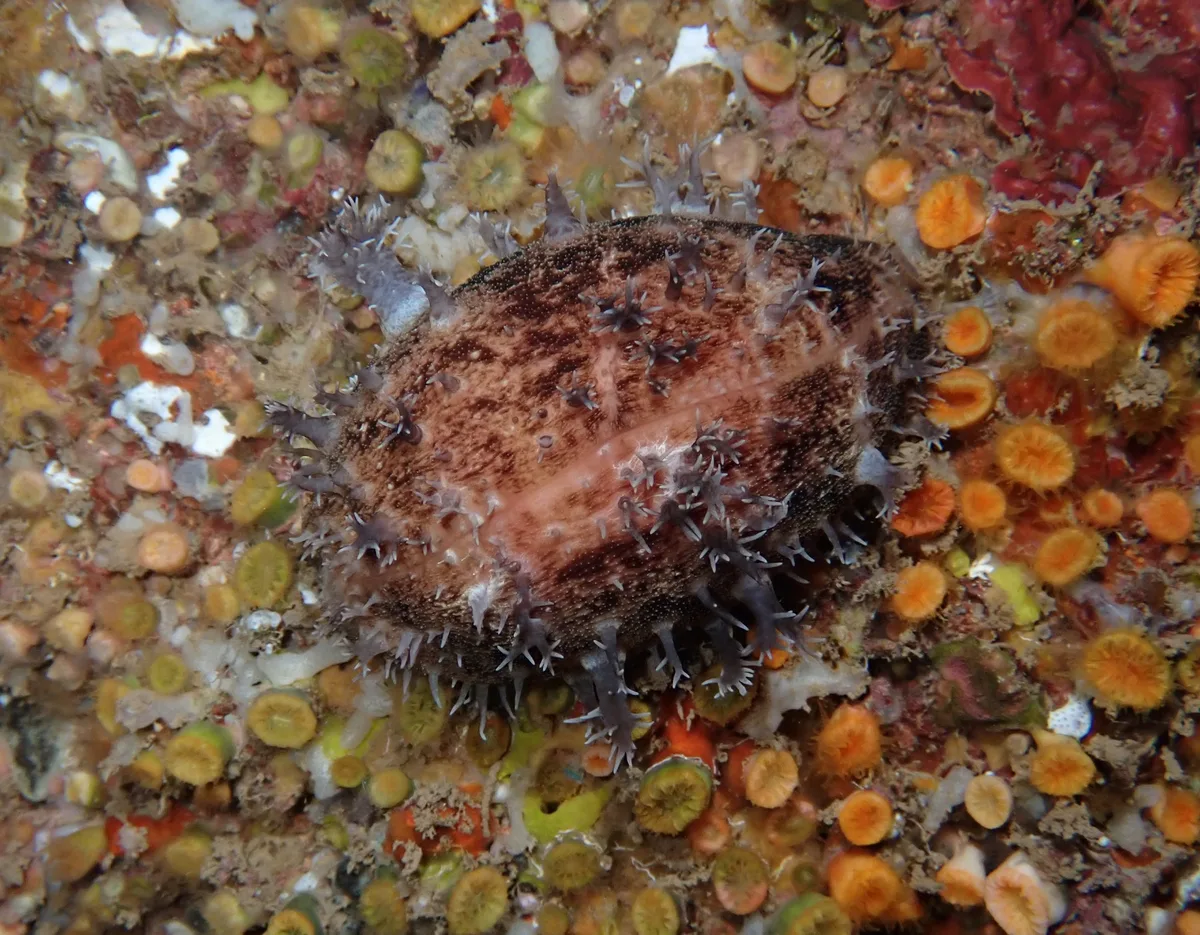
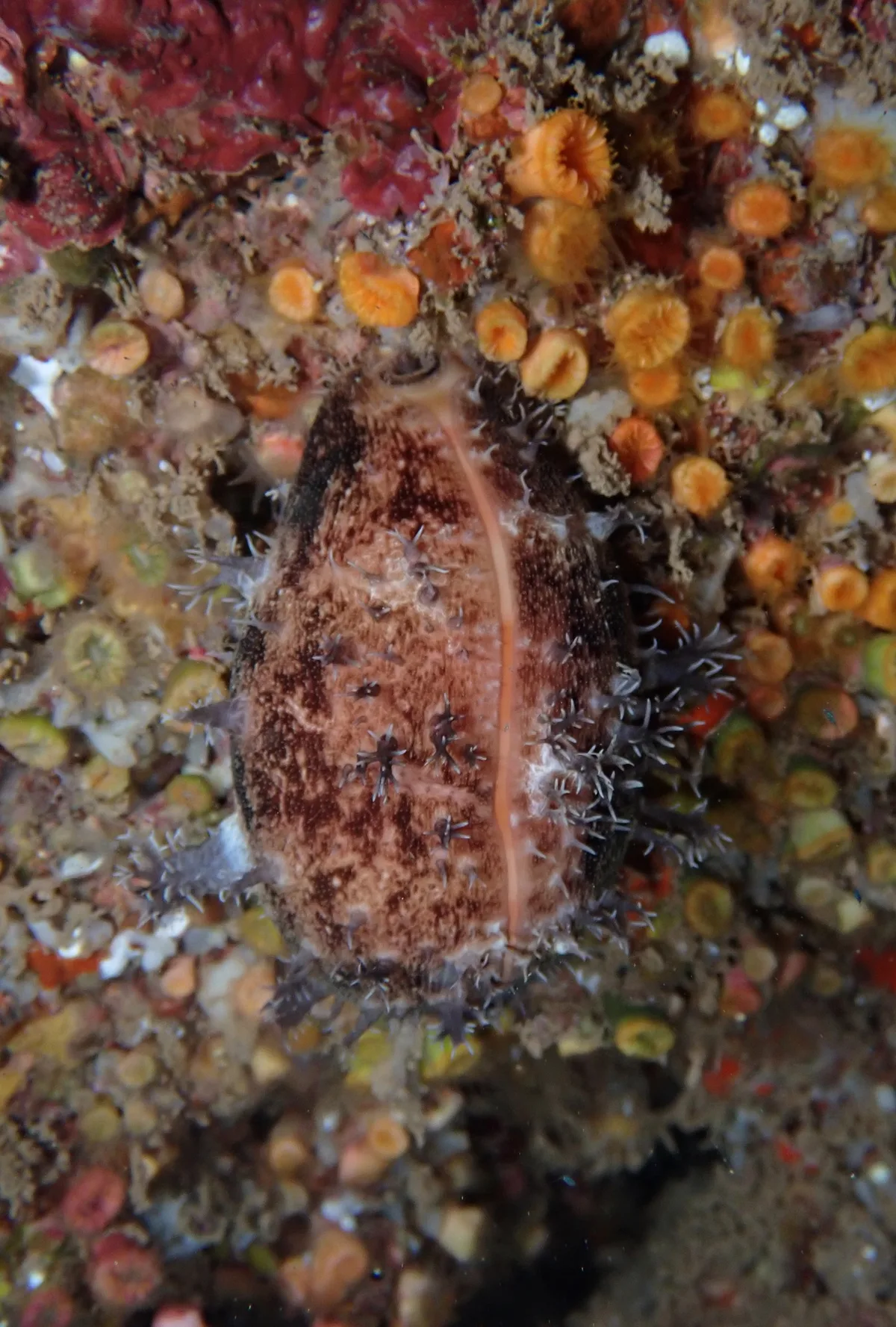
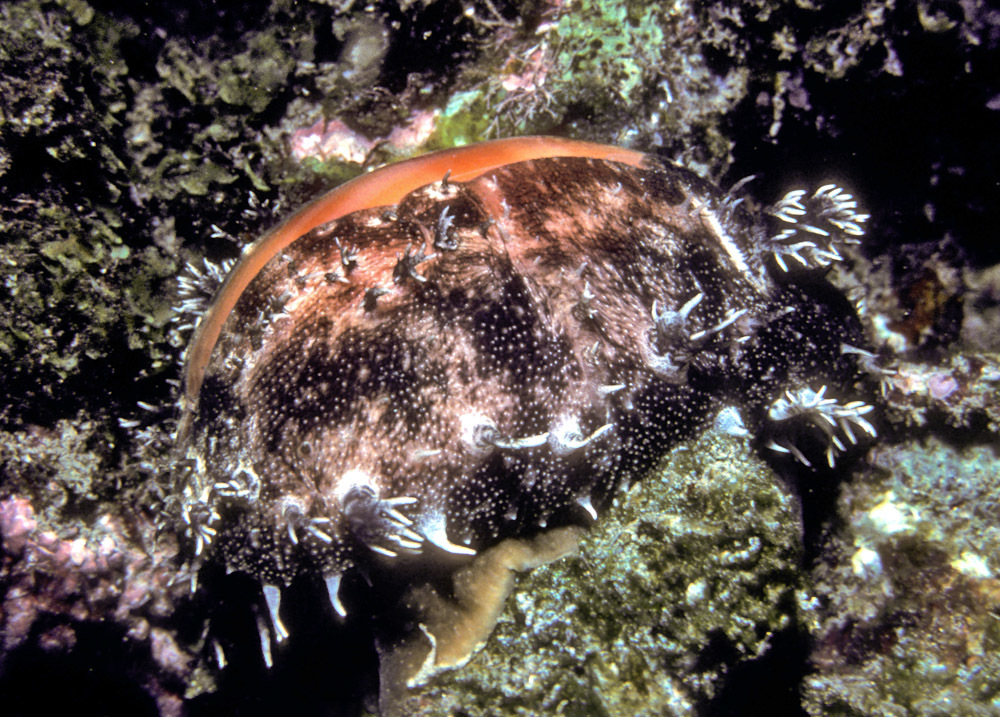
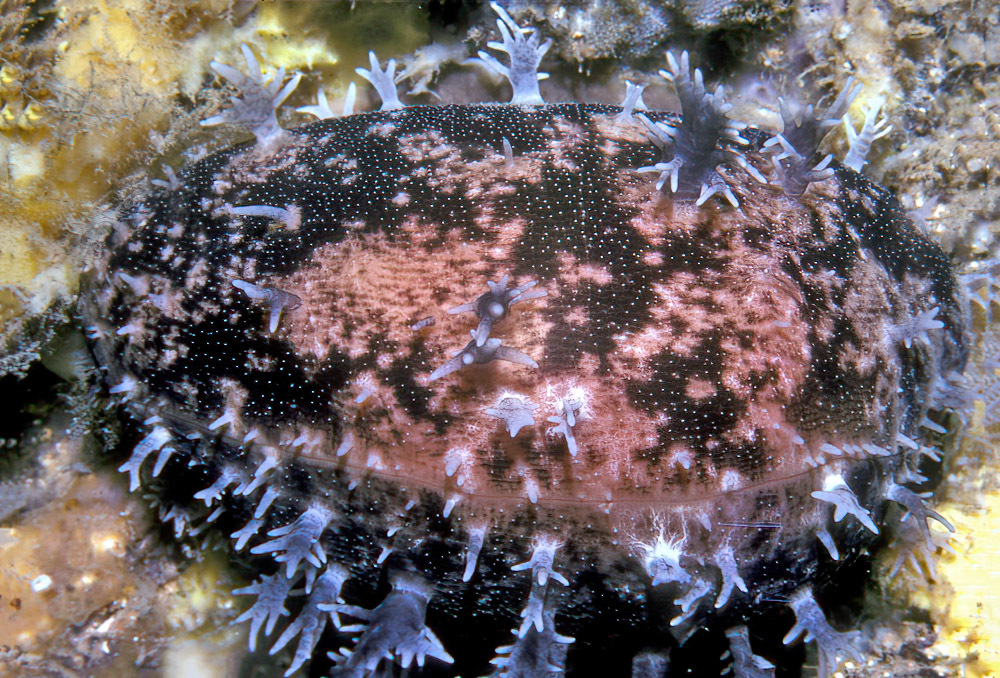
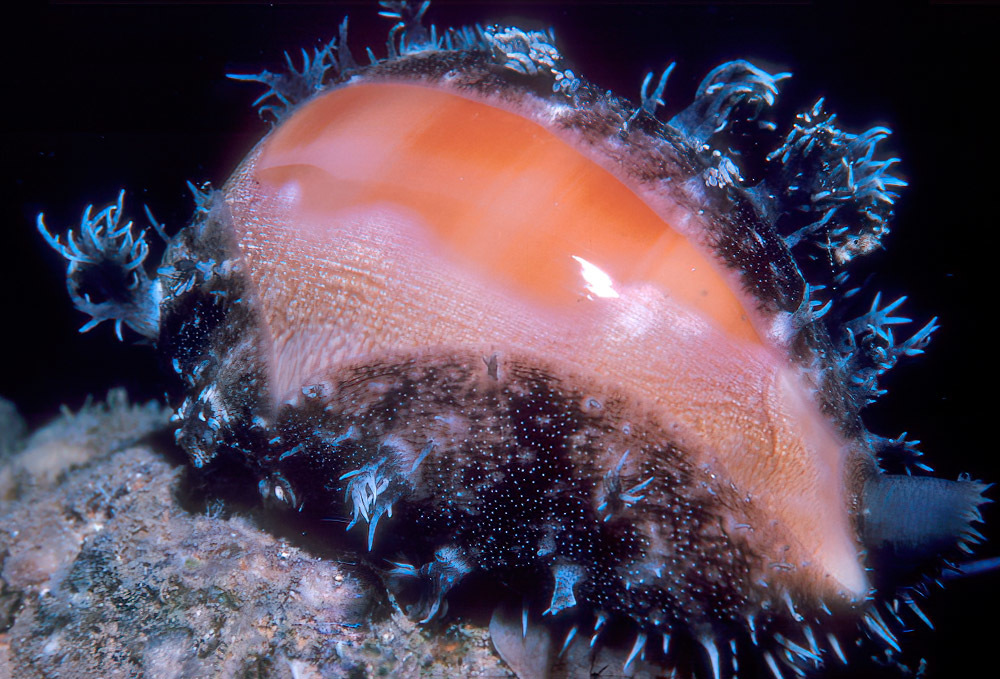
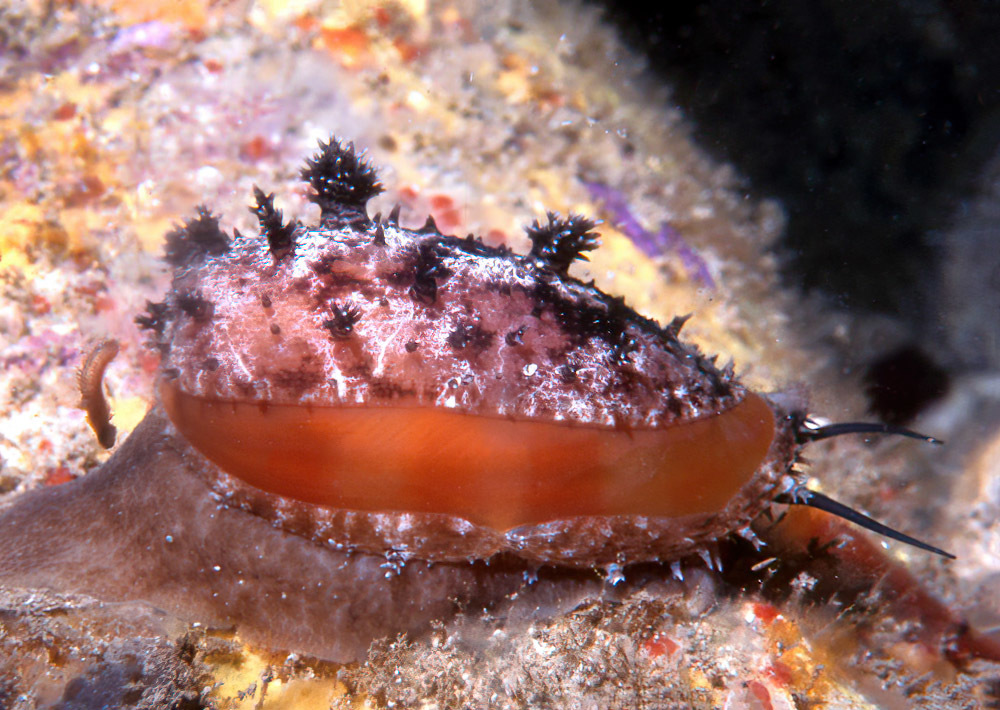
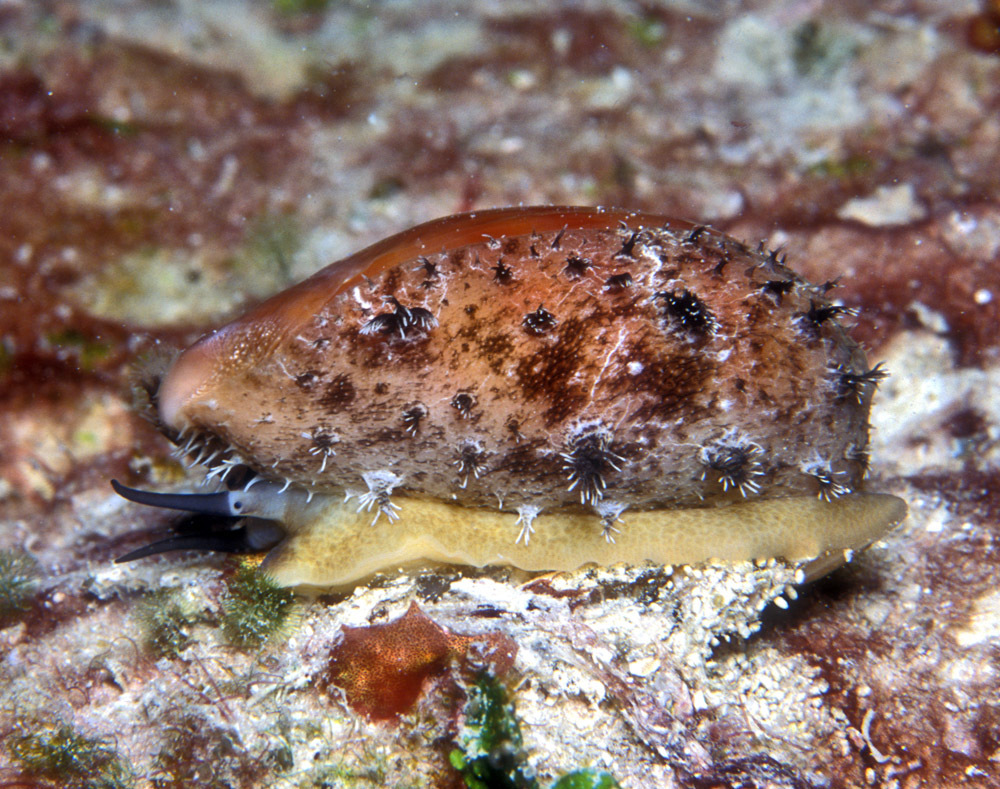
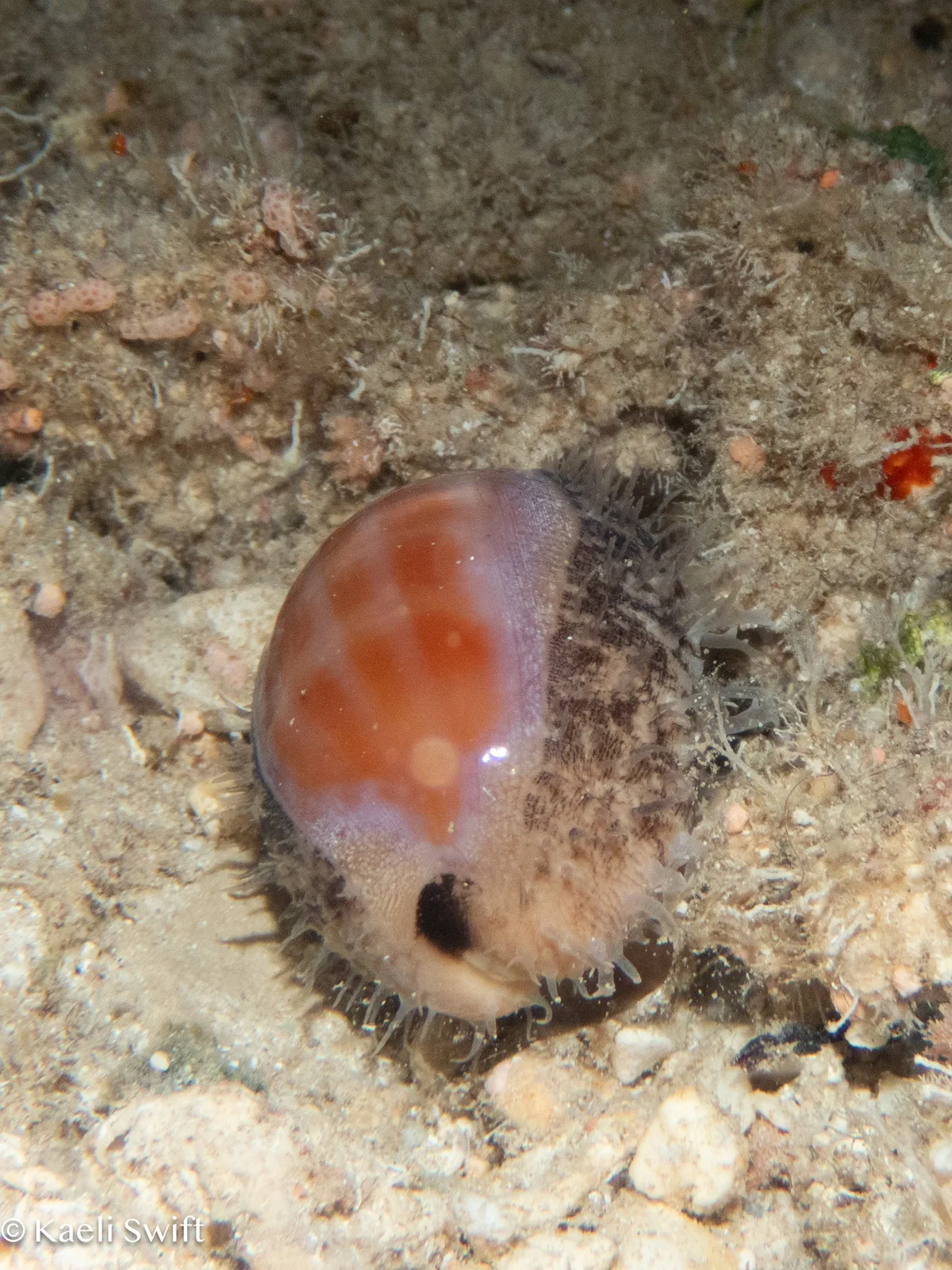
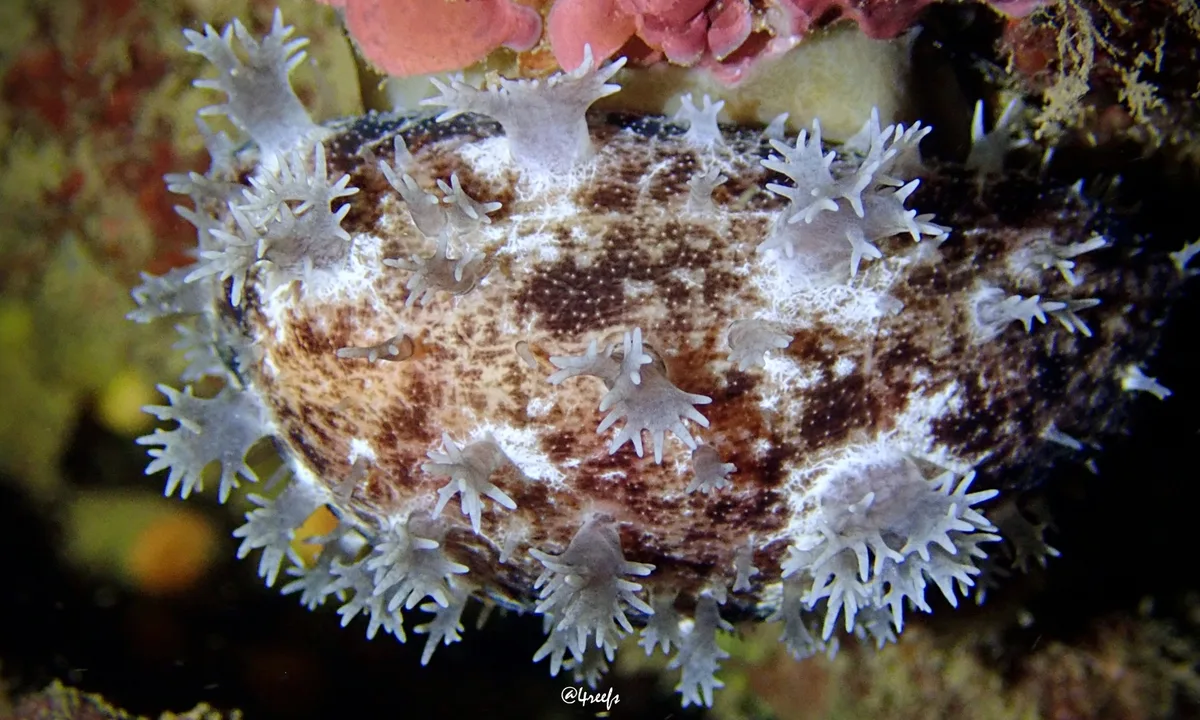
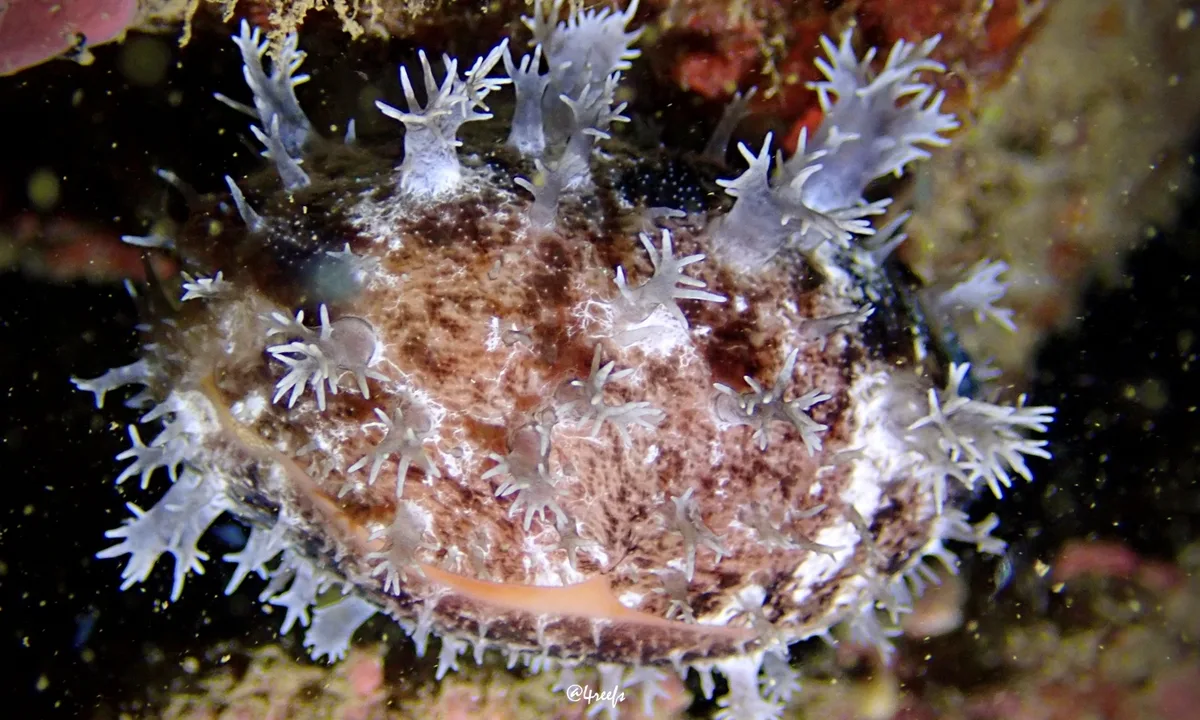
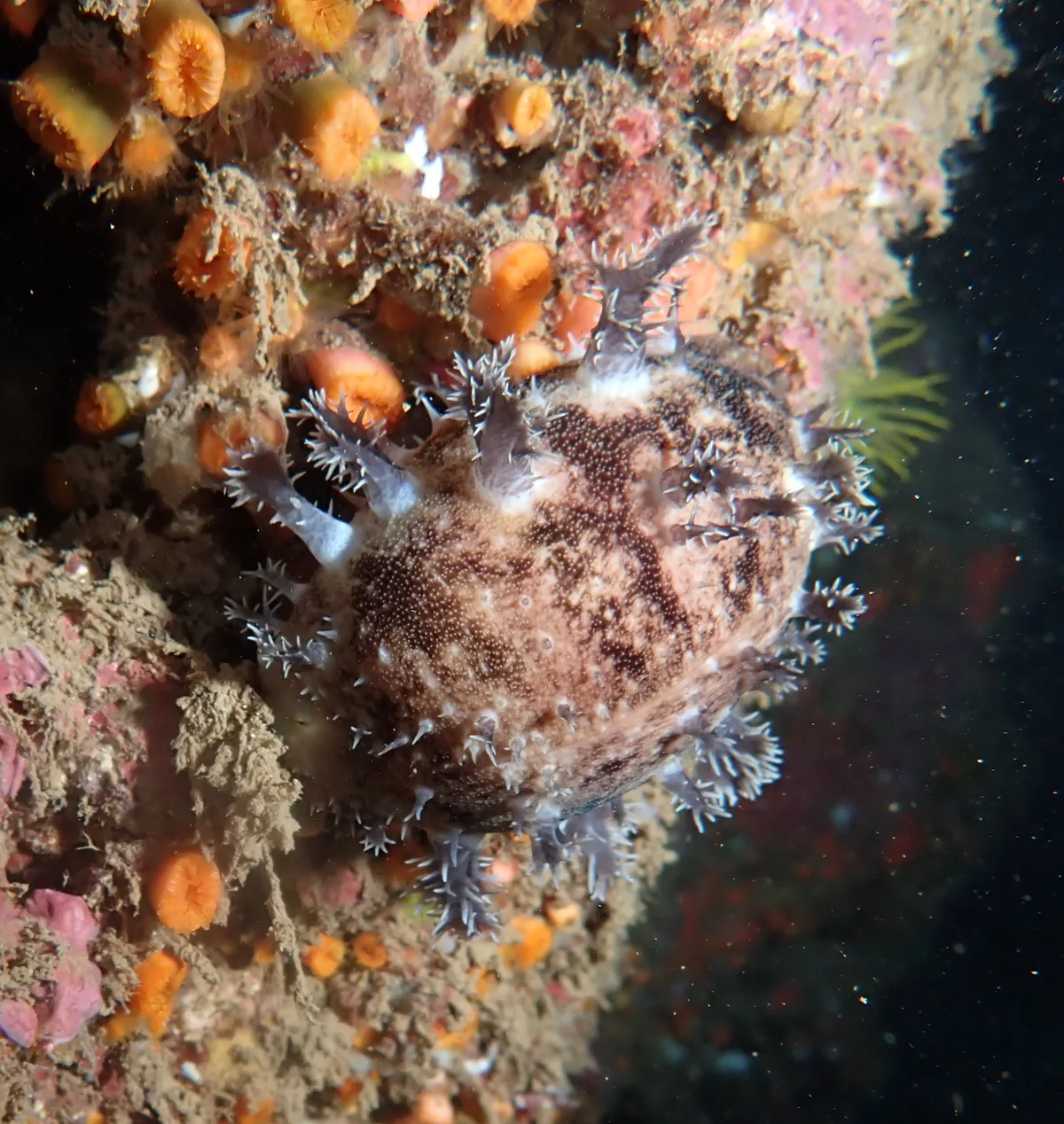
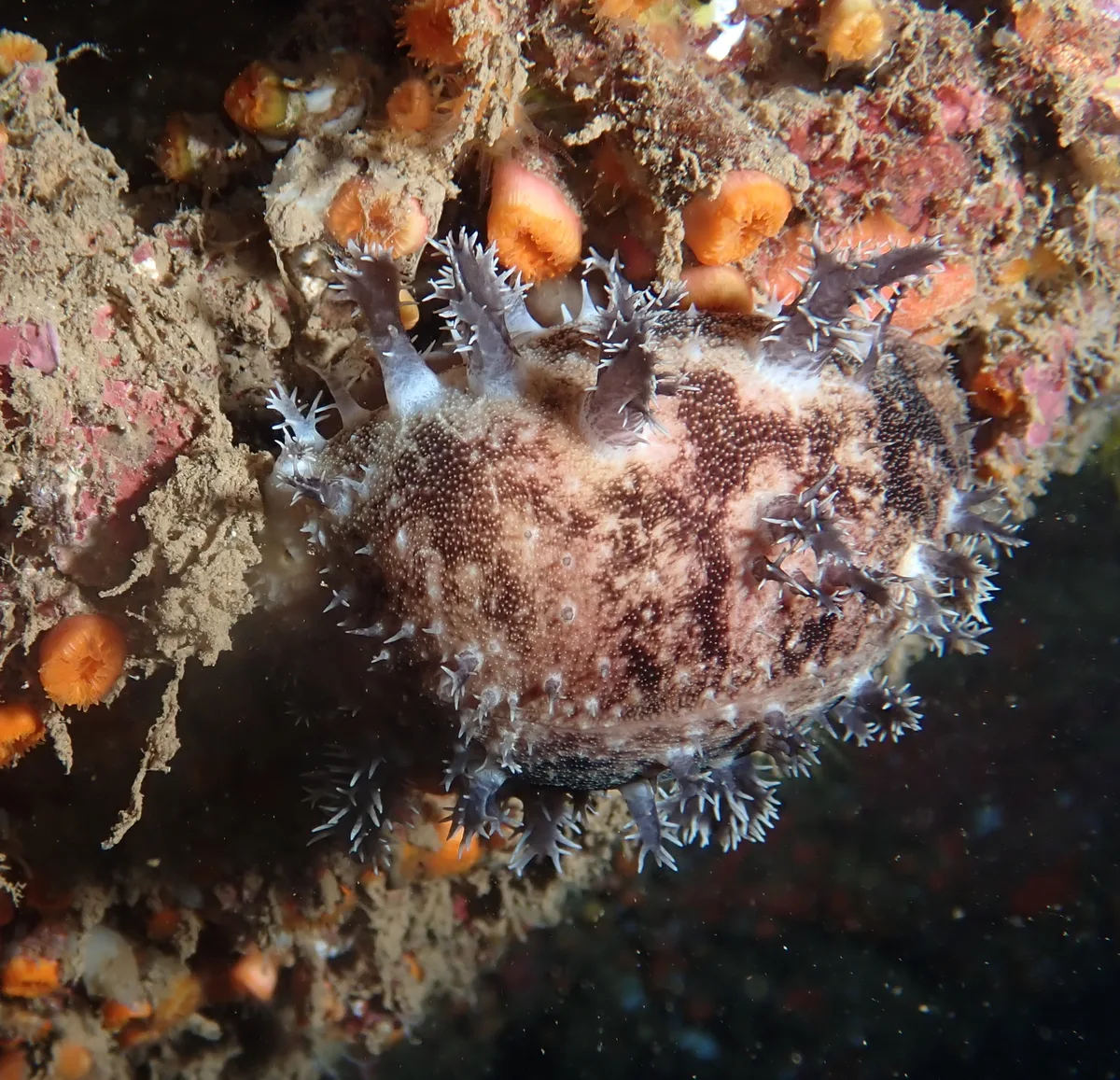
Alive it is wrapped in mantle like every cowrie: two flaps rising from the foot, folding up over the back and meeting along the middle, covering the shell entirely and laying down new material on it from the outside. That is what keeps a cowrie polished, and why the gloss goes when the animal does.
The Schilders, a husband and wife who spent their careers on this one family and sorted most of its species into the genera used today, described it in 1937.
- orange-brown with paler bands, like its smaller relative but half as long again
- ten centimeters: size is the character, not the pattern
- heavy and thick-walled for a cowrie
- rare, and deep under ledges rather than out on rubble