Half a dozen shrimp species can live on the same anemone without meeting, because they are not using the same anemone.
One works the tentacle crown. One stays on the column, below the tentacles, where the stinging cells are sparser. One lives underneath, on the foot and the rock immediately around it. One is out only at night, when the daytime residents have settled. Add the crabs and the fish, and a single large anemone supports a stack of tenants that overlap physically and barely overlap ecologically.
This is the same partitioning that lets a hundred species of small fish share a coral head, and it is the reason a host animal on a reef is better thought of as an address than as an individual.
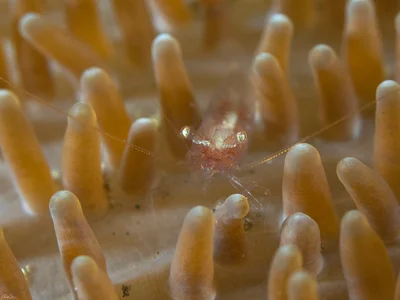
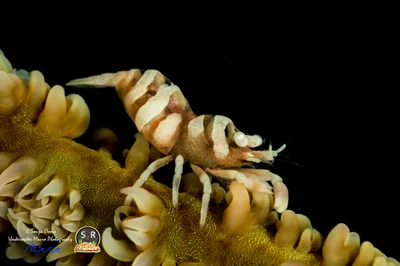
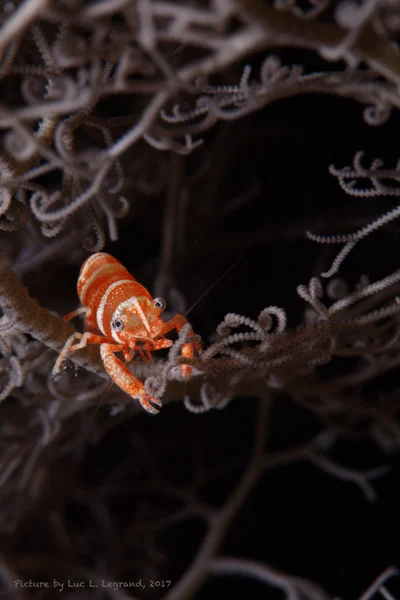
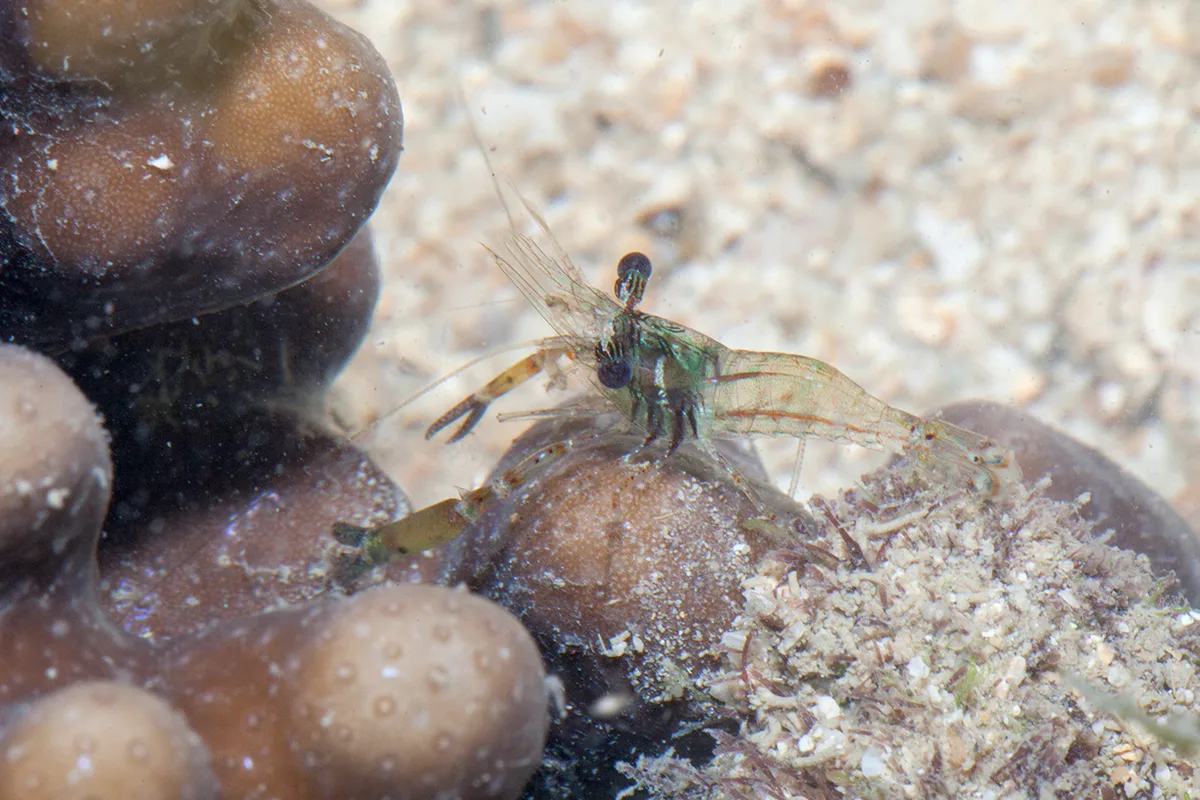
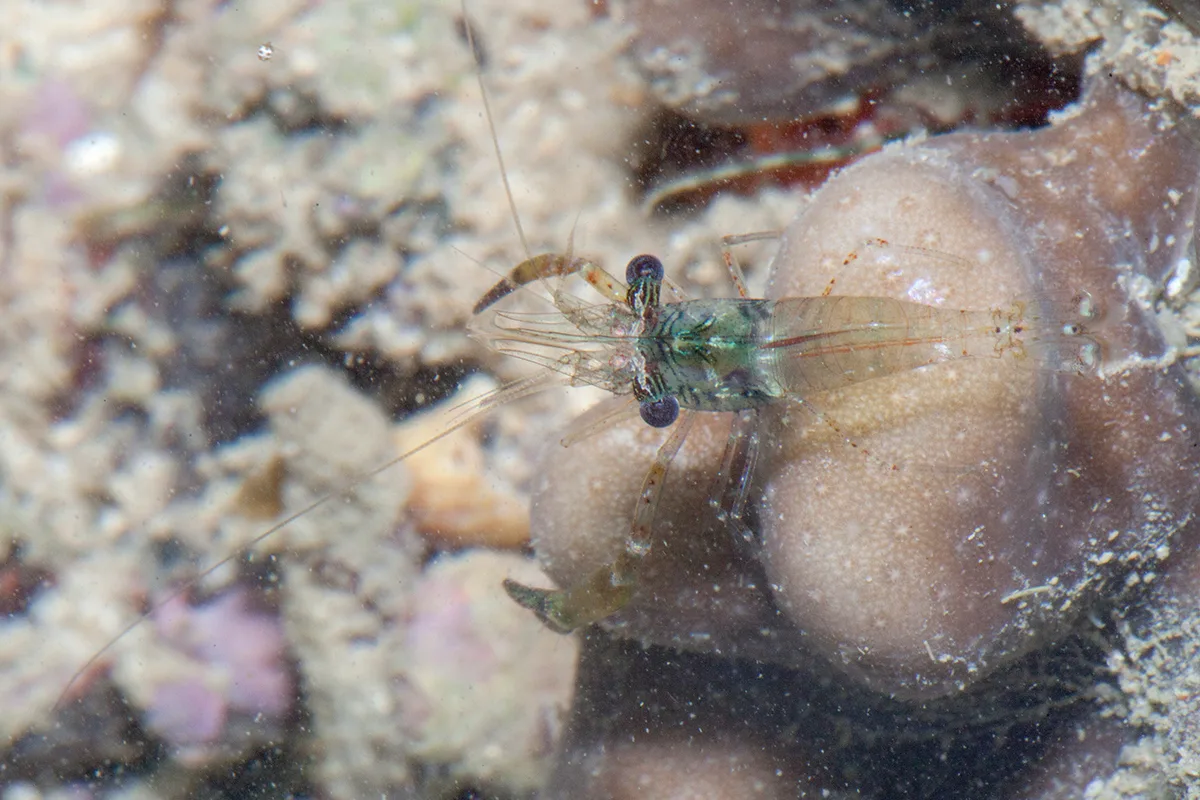
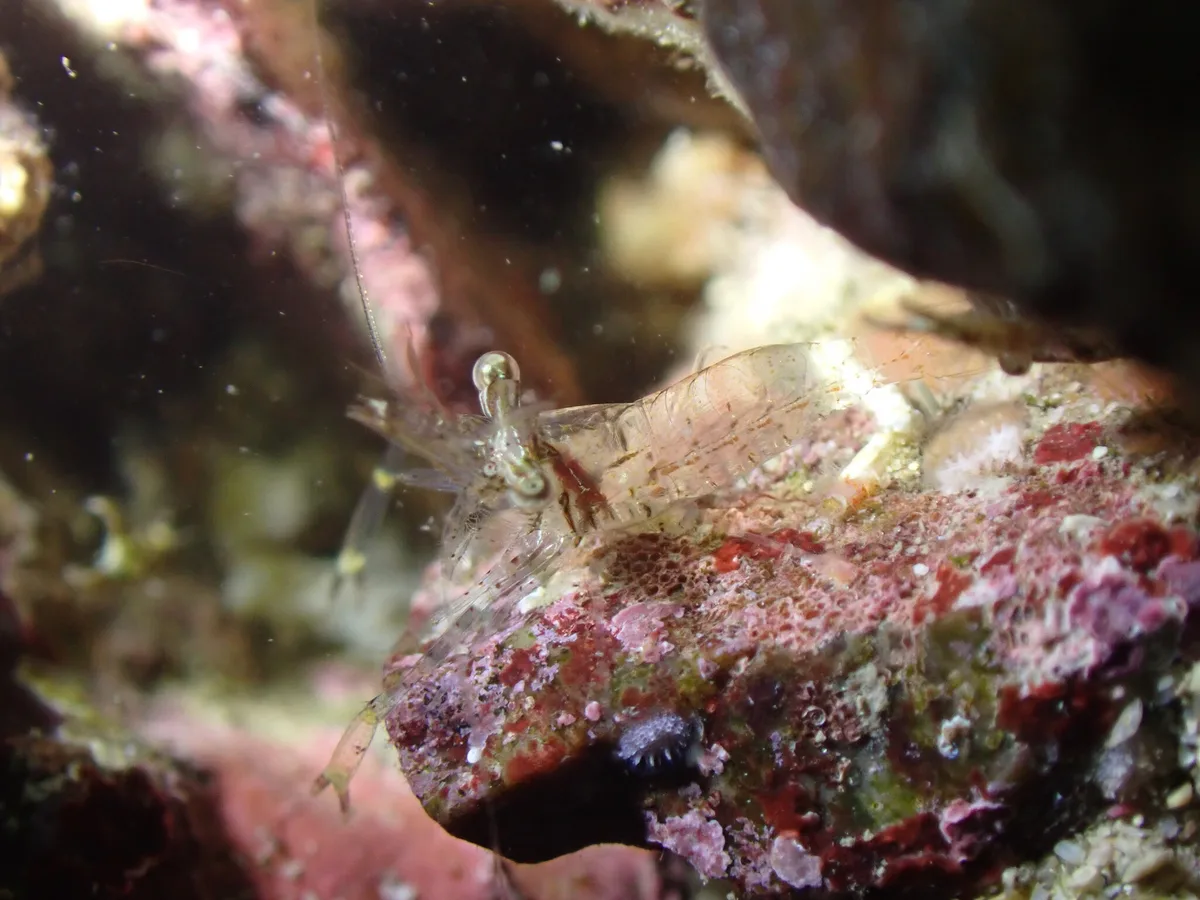
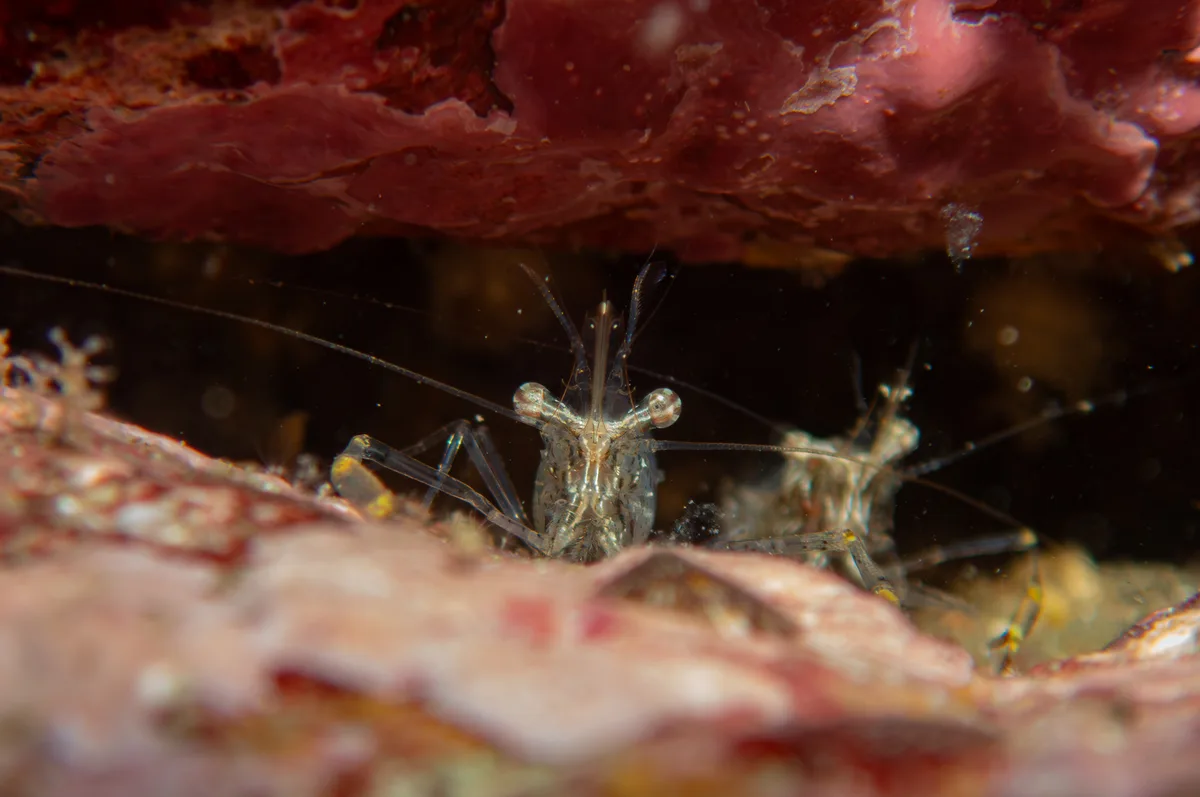
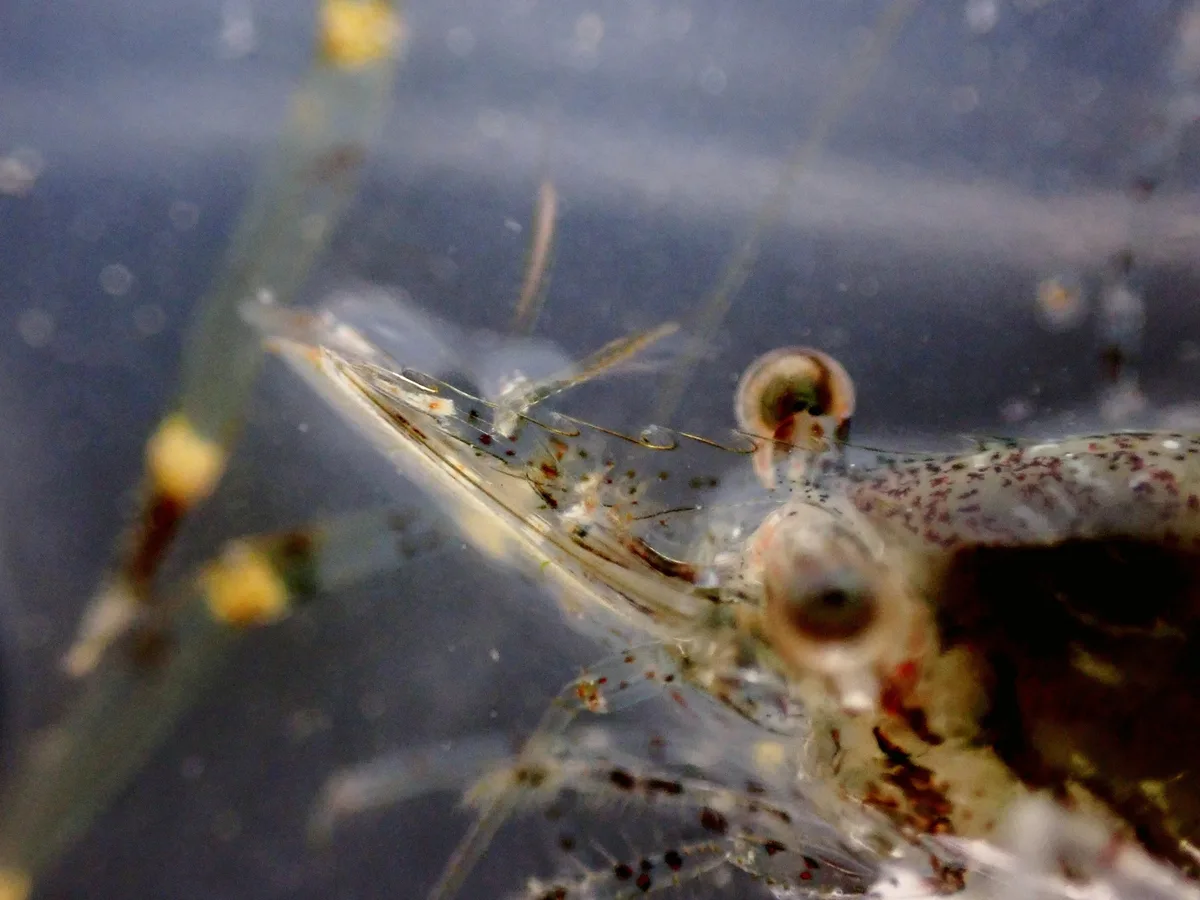
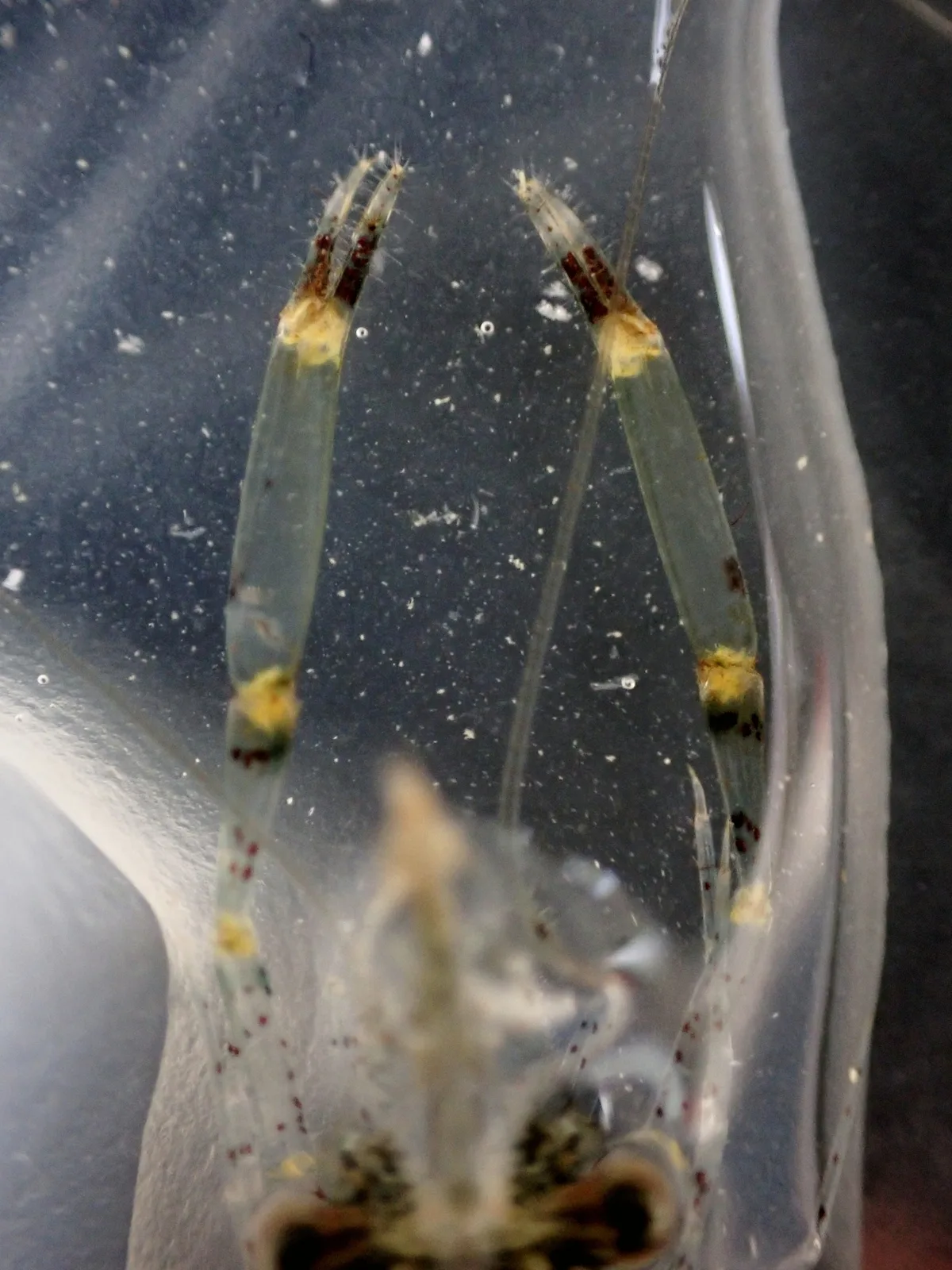
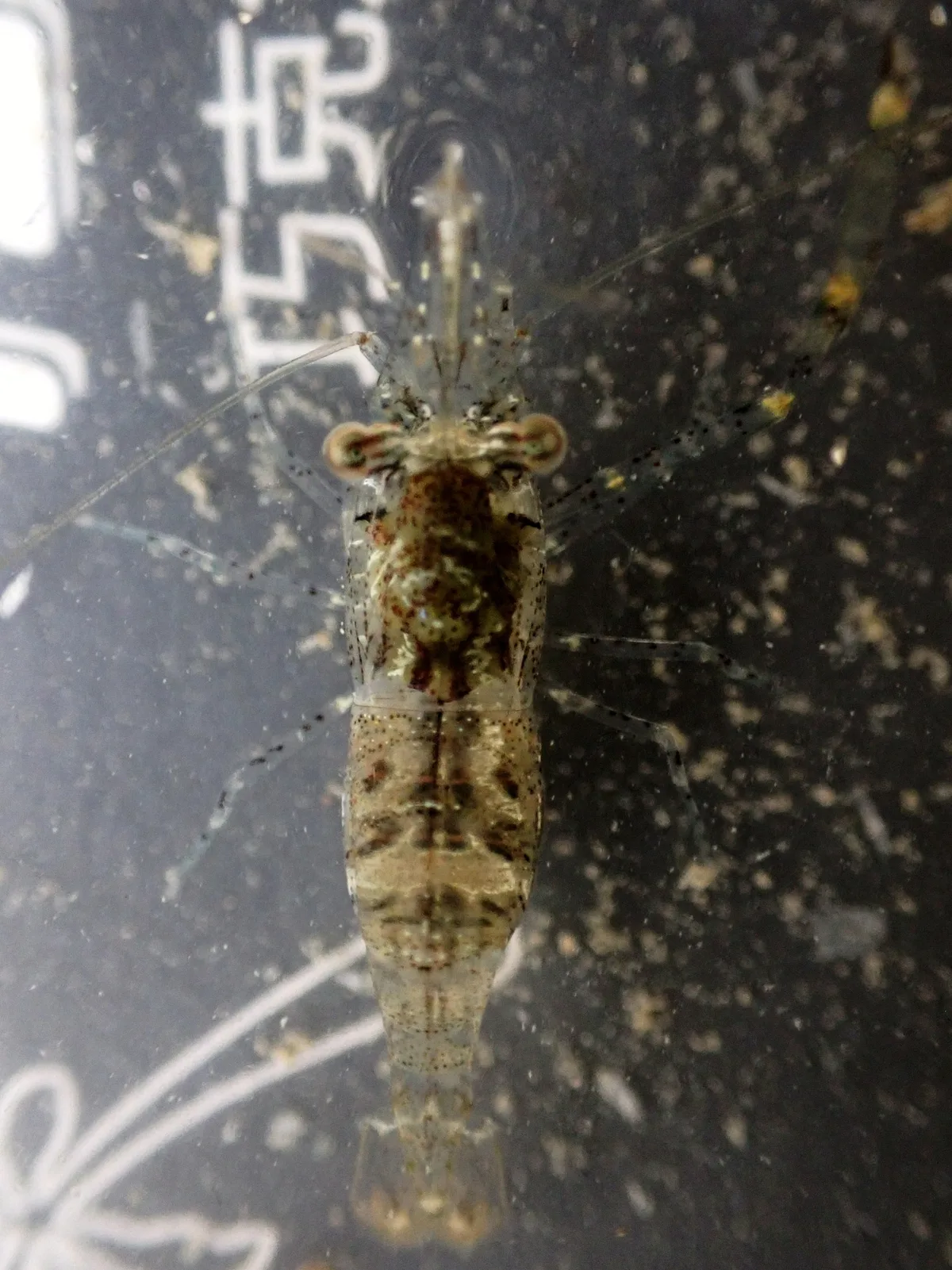
This one is a glassy, near-invisible shrimp with fine white lines, catholic about its host - anemones, corals, sea cucumbers - and mostly active at night, which is a partition of its own. Photographers find it by the white markings, because the animal itself does not register.
- glassy transparent body with fine white lines and dots
- long slender claws held forward
- on the column or underside of a host rather than on the tentacles
- up to 3 cm