Forget Jaws: Shark Awareness Day Reveals the Ocean's Essential Architects

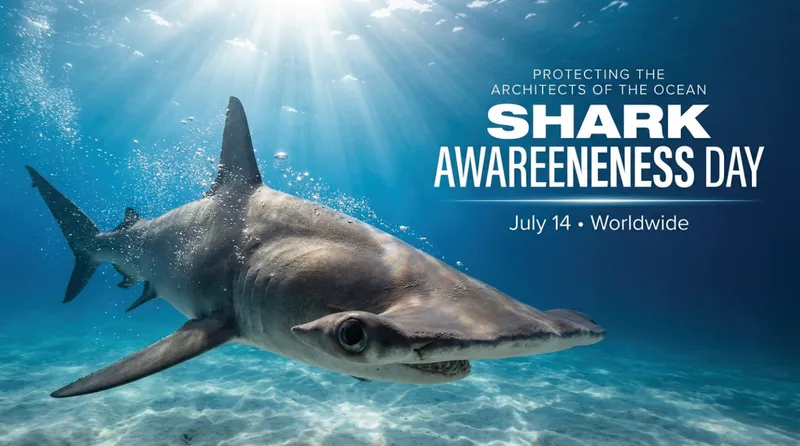
For nearly fifty years, the shadow of a dorsal fin has been enough to trigger a very specific kind of panic - the "Jaws" effect. Decades of Hollywood sensationalism painted sharks as mindless killing machines, and that image stuck so hard it blinded most of us to a far scarier possibility: an ocean without sharks. Every July 14, the world marks Shark Awareness Day to push back against that myth, shifting the story from fear to fascination, and reminding us that these predators aren't the villain of the ocean - they're one of its main pillars.
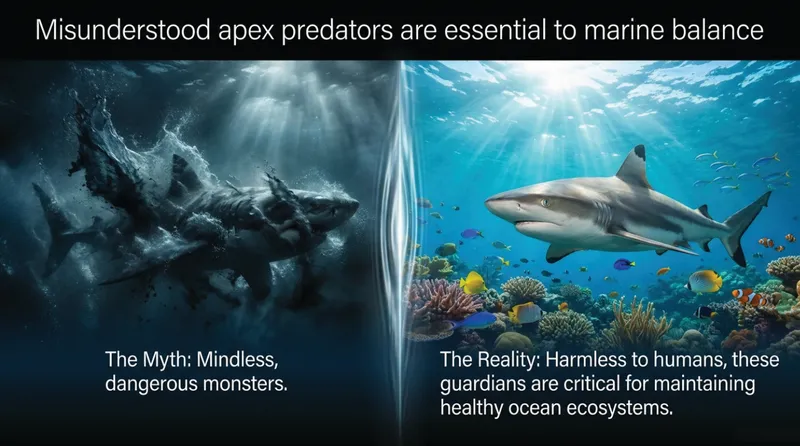
Misunderstood Guardians of the Deep
The gap between shark's reputation and shark reality couldn't be wider. On one side sits the myth: a mindless, dangerous monster lurking just beneath the surface. On the other sits the truth - animals that are overwhelmingly harmless to humans and absolutely essential to keeping ocean ecosystems in balance. Most encounters we imagine simply don't happen the way movies suggest, and the species that do occasionally interact with people are a tiny fraction of the roughly 500 shark species swimming the world's oceans.
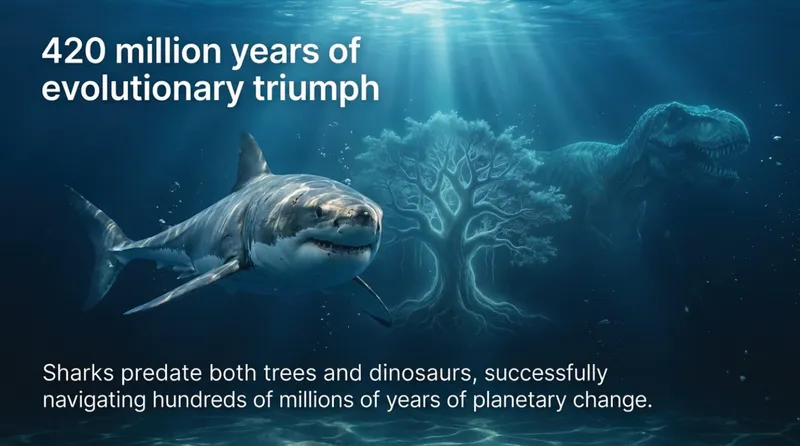
Older Than Trees, Older Than Dinosaurs
Sharks aren't just old - they're ancient in a way that's hard to wrap your head around. They've patrolled the oceans for more than 420 million years, meaning they were here before dinosaurs existed, and before trees had even evolved on land. Their basic body plan has proven so effective that it's carried them through five separate mass extinction events, largely unchanged. That's not survival by luck - that's one of evolution's most successful designs, still swimming today.
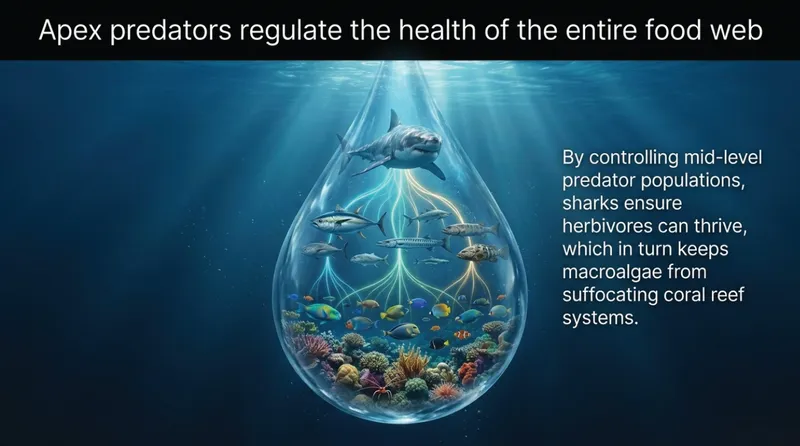
The Architects of a Balanced Food Web
Calling sharks "predators" undersells the job they actually do. As apex predators, they act more like architects, quietly regulating everything beneath them. By keeping mid-level predator populations in check, sharks allow herbivorous fish to thrive - and those herbivores, in turn, keep macroalgae from smothering coral reefs. Pull the shark out of that equation, and the whole structure starts to wobble: reefs degrade, fish populations destabilize, and the ripple effects reach all the way to human food security.
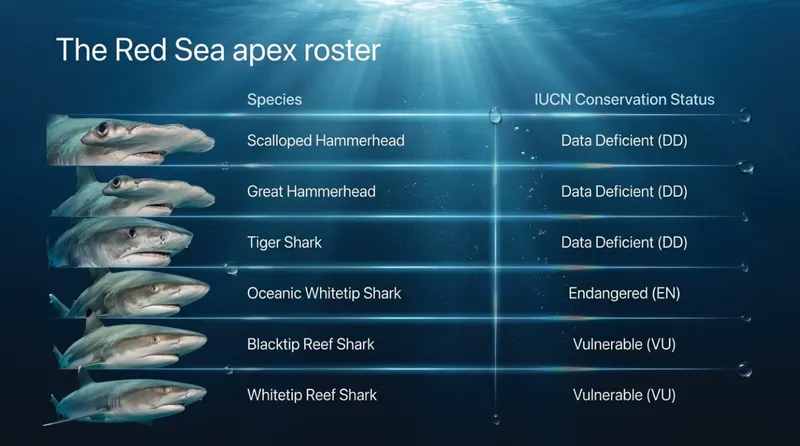
The Red Sea's Apex Roster
Right here in the Red Sea, several shark species sit at the top of that food web - and their conservation status tells its own story:
- Scalloped Hammerhead - Data Deficient
- Great Hammerhead - Data Deficient
- Tiger Shark - Data Deficient
- Oceanic Whitetip Shark - Endangered
- Blacktip Reef Shark - Vulnerable
- Whitetip Reef Shark - Vulnerable
Even the "Data Deficient" label is a warning sign in itself - it means we don't yet have enough information to know how close to the edge these animals really are.
A Species Under Siege
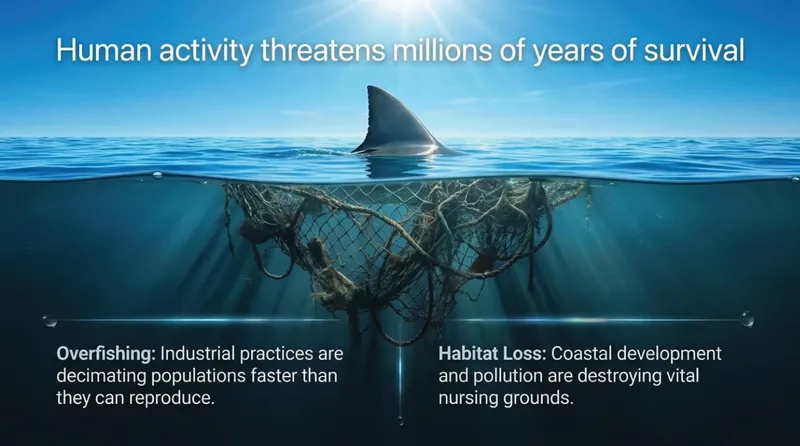
Despite a 420-million-year winning streak, sharks are now facing a crisis unlike anything in their evolutionary history. Two forces are doing most of the damage. Industrial-scale overfishing is removing sharks from the water faster than they can reproduce - and sharks, which grow slowly and have few offspring, simply can't keep pace. At the same time, coastal development and pollution are destroying the nursing grounds young sharks depend on before they've even had a chance to grow up.
A Global Movement to Shift Perception
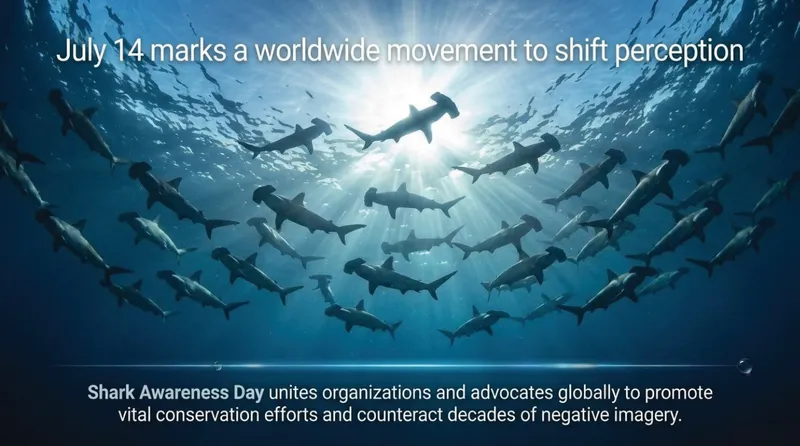
July 14 exists precisely to counter decades of negative imagery. Shark Awareness Day brings together conservation groups, researchers, and ordinary ocean-lovers around the world with one shared goal: replacing fear with facts, and turning bystanders into advocates for the animals that keep our oceans running.
Three Ways to Protect Our Ocean's Guardians
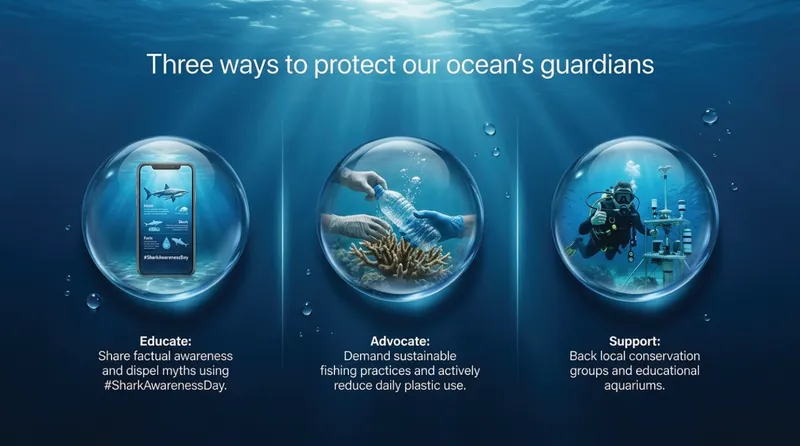
You don't need a marine biology degree to make a difference. Three simple actions go a long way:
- Educate - share factual, myth-busting content and use #SharkAwarenessDay to spread it further.
- Advocate - push for sustainable fishing practices and cut back on single-use plastic in your own daily habits.
- Support - back local conservation groups and educational aquariums that do the on-the-ground work.
Independent Tools for the Ocean-Curious
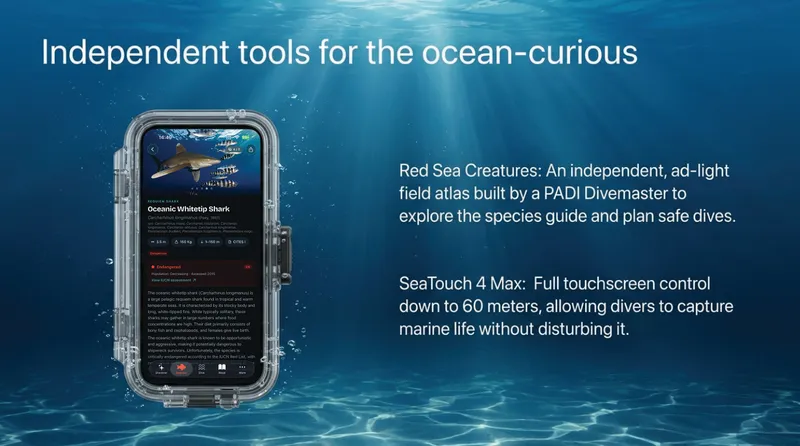
If you want to go deeper than a hashtag, a couple of tools make that easy. The Red Sea Creatures app is an independent, ad-light field atlas built by a PADI Divemaster, designed to help you explore species profiles and plan safer, more informed dives. Pair that with something like the Divevolk SeaTouch 4 Max, which gives full touchscreen control down to 60 meters - letting divers document marine life without ever having to disturb it.
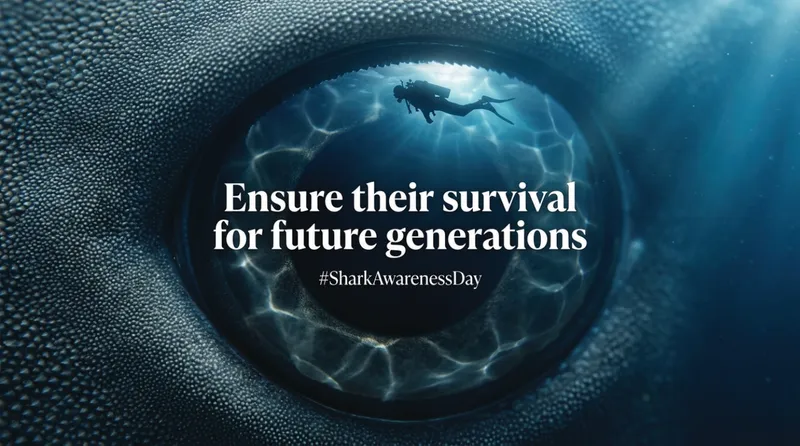
Ensuring Their Survival for Future Generations
Next time a headline or a movie trailer puts a shark front and center, it's worth asking yourself a simple question: are you looking at a monster, or at a 420-million-year-old guardian currently fighting for its life? The answer shapes more than just how we feel about sharks - it shapes what kind of ocean we leave behind.
#SharkAwarenessDay
PADI Divemaster and underwater storyteller with over 7 years of hands-on Red Sea diving experience, documenting marine life, mapping dive sites, and promoting responsible ocean conservation.