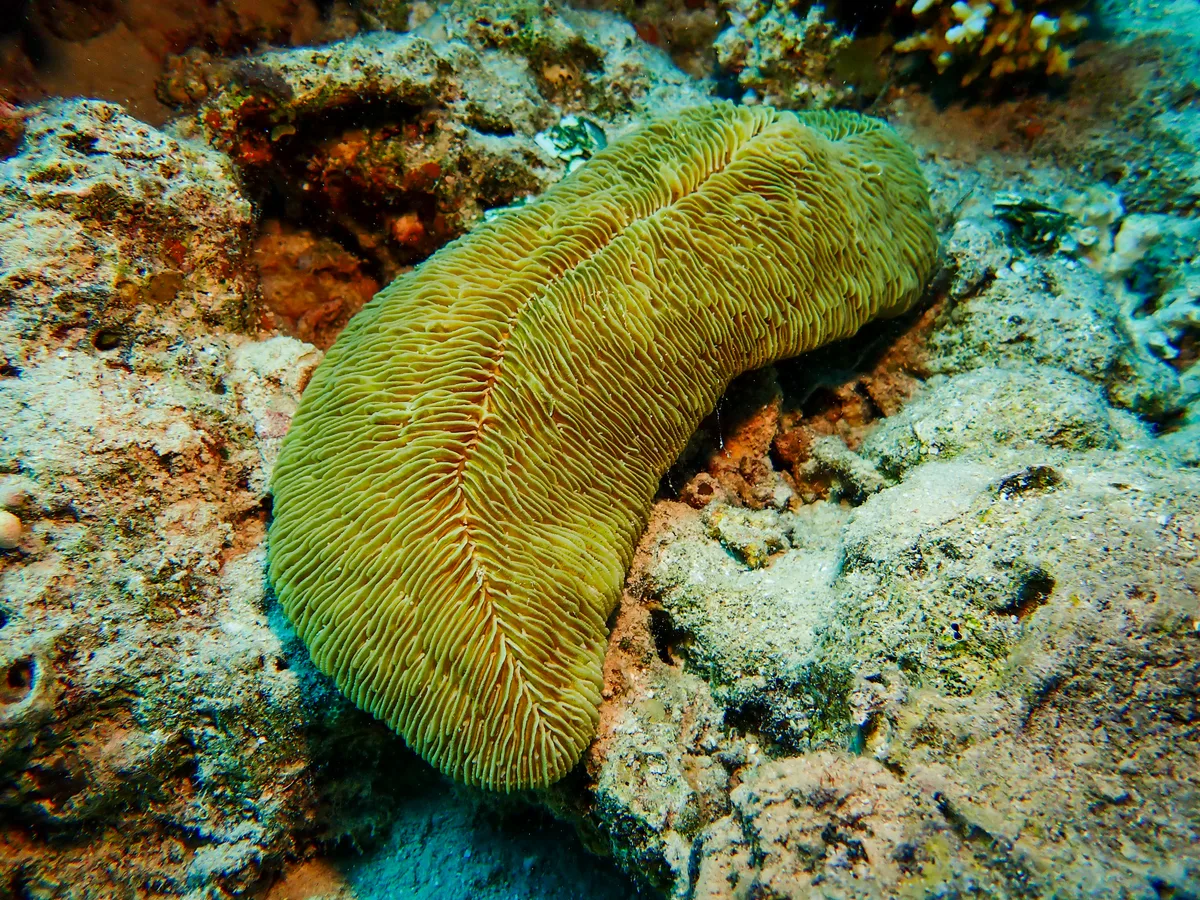
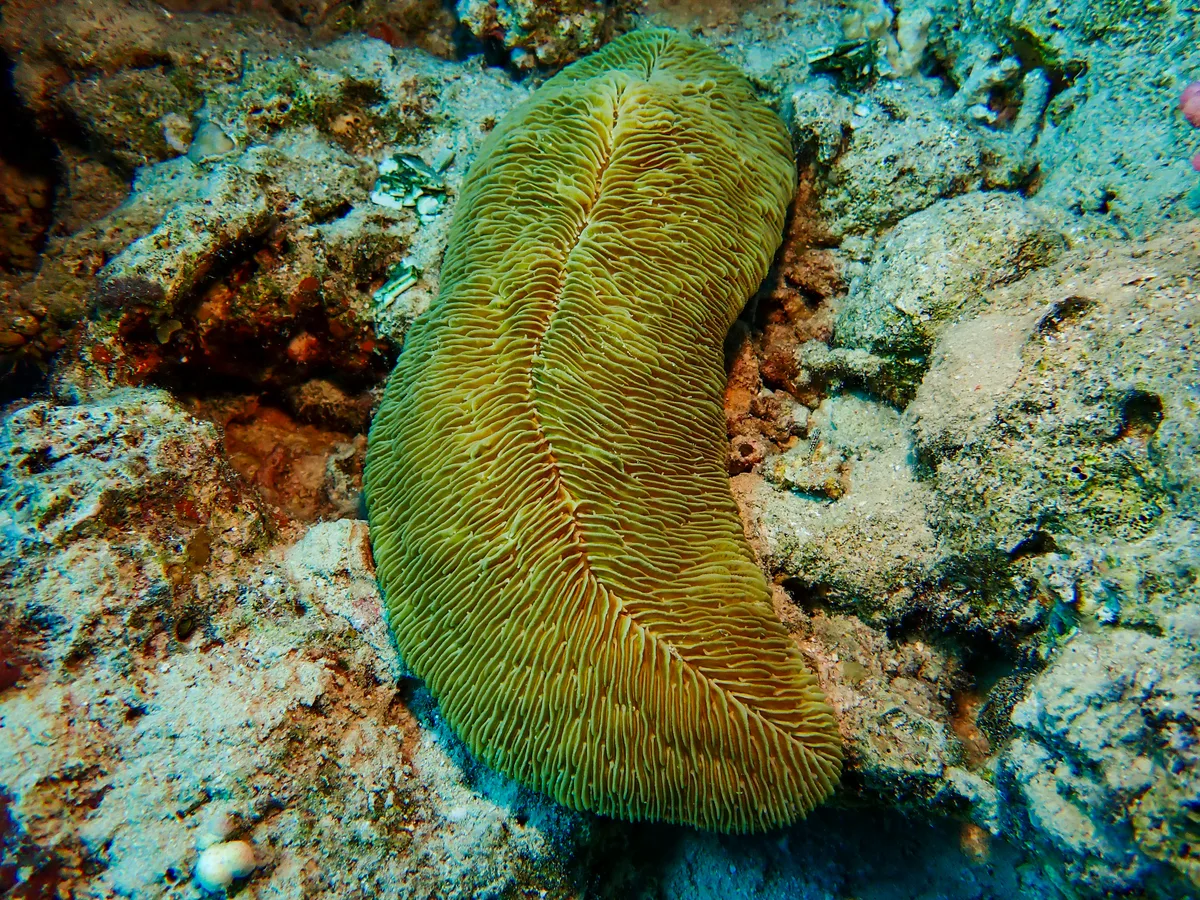
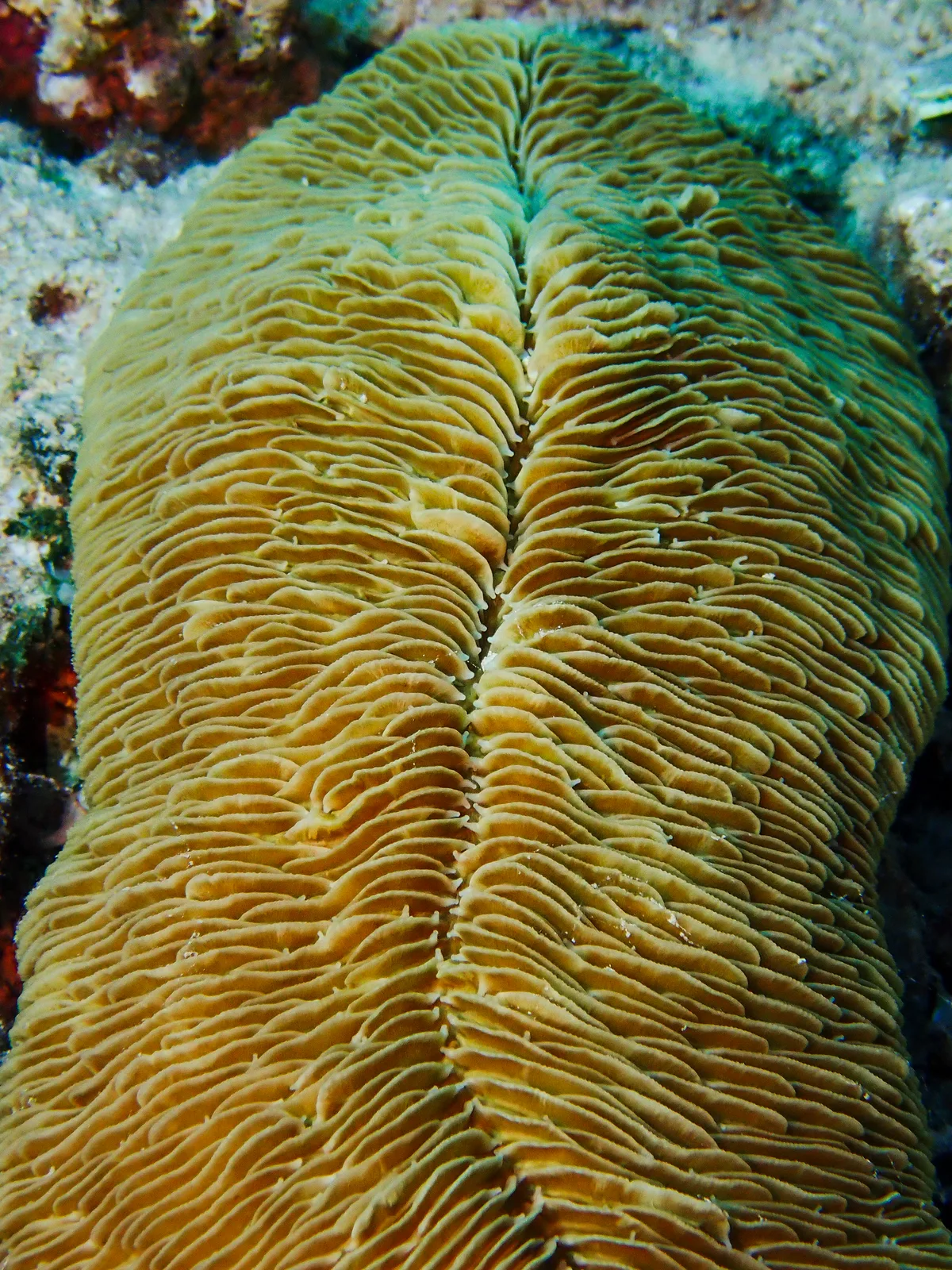
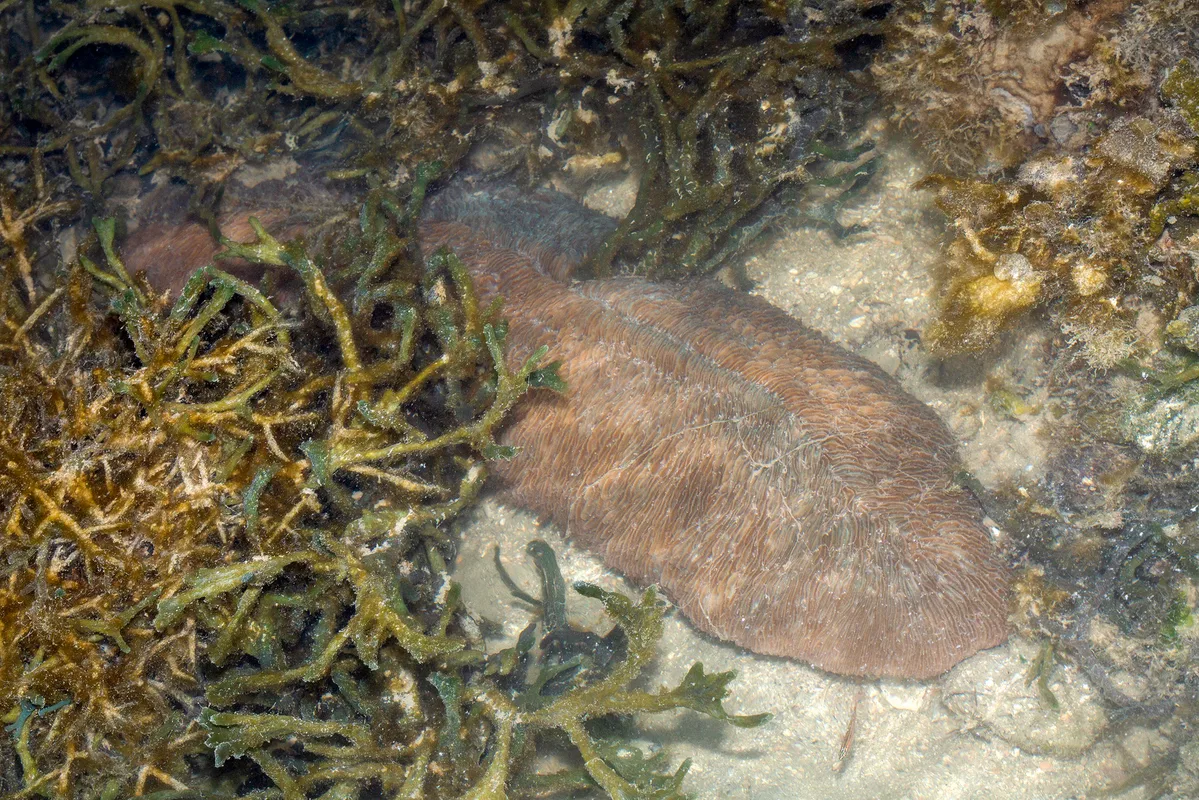
This species is moderately susceptible to bleaching and has a low susceptibility to disease. It was found to commonly bleach in Koh Tao, Thailand (Hoeksema et al. 2012).
The collection of this species for the aquarium trade may lead to overharvest and localised reductions in abundance, especially for populations of naturally rare species (Bruckner and Borneman 2006). However, the wild collection of corals is highly selective and considered low impact in the long-term relative to other activities such as coral mining and dynamite fishing (Green and Shirley 1999, Pratchett et al. 2020).
The most critical threat for this species, like for most coral species, is the extensive degradation and reduction of coral-reef habitat because of a combination of local and global threats (Hughes et al. 2017, Hoegh-Guldberg et al. 2017, Donovan et al. 2021). The increasing threats from climate change are being further compounded by additional local stressors, such as pollution and overfishing (Knowlton and Jackson 2008, Lamb et al. 2018, MacNeil et al. 2019, Donovan et al. 2021).
Generally, the biggest threat to the persistence of corals is climate change (Hoegh-Guldberg et al. 2017, Hughes et al. 2017, Sully et al. 2019), and more specifically - ocean warming and marine heatwaves that are leading to an increase in the frequency and intensity of events of anomalously high water temperatures (Hoegh-Guldberg et al. 2019, Laufkötter et al. 2020). Under anomalously high temperatures, the symbiotic relationship between corals and their photosynthetic symbionts is disrupted, and many corals begin to bleach (Glynn 1996, Hoegh-Guldberg et al. 1999, Warner et al. 1999, Loya et al. 2001). Mass bleaching events resulting from thermal stress have become increasingly common in the last two decades and may lead to widespread coral mortality and changes in overall reef community over large areas (Loya et al. 2001, Graham et al. 2015, Hughes et al. 2018, Safaie et al. 2018, Stuart-Smith et al. 2018, McClanahan et al. 2019, Sully et al. 2019).
Superimposed on thermal stress and bleaching are additional stressors that can either directly threaten corals or exacerbate coral mortality after thermal stress (Kennedy et al. 2013, MacNeil et al. 2019, Abelson et al. 2020, Donovan et al. 2021, Knowlton et al. 2021). For example, increasing number of storms per season, overfishing, high levels of nutrients, and other kinds of pollution are steadily increasing in magnitude and threatening coral reefs (Wiedenmann et al. 2013, Zaneveld et al. 2016, MacNeil et al. 2019, Donovan et al. 2020). Moreover, in some localities, increased amounts of outbreaks of the corallivorous sea star, crown of thorns, can cause substantial damage to the reef, contributing to the overall decline and reef destruction (Saponari et al. 2015, Pratchett et al. 2017).
The prevalence of coral disease is also rising (Aronson and Precht 2001, Rosenberg and Loya 2004, Sutherland et al. 2004, Weil et al. 2012, Maynard et al. 2015), especially in the Caribbean (Aronson and Precht 2001, Precht et al. 2016, Aeby et al. 2019, Alvarez-Filip et al. 2019, Muller et al. 2020). The increasing spatial spread and extent of diseases are associated with ocean warming (Muller et al. 2008, Ruiz-Moreno et al. 2012, Randall and van Woesik 2015) and additional anthropogenic stressors (Vega Thurber et al. 2014, Maynard et al. 2015). The escalating impacts of global warming alongside the ongoing increases in local anthropogenic stressors and diseases are causing fundamental changes to coral reefs and place entire reef systems at a high risk of collapse.