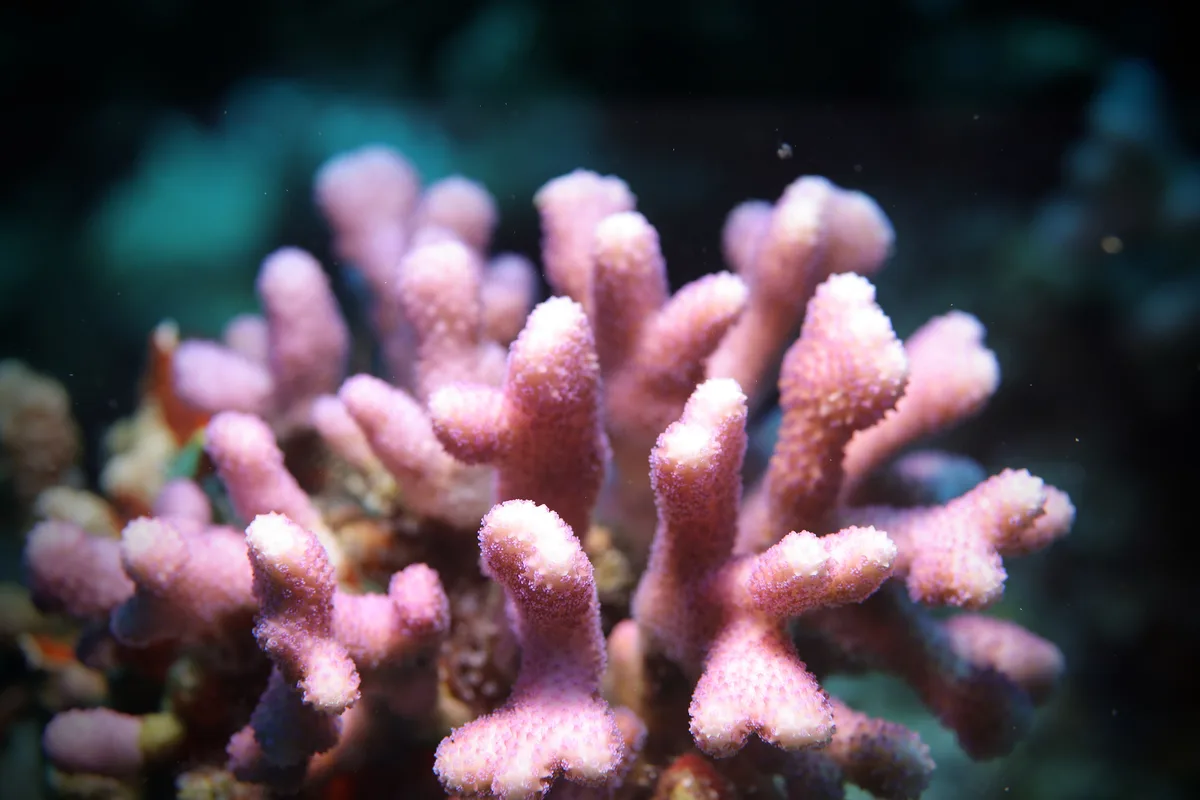
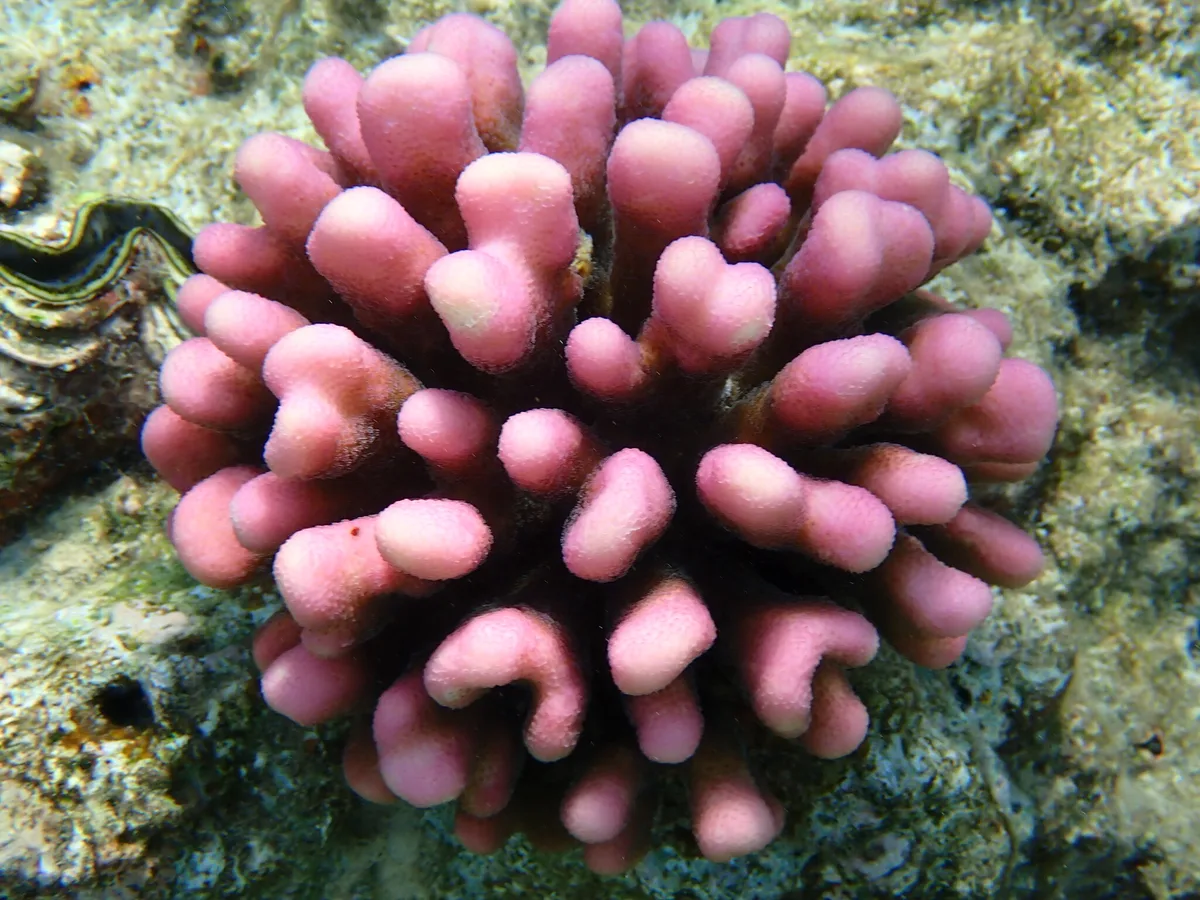
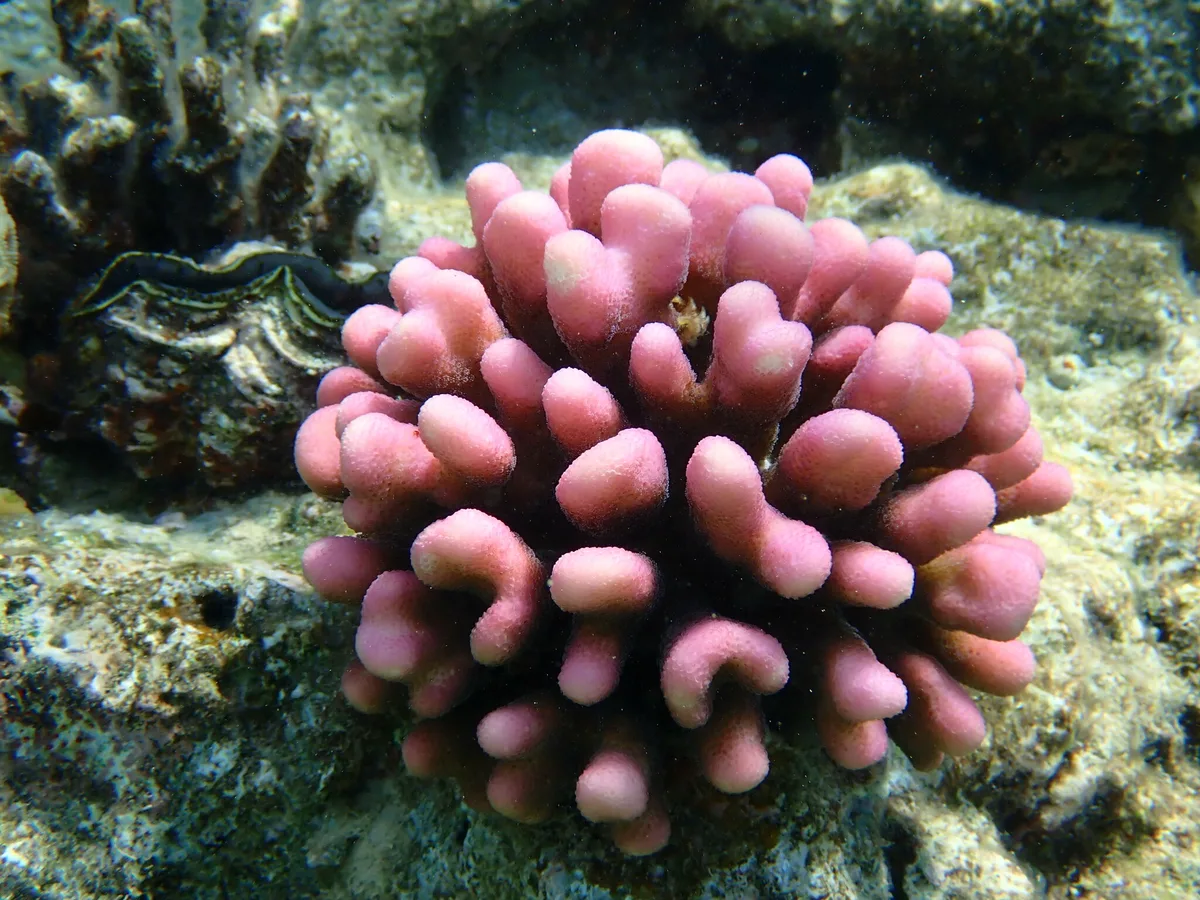
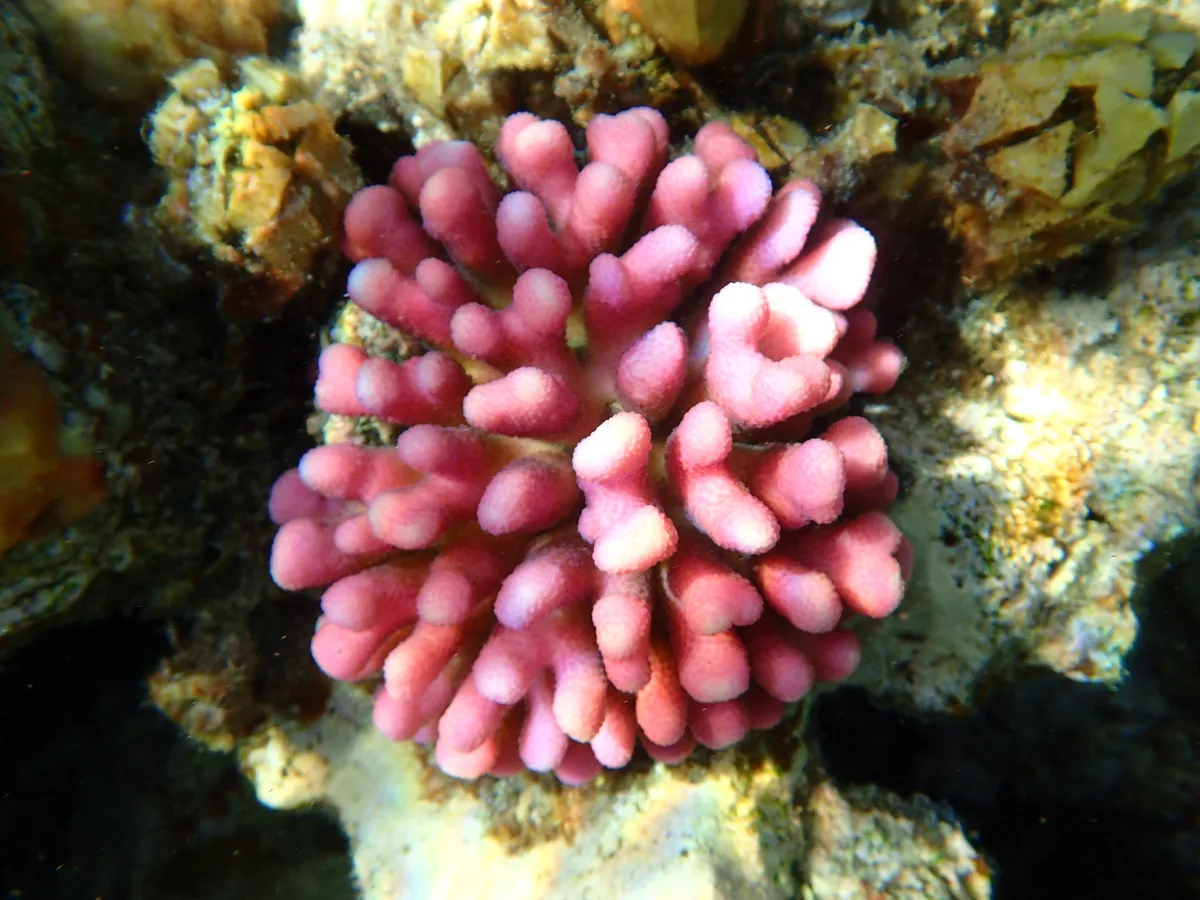
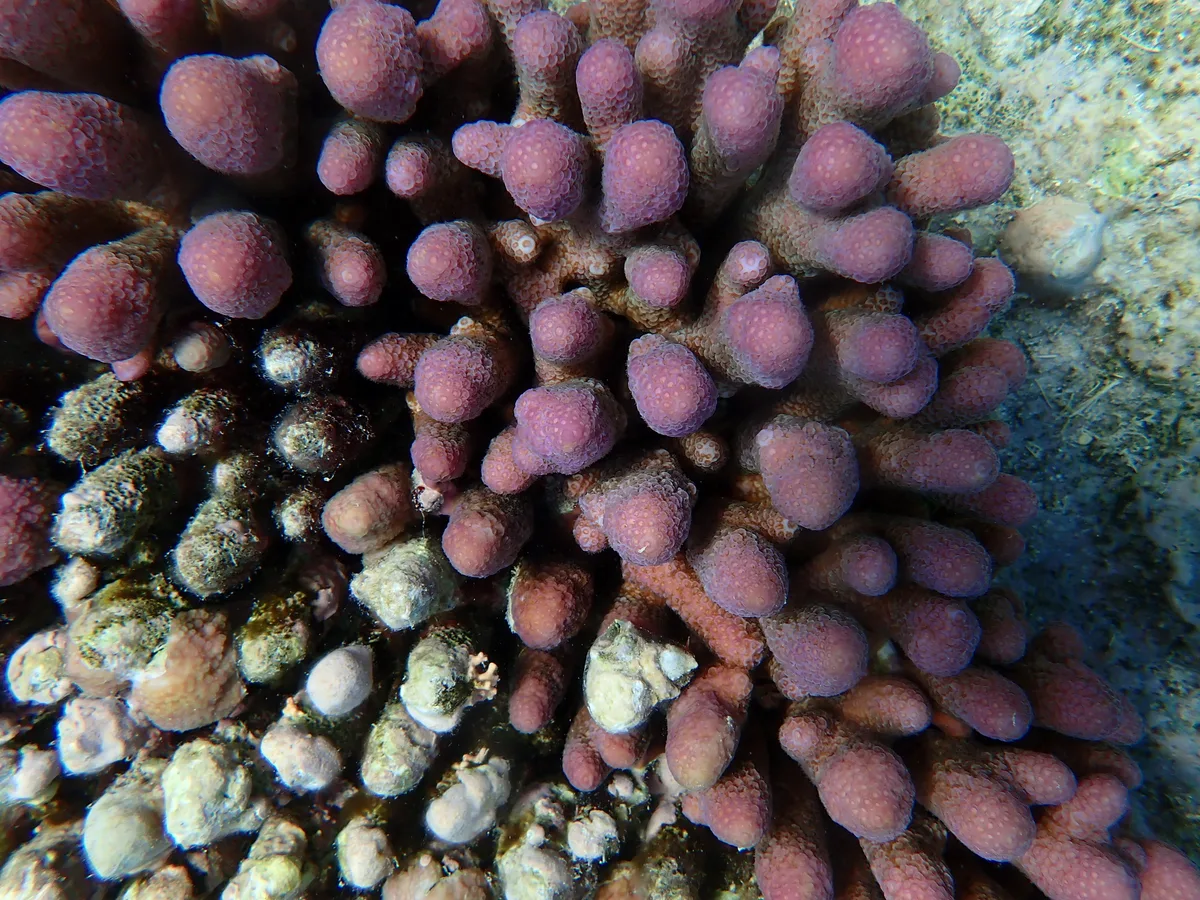
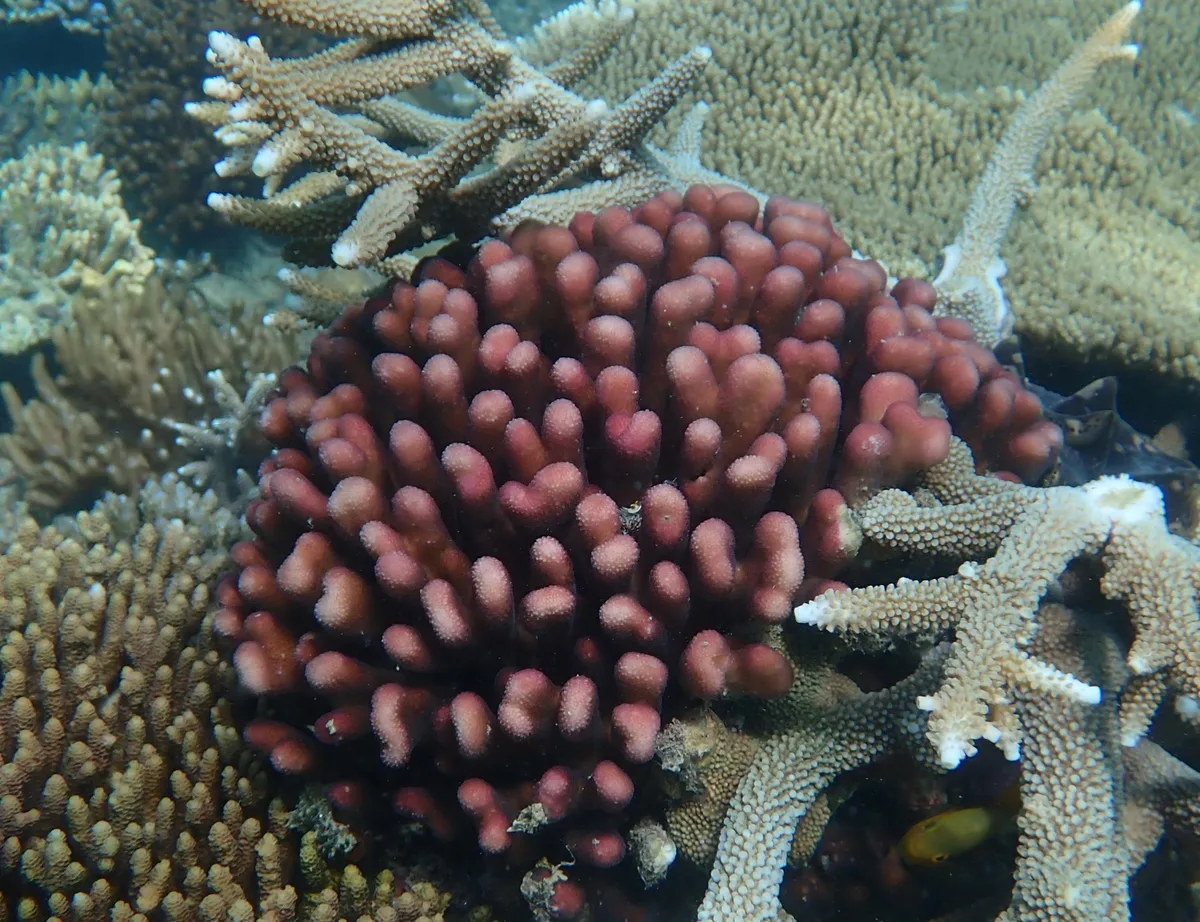
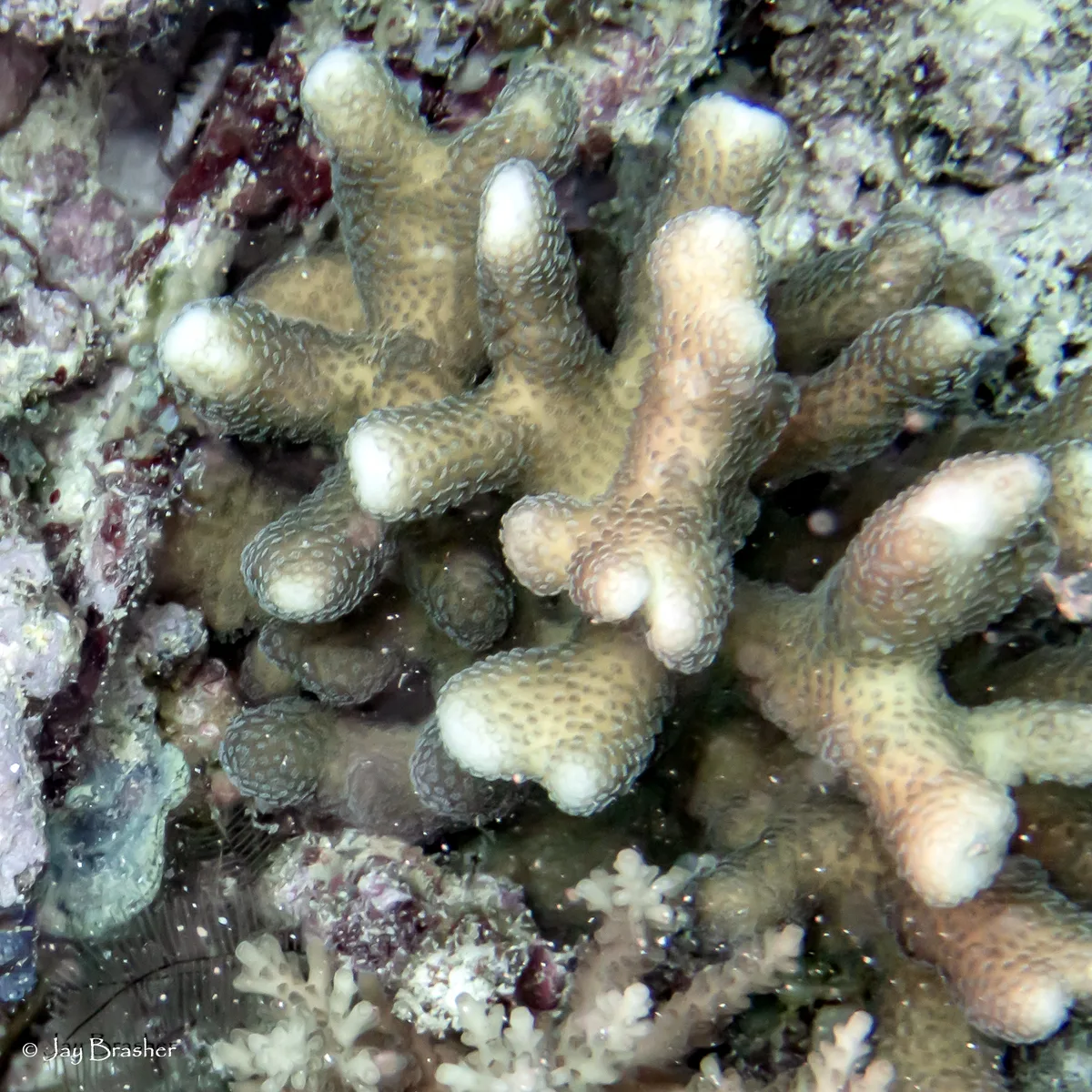
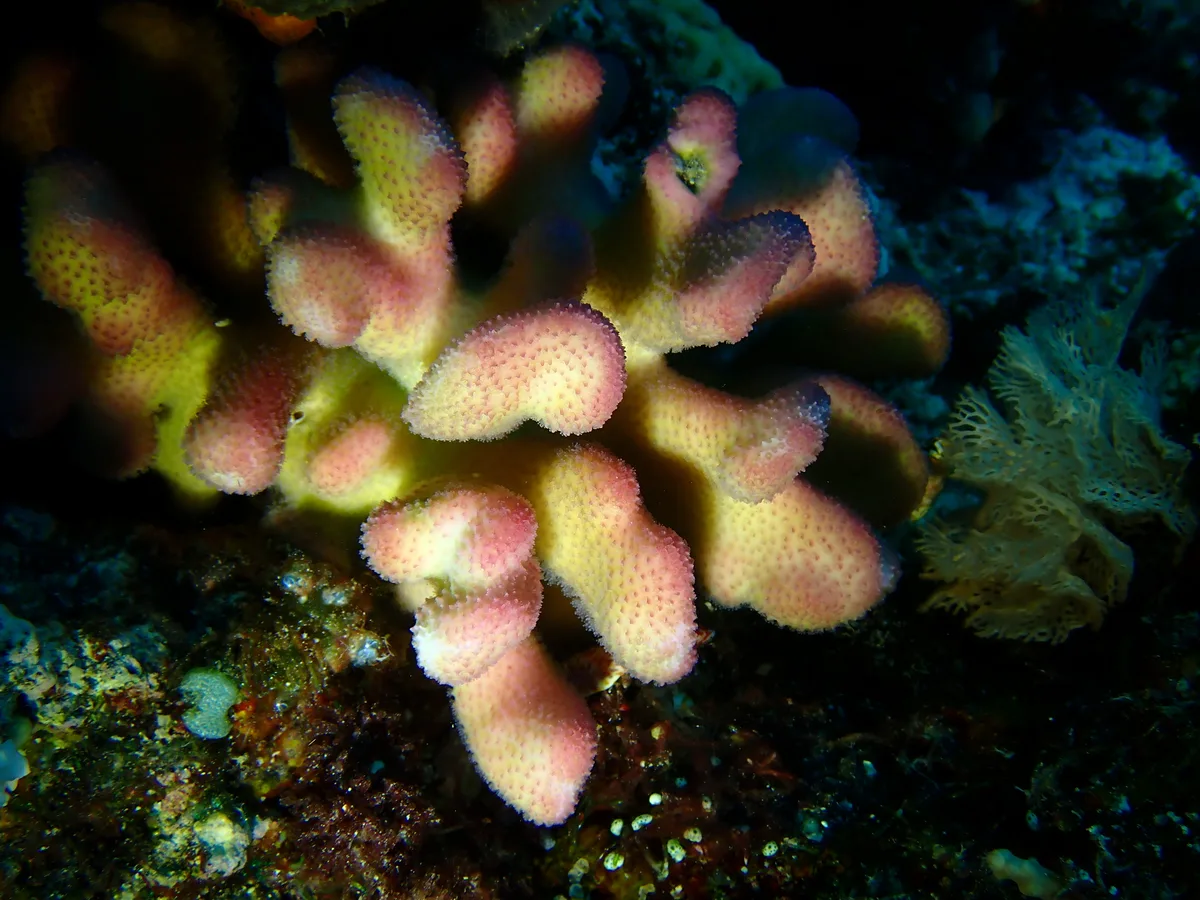
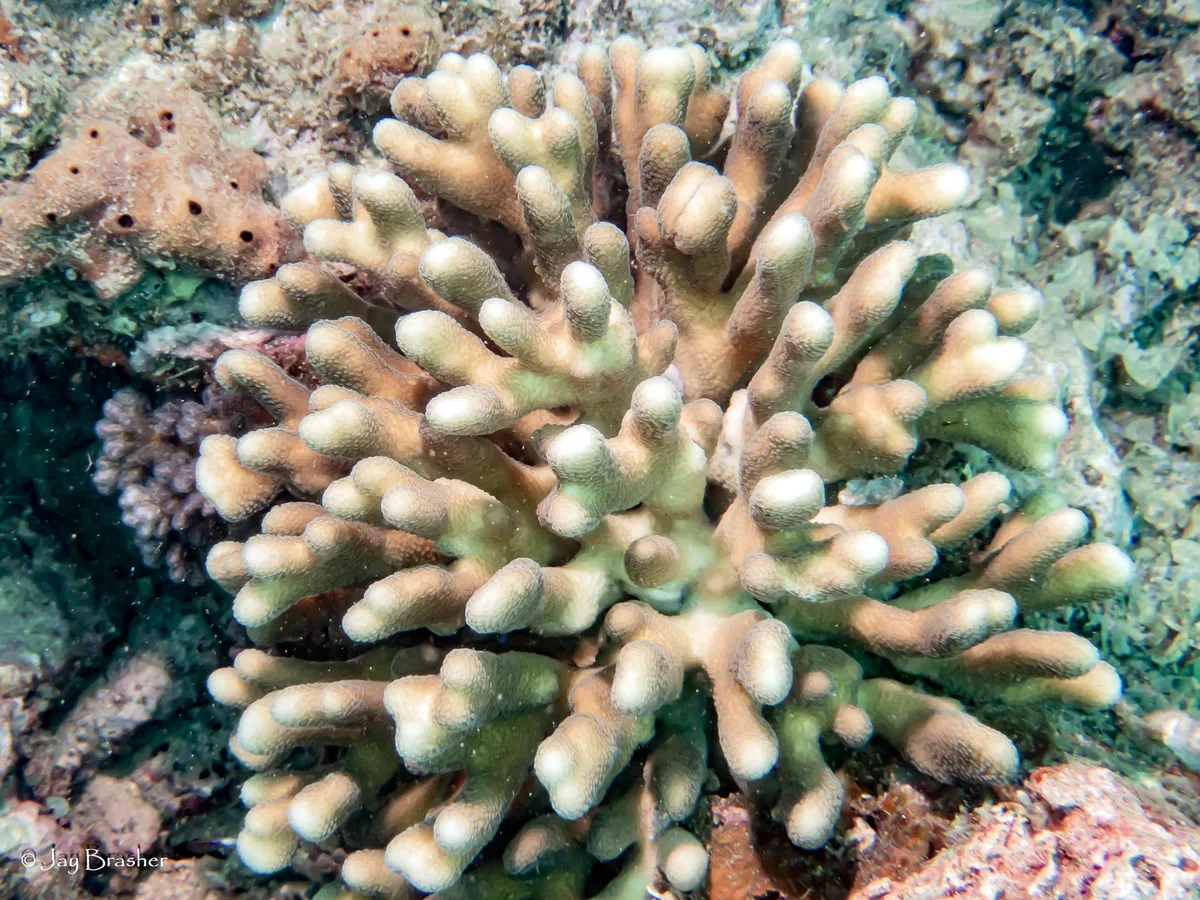
In general, species from this genus are considered to have higher bleaching vulnerability (Khen et al. 2023) and low recovery (Meziere et al. 2022), it may recover in the Red Sea more rapidly than in other areas of its range. In Lord Howe, there was little evidence of recovery of this species (Moriarty et al. 2023). It is a model species for stress experiments.
The collection of this species for the aquarium trade may lead to overharvest and localised reductions in abundance, especially for populations of naturally rare species (Bruckner and Borneman 2006). However, the wild collection of corals is highly selective and considered low impact in the long-term relative to other activities such as coral mining and dynamite fishing (Green and Shirley 1999, Pratchett et al. 2020).
The susceptibility of this species to bleaching has been related to decreased capacity of its zooxanthellae species to cope with photo damage (Yakovleva and Hidaka 2004). The species is also sensitive to UV sunscreen filter chemicals, which cause bleaching (Downs et al. 2014, Fel et al. 2019), and to copper pollution, which reduces photosynthesis (Banc-Prandi et al. 2021). Thermal stress reduces the coral resilience of this species to ocean acidification by impairing control over calcifying fluid chemistry (Guillermic et al. 2021). This species is very sensitive to eutrophication (Hall et al. 2018) and undergoes severe oxidative stress and reduced aerobic scope when exposed to NO3- enrichment combined with thermal stress. Such conditions resulted in increased bleaching intensity compared to a low-nitrogen condition. However, NH4+ enrichment may amend the deleterious effects of thermal stress by favoring the oxidative status and energy metabolism of the coral holobiont (Fernandes de Barros Marangoni et al. 2020).
Like many branching corals, this species is highly susceptible to bleaching and with severely reduced populations and even local extinction of the species following bleaching events (Loya et al. 2001, van Woesik et al. 2011, McClanahan and Muthiga 2014). In Watamu Marine National Park, Kenya, this species was present prior to severe bleaching in 1998 (Lemmens 1993), but has not been found since, suggesting it is locally extinct (Cowburn et al. 2018). Ocean acidification reduces feeding rates in this species (Houlbrèque et al. 2015).
In general, the major threat to corals is global climate change, in particular, temperature extremes leading to bleaching and increased susceptibility to disease, increased severity of ENSO events and storms, and ocean acidification. The most recent, and first, multi-year, global bleaching event (spanning hundreds of kilometres or more) was from 2014 to 2017. Nearly 30% of reefs suffered mortality level-stress, more than 50% of affected reef areas were impacted at least twice, and some locations saw almost complete coral cover loss (Eakin et al. 2019). The average interval between bleaching events is now more than 50% less than before, preventing full reef recovery (Hughes et al. 2018). Bleaching events, leading to coral mortality, are predicted to become more frequent and severe.
Coral disease has emerged as a serious threat to coral reefs worldwide with increases in numbers of diseases, coral species affected, and geographic extent (Ward et al. 2004, Sutherland et al. 2004, Sokolow et al. 2009). Outbreaks of coral diseases have damaged coral reefs worldwide with the most widespread, virulent, and longest running coral disease outbreak currently occurring on the Florida Reef Tract and throughout the Caribbean. The disease, stony coral tissue loss disease, has been ongoing since 2014 (Precht et al. 2016) and has devastated affected reefs along Florida (Walton et al. 2018, Williams et al. 2021) and throughout the Caribbean (Alvarez-Filip et al. 2019, Kramer et al. 2019). Numerous disease outbreaks have also occurred in the Indo-Pacific (Willis et al. 2004, Aeby et al. 2011; 2016), Indian Ocean (Raj et al. 2016) and Persian Gulf (Howells et al. 2020). Escalating anthropogenic stressors combined with the threats associated with global climate change of increases in coral disease, frequency and duration of coral bleaching and ocean acidification place coral reefs in the Indo-Pacific at high risk of collapse.
Localized threats to corals include fisheries, human development (industry, settlement, tourism, and transportation), changes in native species dynamics (competitors, predators, pathogens and parasites), invasive species (competitors, predators, pathogens and parasites), dynamite fishing, chemical fishing, pollution from agriculture and industry, domestic pollution, sedimentation, and human recreation and tourism activities (see e.g., Crabbe 2019). The severity of these combined threats to the global population of each individual species is not known.