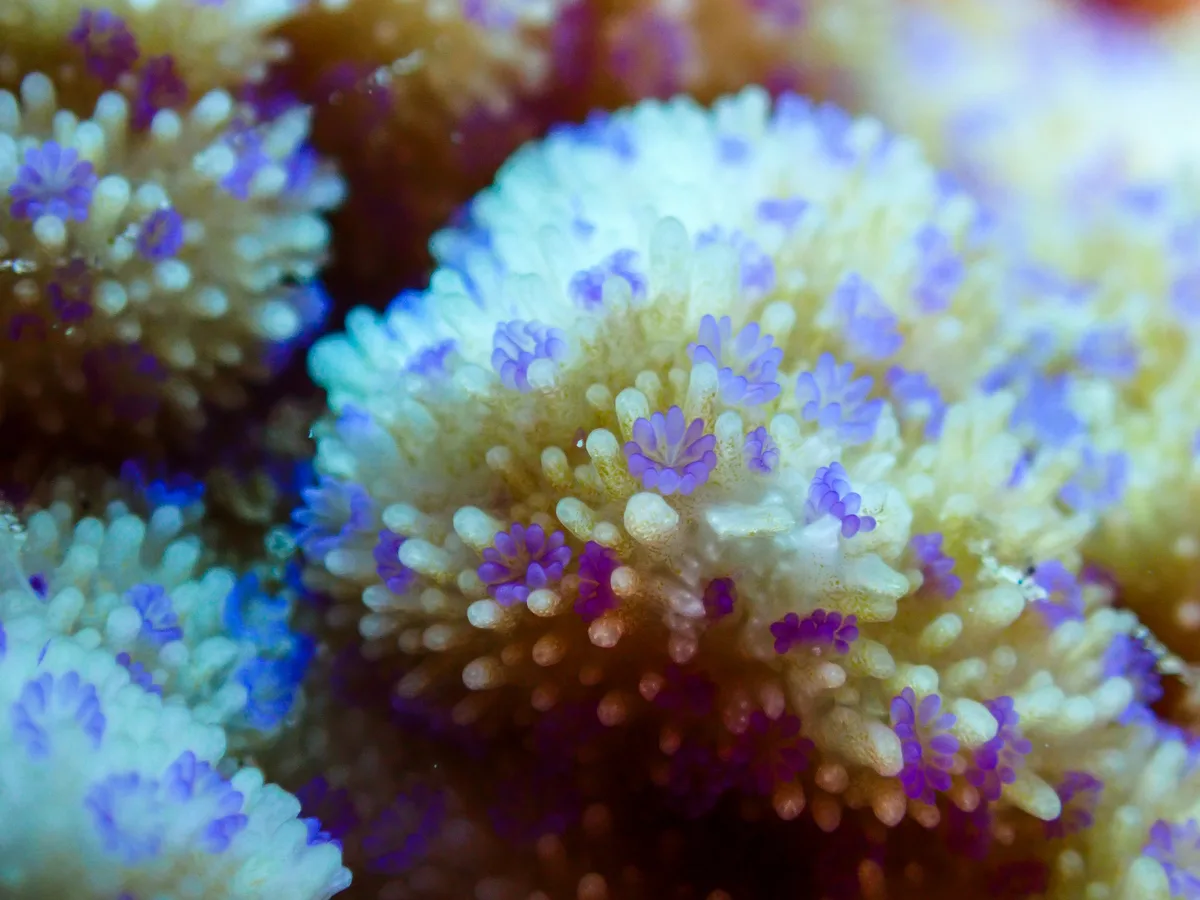
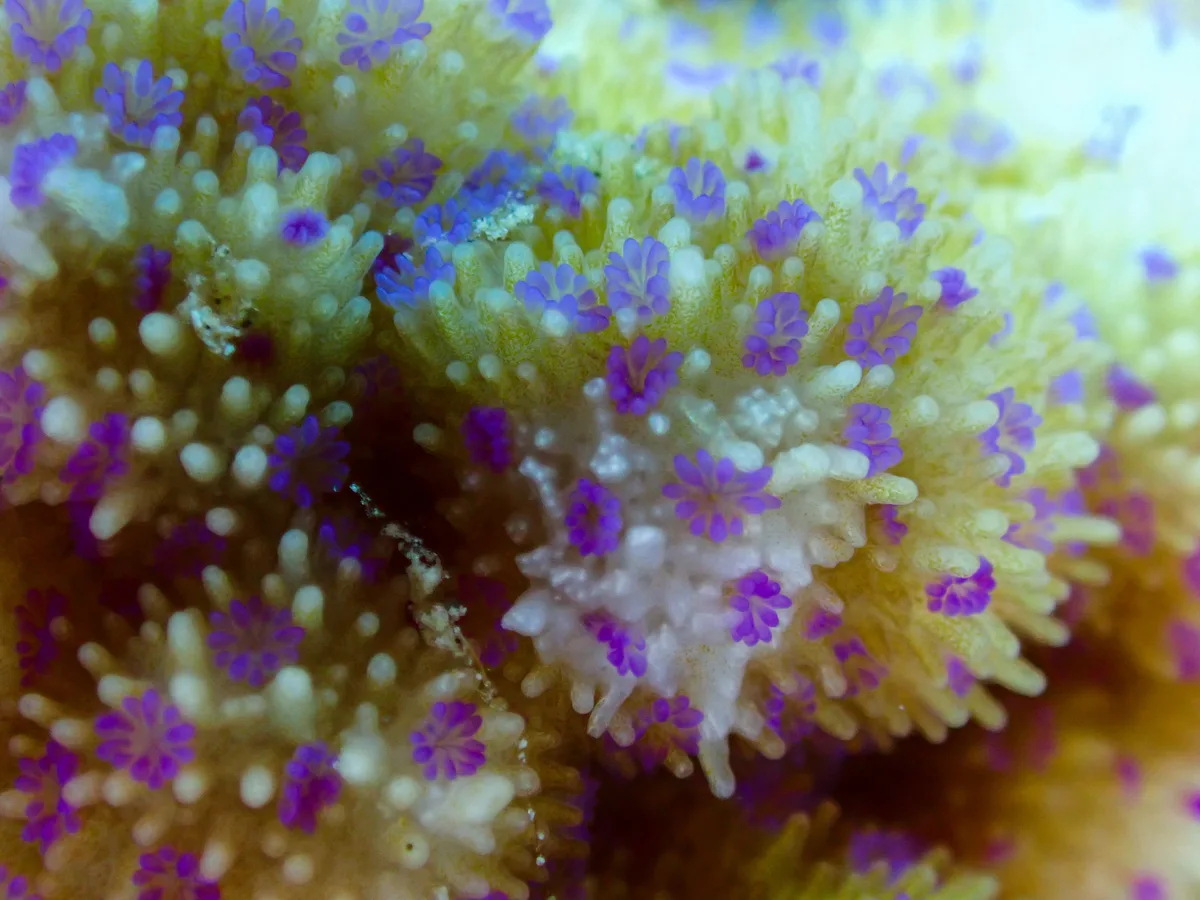
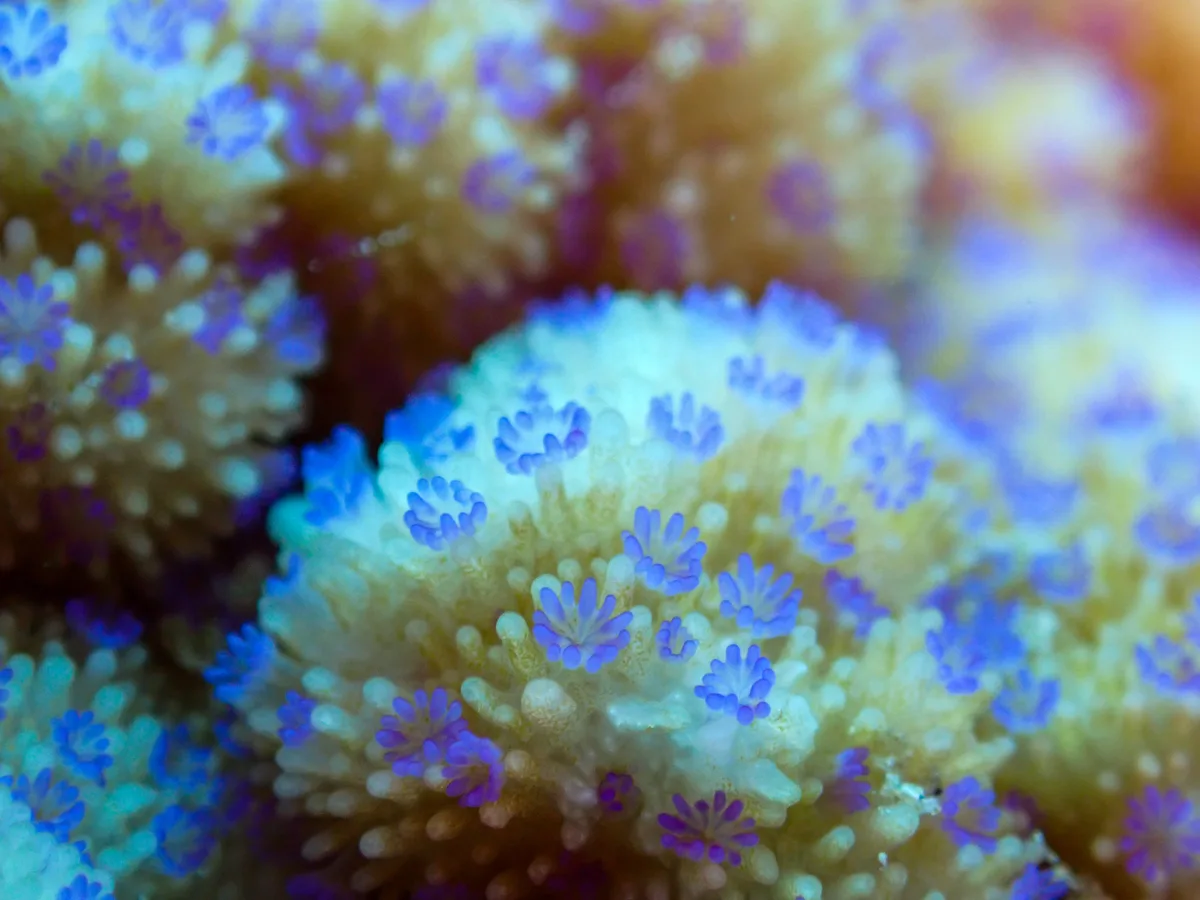
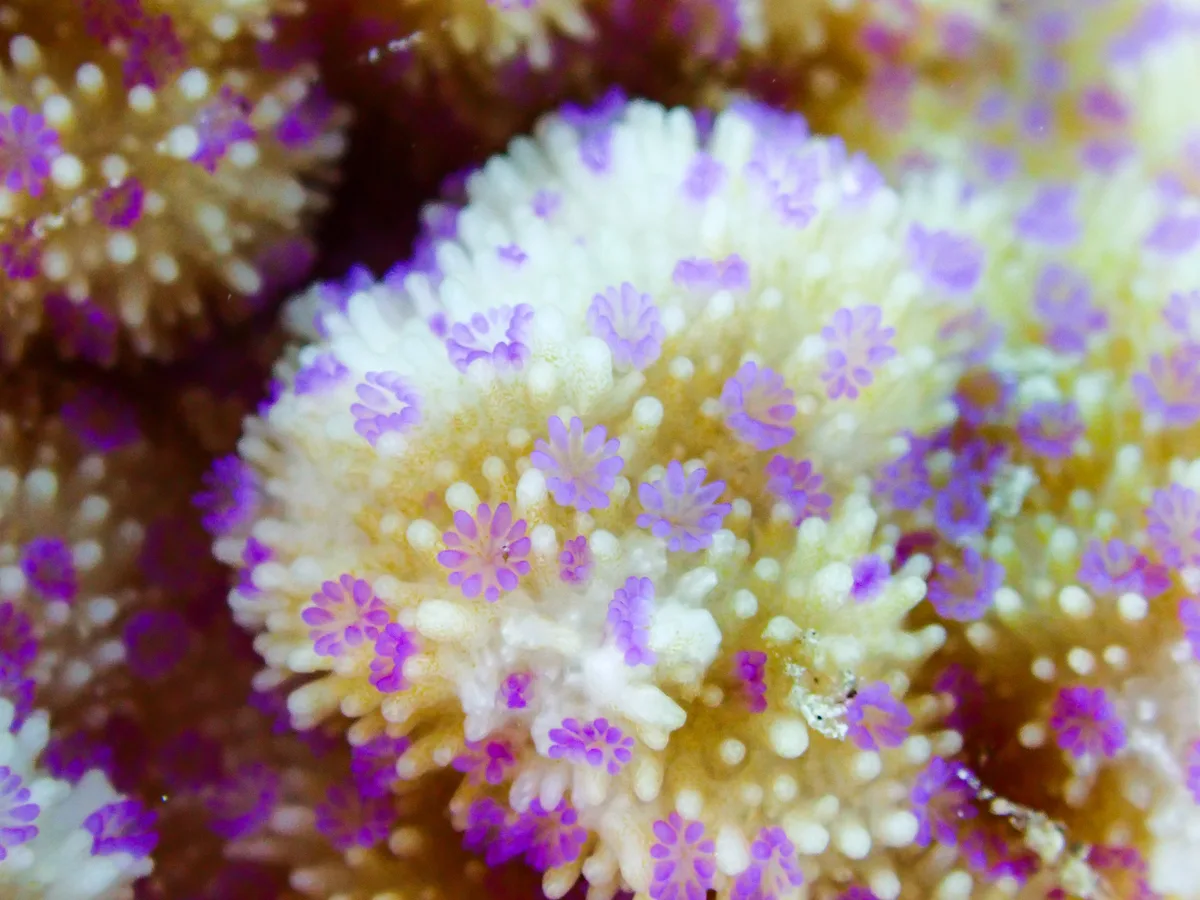
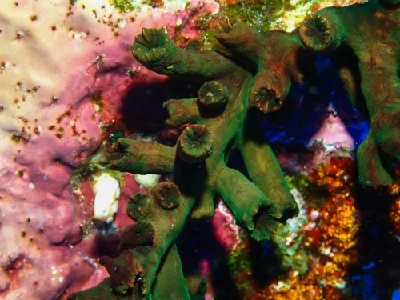
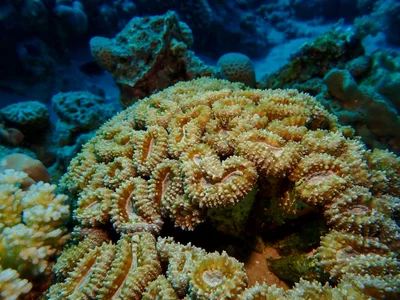
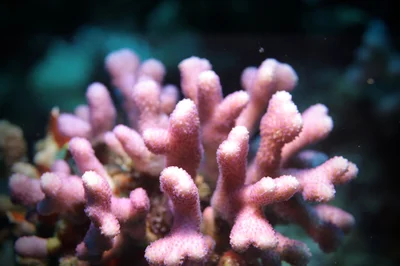
The Alveopora genus was ranked as having the highest bleaching response and is in the top ten genera for extinction risk in the Western Indian Ocean (McClanahan et al. 2007).
In general, the major threat to corals is global climate change, in particular, temperature extremes leading to bleaching and increased susceptibility to disease, increased severity of ENSO events and storms, and ocean acidification (Richards et al. 2008). The most recent, and first, multi-year, global bleaching event (spanning hundreds of kilometers or more) was from 2014 to 2017. Nearly 30% of reefs suffered mortality level-stress, more than 50% of affected reef areas were impacted at least twice, and some locations saw almost complete coral cover loss (Blunden et al. 2018, Vargas-Angel et al. 2019, Eakin et al. 2019). The average interval between bleaching events is now more than 50% less than before, preventing full reef recovery (Hughes et al. 2018).
Coral disease has emerged as a serious threat to coral reefs worldwide, a major cause of reef deterioration, and may be as likely to cause mortality as bleaching in the coming decades (Weil et al. 2006, Richards et al. 2008, Maynard et al. 2015). As noted in Walton et al. (2018), in addition to thermal stress, increased coral disease prevalence and mortality can be linked to reduced water quality (Bruno et al. 2003) and clarity (van Woesik and McCaffrey 2017), nutrient enrichment (Vega Thurber et al. 2013), dredging associated sedimentation (Pollock et al. 2014, Miller et al. 2016), and plastic pollution. Based on survey of 159 reefs in the Asia-Pacific region, the likelihood of disease increased 20-fold when corals are in contact with plastic (Lamb et al. 2018). Coral disease epizootics have resulted in significant losses of coral cover and were implicated in the dramatic decline of acroporids in the Florida Keys (Aronson and Precht 2001, Porter et al. 2001, Patterson et al. 2002, Richards et al. 2008). In 2014, an outbreak of a coral disease termed Stony Coral Tissue Loss Disease (SCTLD) was reported off the coast of Miami-Dade County and has since spread along Florida and to reefs in the Caribbean. At least 44% of Florida’s reef-building corals have been affected (Florida Department Environmental Protection 2019). In the Indo-Pacific, disease outbreaks have also been reported from the Great Barrier Reef (Willis et al. 2004), Marshall Islands (Jacobson 2006) and the northwestern Hawaiian Islands (Aeby et al. 2006). Increased coral disease levels on the GBR were correlated with increased ocean temperatures (Boyett et al. 2007) supporting the prediction that disease levels will be increasing with higher sea surface temperatures.
Localized threats to corals include fisheries, human development (industry, settlement, tourism, and transportation), changes in native species dynamics (competitors, predators, pathogens and parasites), invasive species (competitors, predators, pathogens and parasites), dynamite fishing, chemical fishing, pollution from agriculture and industry, domestic pollution, sedimentation, and human recreation and tourism activities. The severity of these combined threats to the global population of each individual species is not known (Richards et al. 2008). However, more than 60% of the world’s reefs are immediately threatened by local pressures (Bridge et al. 2013).