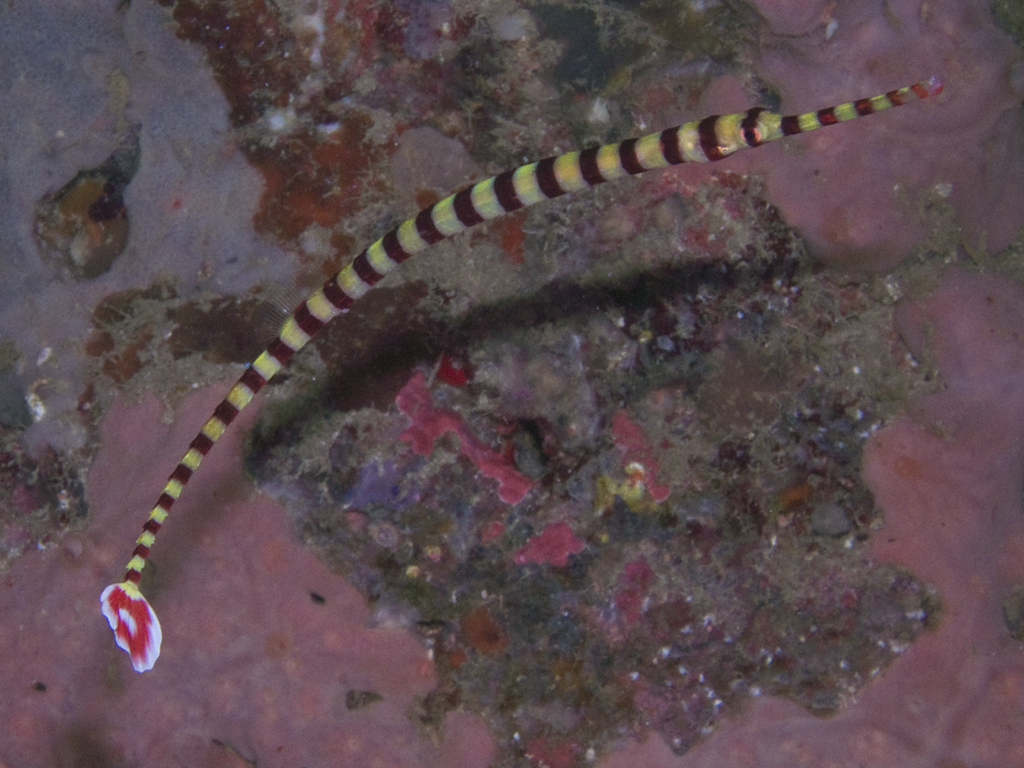
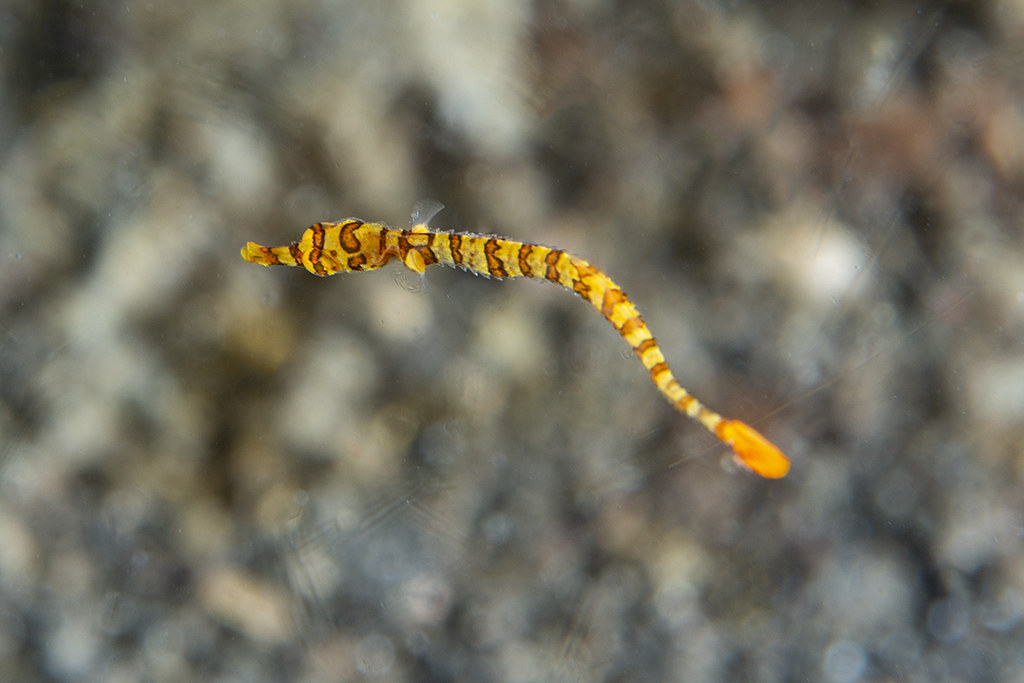
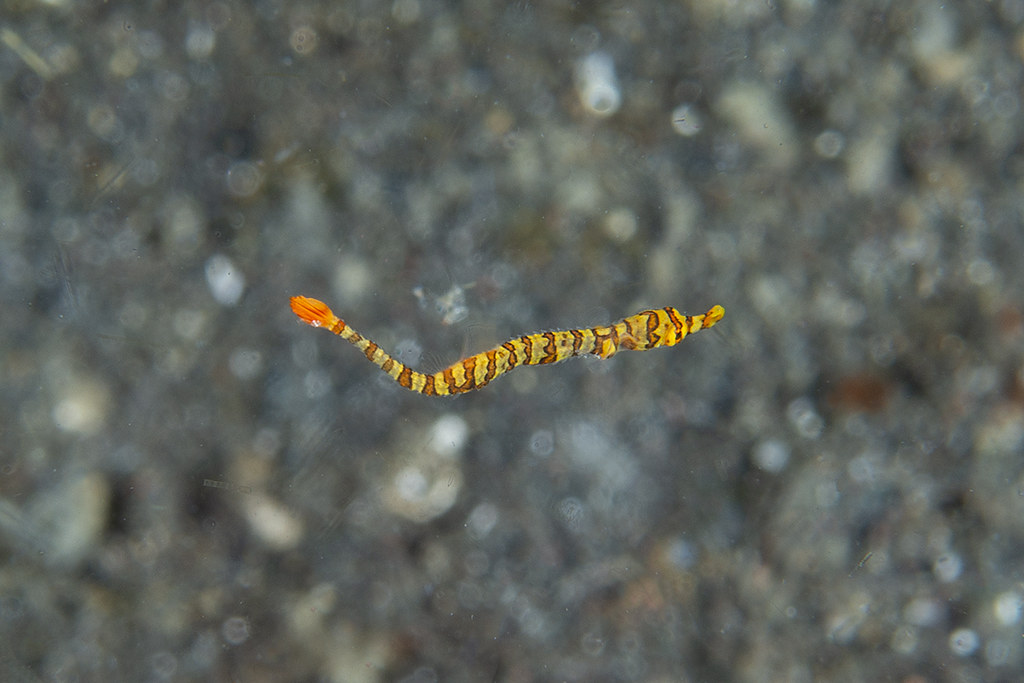
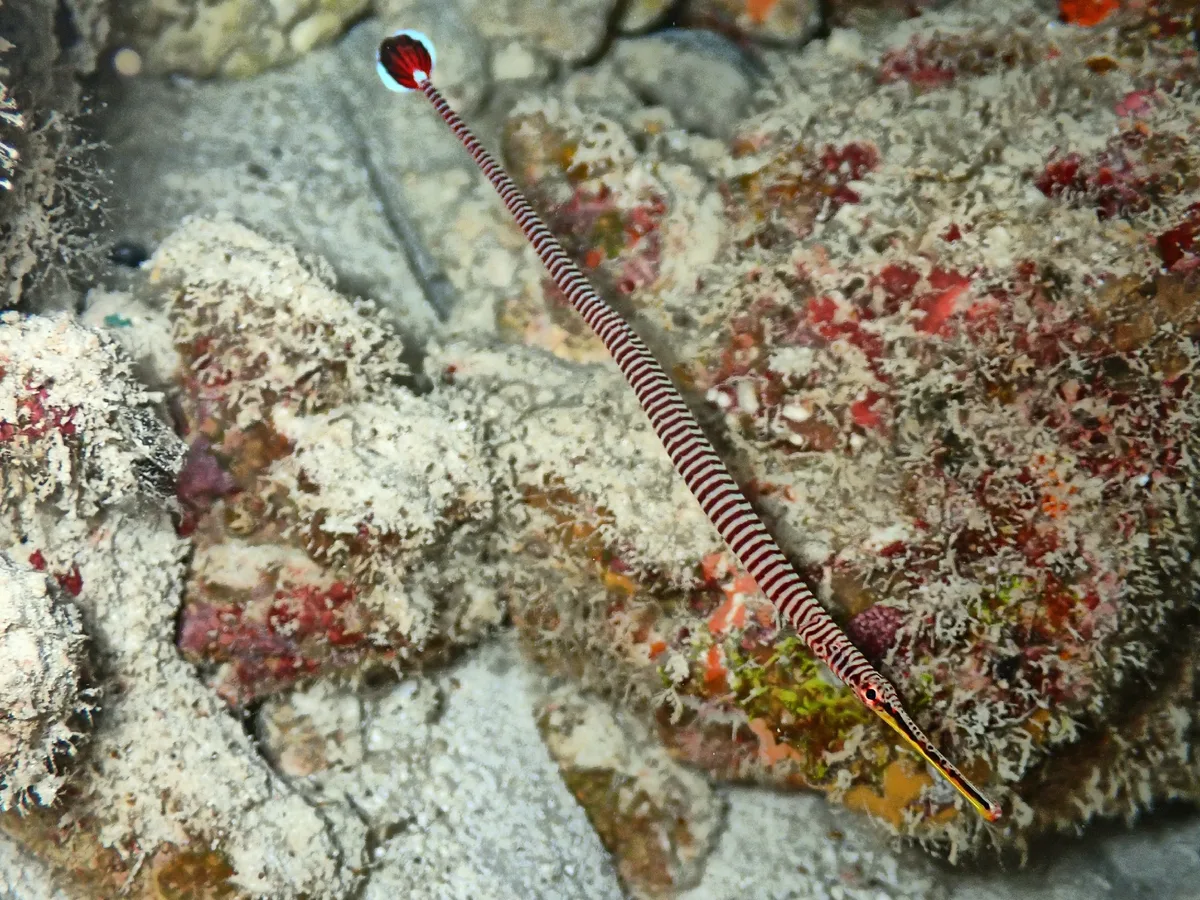
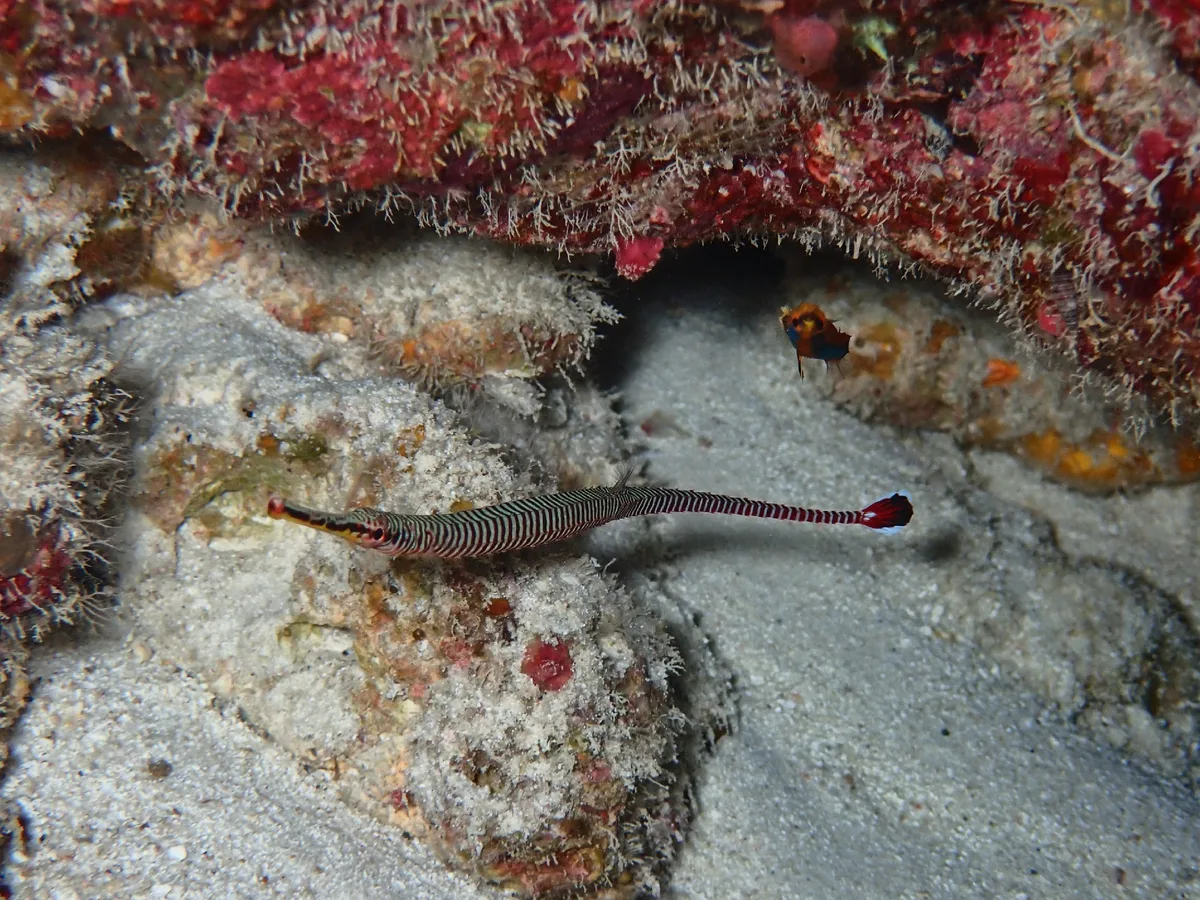
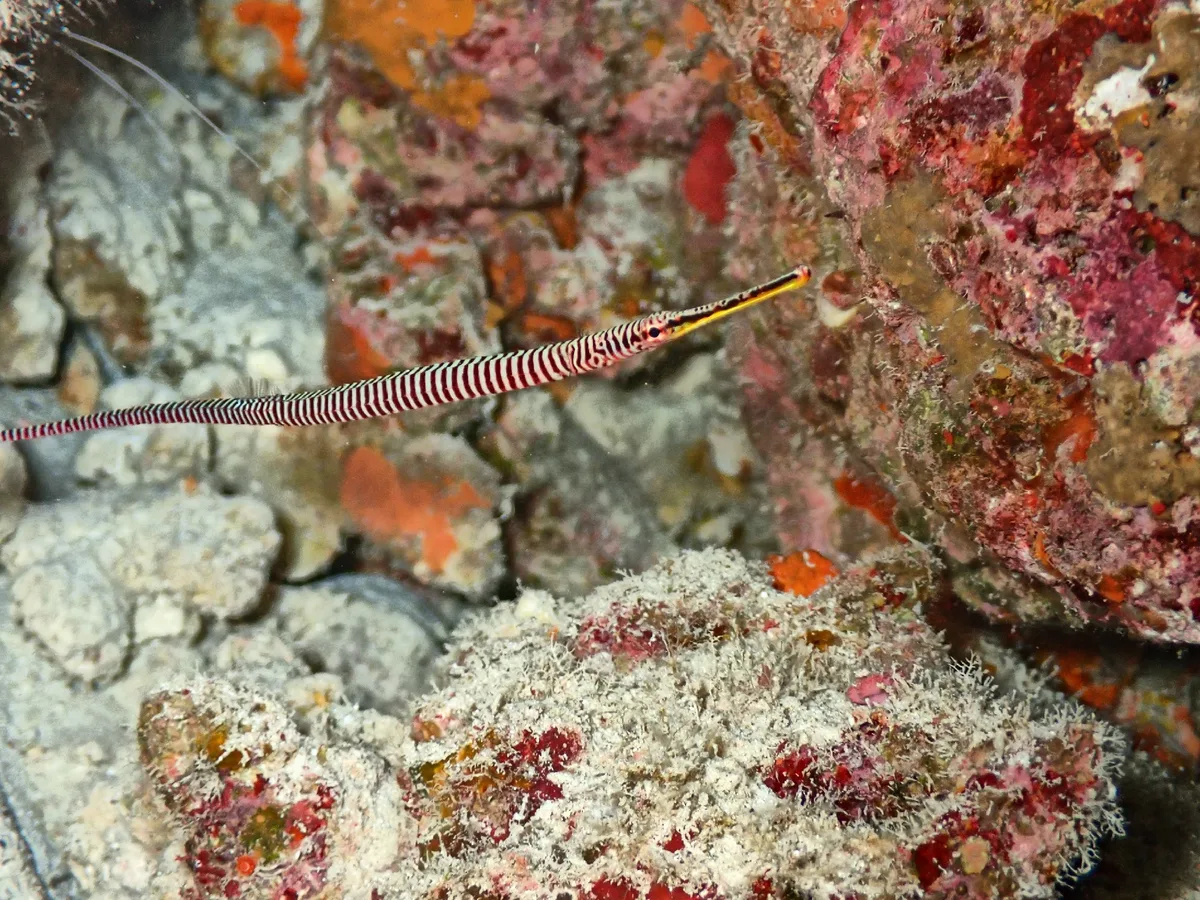
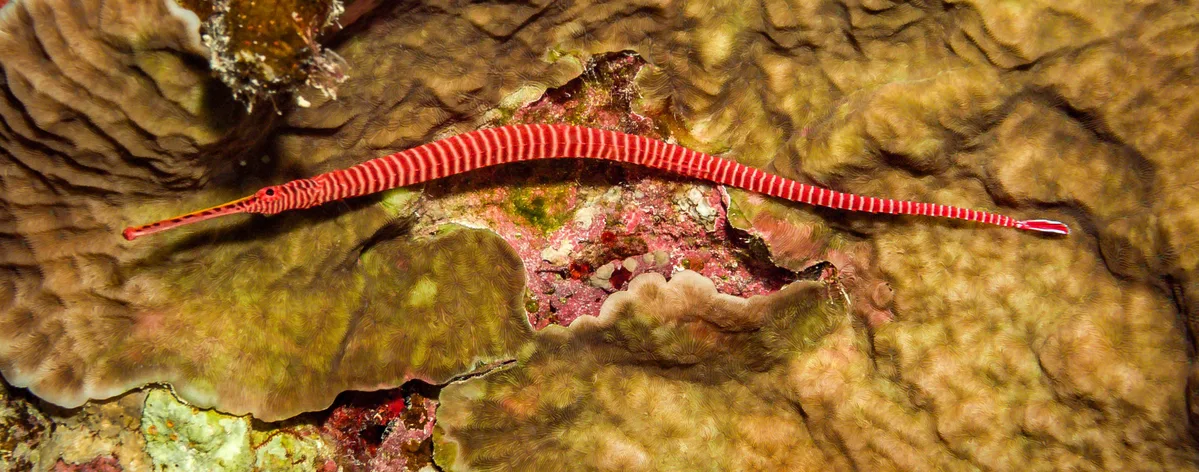
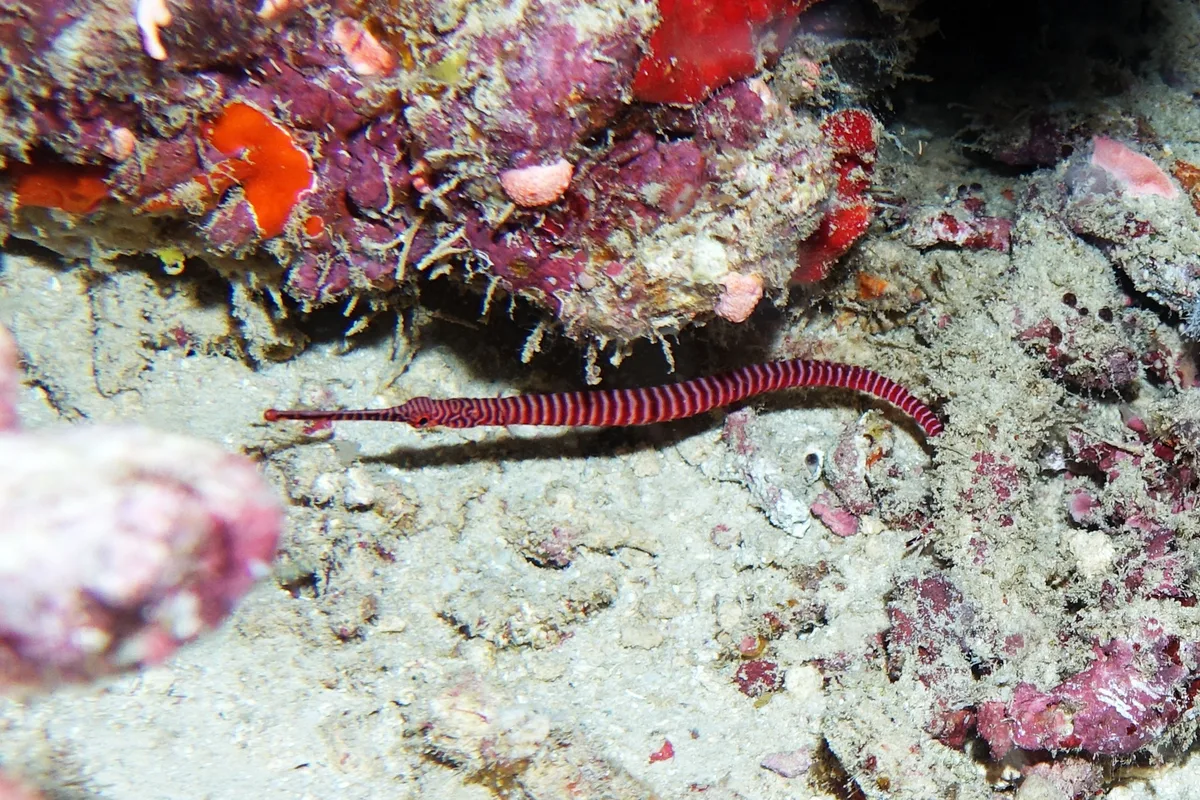
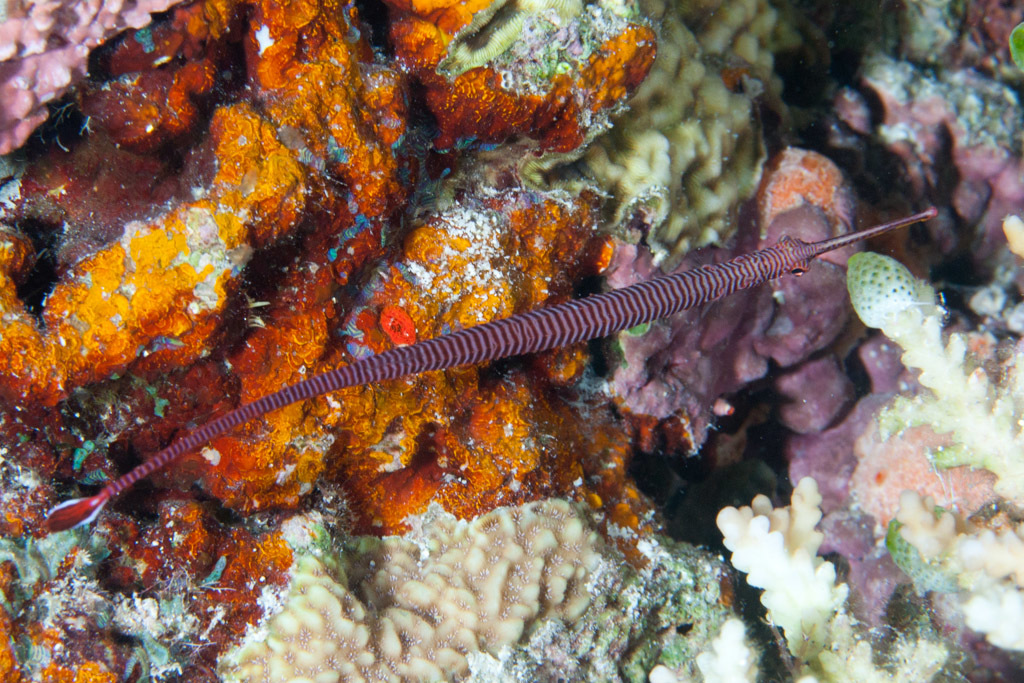
Multibar Pipefish
Fishes · Bony fishes · Pipefishes

Multibar Pipefish

Dunckerocampus multiannulatus (Regan, 1903)
syn. Doryichthys multiannulatus, Doryramphus multiannulatus, Doryrhamphus multiannulatus, Doryrhamphus multiannulatus bentuviae, Dunckerocamphus multiannulatus, Dunckerocampus bentuviae +2 more
18 cm1-45 mLeast Concern
702

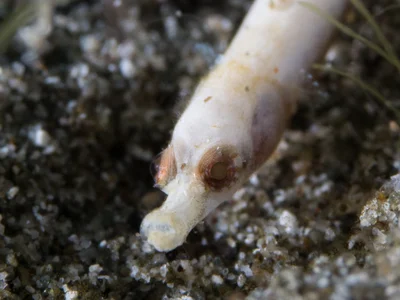
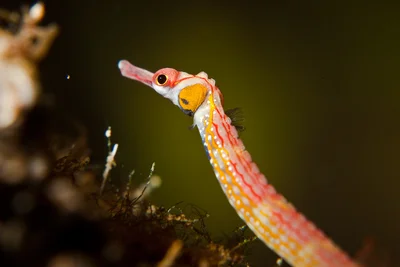
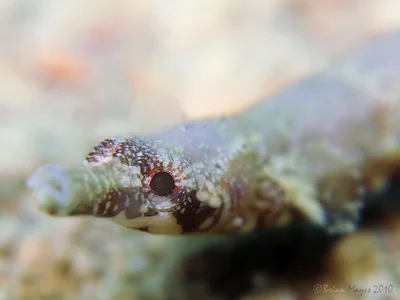
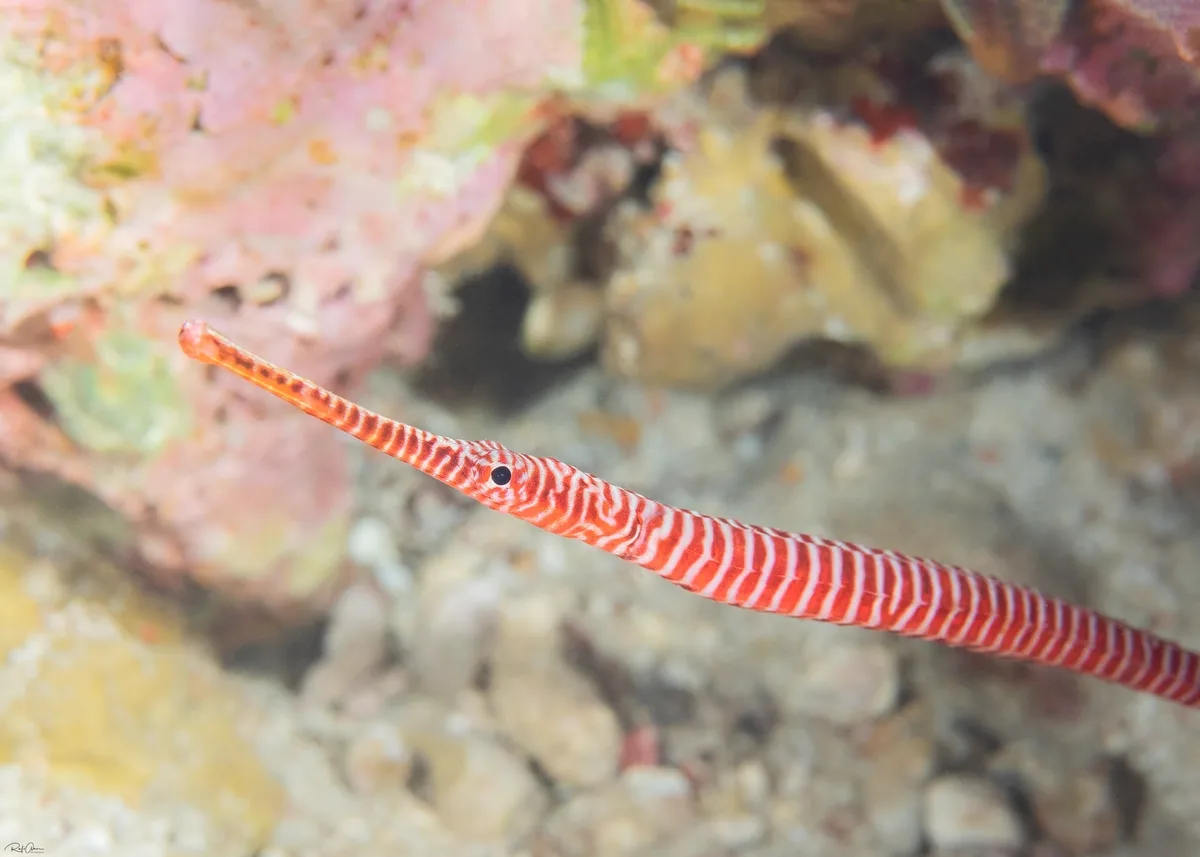
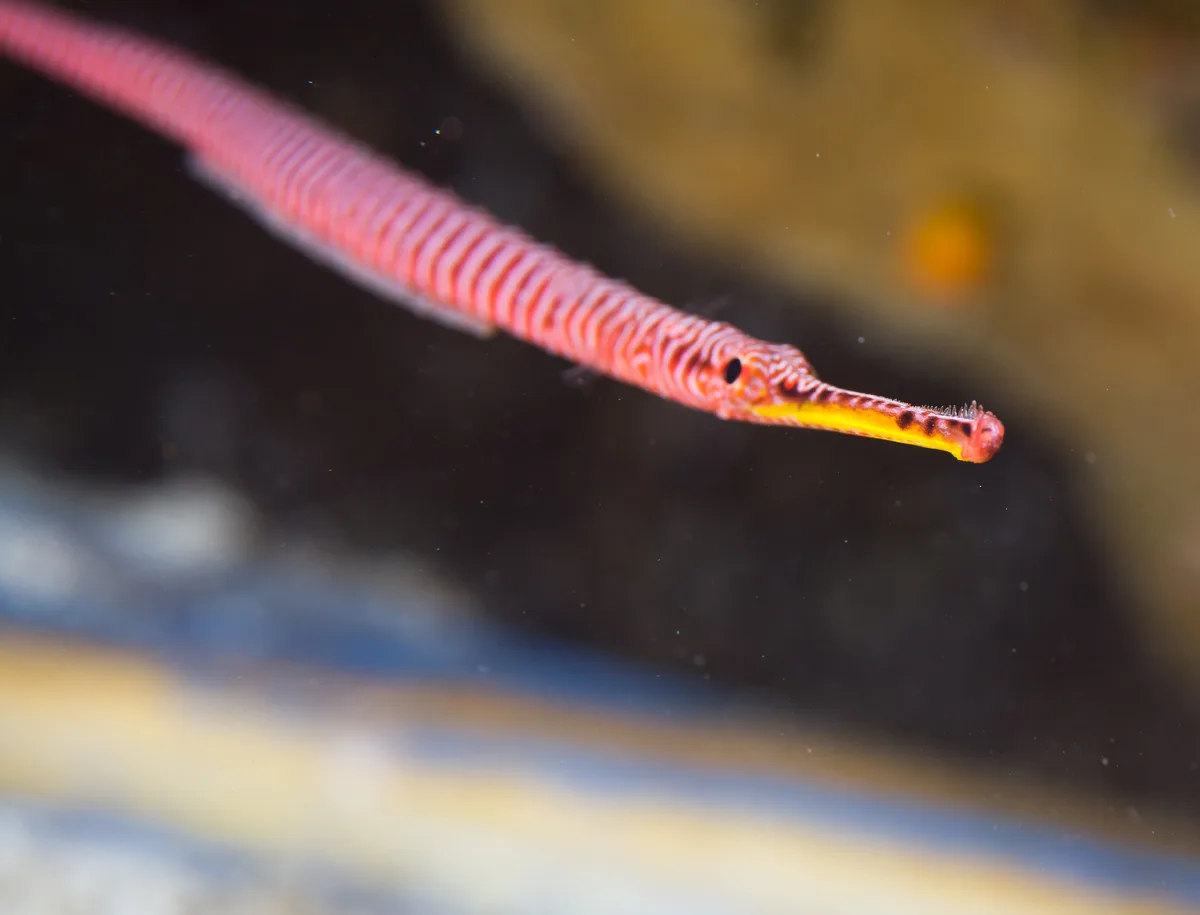
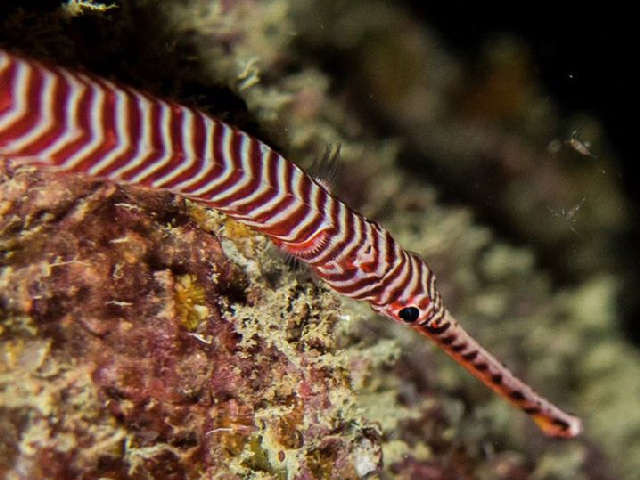
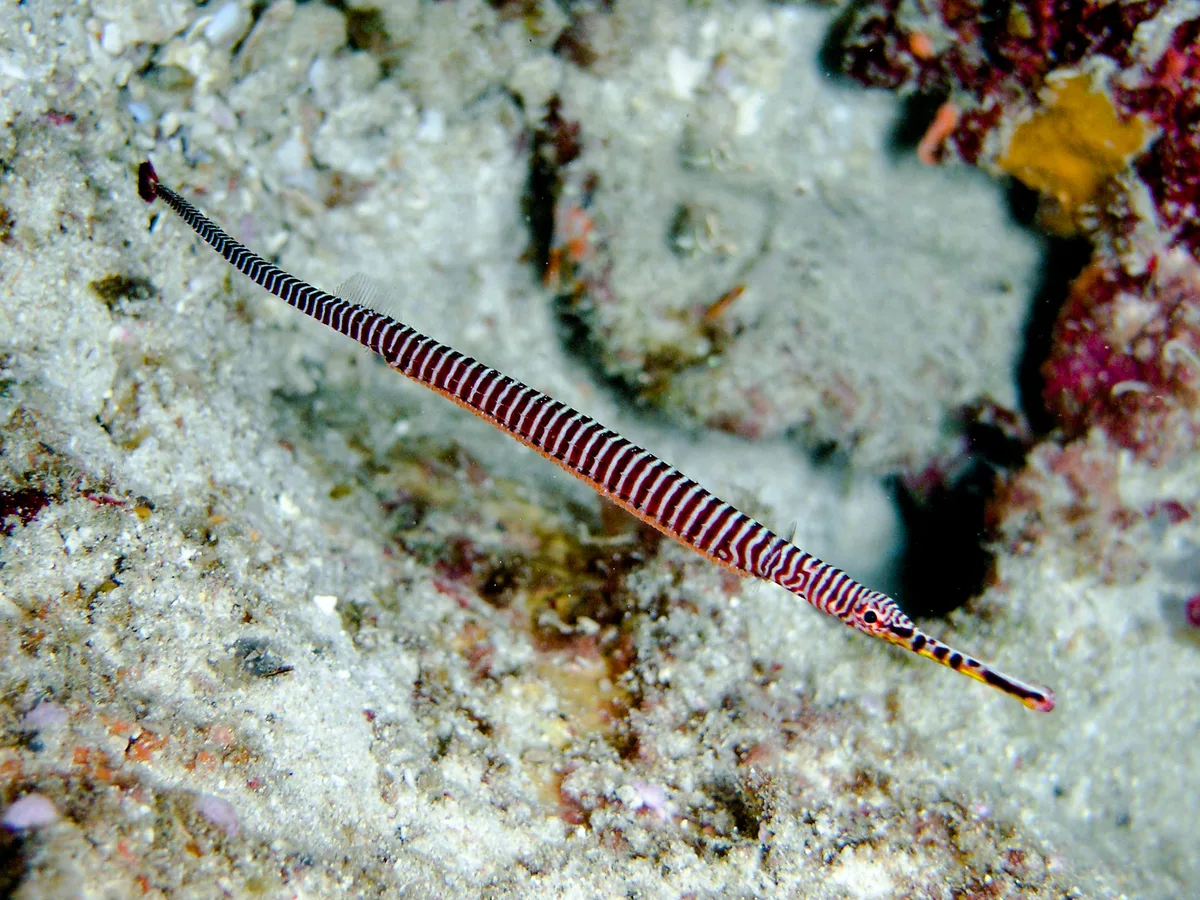
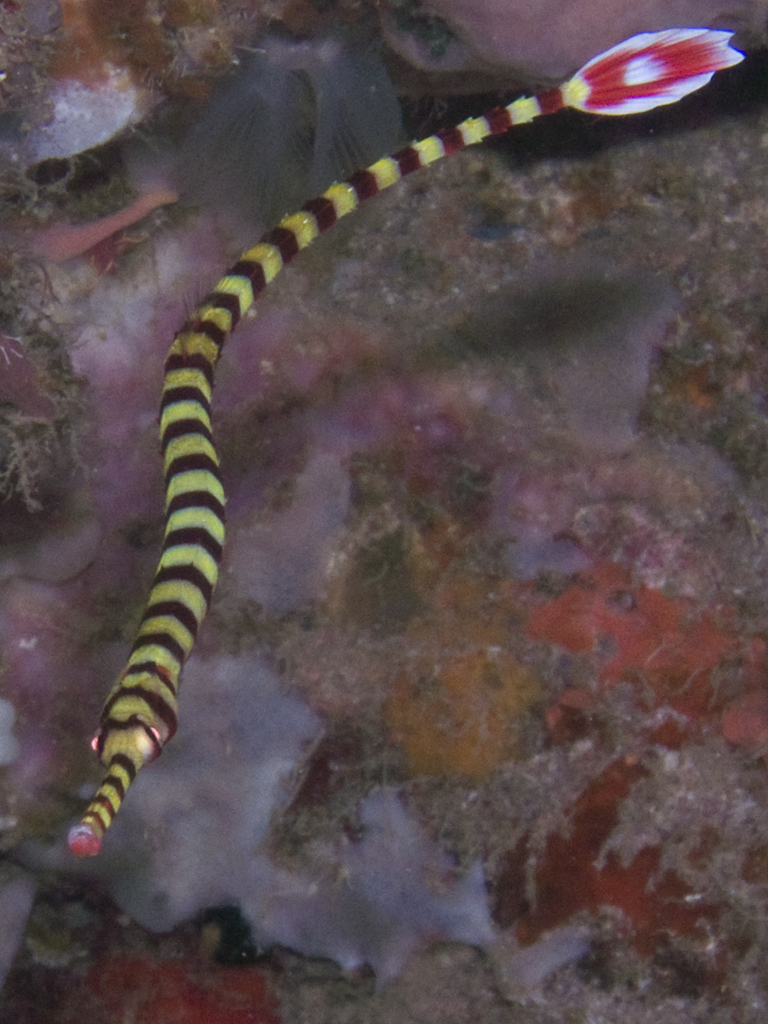
Dunckerocampus multiannulatus, commonly known as the many-banded pipefish, is a marine species within the Syngnathidae family.

This species is prevalent throughout the 🌊 Indian Ocean, ranging from the 🌊 Red Sea and 🇿🇦 South Africa to the Andaman Islands and Sumatra (🇮🇩 Indonesia), 🇮🇩 Indonesia.

It primarily inhabits coral and rocky reef ecosystems, extending to depths of up to 45 meters (148 feet), and can achieve lengths of up to 18 centimeters (7.1 inches).

Notably, the many-banded pipefish functions as an active cleaner, consuming small crustaceans residing on other fish.

This species exhibits an ovoviviparous reproductive strategy, whereby males assume the role of brooding, carrying eggs and giving birth to live offspring.

Male pipefish can begin brooding at a size of approximately 13 centimeters (5.1 inches).

Why it's threatened

Residential & commercial development
Housing & urban areas · Commercial & industrial areas · Tourism & recreation areas
Biological resource use
Unintentional effects: (subsistence/small scale) [harvest] · Unintentional effects: (large scale) [harvest]
Pollution
Sewage · Run-off · Nutrient loads · Soil erosion, sedimentation
Climate change & severe weather
Habitat shifting & alteration · Temperature extremes

Dunckerocampus multiannulatus is threatened by ongoing coral reef habitat loss due to coastal development and pollution, destructive fishing practices such as trawling and dynamite fishing, and the effects of climate change including rising sea surface temperatures and ocean acidification (Bruno and Selig 2007, Carpenter et al. 2008, Normile 2016). It is however also able to utilize rocky reefs.

The species may be caught as bycatch and/or targeted for the aquarium trade, traditional medicine, and to make curios (Vincent et al. 2011), but this has not yet been documented or quantified.

Threat classification from the IUCN Red List.

Comments

Please, sign in to leave a comment

Continue with a social account — yours will be created automatically.

No comments yet — be the first.

Last Update: June 28, 2026