Hairy Pygmy Pipehorse
Fishes · Bony fishes · Pipefishes

Hairy Pygmy Pipehorse

Acentronura tentaculata Günther, 1870
syn. Acentronura mossambica, Syngnathoides algensis
6.3 cm1-20 m
680

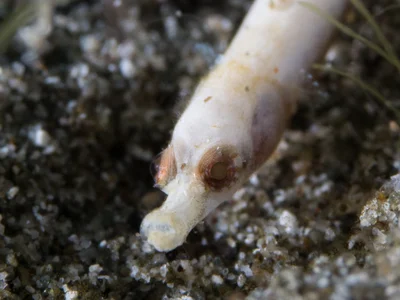
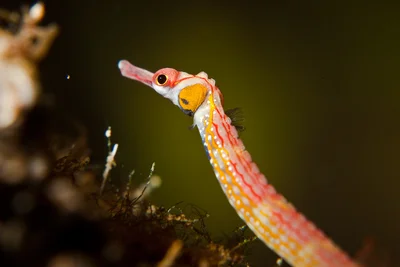
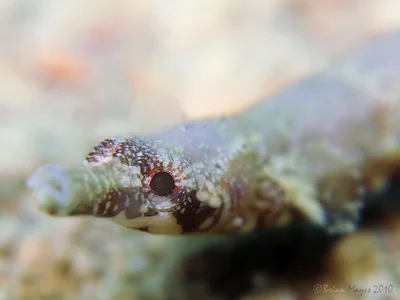
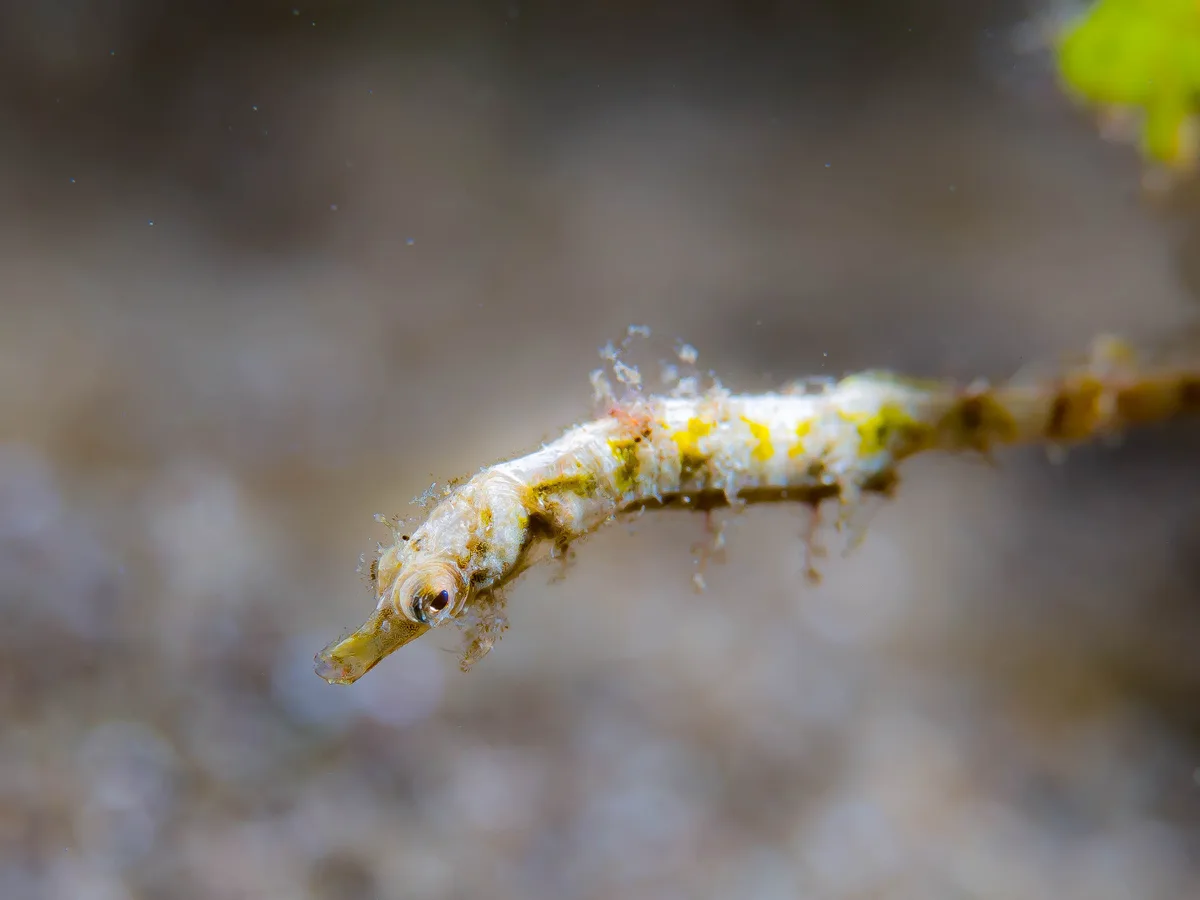
Acentronura tentaculata, commonly referred to as the shortpouch pygmy pipehorse, northern little pipehorse, or dwarf pipehorse, represents a species within the family Syngnathidae. The classification of this species has been the subject of debate, with some experts asserting that Acentronura breviundefinedla should be considered synonymous with Acentronura tentaculata. The potential distribution of this species could extend across the western Indo-Pacific region, ranging from East Africa to 🇳🇨 New Caledonia (🇫🇷 Overseas France) and the northern Great Barrier Reef. However, alternative perspectives suggest that Acentronura tentaculata may be endemic to the 🌊 Red Sea.

Why it's threatened

Residential & commercial development
Housing & urban areas · Commercial & industrial areas · Tourism & recreation areas
Human intrusions & disturbance
Recreational activities · Work & other activities
Pollution
Soil erosion, sedimentation
Other
Other threat

Throughout the Persian Gulf, seagrass beds have sustained extensive damage and loss due to extensive coastal development, sedimentation, trawling activities, and dredging during the construction of offshore man-made island structures. Adjacent to these sites, even non-dredged vegetated habitats are impacted by increased sedimentation associated with the dumping of dredge spoil at and around the original dredge sites. Coral substrata in the Persian Gulf is limited, but also have suffered damage (Sheppard et al. 2010). Manifa, where this species is recorded from, is near an area where extensive man-made structures have been constructed, therefore, it is likely that seagrass and shallow algal habitats have been negatively impacted (D. Feary pers. comm. 2014).Due to its mode of spawning (ovoviviparous brood pouch male parental care), fecundity in this species is comparatively low compared to non-brood pouch spawning fishes and therefore its capacity for population growth is more limited than other species. Furthermore, since there is no broadcast spawning of pelagic eggs, dispersal of potential recruits is limited. Additionally, given the limited swimming abilities of pipefishes, it is highly unlikely that rescue effects would occur from adjacent populations (Browne et al. 2008).

Threat classification from the IUCN Red List.

Comments

Please, sign in to leave a comment

Continue with a social account — yours will be created automatically.

No comments yet — be the first.

Last Update: June 28, 2026