It is named for a count, which tells you something about how fish get identified.
Cardinalfish normally carry six or seven spines in the first dorsal fin. This one has eight, and that single extra spine was distinctive enough to name a genus and a species around. To a diver it is invisible; to a taxonomist with a specimen and a lens it is a hard, countable, non-negotiable fact, and hard facts are scarce in a family of small silvery fish that all look alike.
Spine counts matter because they are fixed early and do not change with age, sex, diet or mood, unlike color, pattern, and everything else visible underwater. A fish that has faded, been preserved for a century, or is known only from a photograph of a juvenile still has the same number of spines.
What the spines do, incidentally, is simple: they lock upright to make the fish harder to swallow, and a predator that has taken one in the throat learns the lesson.
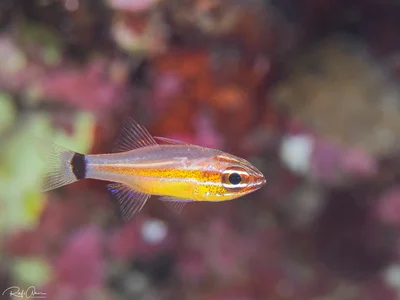
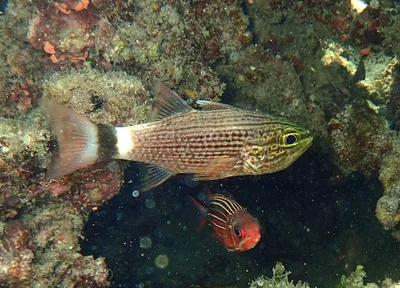
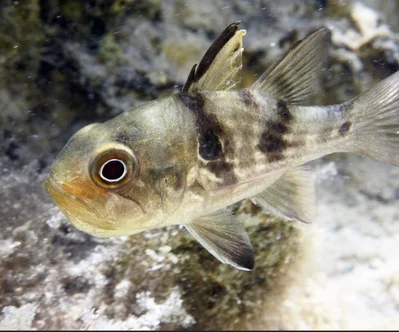
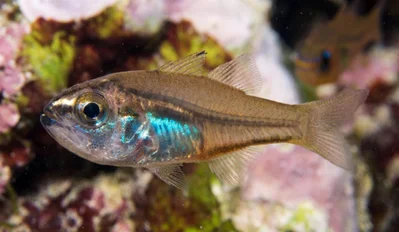
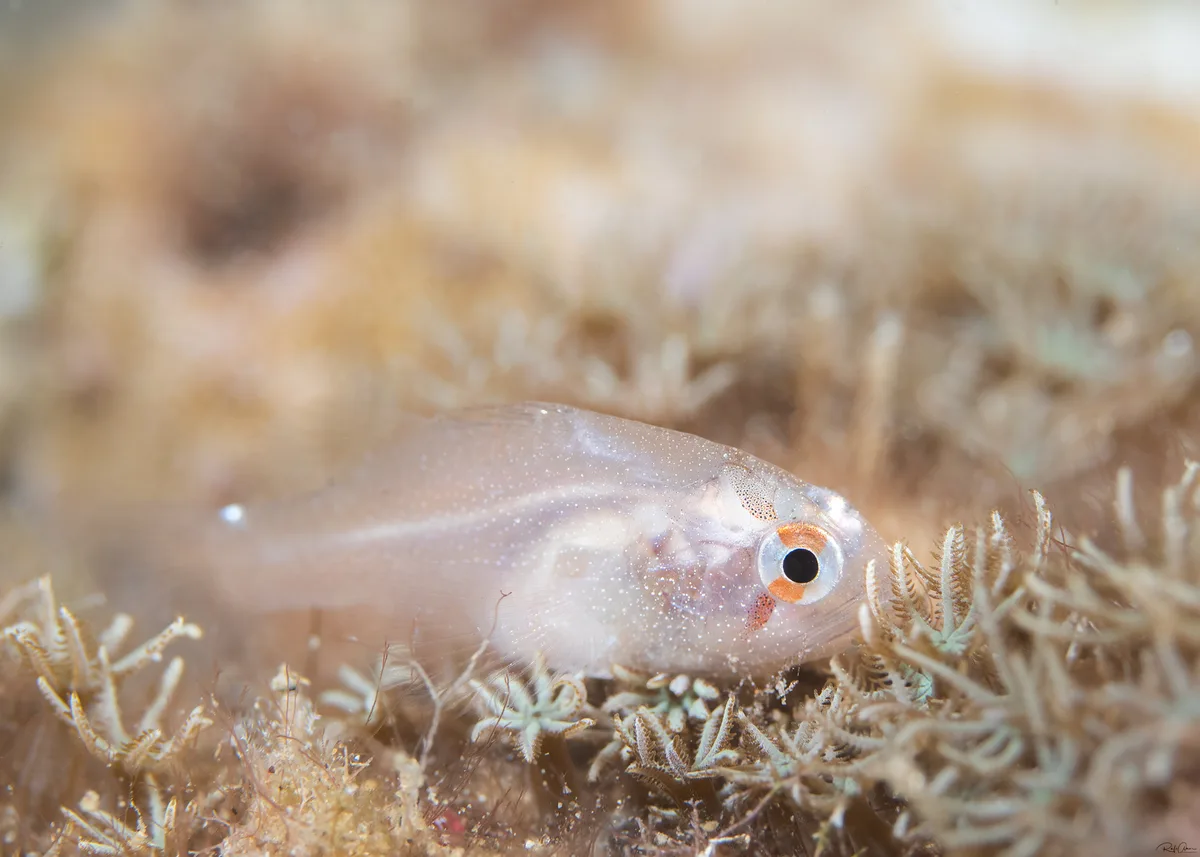
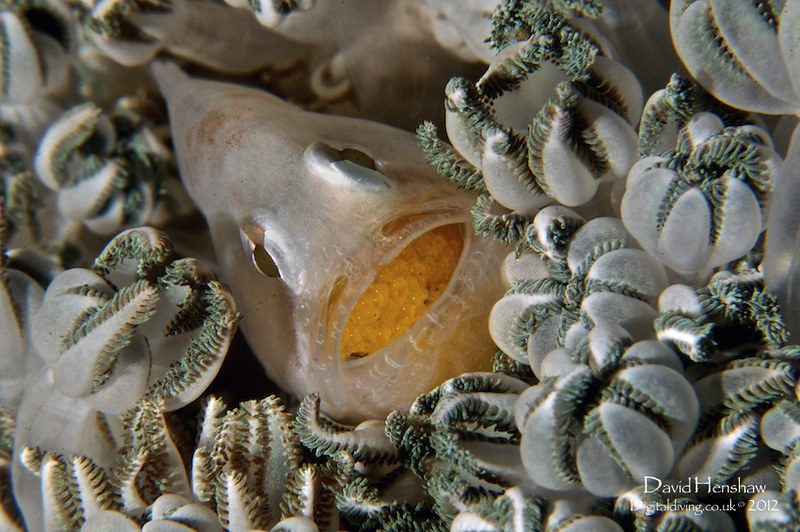
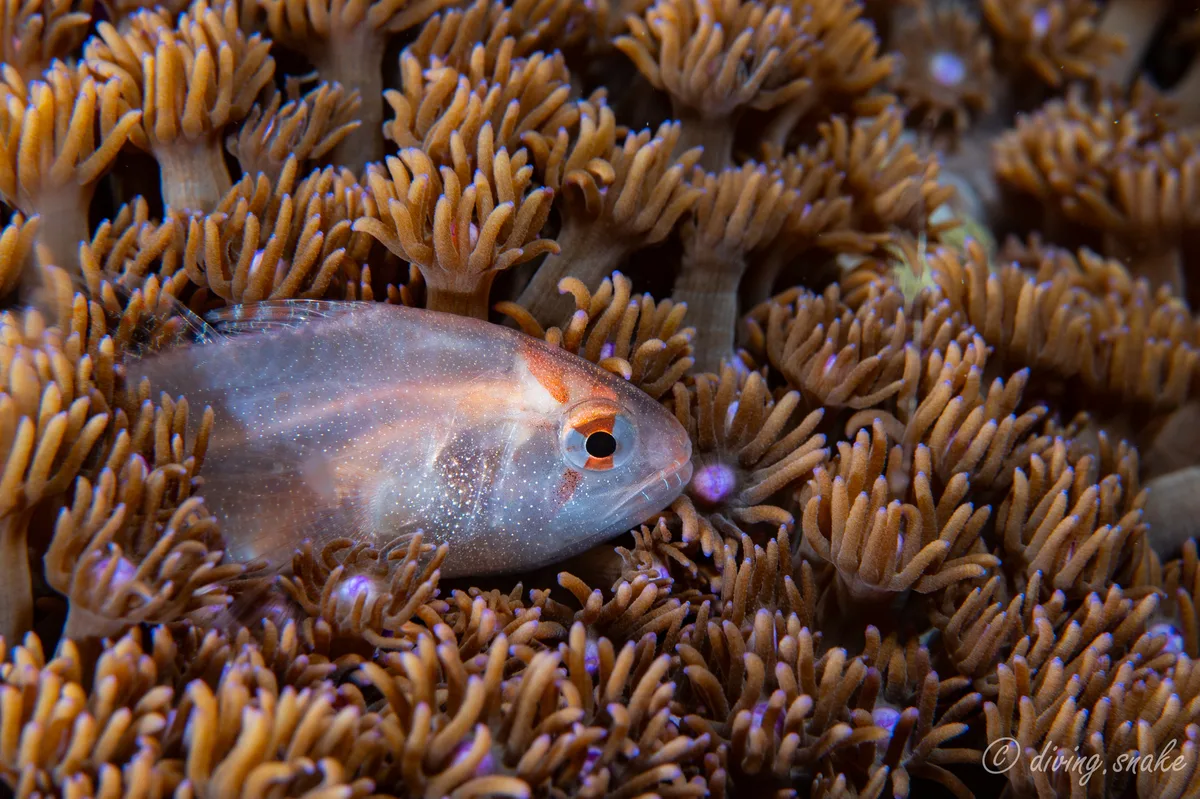
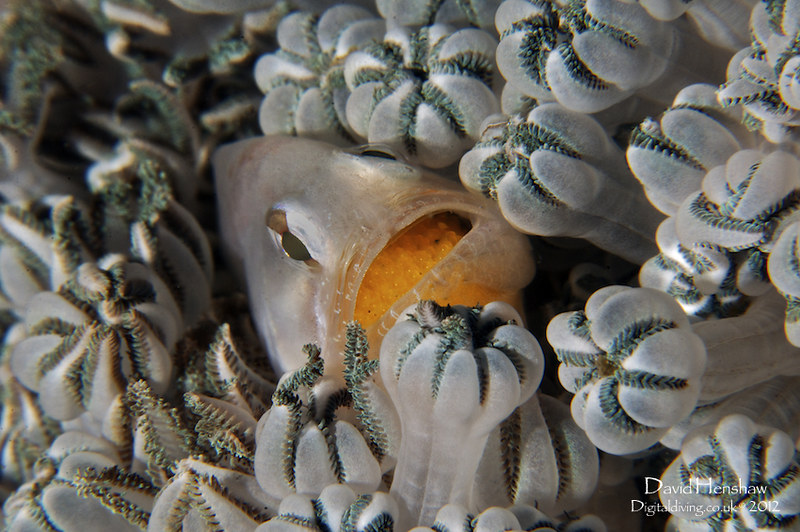
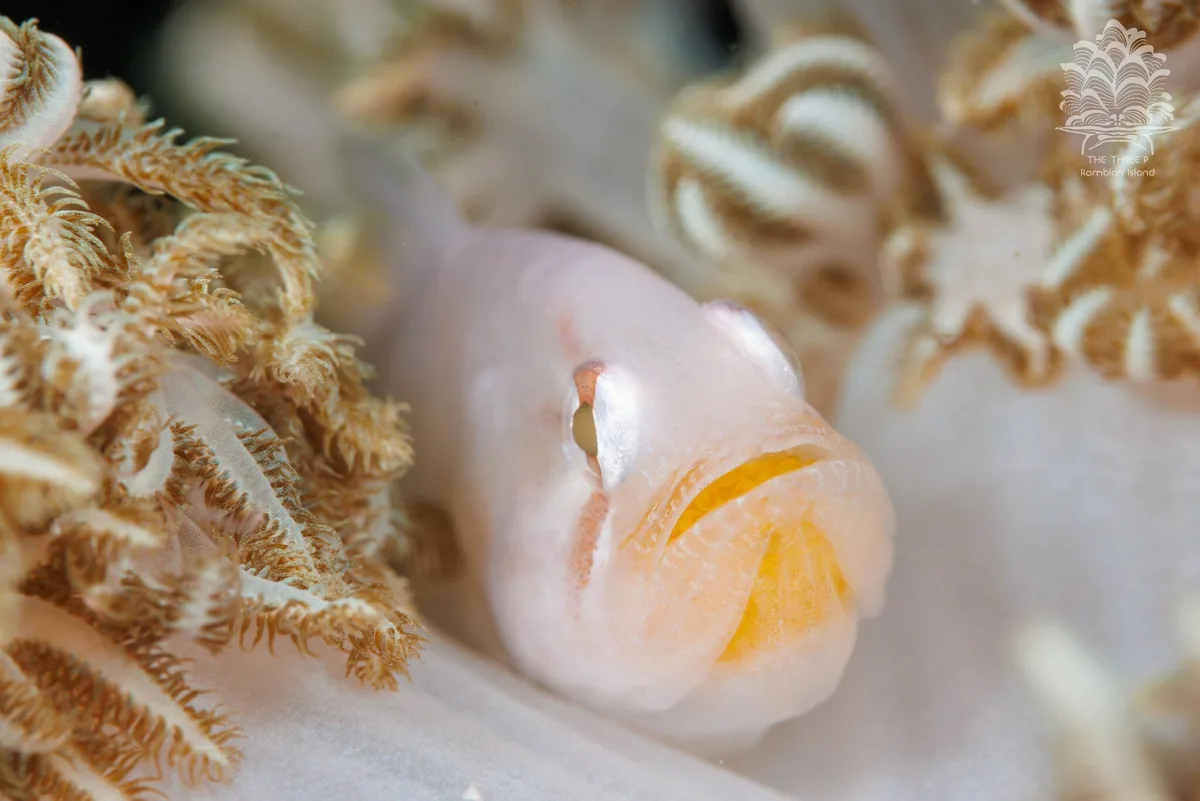
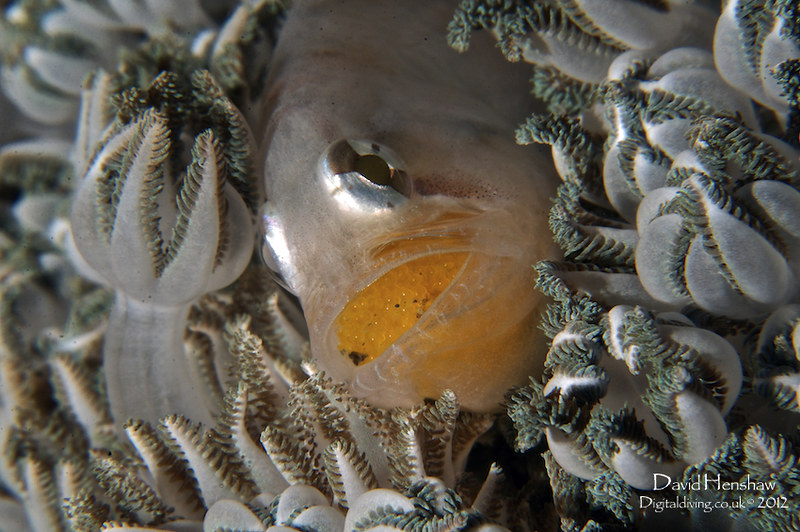
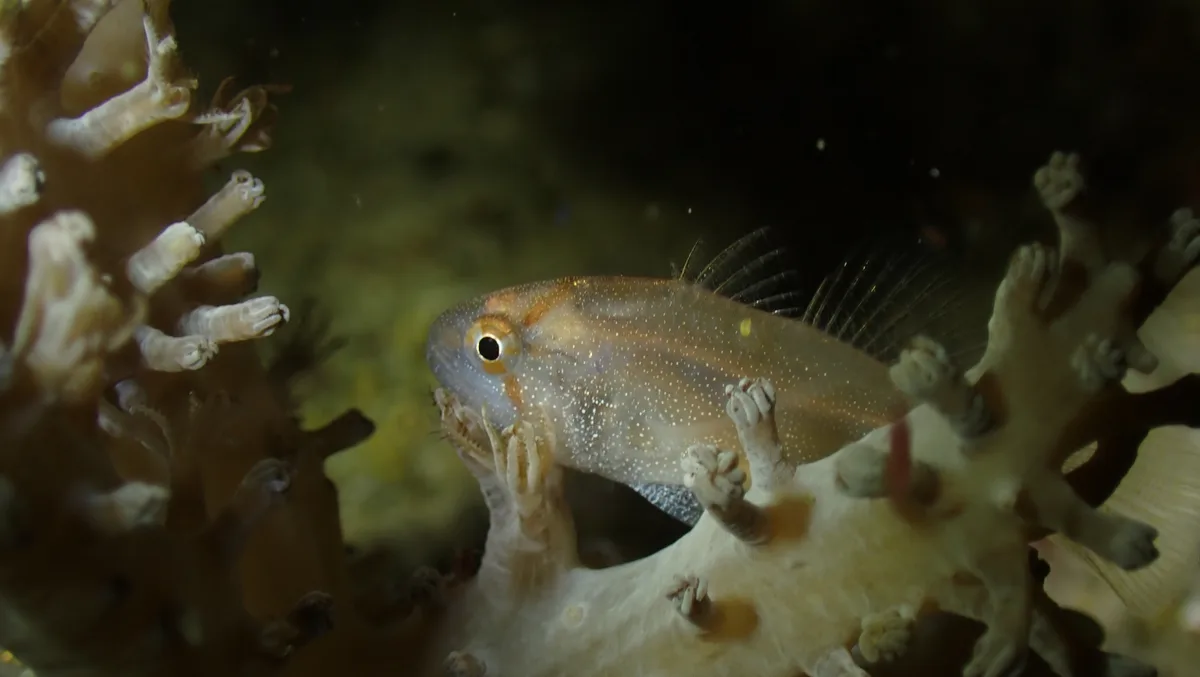
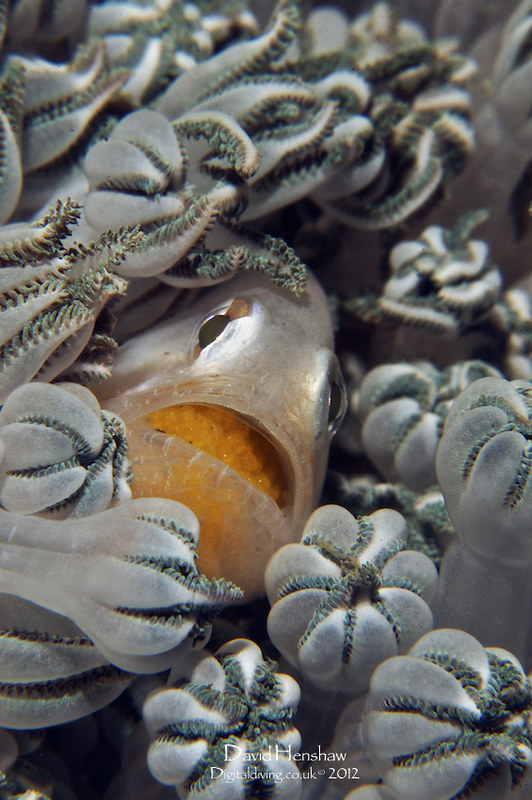
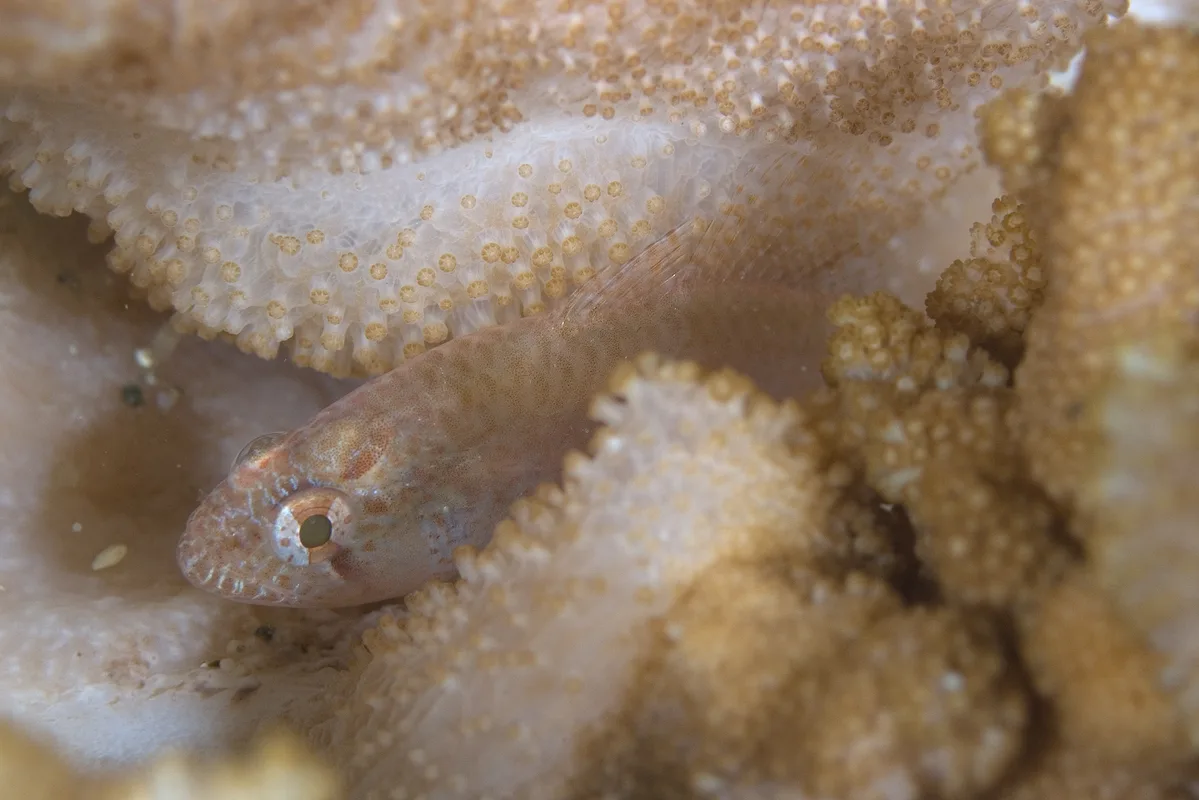
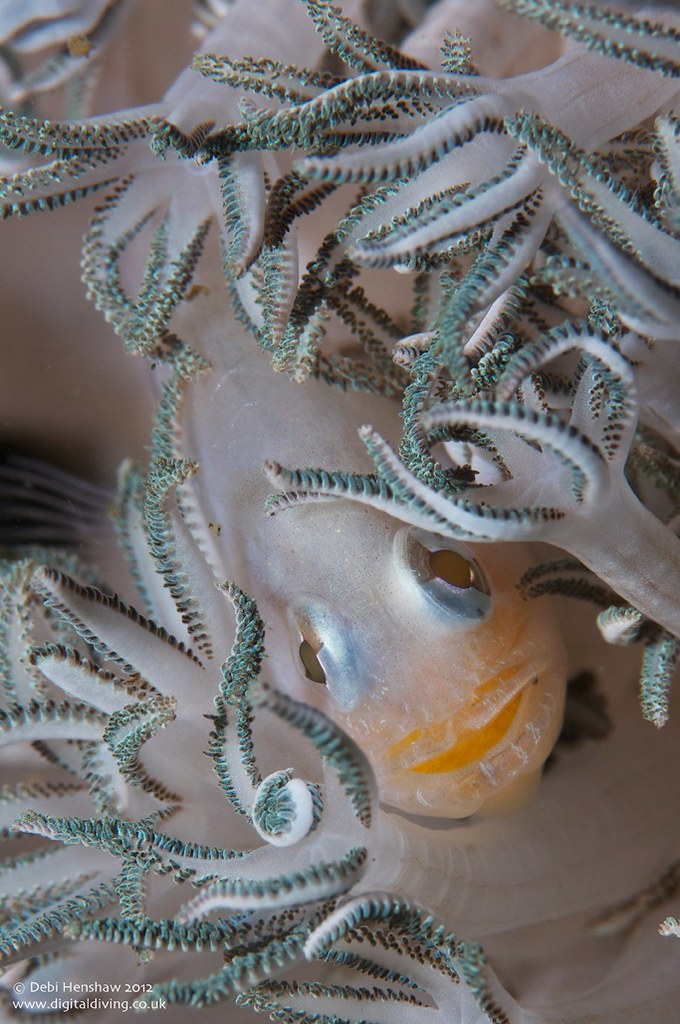
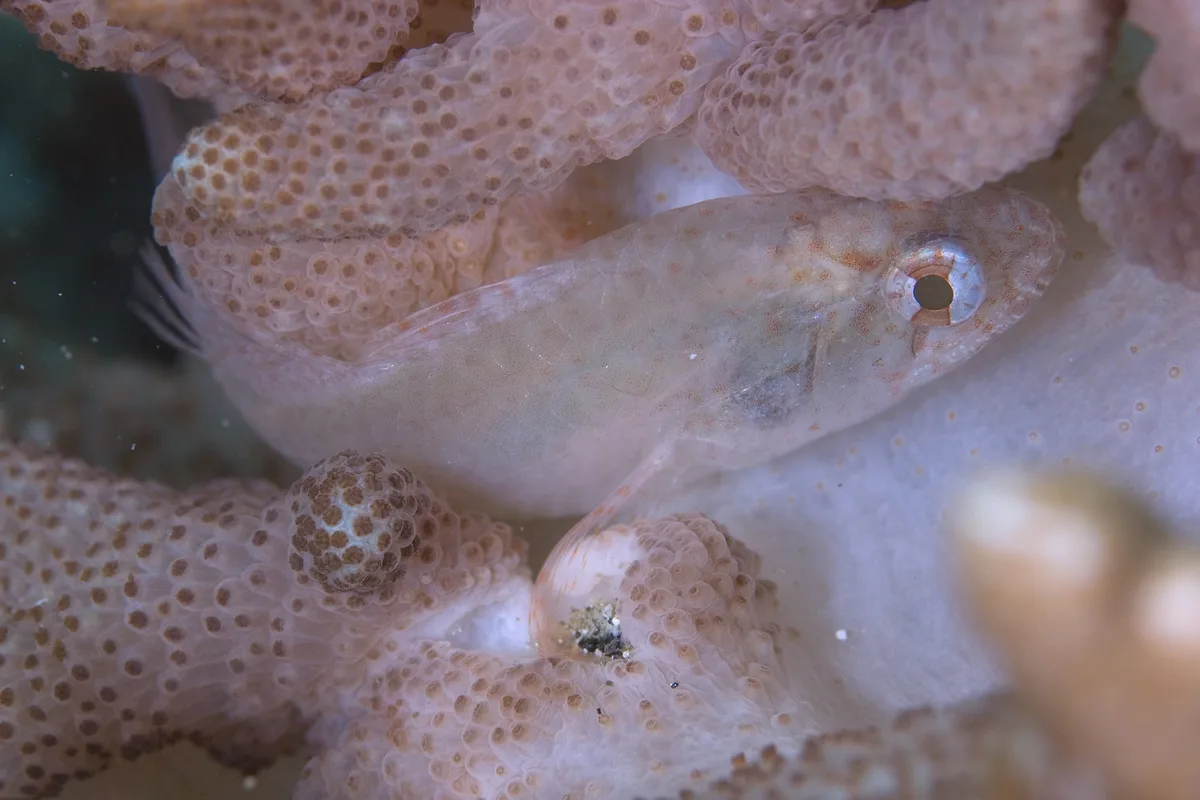
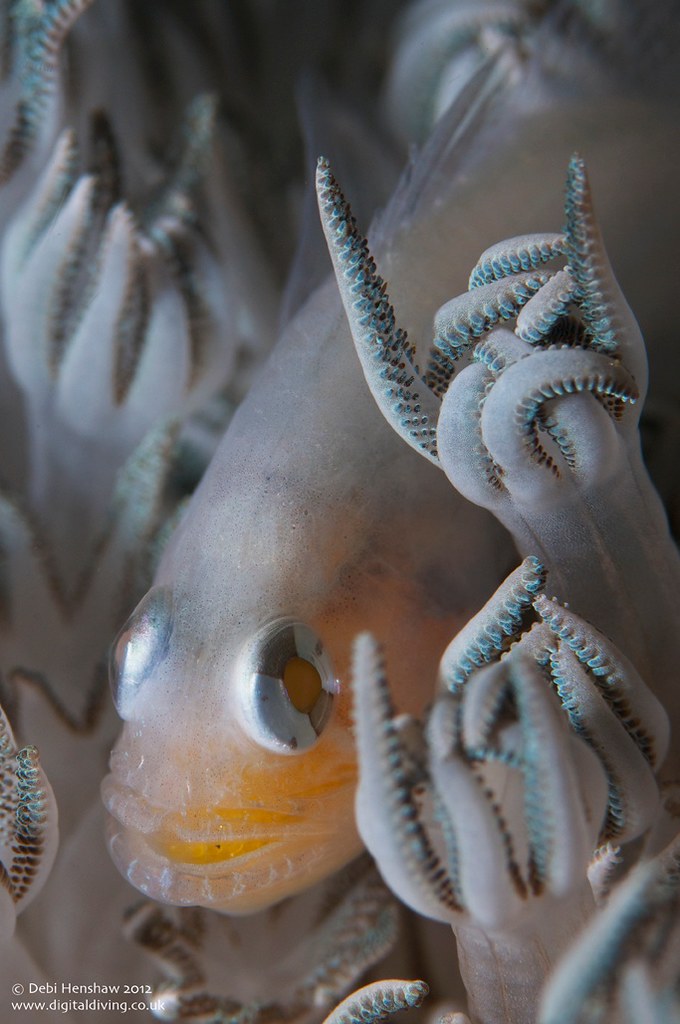
The animal itself is a small pale speckled cardinalfish of shallow reef and rubble, nocturnal like the rest, with the male carrying the eggs.
The genus. Neamia Smith & Radcliffe 1912 - éos (new). ETYFish
The species. Neamia octospina Smith & Radcliffe 1912 - octo (eight) + spina (thorn or spine). ETYFish
- eight spines in the first dorsal fin, where cardinalfish normally have six or seven
- pale body with fine dark speckling
- large eye and a blunt head
- up to 7 cm
Why it's threatened
There are no known major threats driving a global level decline. However, individuals have been reported to disappear after the death of the octocoral Cladiella digitulata in Japan (Yoshida et al. 2010).
Threat classification from the IUCN Red List.